Hearty Hamburger Hash Recipe

There’s something timeless about a skillet full of hamburger hash sizzling away on the stove. It’s the kind of meal that feels like home—warm, savory, and deeply comforting. Hearty Hamburger Hash is a classic, budget-friendly dish that turns simple pantry staples into a satisfying one-pan meal. With tender potatoes, seasoned ground beef, onions, and a blend of spices, this recipe delivers bold flavor without being complicated. It’s perfect for breakfast, brunch, or dinner, and it’s especially loved on chilly evenings when you want food that truly sticks to your ribs.

This version of hamburger hash balances crispy textures with soft, melt-in-your-mouth bites. It’s rustic, filling, and endlessly customizable, making it a favorite for families and solo cooks alike.

Why You’ll Love This Hamburger Hash

Hearty Hamburger Hash is comfort food at its best. It’s quick to prepare, uses affordable ingredients, and cooks in a single skillet—meaning less cleanup and more enjoyment. The combination of golden potatoes and juicy ground beef creates a rich base, while onions and garlic add depth and aroma. Whether topped with eggs, cheese, or served just as it is, this dish delivers big flavor in every bite.

Another reason this recipe shines is its flexibility. You can easily adjust the seasoning, swap ingredients, or add vegetables you have on hand. It’s one of those dependable recipes you’ll come back to again and again.

Ingredients

  • 1 pound ground beef (80/20 works best for flavor)

  • 3 medium russet potatoes, peeled and diced small

  • 1 medium onion, finely chopped

  • 2 cloves garlic, minced

  • 2 tablespoons cooking oil or butter

  • 1 teaspoon paprika

  • ½ teaspoon black pepper

  • 1 teaspoon salt (adjust to taste)

  • ½ teaspoon dried thyme or oregano

  • ½ teaspoon chili flakes (optional, for heat)

  • ¼ cup beef broth or water

  • Fresh parsley for garnish (optional)

Instructions

Start by heating a large, heavy skillet over medium heat. Add one tablespoon of oil and let it warm up. Place the diced potatoes into the skillet in a single layer. Allow them to cook undisturbed for a few minutes so they can develop a golden crust. Stir occasionally and cook for about 10–12 minutes, until the potatoes are mostly tender and lightly crispy. Remove the potatoes from the skillet and set them aside.

In the same skillet, add the remaining oil if needed. Add the ground beef and break it up with a wooden spoon. Cook until browned and no longer pink. As the beef cooks, season it with salt, black pepper, and paprika. Drain excess grease if necessary, but leave a little behind for flavor.

Add the chopped onion to the beef and cook for 3–4 minutes until softened and fragrant. Stir in the minced garlic and cook for another 30 seconds, just until aromatic. Sprinkle in the thyme or oregano and chili flakes if using.

Return the cooked potatoes to the skillet and gently fold everything together. Pour in the beef broth or water to help loosen any browned bits stuck to the pan—this adds incredible flavor. Reduce the heat to medium-low and let the hash cook for another 5–7 minutes, stirring occasionally, until everything is well combined and heated through.

Taste and adjust seasoning as needed. Once done, remove from heat and garnish with fresh parsley if desired.

Serving Suggestions

This hearty hamburger hash is delicious on its own, but it truly shines with a few simple additions. For breakfast or brunch, top it with a fried or poached egg and let the yolk run into the hash for extra richness. For dinner, serve it with a side of crusty bread or a simple green salad to balance the richness.

If you love cheese, sprinkle shredded cheddar or mozzarella over the hot hash and cover the skillet for a minute until melted. A dollop of sour cream or a splash of hot sauce can also elevate the flavors beautifully.

Tips for the Best Hamburger Hash

Cut your potatoes evenly so they cook at the same rate. Smaller dice means faster cooking and better crisping. Don’t overcrowd the pan—letting the ingredients breathe helps develop that irresistible golden crust. And most importantly, be patient. Letting the hash sit undisturbed for short intervals creates deeper flavor and better texture.

Final Thoughts

Hearty Hamburger Hash is more than just a simple meal—it’s a comforting classic that brings warmth and satisfaction to the table. It proves that humble ingredients can create something truly special when cooked with care. Whether you’re feeding a hungry family or cooking for yourself, this dish delivers every time.

Once you try it, don’t be surprised if it becomes a regular in your kitchen rotation. Simple, hearty, and endlessly comforting—this hamburger hash is comfort food done right


It is one of the most powerful plants in the world.

Across cultures and centuries, certain plants have earned almost legendary status—not because of myths, but because of how deeply they support the human body. One such plant, often called “the miracle tree,” is moringa oleifera. Native to parts of South Asia and now grown worldwide, moringa has been used for generations as both food and natural medicine. Modern science is only beginning to catch up with what traditional healers have known all along: this humble plant is extraordinarily powerful.

A Nutritional Giant in a Simple Leaf

Moringa’s reputation starts with its nutrient density. Gram for gram, moringa leaves contain impressive levels of vitamins, minerals, and antioxidants. They are rich in vitamin A for vision and immune health, vitamin C for cellular protection, calcium for bones, potassium for heart function, and iron for healthy blood. What makes moringa especially unique is that it also contains all nine essential amino acids—something rarely found in plant foods.

In areas where malnutrition is common, moringa leaves are often dried into powder and added to meals. Just a small spoonful can significantly boost daily nutrient intake. This is one reason international health organizations have studied moringa as a sustainable solution to nutritional deficiencies.

Powerful Antioxidant and Anti-Inflammatory Support

At the heart of moringa’s power is its antioxidant profile. The leaves contain quercetin, chlorogenic acid, beta-carotene, and other plant compounds that help neutralize free radicals. Free radicals are unstable molecules that contribute to aging and chronic disease. By reducing oxidative stress, moringa supports long-term cellular health.

Moringa is also known for its natural anti-inflammatory properties. Chronic inflammation is linked to conditions such as arthritis, heart disease, and metabolic disorders. Traditional medicine systems have long used moringa to soothe joint pain, calm swelling, and promote recovery after physical strain.

Blood Sugar and Heart Health Benefits

One of the most studied benefits of moringa is its effect on blood sugar balance. Research suggests that moringa compounds may help reduce glucose absorption in the gut and improve insulin sensitivity. For people managing blood sugar concerns, moringa is often used as a gentle, food-based support rather than a harsh intervention.

Heart health is another area where moringa shines. The plant has been shown to help lower LDL (“bad”) cholesterol while supporting healthy blood pressure levels. Its potassium content aids circulation, and its antioxidants help protect blood vessels from damage. In traditional diets, moringa is often consumed regularly as a preventive measure rather than a treatment after problems arise.

Natural Detox and Digestive Support

Moringa supports the body’s natural detox pathways, especially the liver. Compounds in the leaves help the liver process toxins more efficiently while protecting it from oxidative damage. Unlike extreme detox trends, moringa works gently, supporting the body’s built-in systems instead of forcing dramatic changes.

Digestively, moringa is valued for its fiber content and mild antibacterial properties. It can help promote regular bowel movements, support gut balance, and reduce digestive discomfort. In many cultures, moringa tea is used after heavy meals to ease bloating and improve digestion.

Skin, Hair, and Anti-Aging Uses

The benefits of moringa extend beyond internal health. Moringa oil, pressed from the seeds, has been used for centuries in skincare. It is lightweight, deeply moisturizing, and rich in antioxidants that help protect skin from environmental stress. Applied topically, it supports skin elasticity and a healthy glow.

For hair, moringa’s nutrients nourish the scalp and strengthen hair strands. Traditional hair oils and masks often include moringa to reduce dryness, breakage, and dullness. Internally, the plant’s anti-aging benefits come from its ability to reduce oxidative stress—one of the main drivers of visible aging.

How to Use Moringa Safely

Moringa can be consumed in several forms: fresh leaves cooked like spinach, dried leaf powder added to smoothies or soups, capsules, or tea. The flavor is mild and slightly earthy, making it easy to incorporate into daily meals.

A common approach is to start small—about half a teaspoon of powder per day—and gradually increase if tolerated. Because moringa is potent, moderation is key. Pregnant women and people on medication should consult a healthcare professional before using it regularly.

Why Moringa Truly Stands Out

What makes moringa one of the most powerful plants in the world is not a single miracle effect, but its wide-ranging support for the body. It nourishes, protects, balances, and strengthens—quietly and consistently. Instead of acting like a quick fix, moringa works as a foundation plant, supporting health at multiple levels over time.

Congo Bars

Congo Bars are one of those nostalgic desserts that feel like a hug from the past. Long before trendy brownies, fancy blondies, or viral dessert hacks took over social media, Congo Bars were already winning hearts. Rich with brown sugar, buttery goodness, and melty chocolate chips, they sit perfectly between a cookie and a cake—chewy, soft, and deeply comforting.

What makes Congo Bars so special isn’t just their flavor, but their simplicity. No mixers, no complicated techniques, and no fussy ingredients. These bars were born in kitchens where practicality mattered, yet flavor always came first. They were the kind of dessert baked for school lunches, church gatherings, family reunions, and cozy Sunday afternoons.

What Exactly Are Congo Bars?

Congo Bars are often described as the “original blondie,” but that doesn’t quite capture their charm. Unlike brownies that rely on cocoa for depth, Congo Bars get their rich flavor from brown sugar. This gives them a caramel-like sweetness and a slightly chewy texture that’s hard to resist.

The name may sound exotic, but the bars themselves are humble and homey. They’re thick, golden, and dotted with chocolate chips—sometimes with nuts, sometimes without. Every bite delivers buttery warmth with just enough sweetness to keep you reaching for another square.

Why This Recipe Works

This version focuses on balance. Not overly sweet, not dry, and never cakey. Melted butter keeps the bars moist, brown sugar adds depth, and a touch of vanilla rounds everything out. Baking them just until set ensures that soft, chewy center that Congo Bars are known for.

Best of all, this recipe is incredibly forgiving. Even beginner bakers can make these successfully on the first try.

Classic Congo Bars Recipe

Ingredients

  • ¾ cup unsalted butter, melted and slightly cooled

  • 1 ½ cups packed brown sugar (light or dark both work)

  • 2 large eggs, at room temperature

  • 2 teaspoons vanilla extract

  • 1 ¾ cups all-purpose flour

  • 1 teaspoon baking powder

  • ½ teaspoon salt

  • 1 ½ cups chocolate chips (semi-sweet or milk chocolate)

  • ½ cup chopped walnuts or pecans (optional)

Instructions

  1. Prepare the pan
    Preheat your oven to 350°F (175°C). Grease a 9×13-inch baking pan or line it with parchment paper, leaving a little overhang for easy removal.

  2. Mix the wet ingredients
    In a large mixing bowl, combine the melted butter and brown sugar. Stir until smooth and glossy. Add the eggs one at a time, mixing well after each addition. Stir in the vanilla extract.

  3. Combine dry ingredients
    In a separate bowl, whisk together the flour, baking powder, and salt. This ensures even distribution and prevents dense spots in the batter.

  4. Bring it together
    Gradually add the dry ingredients to the wet mixture. Stir gently until just combined. Do not overmix—this is key to keeping the bars tender.

  5. Fold in the mix-ins
    Gently fold in the chocolate chips and nuts if using. The batter will be thick but spreadable.

  6. Bake to perfection
    Spread the batter evenly into the prepared pan. Bake for 25–30 minutes, or until the edges are golden and a toothpick inserted into the center comes out with a few moist crumbs.

  7. Cool and slice
    Allow the bars to cool completely in the pan before slicing. This helps them set properly and enhances their chewy texture.

Texture and Flavor Tips

  • For extra chewiness, slightly underbake by 1–2 minutes.

  • For deeper flavor, use dark brown sugar instead of light.

  • For a bakery-style finish, sprinkle a few chocolate chips on top before baking.

These small tweaks make a noticeable difference without complicating the recipe.

Serving Suggestions

Congo Bars are wonderful on their own, but they truly shine when paired with simple additions. Serve them warm with a scoop of vanilla ice cream, drizzle with caramel sauce, or enjoy them alongside a cup of coffee or tea.

They’re also perfect for packing into lunchboxes or gifting during the holidays. Wrapped individually, they stay soft for days and travel beautifully.

Storage and Make-Ahead Tips

Store Congo Bars in an airtight container at room temperature for up to 4 days. For longer storage, refrigerate them for up to a week or freeze for up to 3 months. Simply thaw at room temperature before serving.

Why Congo Bars Still Matter

In a world full of complicated desserts, Congo Bars remind us that simplicity is powerful. They don’t rely on trends or techniques—just good ingredients and time-tested methods. One bite is enough to understand why this recipe has survived generations.

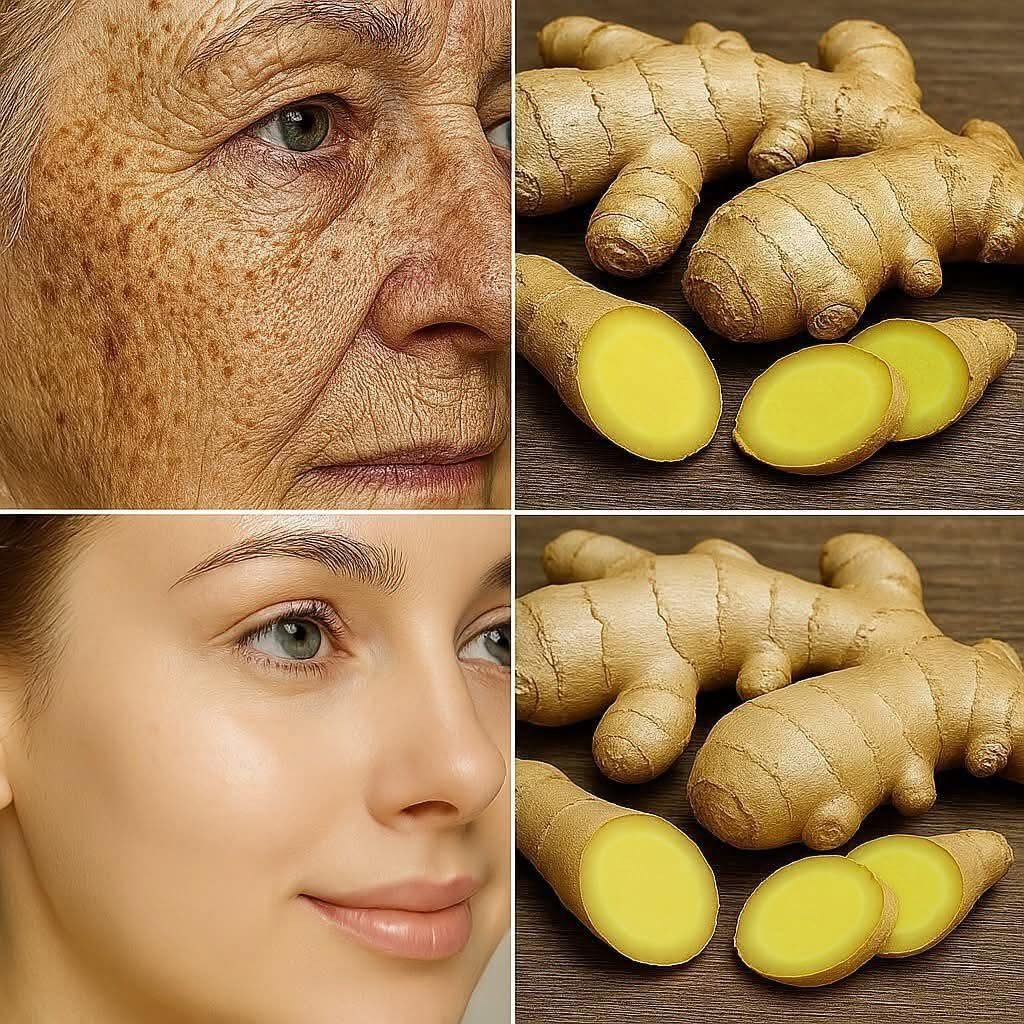
Discover the Power of Ginger for Glowing Skin

For centuries, ginger has been treasured as a warming spice, a digestive hero, and a natural remedy passed down through generations. But beyond the kitchen and teacup, ginger holds a lesser-known secret: it can be a powerful ally for glowing, healthy-looking skin. Packed with antioxidants, anti-inflammatory compounds, and circulation-boosting properties, ginger works from the inside out—and even topically—to support a radiant complexion.

Let’s explore how this humble root can elevate your skincare routine naturally, plus an easy UNIE-style ginger recipe you can make at home.

Why Ginger Is a Skin-Loving Super Root

Ginger (Zingiber officinale) is rich in bioactive compounds, especially gingerol, which gives ginger its spicy kick and many of its benefits. These compounds are known for their antioxidant and soothing properties—two things your skin absolutely loves.

1. Fights Dullness with Antioxidants

One of the biggest enemies of glowing skin is oxidative stress caused by pollution, sun exposure, and everyday environmental toxins. Ginger’s antioxidants help neutralize free radicals, which can contribute to premature aging, fine lines, and a tired-looking complexion. By reducing oxidative stress, ginger supports brighter, fresher-looking skin over time.

2. Supports Even Skin Tone

Ginger is often praised in traditional wellness systems for its ability to improve circulation. Better blood flow means more oxygen and nutrients delivered to skin cells. The result? A natural, healthy glow and a more even skin tone that looks alive—not flat or ashy.

3. Calms Redness and Puffiness

Thanks to its anti-inflammatory properties, ginger may help calm skin that looks irritated, puffy, or stressed. While it’s not a medical treatment, many people notice that ginger—used gently and correctly—can support a calmer, more balanced appearance, especially when skin feels reactive.

4. Supports Clearer-Looking Skin from Within

Skin often reflects what’s happening inside the body. Ginger has long been used to support digestion and gut comfort. When digestion is running smoothly, the body is better able to eliminate waste—something that can indirectly support clearer, healthier-looking skin.

Ginger for Skin: Inside vs. Outside

The beauty of ginger is its versatility. You can enjoy it internally as part of your diet and externally in simple skincare rituals.

Internal Glow: Eating and Drinking Ginger

Adding ginger to your daily routine—through teas, smoothies, or meals—helps nourish the skin from within. Consistency is key. A little ginger regularly is better than large amounts once in a while.

External Glow: Gentle Topical Use

Ginger can be used in DIY masks or infused oils, but it’s potent. Always dilute ginger and do a patch test first. Sensitive skin types should be especially cautious.

UNIE Ginger Glow Recipe: Warming Ginger Skin Tea

This simple, nourishing recipe supports hydration, circulation, and antioxidant intake—all essential for glowing skin.

Ingredients:

  • 1 cup water

  • 1 teaspoon freshly grated ginger (or ½ teaspoon dried ginger)

  • 1 teaspoon honey (optional)

  • A squeeze of fresh lemon (optional)

Instructions:

  1. Bring the water to a gentle boil.

  2. Add the ginger and simmer for 5–7 minutes.

  3. Strain into a cup.

  4. Stir in honey and lemon if desired.

  5. Sip warm, preferably in the morning or early afternoon.

Why It Works:

  • Ginger supports circulation and antioxidant defenses

  • Honey adds natural sweetness and supports skin hydration

  • Lemon provides vitamin C, which supports collagen health

Drink this tea 3–4 times a week for best results. Many people notice their skin looks brighter and more refreshed with regular use.

Optional DIY Ginger Glow Mask (Use with Care)

If you enjoy natural skincare, this gentle mask can be used occasionally.

Ingredients:

  • 1 teaspoon ginger juice (very small amount)

  • 2 tablespoons plain yogurt or honey

Directions:

  1. Mix ingredients well.

  2. Apply a thin layer to clean skin, avoiding eyes.

  3. Leave on for no more than 5 minutes.

  4. Rinse thoroughly and moisturize.

Important: Ginger can tingle. If you feel burning or discomfort, rinse immediately. Always patch-test first.

Tips for Best Results

  • Consistency beats intensity—small amounts regularly work best

  • Stay hydrated; ginger works even better with enough water

  • Pair ginger with a balanced diet rich in fruits and healthy fats

  • Protect your skin from excessive sun exposure

The Takeaway

Glowing skin isn’t about chasing perfection—it’s about supporting your skin’s natural balance. Ginger, with its rich history and powerful compounds, offers a simple, affordable, and natural way to nourish your skin from the inside out. Whether you enjoy it as a comforting tea or a carefully used topical treatment, ginger proves that sometimes the most effective beauty secrets are already sitting in your kitchen.

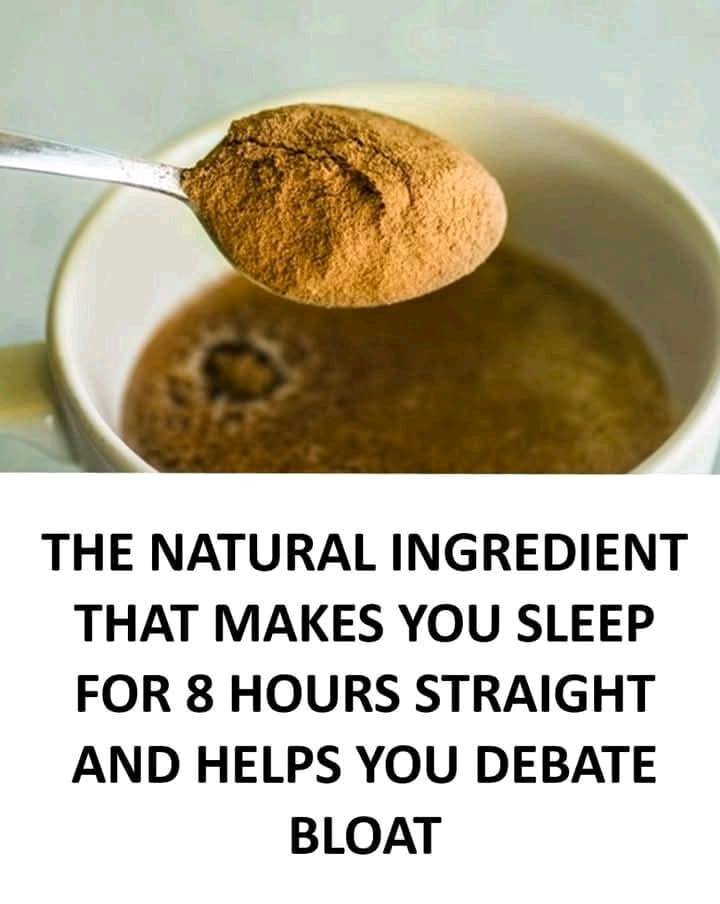
The Natural Ingredient That Lets Us Sleep 8 Hours Straight and Helps Burn Fat

In a world buzzing with notifications, late dinners, and stressed-out nervous systems, deep sleep has quietly become a luxury. And when sleep suffers, so does metabolism. Cravings spike, hormones wobble, and fat loss suddenly feels impossible. But what if one simple, natural ingredient could help you sleep a full 8 hours and support fat burning—without stimulants, gimmicks, or crash diets?

Meet magnesium—specifically magnesium glycinate—the unsung mineral that quietly does both.

Why Sleep and Fat Loss Are Inseparable

Before we get into the ingredient, here’s the truth most weight-loss plans skip:
You cannot out-train poor sleep.

When you don’t sleep well:

  • Cortisol (the stress hormone) stays high

  • Insulin sensitivity drops

  • Hunger hormones (ghrelin) increase

  • Fat-burning hormones (like growth hormone) decline

In short, your body shifts into storage mode, not burn mode.

That’s why fixing sleep is often the missing piece in stubborn weight gain—and magnesium plays a powerful role here.

Magnesium: The Mineral Most People Are Deficient In

Magnesium is involved in over 300 biochemical reactions in the body, including:

  • Regulating the nervous system

  • Relaxing muscles

  • Supporting deep, restorative sleep

  • Balancing blood sugar

  • Activating enzymes that help burn fat

Modern diets, stress, caffeine, and processed foods drain magnesium fast. Even people who “eat healthy” are often low without realizing it.

Low magnesium = restless sleep, night waking, anxiety, sugar cravings, and fatigue.

How Magnesium Helps You Sleep 8 Hours Straight

Magnesium doesn’t knock you out like a sleeping pill. Instead, it calms the nervous system so your body can do what it’s designed to do.

It works by:

  • Activating GABA, the brain’s calming neurotransmitter

  • Relaxing tight muscles and racing thoughts

  • Lowering nighttime cortisol

  • Supporting deeper slow-wave sleep

Many people report:

  • Falling asleep faster

  • Fewer middle-of-the-night wakeups

  • Waking up refreshed, not groggy

And better sleep sets the stage for easier fat loss.

How Magnesium Supports Fat Burning (Quietly but Effectively)

Magnesium doesn’t “burn fat” like a stimulant. It supports fat loss by fixing the systems that control weight.

Here’s how:

  • Improves insulin sensitivity → less fat storage

  • Helps regulate blood sugar → fewer cravings

  • Reduces stress hormones → less belly fat

  • Supports muscle recovery → higher resting metabolism

When sleep improves, hunger naturally drops, late-night snacking fades, and energy rises—without forcing discipline.

That’s real, sustainable fat loss.

The Best Form: Why Magnesium Glycinate Wins

Not all magnesium is created equal.

Magnesium glycinate is ideal because:

  • It’s highly absorbable

  • Gentle on the stomach

  • Specifically supports relaxation and sleep

Other forms (like magnesium oxide) are poorly absorbed and mainly act as laxatives—not what you want before bed.

The Nighttime Magnesium Sleep & Fat-Burn Ritual (UNIE Recipe)

This simple nightly drink turns magnesium into a calming ritual your body learns to crave.

🌙 Magnesium Moon Milk (Sleep & Burn Edition)

Ingredients:

  • 1 cup warm unsweetened almond milk (or dairy milk)

  • 1/2 teaspoon magnesium glycinate powder (or capsule opened)

  • 1/4 teaspoon cinnamon

  • Pinch of nutmeg

  • Optional: 1/2 teaspoon raw honey or stevia

Instructions:

  1. Warm the milk gently—do not boil

  2. Stir in magnesium until fully dissolved

  3. Add cinnamon and nutmeg

  4. Sip slowly 30–60 minutes before bed

This combo relaxes muscles, stabilizes blood sugar overnight, and signals your body that it’s safe to rest.

What to Expect (Timeline)

  • Night 1–3: Easier relaxation, deeper sleep onset

  • Week 1: Fewer night wakeups, calmer mornings

  • Week 2–3: Reduced cravings, better energy, lighter feeling

  • Month 1: Noticeable improvements in sleep quality and body composition

Consistency matters more than dosage.

Important Notes (Read This)

  • Start low if you’re sensitive

  • Avoid combining with alcohol

  • If pregnant or on medication, check with a professional

  • Magnesium works best when taken nightly, not randomly

This is not a miracle pill—but it fixes the foundation.

The Real Secret Isn’t Willpower—It’s Biology

When your body feels safe, rested, and balanced, fat loss stops being a fight. Magnesium helps flip that switch naturally—by restoring sleep, calming stress, and supporting metabolic health.

Natural Remedies for Prostate Health: How to Protect Yourself from Prostate Cancer

Prostate health is something many men don’t think about until symptoms appear. Yet the prostate—an essential gland in the male reproductive system—plays a major role in overall wellness as men age. Prostate cancer is one of the most common cancers among men worldwide, and while no natural remedy can guarantee prevention, research shows that lifestyle choices, diet, and certain natural supports may help protect prostate health and reduce risk over time.

The good news? Small, consistent habits can make a powerful difference.

Understanding Prostate Health

The prostate is a walnut-sized gland located below the bladder. As men age, it commonly enlarges, leading to conditions such as benign prostatic hyperplasia (BPH), inflammation (prostatitis), or in some cases, cancer. Genetics, age, hormones, diet, and chronic inflammation all play roles in prostate health.

Supporting the prostate naturally means focusing on reducing inflammation, balancing hormones, improving circulation, and strengthening immune defenses.

1. Tomatoes and Lycopene: A Prostate Protector

Tomatoes are one of the most studied foods for prostate health. They are rich in lycopene, a powerful antioxidant linked to a lower risk of prostate cancer in multiple population studies.

Lycopene becomes more bioavailable when tomatoes are cooked, making foods like tomato sauce, stewed tomatoes, and tomato paste especially beneficial.

How to use it naturally:

  • Add cooked tomatoes to soups and stews

  • Use olive oil when cooking tomatoes to boost absorption

  • Include tomato-based sauces regularly in meals

2. Green Tea: Anti-Inflammatory and Antioxidant

Green tea contains compounds called catechins, which have been shown to help reduce inflammation and oxidative stress—two factors associated with cancer development.

Drinking green tea regularly may help slow abnormal cell growth in the prostate while supporting overall metabolic health.

Simple habit:

  • Drink 1–3 cups of unsweetened green tea daily

  • Avoid adding sugar; lemon is a better option

3. Cruciferous Vegetables: Natural Detox Support

Vegetables like broccoli, cauliflower, cabbage, and Brussels sprouts contain sulforaphane, a compound known to support detoxification and cellular protection.

These vegetables help the body eliminate harmful substances that may contribute to prostate inflammation and cancer risk.

Best choices:

  • Lightly steamed broccoli

  • Raw cabbage slaw

  • Stir-fried Brussels sprouts

Avoid overcooking, as excessive heat reduces their protective compounds.

4. Pumpkin Seeds and Zinc Balance

Pumpkin seeds are rich in zinc, a mineral essential for prostate function. The prostate naturally contains high levels of zinc, but these levels tend to decline with age and disease.

Zinc supports hormone regulation, immune defense, and healthy prostate tissue.

How to include them:

  • Eat a small handful daily

  • Add to salads, yogurt, or smoothies

  • Choose raw or lightly roasted, unsalted seeds

5. Healthy Fats: Omega-3s Over Processed Oils

Not all fats are harmful. In fact, omega-3 fatty acids found in fatty fish (salmon, sardines, mackerel) have anti-inflammatory properties that may help protect prostate cells.

On the other hand, excessive intake of processed vegetable oils and trans fats may increase inflammation.

Smart fat swaps:

  • Use olive oil instead of refined oils

  • Eat fish 2–3 times per week

  • Add flaxseeds or walnuts to meals

6. Physical Activity: A Natural Hormone Regulator

Regular exercise helps regulate testosterone, reduce insulin resistance, improve circulation, and support immune function—all key factors in prostate health.

Men who stay physically active tend to have lower rates of advanced prostate disease.

Effective activities include:

  • Brisk walking

  • Strength training

  • Cycling (with proper seat support)

  • Yoga or stretching for pelvic circulation

Just 30 minutes a day can make a meaningful difference.

7. Stress Reduction and Sleep

Chronic stress increases cortisol, disrupts hormone balance, and weakens immune surveillance. Poor sleep has also been linked to higher cancer risk.

Supporting prostate health means supporting the nervous system.

Natural stress support:

  • Deep breathing or prayer

  • Limiting screen time before bed

  • Consistent sleep schedule

  • Moderate caffeine intake

8. Natural Supplements (With Medical Guidance)

Some men explore supplements such as saw palmetto, selenium, or vitamin D for prostate support. While these may help certain individuals, supplements should never replace medical care or screening.

Always consult a healthcare provider before starting supplements—especially if you take medications.

The Importance of Screening

Natural remedies are supportive, not diagnostic or curative. Regular prostate screenings, PSA tests, and doctor consultations remain essential—especially for men over 50 or those with a family history of prostate cancer.

Early detection saves lives.

Final Thoughts

Protecting prostate health is not about one miracle food or secret remedy—it’s about daily choices. A diet rich in whole foods, regular movement, reduced stress, and smart nutritional support can help maintain prostate function and overall vitality as you age.

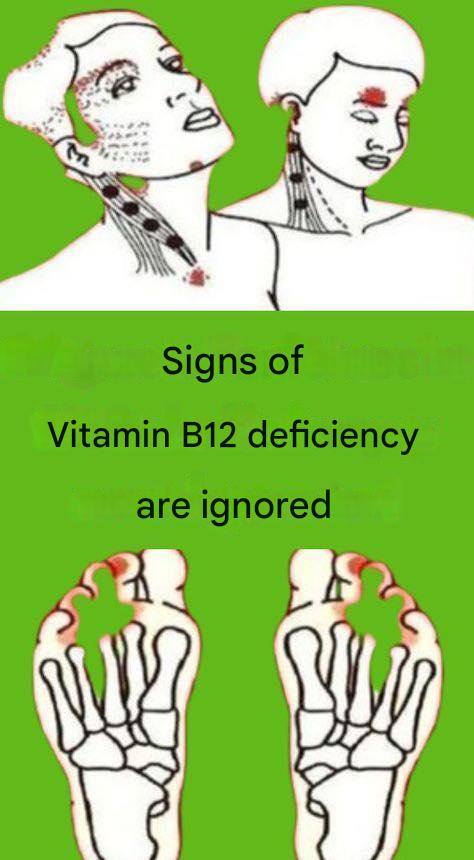
Signs of vitamin B12 deficiency are ignored

Vitamin B12 is one of those nutrients most people don’t think about—until something feels off. It quietly supports nerve function, red blood cell production, DNA synthesis, and even mood regulation. Because its symptoms can be subtle and creep in slowly, vitamin B12 deficiency is frequently ignored or mistaken for stress, aging, or lack of sleep. Yet left unaddressed, a deficiency can cause serious and sometimes irreversible damage. Understanding the overlooked signs is the first step toward protecting your health.

1. Constant Fatigue That Doesn’t Improve With Rest

Feeling tired after a long day is normal. Feeling exhausted all the time—even after a full night’s sleep—is not. Vitamin B12 is essential for making healthy red blood cells that carry oxygen throughout your body. When levels drop, oxygen delivery suffers, leading to persistent fatigue, weakness, and low stamina. Many people dismiss this as burnout or “just getting older,” allowing the deficiency to worsen.

2. Tingling or Numbness in Hands and Feet

One of the most commonly ignored warning signs is a pins-and-needles sensation in the hands, feet, or legs. Vitamin B12 plays a crucial role in maintaining the protective covering (myelin) around nerves. Without enough B12, nerves become damaged, causing tingling, numbness, burning sensations, or even balance problems. These symptoms are often blamed on poor circulation or diabetes, delaying proper diagnosis.

3. Brain Fog and Memory Problems

Forgetfulness, trouble concentrating, or mental “fog” can be early neurological signs of B12 deficiency. People may struggle to focus, lose track of conversations, or feel mentally slower than usual. Because these changes are subtle, they’re often attributed to stress, aging, or lack of sleep. However, prolonged deficiency can lead to significant cognitive decline and confusion.

4. Mood Changes and Depression

Vitamin B12 helps regulate neurotransmitters that influence mood. Low levels have been linked to depression, irritability, anxiety, and emotional instability. Someone may feel unusually sad, unmotivated, or emotionally flat without any obvious cause. These symptoms are frequently treated as purely psychological issues, while the underlying nutritional deficiency goes unnoticed.

5. Pale or Yellowish Skin

A lesser-known sign of B12 deficiency is a noticeable change in skin tone. The skin may appear unusually pale or slightly yellow. This happens because low B12 levels can lead to the breakdown of red blood cells, releasing bilirubin into the bloodstream. This sign is subtle and often ignored unless accompanied by more severe symptoms.

6. Shortness of Breath and Dizziness

Because vitamin B12 is vital for red blood cell production, deficiency can lead to anemia. When red blood cells are insufficient or malformed, the body struggles to transport oxygen efficiently. This can cause shortness of breath, dizziness, lightheadedness, and even heart palpitations—especially during physical activity. Many people assume they are just out of shape.

7. Sore, Red, or Swollen Tongue

A painful, smooth, or inflamed tongue—sometimes called “beefy red tongue”—can be an early clue of B12 deficiency. Some people also experience mouth ulcers or a burning sensation. Oral symptoms are often ignored or treated with topical remedies instead of addressing the nutritional cause.

8. Digestive Issues

Vitamin B12 deficiency may affect the digestive system, causing nausea, bloating, constipation, diarrhea, or loss of appetite. Because these symptoms are common and nonspecific, they’re rarely linked to vitamin deficiency. Over time, poor digestion can further reduce nutrient absorption, creating a vicious cycle.

9. Vision Problems

Damage to the optic nerve due to prolonged B12 deficiency can result in blurred or disturbed vision. This symptom is rare but serious and is often misattributed to eye strain or aging. Early intervention is key to preventing permanent damage.

10. Increased Risk Groups Often Overlooked

Certain people are more likely to develop vitamin B12 deficiency, yet symptoms are still frequently missed. These include older adults, vegetarians and vegans, people with digestive disorders (such as gastritis or Crohn’s disease), individuals taking acid-reducing medications, and those who have had stomach surgery. In these groups, even mild symptoms should never be ignored.

Why Early Detection Matters

One of the most concerning aspects of vitamin B12 deficiency is that nerve damage can become irreversible if left untreated. While fatigue and anemia often improve with treatment, neurological symptoms may persist. That’s why recognizing the early, often-ignored signs is so important.

The Takeaway

Vitamin B12 deficiency doesn’t always announce itself loudly. Instead, it whispers through fatigue, mood changes, tingling sensations, and mental fog—symptoms easy to overlook or explain away. Paying attention to these subtle signals and seeking proper evaluation can make a powerful difference in long-term health. Sometimes, what feels like “just life” is actually your body asking for a nutrient it desperately needs.

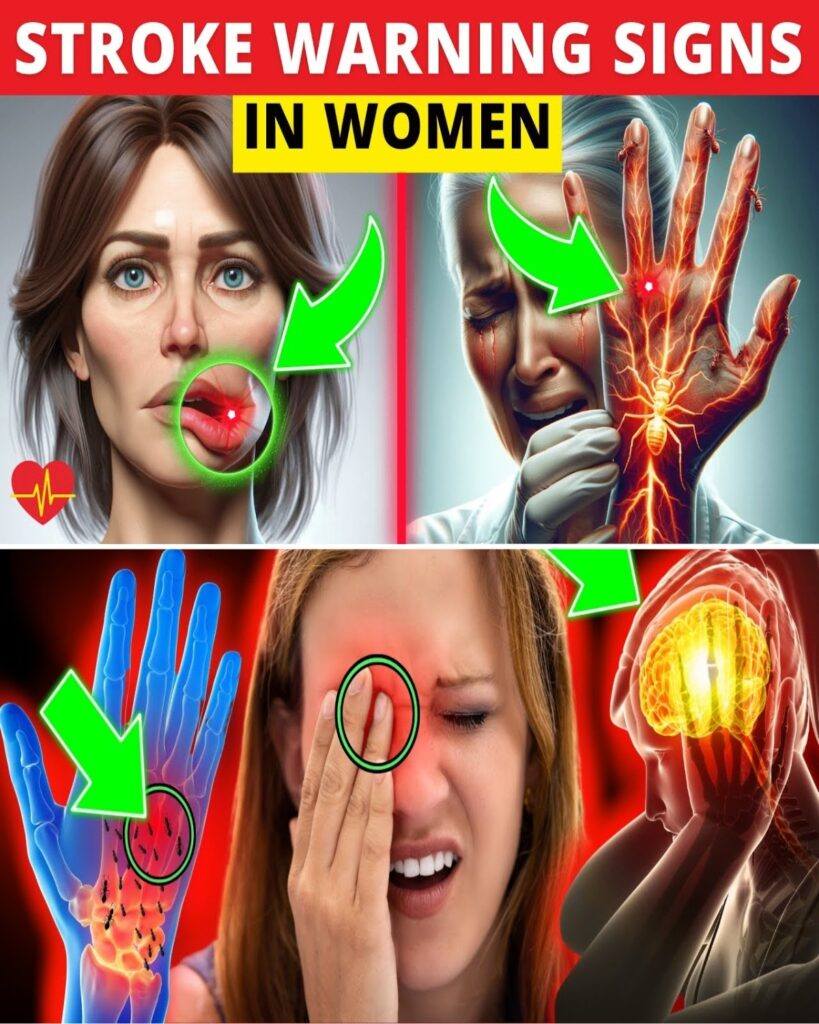
10 Subtle Stroke Symptoms in Women That Could Save Your Life If Spotted Early

When most people think of a stroke, they imagine sudden collapse, slurred speech, or one side of the face drooping. While those classic signs absolutely happen, women often experience strokes very differently. In fact, women are more likely than men to have subtle, easily dismissed symptoms—ones that may look harmless at first but can delay urgent treatment.

Recognizing these quieter warning signs can mean the difference between full recovery and lifelong disability. Here are 10 subtle stroke symptoms in women that everyone should know.

1. Sudden, Unexplained Fatigue

Extreme fatigue that appears out of nowhere—especially when it’s disproportionate to your activity level—can be an early sign of stroke in women. This isn’t normal tiredness. It can feel like your body has completely shut down, even after a good night’s sleep.

Many women brush this off as stress, overwork, or hormonal changes, but when fatigue hits abruptly and intensely, it deserves attention.

2. Confusion or Mental Fog

Women may experience sudden confusion, difficulty concentrating, or feeling “mentally detached.” You might struggle to follow conversations, lose your train of thought, or feel disoriented in familiar places.

This brain fog can be subtle, but it reflects disrupted blood flow to the brain and should never be ignored.

3. Nausea or Vomiting Without Cause

Unlike men, women are more likely to experience gastrointestinal symptoms during a stroke. Sudden nausea, vomiting, or stomach pain—especially when combined with dizziness—can be a neurological warning rather than a digestive issue.

Because these symptoms mimic flu or food poisoning, many women delay seeking help.

4. Shortness of Breath

Unexpected difficulty breathing or feeling like you can’t get enough air may signal a stroke. This symptom often appears without chest pain, making it easy to misinterpret as anxiety or panic.

If breathlessness comes on suddenly and feels unusual, it’s a red flag.

5. Vision Changes in One or Both Eyes

Blurred vision, double vision, or temporary vision loss can occur during a stroke. Some women describe it as a curtain falling over one eye or seeing flashing lights.

Even if vision returns quickly, it may indicate a transient ischemic attack (TIA), sometimes called a “mini-stroke,” which is a serious warning sign.

6. Sudden Headache Unlike Any Other

A stroke-related headache often comes on abruptly and intensely, with no obvious trigger. Women may mistake it for a migraine, especially if they’re prone to headaches.

What makes it different is the speed and severity—it can feel like the worst headache of your life and may be accompanied by neck stiffness or light sensitivity.

7. Facial Discomfort or Numbness

Instead of obvious facial drooping, women may feel tingling, numbness, or pain on one side of the face. It can feel similar to a dental problem or sinus issue.

Any sudden facial sensation that doesn’t make sense should be treated seriously.

8. Weakness That Comes and Goes

Rather than dramatic paralysis, women may notice brief episodes of weakness in the arm, leg, or hand. You might drop objects, feel clumsy, or struggle to grip things.

Even if strength returns quickly, this can indicate a temporary blockage in the brain’s blood supply.

9. Sudden Emotional Changes

Unexplained anxiety, agitation, fear, or even sudden crying can be stroke symptoms in women. These emotional shifts may appear without any obvious reason and feel completely out of character.

Because emotional symptoms are often minimized, this warning sign is frequently overlooked.

10. Trouble Sleeping or Sudden Drowsiness

A stroke can disrupt brain regions responsible for alertness. Some women experience overwhelming drowsiness, difficulty staying awake, or sudden sleep disturbances shortly before or during a stroke.

If sleepiness is extreme and paired with other unusual symptoms, it’s time to act.

Why Women’s Stroke Symptoms Are Often Missed

Women are more likely to live alone, experience caregiving stress, and dismiss symptoms as anxiety or exhaustion. Hormonal factors, pregnancy, menopause, and certain medications can also influence how strokes present.

Because symptoms may be vague or intermittent, women often arrive at the hospital later than men—missing the critical treatment window.

What To Do Immediately

If you or someone near you experiences any combination of these symptoms—even if they seem mild—call emergency services immediately. Do not wait for symptoms to pass.

Early treatment can:

  • Minimize brain damage

  • Prevent long-term disability

  • Save your life

Final Thought

A stroke doesn’t always announce itself loudly—especially in women. Sometimes it whispers through fatigue, confusion, or nausea. Listening to those whispers and acting fast can be lifesaving.

15 Hidden Atorvastatin Side Effects Your Doctor May Not Have Time to Mention

Atorvastatin—commonly known by its brand name Lipitor—is one of the most prescribed cholesterol-lowering medications in the world. It plays a powerful role in reducing LDL (“bad”) cholesterol and lowering the risk of heart attack and stroke. For many people, it’s truly life-saving.

But like all medications, atorvastatin can come with side effects—some common, some subtle, and some rarely discussed during short clinic visits. Most people tolerate it well, but being informed helps you recognize what’s normal, what’s manageable, and when to talk to your doctor.

Here are 15 lesser-known side effects worth understanding.

1. Muscle Weakness (Not Just Pain)

Muscle aches are well known, but some people experience muscle weakness without pain, especially in the thighs or upper arms. This can show up as difficulty climbing stairs or lifting objects.

2. Persistent Fatigue

Some patients report feeling unusually tired or drained, even after adequate rest. This fatigue may be mild but persistent and is sometimes mistaken for aging or stress.

3. Brain Fog or Memory Lapses

A small number of users notice short-term memory issues, confusion, or trouble concentrating. These effects are usually reversible once the medication is adjusted or stopped.

4. Sleep Disturbances

Vivid dreams, insomnia, or restless sleep have been reported. While not common, these changes can affect overall quality of life.

5. Digestive Discomfort

Beyond nausea, atorvastatin may cause bloating, gas, constipation, or diarrhea. These symptoms are often mild but annoying if they persist.

6. Elevated Blood Sugar

Statins, including atorvastatin, may slightly increase blood sugar levels, particularly in people already at risk for type 2 diabetes.

7. Reduced Exercise Tolerance

Some individuals find they tire more quickly during workouts or recover more slowly after physical activity, even without muscle pain.

8. Joint Stiffness or Achiness

Joint discomfort—especially in the knees, hips, or hands—can occur and is sometimes confused with arthritis.

9. Mild Liver Enzyme Changes

Atorvastatin can raise liver enzymes without causing symptoms. This is why periodic blood tests are recommended, especially early in treatment.

10. Headaches

Recurring or dull headaches have been reported, particularly during the first few weeks of therapy.

11. Skin Reactions

Some users notice itching, rashes, or increased skin sensitivity, especially to sunlight.

12. Hormonal Subtle Shifts

Because cholesterol is a building block for hormones, some people report changes in libido or mood, though this isn’t well understood and varies widely.

13. Tingling or Numbness

Rarely, people experience pins-and-needles sensations in the hands or feet, which may relate to nerve sensitivity.

14. Increased Risk of Muscle Breakdown (Very Rare)

A serious condition called rhabdomyolysis is extremely uncommon but important to recognize. Symptoms include severe muscle pain, dark urine, and extreme weakness. This requires immediate medical attention.

15. Interaction with Certain Foods and Medications

Grapefruit, some antibiotics, antifungals, and other medications can increase atorvastatin levels in the body, raising the risk of side effects.

What This Doesn’t Mean

These side effects do not mean atorvastatin is unsafe. Millions of people take it without major issues, and its benefits often far outweigh the risks—especially for those with heart disease or high cardiovascular risk.

What You Can Do

  • Don’t stop the medication suddenly without medical advice

  • Report new or unusual symptoms

  • Ask about dose adjustments or alternative statins if side effects bother you

  • Maintain good hydration, balanced nutrition, and regular movement

  • Keep up with routine blood tests

The Bottom Line

Atorvastatin is a powerful ally for heart health—but informed patients make the best partners in care. Knowing these potential side effects helps you advocate for yourself, ask better questions, and work with your doctor to find the safest, most comfortable plan for your body.

Air-Fryer Grilled Cheese Sandwiches

There’s something deeply comforting about a grilled cheese sandwich—the crunch of golden bread, the stretchy pull of melted cheese, and that first warm bite that feels like a hug. Now imagine all of that, but easier, faster, and with zero stovetop babysitting. Enter the air-fryer grilled cheese sandwich: a modern twist on a timeless classic that delivers unbeatable crispness and perfectly melted centers every single time.

Whether you’re making a quick lunch, an after-school snack, or a cozy late-night bite, this air-fryer method is about to become your go-to. No flipping over a hot pan, no uneven browning—just set it, flip once, and enjoy.

Why Make Grilled Cheese in the Air Fryer?

The air fryer circulates hot air evenly around the sandwich, which means:

  • Extra-crispy bread without burning

  • Evenly melted cheese from edge to edge

  • Less grease than pan-frying

  • Hands-off cooking (no hovering over the stove)

It’s especially perfect if you’re making multiple sandwiches or just want consistent results without the mess.

Ingredients (Simple & Flexible)

For 2 sandwiches:

  • 4 slices bread (white, sourdough, whole wheat, or brioche)

  • 2–4 slices cheese (cheddar, American, mozzarella, Swiss, or a mix)

  • 2 tablespoons butter, softened
    or mayonnaise (yes—this is a secret weapon for crispiness)

Optional add-ins:

  • Thin tomato slices

  • Crispy bacon

  • Ham or turkey

  • A sprinkle of garlic powder or Italian seasoning

  • A drizzle of honey or hot honey (trust me)

Step-by-Step Instructions

1. Preheat the Air Fryer

Set your air fryer to 370°F (188°C) and preheat for 2–3 minutes. Preheating helps the bread crisp immediately instead of drying out.

2. Prepare the Bread

Spread softened butter or mayonnaise evenly on one side of each slice of bread. This will be the outside of the sandwich—the key to that irresistible golden crust.

3. Assemble the Sandwich

Place two slices of bread butter-side down. Add your cheese (or cheeses—layering different types adds flavor and meltability). Top with the remaining bread slices, butter-side up.

Press gently so everything holds together.

4. Air Fry

Carefully place the sandwiches in the air fryer basket. Don’t overcrowd—airflow is your friend.

  • Cook for 4–5 minutes

  • Flip carefully using tongs or a spatula

  • Cook another 3–4 minutes, until golden brown and melty

If your air fryer runs hot, check at the 3-minute mark after flipping.

5. Rest & Serve

Let the sandwiches rest for 1 minute (the cheese sets slightly and won’t slide out), then slice and serve immediately.

Cheese Choices That Melt Like a Dream

Not all cheeses melt the same. For the ultimate grilled cheese, try:

  • American cheese – ultra-melty and classic

  • Sharp cheddar – bold flavor, great paired with American

  • Mozzarella – stretchy and mild

  • Gruyère or Swiss – nutty and elevated

👉 Pro tip: Combine one “melter” (American or mozzarella) with one “flavor” cheese (cheddar, Gruyère).

Pro Tips for Perfect Results

  • Secure lightweight bread: If your bread is very light, insert a toothpick or place a small air-fryer-safe rack on top so it doesn’t fly around.

  • Low and slow melt: If your cheese isn’t fully melted but the bread is golden, drop the temperature to 330°F and cook 1–2 more minutes.

  • Extra crunch: Sprinkle a little grated Parmesan directly onto the buttered bread before air frying.

  • Garlic grilled cheese: Mix a pinch of garlic powder into the butter for instant flavor upgrade.

Flavor Variations You’ll Love

Pizza Grilled Cheese
Add mozzarella, pepperoni, and a spoon of marinara for dipping.

Sweet & Savory
Cheddar + a light drizzle of honey or fig jam.

Spicy Kick
Pepper jack cheese with sliced jalapeños or a dash of chili flakes.

Breakfast Grilled Cheese
Add scrambled eggs and bacon for a next-level morning sandwich.

What to Serve With It

Air-fryer grilled cheese pairs beautifully with:

  • Tomato soup (classic for a reason)

  • Creamy potato soup

  • Pickles or coleslaw

  • A fresh green salad

  • French fries or sweet potato wedges (also air-fried!)

Final Thoughts

Air-fryer grilled cheese sandwiches prove that comfort food can be quick, modern, and ridiculously good. With minimal ingredients and just a few minutes of cooking time, you get a sandwich that’s crisp on the outside, gooey on the inside, and endlessly customizable.