10 Early Signs of Dementia You Should NEVER Ignore

Dementia is not a single disease but a group of symptoms that affect memory, thinking, communication, and daily functioning. While occasional forgetfulness is a normal part of aging, persistent cognitive changes may be warning signs of a more serious condition. Recognizing the early symptoms of dementia can help individuals seek medical advice sooner, allowing for better management and support.

Here are 10 early signs of dementia that should never be ignored.

1. Memory Loss That Disrupts Daily Life

One of the most common early signs of dementia is memory loss, especially forgetting recently learned information. People may repeatedly ask the same questions, rely heavily on notes or reminders, or forget important dates and events.

Everyone forgets things occasionally, but consistent memory problems that interfere with daily activities deserve attention.

2. Difficulty Planning or Solving Problems

Individuals in the early stages of dementia may struggle with tasks that require concentration or organization. They may find it difficult to follow a recipe, manage bills, keep track of monthly expenses, or complete familiar tasks at work.

These challenges often become noticeable when activities that were once simple begin taking much longer than usual.

3. Trouble Completing Familiar Tasks

A person with dementia may have difficulty performing everyday activities they have done for years. Examples include driving to a familiar location, operating household appliances, or remembering the rules of a favorite game.

When routine tasks become confusing or overwhelming, it may indicate changes in cognitive function.

4. Confusion About Time or Place

Losing track of dates, seasons, or the passage of time is another common warning sign. Someone may forget where they are, how they got there, or become confused about events happening around them.

Occasional confusion can happen to anyone, but frequent disorientation should not be overlooked.

5. Problems With Speaking or Writing

People experiencing dementia often struggle to find the right words during conversations. They may stop in the middle of a sentence, repeat themselves, or call objects by incorrect names.

Communication difficulties can make social interactions frustrating and may lead individuals to withdraw from conversations.

6. Misplacing Things and Losing the Ability to Retrace Steps

Everyone misplaces items from time to time, but people with dementia may put objects in unusual places, such as storing keys in a refrigerator or placing a wallet in a laundry basket.

They may also be unable to retrace their steps to find missing items and may even accuse others of stealing them.

7. Poor Judgment and Decision-Making

Changes in judgment can appear early in dementia. A person may make unusual financial decisions, fall for scams more easily, neglect personal hygiene, or show poor decision-making in situations that previously posed no problem.

Family members are often among the first to notice these changes.

8. Withdrawal From Social Activities

As memory and thinking problems increase, individuals may begin avoiding social events, hobbies, or activities they once enjoyed. They may feel embarrassed about their difficulties or struggle to keep up with conversations.

Social withdrawal can contribute to loneliness and may worsen cognitive decline over time.

9. Changes in Mood and Personality

Dementia can affect emotional well-being. Someone who was once confident and outgoing may become anxious, fearful, suspicious, depressed, or easily upset.

Mood changes often occur because cognitive difficulties make everyday situations feel confusing and stressful.

10. Difficulty Understanding Visual Information

Some forms of dementia affect the brain’s ability to process visual information. Individuals may have trouble judging distances, recognizing colors, reading, or identifying familiar objects.

These visual challenges can increase the risk of falls, driving accidents, and other safety concerns.

What Causes Dementia?

Dementia can result from several underlying conditions, including:

  • Alzheimer’s disease
  • Vascular dementia
  • Lewy body dementia
  • Frontotemporal dementia
  • Parkinson’s disease-related dementia

Risk factors include aging, family history, high blood pressure, diabetes, smoking, obesity, physical inactivity, and poor cardiovascular health.

When to Seek Medical Help

If you or a loved one experiences several of these symptoms consistently, it is important to consult a healthcare professional. Early diagnosis can help identify treatable conditions that may mimic dementia, such as vitamin deficiencies, thyroid disorders, medication side effects, or depression.

Medical evaluation may include cognitive testing, blood tests, brain imaging, and a review of medical history.

Supporting Brain Health

While no guaranteed method exists to prevent dementia, healthy lifestyle habits may help reduce risk:

  • Stay physically active
  • Eat a balanced diet rich in fruits, vegetables, and healthy fats
  • Control blood pressure and blood sugar levels
  • Get adequate sleep
  • Stay socially connected
  • Challenge your brain with learning and mental activities
  • Avoid smoking and excessive alcohol consumption

Final Thoughts

Dementia often develops gradually, making early symptoms easy to dismiss as normal aging. However, persistent memory loss, confusion, communication difficulties, personality changes, and problems with daily activities should never be ignored. Recognizing these warning signs early can lead to faster diagnosis, better treatment options, and improved quality of life for both patients and their families.

Paying attention to cognitive changes today can make a significant difference in maintaining independence and overall well-being in the years ahead.


32 Warning Signs of Magnesium Deficiency and Foods to Boost Your Levels Naturally

Magnesium is one of the most important minerals in the human body. It plays a role in more than 300 biochemical processes, including muscle function, nerve signaling, heart health, blood sugar regulation, and energy production. Despite its importance, many people do not get enough magnesium through their daily diet. A magnesium deficiency can develop gradually, often causing subtle symptoms that may be mistaken for other health issues.

Understanding the warning signs of low magnesium levels and knowing which foods can help restore healthy levels can support overall wellness and vitality.

What Is Magnesium and Why Is It Important?

Magnesium is an essential mineral found in bones, muscles, tissues, and blood. It helps regulate muscle contractions, supports healthy blood pressure, contributes to strong bones, and assists in converting food into energy. When magnesium levels become too low, various bodily functions may be affected.

32 Warning Signs of Magnesium Deficiency

While only a healthcare professional can diagnose a deficiency, the following symptoms are commonly associated with low magnesium levels:

  1. Frequent muscle cramps
  2. Muscle twitches
  3. Muscle weakness
  4. Chronic fatigue
  5. Low energy levels
  6. Difficulty sleeping
  7. Restless sleep
  8. Anxiety
  9. Increased stress sensitivity
  10. Mood changes
  11. Irritability
  12. Headaches
  13. Migraines
  14. Difficulty concentrating
  15. Brain fog
  16. Memory problems
  17. Dizziness
  18. Numbness in hands or feet
  19. Tingling sensations
  20. Heart palpitations
  21. Irregular heartbeat
  22. High blood pressure
  23. Loss of appetite
  24. Nausea
  25. Constipation
  26. Digestive discomfort
  27. Increased sugar cravings
  28. Poor exercise recovery
  29. Bone weakness
  30. Frequent muscle soreness
  31. Reduced physical endurance
  32. General feelings of weakness and discomfort

These symptoms can occur for many reasons, so they should not be considered proof of magnesium deficiency. If symptoms are persistent or severe, medical evaluation is recommended.

Common Causes of Magnesium Deficiency

Several factors can contribute to inadequate magnesium levels, including:

  • Low intake of magnesium-rich foods
  • Highly processed diets
  • Excessive alcohol consumption
  • Chronic stress
  • Certain digestive disorders
  • Some medications
  • Poor nutrient absorption
  • Aging-related changes in nutrient utilization

Modern diets often contain fewer whole foods and more processed products, making it easier for magnesium intake to fall below recommended levels.

Foods That Naturally Boost Magnesium Levels

Fortunately, many delicious and nutritious foods are rich in magnesium.

1. Pumpkin Seeds

Pumpkin seeds are among the best natural sources of magnesium. A small serving provides a substantial amount of this essential mineral while also supplying healthy fats and protein.

2. Spinach

Leafy green vegetables like spinach contain magnesium along with iron, fiber, and antioxidants that support overall health.

3. Almonds

Almonds are a convenient snack packed with magnesium, vitamin E, and heart-healthy fats.

4. Cashews

Cashews offer a satisfying combination of magnesium, copper, and plant-based protein.

5. Black Beans

Beans provide magnesium, fiber, and complex carbohydrates that help maintain steady energy levels.

6. Avocados

Avocados contain magnesium as well as potassium and healthy monounsaturated fats.

7. Dark Chocolate

High-quality dark chocolate with a high cocoa content can contribute magnesium while satisfying sweet cravings in moderation.

8. Bananas

Bananas are known for potassium but also provide magnesium that supports muscle and nerve function.

9. Tofu

Tofu is an excellent plant-based source of magnesium and protein.

10. Whole Grains

Brown rice, quinoa, oats, and whole wheat products contain more magnesium than refined grains.

Magnesium-Rich Smoothie Recipe

If you’re looking for a simple way to increase your magnesium intake, try this nutritious smoothie.

Ingredients

  • 1 cup fresh spinach
  • 1 banana
  • 1 tablespoon pumpkin seeds
  • 1 tablespoon almond butter
  • 1 cup unsweetened almond milk
  • ½ avocado
  • 1 teaspoon honey (optional)
  • Ice cubes

Instructions

  1. Add all ingredients to a blender.
  2. Blend until smooth and creamy.
  3. Serve immediately.
  4. Enjoy as a healthy breakfast or afternoon snack.

This smoothie combines several magnesium-rich foods in one delicious drink.

Lifestyle Tips for Maintaining Healthy Magnesium Levels

Eat More Whole Foods

Focus on vegetables, fruits, nuts, seeds, legumes, and whole grains rather than highly processed foods.

Stay Hydrated

Proper hydration supports overall nutrient balance and healthy bodily functions.

Manage Stress

Long-term stress may contribute to nutrient depletion. Activities such as walking, stretching, meditation, and adequate sleep can help.

Exercise Regularly

Moderate physical activity supports overall health and may help improve energy levels and muscle function.

Limit Excessive Processed Foods

Many processed foods contain fewer minerals compared to whole-food alternatives.

Final Thoughts

Magnesium is a vital mineral that supports hundreds of essential functions throughout the body. Symptoms such as muscle cramps, fatigue, poor sleep, headaches, and difficulty concentrating may sometimes be linked to inadequate magnesium intake. Including magnesium-rich foods like spinach, pumpkin seeds, almonds, beans, avocados, and whole grains can help support healthy levels naturally.

Rather than relying solely on supplements, focusing on a balanced diet rich in nutrient-dense foods is often the safest and most sustainable approach. If you suspect a magnesium deficiency or experience ongoing symptoms, consult a qualified healthcare professional for proper evaluation and guidance.

BEEF ENCHILADAS with extra cheese on top

Beef Enchiladas with Extra Cheese on Top

If you’re looking for the ultimate comfort food, Beef Enchiladas with Extra Cheese on Top are hard to beat. Packed with seasoned ground beef, wrapped in soft tortillas, smothered in rich enchilada sauce, and covered with a generous layer of melted cheese, this classic Mexican-inspired dish is perfect for family dinners, potlucks, or weekend gatherings. The combination of savory beef, flavorful sauce, and gooey cheese creates a meal that is both satisfying and delicious.

This recipe is easy to prepare and delivers restaurant-quality results right from your kitchen.

Why You’ll Love This Recipe

  • Rich and hearty flavor
  • Loaded with melted cheese
  • Family-friendly meal
  • Easy to prepare ahead of time
  • Perfect for leftovers
  • Great for weeknight dinners or special occasions

Ingredients

For the Beef Filling

  • 1 pound ground beef
  • 1 small onion, finely chopped
  • 2 cloves garlic, minced
  • 1 teaspoon chili powder
  • 1 teaspoon ground cumin
  • ½ teaspoon paprika
  • ½ teaspoon salt
  • ¼ teaspoon black pepper
  • 1 tablespoon tomato paste

For the Enchiladas

  • 8 flour or corn tortillas
  • 2 cups enchilada sauce
  • 3 cups shredded cheddar cheese
  • 1 cup shredded Monterey Jack cheese
  • 2 tablespoons chopped fresh cilantro

Optional Toppings

  • Sour cream
  • Diced tomatoes
  • Sliced jalapeños
  • Green onions
  • Avocado slices
  • Fresh cilantro

Instructions

Step 1: Prepare the Beef Filling

Heat a large skillet over medium heat. Add the ground beef and cook until browned, breaking it apart with a spoon as it cooks. Drain any excess grease if necessary.

Add the chopped onion and cook for about 3 to 4 minutes until softened. Stir in the garlic and cook for another minute.

Add chili powder, cumin, paprika, salt, and black pepper. Mix well to coat the beef evenly with the seasonings.

Stir in the tomato paste and cook for 2 minutes. This helps deepen the flavor of the filling and creates a rich, savory base.

Remove from heat and allow the mixture to cool slightly.

Step 2: Prepare the Baking Dish

Preheat your oven to 375°F (190°C).

Spread about ½ cup of enchilada sauce across the bottom of a 9×13-inch baking dish. This prevents the tortillas from sticking and adds extra flavor.

Step 3: Assemble the Enchiladas

Lay a tortilla flat on a clean surface. Spoon approximately 2 to 3 tablespoons of the beef mixture into the center.

Sprinkle a small handful of cheddar cheese over the beef.

Roll the tortilla tightly and place it seam-side down in the prepared baking dish.

Repeat with the remaining tortillas and filling until the dish is full.

Step 4: Add Sauce and Extra Cheese

Pour the remaining enchilada sauce evenly over the rolled tortillas.

Now comes the best part—extra cheese.

Combine the cheddar cheese and Monterey Jack cheese in a bowl. Generously sprinkle the cheese mixture over the entire dish, making sure every enchilada is fully covered.

The thick layer of cheese will melt beautifully during baking and create a delicious golden topping.

Step 5: Bake

Place the baking dish in the preheated oven.

Bake for 20 to 25 minutes, or until the cheese is completely melted and bubbling around the edges.

For an extra golden top, switch the oven to broil for the final 2 to 3 minutes. Watch carefully to prevent burning.

Step 6: Garnish and Serve

Remove the enchiladas from the oven and allow them to rest for 5 minutes.

Sprinkle with fresh cilantro and your favorite toppings such as sour cream, diced tomatoes, jalapeños, or avocado slices.

Serve warm and enjoy.

Tips for Perfect Beef Enchiladas

Use Freshly Shredded Cheese

Freshly shredded cheese melts much better than pre-packaged shredded cheese because it contains fewer anti-caking agents.

Don’t Overfill the Tortillas

Too much filling can cause the tortillas to tear or become difficult to roll.

Warm the Tortillas First

If using corn tortillas, warm them briefly in the microwave or a skillet. This helps prevent cracking during rolling.

Make It Spicy

Add diced jalapeños or extra chili powder to the beef filling for a spicier version.

Prepare Ahead

You can assemble the enchiladas up to 24 hours in advance and refrigerate them until ready to bake.

Serving Suggestions

Beef enchiladas pair wonderfully with a variety of side dishes:

  • Mexican rice
  • Refried beans
  • Black bean salad
  • Corn salad
  • Guacamole and tortilla chips
  • Fresh green salad

These sides help create a complete and satisfying meal.

Storage and Reheating

Refrigerator

Store leftover enchiladas in an airtight container for up to 4 days.

Freezer

Freeze baked or unbaked enchiladas for up to 3 months. Wrap tightly with plastic wrap and aluminum foil before freezing.

Reheating

Reheat individual portions in the microwave or warm the entire dish in a 350°F (175°C) oven until heated through.

Final Thoughts

Beef Enchiladas with Extra Cheese on Top are a crowd-pleasing classic that combines bold flavors, hearty beef, rich enchilada sauce, and plenty of melted cheese. The extra cheesy topping creates a deliciously golden crust that makes every bite irresistible. Whether you’re preparing dinner for your family or serving guests, this easy recipe delivers comforting, restaurant-style results every time. Serve with your favorite toppings and sides for a meal that everyone will request again and again. Enjoy!

Red Chile Ground Beef & Cheese Stacked Enchiladas

Red Chile Ground Beef & Cheese Stacked Enchiladas Recipe

If you love classic Southwestern comfort food, Red Chile Ground Beef & Cheese Stacked Enchiladas are a delicious meal that brings together rich red chile sauce, seasoned ground beef, melted cheese, and soft corn tortillas. Unlike traditional rolled enchiladas, stacked enchiladas are layered like a savory casserole, making them easier to prepare while delivering bold flavors in every bite.

Perfect for family dinners, gatherings, or weekend meals, this recipe combines authentic Mexican-inspired ingredients with a hearty filling that everyone will enjoy.

Why You’ll Love This Recipe

  • Easy to prepare and assemble
  • Rich, smoky red chile flavor
  • Loaded with seasoned ground beef and melted cheese
  • Great for meal prep and leftovers
  • Comfort food that satisfies the whole family

Ingredients

For the Ground Beef Filling

  • 1 pound lean ground beef
  • 1 small onion, finely diced
  • 2 cloves garlic, minced
  • 1 teaspoon chili powder
  • 1 teaspoon cumin
  • ½ teaspoon paprika
  • ½ teaspoon salt
  • ¼ teaspoon black pepper

For the Red Chile Sauce

  • 3 tablespoons red chile powder
  • 2 tablespoons all-purpose flour
  • 2 tablespoons vegetable oil
  • 2 cups beef broth
  • 1 teaspoon garlic powder
  • ½ teaspoon oregano
  • ½ teaspoon salt

For Assembly

  • 12 corn tortillas
  • 3 cups shredded cheddar cheese
  • 1 cup Monterey Jack cheese
  • Chopped cilantro for garnish
  • Sliced green onions
  • Sour cream for serving

Kitchen Equipment

  • Large skillet
  • Medium saucepan
  • Baking dish
  • Whisk
  • Spatula
  • Measuring cups and spoons

Step 1: Prepare the Ground Beef

Heat a large skillet over medium heat. Add the ground beef and cook until browned, breaking it apart with a spatula. Drain any excess fat if necessary.

Add the diced onion and cook for about 4 minutes until softened. Stir in the garlic, chili powder, cumin, paprika, salt, and pepper. Cook for another minute until fragrant.

Remove from heat and set aside.

Step 2: Make the Red Chile Sauce

In a medium saucepan, heat the vegetable oil over medium heat. Add the flour and whisk continuously for about 1 minute to create a smooth roux.

Slowly whisk in the red chile powder. Gradually pour in the beef broth while whisking constantly to prevent lumps.

Add garlic powder, oregano, and salt. Simmer for 8 to 10 minutes until the sauce thickens slightly and develops a deep red color.

Taste and adjust seasonings if needed.

Step 3: Prepare the Tortillas

Lightly warm the corn tortillas in a dry skillet or microwave. This helps prevent them from cracking and makes assembly easier.

You can also briefly dip each tortilla in warm red chile sauce for extra flavor and softness.

Step 4: Assemble the Stacked Enchiladas

Preheat your oven to 375°F (190°C).

Spread a thin layer of red chile sauce on the bottom of a baking dish.

Place four tortillas side by side, overlapping slightly if needed.

Spread one-third of the seasoned ground beef evenly over the tortillas. Spoon some red chile sauce over the beef and sprinkle a generous layer of cheese.

Add another layer of tortillas and repeat the process with beef, sauce, and cheese.

Finish with a final layer of tortillas. Cover generously with the remaining red chile sauce and top with the rest of the shredded cheese.

Step 5: Bake

Place the baking dish in the preheated oven and bake for 20 to 25 minutes.

The cheese should be fully melted and bubbling, and the edges should be lightly golden.

Allow the enchiladas to rest for 5 to 10 minutes before serving. This helps the layers set and makes slicing easier.

Serving Suggestions

These stacked enchiladas pair beautifully with:

  • Mexican rice
  • Refried beans
  • Fresh avocado slices
  • Guacamole
  • Pico de gallo
  • Crisp green salad
  • Roasted vegetables

A dollop of sour cream and a sprinkle of fresh cilantro add the perfect finishing touch.

Recipe Tips for Success

Use Quality Chile Powder

Authentic red chile powder provides the signature flavor. Look for high-quality New Mexico-style red chile powder if available.

Don’t Skip the Sauce

The sauce keeps the tortillas moist and flavorful. Make sure each layer receives enough sauce for the best texture.

Customize the Cheese

Cheddar and Monterey Jack create a wonderful combination, but you can also use pepper jack, queso quesadilla, or a Mexican cheese blend.

Add More Heat

For spicier enchiladas, add cayenne pepper, diced jalapeños, or hot chile powder to the sauce.

Storage Instructions

Store leftovers in an airtight container in the refrigerator for up to 4 days.

To reheat, cover with foil and warm in a 350°F oven for about 15 minutes, or microwave individual portions until heated through.

Make-Ahead Option

You can assemble the entire dish up to 24 hours in advance. Cover tightly and refrigerate until ready to bake.

Add an extra 5 to 10 minutes of baking time if cooking directly from the refrigerator.

Frequently Asked Questions

Can I use flour tortillas?

Yes, although corn tortillas provide a more traditional flavor and texture. Flour tortillas will create a softer casserole-style dish.

Can I freeze stacked enchiladas?

Absolutely. Wrap tightly and freeze for up to 3 months. Thaw overnight in the refrigerator before reheating.

Can I substitute the beef?

Ground turkey, shredded chicken, or plant-based meat alternatives work wonderfully in this recipe.

Final Thoughts

Red Chile Ground Beef & Cheese Stacked Enchiladas are the ultimate comfort food, combining layers of tender tortillas, savory beef, rich red chile sauce, and gooey melted cheese. This easy recipe delivers authentic Southwestern flavor with minimal effort, making it perfect for busy weeknights or special family dinners. Serve with your favorite Mexican-inspired side dishes and enjoy a meal that is hearty, satisfying, and packed with unforgettable flavor.

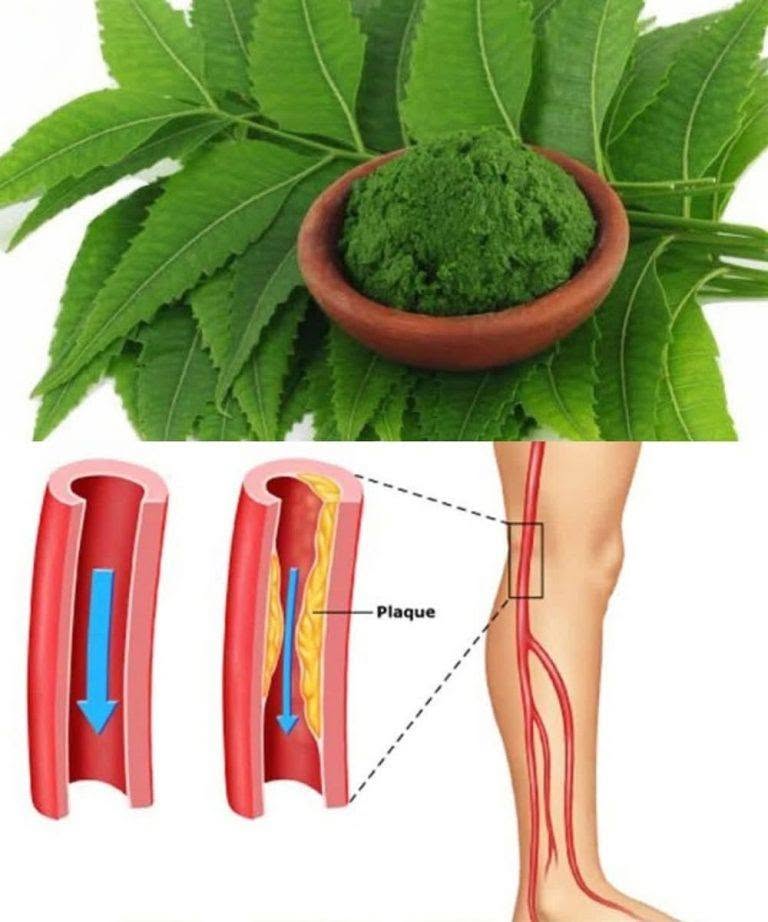
1 Leaf that helps destroy DIABETES, BLOOD PRESSURE, eliminate BODY PAIN, cholesterol and eliminate POOR CIRCULATION

In recent years, people across the world have been searching for natural ways to support their overall health, especially for conditions like high blood sugar, high blood pressure, joint pain, poor circulation, and cholesterol imbalance. While no single natural ingredient can “cure” or “destroy” diseases, some traditional herbs and leaves have been used for centuries to support the body’s natural balance.

One such powerful natural ingredient is the bay leaf (Tej Patta)—a common kitchen spice that is often overlooked but has remarkable traditional wellness value.

This article will explore how bay leaf tea or infusion may support overall health, how to prepare it correctly, and how to use it safely as part of a healthy lifestyle.


🌿 What is Bay Leaf?

Bay leaf comes from the bay laurel tree and is widely used in cooking for its strong aroma and flavor. In traditional herbal practices, it is valued for its potential antioxidant, anti-inflammatory, and digestive-supporting properties.

Bay leaves contain compounds like:

  • Eugenol (natural antioxidant)
  • Polyphenols
  • Flavonoids
  • Essential oils

These compounds are believed to support metabolic health and overall body function.


💚 Potential Health Support Benefits of Bay Leaf

While research is still ongoing, traditional use and some studies suggest that bay leaf may help support:

1. Blood Sugar Balance Support

Bay leaf has been studied for its potential role in helping the body respond better to insulin. Some people use bay leaf tea as part of their diet to support healthy glucose levels.

2. Blood Pressure Support

The potassium and antioxidant content in bay leaves may help support healthy blood vessel function and circulation, which is important for maintaining normal blood pressure levels.

3. Cholesterol Balance

Bay leaves may support lipid metabolism, which helps the body manage cholesterol levels naturally when combined with a healthy diet.

4. Joint and Body Pain Support

Due to its anti-inflammatory properties, bay leaf is traditionally used in herbal remedies for mild body aches and stiffness.

5. Improved Circulation

Bay leaf compounds may help support blood flow and oxygen delivery throughout the body, promoting overall vitality.


🍵 How to Make Bay Leaf Tea (Simple Recipe)

This is a traditional herbal drink used in many cultures for general wellness support.

Ingredients:

  • 3 to 5 dried bay leaves
  • 2 cups of water
  • Optional: lemon slice or cinnamon stick

Instructions:

  1. Take a small pot and add 2 cups of water.
  2. Add 3–5 dried bay leaves.
  3. Bring the water to a gentle boil.
  4. Let it simmer for 5–10 minutes.
  5. Turn off the heat and allow it to cool slightly.
  6. Strain the liquid into a cup.
  7. Add lemon or cinnamon if desired for taste.

🕒 How to Use It

  • Drink 1 cup daily, preferably in the morning or before bedtime.
  • Use consistently for best lifestyle support.
  • Do not exceed 1–2 cups per day.

⚠️ Important Safety Notes

Even though bay leaf is natural, it is not a medicine and should not replace medical treatment.

  • People with diabetes or blood pressure issues should monitor their levels regularly.
  • Pregnant or breastfeeding women should consult a healthcare provider before use.
  • Avoid consuming whole bay leaves directly, as they are not digestible.
  • Always use moderation.

🥗 Best Results Come With a Healthy Lifestyle

Bay leaf tea works best when combined with:

  • Balanced diet (low sugar and low processed foods)
  • Regular walking or exercise
  • Proper hydration
  • Stress management
  • Adequate sleep

Natural remedies support the body, but long-term health depends on overall lifestyle choices.


🌿 Final Thoughts

Bay leaf is a simple kitchen ingredient, but it has been valued in traditional wellness systems for centuries. While it is not a cure for diseases like diabetes or high blood pressure, it may support overall metabolic health, digestion, circulation, and inflammation control when used properly.

Incorporating bay leaf tea into a healthy daily routine can be a small but meaningful step toward better wellness.

Always remember: natural remedies work best as support—not replacements—for professional medical care.

Authentic salsa

Authentic salsa is one of the most iconic and versatile condiments in Mexican cuisine. Whether you serve it with tortilla chips, tacos, grilled chicken, burritos, eggs, or roasted vegetables, a well-made salsa can instantly elevate any dish. The secret of true authentic salsa lies in using fresh ingredients, balancing heat and acidity, and respecting traditional preparation methods rather than relying on processed shortcuts.

In this detailed guide, you will learn how to make a classic homemade salsa that is fresh, flavorful, and restaurant-quality. This recipe is designed for beginners as well as food lovers who want to recreate real Mexican taste at home.


Ingredients for Authentic Salsa

To make a traditional-style salsa, you only need simple and natural ingredients:

  • 6 medium ripe tomatoes (Roma tomatoes work best)
  • 2–3 fresh jalapeño peppers (adjust for spice level)
  • 1 small white onion
  • 3–4 garlic cloves
  • 1 medium bunch fresh cilantro
  • 1–2 tablespoons fresh lime juice
  • 1 teaspoon salt (adjust to taste)
  • ½ teaspoon black pepper (optional)
  • 1 tablespoon olive oil (optional for richer flavor)

These ingredients are the foundation of most traditional salsa recipes found in Mexican households. Freshness is extremely important because salsa is not cooked with heavy spices—it relies on natural flavor.


Step-by-Step Preparation Method

Step 1: Roast or Boil the Vegetables (Optional but Recommended)

For deeper, smoky flavor, you can roast the tomatoes, jalapeños, garlic, and onion. Place them on a hot skillet, grill, or oven until lightly charred on the outside. This step adds a slightly smoky, authentic restaurant-style taste.

If you prefer a fresher version, you can skip roasting and use raw vegetables instead.


Step 2: Prepare the Ingredients

Wash all vegetables thoroughly. Remove stems from tomatoes and jalapeños. Peel the onion and garlic cloves. Cut everything into smaller pieces so it blends easily.

If you want a milder salsa, remove the seeds from the jalapeños. If you like spicy salsa, keep the seeds intact.


Step 3: Blend the Salsa

Add the following into a blender or food processor:

  • Tomatoes
  • Jalapeños
  • Onion
  • Garlic
  • Cilantro

Pulse until you get your desired texture. Traditional salsa is not completely smooth; it should have a slightly chunky consistency for authentic taste.


Step 4: Add Seasoning

Pour the blended mixture into a bowl. Add salt, black pepper, and fresh lime juice. Mix well.

Taste and adjust seasoning as needed. If the salsa is too acidic, add a small pinch of sugar. If it is too thick, add a little water.


Step 5: Rest for Flavor Development

Let the salsa rest for at least 20–30 minutes before serving. This allows the flavors to blend and deepen naturally. Many chefs believe salsa tastes even better after a few hours in the refrigerator.


Serving Suggestions

Authentic salsa is extremely versatile. You can serve it in many delicious ways:

  • With tortilla chips as a classic dip
  • Over tacos for extra freshness and heat
  • As a topping for grilled chicken or beef
  • Inside burritos or wraps
  • With scrambled eggs or omelets
  • As a side sauce for rice and beans

This flexibility is what makes salsa one of the most loved condiments worldwide.


Tips for Perfect Authentic Salsa

  • Always use fresh, ripe tomatoes for the best flavor
  • Adjust spice level according to your preference
  • Do not over-blend; texture is important
  • Fresh lime juice enhances flavor significantly
  • Resting time improves overall taste
  • For smoky flavor, use roasted vegetables instead of raw

Variations You Can Try

Once you master the basic recipe, you can experiment with different versions:

  • Salsa Verde: Made with tomatillos instead of tomatoes
  • Mango Salsa: Adds sweetness and tropical flavor
  • Pineapple Salsa: Perfect for grilled meats
  • Avocado Salsa: Creamy and rich texture

Each variation brings a unique twist while maintaining the essence of traditional salsa.


Final Thoughts

Authentic salsa is more than just a sauce—it is a cultural staple that represents the heart of Mexican cooking. With just a few fresh ingredients and simple steps, you can create a flavorful condiment that enhances almost any meal.

Once you try homemade salsa, store-bought versions will never feel the same again. The freshness, aroma, and natural spice balance make it truly irresistible.

Enjoy your homemade authentic salsa and bring a burst of bold, fresh flavor to your kitchen every day.

This plant cleans blood, skin, kidneys, liver and pancreas in one stroke. But do it this way.. To keep getting my recipes, you just have to say

🌿 Dandelion Tea Benefits: A Natural Wellness Drink Trending in the USA (2026 Guide)

In the United States, more people are shifting toward natural wellness drinks, herbal teas, and healthy lifestyle routines instead of sugary beverages and artificial supplements. One of the most searched herbal drinks in 2026 is dandelion tea, a caffeine-free herbal infusion made from the leaves or roots of the dandelion plant.

It is commonly included in modern wellness routines for those looking for natural hydration, digestive comfort, and daily lifestyle balance.

This guide explains how to prepare dandelion tea, how people use it in daily routines, and why it is trending in high-income countries like the USA, UK, and Canada.


🌱 What Is Dandelion Tea?

Dandelion tea is a herbal infusion drink made from dried or fresh dandelion leaves or roots.

It is widely consumed as a caffeine-free alternative to coffee and black tea, especially among people following:

  • Healthy lifestyle routines
  • Weight management plans
  • Natural detox lifestyle trends
  • Clean eating diets

In the USA wellness market, herbal teas like dandelion are often included in morning routine drinks and intermittent fasting routines.


🍵 Easy Dandelion Tea Recipe (Home Preparation)

🧾 Ingredients:

  • 1–2 teaspoons dried dandelion leaves (organic preferred)
  • 1 cup filtered hot water
  • 1 teaspoon raw honey (optional)
  • 1 teaspoon lemon juice (optional)
  • Ginger slice (optional for flavor boost)

👩‍🍳 Preparation Steps:

Step 1: Heat Water
Use filtered or bottled water and heat until hot but not boiling excessively.

Step 2: Add Herbal Leaves
Place dandelion leaves in a cup or teapot.

Step 3: Steep Properly
Pour hot water over the leaves and cover. Let it steep for 8–12 minutes.

Step 4: Strain the Tea
Remove leaves using a strainer for a smooth herbal drink.

Step 5: Enhance Flavor
Add lemon or honey for improved taste and freshness.


💚 Why Dandelion Tea Is Trending in the USA

Search trends in the United States show rising interest in:

  • Natural detox drinks USA
  • Weight loss herbal teas 2026
  • Gut health drinks
  • Morning wellness routine drinks
  • Caffeine-free coffee alternatives

Dandelion tea fits into these categories because it is:

  • Naturally caffeine-free
  • Low calorie
  • Easy to prepare at home
  • Part of clean eating lifestyle trends

Many wellness bloggers and nutrition-focused content creators include it in “morning detox drink routines” and “flat belly lifestyle plans” (as part of healthy routines, not medical claims).


🌿 How People Use It in Daily Routine

In modern wellness culture, especially in the USA and Canada, people often consume herbal teas:

  • In the morning instead of coffee
  • After meals as a warm beverage
  • During intermittent fasting windows
  • As part of hydration routines

It is important to note that dandelion tea is a lifestyle beverage, not a medical treatment.


🧠 Final Thoughts

Dandelion tea has become part of a growing global trend toward natural, caffeine-free wellness drinks. While it is not a medical solution, it is widely used as part of balanced lifestyle routines focused on hydration and healthy habits.

For best results, it should be combined with proper diet, exercise, sleep, and consistent healthy routines rather than treated as a quick fix.

mportant Warning from Doctors: Stop Taking Vitamin D Immediately If You Have These 4 Symptoms

Important Warning from Doctors: Stop Taking Vitamin D Immediately If You Have These 4 Symptoms

Vitamin D is one of the most essential nutrients for bone strength, immune support, and overall health. Millions of people take vitamin D supplements daily, especially those who have limited sun exposure or diagnosed deficiencies. However, while vitamin D is important, taking too much—or continuing supplementation when your body is reacting negatively—can sometimes lead to serious health issues.

Doctors often emphasize that vitamin D should be taken in the right dose and under proper guidance. Excess intake can cause vitamin D toxicity, also known as hypervitaminosis D, which leads to dangerously high calcium levels in the blood (hypercalcemia). This condition can affect the kidneys, heart, and nervous system.

If you are taking vitamin D supplements, it is important to recognize early warning signs. Here are four symptoms that doctors warn should not be ignored. If you experience them, you should stop supplementation and seek medical advice immediately.


1. Persistent Nausea and Vomiting

One of the earliest warning signs of too much vitamin D is ongoing nausea or vomiting. This happens because excess vitamin D increases calcium levels in the bloodstream, which can irritate the digestive system.

You may notice:

  • Loss of appetite
  • Stomach discomfort
  • Frequent nausea after meals
  • Vomiting without clear cause

Many people ignore these symptoms, thinking it is a stomach bug or food-related issue. However, if you are taking high-dose vitamin D and these symptoms persist, it could be a sign of toxicity.


2. Extreme Weakness and Fatigue

Vitamin D toxicity can affect muscle function and energy levels. When calcium builds up in the blood, it interferes with how muscles and nerves communicate.

This can result in:

  • Constant tiredness even after rest
  • Muscle weakness
  • Difficulty performing daily tasks
  • Low physical endurance

Unlike normal fatigue from stress or lack of sleep, this type of weakness feels deeper and more persistent. If your energy suddenly drops while you are on supplements, it is worth evaluating your vitamin D intake.


3. Frequent Urination and Excessive Thirst

High calcium levels caused by too much vitamin D can force the kidneys to work harder. As a result, you may notice changes in urination patterns.

Common signs include:

  • Needing to urinate more often than usual
  • Waking up multiple times at night to urinate
  • Constant thirst even after drinking water
  • Dehydration symptoms such as dry mouth

This happens because the kidneys try to flush out excess calcium, which can eventually strain kidney function if left unchecked.


4. Confusion, Brain Fog, or Mood Changes

Another serious symptom of vitamin D overdose is its effect on the brain and nervous system. High calcium levels can disrupt normal brain activity.

You might experience:

  • Difficulty concentrating
  • Memory problems or “brain fog”
  • Irritability or mood swings
  • Confusion or disorientation in severe cases

In more serious situations, individuals may even feel depressed or mentally slowed down. These neurological symptoms should always be taken seriously, especially if combined with other warning signs.


Why Vitamin D Toxicity Happens

Vitamin D toxicity is not usually caused by diet or sunlight. It almost always happens due to excessive supplementation over time. People who take very high doses without medical supervision are at greater risk.

The body stores vitamin D in fat tissues, so it builds up gradually. This means symptoms may appear slowly and worsen over weeks or months.

Common risk factors include:

  • Taking high-dose vitamin D for long periods
  • Combining multiple supplements containing vitamin D
  • Not checking blood vitamin D levels regularly
  • Self-medicating without medical advice

What You Should Do If You Notice These Symptoms

If you experience any of the symptoms mentioned above while taking vitamin D, it is important not to panic—but also not to ignore them.

Doctors generally recommend:

  • Stop or reduce vitamin D supplements temporarily
  • Drink plenty of water to support kidney function
  • Get a blood test to check calcium and vitamin D levels
  • Consult a healthcare professional immediately

Never restart high-dose supplementation without medical guidance.


Safe Use of Vitamin D

Vitamin D is still very beneficial when used correctly. It supports:

  • Bone health and calcium absorption
  • Immune system strength
  • Muscle function
  • Mood regulation

To use it safely:

  • Follow the recommended daily dose (usually 600–2000 IU for adults, unless prescribed otherwise)
  • Get regular sunlight exposure when possible
  • Do not combine multiple high-dose supplements without checking labels
  • Get blood tests if you are on long-term supplementation

Final Thoughts

Vitamin D is essential for good health, but more is not always better. Excess intake can silently build up in the body and lead to toxicity with serious consequences. Recognizing early warning signs such as nausea, weakness, frequent urination, and confusion can help prevent complications.

Do this and your geraniums will be able to bloom almost continuously for over a year

If you want your geraniums to bloom almost continuously for over a year, the secret isn’t one magic trick—it’s a combination of consistent care, smart pruning, proper feeding, and the right growing conditions. Geraniums are naturally generous bloomers, but like any flowering plant, they respond strongly to how they are treated. With a few simple habits, you can turn a short seasonal display into a long-lasting burst of color that keeps coming back month after month.

Start with the right growing conditions

Geraniums thrive in bright light. If they are indoors or on a balcony, they need at least 5–6 hours of direct sunlight daily. Without enough light, they will grow tall and leafy but produce very few flowers. Outdoors, a sunny spot with good air circulation is ideal.

Soil quality also plays a major role. Geraniums prefer well-draining soil that is not too rich. Heavy, water-retaining soil can lead to root problems and weak blooming. A light potting mix with added sand or perlite works very well in containers. Good drainage ensures that roots stay healthy, which directly supports continuous flowering.

Watering: the balance that matters most

One of the biggest mistakes people make with geraniums is overwatering. These plants actually prefer slightly dry conditions between waterings. The best approach is to water deeply, then allow the top inch of soil to dry out before watering again.

Too much water encourages lush green growth but reduces flower production. On the other hand, mild dryness signals the plant to focus on reproduction—meaning more blooms. Always make sure pots have drainage holes so excess water can escape easily.

Feeding for nonstop blooms

To keep geraniums flowering for long periods, feeding them correctly is essential. Use a balanced liquid fertilizer every two to three weeks during the growing season. A fertilizer slightly higher in potassium (the “K” in NPK) encourages flower production rather than just leaf growth.

Avoid over-fertilizing with nitrogen-rich feeds, as this leads to big, leafy plants with very few flowers. Think of it this way: nitrogen builds leaves, potassium builds blooms. A balanced approach keeps the plant productive and colorful.

Deadheading: the simplest bloom booster

If you want continuous flowers, deadheading is non-negotiable. This means removing faded or spent blooms regularly. When old flowers are left on the plant, geraniums start putting energy into seed production instead of new buds.

To deadhead properly, gently snap or cut off the flower stalk just above the first healthy set of leaves. Doing this every few days encourages the plant to keep producing fresh flower clusters, extending the blooming cycle significantly.

Pruning keeps the plant young

Geraniums tend to become leggy over time if they are not pruned. Light pruning every few weeks helps maintain a compact shape and stimulates new growth, which often leads to more flowers.

If the plant becomes too woody or sparse, don’t be afraid to cut it back by one-third. This may temporarily reduce flowers, but it refreshes the plant and leads to a stronger blooming phase afterward.

Temperature and seasonal care

Geraniums prefer moderate temperatures. Extreme heat can slow flowering, while cold temperatures can stop it completely. If you are in a region with seasonal changes, protecting the plant during harsh weather is important.

In colder months, move potted geraniums indoors near a bright window. With enough light and stable warmth, they can continue producing flowers even when outdoor plants go dormant.

Pest and disease control

Healthy geraniums bloom more consistently, so keeping pests away is essential. Watch for aphids, whiteflies, and spider mites. These pests weaken the plant and reduce flowering ability.

A simple spray of mild soapy water or neem oil can help control infestations. Also avoid overcrowding plants, as good airflow reduces the risk of fungal problems.

The long-term secret: consistency

The real secret to getting geraniums to bloom for over a year is consistency. Regular watering (but not too much), steady feeding, frequent deadheading, and occasional pruning work together like a cycle. Each action supports the next stage of flowering.

Instead of treating geranium care as occasional maintenance, think of it as a routine rhythm. Small, regular efforts always outperform occasional heavy care.

Final thought

Geraniums are resilient, rewarding plants that respond beautifully to attention. When given the right light, balanced feeding, proper pruning, and careful watering, they don’t just bloom—they keep blooming. With these practices, your geraniums can stay colorful and vibrant far beyond a single season, bringing life and beauty to your space for many months in a row.

THIS Is Why Putting Essential Oils On The Bottom of Your Feet Works Wonders

Lou Gehrig’s syndrome, medically known as Amyotrophic Lateral Sclerosis, is a progressive and serious neurological condition that affects nerve cells in the brain and spinal cord. These nerve cells (motor neurons) control voluntary muscle movements such as walking, talking, swallowing, and breathing. Over time, ALS causes these motor neurons to deteriorate and die, leading to increasing muscle weakness and loss of control.

The disease is often called “Lou Gehrig’s disease” after the famous American baseball player Lou Gehrig, who was diagnosed with it in the 1930s. While ALS is rare, understanding its early symptoms is very important because early recognition can help patients receive supportive care sooner and improve quality of life.

Below is a detailed explanation of the first symptoms of this disease and how they usually appear in everyday life.


Early Muscle Weakness

One of the earliest and most common signs of ALS is muscle weakness. This usually begins subtly and may affect only one part of the body at first. For example, a person might notice:

  • Difficulty lifting objects
  • Weak grip in one hand
  • Trouble climbing stairs
  • Foot dragging while walking

This weakness does not improve with rest, which is an important warning sign. Over time, it gradually spreads to other parts of the body.


Twitching and Cramping

Many early-stage ALS patients experience muscle twitching (fasciculations). These are small, involuntary muscle movements that may look like rippling under the skin. Muscle cramps are also common, especially in the arms and legs.

These symptoms may seem harmless at first, but when combined with muscle weakness, they can indicate a neurological issue rather than simple fatigue.


Difficulty with Fine Motor Skills

Another early symptom is trouble with tasks requiring precise hand movements. A person may begin to notice:

  • Difficulty writing clearly
  • Trouble buttoning clothes
  • Problems using utensils
  • Dropping small objects frequently

These changes often develop slowly and are sometimes mistaken for normal aging or overuse.


Speech Changes

ALS can affect the muscles used for speaking. Early signs include:

  • Slurred or slow speech
  • Difficulty pronouncing words clearly
  • Voice becoming softer or nasal

These speech changes may come and go at first, but gradually become more noticeable as the disease progresses.


Swallowing Problems

Some individuals begin to experience mild difficulty swallowing (dysphagia). This may include:

  • Coughing while eating or drinking
  • Feeling like food is “stuck” in the throat
  • Needing more time to finish meals

This symptom is especially important because it can affect nutrition and hydration if it worsens.


Muscle Stiffness and Tightness

In addition to weakness, muscles may feel stiff or tight. This condition is known as spasticity. It can make movement uncomfortable and may affect walking or coordination.

People may feel like their limbs are “heavy” or less responsive than usual.


Fatigue and Reduced Endurance

Early ALS can also cause unusual tiredness. This is not normal daily fatigue but a deeper sense of muscle exhaustion even after light activity. People may find themselves needing more breaks during routine tasks.


Emotional and Cognitive Changes (In Some Cases)

While ALS mainly affects movement, some individuals may also experience mild changes in thinking or behavior. This can include:

  • Difficulty concentrating
  • Changes in emotional response
  • Increased frustration or anxiety

However, not every patient experiences these symptoms in the early stages.


When to Seek Medical Attention

If someone notices persistent muscle weakness, twitching, or coordination problems that worsen over time, it is important to consult a neurologist. Early diagnosis often involves:

  • Neurological examination
  • Electromyography (EMG)
  • Blood tests
  • Imaging scans (MRI)

Although there is currently no cure for ALS, treatments and therapies can help manage symptoms and improve comfort.


Living with ALS

Support from healthcare providers, physical therapy, speech therapy, and assistive devices can significantly improve daily life. Organizations such as the ALS Association provide resources, research updates, and patient support.


Final Thoughts

ALS (Lou Gehrig’s syndrome) is a progressive disease that starts with subtle symptoms like muscle weakness, twitching, and coordination problems. Because these early signs can resemble other less serious conditions, awareness is key.

Recognizing the early symptoms and seeking medical evaluation can help patients access support earlier, manage symptoms more effectively, and maintain quality of life for as long as possible.