Lou Gehrig’s syndrome: Here are the first symptoms of this disease

Lou Gehrig’s syndrome, medically known as Amyotrophic Lateral Sclerosis, is a progressive and serious neurological condition that affects nerve cells in the brain and spinal cord. These nerve cells (motor neurons) control voluntary muscle movements such as walking, talking, swallowing, and breathing. Over time, ALS causes these motor neurons to deteriorate and die, leading to increasing muscle weakness and loss of control.

The disease is often called “Lou Gehrig’s disease” after the famous American baseball player Lou Gehrig, who was diagnosed with it in the 1930s. While ALS is rare, understanding its early symptoms is very important because early recognition can help patients receive supportive care sooner and improve quality of life.

Below is a detailed explanation of the first symptoms of this disease and how they usually appear in everyday life.


Early Muscle Weakness

One of the earliest and most common signs of ALS is muscle weakness. This usually begins subtly and may affect only one part of the body at first. For example, a person might notice:

  • Difficulty lifting objects
  • Weak grip in one hand
  • Trouble climbing stairs
  • Foot dragging while walking

This weakness does not improve with rest, which is an important warning sign. Over time, it gradually spreads to other parts of the body.


Twitching and Cramping

Many early-stage ALS patients experience muscle twitching (fasciculations). These are small, involuntary muscle movements that may look like rippling under the skin. Muscle cramps are also common, especially in the arms and legs.

These symptoms may seem harmless at first, but when combined with muscle weakness, they can indicate a neurological issue rather than simple fatigue.


Difficulty with Fine Motor Skills

Another early symptom is trouble with tasks requiring precise hand movements. A person may begin to notice:

  • Difficulty writing clearly
  • Trouble buttoning clothes
  • Problems using utensils
  • Dropping small objects frequently

These changes often develop slowly and are sometimes mistaken for normal aging or overuse.


Speech Changes

ALS can affect the muscles used for speaking. Early signs include:

  • Slurred or slow speech
  • Difficulty pronouncing words clearly
  • Voice becoming softer or nasal

These speech changes may come and go at first, but gradually become more noticeable as the disease progresses.


Swallowing Problems

Some individuals begin to experience mild difficulty swallowing (dysphagia). This may include:

  • Coughing while eating or drinking
  • Feeling like food is “stuck” in the throat
  • Needing more time to finish meals

This symptom is especially important because it can affect nutrition and hydration if it worsens.


Muscle Stiffness and Tightness

In addition to weakness, muscles may feel stiff or tight. This condition is known as spasticity. It can make movement uncomfortable and may affect walking or coordination.

People may feel like their limbs are “heavy” or less responsive than usual.


Fatigue and Reduced Endurance

Early ALS can also cause unusual tiredness. This is not normal daily fatigue but a deeper sense of muscle exhaustion even after light activity. People may find themselves needing more breaks during routine tasks.


Emotional and Cognitive Changes (In Some Cases)

While ALS mainly affects movement, some individuals may also experience mild changes in thinking or behavior. This can include:

  • Difficulty concentrating
  • Changes in emotional response
  • Increased frustration or anxiety

However, not every patient experiences these symptoms in the early stages.


When to Seek Medical Attention

If someone notices persistent muscle weakness, twitching, or coordination problems that worsen over time, it is important to consult a neurologist. Early diagnosis often involves:

  • Neurological examination
  • Electromyography (EMG)
  • Blood tests
  • Imaging scans (MRI)

Although there is currently no cure for ALS, treatments and therapies can help manage symptoms and improve comfort.


Living with ALS

Support from healthcare providers, physical therapy, speech therapy, and assistive devices can significantly improve daily life. Organizations such as the ALS Association provide resources, research updates, and patient support.


Final Thoughts

ALS (Lou Gehrig’s syndrome) is a progressive disease that starts with subtle symptoms like muscle weakness, twitching, and coordination problems. Because these early signs can resemble other less serious conditions, awareness is key.

Recognizing the early symptoms and seeking medical evaluation can help patients access support earlier, manage symptoms more effectively, and maintain quality of life for as long as possible.
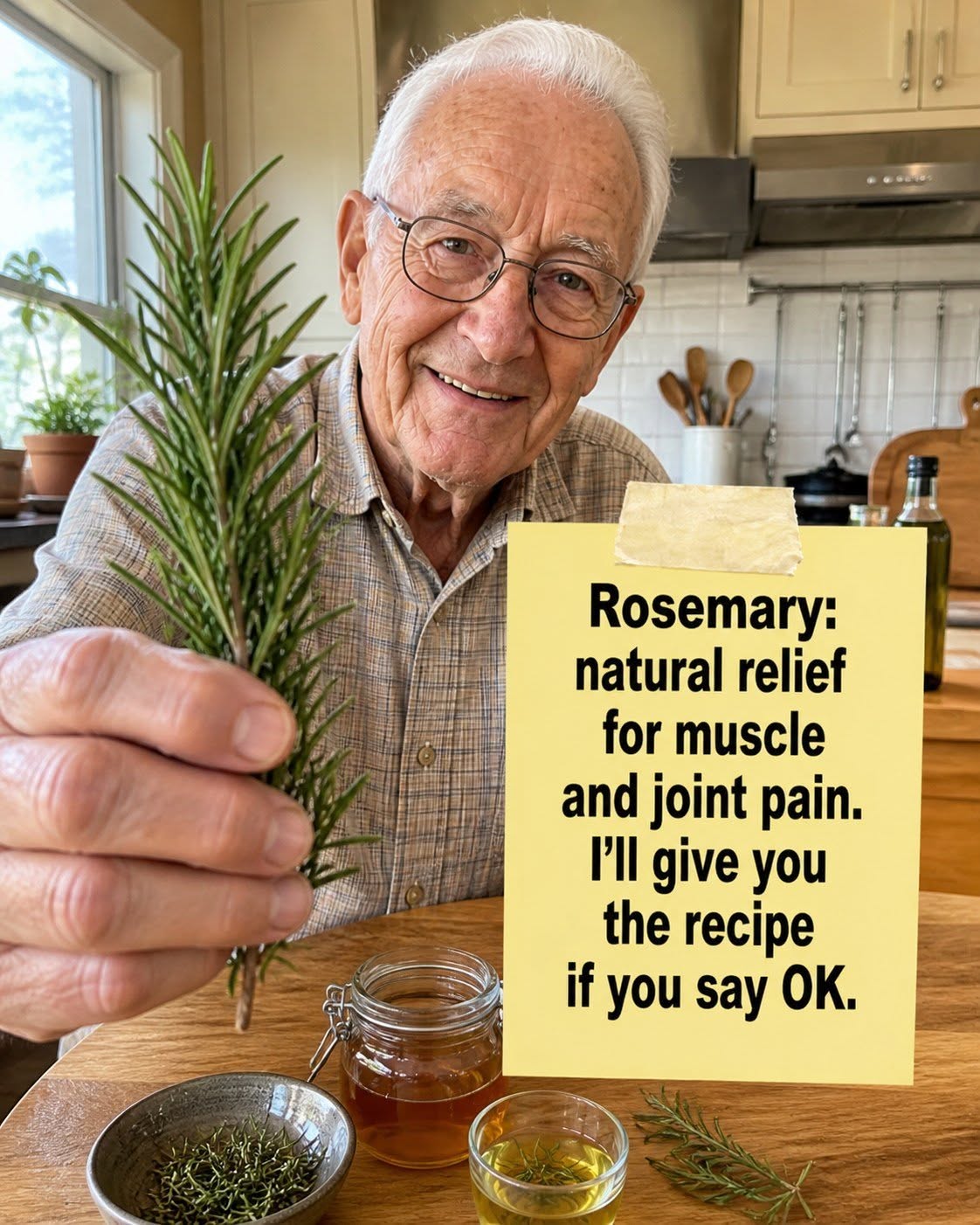
Rosemary: a natural morphine for muscle and joint pain. I’ve included the full RECIPE and the correct way to use it in the first comment. To continue receiving my natural

Rosemary: A Natural Herbal Support for Wellness, Energy, and Everyday Comfort

In today’s fast-paced lifestyle, many people are turning toward natural remedies for weight loss, improved immunity, and better long-term wellness. Herbs, healthy foods, and simple daily routines are becoming popular choices for those who want to support the body in a gentle and natural way. One herb that has gained attention in traditional wellness practices is rosemary. Often used in cooking and herbal teas, rosemary is valued for its refreshing aroma and potential supportive benefits for overall health.

This article explores how rosemary and other natural habits may support healthy aging tips, immune function, joint comfort, and overall lifestyle balance when included as part of a healthy routine.


Rosemary and Natural Wellness Support

Rosemary has been traditionally used in herbal practices for its aromatic oils and antioxidant compounds. While it is not a medical treatment, it is often included in wellness routines focused on relaxation and comfort. Some people use rosemary-infused tea or essential oil blends as part of their natural immune system booster lifestyle.

Instead of acting as a “natural morphine,” rosemary is better understood as a soothing herb that may help promote relaxation and a sense of comfort, especially when used in massage oils or warm herbal drinks. This makes it popular among people seeking joint pain relief treatment and knee pain home remedies as part of a broader self-care routine.


Natural Remedies for Weight Loss and Metabolic Balance

Many individuals searching for natural remedies for weight loss focus on improving digestion, reducing processed foods, and adding herbs like rosemary, ginger, or green tea to their daily diet. While no herb alone causes weight loss, rosemary may support digestion and help enhance flavor in healthy meals, making it easier to maintain a balanced diet.

Combining herbal support with exercise, hydration, and portion control is one of the most effective healthy lifestyle tips for long-term weight management.


Healthy Aging and Collagen Support

As people age, they often look for ways to support skin elasticity, joint flexibility, and energy levels. Following healthy aging tips such as eating antioxidant-rich foods, staying active, and maintaining hydration can make a noticeable difference over time.

Many also explore collagen supplements benefits, which are widely discussed for supporting skin health, hair strength, and joint comfort. While results vary from person to person, collagen is often included in anti aging skin care routine plans alongside vitamins, minerals, and a balanced diet.


Joint and Knee Comfort in Daily Life

Joint discomfort is a common concern, especially among older adults. Natural approaches such as light exercise, stretching, warm compresses, and herbal support are often used in knee pain home remedies and general joint pain relief treatment strategies.

Rosemary oil is sometimes used in massage blends due to its warming sensation, which may help relax muscles and improve comfort temporarily. However, it should always be used safely and not considered a replacement for medical care.


Liver Health and Natural Detox Habits

A balanced lifestyle is also important for liver function. Many people follow a liver detox natural method approach that focuses on hydration, reducing processed foods, and increasing fruits, vegetables, and herbal teas.

Instead of extreme detox programs, experts often recommend sustainable habits like:

  • Drinking enough water daily
  • Eating fiber-rich foods
  • Reducing sugar and fried foods
  • Staying physically active

These simple steps support overall wellness and energy levels.


Blood Pressure and Diabetes Support Through Diet

A heart-healthy diet plays a major role in long-term wellness. People interested in a blood pressure control diet often focus on reducing salt intake, eating more vegetables, and choosing whole grains.

Similarly, those exploring diabetes natural treatment approaches usually aim to maintain stable blood sugar levels through balanced meals, portion control, and regular physical activity. While lifestyle changes can support health, they should always be combined with professional medical guidance when needed.


Immune System and Everyday Wellness

Strengthening the body’s defenses is a priority for many. A strong immune system booster routine includes proper sleep, stress management, hydration, and nutrient-rich foods like citrus fruits, garlic, and herbs such as rosemary.

Small daily habits can contribute to long-term wellness more effectively than short-term fixes.


Final Thoughts

Rosemary is a versatile herb often included in natural wellness routines. While it is not a cure or medical treatment, it can be part of a balanced lifestyle focused on relaxation, flavor, and overall well-being. When combined with proper nutrition, exercise, and mindful habits, it may support goals related to weight loss, healthy aging, joint comfort, and immune health.

The key to true wellness is consistency—building small, healthy habits that support the body over time rather than relying on quick solutions.

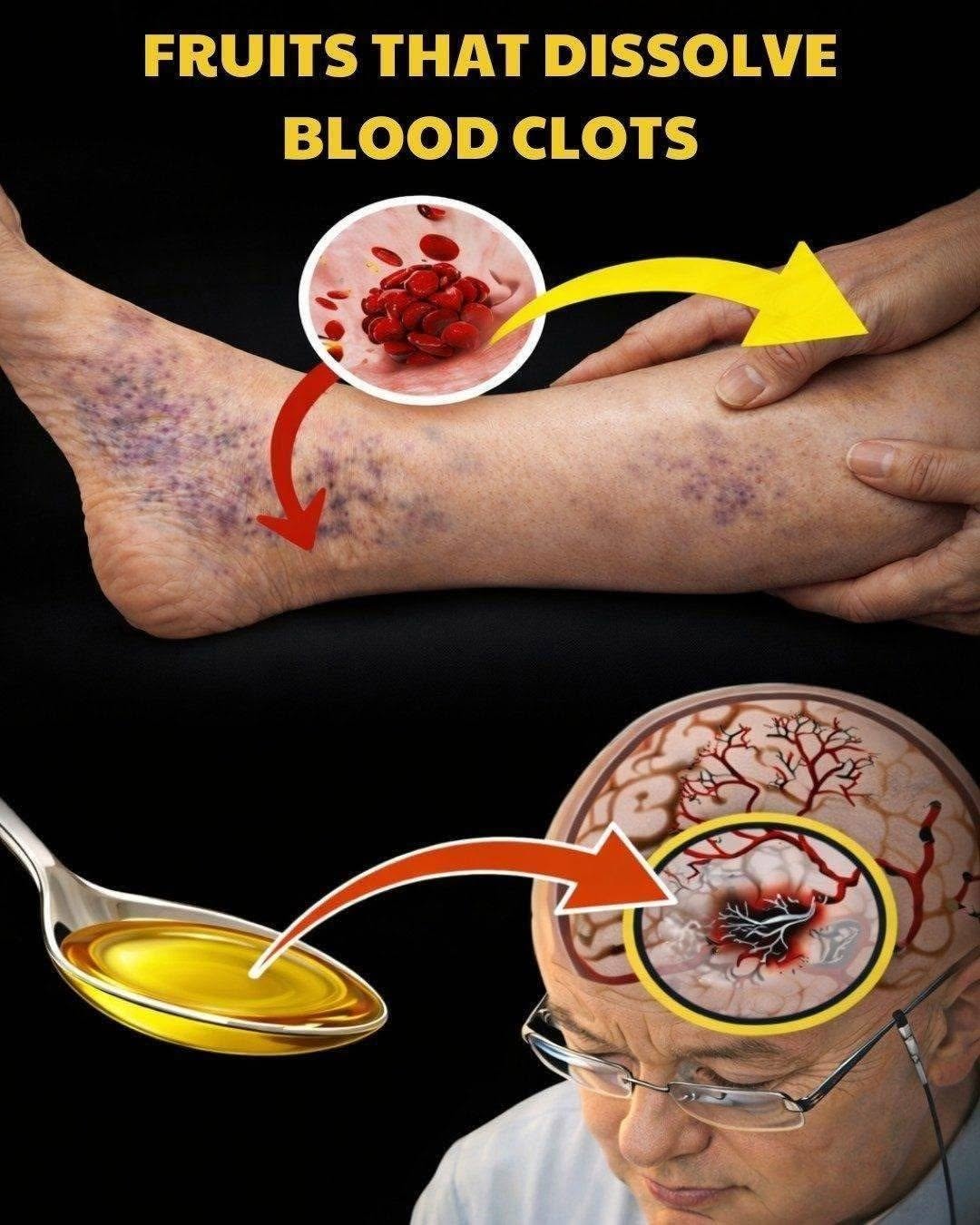
Top 8 Fruits That May Help Support Your Body’s Natural Blood Clot Management

Top 8 Fruits That May Help Support Your Body’s Natural Blood Clot Management

When people search for natural remedies for weight loss, healthy aging tips, and immune system booster foods, fruits often come at the top of the list. Nature provides a wide variety of fruits that may help support circulation, heart health, and overall wellness. While no fruit can directly “treat” serious conditions like clotting disorders, many fruits contain antioxidants, fiber, and natural compounds that may support the body’s normal blood flow and cardiovascular function.

In this article, we explore Top 8 fruits that may help support your body’s natural blood flow and clot balance, while also connecting them with popular health topics like joint pain relief treatment, knee pain home remedies, collagen supplements benefits, and liver detox natural method.

1. Pomegranate

Pomegranate is one of the most powerful fruits for heart and circulation support. It contains antioxidants called polyphenols that may help promote healthy blood flow.

People focusing on blood pressure control diet and diabetes natural treatment often include pomegranate juice in moderation. It is also linked with anti aging skin care routine because of its strong antioxidant content.

2. Blueberries

Blueberries are rich in flavonoids that support vascular health. They are commonly recommended in healthy aging tips because they may help reduce oxidative stress.

Blueberries also support those looking for immune system booster foods and natural remedies for weight loss, as they are low in calories but high in nutrients.

3. Grapes

Grapes, especially red and black varieties, contain resveratrol—a compound studied for heart health support.

They are often included in discussions about blood pressure control diet and liver detox natural method, as they may help the body maintain better circulation and antioxidant balance.

4. Oranges

Oranges are high in vitamin C, which plays a key role in collagen production. This makes them popular in collagen supplements benefits discussions and anti aging skin care routine planning.

Vitamin C also supports immune function, making oranges a natural immune system booster and a great addition to daily diets focused on wellness.

5. Strawberries

Strawberries are rich in antioxidants and fiber. They support heart health and may help maintain healthy blood vessel function.

They are widely used in natural remedies for weight loss and are also beneficial for people focusing on knee pain home remedies and joint pain relief treatment, as inflammation control is important for joint comfort.

6. Apples

An apple a day really does have benefits. Apples contain soluble fiber called pectin, which supports cholesterol balance and digestion.

They are often included in diabetes natural treatment plans and healthy aging tips, helping support stable blood sugar and long-term wellness.

Apples also support liver detox natural method by helping the digestive system function efficiently.

7. Pineapple

Pineapple contains bromelain, an enzyme that supports digestion and may help reduce inflammation.

Because of its anti-inflammatory properties, pineapple is often included in joint pain relief treatment and knee pain home remedies discussions. It also supports recovery and mobility in active lifestyles.

8. Watermelon

Watermelon is hydrating and contains citrulline, which supports blood vessel relaxation and circulation.

It is popular in blood pressure control diet and natural remedies for weight loss because it is low in calories and helps keep the body hydrated and refreshed.

Final Thoughts

Including these fruits in your daily diet may support overall wellness, circulation, and long-term health. While they are not medical treatments, they can be part of a balanced lifestyle that focuses on healthy aging tips, immune system booster habits, and natural remedies for weight loss.

A healthy routine that includes fruits, hydration, exercise, and proper nutrition can also complement collagen supplements benefits, improve joint pain relief treatment, and support a gentle liver detox natural method for overall body balance.

Make your liver happy One teaspoon every morning on an empty stomach and cleanse your body

🌿 Make Your Liver Happy: Morning 1-Teaspoon Wellness Ritual for Daily Detox Support

Many people today are searching for natural remedies, healthy recipes, and simple morning habits that support liver health, weight management, and overall wellness. One popular trend is taking a small “1-teaspoon morning tonic” on an empty stomach to help support digestion, metabolism, and the body’s natural cleansing processes.

While no single ingredient can magically perform a “liver detox,” the body already cleans itself through the liver and kidneys. However, good nutrition and lifestyle choices may support normal liver function and overall well-being, especially when combined with a healthy diet plan and consistent daily habits.

This 700-word guide shares a simple morning ritual that fits into modern healthy lifestyle tips, nutrition tips, and wellness routines for better daily balance.


🌿 Morning Liver Support Shot (1 Teaspoon Daily)

🧾 Ingredients (Natural & Supportive Blend)

  • 1 teaspoon extra virgin olive oil
  • 1 teaspoon raw honey
  • 1 teaspoon fresh lemon juice
  • A pinch of turmeric powder
  • A pinch of grated ginger (optional)
  • Warm water (optional)

🥄 How to Take It

  • Wake up in the morning on an empty stomach
  • Take 1 teaspoon directly or mix in warm water
  • Wait 20–30 minutes before breakfast
  • Drink a full glass of water afterward

🧠 Why This Morning Ritual Is Popular in Wellness Routines

🍋 Lemon Juice – Digestion & Hydration Support

Lemon is widely used in natural remedies, anti aging foods, and immune system booster routines. It provides vitamin C and antioxidants that support hydration and digestion.

🫒 Olive Oil – Healthy Fat for Metabolism

Extra virgin olive oil is often included in weight loss supplements discussions and healthy diet plan strategies because it supports nutrient absorption and healthy fat intake.

🍯 Raw Honey – Natural Energy Support

Honey is commonly found in healthy recipes and immune system booster drinks. It provides natural energy and may help support digestion.

🌿 Turmeric – Anti-Inflammatory Wellness Ingredient

Turmeric is frequently used in joint health, joint pain relief, and knee pain treatment discussions due to its curcumin content, which supports inflammation balance.

🌱 Ginger – Digestive Comfort Support

Ginger is often mentioned in natural remedies, nutrition tips, and healthy aging routines. It may help with bloating and digestive comfort.


💪 Wellness Support Benefits (Not Medical Treatment)

This morning ritual may support:

  • Better digestion and gut balance
  • Natural morning energy boost
  • Support for liver function and metabolism
  • Reduced bloating and digestive comfort
  • General immune system support
  • Support for weight management goals
  • Better nutrient absorption

It is often paired with discussions around weight loss supplements, but this natural routine should not be considered a replacement for any medical product or treatment.


⚠️ Important Health Notes

The body already performs natural detoxification through the liver. This routine is sometimes described in online trends as a “liver detox” method, but scientifically, it simply provides supportive nutrients rather than removing toxins instantly.

People managing conditions such as diabetes treatment natural approaches or blood pressure control strategies should always consult a healthcare professional before making dietary changes.

Similarly, concerns like joint pain relief, knee pain treatment, or chronic inflammation should be addressed through proper medical guidance and balanced lifestyle changes.


🥗 Best Lifestyle Pairing for Wellness Results

🥦 Healthy Eating Habits

To support overall wellness, combine this routine with:

  • A healthy diet plan rich in vegetables and whole foods
  • Light meals such as soups and lean proteins
  • Balanced hydration throughout the day

🚶 Daily Lifestyle Support

  • Regular walking or light exercise
  • Stress management practices
  • Proper sleep schedule

💊 Wellness & Beauty Support Topics People Search

This routine is often discussed alongside:

  • Anti aging cream for skin support
  • Collagen supplements for skin and joint health
  • Immune system booster foods and drinks
  • Natural approaches to energy and recovery

 Final Thoughts

This simple 1-teaspoon morning ritual is an easy addition to a daily wellness routine. While it does not replace medical treatments or guarantee detox results, it may support digestion, hydration, and general well-being when combined with a healthy diet plan, regular exercise, and good lifestyle habits.

9 Early Signs of Stroke That Can Appear a Week Before: What Seniors Need to Know

9 Early Signs of Stroke That Can Appear a Week Before: What Seniors Need to Know

Meta Title: Early Stroke Warning Signs in Seniors | 9 Symptoms Before Stroke
Meta Description: Learn the 9 early warning signs of stroke that may appear a week before. Discover prevention tips, healthy aging habits, and natural ways to support brain and heart health.Introduction

A stroke is a serious medical condition that happens when blood flow to the brain is blocked or reduced. While strokes often occur suddenly, research and medical observations show that early warning signs may appear up to a week before the actual event.

For seniors focusing on healthy aging, joint health, collagen support, and weight management, recognizing these early symptoms is extremely important. Early detection can save lives and prevent long-term disability.

Some of these warning signs may look mild or temporary, but they should never be ignored.

1. Sudden Mild Weakness or Numbness

One of the earliest stroke warning signs is sudden weakness or numbness, especially on one side of the body—face, arm, or leg. It may come and go, but even temporary symptoms should be taken seriously.

2. Unusual or Severe Headaches

A sudden headache that feels different from normal tension or migraine headaches may indicate changes in brain blood flow. This symptom is often overlooked but can be an early warning sign.

3. Vision Problems

Blurred vision, double vision, or temporary vision loss in one eye can appear days before a stroke. These vision changes may last only a few minutes but should not be ignored.

4. Difficulty Speaking or Understanding Speech

Slurred speech, confusion while talking, or trouble understanding conversations are strong indicators of brain function disturbance. Seniors may also struggle to find the right words.

5. Dizziness and Loss of Balance

Feeling dizzy, unsteady, or having difficulty walking may indicate reduced oxygen supply to the brain. This symptom can increase the risk of falls and injury.

6. Sudden Memory Confusion

Short-term memory loss, confusion, or disorientation can appear suddenly. It is often mistaken for normal aging or fatigue, but it can be a warning sign of a stroke.

7. Extreme Fatigue or Weakness

Unexplained tiredness or weakness, even after rest, may signal that the brain and body are under stress due to poor circulation.

8. Tingling or “Pins and Needles” Sensation

A tingling feeling in the face, arms, or legs may come and go before a stroke. This sensation should always be checked if it occurs suddenly.

9. Sudden Mood or Behavior Changes

Irritability, anxiety, confusion, or unusual emotional behavior may also be early indicators of brain-related issues linked to stroke risk.

Healthy Lifestyle and Stroke Prevention

A strong focus on healthy aging can significantly reduce stroke risk. A balanced lifestyle supports brain and heart health.

Incorporating healthy recipes, easy dinner recipes, chicken recipes, soup recipes, and gluten free recipes into daily meals helps improve overall nutrition and circulation.

Foods rich in antioxidants, lean protein, omega-3 fatty acids, and fresh vegetables are especially beneficial for heart health and weight management.

Natural Support for Brain and Heart Health

Many seniors also explore natural remedies as part of a healthy lifestyle. While they do not replace medical care, they may support overall wellness:

  • Drinking enough water improves blood flow
  • Herbal teas may support relaxation and stress reduction
  • Fresh fruits and vegetables provide essential nutrients
  • Regular walking or light exercise supports circulation and joint health
  • Nutrient-rich foods help with collagen support and inflammation control

These habits contribute to long-term senior health tips and improved quality of life.

Why Early Detection Is Critical

Recognizing stroke symptoms early can prevent permanent brain damage. Even temporary symptoms (often called mini-strokes or TIAs) should be treated as medical emergencies.

Immediate medical attention improves recovery chances and reduces the risk of severe complications.

Conclusion

Stroke warning signs can appear subtly up to a week before a major event. Seniors should stay alert to changes in speech, vision, balance, energy, and behavior.

By combining awareness with a healthy lifestyle that includes natural remedies, balanced nutrition, weight management, and heart-friendly eating habits such as easy dinner recipes and soup recipes, individuals can support long-term brain and heart health.

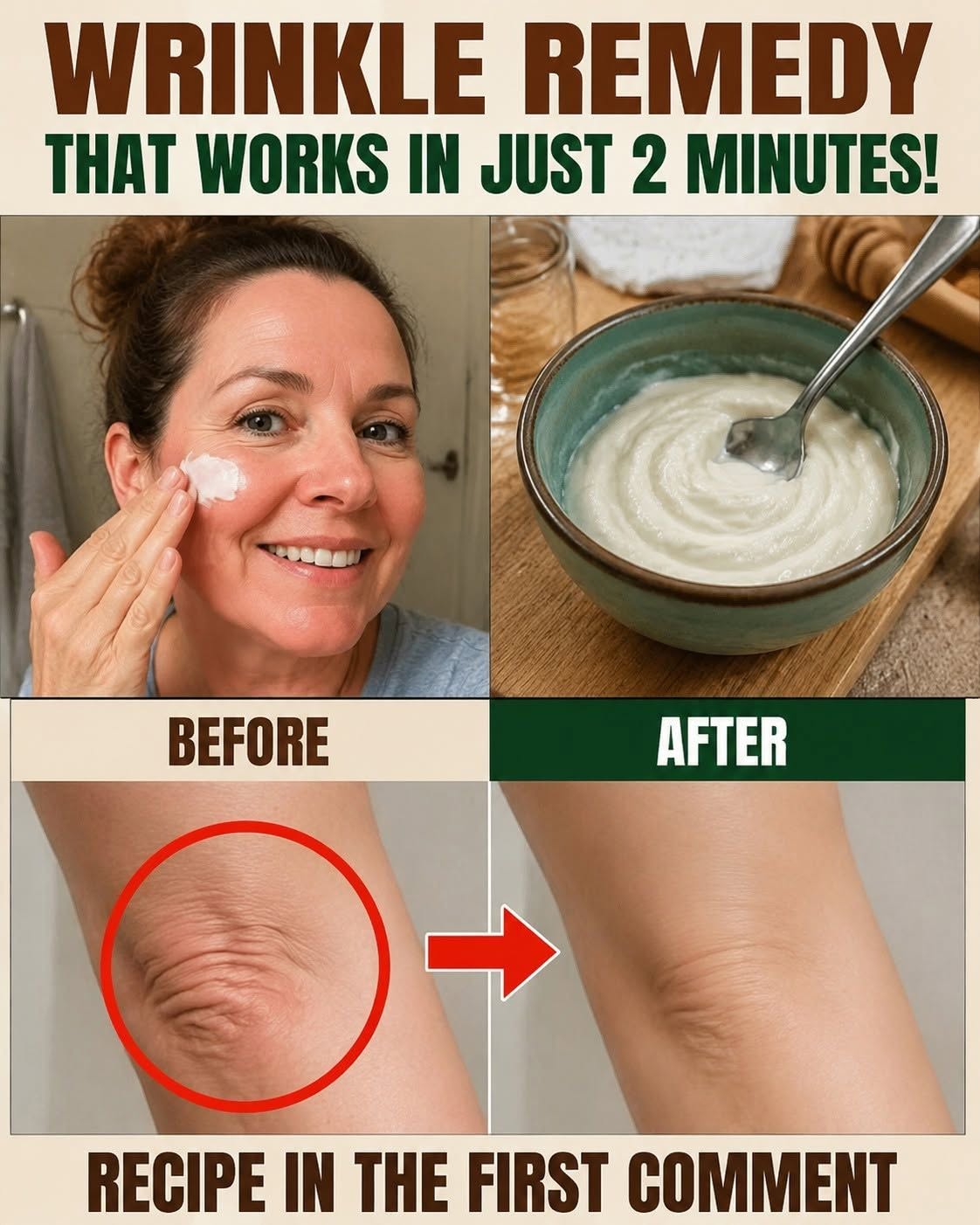
A Wrinkle Remedy That Works in Just 2 Minutes

A Wrinkle Remedy That Works in Just 2 Minutes

Many people spend hundreds of dollars on skincare products searching for the perfect wrinkle remedy. While aging is a natural process, there are simple techniques that may help your skin appear smoother and more refreshed in just a few minutes. Combined with a healthy lifestyle, proper nutrition, and daily skincare habits, these methods can support healthy aging and improve overall skin appearance.

Wrinkles develop as collagen production decreases over time. Collagen is an important protein that helps keep skin firm, smooth, and youthful. As we age, reduced collagen levels, sun exposure, stress, and poor nutrition can all contribute to fine lines and wrinkles. Fortunately, there are several natural remedies that may provide a quick improvement in skin appearance while also supporting long-term skin health.

The 2-Minute Wrinkle Remedy

One popular wrinkle-reducing technique involves a simple facial massage combined with a natural moisturizer. This method takes only two minutes and may help improve blood circulation, temporarily tighten the skin, and create a healthier glow.

What You’ll Need

  • 1 teaspoon aloe vera gel
  • A few drops of vitamin E oil
  • Clean fingertips

How to Use It

  1. Mix the aloe vera gel and vitamin E oil.
  2. Apply the mixture gently to areas with visible wrinkles.
  3. Using your fingertips, massage upward in circular motions for two minutes.
  4. Allow the mixture to remain on your skin for 10 to 15 minutes before rinsing.

Many people notice their skin looks more hydrated and refreshed immediately after use. While this is not a permanent solution, regular application may help improve skin texture over time.

Why Collagen Support Matters

One of the most important factors in reducing wrinkles is maintaining strong collagen support. Collagen helps keep skin elastic and firm. The same protein also plays an important role in joint health, making it beneficial for both skin and mobility.

Foods that naturally support collagen production include:

  • Citrus fruits
  • Berries
  • Fish
  • Eggs
  • Leafy green vegetables
  • Bone broth

Adding these foods to your diet can contribute to healthy living and support your body’s natural ability to maintain youthful skin.

The Connection Between Skin and Overall Wellness

Healthy skin often reflects overall wellness. Following simple wellness tips can help slow visible signs of aging and improve your appearance naturally.

Some effective wellness habits include:

  • Drinking plenty of water
  • Getting enough sleep
  • Managing stress
  • Exercising regularly
  • Avoiding excessive sun exposure

These practices support not only skin health but also immune system support, energy levels, and long-term well-being.

Anti Aging Foods That Help Fight Wrinkles

Nutrition plays a major role in maintaining youthful skin. Many anti aging foods contain antioxidants that protect skin cells from damage caused by free radicals.

Examples include:

  • Blueberries
  • Avocados
  • Nuts
  • Sweet potatoes
  • Tomatoes
  • Green tea

Including these foods in your daily meals provides valuable nutrition tips for anyone interested in maintaining healthy skin and supporting graceful aging.

Weight Management and Skin Health

Maintaining a healthy weight is another important factor in reducing signs of aging. Proper weight management supports circulation, hormone balance, and overall health. Extreme dieting can sometimes cause the skin to lose elasticity, making wrinkles appear more noticeable.

A balanced diet combined with regular physical activity helps support healthy skin while promoting better overall wellness.

Senior Health Tips for Aging Gracefully

As we grow older, taking care of both skin and body becomes increasingly important. These simple senior health tips can help promote healthier aging:

  • Stay physically active.
  • Eat nutrient-rich foods.
  • Drink enough water daily.
  • Schedule regular health checkups.
  • Protect your skin from the sun.

These habits contribute to healthy aging while supporting mobility, strength, and confidence.

Joint Health and Knee Pain Relief

Interestingly, the same collagen that benefits skin also supports joint health. Many adults seek knee pain relief through proper nutrition, exercise, and collagen-rich foods. Supporting collagen production can benefit both appearance and physical comfort.

Regular movement, stretching, and a balanced diet can help maintain flexibility and support healthy joints as you age.

Mental Health Tips for a Youthful Outlook

A positive mindset can have a powerful effect on overall wellness. Helpful mental health tips include:

  • Practicing gratitude
  • Staying socially connected
  • Engaging in hobbies
  • Spending time outdoors
  • Managing stress effectively

Good mental health often contributes to a healthier appearance and supports overall quality of life.

Final Thoughts

While no wrinkle remedy can completely reverse aging in two minutes, simple natural remedies like facial massage with aloe vera and vitamin E may provide a quick boost to skin hydration and appearance. Combined with proper nutrition tips, anti aging foods, collagen support, weight management, and healthy daily habits, you can support healthy aging and enjoy healthier skin for years to come. Remember that true beauty starts from within, and a commitment to healthy living, elderly care, and overall wellness can make a lasting difference.

Gluten-Free Cream Puffs

Gluten-Free Cream Puffs Recipe – Light, Fluffy, and Delicious

Meta Description: Learn how to make the best gluten-free cream puffs at home with this easy recipe. These light and airy pastry shells are filled with rich homemade whipped cream, making them a perfect gluten-free dessert for any occasion.

Gluten-Free Cream Puffs Recipe

If you’re looking for a gluten-free cream puffs recipe that tastes just as good as traditional French pastries, you’re in the right place. These homemade cream puffs feature a delicate, airy shell made with gluten-free flour and a rich, creamy filling. They are perfect for parties, holidays, birthdays, or whenever you’re craving a bakery-style dessert without gluten.

The secret to successful gluten-free cream puffs is creating a light choux pastry that puffs beautifully in the oven. Once filled with fresh whipped cream, these pastries become an irresistible treat that everyone can enjoy.

Why You’ll Love This Recipe

  • Easy gluten-free dessert recipe
  • Light and airy pastry shells
  • Perfect for special occasions
  • Made with simple pantry ingredients
  • Great make-ahead dessert
  • Delicious with whipped cream filling
  • Naturally adaptable for different flavors

Ingredients

For the Gluten-Free Choux Pastry

  • 1 cup water
  • ½ cup unsalted butter
  • 1 tablespoon granulated sugar
  • ¼ teaspoon salt
  • 1 cup gluten-free all-purpose flour blend (with xanthan gum)
  • 4 large eggs

For the Whipped Cream Filling

  • 2 cups heavy whipping cream
  • ¼ cup powdered sugar
  • 1 teaspoon vanilla extract

Optional Toppings

  • Powdered sugar for dusting
  • Melted chocolate drizzle
  • Fresh berries
  • Chocolate ganache

Instructions

Step 1: Prepare the Oven

Preheat your oven to 400°F (200°C). Line a baking sheet with parchment paper.

Step 2: Make the Choux Pastry

In a medium saucepan, combine the water, butter, sugar, and salt. Heat over medium heat until the butter is fully melted and the mixture begins to simmer.

Add the gluten-free flour all at once. Stir vigorously with a wooden spoon until the dough forms a smooth ball and pulls away from the sides of the pan. Continue cooking for about 1 minute to remove excess moisture.

Transfer the dough to a mixing bowl and let it cool for 5 minutes.

Step 3: Add the Eggs

Add the eggs one at a time, mixing thoroughly after each addition. The dough may appear separated at first, but keep mixing until smooth. The finished dough should be glossy and thick enough to hold its shape.

Step 4: Pipe the Cream Puffs

Transfer the dough to a piping bag fitted with a large round tip. Pipe 2-inch mounds onto the prepared baking sheet, leaving space between each puff.

Smooth any pointed tops with a damp finger.

Step 5: Bake

Bake for 25–30 minutes or until the cream puffs are golden brown and fully puffed.

Do not open the oven door during baking, as this can cause the puffs to collapse.

Turn off the oven and leave the cream puffs inside for 5 minutes with the door slightly open.

Remove and cool completely on a wire rack.

Step 6: Prepare the Whipped Cream

In a large mixing bowl, beat the heavy cream, powdered sugar, and vanilla extract until stiff peaks form.

Be careful not to overmix.

Step 7: Fill the Cream Puffs

Once the pastry shells are completely cool, cut them in half horizontally.

Spoon or pipe the whipped cream filling into the center of each shell.

Replace the tops and dust generously with powdered sugar.

Tips for Perfect Gluten-Free Cream Puffs

  • Use a high-quality gluten-free flour blend for the best texture.
  • Measure ingredients accurately.
  • Allow the dough to cool slightly before adding eggs.
  • Bake until deeply golden to prevent collapsing.
  • Cool completely before filling.
  • Store filled cream puffs in the refrigerator.

Variations

Chocolate Cream Puffs

Add 2 tablespoons cocoa powder to the whipped cream filling or drizzle melted chocolate over the top.

Vanilla Pastry Cream Filling

Replace whipped cream with homemade vanilla pastry cream for a classic French bakery flavor.

Berry Cream Puffs

Add sliced strawberries, raspberries, or blueberries to the filling for a fresh and fruity dessert.

Lemon Cream Puffs

Mix lemon zest and lemon curd into the whipped cream for a bright citrus flavor.

Storage Instructions

Store filled gluten-free cream puffs in an airtight container in the refrigerator for up to 3 days.

Unfilled pastry shells can be frozen for up to 2 months. Thaw at room temperature and crisp in a warm oven before filling.

Frequently Asked Questions

Are cream puffs naturally gluten-free?

Traditional cream puffs are made with wheat flour and are not gluten-free. This recipe uses gluten-free all-purpose flour to create a safe and delicious alternative.

Why did my cream puffs collapse?

Cream puffs often collapse if they are underbaked or if the oven door is opened too early during baking.

Can I make cream puffs ahead of time?

Yes. Bake the shells a day ahead and store them in an airtight container. Fill them just before serving for the best texture.

Conclusion

These gluten-free cream puffs are light, airy, and filled with sweet homemade whipped cream. Whether you’re searching for an easy gluten-free dessert, French pastry recipe, homemade cream puffs, gluten-free baking ideas, or a special occasion dessert, this recipe delivers bakery-quality results right from your kitchen. Enjoy these delicious treats with family and friends for a dessert that’s both elegant and satisfying.

Hearty Caldo de Pollo

Hearty Caldo de Pollo (Mexican Chicken Soup Recipe)

Prep Time: 15 minutes
Cook Time: 1 hour
Total Time: 1 hour 15 minutes
Servings: 6–8

If you’re looking for the ultimate comfort food, this homemade Caldo de Pollo is a perfect choice. This traditional Mexican chicken soup is packed with tender chicken, fresh vegetables, rice, and a flavorful broth. It’s nourishing, filling, and ideal for cold weather, family dinners, or whenever you crave a warm bowl of soup.

Ingredients

For the Soup

  • 2 pounds chicken pieces (legs, thighs, or breasts)
  • 10 cups water
  • 1 tablespoon chicken bouillon (optional)
  • 1 teaspoon salt
  • ½ teaspoon black pepper
  • 1 cup white rice, rinsed
  • 3 medium carrots, cut into chunks
  • 3 potatoes, peeled and quartered
  • 2 ears corn, cut into thirds
  • 2 zucchini, cut into large pieces
  • 3 celery stalks, chopped
  • 1 large onion, cut into wedges
  • 3 garlic cloves, minced
  • 2 tablespoons fresh cilantro, chopped

Optional Garnishes

  • Fresh cilantro
  • Lime wedges
  • Avocado slices
  • Jalapeño slices
  • Warm tortillas

Instructions

Step 1: Prepare the Chicken Broth

Place the chicken pieces in a large stockpot and add the water. Bring to a gentle boil over medium-high heat. As the soup begins to boil, skim off any foam that rises to the surface. This helps create a cleaner, clearer broth.

Add the garlic, salt, black pepper, and chicken bouillon if using. Reduce the heat to low and let the chicken simmer for about 25–30 minutes until tender and fully cooked.

Step 2: Cook the Rice

While the chicken is simmering, rinse the rice under cold water until the water runs clear. Add the rice directly to the soup pot after the chicken has cooked for about 30 minutes.

Stir gently and allow the rice to cook in the flavorful broth for about 15 minutes.

Step 3: Add the Vegetables

Add the potatoes, carrots, celery, and onion wedges to the pot. Continue simmering for another 10 minutes.

Next, add the corn pieces and cook for 10 more minutes. Finally, add the zucchini and cook for an additional 5–7 minutes. The vegetables should be tender but not mushy.

Step 4: Finish the Soup

Taste the broth and adjust the seasoning if necessary. Add the chopped fresh cilantro and stir gently.

Allow the soup to rest for a few minutes before serving. This helps the flavors blend together beautifully.

Serving Suggestions

Ladle the hot Caldo de Pollo into large bowls, making sure each serving contains chicken, rice, corn, potatoes, carrots, zucchini, and plenty of broth.

Serve with:

  • Fresh lime wedges for brightness
  • Warm corn tortillas
  • Avocado slices for creaminess
  • Fresh cilantro for extra flavor
  • Jalapeños for a spicy kick

Tips for the Best Caldo de Pollo

Use Bone-In Chicken

Bone-in chicken creates a richer, more flavorful broth. Chicken thighs and drumsticks work especially well.

Don’t Overcook the Vegetables

Add vegetables in stages so they maintain their texture and color.

Make It Healthier

This soup is naturally packed with protein, vitamins, and minerals. You can add extra vegetables like cabbage, chayote squash, or green beans for even more nutrition.

Storage

Store leftover soup in an airtight container in the refrigerator for up to 4 days. Reheat gently on the stovetop before serving.

Freezing

Caldo de Pollo freezes well for up to 3 months. For best results, freeze without the rice and add freshly cooked rice when reheating.

Why You’ll Love This Recipe

This authentic Mexican chicken soup combines juicy chicken, hearty vegetables, fluffy rice, and a rich homemade broth in every spoonful. It’s comforting, nutritious, budget-friendly, and perfect for meal prep. Whether you’re feeling under the weather, feeding a hungry family, or simply craving homemade comfort food, this Caldo de Pollo recipe delivers warmth and flavor every time.

One bowl of this classic chicken vegetable soup is enough to remind you why simple, wholesome ingredients often make the most satisfying meals. Enjoy! 🍲🐔

Eggshells for Knee Health: Can They Really Help Joint Pain and Collagen Loss

Eggshells for Knee Pain and Joint Health: Can They Help Rebuild Cartilage Naturally?

Meta Description: Discover whether eggshells can help support knee pain relief, joint health, cartilage repair, and collagen production. Learn the benefits, risks, and best natural remedies for healthy joints.

Eggshells for Joint Health: Fact or Myth?

Many people searching for natural remedies for knee pain, joint health support, and collagen boosters have recently heard claims that eggshells can help rebuild cartilage and reduce joint discomfort. While eggshells contain valuable minerals, it’s important to understand both their benefits and limitations before using them as a home remedy.

What Happens When Your Knees Lose Collagen?

Collagen is one of the most important proteins in the body. It helps keep cartilage strong, flexible, and resilient. Cartilage acts as a cushion between the bones, allowing joints to move smoothly without pain.

As we age, natural collagen production declines, which may lead to:

  • Knee pain
  • Joint stiffness
  • Reduced mobility
  • Cartilage degeneration
  • Increased risk of osteoarthritis

Because of this, many people seek natural ways to increase collagen and maintain healthy, pain-free joints.

Are Eggshells Good for Knee Pain and Joint Health?

Eggshells are made primarily of calcium carbonate, but they also contain small amounts of magnesium, phosphorus, and other trace minerals that support bone health.

More importantly, the eggshell membrane—the thin layer found inside the shell—contains beneficial compounds such as:

  • Collagen
  • Glucosamine
  • Chondroitin
  • Hyaluronic acid

These nutrients are commonly found in joint health supplements and may help support flexibility, comfort, and mobility.

Potential Benefits of Eggshell Membrane

Research suggests that eggshell membrane supplements may provide benefits such as:

  • Joint pain relief
  • Reduced knee stiffness
  • Improved mobility
  • Better cartilage support
  • Enhanced joint flexibility

However, it is important to note that eating crushed eggshells is not the same as taking a purified eggshell membrane supplement designed specifically for joint health.

Nutritional Value of Eggshells

Eggshells are best known as a natural source of calcium. One eggshell contains a significant amount of calcium that may help support overall bone strength.

Benefits of Adequate Calcium Intake

Getting enough calcium may help:

  • Build strong bones
  • Improve bone density
  • Reduce osteoporosis risk
  • Support healthy muscle function
  • Maintain long-term joint health

Strong bones play an important role in protecting the knees and supporting healthy movement, especially as we age.

How to Make Eggshell Powder Safely

If you want to use eggshell powder as a natural calcium supplement, proper preparation is essential.

Ingredients

  • Shells from 10–12 eggs
  • Clean water

Instructions

  1. Wash the eggshells thoroughly.
  2. Boil them for 10 minutes to eliminate bacteria.
  3. Allow them to dry completely.
  4. Bake at a low temperature for 10–15 minutes.
  5. Grind the shells into a very fine powder using a blender or coffee grinder.
  6. Store the powder in an airtight container.

Suggested Use

Many people add a small amount of eggshell powder to:

  • Smoothies
  • Yogurt
  • Fresh juice

Avoid excessive consumption, as too much calcium can lead to health problems.

Natural Ways to Boost Collagen for Healthy Joints

While eggshells provide minerals, there are several proven ways to naturally increase collagen production and support joint health.

1. Eat Protein-Rich Foods

Protein supplies the amino acids needed to build collagen.

Good sources include:

  • Chicken
  • Fish
  • Eggs
  • Lean beef
  • Beans and legumes

2. Increase Vitamin C Intake

Vitamin C is essential for collagen synthesis.

Excellent sources include:

  • Oranges
  • Lemons
  • Strawberries
  • Bell peppers
  • Kiwi

3. Drink Bone Broth

Bone broth naturally contains collagen and amino acids that may help support cartilage and joint function.

4. Stay Physically Active

Regular low-impact exercise can:

  • Improve joint flexibility
  • Strengthen muscles around the knees
  • Enhance blood circulation
  • Reduce stiffness

Activities such as walking, swimming, and cycling are ideal for maintaining healthy joints.

5. Maintain a Healthy Weight

Excess body weight places additional stress on the knee joints. Even modest weight loss can significantly reduce knee pain and improve mobility.

Best Foods for Joint Health and Inflammation

Adding anti-inflammatory foods to your diet may help support healthy joints and reduce discomfort.

Top foods include:

  • Fatty fish (salmon and sardines)
  • Leafy green vegetables
  • Nuts and seeds
  • Extra virgin olive oil
  • Berries
  • Turmeric
  • Ginger

These foods contain antioxidants and anti-inflammatory compounds that support long-term joint wellness.

Can Eggshells Rebuild Cartilage?

Although eggshell membrane contains nutrients associated with cartilage health, there is currently no strong scientific evidence showing that crushed eggshells alone can rebuild damaged knee cartilage or completely reverse collagen loss.

Eggshells may contribute valuable calcium and minerals, but they should be viewed as part of a broader healthy lifestyle rather than a miracle cure for arthritis or chronic knee pain.

Final Thoughts

Eggshells can serve as a natural calcium source, while eggshell membrane contains compounds linked to joint health, cartilage support, and mobility improvement. However, relying solely on eggshells is unlikely to restore lost cartilage or eliminate knee pain.

For the best results, focus on a balanced diet rich in collagen-boosting foods, adequate protein, vitamin C, regular exercise, and healthy weight management. If you suffer from persistent knee pain, osteoarthritis, or joint problems, consult a healthcare professional before trying any supplement or natural remedy

12 Nasty Things You Do in Old Age That Everyone Notices, But No One Dares to Tell You

12 Nasty Things You Do in Old Age That Everyone Notices, But No One Dares to Tell You

Meta Description: Discover the most common aging habits seniors develop over time and learn practical senior health tips, senior hygiene advice, and healthy aging strategies to maintain confidence, relationships, and overall wellness.

12 Nasty Things You Do in Old Age That Everyone Notices, But No One Dares to Tell You

Aging is a natural part of life, but certain habits can slowly develop without people realizing it. Many older adults unintentionally adopt behaviors that affect relationships, appearance, and even their health. Family members and friends often notice these habits but avoid mentioning them because they do not want to hurt feelings.

The good news is that awareness can help prevent these issues. By focusing on healthy aging, senior wellness habits, and a healthy lifestyle for seniors, older adults can enjoy better social connections, confidence, and overall happiness.

Here are the 12 common aging habits people notice most often.

1. Ignoring Senior Hygiene

One of the most noticeable problems in old age is poor personal hygiene. As mobility decreases, bathing regularly may become difficult. Some seniors also lose sensitivity to body odor over time.

Good senior hygiene includes:

  • Showering regularly
  • Wearing clean clothes
  • Brushing teeth daily
  • Keeping nails trimmed

Proper hygiene is essential for healthy senior living and helps maintain dignity and self-confidence.

2. Repeating the Same Stories Constantly

Many elderly people unknowingly repeat stories several times during conversations. This behavior is often linked to memory changes or loneliness.

While storytelling is normal, repeating the same memories too often can frustrate listeners. Staying socially active and engaging in activities that stimulate the brain can support aging and mental health.

3. Complaining About Everything

Constant negativity is another common senior problem. Complaining about weather, health, family, or society can push people away emotionally.

A positive mindset is an important part of aging gracefully. Gratitude practices, hobbies, and social interactions help seniors maintain emotional balance and improve senior wellness.

4. Refusing to Accept Help

Many older adults want to remain independent, but refusing help for simple tasks can become dangerous. Ignoring assistance with medication, walking, or technology may create unnecessary stress.

Healthy aging does not mean doing everything alone. Accepting support when needed is a sign of wisdom, not weakness.

5. Poor Eating Habits

Unhealthy eating patterns become more common with age. Some seniors skip meals, eat too much processed food, or avoid drinking enough water.

A healthy lifestyle for seniors should include:

  • Fresh fruits and vegetables
  • Lean protein
  • Whole grains
  • Proper hydration

Good nutrition supports energy, brain function, and overall senior health tips recommended by experts.

6. Talking Too Loudly

Hearing loss often causes elderly individuals to speak louder without realizing it. This habit may make conversations uncomfortable in public places.

Regular hearing checkups can improve communication and help seniors stay socially connected. Healthy senior living includes caring for hearing health as much as physical health.

7. Neglecting Physical Activity

A sedentary lifestyle is one of the biggest aging habits that affects health. Lack of movement can lead to weight gain, muscle weakness, and joint stiffness.

Simple exercises like walking, stretching, or light yoga can improve:

  • Heart health
  • Flexibility
  • Balance
  • Mental wellness

Exercise is one of the best elderly care tips for maintaining independence.

8. Becoming Too Critical of Younger Generations

Some seniors constantly compare modern lifestyles to “the good old days.” Criticizing younger people too often can create emotional distance within families.

Aging gracefully means staying open-minded and curious about new ideas. Learning from younger generations can strengthen family relationships and improve aging and mental health.

9. Hoarding Unnecessary Items

Many older adults struggle to throw away old belongings. Over time, clutter can become overwhelming and unsafe.

Decluttering creates a cleaner and healthier environment. Organized living spaces reduce stress and support senior wellness habits.

10. Ignoring Medical Checkups

Avoiding doctors is another unhealthy elderly behavior that many families notice. Some seniors fear bad news or dislike medical visits.

Regular checkups are essential for:

  • Blood pressure monitoring
  • Diabetes management
  • Vision care
  • Preventive screenings

Following professional senior health tips helps catch problems early and improves quality of life.

11. Oversharing Personal Problems

Talking excessively about health issues or private matters can make social situations uncomfortable. While discussing health concerns is important, constant oversharing may push others away.

Balanced communication is part of a healthy senior lifestyle. Listening to others and engaging in different topics creates stronger relationships.

12. Giving Up on Appearance

Some elderly individuals stop caring about grooming, hairstyles, or clothing choices. This often happens because of depression, isolation, or lack of motivation.

Looking presentable does not mean following fashion trends. Simple self-care habits can improve mood, confidence, and social interactions. Aging gracefully includes taking pride in personal appearance.

How Seniors Can Build Better Habits

The aging process brings challenges, but positive lifestyle changes can greatly improve daily life. Here are a few healthy senior living tips:

  • Stay physically active
  • Maintain regular hygiene routines
  • Eat nutritious meals
  • Keep learning new things
  • Spend time with family and friends
  • Attend regular health checkups
  • Practice gratitude and positivity

Small improvements can make a huge difference in senior wellness and emotional health.

Final Thoughts

Everyone develops habits over time, but some aging habits can affect relationships, confidence, and overall well-being. The key to healthy aging is self-awareness and a willingness to adapt.

By focusing on senior hygiene, emotional balance, physical activity, and positive communication, older adults can enjoy a healthier and happier life. Aging gracefully is not about looking younger — it is about living with dignity, confidence, and purpose.

Making small lifestyle adjustments today can lead to better senior wellness habits and a more fulfilling future.