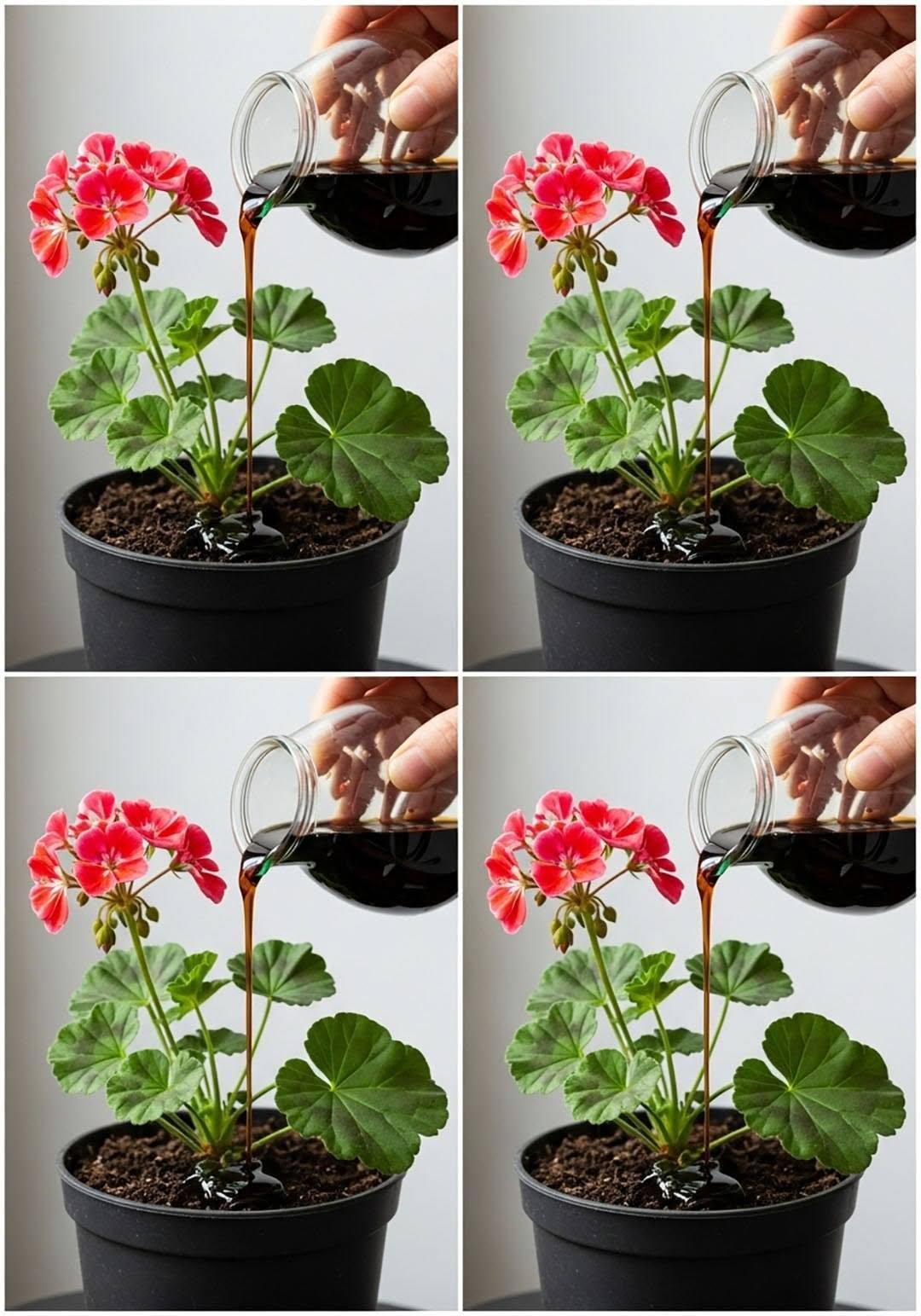
If you want your geraniums to bloom almost continuously for over a year, the secret isn’t one magic trick—it’s a combination of consistent care, smart pruning, proper feeding, and the right growing conditions. Geraniums are naturally generous bloomers, but like any flowering plant, they respond strongly to how they are treated. With a few simple habits, you can turn a short seasonal display into a long-lasting burst of color that keeps coming back month after month.
🚀 Make Money Online – Up to $50 Per Day!
Start with the right growing conditions
Geraniums thrive in bright light. If they are indoors or on a balcony, they need at least 5–6 hours of direct sunlight daily. Without enough light, they will grow tall and leafy but produce very few flowers. Outdoors, a sunny spot with good air circulation is ideal.
Soil quality also plays a major role. Geraniums prefer well-draining soil that is not too rich. Heavy, water-retaining soil can lead to root problems and weak blooming. A light potting mix with added sand or perlite works very well in containers. Good drainage ensures that roots stay healthy, which directly supports continuous flowering.
Watering: the balance that matters most
One of the biggest mistakes people make with geraniums is overwatering. These plants actually prefer slightly dry conditions between waterings. The best approach is to water deeply, then allow the top inch of soil to dry out before watering again.
Too much water encourages lush green growth but reduces flower production. On the other hand, mild dryness signals the plant to focus on reproduction—meaning more blooms. Always make sure pots have drainage holes so excess water can escape easily.
Feeding for nonstop blooms
To keep geraniums flowering for long periods, feeding them correctly is essential. Use a balanced liquid fertilizer every two to three weeks during the growing season. A fertilizer slightly higher in potassium (the “K” in NPK) encourages flower production rather than just leaf growth.
Avoid over-fertilizing with nitrogen-rich feeds, as this leads to big, leafy plants with very few flowers. Think of it this way: nitrogen builds leaves, potassium builds blooms. A balanced approach keeps the plant productive and colorful.
Deadheading: the simplest bloom booster
If you want continuous flowers, deadheading is non-negotiable. This means removing faded or spent blooms regularly. When old flowers are left on the plant, geraniums start putting energy into seed production instead of new buds.
To deadhead properly, gently snap or cut off the flower stalk just above the first healthy set of leaves. Doing this every few days encourages the plant to keep producing fresh flower clusters, extending the blooming cycle significantly.
Pruning keeps the plant young
Geraniums tend to become leggy over time if they are not pruned. Light pruning every few weeks helps maintain a compact shape and stimulates new growth, which often leads to more flowers.
If the plant becomes too woody or sparse, don’t be afraid to cut it back by one-third. This may temporarily reduce flowers, but it refreshes the plant and leads to a stronger blooming phase afterward.
Temperature and seasonal care
Geraniums prefer moderate temperatures. Extreme heat can slow flowering, while cold temperatures can stop it completely. If you are in a region with seasonal changes, protecting the plant during harsh weather is important.
In colder months, move potted geraniums indoors near a bright window. With enough light and stable warmth, they can continue producing flowers even when outdoor plants go dormant.
Pest and disease control
Healthy geraniums bloom more consistently, so keeping pests away is essential. Watch for aphids, whiteflies, and spider mites. These pests weaken the plant and reduce flowering ability.
A simple spray of mild soapy water or neem oil can help control infestations. Also avoid overcrowding plants, as good airflow reduces the risk of fungal problems.
The long-term secret: consistency
The real secret to getting geraniums to bloom for over a year is consistency. Regular watering (but not too much), steady feeding, frequent deadheading, and occasional pruning work together like a cycle. Each action supports the next stage of flowering.
Instead of treating geranium care as occasional maintenance, think of it as a routine rhythm. Small, regular efforts always outperform occasional heavy care.
Final thought
Geraniums are resilient, rewarding plants that respond beautifully to attention. When given the right light, balanced feeding, proper pruning, and careful watering, they don’t just bloom—they keep blooming. With these practices, your geraniums can stay colorful and vibrant far beyond a single season, bringing life and beauty to your space for many months in a row.
