12 nasty things you do in old age that everyone notices, but no one dares to tell you

Aging is a natural part of life, but with it come subtle habits and behaviors that can creep in unnoticed. The tricky part? People around you often notice these changes long before you do—but out of respect, politeness, or discomfort, they rarely say anything. That doesn’t mean these habits are harmless. In fact, becoming aware of them can help you maintain dignity, strong relationships, and a better quality of life.

Here are 12 “nasty” or off-putting habits that sometimes develop with age—along with gentle ways to correct them.


1. Repeating the Same Stories Over and Over

Memory changes can lead to telling the same story multiple times, often in the same conversation. While it may feel natural to you, others may feel stuck or unsure how to respond.

Fix: Stay mindful of your audience. Try asking questions instead of always sharing stories. Keeping a mental note of what you’ve recently said can go a long way.


2. Speaking Too Loudly

Hearing loss is common with age, but it can cause you to speak louder than necessary without realizing it. This can feel overwhelming to others.

Fix: Get your hearing checked regularly. Being aware of your volume and adjusting it consciously helps maintain comfortable conversations.


3. Poor Personal Hygiene

Sometimes routines slip—less frequent bathing, wearing the same clothes too long, or neglecting grooming. Others may notice body odor or unclean appearance but feel awkward mentioning it.

Fix: Stick to a daily hygiene routine. Set reminders if needed. Clean clothes, regular showers, and grooming keep you feeling fresh and confident.


4. Being Overly Critical

With age comes experience, but it can also lead to constant criticism—of younger generations, modern trends, or even family members.

Fix: Practice empathy. Not everything needs commentary. Focus on understanding rather than judging.


5. Interrupting Others

Some older adults develop a habit of interrupting conversations, either out of excitement or impatience.

Fix: Pause and listen fully before responding. People appreciate feeling heard.


6. Complaining Too Much

Talking constantly about health issues, discomfort, or dissatisfaction can drain the energy of those around you.

Fix: It’s okay to share concerns, but balance it with positive topics. Gratitude and humor make conversations more enjoyable.


7. Being Stubborn and Resistant to Change

Refusing new ideas, technology, or different viewpoints can make interactions difficult.

Fix: Stay curious. Even if you don’t adopt something new, showing openness earns respect.


8. Invading Personal Space

Standing too close, touching excessively, or ignoring boundaries can make others uncomfortable.

Fix: Be mindful of personal space, especially with younger people or acquaintances.


9. Talking Only About Yourself

Some people unintentionally dominate conversations with their own experiences and opinions.

Fix: Ask others about their lives. Good conversations are a two-way street.


10. Neglecting Table Manners

Simple habits like chewing with your mouth open, talking while eating, or making loud noises can become more noticeable over time.

Fix: Slow down while eating and remain aware of basic etiquette—it still matters.


11. Becoming Socially Withdrawn

Isolation can lead to awkwardness in social settings, making interactions feel strained or uncomfortable.

Fix: Stay socially active. Even small interactions help maintain communication skills and confidence.


12. Ignoring Health Signals

Sometimes people downplay or ignore visible health issues—like coughing constantly, poor posture, or visible fatigue—which others notice but hesitate to mention.

Fix: Pay attention to your body. Regular check-ups and self-care show respect for yourself and those around you.


Final Thoughts

None of these habits define you, and they’re not uncommon. Aging brings challenges, but it also offers the wisdom to adapt and grow. The key is awareness. When you remain mindful of how your behavior affects others, you not only improve your relationships—you also maintain your independence and self-respect.

The truth is, people don’t speak up because they care about your feelings. But taking the initiative to reflect and adjust ensures that you continue to be someone others enjoy being around—no matter your age.
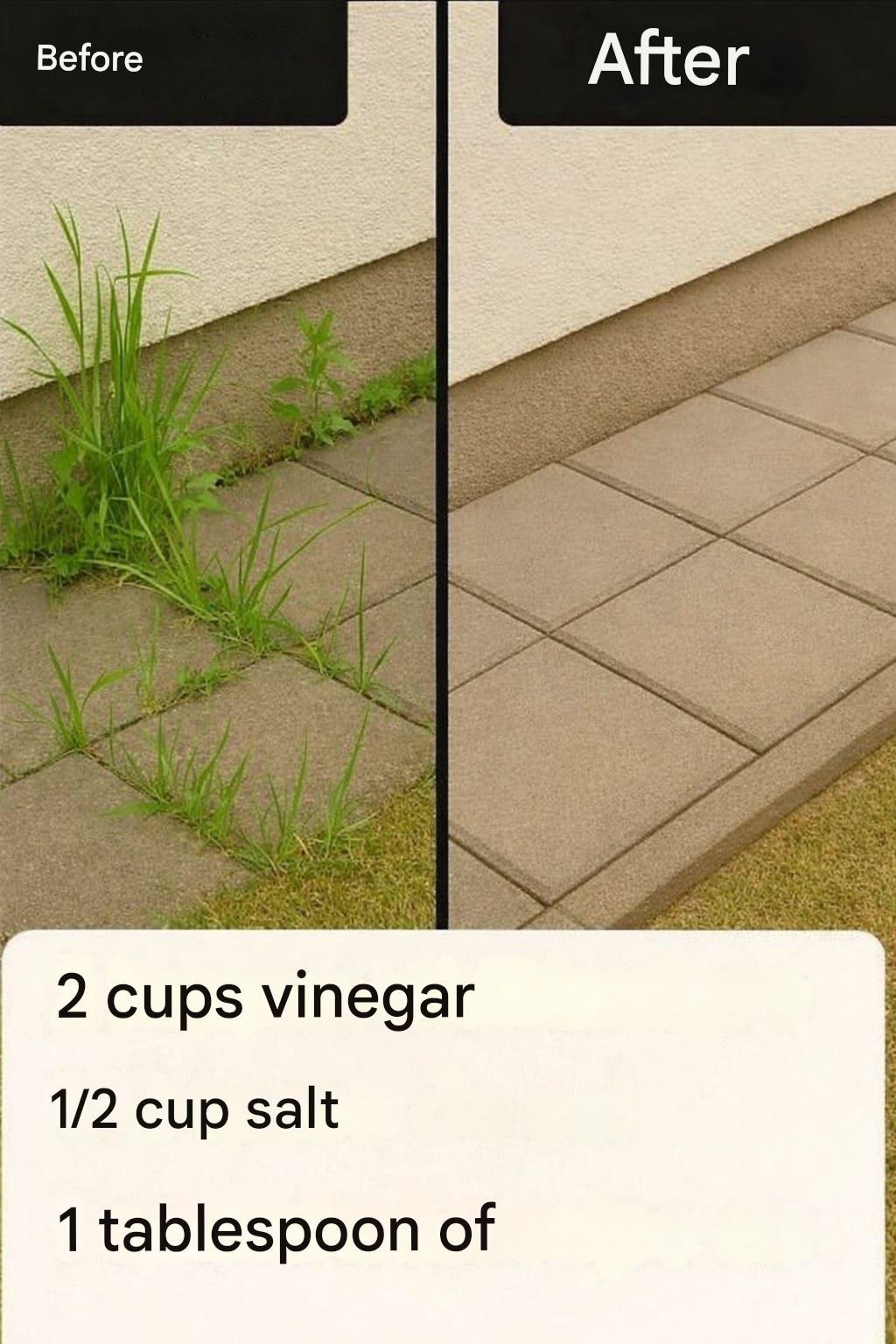

How to make a super effective homemade herbicide

Weeds are one of the most persistent challenges for gardeners and homeowners alike. They compete with your plants for water, nutrients, and sunlight, often taking over lawns, driveways, and garden beds if left unchecked. While commercial herbicides are widely available, many people prefer natural alternatives that are safer for the environment, pets, and their families. Fortunately, you can create a powerful homemade herbicide using simple ingredients found in your kitchen.

Why Choose a Homemade Herbicide?

Before diving into the recipe, it’s important to understand why homemade solutions are becoming increasingly popular. Store-bought herbicides often contain strong chemicals that may harm beneficial insects, contaminate soil, and pose health risks. Homemade herbicides, on the other hand, are:

  • More eco-friendly
  • Cost-effective
  • Easy to prepare
  • Safer when used correctly

However, keep in mind that “natural” does not always mean harmless. Even homemade mixtures should be applied carefully.


The Most Effective Homemade Herbicide Recipe

One of the most reliable and widely used homemade weed killers combines vinegar, salt, and dish soap. Each ingredient plays a specific role in eliminating weeds.

Ingredients:

  • 1 gallon (about 3.8 liters) of white vinegar (5% acidity or higher)
  • 1 cup of salt (table salt or rock salt)
  • 1 tablespoon of liquid dish soap

Instructions:

  1. Pour the vinegar into a large container or bucket.
  2. Add the salt and stir thoroughly until it dissolves completely.
  3. Add the dish soap and gently mix. Avoid creating too many bubbles.
  4. Transfer the solution into a spray bottle or garden sprayer.

How It Works

Understanding how this mixture works will help you use it more effectively:

  • Vinegar contains acetic acid, which dries out and kills plant leaves by removing moisture.
  • Salt penetrates the soil and dehydrates the plant from the roots, preventing regrowth.
  • Dish soap acts as a surfactant, helping the solution stick to the leaves instead of running off.

Together, these ingredients create a potent herbicide that can destroy weeds within hours to days.


Best Practices for Application

To get the most out of your homemade herbicide, timing and technique are crucial.

1. Apply on a Sunny Day

Heat and sunlight enhance the effectiveness of vinegar. Spray weeds during a hot, dry day for faster results.

2. Target the Leaves Directly

This solution works best when it comes into direct contact with the plant’s leaves. Spray thoroughly but avoid oversaturating the soil.

3. Avoid Desired Plants

This herbicide is non-selective, meaning it will kill any plant it touches. Be careful not to spray flowers, vegetables, or grass you want to keep.

4. Reapply if Necessary

Stubborn weeds, especially those with deep roots, may require multiple applications.


Where to Use This Herbicide

This homemade solution works best in areas where you want to eliminate all plant growth, such as:

  • Driveways and sidewalks
  • Cracks in pavement
  • Gravel paths
  • Fence lines

It is less suitable for garden beds unless you are very precise with application.


Alternative Natural Herbicide Options

If you want to experiment or avoid salt, here are a few other natural weed control methods:

Boiling Water

Pouring boiling water directly onto weeds can kill them instantly. This is especially effective for small weeds growing in cracks.

Lemon Juice

The natural acidity in lemon juice works similarly to vinegar and can burn weeds when applied under sunlight.

Corn Gluten Meal

This natural product prevents weed seeds from germinating, making it useful as a preventive measure rather than a killer.


Safety Tips

Even though this herbicide is homemade, it should still be used responsibly:

  • Wear gloves when handling the mixture
  • Avoid spraying on windy days to prevent drift
  • Keep away from pets and children during application
  • Do not overuse salt, as it can damage soil quality over time

Pros and Cons of Homemade Herbicides

Advantages:

  • Affordable and accessible
  • Free from synthetic chemicals
  • Quick results for surface weeds

Disadvantages:

  • Non-selective (kills all plants)
  • May require repeated applications
  • Salt can harm soil health if overused

Final Thoughts

Making your own herbicide at home is a simple, effective way to control unwanted weeds without relying on harsh chemicals. The vinegar, salt, and dish soap mixture stands out as one of the most powerful DIY solutions, delivering fast and visible results when used correctly.

However, like any weed control method, it requires careful handling and thoughtful application. By using it strategically and responsibly, you can maintain a clean, weed-free outdoor space while minimizing environmental impact.

Many people wear rings without knowing this… the middle finger has a hidden meaning

Many people wear rings as simple fashion accessories—little touches of personality that complete an outfit. But throughout history, rings have carried meanings far deeper than style. Each finger, in particular, has been associated with symbolic messages tied to culture, psychology, and even ancient beliefs. Among them, the middle finger stands out as one of the most intriguing—and often misunderstood—choices for wearing a ring.

At first glance, placing a ring on the middle finger may seem like a neutral or even random decision. After all, it sits right in the center of the hand, making it a natural and balanced spot for jewelry. However, this central position is exactly what gives it its powerful symbolic meaning. The middle finger is associated with balance, responsibility, and identity. It represents the axis of the hand, much like how a person’s values and decisions form the center of their life.

In many traditions, the middle finger is linked to the concept of structure and order. Wearing a ring on this finger can reflect a desire for stability or a commitment to personal responsibility. It can symbolize someone who is grounded, thoughtful, and aware of their place in the world. Unlike the ring finger, which is often tied to romance and relationships, the middle finger speaks more about the individual—who you are at your core.

Interestingly, the middle finger has also been connected to the idea of power and authority. Because it is the tallest finger, it naturally draws attention. A ring placed here tends to stand out more than on other fingers, making a subtle yet confident statement. People who choose to wear rings on their middle finger may be expressing independence, self-assurance, and a strong sense of identity. It’s not about following tradition—it’s about defining your own.

There’s also a psychological angle to consider. Some experts believe that the choice of finger can reflect aspects of personality. The middle finger, being central, may appeal to those who seek balance in life or who are going through a period of self-discovery. It can act as a reminder to stay centered, make thoughtful decisions, and maintain control over one’s emotions and actions.

In certain spiritual beliefs, the middle finger is associated with the element of space or ether. This connection suggests openness, expansion, and the ability to see the bigger picture. Wearing a ring here might symbolize a connection to higher thinking or a desire to grow beyond limitations. It can serve as a quiet declaration of inner strength and awareness.

However, the meaning of a ring on the middle finger isn’t always serious or symbolic. For some, it’s simply the most comfortable and practical choice. The middle finger provides a secure position where rings are less likely to slip off or feel restrictive. It’s also symmetrical, which can be aesthetically pleasing. Even so, the subconscious meanings behind this choice may still play a role, even if the wearer isn’t fully aware of them.

There’s also a cultural layer to this topic. In modern times, the middle finger is often associated with rebellion or defiance due to its well-known gesture in many societies. Because of this, wearing a ring on this finger can sometimes carry a hint of boldness or nonconformity. It can signal that the wearer isn’t afraid to stand out or challenge expectations. In this way, the middle finger becomes a symbol of quiet rebellion—not loud or aggressive, but confident and self-directed.

Another interesting aspect is how the style of the ring itself can amplify its meaning. A simple band might emphasize balance and minimalism, while a large or ornate ring could highlight confidence and individuality. The material, color, and design all contribute to the overall message being expressed.

Ultimately, the “hidden meaning” of wearing a ring on the middle finger isn’t fixed or universal. It can vary depending on personal beliefs, cultural background, and individual intention. What makes it fascinating is that it sits at the intersection of symbolism and self-expression. Whether worn consciously or unconsciously, a ring on this finger often reflects something deeper about the wearer’s mindset and personality.

So the next time you notice someone wearing a ring on their middle finger—or if you wear one yourself—it’s worth taking a moment to think about what it might represent. It could be a sign of balance, a statement of independence, or simply a reflection of personal style. Either way, it’s a small detail that carries a surprisingly rich and meaningful story.

Doctors reveal that eating boiled eggs causes.

Boiled eggs are one of the simplest, most affordable, and nutrient-dense foods you can include in your daily diet. For generations, they’ve been a breakfast staple across cultures, but modern science continues to uncover just how powerful these little protein-packed foods truly are. Doctors and nutrition experts often recommend boiled eggs as part of a balanced diet, and for good reason. Let’s explore what really happens in your body when you eat boiled eggs regularly—and how to prepare them the right way.

Why Boiled Eggs Are So Powerful

Eggs are often referred to as a “complete food” because they contain almost every essential nutrient your body needs. A single boiled egg provides high-quality protein, healthy fats, vitamins like B12 and D, and important minerals such as selenium and choline.

Unlike fried eggs, boiling requires no added oil or fat, making it one of the healthiest cooking methods. This keeps calorie intake lower while preserving most of the egg’s nutrients.

What Doctors Say Happens When You Eat Boiled Eggs

1. Improved Muscle Strength and Repair
Boiled eggs are rich in high-quality protein, which contains all nine essential amino acids. Doctors emphasize that protein is crucial for building and repairing muscle tissue. If you exercise regularly or want to maintain strength as you age, adding boiled eggs to your diet can be very beneficial.

2. Better Brain Function
Eggs are one of the best natural sources of choline, a nutrient essential for brain health. Choline helps produce neurotransmitters that support memory and mood. Regular consumption may improve focus and cognitive performance over time.

3. Stronger Bones and Teeth
Boiled eggs contain vitamin D, which helps your body absorb calcium more effectively. Doctors often point out that vitamin D deficiency is common, and including eggs in your diet can support bone density and reduce the risk of fractures.

4. Heart Health Support
There has been long-standing debate about eggs and cholesterol. However, recent studies show that for most people, eating boiled eggs in moderation does not increase the risk of heart disease. In fact, eggs can help increase “good” HDL cholesterol, which supports heart health.

5. Weight Management and Fullness
Boiled eggs are incredibly filling. Doctors often recommend them for weight management because they reduce hunger and prevent overeating. Starting your day with eggs can help you feel satisfied longer and reduce cravings for unhealthy snacks.

6. Eye Health Protection
Egg yolks contain antioxidants like lutein and zeaxanthin, which are essential for eye health. These compounds help protect your eyes from damage caused by blue light and may reduce the risk of age-related vision problems.

7. Improved Hair and Skin Health
Eggs are rich in biotin and other B vitamins that support healthy hair and skin. Regular consumption may lead to stronger hair, improved skin texture, and a natural glow.

Are There Any Risks?

Doctors agree that boiled eggs are safe for most people when consumed in moderation. However, individuals with certain health conditions, such as diabetes or high cholesterol, should consult their healthcare provider about how many eggs are appropriate for them.

A common recommendation is 1–2 eggs per day for healthy individuals. Balance is key—pair eggs with vegetables, whole grains, or fruits for a well-rounded meal.

Simple Boiled Egg Recipe (Perfect Every Time)

Ingredients:

  • 4 fresh eggs
  • Water (enough to cover eggs)
  • A pinch of salt (optional)

Instructions:

  1. Place the eggs in a saucepan in a single layer.
  2. Add enough water to cover the eggs by about 1 inch.
  3. Bring the water to a gentle boil over medium heat.
  4. Once boiling, reduce heat and let simmer:
    • 6–7 minutes for soft-boiled eggs
    • 9–12 minutes for hard-boiled eggs
  5. Remove eggs and place them immediately in cold water or an ice bath.
  6. Let them cool for 5–10 minutes before peeling.

Tips for Best Results:

  • Use slightly older eggs for easier peeling.
  • Avoid overcooking to prevent a green ring around the yolk.
  • Store boiled eggs in the refrigerator and consume within one week.

Delicious Ways to Enjoy Boiled Eggs

  • Slice them over salads for extra protein
  • Mash with a little yogurt or mustard for a healthy egg spread
  • Add to sandwiches or wraps
  • Sprinkle with salt, pepper, and a dash of paprika for a quick snack

Final Thoughts

Doctors consistently highlight boiled eggs as a nutrient-rich food that supports overall health when eaten in moderation. From boosting brain function to supporting muscle growth and helping with weight management, the benefits are hard to ignore.

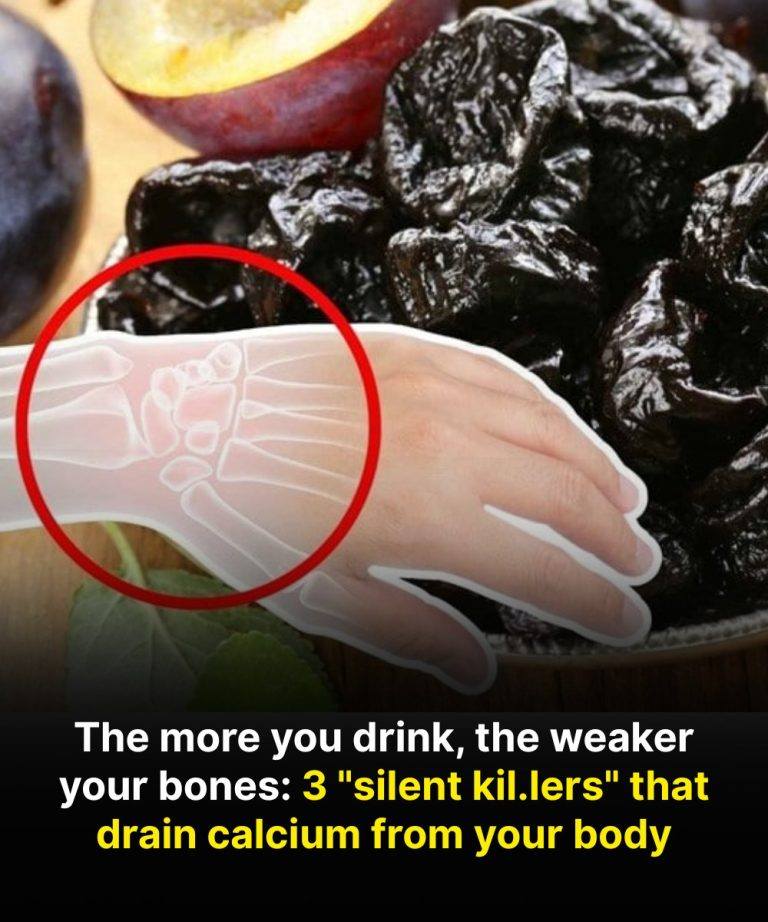
The more you consume, the more your bones weaken: 3 “Silent Ki.llers” that rob your body of calcium

Strong bones are essential for a healthy, active life. They support your body, protect vital organs, and store important minerals like calcium. However, many people unknowingly adopt daily habits that slowly drain calcium from their bones. The most concerning part? These habits often seem harmless and go unnoticed for years—until problems like joint pain, fractures, or osteoporosis appear.

Let’s explore three common “silent killers” that may be weakening your bones without you even realizing it.


1. Excess Salt (Sodium)

Salt is a staple in most diets, but consuming too much of it can have serious consequences for your bones. When you eat high amounts of sodium, your body tries to maintain balance by flushing out the excess through urine. Unfortunately, calcium is lost along with it.

How It Harms Your Bones

For every extra gram of sodium you consume, your body may lose significant amounts of calcium. Over time, this calcium loss reduces bone density, making bones weaker and more fragile.

Hidden Sources of Salt

Many people think they’re safe because they don’t add much salt to their food. However, sodium hides in:

  • Processed snacks (chips, crackers)
  • Fast food and fried items
  • Packaged soups and sauces
  • Processed meats like sausages and deli cuts

What You Can Do

  • Limit processed and packaged foods
  • Choose fresh, whole ingredients
  • Use herbs and spices instead of salt for flavor

Reducing sodium intake doesn’t just protect your bones—it also supports heart health and blood pressure.


2. Sugary Drinks and Excess Sugar

Sugar may taste sweet, but its long-term effects on your body can be quite bitter. High sugar consumption interferes with your body’s ability to absorb calcium and other essential minerals.

Why Sugar Is a Problem

When you consume too much sugar, your body produces more insulin, which can affect calcium metabolism. In addition, sugary drinks like sodas often contain phosphoric acid, which disrupts the calcium-phosphorus balance in your body.

The Real Danger

The issue isn’t just the sugar—it’s what sugar replaces. People who drink a lot of soda or sweetened beverages often consume less milk or other calcium-rich drinks. This creates a double problem: reduced calcium intake and increased calcium loss.

Common Sources of Hidden Sugar

  • Soft drinks and energy drinks
  • Packaged fruit juices
  • Sweets, desserts, and pastries
  • Flavored yogurts and cereals

Healthier Choices

  • Drink water, milk, or natural smoothies
  • Choose fresh fruits instead of sugary snacks
  • Read labels carefully to avoid hidden sugars

Cutting back on sugar benefits not only your bones but also your overall energy levels and weight management.


3. Excess Caffeine

Caffeine is a daily habit for millions of people, especially through coffee, tea, and energy drinks. While moderate consumption is generally safe, too much caffeine can quietly weaken your bones.

How Caffeine Affects Calcium

Caffeine increases calcium excretion through urine, similar to sodium. It also slightly reduces the body’s ability to absorb calcium from food.

How Much Is Too Much?

Drinking one or two cups of coffee per day is usually fine. However, excessive intake—especially more than 3–4 cups daily—can start to negatively impact bone health, particularly if your calcium intake is already low.

Other Sources of Caffeine

  • Energy drinks
  • Cola beverages
  • Strong tea
  • Chocolate

Smart Tips

  • Limit caffeine intake to moderate levels
  • Pair caffeine consumption with calcium-rich foods
  • Avoid drinking caffeinated beverages on an empty stomach

Balancing your caffeine habits can help protect your bones without forcing you to give up your favorite drinks entirely.


Protecting Your Bones: Simple Daily Habits

Avoiding these silent calcium robbers is only part of the solution. Strengthening your bones also requires positive habits:

1. Eat Calcium-Rich Foods

Include foods like:

  • Milk, yogurt, and cheese
  • Leafy greens (spinach, kale)
  • Almonds and sesame seeds
  • Fish like sardines

2. Get Enough Vitamin D

Vitamin D helps your body absorb calcium effectively. Sunlight exposure and foods like eggs and fortified milk can help.

3. Stay Physically Active

Weight-bearing exercises like walking, jogging, and strength training help maintain bone density.

4. Avoid Smoking and Limit Alcohol

Both can weaken bones and interfere with calcium absorption.


Final Thoughts

Bone health isn’t just about aging—it’s about daily choices. Excess salt, sugar, and caffeine may seem harmless, but over time they can silently drain your body of calcium and weaken your bones.

The good news? Small changes can make a big difference. By becoming more mindful of what you consume and choosing healthier alternatives, you can protect your bones and maintain strength for years to come.

Morning Slim Down Drink

Starting your morning with a nourishing and revitalizing drink can set the tone for the entire day. A well-balanced morning slim down drink is not about extreme weight loss claims, but rather about supporting digestion, hydration, and metabolism in a natural and gentle way. This simple recipe combines wholesome ingredients that have been traditionally used to promote wellness, reduce bloating, and energize the body.

This drink is easy to prepare, budget-friendly, and made with ingredients you likely already have in your kitchen. When consumed consistently alongside a balanced diet and active lifestyle, it can become a powerful addition to your daily routine.

Why This Drink Works

The effectiveness of this morning drink lies in its combination of ingredients that support the body in different ways:

  • Hydration: After a night of sleep, your body is naturally dehydrated. This drink helps replenish fluids.
  • Digestion Support: Ingredients like ginger and lemon can help stimulate digestion.
  • Metabolism Boost: Warm liquids and natural compounds may gently encourage metabolic activity.
  • Detox Support: While the body detoxifies itself naturally, this drink supports liver and digestive function.

Ingredients

  • 1 cup warm water (not boiling)
  • Juice of ½ fresh lemon
  • 1 teaspoon grated fresh ginger (or ½ teaspoon ginger powder)
  • 1 teaspoon honey (optional, for taste)
  • A pinch of cinnamon powder
  • 1 teaspoon apple cider vinegar (optional but beneficial)

Instructions

  1. Warm the water until it is comfortably hot but not boiling.
  2. Add freshly squeezed lemon juice into the water.
  3. Stir in the grated ginger or ginger powder.
  4. Add honey if you prefer a slightly sweet taste.
  5. Sprinkle in a pinch of cinnamon.
  6. Add apple cider vinegar if using.
  7. Mix everything well and let it sit for 1–2 minutes.
  8. Drink slowly on an empty stomach in the morning.

Best Time to Drink

For best results, drink this mixture first thing in the morning, about 20–30 minutes before breakfast. This allows your body to absorb the nutrients and activate digestion before consuming solid foods.

Health Benefits

1. Supports Digestion
Ginger and lemon are known for their digestive properties. They can help reduce bloating, gas, and discomfort, making you feel lighter and more comfortable throughout the day.

2. Helps Control Appetite
Starting your day with this drink may help curb unnecessary cravings. The mild acidity and warmth can create a sense of fullness, reducing overeating later in the day.

3. Boosts Metabolism Naturally
Warm water combined with ginger and cinnamon may slightly enhance metabolic activity, helping your body use energy more efficiently.

4. Promotes Hydration
Proper hydration is essential for overall health, including weight management. This drink encourages you to begin your day hydrated.

5. Supports Immune Health
Lemon provides vitamin C, while ginger and cinnamon contain natural compounds that support the immune system.

Tips for Best Results

  • Always use fresh ingredients when possible for maximum benefits.
  • Avoid adding too much honey if your goal is weight control.
  • Stay consistent—drink it daily for noticeable results over time.
  • Pair this drink with a healthy breakfast, such as fruits, eggs, or whole grains.
  • Combine with light exercise like walking or stretching in the morning.

Who Should Be Careful

While this drink is generally safe, some individuals should use caution:

  • People with sensitive stomachs may want to reduce lemon or vinegar.
  • Those with acid reflux should avoid excess acidity.
  • Diabetics should limit or skip honey.
  • If you are on medication, consult a healthcare professional before adding apple cider vinegar regularly.

Variations You Can Try

  • Mint Refresh Version: Add a few fresh mint leaves for a cooling effect.
  • Spicy Boost: Add a pinch of cayenne pepper for an extra metabolism kick.
  • Detox Green Version: Blend with a small amount of cucumber juice.

Final Thoughts

This morning slim down drink is not a magic solution for weight loss, but it is a simple, natural habit that can support your overall health journey. Small daily routines like this, when combined with mindful eating and regular movement, can lead to lasting results over time.

If you reach 60 without these 5 diseases, you have a high chance of living to 100

Reaching the age of 60 is a milestone that reflects decades of life experience, resilience, and growth. But what’s even more remarkable is reaching this age without developing certain chronic diseases. According to many health experts, avoiding a handful of major conditions by the time you turn 60 significantly increases your chances of living a longer, healthier life—possibly even reaching 100.

Let’s explore the five key diseases that play a major role in longevity, why they matter, and how you can protect yourself naturally through lifestyle and simple daily habits.


1. Heart Disease

Heart disease remains one of the leading causes of death worldwide. It includes conditions such as coronary artery disease, heart attacks, and heart failure. If you reach 60 without heart disease, it means your arteries, blood pressure, and overall cardiovascular system have been well maintained.

Why it matters:
A healthy heart ensures efficient blood flow, delivering oxygen and nutrients to every part of your body. Without this, organs begin to weaken over time.

Prevention tips:

  • Eat a balanced diet rich in fruits, vegetables, and whole grains
  • Reduce salt and processed foods
  • Exercise at least 30 minutes daily
  • Manage stress through relaxation techniques

2. Type 2 Diabetes

Type 2 diabetes affects how your body processes blood sugar. Over time, it can damage the heart, kidneys, nerves, and eyes.

Why it matters:
Avoiding diabetes means your metabolism is functioning properly, and your body is effectively managing energy and insulin levels.

Prevention tips:

  • Maintain a healthy weight
  • Limit sugar and refined carbohydrates
  • Stay physically active
  • Drink plenty of water instead of sugary drinks

3. Cancer

Cancer is a group of diseases characterized by uncontrolled cell growth. While some cancers are genetic, many are linked to lifestyle and environmental factors.

Why it matters:
Reaching 60 cancer-free suggests your body has strong defense mechanisms and lower exposure to harmful risk factors.

Prevention tips:

  • Avoid smoking and secondhand smoke
  • Eat antioxidant-rich foods like berries, leafy greens, and nuts
  • Limit alcohol consumption
  • Get regular health screenings

4. Chronic Lung Disease

Chronic lung diseases include conditions like chronic obstructive pulmonary disease (COPD) and chronic bronchitis, often caused by smoking or long-term exposure to pollution.

Why it matters:
Healthy lungs are essential for oxygen exchange. Without proper lung function, energy levels drop, and other organs suffer.

Prevention tips:

  • Avoid smoking or quit as early as possible
  • Reduce exposure to air pollution and dust
  • Practice breathing exercises
  • Keep your home well-ventilated

5. Stroke

A stroke occurs when blood flow to the brain is interrupted, either by a blockage or bleeding. It can lead to permanent disability or death.

Why it matters:
Avoiding stroke indicates good blood circulation, controlled blood pressure, and a healthy vascular system.

Prevention tips:

  • Monitor and manage blood pressure
  • Eat heart-healthy foods
  • Stay active and avoid long periods of sitting
  • Limit salt intake

A Simple Daily Longevity “Recipe”

Think of longevity as a recipe made up of small daily habits. Here’s a simple “wellness recipe” you can follow:

Ingredients:

  • 1 serving of fresh fruits (like apples, oranges, or berries)
  • 2 cups of vegetables (leafy greens, carrots, or broccoli)
  • A handful of nuts or seeds
  • 6–8 glasses of water
  • 30 minutes of physical activity
  • 7–8 hours of quality sleep
  • A pinch of mindfulness or gratitude

Directions:
Start your morning with a glass of water and light stretching. Eat balanced meals throughout the day, focusing on whole, natural foods. Take time to move your body—walking, cycling, or even gardening counts. End your day with relaxation, limiting screen time before bed.


The Bigger Picture

Living to 100 isn’t just about avoiding disease—it’s about maintaining quality of life. People who reach older ages in good health often share common habits: they stay socially connected, remain mentally active, and maintain a positive outlook.

Genetics do play a role, but lifestyle choices are just as powerful. By the time you reach 60, your daily habits have already shaped your health path. The good news is that it’s never too late to improve your lifestyle and reduce risks.


Final Thoughts

If you reach 60 without heart disease, diabetes, cancer, chronic lung disease, or stroke, you’ve already built a strong foundation for longevity. These conditions are not just random—they are largely influenced by how we live, eat, move, and think.

This fruit is often described as the “healthiest on the planet,” but it should only be consumed in this way

Small, wrinkled, and often relegated to the dried fruit aisle, dates nevertheless possess a history and qualities that deserve our full attention. Long consumed in the sunny regions of the Mediterranean basin and the Middle East, they are now making a comeback. What if this ancient fruit had everything it takes to become your new wellness ally, without disrupting your eating habits?

Why Dates Have Fascinated for Centuries

Dates are one of those simple foods that have stood the test of time without losing their appeal. Present in both Eastern and Mediterranean traditions, they were already valued for their nourishing properties and ease of preservation. Naturally sweet and satisfying, they were a perfect companion for long journeys and intense workdays.

Even today, their reputation rests on their ability to provide quick energy, without processing or unnecessary additives. A raw fruit, true to nature’s simplest offerings. A Natural Energy Booster

One of the great advantages of dates lies in their richness in naturally occurring sugars. Unlike processed sugary products, their sweetness is accompanied by fiber, which contributes to a longer-lasting feeling of fullness. As a result, a few dates are often enough to satisfy a small hunger pang or curb snacking.

This is why they are frequently eaten as a snack, especially in the mid-afternoon or before moderate physical activity.
Beneficial Nutrients for Everyday Life

Dates contain several minerals and vitamins that fit perfectly into a varied and balanced diet. They provide potassium, magnesium, and iron, elements naturally present in many dried fruits consumed in France.

They also contain antioxidant compounds, such as lutein and zeaxanthin, which are also found in certain colorful fruits and vegetables. These substances are particularly valued when seeking to maintain vitality as the years go by.

A valuable aid for a balanced diet

Thanks to their melt-in-your-mouth texture and sweet taste, dates make it easy to reduce the use of added sugars. Blended into a homemade dessert, chopped into plain yogurt, or added to porridge, they provide a touch of indulgence without any artificial ingredients.

They are particularly suitable for those wishing to prioritize a more natural diet, based on simple and minimally processed products, as often recommended by natural nutrition for everyday life.
Dates and key moments in life

In some cultures, dates are traditionally consumed at specific times, particularly during pregnancy. Their soft texture and nutritional richness make them an easy food to incorporate into meals.

While not a substitute for a balanced and appropriate diet, they can support these moments in life when the body needs comfort and energy, always in moderation and with attention to its needs.

How to easily incorporate them into your daily routine

Good news: dates are particularly versatile. They can be enjoyed plain, stuffed with a little nut butter, chopped into a salad, or blended to make a homemade dessert base.

They also pair beautifully with savory dishes, adding a subtle sweetness that balances the flavors, especially with roasted vegetables or whole grains.

Why are they called the “healthiest fruit”?

If dates sometimes earn this flattering nickname, it’s primarily thanks to their nutritional density and simplicity. They don’t promise anything miraculous, but they offer a lot in a compact, natural, and accessible format.

Above all, they remind us that a humble food, consumed with pleasure and in moderation, can perfectly find its place in a healthy and delicious diet. Appreciating dates means rediscovering the pleasure of an authentic fruit that confirms that the healthiest fruit is sometimes the one we’ve always known.


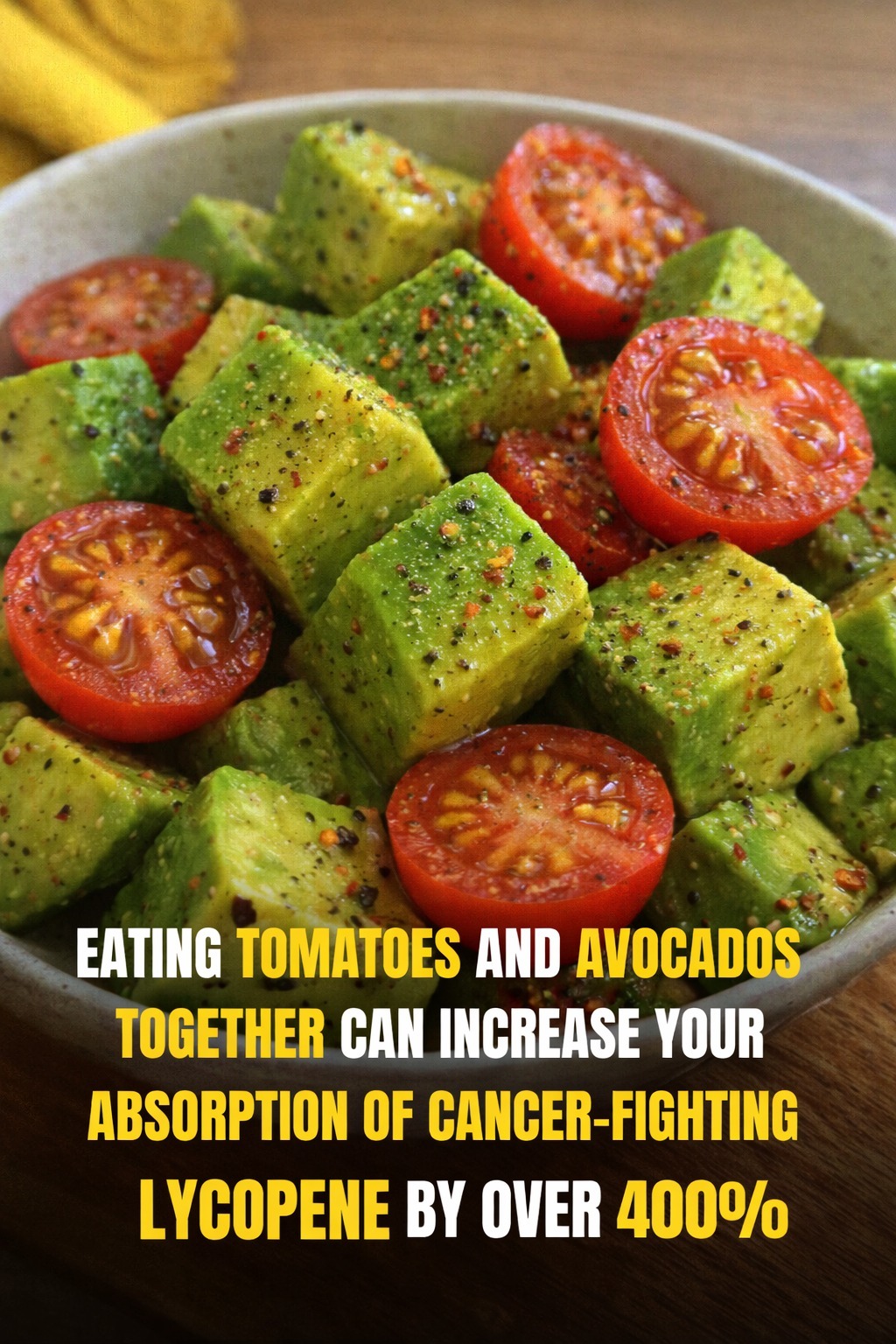
Are You Missing This Simple Tomato And Avocado Habit After Age 50

As we age, our bodies undergo a variety of changes that can affect everything from metabolism and digestion to heart health and cognitive function. After the age of 50, maintaining optimal nutrition becomes even more important, and sometimes the simplest habits can make the biggest difference. One such powerful yet often overlooked habit is regularly eating tomatoes and avocados together.

This combination may seem ordinary, but it offers extraordinary health benefits—especially for those over 50.

Why Nutrition Matters More After 50

After 50, the body begins to experience a natural decline in muscle mass, bone density, and metabolic rate. At the same time, the risk of chronic conditions such as heart disease, high blood pressure, and type 2 diabetes increases. This means your daily food choices play a crucial role in maintaining energy, protecting vital organs, and supporting long-term health.

That’s where tomatoes and avocados come in.

The Power of Tomatoes

Tomatoes are rich in essential nutrients, particularly vitamin C, potassium, folate, and vitamin K. However, their most powerful component is lycopene—a potent antioxidant responsible for the red color of tomatoes.

Lycopene has been widely studied for its role in reducing the risk of heart disease and certain types of cancer, including prostate cancer, which becomes more common with age. It also helps combat oxidative stress, a key factor in aging and inflammation.

In addition, tomatoes support skin health, helping to protect against sun damage and maintain elasticity—something that becomes increasingly important as the skin naturally thins over time.

The Benefits of Avocados

Avocados are often called a “superfood” for good reason. They are packed with healthy monounsaturated fats, which are excellent for heart health. These fats help reduce bad cholesterol (LDL) while increasing good cholesterol (HDL), lowering the risk of cardiovascular disease.

Avocados are also rich in potassium—more than bananas—which helps regulate blood pressure. They contain fiber for digestive health, as well as vitamins E, K, and B-complex vitamins that support brain function and energy production.

For individuals over 50, avocados can also help reduce inflammation and support joint health, making everyday movement more comfortable.

Why Combining Tomatoes and Avocados Is So Powerful

Here’s where the magic happens: the healthy fats in avocados actually enhance the absorption of lycopene from tomatoes.

Lycopene is a fat-soluble nutrient, meaning your body absorbs it better when consumed with fat. When you eat tomatoes alone, your body may not fully utilize their antioxidant potential. But when paired with avocado, absorption can increase significantly.

This simple pairing turns an already healthy meal into a nutritional powerhouse.

Key Benefits of This Daily Habit

1. Improved Heart Health
The combination helps lower cholesterol, regulate blood pressure, and reduce inflammation—all essential for preventing heart disease.

2. Better Vision
Both tomatoes and avocados contain nutrients like lutein and zeaxanthin, which protect the eyes from age-related damage.

3. Enhanced Brain Function
Healthy fats from avocados support cognitive health, while antioxidants from tomatoes help protect brain cells from oxidative stress.

4. Stronger Immune System
Vitamin C and antioxidants boost your body’s natural defenses, helping you stay resilient against illness.

5. Weight Management
Avocados promote satiety, reducing overeating, while tomatoes are low in calories—making this combination ideal for maintaining a healthy weight.

Simple Ways to Add This Habit to Your Routine

You don’t need complicated recipes to enjoy the benefits. Here are a few easy ideas:

  • Slice tomatoes and avocado, sprinkle with salt, pepper, and a drizzle of olive oil
  • Add both to salads for a refreshing, nutrient-rich meal
  • Spread mashed avocado on whole-grain toast and top with tomato slices
  • Blend them into a savory smoothie with herbs and lemon juice
  • Use them as a topping for grilled chicken or fish

Consistency is key. Even a small daily serving can make a meaningful difference over time.

A Small Habit with Big Impact

Many people search for expensive supplements or complicated diets to stay healthy after 50. But sometimes, the most effective solutions are simple, natural, and accessible.

Adding tomatoes and avocados to your daily routine is one of those small habits that can deliver powerful long-term benefits. It supports your heart, brain, skin, and overall vitality—helping you feel stronger and more energized as you age.

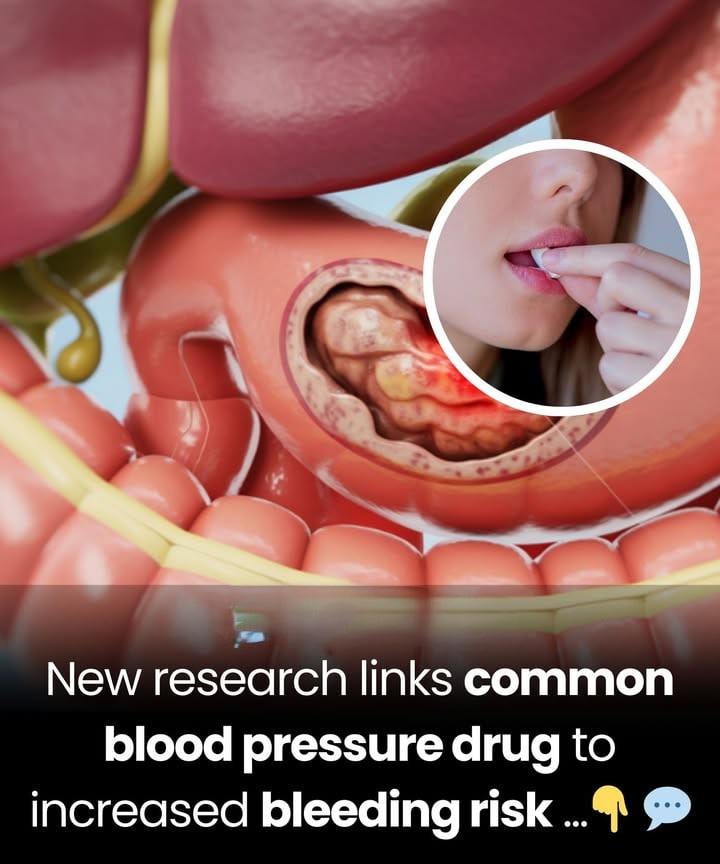
New Research Links Common Blood Pressure Drug to Increased Bleeding Risk

Recent headlines have sparked concern by suggesting that a commonly prescribed blood pressure medication may increase the risk of bleeding. For millions of people managing hypertension, this raises an important question: should you be worried? Let’s break down what this research really means and how it may affect your health.

High blood pressure, medically known as Hypertension, is one of the most widespread chronic conditions worldwide. It significantly increases the risk of heart attacks, strokes, and kidney disease. To control it, doctors often prescribe medications such as Amlodipine, beta-blockers, ACE inhibitors, or blood thinners when needed. These drugs are generally safe and effective—but like all medications, they can come with side effects.

The recent research in question focuses on a possible link between certain blood pressure medications and an increased risk of bleeding. This doesn’t necessarily mean the drugs directly cause bleeding. Instead, researchers are examining how these medications interact with the body’s natural clotting mechanisms and blood vessels.

One key factor is how some blood pressure drugs affect blood vessels. Medications like Amlodipine belong to a class called calcium channel blockers, which work by relaxing and widening blood vessels. This helps reduce blood pressure, but in some cases, it may also make blood vessels slightly more fragile or prone to leakage—especially in people with other underlying conditions.

Another important consideration is drug combinations. Many patients with hypertension are also prescribed anticoagulants (blood thinners) such as Warfarin or antiplatelet drugs like Aspirin. These medications are specifically designed to prevent blood clots, but they also increase bleeding risk. When combined with certain blood pressure drugs, the overall effect may amplify this risk.

The research suggests that patients taking multiple medications—particularly older adults—may be more vulnerable. Age-related changes in blood vessels, liver function, and metabolism can make the body more sensitive to medications and their interactions. This is why careful monitoring by a healthcare provider is essential.

It’s also important to understand that “increased bleeding risk” does not mean everyone will experience serious complications. In many cases, the increased risk is small and only becomes significant under certain conditions, such as injury, surgery, or existing bleeding disorders. Common signs to watch for include easy bruising, prolonged bleeding from cuts, frequent nosebleeds, or blood in urine or stool.

Lifestyle factors can also play a role. Alcohol consumption, smoking, and poor diet can weaken blood vessels and interfere with how medications are processed in the body. For example, excessive alcohol can thin the blood and increase the likelihood of bleeding, especially when combined with medications like Aspirin.

So, what should you do if you’re taking blood pressure medication?

First, do not stop your medication without consulting your doctor. Uncontrolled hypertension poses a far greater risk than the potential side effects of treatment. Suddenly stopping medication can lead to dangerous spikes in blood pressure, increasing the risk of stroke or heart attack.

Second, talk to your healthcare provider about your full medication list. This includes over-the-counter drugs, supplements, and herbal remedies. Some natural products—like garlic, ginkgo biloba, or fish oil—can also thin the blood and contribute to bleeding risk.

Third, be proactive about monitoring your health. Regular blood pressure checks, routine lab tests, and reporting any unusual symptoms can help detect problems early. If you notice signs of unusual bleeding, seek medical advice promptly.

Finally, maintain a heart-healthy lifestyle. A balanced diet rich in fruits, vegetables, and whole grains, along with regular exercise, can improve blood vessel health and reduce reliance on medications over time.

In conclusion, while new research highlights a potential link between certain blood pressure medications and bleeding risk, it’s not a cause for panic. These medications remain a cornerstone in managing Hypertension and preventing life-threatening complications. The key is awareness, proper medical guidance, and individualized care. By staying informed and working closely with your doctor, you can safely manage your blood pressure while minimizing risks.