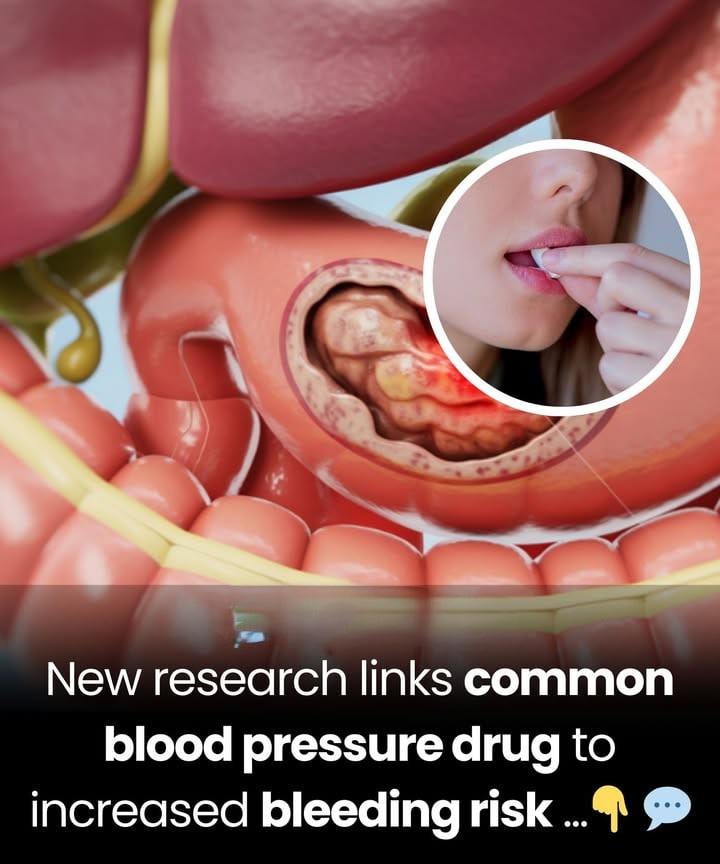
Recent headlines have sparked concern by suggesting that a commonly prescribed blood pressure medication may increase the risk of bleeding. For millions of people managing hypertension, this raises an important question: should you be worried? Let’s break down what this research really means and how it may affect your health.
🚀 Make Money Online – Up to $50 Per Day!
High blood pressure, medically known as Hypertension, is one of the most widespread chronic conditions worldwide. It significantly increases the risk of heart attacks, strokes, and kidney disease. To control it, doctors often prescribe medications such as Amlodipine, beta-blockers, ACE inhibitors, or blood thinners when needed. These drugs are generally safe and effective—but like all medications, they can come with side effects.
The recent research in question focuses on a possible link between certain blood pressure medications and an increased risk of bleeding. This doesn’t necessarily mean the drugs directly cause bleeding. Instead, researchers are examining how these medications interact with the body’s natural clotting mechanisms and blood vessels.
One key factor is how some blood pressure drugs affect blood vessels. Medications like Amlodipine belong to a class called calcium channel blockers, which work by relaxing and widening blood vessels. This helps reduce blood pressure, but in some cases, it may also make blood vessels slightly more fragile or prone to leakage—especially in people with other underlying conditions.
Another important consideration is drug combinations. Many patients with hypertension are also prescribed anticoagulants (blood thinners) such as Warfarin or antiplatelet drugs like Aspirin. These medications are specifically designed to prevent blood clots, but they also increase bleeding risk. When combined with certain blood pressure drugs, the overall effect may amplify this risk.
The research suggests that patients taking multiple medications—particularly older adults—may be more vulnerable. Age-related changes in blood vessels, liver function, and metabolism can make the body more sensitive to medications and their interactions. This is why careful monitoring by a healthcare provider is essential.
It’s also important to understand that “increased bleeding risk” does not mean everyone will experience serious complications. In many cases, the increased risk is small and only becomes significant under certain conditions, such as injury, surgery, or existing bleeding disorders. Common signs to watch for include easy bruising, prolonged bleeding from cuts, frequent nosebleeds, or blood in urine or stool.
Lifestyle factors can also play a role. Alcohol consumption, smoking, and poor diet can weaken blood vessels and interfere with how medications are processed in the body. For example, excessive alcohol can thin the blood and increase the likelihood of bleeding, especially when combined with medications like Aspirin.
So, what should you do if you’re taking blood pressure medication?
First, do not stop your medication without consulting your doctor. Uncontrolled hypertension poses a far greater risk than the potential side effects of treatment. Suddenly stopping medication can lead to dangerous spikes in blood pressure, increasing the risk of stroke or heart attack.
Second, talk to your healthcare provider about your full medication list. This includes over-the-counter drugs, supplements, and herbal remedies. Some natural products—like garlic, ginkgo biloba, or fish oil—can also thin the blood and contribute to bleeding risk.
Third, be proactive about monitoring your health. Regular blood pressure checks, routine lab tests, and reporting any unusual symptoms can help detect problems early. If you notice signs of unusual bleeding, seek medical advice promptly.
Finally, maintain a heart-healthy lifestyle. A balanced diet rich in fruits, vegetables, and whole grains, along with regular exercise, can improve blood vessel health and reduce reliance on medications over time.
In conclusion, while new research highlights a potential link between certain blood pressure medications and bleeding risk, it’s not a cause for panic. These medications remain a cornerstone in managing Hypertension and preventing life-threatening complications. The key is awareness, proper medical guidance, and individualized care. By staying informed and working closely with your doctor, you can safely manage your blood pressure while minimizing risks.
