12 Worst Side effects of Amlodipine You Should NEVER Ignore

Amlodipine is a widely prescribed medication used to treat high blood pressure and chest pain (angina). It belongs to a class of drugs known as calcium channel blockers, which help relax blood vessels and improve blood flow. While it is generally safe and effective, like any medication, it can cause side effects—some mild, others potentially serious.

Understanding these side effects can help you act quickly and protect your health. Below are 12 of the most important side effects you should never ignore.


1. Swelling of the Legs and Ankles (Edema)

One of the most common side effects of amlodipine is swelling, especially in the lower legs and ankles. This happens because the medication causes blood vessels to widen, leading to fluid buildup.

When to worry:
If the swelling becomes severe, painful, or doesn’t go away, consult your doctor.


2. Rapid or Irregular Heartbeat

Although amlodipine is used to help the heart, some people may experience palpitations or an irregular heartbeat.

Why it matters:
This could indicate that your heart rhythm is being affected, which may require medical attention.


3. Severe Dizziness or Fainting

Amlodipine lowers blood pressure, but if it drops too much, it can lead to dizziness or even fainting.

Warning sign:
Frequent or severe episodes may signal dangerously low blood pressure.


4. Chest Pain (Worsening Angina)

Ironically, some patients may experience increased chest pain when starting amlodipine or adjusting the dose.

Important:
Any new or worsening chest pain should be taken seriously, as it could indicate a heart issue.


5. Shortness of Breath

Difficulty breathing is not a typical side effect and should never be ignored.

Possible causes:
It may be related to fluid buildup or a more serious cardiovascular problem.


6. Extreme Fatigue

Feeling unusually tired or weak can occur, especially when your body is adjusting to the medication.

When it’s serious:
If fatigue interferes with daily life or worsens over time, seek medical advice.


7. Nausea and Abdominal Pain

Digestive issues such as nausea, stomach pain, or loss of appetite can occur.

Tip:
While mild symptoms may pass, persistent discomfort should be evaluated.


8. Gum Overgrowth (Gingival Hyperplasia)

A less common but notable side effect is swelling or overgrowth of the gums.

Why it matters:
This can lead to dental problems if not treated. Good oral hygiene and regular dental visits are essential.


9. Skin Reactions or Rash

Some people may develop rashes, itching, or redness.

Serious concern:
If the rash spreads or is accompanied by swelling or fever, it could indicate an allergic reaction.


10. Liver Problems

Although rare, amlodipine can affect liver function.

Watch for symptoms like:

  • Yellowing of the skin or eyes (jaundice)
  • Dark urine
  • Persistent nausea

These signs require immediate medical attention.


11. Depression or Mood Changes

Some patients report mood swings, anxiety, or depression.

Take note:
Mental health changes are often overlooked but should be discussed with your doctor.


12. Allergic Reactions

Severe allergic reactions are rare but dangerous.

Symptoms include:

  • Swelling of the face, lips, or throat
  • Difficulty breathing
  • Severe dizziness

This is a medical emergency and requires immediate care.


Final Thoughts

While Amlodipine is effective in managing high blood pressure and preventing heart-related complications, it’s important to stay aware of how your body responds to it. Not everyone experiences these side effects, but recognizing early warning signs can make a critical difference.

What You Should Do:

  • Monitor your symptoms regularly
  • Never ignore unusual changes in your body
  • Consult your doctor before stopping or adjusting your medication

Homemade Bacon Refried Beans

Homemade Bacon Refried Beans are a rich, comforting dish that transforms simple pantry ingredients into something deeply satisfying. With the smoky flavor of bacon and the creamy texture of slow-cooked beans, this recipe is perfect as a side dish, taco filling, or even a hearty dip. Making refried beans from scratch might sound intimidating, but it’s surprisingly simple—and the flavor is far superior to anything from a can.

Why Make Refried Beans at Home?

Store-bought refried beans are convenient, but they often contain preservatives, excess sodium, and lack the depth of flavor that comes from fresh ingredients. When you make them at home, you control everything—from the seasoning to the texture. Adding bacon takes things to another level, infusing the beans with a savory, smoky richness that makes every bite irresistible.

Ingredients

To make homemade bacon refried beans, you’ll need:

  • 2 cups dried pinto beans (or 3 cans, drained and rinsed)
  • 6 slices of bacon, chopped
  • 1 small onion, finely diced
  • 3 cloves garlic, minced
  • 1 teaspoon ground cumin
  • ½ teaspoon chili powder (optional for heat)
  • Salt and black pepper to taste
  • 4–5 cups water or chicken broth
  • 2 tablespoons oil or reserved bacon fat

Step 1: Prepare the Beans

If you’re using dried beans, start by rinsing them thoroughly and removing any debris. Soak them overnight in water to soften them and reduce cooking time. The next day, drain and rinse the beans again.

Place the beans in a large pot and cover them with fresh water or broth. Bring to a boil, then reduce the heat and let them simmer for about 1 to 1.5 hours, or until tender. Add salt toward the end of cooking to avoid toughening the beans.

If you’re short on time, canned beans are a great shortcut—just make sure to rinse them well to remove excess sodium.

Step 2: Cook the Bacon

In a large skillet, cook the chopped bacon over medium heat until it becomes crispy. This step is crucial because the rendered fat will be used to flavor the beans. Once cooked, remove the bacon pieces and set them aside, leaving the bacon grease in the pan.

Step 3: Sauté Aromatics

Using the same skillet with the bacon fat, add the diced onion. Cook for about 4–5 minutes until soft and translucent. Then stir in the minced garlic and cook for another 30 seconds until fragrant.

Add the cumin and chili powder at this stage. Toasting the spices briefly in the hot fat enhances their flavor and gives the dish a deeper, more complex taste.

Step 4: Combine and Mash

Add the cooked beans to the skillet along with about 1 cup of their cooking liquid (or broth). Stir well to combine everything. Using a potato masher or the back of a spoon, begin mashing the beans directly in the pan.

Continue mashing until you reach your desired consistency—some people like their refried beans completely smooth, while others prefer a chunkier texture. If the mixture becomes too thick, add more liquid a little at a time.

Step 5: Add Bacon and Final Touches

Return the crispy bacon to the skillet and mix it into the beans. Taste and adjust seasoning with salt and pepper as needed. Let the beans cook for another 5–10 minutes, stirring occasionally, so the flavors can meld together.

If you want extra creaminess, you can stir in a small amount of butter or a splash of cream at the end.

Serving Suggestions

Homemade bacon refried beans are incredibly versatile. Here are a few ways to enjoy them:

  • As a side dish alongside grilled meats or roasted vegetables
  • In tacos or burritos for a hearty filling
  • As a dip topped with cheese, sour cream, and salsa
  • On toast with a fried egg for a simple yet satisfying meal

You can also garnish with fresh cilantro, diced tomatoes, or a squeeze of lime juice to brighten the flavors.

Storage and Reheating

These beans store well in the refrigerator for up to 4–5 days in an airtight container. To reheat, simply warm them on the stove over low heat, adding a bit of water or broth to loosen the texture.

They also freeze beautifully. Portion them into freezer-safe containers and store for up to 3 months. Thaw overnight in the refrigerator before reheating.

Tips for the Best Refried Beans

  • Use bacon fat wisely: It adds incredible flavor, so don’t skip it unless necessary.
  • Don’t rush the cooking: Slow simmering allows the beans to become tender and flavorful.
  • Season gradually: Taste as you go to avoid over-salting.
  • Customize freely: Add jalapeños for heat or cheese for extra richness.

Final Thoughts

Homemade bacon refried beans are a perfect example of how simple ingredients can create something truly special. The combination of creamy beans, crispy bacon, and aromatic spices delivers a dish that’s both comforting and full of flavor. Once you try making them from scratch, you’ll likely never go back to the canned version again.

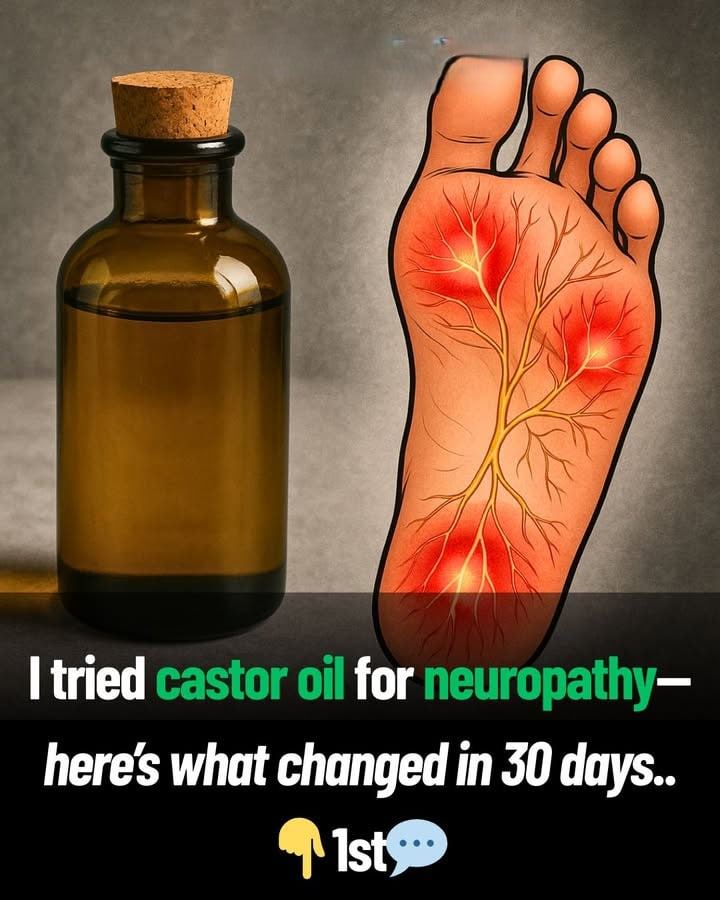
I Tried Castor Oil for Nerve Discomfort Here’s What Happened in 30 Days

The image suggests a common claim circulating online: that using castor oil can significantly improve symptoms of neuropathy within 30 days. While this idea is appealing—especially for those dealing with chronic nerve discomfort—it’s important to separate hype from evidence and understand what’s really happening.

What Is Neuropathy?

Neuropathy refers to damage or dysfunction of the nerves, often affecting the hands and feet. A common form is peripheral neuropathy, which can cause symptoms like burning sensations, tingling, numbness, weakness, or sharp pain. It is frequently associated with conditions such as diabetes, vitamin deficiencies, infections, or even certain medications.

Because neuropathy can be persistent and frustrating, many people look for natural remedies to ease discomfort—this is where castor oil comes into the conversation.

What Is Castor Oil?

Castor oil is a vegetable oil extracted from the seeds of the castor plant. It contains a high concentration of ricinoleic acid, a fatty acid believed to have anti-inflammatory and moisturizing properties. Traditionally, castor oil has been used for skin care, hair growth, and even digestive support.

In the context of nerve pain, the idea is that applying castor oil topically might improve circulation and reduce inflammation, potentially easing discomfort.

The 30-Day Claim: What Might Really Happen?

If someone applies castor oil daily to areas affected by neuropathy—such as the feet—there are a few possible changes they might notice over 30 days:

1. Improved Skin Condition
Castor oil is deeply moisturizing. Many people with neuropathy experience dry, cracked skin, especially in the feet. Regular use can make the skin softer and more hydrated, which may indirectly improve comfort.

2. Mild Pain Relief
The act of massaging castor oil into the skin can stimulate blood flow. This increased circulation might temporarily reduce sensations like tingling or mild pain. However, this effect is usually modest and short-term.

3. Relaxation Benefits
Massage itself—regardless of the oil used—can help relax muscles and reduce stress. Since stress can worsen pain perception, this relaxation effect may make symptoms feel less intense.

What Castor Oil Cannot Do

Despite the positive anecdotes, it’s important to be realistic. Castor oil does not repair damaged nerves. Neuropathy often involves underlying causes such as long-term high blood sugar or nerve degeneration, which require medical treatment and lifestyle changes.

There is currently no strong scientific evidence proving that castor oil can reverse or significantly heal neuropathy. At best, it may provide supportive relief—not a cure.

Safer and More Effective Approaches

If you’re dealing with neuropathy, combining natural care with evidence-based treatments is the best approach:

  • Manage underlying conditions: Controlling blood sugar levels is crucial for those with diabetes.
  • Nutritional support: Deficiencies in B vitamins, especially B12, can worsen nerve damage.
  • Exercise: Gentle movement improves circulation and nerve health.
  • Medications: Doctors may prescribe specific drugs to manage nerve pain effectively.

Should You Try Castor Oil?

Using castor oil is generally safe for topical application, provided you’re not allergic. If you want to try it:

  • Apply a small amount to the affected area.
  • Massage gently for a few minutes.
  • Use consistently, preferably at night.
  • Monitor your skin for any irritation.

Think of it as a complementary remedy rather than a primary treatment.

Final Thoughts

The idea that castor oil can transform neuropathy in just 30 days is likely exaggerated. However, that doesn’t mean it has no value. Its moisturizing and soothing properties may provide mild comfort and improve overall foot care—especially when combined with massage.

For long-term improvement, the focus should remain on addressing the root cause of neuropathy and following a medically guided plan. Natural remedies like castor oil can play a supportive role, but they work best when paired with proper diagnosis, treatment, and healthy lifestyle habits.

Taking common meds for blood pressure or heart Magnesium might clash badly and reduce their power. Which ones to avoid

Magnesium is often praised as a “heart-friendly” mineral—and for good reason. It plays a key role in muscle function, nerve signaling, and maintaining a steady heartbeat. Many people take magnesium supplements to support sleep, reduce muscle cramps, or even help with mild blood pressure control. However, if you’re already taking medications for blood pressure or heart conditions, adding magnesium without guidance can sometimes do more harm than good.

The issue isn’t that magnesium is dangerous—it’s that it can interact with certain medications in ways that reduce their effectiveness or amplify side effects. Understanding these interactions is essential for protecting your heart health.

How Magnesium Interacts with Medications

Magnesium can affect how drugs are absorbed in your digestive system or how they function in your bloodstream. In some cases, it binds with medications in the gut, preventing them from being fully absorbed. In others, it enhances or counteracts their effects on blood pressure and heart rhythm.

This means that even if you’re taking the right medication at the right dose, magnesium could quietly interfere with how well it works.

1. Blood Pressure Medications (Antihypertensives)

Many people take medications to control high blood pressure, such as ACE inhibitors, ARBs, calcium channel blockers, or diuretics. Magnesium itself can lower blood pressure slightly. While that may sound beneficial, combining it with these drugs can sometimes lead to blood pressure dropping too low (hypotension).

For example:

  • ACE inhibitors (like lisinopril)
  • ARBs (like losartan)
  • Calcium channel blockers (like amlodipine)

Taking magnesium alongside these medications may increase dizziness, lightheadedness, or even fainting—especially when standing up quickly.

2. Diuretics (Water Pills)

Diuretics are commonly prescribed to reduce fluid retention and lower blood pressure. They can significantly affect mineral levels in your body, including magnesium.

There are two key concerns here:

  • Loop and thiazide diuretics (like furosemide or hydrochlorothiazide) can lower magnesium levels, sometimes leading people to supplement.
  • However, potassium-sparing diuretics (like spironolactone) may cause magnesium to build up in the body.

Taking magnesium supplements while on potassium-sparing diuretics can increase the risk of excessively high magnesium levels (hypermagnesemia), which may cause nausea, weakness, irregular heartbeat, or even serious complications in extreme cases.

3. Heart Rhythm Medications (Antiarrhythmics)

Magnesium plays a direct role in regulating heart rhythm. While it is sometimes used medically to treat certain arrhythmias, combining it with prescription antiarrhythmic drugs can be tricky.

Medications such as:

  • Amiodarone
  • Digoxin

Magnesium may interfere with how these drugs stabilize the heart rhythm. In some cases, it can either reduce their effectiveness or increase the risk of irregular heartbeats if levels become unbalanced.

4. Calcium Channel Blockers

Calcium channel blockers (like amlodipine or diltiazem) work by relaxing blood vessels and reducing heart workload. Magnesium has a similar natural effect on blood vessels.

When taken together, the combined effect may be too strong, leading to:

  • Excessively low blood pressure
  • Slow heart rate
  • Fatigue or weakness

This doesn’t mean you must avoid magnesium entirely—but dosing and timing become very important.

5. Certain Antibiotics and Heart Patients

If you have heart disease, you may occasionally be prescribed antibiotics. Magnesium can bind with certain antibiotics in the stomach, especially:

  • Tetracyclines
  • Fluoroquinolones

This binding reduces how much antibiotic your body absorbs, making the treatment less effective. While not directly a heart medication issue, it’s highly relevant for people managing heart conditions who may need these drugs.

Signs of a Problem

If magnesium is interfering with your medication, you might notice:

  • Unusual fatigue or weakness
  • Dizziness or fainting
  • Irregular or slow heartbeat
  • Muscle weakness
  • Nausea

These symptoms can be subtle at first but should never be ignored.

How to Stay Safe

You don’t necessarily need to avoid magnesium completely. Instead, follow these precautions:

  • Talk to your doctor first before starting any magnesium supplement
  • Check your current medications for possible interactions
  • Separate doses (for example, take magnesium a few hours apart from certain medications)
  • Avoid high doses unless prescribed
  • Monitor symptoms and report anything unusual

The Bottom Line

Magnesium can be beneficial, but it isn’t harmless—especially if you’re taking medications for blood pressure or heart conditions. The same mineral that supports heart health can also interfere with treatment when not used carefully.

Think of magnesium as a powerful helper that needs proper coordination. With the right guidance, it can complement your treatment. Without it, it may quietly reduce the effectiveness of the medications you rely on to keep your heart safe.

If you’re unsure, a quick conversation with your healthcare provider can prevent serious issues—and ensure that everything you’re taking is working with your heart, not against it.

Cardiologist warns this habit upon waking could increase the risk of heart problems

Many of us start our mornings on autopilot—reaching for our phones, skipping breakfast, or rushing out the door without a second thought. But according to heart specialists, one particular habit upon waking could quietly increase your risk of serious cardiovascular issues. That habit? Jumping out of bed too quickly.

It might sound harmless, but the way you transition from sleep to wakefulness plays a crucial role in how your heart and blood vessels respond to the day ahead. Understanding this simple yet overlooked behavior could help you better protect yourself from conditions like Heart Disease and even sudden cardiac events.

Why Your Morning Routine Matters

When you sleep, your body enters a state of rest. Your heart rate slows, your blood pressure drops, and your nervous system relaxes. This is all part of the body’s natural recovery process. However, when you wake up, your body needs time to adjust back to an active state.

If you suddenly jump out of bed, your cardiovascular system is forced to react quickly. Blood pressure can spike, heart rate may increase abruptly, and blood flow might not stabilize properly. This sudden shift can strain your heart, especially if you already have underlying health issues.

The Hidden Risk of Sudden Movement

Cardiologists often warn that abrupt movements after waking can lead to a condition called orthostatic hypotension—a temporary drop in blood pressure when standing up too quickly. This can cause dizziness, lightheadedness, or even fainting.

While this may seem minor, repeated episodes can indicate that your cardiovascular system is struggling to regulate blood flow efficiently. Over time, this added stress can contribute to more serious problems, including irregular heart rhythms and increased strain on the arteries.

For individuals already at risk—such as older adults, people with high blood pressure, or those with diabetes—this habit becomes even more dangerous.

Morning Blood Pressure Surge

Another important factor is the natural “morning surge” in blood pressure. Research shows that blood pressure tends to rise sharply in the early hours after waking. This surge is linked to a higher risk of heart attacks and strokes during the morning period.

If you combine this natural increase with a sudden jump out of bed, the effect can be amplified. The heart is forced to work harder at a time when it is already under physiological stress.

This is one reason why many cardiovascular events occur in the early morning hours.

Other Risky Morning Habits

While getting up too quickly is a key concern, it often goes hand-in-hand with other unhealthy morning behaviors, such as:

  • Checking your phone immediately: Stressful news or emails can trigger a spike in cortisol, the stress hormone.
  • Skipping hydration: Your body becomes dehydrated overnight, and lack of water can thicken the blood slightly, making circulation less efficient.
  • Avoiding breakfast: Skipping meals may disrupt blood sugar levels and increase stress on the body.
  • Smoking first thing in the morning: This can sharply increase blood pressure and damage blood vessels.

Each of these habits adds to the burden on your cardiovascular system.

A Safer Way to Start Your Day

Fortunately, this is an easy habit to fix. Cardiologists recommend a gradual transition from sleep to activity. Here’s a simple routine you can follow:

  1. Wake up slowly: Take a few deep breaths while still lying in bed.
  2. Sit up gently: Move to a seated position and stay there for about 30–60 seconds.
  3. Stretch lightly: Gentle movements help stimulate circulation.
  4. Stand up carefully: Give your body time to adjust before walking.
  5. Drink water: Rehydrate your body to support healthy blood flow.

This small change can significantly reduce strain on your heart and improve overall circulation.

Who Should Be Extra Careful?

While everyone can benefit from a slower morning routine, certain groups should be especially cautious:

  • People with high blood pressure
  • Individuals with a history of heart problems
  • Older adults
  • Those taking medications that affect blood pressure
  • People with diabetes

If you fall into any of these categories, adopting a gentle wake-up routine is even more important.

Long-Term Heart Health Starts with Small Habits

Heart health isn’t just about diet and exercise—it’s also about daily habits that seem insignificant but add up over time. The way you wake up each morning sets the tone for your body’s physiological responses throughout the day.

By avoiding sudden movements and giving your body time to adjust, you can reduce unnecessary stress on your cardiovascular system. Combined with a balanced diet, regular physical activity, and stress management, this simple habit can contribute to a healthier heart.

Final Thoughts

It’s easy to overlook something as simple as how you get out of bed. But according to cardiologists, this small action can have a real impact on your heart health.

Instead of rushing into your day, take a moment to wake up mindfully. Your heart works hard for you every second—giving it a smoother start each morning is one of the simplest ways to return the favor.

Start consuming two cloves a day, and you’ll thank me for the rest of your life

Sometimes, the simplest habits create the biggest changes. Adding just two cloves to your daily routine may sound small, but this humble spice has been valued for centuries for its powerful health-supporting properties. Used in traditional remedies across Asia and the Middle East, cloves are more than just a flavorful addition to food—they are a natural source of compounds that can support your overall well-being.

Let’s explore why consuming two cloves a day could be a smart, simple habit worth adopting.


A Tiny Spice Packed with Nutrients

Cloves may be small, but they are incredibly rich in beneficial compounds. They contain vitamins like vitamin C and vitamin K, along with minerals such as manganese. However, the real star is a natural compound called eugenol, which gives cloves their strong aroma and powerful health-supporting qualities.

Eugenol is known for its antioxidant and anti-inflammatory properties. Antioxidants help protect your body from damage caused by free radicals—unstable molecules that contribute to aging and various health issues.


Supports Digestive Health

One of the most noticeable benefits of consuming cloves regularly is improved digestion. Cloves can stimulate the production of digestive enzymes, which help your body break down food more efficiently.

If you often experience bloating, gas, or indigestion, chewing two cloves after meals may help reduce discomfort. In traditional practices, cloves have long been used to soothe the stomach and promote smoother digestion.


Natural Immune Booster

Your immune system is your body’s defense against illness, and cloves can give it a gentle boost. Thanks to their antimicrobial and antioxidant properties, cloves may help your body fight off harmful bacteria and infections.

Regular consumption of small amounts—like two cloves a day—can support your immune system without overwhelming your body. It’s a simple addition that may help you stay healthier, especially during seasonal changes.


Helps Maintain Oral Health

Cloves have a long history of use in dental care. In fact, clove oil is often used in toothache remedies because of its natural numbing and antibacterial properties.

Chewing cloves can help freshen your breath and reduce bacteria in the mouth. This may contribute to healthier gums and teeth over time. While it’s not a replacement for brushing and flossing, it can be a helpful addition to your oral hygiene routine.


Supports Liver Function

Your liver plays a crucial role in detoxifying your body. The eugenol in cloves may help support liver health by reducing oxidative stress and inflammation.

Some studies suggest that compounds in cloves can help protect the liver from damage caused by toxins. While more research is needed, adding cloves to your diet in small amounts is considered safe and potentially beneficial.


May Help Regulate Blood Sugar

Cloves may also support healthy blood sugar levels. Certain compounds found in cloves can improve insulin function, which helps your body manage glucose more effectively.

For people looking to maintain stable energy levels throughout the day, this can be especially helpful. However, cloves should not replace medical treatment for conditions like diabetes—they are simply a supportive addition to a balanced lifestyle.


Anti-Inflammatory Benefits

Chronic inflammation is linked to many long-term health issues. The anti-inflammatory properties of cloves may help reduce inflammation in the body, potentially easing minor aches and discomfort.

This is one reason why cloves have been used in traditional remedies for conditions like joint pain and muscle soreness.


Easy Ways to Add Cloves to Your Routine

Incorporating two cloves into your daily routine is simple and flexible. Here are a few easy ideas:

  • Chew two whole cloves in the morning or after meals
  • Add them to tea for a warm, aromatic drink
  • Include them in cooking, especially in rice or meat dishes
  • Grind them into a powder and mix with honey

The key is consistency. Small, daily habits often bring the best long-term results.


A Word of Caution

While cloves offer many potential benefits, moderation is important. Consuming too many cloves may cause irritation or digestive discomfort. Stick to about two cloves per day unless advised otherwise by a healthcare professional.

Pregnant women, individuals with bleeding disorders, or those taking certain medications should consult a doctor before making cloves a daily habit.


The Bottom Line

Sometimes, the path to better health doesn’t require expensive supplements or complicated routines. Something as simple as consuming two cloves a day can provide a range of gentle, supportive benefits—from improved digestion to better oral health and immune support.

While cloves are not a miracle cure, they are a powerful natural ingredient that can complement a healthy lifestyle. With consistent use, this small daily habit may lead to noticeable improvements over time.

Rosemary A Powerful Medicinal Herb to Relieve Pain and Support Natural Health

The image makes a bold claim: a simple natural remedy—often involving herbs like rosemary soaked in water—acts as a kind of “natural morphine,” relieving muscle pain, joint discomfort, rheumatism, and even gout. While this idea may sound appealing, especially for those seeking natural alternatives to pain relief, it’s important to separate fact from exaggeration.

Understanding the Claim

The phrase “natural morphine” is often used in viral health posts to grab attention. Morphine is a powerful prescription medication derived from opium, used to treat severe pain by acting directly on the central nervous system. No herb or home remedy truly replicates its strength or mechanism.

What the image likely refers to is the use of aromatic herbs—such as rosemary—in warm water baths for the feet. This type of remedy has been used in traditional practices for relaxation and mild pain relief. However, calling it “natural morphine” is a significant overstatement.

What Rosemary and Herbal Soaks Can Actually Do

Rosemary is known for its anti-inflammatory and antioxidant properties. It contains compounds like rosmarinic acid and essential oils that may help reduce mild inflammation and improve circulation when used topically.

Soaking your feet in warm water with herbs may provide benefits such as:

  • Relaxation of muscles: Warm water helps loosen tight muscles and reduce tension.
  • Improved circulation: Heat encourages blood flow, which can ease stiffness.
  • Mild pain relief: Herbal compounds may contribute to a soothing sensation.

However, these effects are generally mild and temporary. They can complement a healthy lifestyle but should not be seen as a cure for serious conditions.

Can It Help with Joint Pain and Arthritis?

For conditions like arthritis or general joint pain, warm foot soaks may provide short-term comfort. The heat can reduce stiffness, and the relaxing effect can make movement easier afterward. But this does not address the underlying causes, such as inflammation in the joints or cartilage damage.

People dealing with chronic joint issues often require a combination of treatments, including physical therapy, medication, and lifestyle changes. Herbal soaks can be a supportive addition, but not a replacement.

What About Gout?

Gout is a specific type of arthritis caused by a buildup of uric acid crystals in the joints. It leads to sudden, intense pain, redness, and swelling—often in the big toe.

While warm soaks may feel soothing, they do not remove uric acid or prevent gout attacks. In fact, during an acute gout flare, some doctors recommend avoiding heat and instead using cold compresses to reduce inflammation.

Proper gout management usually involves:

  • Medications to lower uric acid levels
  • Dietary adjustments (reducing high-purine foods)
  • Staying well hydrated

Relying solely on a home remedy like a herbal foot soak can delay proper treatment and worsen symptoms over time.

The Psychological Benefit

One important aspect that shouldn’t be overlooked is the psychological effect. Taking time to prepare a warm herbal soak, sit down, and relax can reduce stress. Lower stress levels can indirectly help with pain perception and overall well-being.

This is why such remedies often “feel” effective—even if their direct physical impact is limited.

Risks and Considerations

Although herbal foot soaks are generally safe, there are a few things to keep in mind:

  • Skin sensitivity: Some people may experience irritation from essential oils or herbs.
  • Open wounds or infections: Soaking feet in water may worsen certain conditions.
  • Underlying health issues: People with diabetes or circulation problems should consult a doctor before using foot soaks regularly.

The Bottom Line

There is no simple herb or home remedy that works like morphine. Claims like the one in the image are exaggerated and can be misleading. While rosemary and similar herbs do have beneficial properties, their effects are mild and supportive—not transformative or curative.

If you enjoy herbal foot soaks, there’s no harm in using them as part of a relaxation routine. They can help you unwind and may provide temporary relief from minor aches. But for serious conditions like chronic joint pain or gout, it’s essential to rely on evidence-based medical care.

A Balanced Approach

Instead of chasing miracle cures, a more effective approach to pain management includes:

  • Regular physical activity
  • A balanced diet rich in anti-inflammatory foods
  • Proper hydration
  • Medical guidance when needed

Natural remedies can play a role—but they work best when combined with proven treatments, not as replacements.

In short, the idea of a “natural morphine” may be appealing, but it’s more myth than reality. Understanding the limits of such remedies helps you make better, safer choices for your health.

Rosemary A Powerful Medicinal Herb to Relieve Pain and Support Natural Health

The image makes a bold claim: a simple natural remedy—often involving herbs like rosemary soaked in water—acts as a kind of “natural morphine,” relieving muscle pain, joint discomfort, rheumatism, and even gout. While this idea may sound appealing, especially for those seeking natural alternatives to pain relief, it’s important to separate fact from exaggeration.

Understanding the Claim

The phrase “natural morphine” is often used in viral health posts to grab attention. Morphine is a powerful prescription medication derived from opium, used to treat severe pain by acting directly on the central nervous system. No herb or home remedy truly replicates its strength or mechanism.

What the image likely refers to is the use of aromatic herbs—such as rosemary—in warm water baths for the feet. This type of remedy has been used in traditional practices for relaxation and mild pain relief. However, calling it “natural morphine” is a significant overstatement.

What Rosemary and Herbal Soaks Can Actually Do

Rosemary is known for its anti-inflammatory and antioxidant properties. It contains compounds like rosmarinic acid and essential oils that may help reduce mild inflammation and improve circulation when used topically.

Soaking your feet in warm water with herbs may provide benefits such as:

  • Relaxation of muscles: Warm water helps loosen tight muscles and reduce tension.
  • Improved circulation: Heat encourages blood flow, which can ease stiffness.
  • Mild pain relief: Herbal compounds may contribute to a soothing sensation.

However, these effects are generally mild and temporary. They can complement a healthy lifestyle but should not be seen as a cure for serious conditions.

Can It Help with Joint Pain and Arthritis?

For conditions like arthritis or general joint pain, warm foot soaks may provide short-term comfort. The heat can reduce stiffness, and the relaxing effect can make movement easier afterward. But this does not address the underlying causes, such as inflammation in the joints or cartilage damage.

People dealing with chronic joint issues often require a combination of treatments, including physical therapy, medication, and lifestyle changes. Herbal soaks can be a supportive addition, but not a replacement.

What About Gout?

Gout is a specific type of arthritis caused by a buildup of uric acid crystals in the joints. It leads to sudden, intense pain, redness, and swelling—often in the big toe.

While warm soaks may feel soothing, they do not remove uric acid or prevent gout attacks. In fact, during an acute gout flare, some doctors recommend avoiding heat and instead using cold compresses to reduce inflammation.

Proper gout management usually involves:

  • Medications to lower uric acid levels
  • Dietary adjustments (reducing high-purine foods)
  • Staying well hydrated

Relying solely on a home remedy like a herbal foot soak can delay proper treatment and worsen symptoms over time.

The Psychological Benefit

One important aspect that shouldn’t be overlooked is the psychological effect. Taking time to prepare a warm herbal soak, sit down, and relax can reduce stress. Lower stress levels can indirectly help with pain perception and overall well-being.

This is why such remedies often “feel” effective—even if their direct physical impact is limited.

Risks and Considerations

Although herbal foot soaks are generally safe, there are a few things to keep in mind:

  • Skin sensitivity: Some people may experience irritation from essential oils or herbs.
  • Open wounds or infections: Soaking feet in water may worsen certain conditions.
  • Underlying health issues: People with diabetes or circulation problems should consult a doctor before using foot soaks regularly.

The Bottom Line

There is no simple herb or home remedy that works like morphine. Claims like the one in the image are exaggerated and can be misleading. While rosemary and similar herbs do have beneficial properties, their effects are mild and supportive—not transformative or curative.

If you enjoy herbal foot soaks, there’s no harm in using them as part of a relaxation routine. They can help you unwind and may provide temporary relief from minor aches. But for serious conditions like chronic joint pain or gout, it’s essential to rely on evidence-based medical care.

A Balanced Approach

Instead of chasing miracle cures, a more effective approach to pain management includes:

  • Regular physical activity
  • A balanced diet rich in anti-inflammatory foods
  • Proper hydration
  • Medical guidance when needed

Natural remedies can play a role—but they work best when combined with proven treatments, not as replacements.

In short, the idea of a “natural morphine” may be appealing, but it’s more myth than reality. Understanding the limits of such remedies helps you make better, safer choices for your health.

What Really Happens When You Sleep in Socks

Sleeping in socks might seem like a small or even unusual habit, but it can have a surprisingly big impact on your sleep quality and overall well-being. While some people can’t imagine going to bed with covered feet, others swear by it—and science actually supports several benefits of this cozy nighttime practice. Let’s explore what really happens when you sleep in socks and why you might want to give it a try.

1. Faster Sleep Onset

One of the most significant benefits of wearing socks to bed is that it can help you fall asleep faster. This happens because socks warm your feet, which in turn causes your blood vessels to dilate—a process known as vasodilation. When this occurs, your body is better able to regulate its core temperature, signaling to your brain that it’s time to sleep.

Your body naturally lowers its core temperature as part of the sleep cycle. Warm feet help speed up this process, allowing you to drift off more quickly. If you often struggle with falling asleep, slipping on a pair of socks could be a simple and effective solution.

2. Improved Sleep Quality

Not only can socks help you fall asleep faster, but they may also improve the overall quality of your sleep. When your body temperature remains stable throughout the night, you’re less likely to wake up due to discomfort.

Cold feet can disrupt sleep by causing restlessness or making it harder for your body to stay in deeper sleep stages. By keeping your feet warm, socks create a more consistent and comfortable sleeping environment, allowing your body to fully relax and recover.

3. Reduced Nighttime Awakenings

Waking up in the middle of the night is a common issue for many people. Often, this can be linked to fluctuations in body temperature. When your feet are cold, your body may struggle to maintain its ideal sleep temperature, leading to interruptions.

Wearing socks helps maintain warmth and stability, reducing the chances of waking up unexpectedly. This can be especially helpful during colder months or in air-conditioned rooms where temperatures tend to drop at night.

4. Better Circulation

Cold feet are often a sign of poor circulation. Wearing socks helps promote better blood flow by keeping your feet warm and encouraging blood vessels to expand. Improved circulation can not only help with sleep but also support overall cardiovascular health.

People who frequently experience cold extremities—such as hands and feet—may find that wearing socks at night provides noticeable relief and comfort.

5. Relief from Cracked Heels

If you struggle with dry or cracked heels, sleeping in socks can be part of an effective nighttime skincare routine. Applying a moisturizer or foot cream before bed and then wearing socks helps lock in moisture and allows your skin to absorb the product more effectively.

Over time, this can lead to softer, smoother feet and prevent further dryness or irritation. Cotton socks are often recommended for this purpose, as they are breathable and gentle on the skin.

6. Potential Help with Hot Flashes

Interestingly, wearing socks can also help regulate body temperature in a way that may reduce the severity of hot flashes, particularly in women going through menopause. By aiding the body’s temperature control mechanisms, warm feet can help stabilize internal temperature changes that trigger sudden heat sensations.

While it may seem counterintuitive, maintaining a balanced temperature can actually reduce episodes of overheating during the night.

7. Comfort and Relaxation

There’s also a psychological aspect to wearing socks in bed. The feeling of warmth and coziness can promote relaxation and signal to your mind that it’s time to unwind. This can be especially beneficial if you have a stressful routine or find it hard to relax before sleep.

Creating a comfortable bedtime environment—whether through soft lighting, calming music, or warm socks—can make a noticeable difference in how easily you transition into sleep.

8. Hygiene Considerations

While there are many benefits, it’s important to maintain good hygiene when sleeping in socks. Always wear clean socks to bed to avoid trapping bacteria or sweat against your skin. Choosing breathable materials like cotton or bamboo can help prevent overheating and keep your feet dry.

Avoid wearing socks that are too tight, as they can restrict circulation instead of improving it. The goal is to enhance comfort, not create additional pressure.

9. When You Might Want to Skip It

Although sleeping in socks is beneficial for many people, it’s not ideal for everyone. If you tend to overheat at night or live in a very warm climate, wearing socks might make you uncomfortable. Similarly, individuals with certain skin conditions or sensitivity may prefer to let their feet breathe.

Listening to your body is key—if socks make you feel too warm or restless, it’s perfectly fine to skip them.

Final Thoughts

Sleeping in socks may seem like a minor change, but it can offer a range of surprising benefits—from helping you fall asleep faster to improving sleep quality and even supporting better circulation. It’s a simple, low-effort habit that could make a meaningful difference in your nightly routine.

If you’ve never tried it before, consider experimenting for a few nights. You might find that this small adjustment leads to more restful, comfortable, and uninterrupted sleep.

The Secret of a 91-Year-Old Who Has Blood Circulation Like a 40-Year-Old! Just Use This 1 Ingredient Every Day

Aging is often associated with slowing down—less energy, reduced mobility, and most commonly, poor blood circulation. But what if that didn’t have to be the case? Imagine being 91 years old and still enjoying the kind of blood flow, energy, and vitality that many people in their 40s strive for. It may sound unbelievable, but stories like this exist—and they often share one simple, powerful secret: consistency with a natural, everyday ingredient.

In this article, we’ll explore the inspiring story of a 91-year-old individual who maintains excellent circulation and reveal the single ingredient they swear by. More importantly, we’ll break down why it works and how you can safely include it in your daily routine.


Why Blood Circulation Matters So Much

Before diving into the secret, it’s important to understand why circulation is crucial for overall health. Blood circulation is responsible for transporting oxygen, nutrients, and hormones throughout your body. It also helps remove waste products and toxins.

When circulation is poor, you may experience:

  • Cold hands and feet
  • Fatigue
  • Muscle cramps
  • Swelling in legs
  • Slow healing wounds

Over time, poor circulation can contribute to more serious issues like heart disease, high blood pressure, and cognitive decline.


The Secret Ingredient: Garlic

Yes, the powerful ingredient behind this remarkable vitality is garlic—a simple kitchen staple that has been used for centuries as both food and medicine.

Garlic contains a compound called allicin, which is released when garlic is crushed or chopped. This compound is known for its potent health benefits, especially when it comes to improving blood circulation.


How Garlic Supports Healthy Circulation

Garlic works in several ways to enhance blood flow:

1. Helps Relax Blood Vessels
Garlic promotes the production of nitric oxide, a molecule that relaxes blood vessels. This allows blood to flow more easily, reducing strain on the heart.

2. Reduces Blood Pressure
Regular consumption of garlic has been linked to lower blood pressure levels, which directly improves circulation.

3. Prevents Blood Clots
Garlic has natural blood-thinning properties, helping to prevent clots that can block blood flow and lead to serious conditions like strokes.

4. Lowers Cholesterol
It helps reduce LDL (bad cholesterol) while supporting HDL (good cholesterol), preventing plaque buildup in arteries.


The Daily Routine That Makes the Difference

The 91-year-old individual credits their health to a simple daily habit:

Eating one clove of raw garlic every morning on an empty stomach.

Here’s how you can do it:

  1. Take one fresh garlic clove.
  2. Crush or chop it and let it sit for 5–10 minutes (this activates allicin).
  3. Swallow it with a glass of water.
  4. Optionally, mix it with a teaspoon of honey if the taste is too strong.

Consistency is key. Doing this every day can gradually improve your circulation and overall cardiovascular health.


Additional Benefits of Garlic

Beyond circulation, garlic offers a wide range of health benefits:

  • Boosts immune system
  • Fights infections and bacteria
  • Supports heart health
  • Improves digestion
  • Acts as a natural detoxifier

These added benefits make garlic a true superfood worth including in your daily diet.


Important Tips and Precautions

While garlic is generally safe, there are a few things to keep in mind:

  • Start small: If you’re not used to raw garlic, begin with half a clove.
  • Watch for stomach sensitivity: Some people may experience mild discomfort.
  • Consult your doctor: Especially if you are on blood-thinning medications or have a medical condition.
  • Avoid overconsumption: More is not always better—1 clove per day is enough.

Lifestyle Still Matters

While garlic is powerful, it’s not a magic cure on its own. The 91-year-old’s lifestyle also plays a major role. Key habits include:

  • Daily walking or light exercise
  • Drinking enough water
  • Eating a balanced diet rich in fruits and vegetables
  • Managing stress
  • Getting enough sleep

Combining garlic with these healthy habits creates a strong foundation for long-lasting vitality.


Final Thoughts

The idea that a 91-year-old can maintain circulation similar to someone in their 40s is both inspiring and motivating. The truth is, health doesn’t always require complicated solutions. Sometimes, the most powerful remedies are the simplest ones—like a single clove of garlic.

By incorporating this natural ingredient into your daily routine and supporting it with a healthy lifestyle, you can take meaningful steps toward better circulation, improved energy, and a longer, healthier life.