If your HANDS fall asleep it’s a clear sign that you have can

If your hands “fall asleep” — meaning you feel numbness, tingling, or a pins-and-needles sensation — it can be unsettling. Many people immediately worry that it’s a sign of something serious, even life-threatening. However, in most cases, this sensation is not a clear sign of a severe disease but rather a common and often harmless issue related to nerves, circulation, or posture. That said, recurring or persistent symptoms should never be ignored.

First, it’s important to understand what’s actually happening when your hands fall asleep. This sensation is usually caused by temporary pressure on a nerve or reduced blood flow to the area. For example, if you sleep with your arm under your body or keep your wrist bent for a long time, you may compress a nerve. When the pressure is relieved, the nerve “wakes up,” causing that tingling feeling.

One of the most common medical causes of frequent hand numbness is Carpal Tunnel Syndrome. This condition occurs when the median nerve, which runs through the wrist, becomes compressed. It is often associated with repetitive hand movements such as typing, using a smartphone, or working with tools. Symptoms may include tingling, weakness, or numbness in the thumb, index, and middle fingers. If left untreated, it can worsen over time.

Another possible cause is Peripheral Neuropathy, a condition involving damage to the peripheral nerves. This is commonly linked to diseases like Diabetes. In such cases, numbness is often accompanied by burning pain or sensitivity, and it may affect both hands and feet. Unlike temporary numbness from sleeping in the wrong position, neuropathy symptoms tend to persist and gradually worsen.

Sometimes, the issue may originate from the neck rather than the hand itself. Cervical Radiculopathy occurs when a nerve in the neck is compressed or irritated. This can lead to numbness, tingling, or weakness that radiates down the arm into the hand. Poor posture, herniated discs, or age-related changes in the spine can contribute to this condition.

It’s also worth mentioning that vitamin deficiencies, particularly low levels of vitamin B12, can lead to nerve-related symptoms. Without adequate B12, nerves cannot function properly, which may result in tingling sensations in the hands and feet. This is more common in people with poor diets, digestive disorders, or certain medical conditions.

In rare cases, people worry that numb hands could indicate something as serious as Stroke. While sudden numbness in one side of the body can indeed be a symptom of a stroke, it is usually accompanied by other warning signs such as facial drooping, difficulty speaking, confusion, or loss of coordination. If these symptoms appear suddenly, it is a medical emergency and requires immediate attention.

So, when should you be concerned? Occasional numbness that goes away quickly is usually harmless. However, you should seek medical advice if:

  • The numbness happens frequently or becomes persistent
  • It is accompanied by weakness or loss of coordination
  • It affects both hands or spreads to other parts of the body
  • You experience severe pain or burning sensations
  • It interferes with your daily activities or sleep

Preventing hand numbness often involves simple lifestyle adjustments. Maintaining good posture, especially when using computers or phones, can reduce strain on nerves. Taking breaks from repetitive tasks and stretching your hands and wrists regularly can also help. If you sleep in positions that compress your arms, try adjusting your posture or using supportive pillows.

A healthy diet is equally important. Ensuring adequate intake of vitamins, particularly B vitamins, supports nerve health. Staying physically active improves blood circulation, which can prevent that “asleep” feeling in your limbs.

In conclusion, while the sensation of your hands falling asleep can feel alarming, it is rarely a “clear sign” of a serious illness on its own. Most cases are linked to temporary nerve pressure or mild conditions. However, persistent or worsening symptoms should be evaluated by a healthcare professional to rule out underlying issues and ensure proper treatment. Listening to your body and responding early is always the safest approach.


STOP EATING THIS FISH IMMEDIATELY: A COMPLETE HEALTH ALERT & SCIENCE REVIEW (WHAT YOU MUST KNOW BEFORE IT’S TOO LATE)

Fish has long been praised as one of the healthiest foods on the planet. Rich in protein, omega-3 fatty acids, and essential nutrients, it plays a central role in many diets worldwide. However, not all fish are created equal. In recent years, scientists and health experts have raised serious concerns about certain types of fish that may pose hidden dangers to your health. If you’re not careful about what you consume, your “healthy” meal could be doing more harm than good.

Let’s uncover the truth behind the fish you may need to avoid—and why this warning matters now more than ever.


The Hidden Danger: Mercury Contamination

One of the biggest health concerns linked to fish consumption is mercury, a toxic heavy metal found in oceans and waterways. Mercury enters water systems through industrial pollution, coal burning, and mining activities. Once in the water, it is converted into methylmercury, a highly toxic form that accumulates in fish.

Large predatory fish such as shark, swordfish, king mackerel, and certain types of tuna are especially dangerous because they sit at the top of the food chain. This means they consume smaller fish, accumulating higher concentrations of mercury over time—a process known as bioaccumulation.

Consuming high-mercury fish regularly can lead to serious health issues, including:

  • Damage to the nervous system
  • Memory problems and cognitive decline
  • Kidney dysfunction
  • Increased risk of heart disease
  • Developmental issues in children and unborn babies

Pregnant women, in particular, are strongly advised to avoid these fish, as mercury exposure can impair brain development in the fetus.


Farmed Fish: A Growing Concern

Another major issue lies with farmed fish, especially farmed salmon and tilapia. While these are often marketed as healthy and affordable, their production methods can raise serious health concerns.

Farmed fish are typically raised in overcrowded conditions and may be exposed to:

  • Antibiotics
  • Pesticides
  • Artificial coloring
  • Contaminated feed

Studies have shown that some farmed fish contain higher levels of harmful chemicals like PCBs (polychlorinated biphenyls), which are linked to cancer and immune system damage.

Additionally, farmed fish often have a less favorable nutritional profile compared to wild fish. They may contain higher levels of unhealthy fats and fewer beneficial omega-3 fatty acids.


The Tilapia Debate: Is It Really Healthy?

Tilapia is one of the most widely consumed fish in the world due to its low cost and mild taste. However, it has become increasingly controversial among nutrition experts.

Some research suggests that tilapia contains a higher ratio of omega-6 to omega-3 fatty acids. While omega-6 fats are not inherently bad, excessive intake can promote inflammation in the body, which is linked to chronic diseases such as heart disease and arthritis.

Furthermore, tilapia raised in certain regions may be fed low-quality diets, raising concerns about hygiene and contamination.


Environmental Pollutants and Microplastics

Beyond mercury and farming practices, fish are now facing another modern threat: microplastic contamination.

Tiny plastic particles have infiltrated oceans worldwide. Fish ingest these particles, which can carry toxic chemicals into their bodies—and ultimately into yours. While research is still ongoing, scientists are increasingly concerned about the long-term health effects of consuming microplastics through seafood.

In addition to plastics, industrial pollutants such as dioxins and heavy metals can accumulate in fish, especially those caught in polluted waters.


Signs You May Be Consuming Unsafe Fish

Many people consume harmful fish without realizing it. Here are a few warning signs:

  • You frequently eat large predatory fish (like tuna steaks or swordfish)
  • You rely heavily on cheap farmed fish
  • You are unsure of the fish’s origin or source
  • You consume fish daily without variety

Over time, these habits may increase your exposure to toxins, even if you feel fine initially.


Safer Fish Choices

The good news is that not all fish are dangerous. Many types are still safe and highly nutritious when consumed in moderation. Health experts generally recommend opting for fish that are:

  • Low in mercury
  • Sustainably sourced
  • Wild-caught when possible

Safer options include:

  • Sardines
  • Salmon (wild-caught preferred)
  • Mackerel (Atlantic, not king mackerel)
  • Trout
  • Anchovies

These fish are typically lower on the food chain and contain fewer contaminants while still offering high levels of beneficial nutrients.


What You Should Do Now

If you’re concerned about your health, you don’t need to eliminate fish entirely—but you do need to be smarter about your choices.

Here are practical steps you can take:

  1. Limit high-mercury fish to occasional consumption or avoid them altogether
  2. Choose trusted sources, such as reputable fish markets or certified suppliers
  3. Diversify your diet instead of relying on a single type of fish
  4. Pay attention to advisories from health organizations regarding seafood safety
  5. Cook properly, as this can reduce some risks (though not mercury)

Final Thoughts

Fish can still be a powerful part of a healthy diet—but only when chosen wisely. The idea that all fish are automatically good for you is outdated. Today’s environmental challenges and industrial practices have changed the equation.

Ignoring these warnings could expose you to hidden toxins that accumulate slowly and silently in your body. By staying informed and making better choices, you can protect your health without giving up the benefits of seafood entirely.

WARNING! These tablets are not recommended because they may cause blood clots

In today’s world, medications play a vital role in managing health conditions, improving quality of life, and even saving lives. However, not all medications are without risks. Some tablets, particularly certain hormonal treatments and other specific drug classes, have been linked to an increased risk of blood clots. Understanding these risks is essential so you can make informed decisions about your health and avoid potentially serious complications.

What Are Blood Clots and Why Are They Dangerous?

Blood clots are gel-like clumps of blood that form in your veins or arteries. While clotting is a natural and necessary process to stop bleeding after an injury, abnormal clot formation can be dangerous. When clots form inside blood vessels without a clear reason, they can block the normal flow of blood.

This can lead to serious conditions such as:

  • Deep vein thrombosis (DVT), usually in the legs
  • Pulmonary embolism (a clot that travels to the lungs)
  • Stroke
  • Heart attack

These conditions can be life-threatening if not treated promptly.

Tablets Commonly Linked to Blood Clots

Certain medications are more commonly associated with an increased risk of clot formation. While not everyone who takes these drugs will develop clots, the risk is significant enough to warrant caution.

1. Hormonal Birth Control Pills

One of the most well-known categories is oral contraceptives, especially those containing estrogen. These pills are widely used for pregnancy prevention and hormonal regulation, but they can increase clotting factors in the blood.

The risk is higher in:

  • Smokers
  • Women over 35
  • Those with a history of clotting disorders

Some newer formulations claim to be safer, but the risk is not entirely eliminated.

2. Hormone Replacement Therapy (HRT)

Hormone replacement therapy, often prescribed during menopause, may also increase the risk of blood clots. These medications typically contain estrogen or a combination of estrogen and progesterone.

While HRT can relieve symptoms like hot flashes and mood swings, it’s important to discuss personal risk factors with a healthcare provider before starting treatment.

3. Certain Cancer Medications

Some oral cancer treatments and chemotherapy drugs can raise the risk of clotting. This is partly due to the medication itself and partly due to the underlying cancer, which already increases clotting risk.

Patients undergoing cancer treatment should be closely monitored for symptoms such as swelling, pain, or shortness of breath.

4. Testosterone Tablets

Testosterone therapy, especially when taken in tablet form, has also been associated with increased clotting risk. It may thicken the blood by raising red blood cell levels, which can contribute to clot formation.

This is particularly important for men using testosterone for non-medical reasons, such as bodybuilding.

5. Some Anti-Inflammatory and Pain Medications

While not as strongly linked as hormonal drugs, certain long-term use of non-steroidal anti-inflammatory drugs (NSAIDs) may slightly increase the risk of cardiovascular events, including clot-related problems.

Who Is at Higher Risk?

Not everyone taking these tablets will develop blood clots. However, certain factors significantly increase the likelihood:

  • Smoking
  • Obesity
  • Sedentary lifestyle (long periods of sitting)
  • Family history of blood clots
  • Pregnancy or recent childbirth
  • Genetic clotting disorders

If you have one or more of these risk factors, it is crucial to consult your doctor before taking any medication linked to clotting.

Warning Signs You Should Never Ignore

Recognizing the early signs of a blood clot can save your life. Seek immediate medical attention if you experience:

  • Swelling, pain, or redness in the leg
  • Sudden shortness of breath
  • Chest pain that worsens when breathing
  • Rapid heartbeat
  • Unexplained coughing, sometimes with blood

These symptoms could indicate a serious condition like a pulmonary embolism.

How to Reduce Your Risk

If you need to take medications that may increase clot risk, there are steps you can take to minimize danger:

  • Stay physically active and avoid long periods of immobility
  • Drink plenty of water to prevent dehydration
  • Quit smoking
  • Maintain a healthy weight
  • Follow your doctor’s instructions carefully
  • Attend regular check-ups

In some cases, your doctor may recommend alternative medications with a lower risk profile.

The Importance of Medical Guidance

One of the biggest mistakes people make is self-medicating or continuing medication without proper supervision. Just because a tablet is commonly prescribed does not mean it is safe for everyone.

Always inform your healthcare provider about:

  • Your full medical history
  • Any medications or supplements you are taking
  • Family history of clotting disorders

This information helps your doctor choose the safest option for you.

Final Thoughts

Medications can be incredibly beneficial, but they are not without risks. Tablets that may cause blood clots should not be taken lightly, especially if you have underlying risk factors. Awareness, proper medical guidance, and a proactive approach to your health can significantly reduce the chances of complications.

If you are currently taking or considering any of these medications, don’t panic—but do take action. Speak with your doctor, understand your personal risk, and make informed decisions. Your health and safety should always come first.

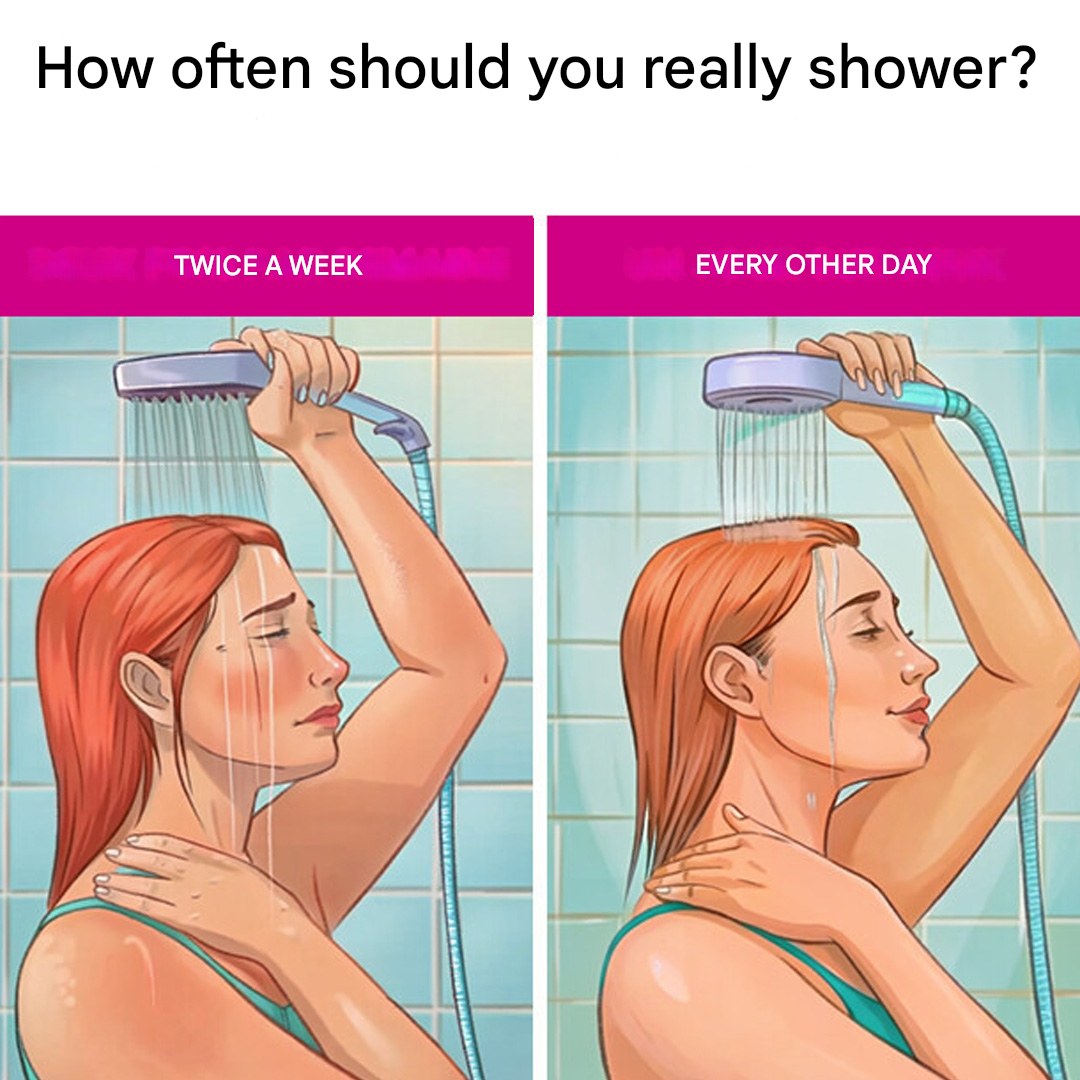
What is the ideal frequency for showering

The question of how often you should shower doesn’t have a one-size-fits-all answer. While daily showers are common in many cultures, the “ideal” frequency actually depends on your lifestyle, skin type, climate, and personal hygiene needs. Understanding these factors can help you strike the right balance between staying clean and maintaining healthy skin.

The Modern Habit of Daily Showering

In many parts of the world, especially in urban environments, daily showering is considered the norm. This habit is often driven by social expectations, concerns about body odor, and the desire to feel fresh. For people who sweat heavily, exercise regularly, or work in physically demanding or dirty environments, showering every day can indeed be beneficial.

However, from a strictly biological standpoint, most people do not need to shower daily. The human body is naturally equipped with oils and beneficial bacteria that protect the skin. Frequent washing—especially with hot water and harsh soaps—can strip away these natural defenses, leading to dryness, irritation, and even skin conditions over time.

Skin Type Matters

Your skin type plays a major role in determining how often you should shower:

  • Oily skin: If your skin produces excess oil, you may feel the need to shower more frequently, perhaps once a day. This can help manage shine and prevent clogged pores.
  • Dry or sensitive skin: People with dry skin may benefit from showering less often—every two to three days—to preserve natural moisture.
  • Combination skin: A balanced approach, such as showering every other day, often works best.

Using gentle, fragrance-free cleansers and moisturizing immediately after showering can help maintain skin health regardless of frequency.

Lifestyle and Activity Level

Your daily activities significantly influence your showering needs. If you engage in intense workouts, outdoor labor, or live in a hot and humid climate, you’ll likely need to shower more often to remove sweat, dirt, and bacteria.

On the other hand, if you have a sedentary lifestyle or work in a cool, controlled indoor environment, showering every day may not be necessary. In such cases, showering three to four times a week is often sufficient to maintain cleanliness without over-drying the skin.

Climate and Environment

Climate is another key factor. In hot and humid regions, sweating is more frequent, which can lead to body odor and discomfort. In these conditions, daily showers—or even twice daily—may be appropriate.

In contrast, in colder or drier climates, the skin tends to lose moisture more easily. Frequent showers can exacerbate dryness, making it better to reduce frequency and use lukewarm water instead of hot.

Hygiene vs. Overwashing

It’s important to distinguish between necessary hygiene and overwashing. Certain areas of the body—such as the underarms, groin, feet, and face—require more regular cleaning because they harbor more sweat glands and bacteria. Even if you don’t take a full-body shower every day, you can maintain hygiene by washing these areas daily.

Overwashing, however, can disrupt the skin’s natural microbiome. This can lead to issues such as itching, flaking, and increased sensitivity. Ironically, excessive washing can sometimes make body odor worse, as the skin may overproduce oil to compensate for dryness.

Hair Washing Is Separate

Showering frequency doesn’t necessarily mean washing your hair every time. Hair type determines how often it should be washed:

  • Oily hair: May need washing every 1–2 days
  • Dry or curly hair: Often benefits from washing just once or twice a week
  • Normal hair: Every 2–3 days is usually sufficient

Overwashing hair can lead to dryness and damage, while underwashing can cause buildup and irritation.

Special Considerations

Certain groups may need to adjust their showering habits:

  • Children: Young children don’t need daily baths unless they are visibly dirty or sweaty.
  • Older adults: Aging skin becomes thinner and drier, so showering less frequently (2–3 times per week) is often recommended.
  • People with skin conditions: Conditions like eczema or psoriasis may require tailored routines, often involving fewer showers and specific skincare products.

Finding Your Ideal Routine

Ultimately, the ideal showering frequency is the one that keeps you feeling clean and comfortable without harming your skin. For many people, this means showering every other day or a few times a week, with additional showers as needed after exercise or heavy sweating.

Pay attention to how your skin responds. If you notice dryness, irritation, or tightness, consider reducing frequency or changing your products. If you feel consistently sweaty or develop body odor, increasing frequency may be necessary.

Practical Tips for Healthy Showering

  • Use lukewarm water instead of hot water
  • Limit showers to 5–10 minutes
  • Choose mild, moisturizing soaps
  • Pat skin dry instead of rubbing
  • Apply moisturizer immediately after showering

Conclusion

There’s no universal rule for how often you should shower. While daily showers may be appropriate for some, others can maintain excellent hygiene with less frequent washing. The key is to balance cleanliness with skin health by considering your individual needs, environment, and lifestyle. By listening to your body and adjusting your routine accordingly, you can find a showering schedule that works best for you.

Doctors reveal that eating boiled eggs in the morning

Doctors reveal that eating boiled eggs in the morning can have a powerful impact on your overall health—and not in the way many people expect. While eggs have long been debated in nutrition circles, modern research and expert opinions increasingly support the idea that starting your day with boiled eggs can offer a range of surprising benefits for your body, mind, and energy levels.

First and foremost, boiled eggs are an excellent source of high-quality protein. Each egg contains about 6–7 grams of complete protein, meaning it provides all nine essential amino acids your body needs. When consumed in the morning, this protein helps kickstart your metabolism and keeps you feeling full for longer. Doctors often emphasize that a protein-rich breakfast can reduce mid-morning cravings and prevent overeating later in the day. This makes boiled eggs a great option for those trying to manage their weight.

Another key benefit of eating boiled eggs in the morning is improved brain function. Eggs are rich in choline, a nutrient that plays a crucial role in brain health. Choline supports the production of acetylcholine, a neurotransmitter involved in memory and mood regulation. Doctors note that starting your day with choline-rich foods may enhance mental clarity, focus, and even long-term cognitive health. This is especially important for students, professionals, and older adults looking to maintain sharp thinking.

Boiled eggs also provide a steady source of energy without causing spikes in blood sugar. Unlike sugary breakfast cereals or refined carbohydrates, eggs have a low glycemic index. This means they release energy slowly and steadily, helping you avoid the crash that often comes after high-sugar meals. Doctors often recommend stable blood sugar levels for better mood, improved concentration, and reduced risk of conditions like type 2 diabetes.

Heart health is another area where boiled eggs have been misunderstood. For years, eggs were criticized for their cholesterol content. However, recent studies show that for most people, dietary cholesterol has a minimal effect on blood cholesterol levels. Doctors now agree that moderate egg consumption—such as one to two boiled eggs in the morning—can be part of a heart-healthy diet. In fact, eggs contain healthy fats and antioxidants like lutein and zeaxanthin, which support cardiovascular and eye health.

Speaking of eye health, boiled eggs are particularly beneficial due to these antioxidants. Lutein and zeaxanthin accumulate in the retina and help protect the eyes from harmful blue light and age-related damage. Doctors highlight that regular consumption of eggs may reduce the risk of conditions like cataracts and macular degeneration. Starting your day with boiled eggs is a simple way to nourish your eyes over time.

Another surprising effect of eating boiled eggs in the morning is improved muscle strength and recovery. The high protein content supports muscle repair and growth, making eggs an excellent choice for people who exercise regularly. Doctors often recommend protein intake early in the day to maximize muscle protein synthesis, especially when combined with physical activity.

Boiled eggs are also incredibly nutrient-dense. They contain essential vitamins such as vitamin B12, vitamin D, vitamin A, and several B vitamins. Vitamin B12 supports nerve function and energy production, while vitamin D plays a key role in bone health and immune function. Doctors often point out that many people are deficient in these nutrients, and adding eggs to your breakfast can help fill those gaps naturally.

In addition to physical health benefits, boiled eggs may also support emotional well-being. The combination of protein, healthy fats, and micronutrients helps regulate hormones and stabilize mood. Doctors note that balanced breakfasts can reduce irritability and improve overall emotional stability throughout the day.

Despite all these benefits, moderation is still important. Doctors generally recommend consuming one to two eggs per day for most healthy individuals. People with specific medical conditions, such as certain cholesterol disorders, should consult their healthcare provider for personalized advice.

It’s also worth mentioning that how you prepare your eggs matters. Boiling is one of the healthiest cooking methods because it doesn’t require added fats or oils. This keeps

Yeast removes all wrinkles in 3 minutes. even at 70 years old wrinkle removal

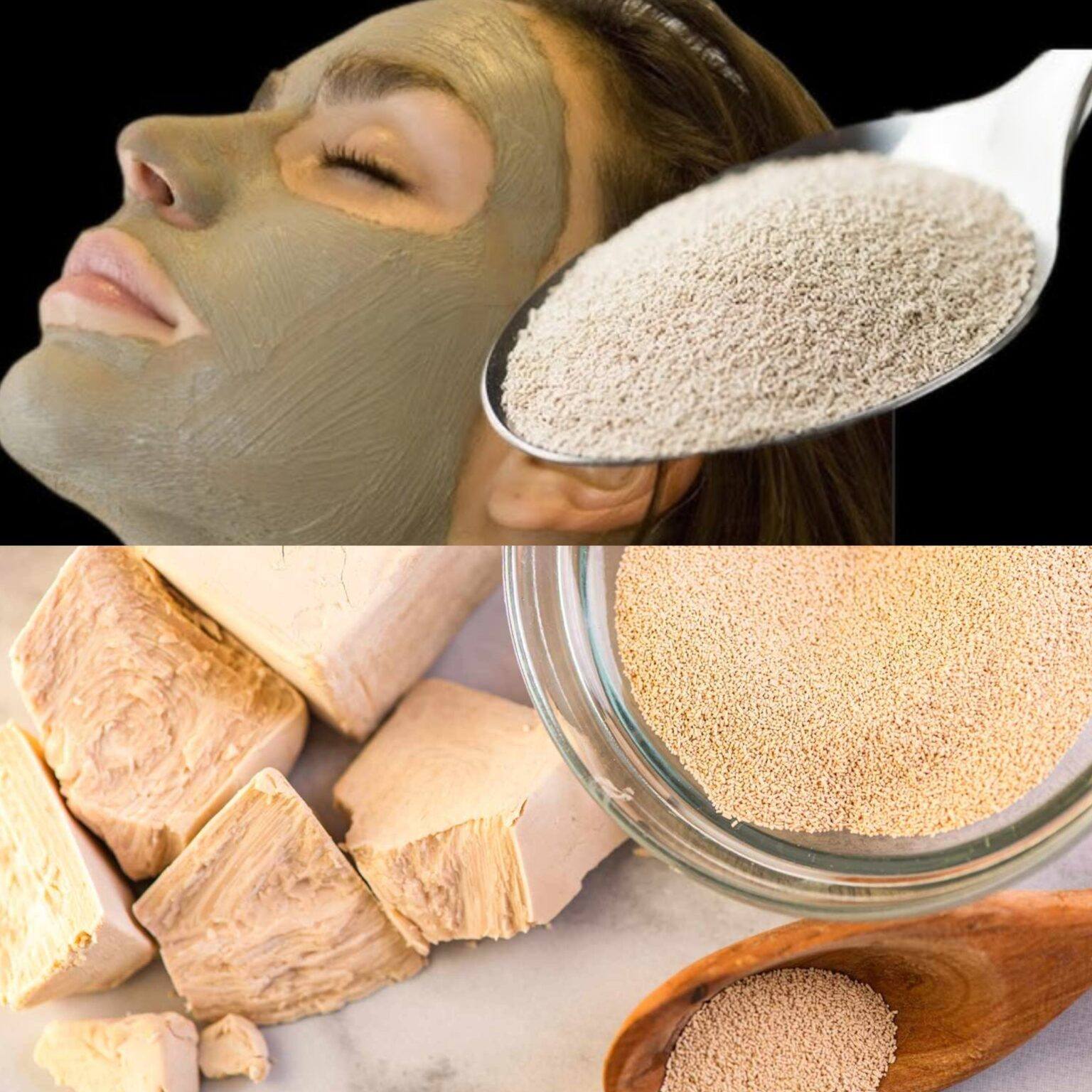
The idea that yeast can “remove all wrinkles in 3 minutes” sounds exciting—but it’s important to be realistic. No natural remedy can completely erase wrinkles instantly, especially deep ones that develop over time. However, yeast is rich in vitamins, minerals, and proteins that can temporarily tighten the skin, improve texture, and give a more youthful, refreshed appearance. With consistent use, it may help support healthier skin and reduce the visible signs of aging.

This easy homemade yeast mask is a gentle, affordable skincare option you can try at home.


Why Yeast Is Beneficial for Skin

Yeast, especially baker’s yeast, contains:

  • B vitamins – help improve skin tone and support cell renewal
  • Antioxidants – fight free radicals that contribute to aging
  • Proteins and amino acids – nourish and strengthen the skin
  • Natural tightening effect – helps temporarily firm the skin

When applied as a mask, yeast can leave your skin feeling smoother, tighter, and more radiant—even after one use.


Simple Yeast Wrinkle Mask Recipe

Ingredients:

  • 1 tablespoon fresh yeast (or 1 teaspoon dry yeast)
  • 1 tablespoon warm milk (not hot)
  • 1 teaspoon honey

Instructions:

  1. In a small bowl, dissolve the yeast in warm milk.
  2. Let it sit for 2–3 minutes until it becomes slightly foamy.
  3. Add the honey and mix well until you get a smooth paste.
  4. Apply the mixture evenly to your clean face, avoiding the eyes.
  5. Leave it on for 15–20 minutes.
  6. Rinse with lukewarm water and gently pat your skin dry.

What to Expect

After using this mask, you may notice:

  • Skin feels tighter and firmer
  • A smoother, softer texture
  • A natural glow
  • Reduced appearance of fine lines (temporarily)

This “instant effect” is why some people claim quick wrinkle reduction—but it’s not permanent. The tightening sensation fades after a few hours.


How Often to Use

For best results:

  • Use the mask 2–3 times per week
  • Be consistent over several weeks
  • Combine with a good skincare routine (hydration, sunscreen, cleansing)

Extra Boost Variations

You can enhance the mask depending on your skin type:

For Dry Skin:
Add 1 teaspoon olive oil or yogurt for extra moisture.

For Oily Skin:
Add a few drops of lemon juice to help control excess oil.

For Mature Skin:
Mix in a small amount of aloe vera gel for soothing and hydration.


Important Tips

  • Always do a patch test before applying to your face
  • Use fresh ingredients for best results
  • Avoid using very hot milk, as it can deactivate yeast
  • Don’t expect permanent wrinkle removal—natural remedies support skin health but don’t replace medical treatments

Healthy Habits for Wrinkle Reduction

To truly improve skin over time, combine this mask with good habits:

  • Drink plenty of water
  • Eat foods rich in vitamins and antioxidants
  • Use sunscreen daily
  • Get enough sleep
  • Avoid smoking and excessive sugar

These lifestyle factors play a much bigger role in long-term skin aging than any quick remedy.


Final Thoughts

While yeast cannot magically erase wrinkles in 3 minutes, it can be a helpful natural ingredient for improving the look and feel of your skin. The temporary tightening effect may give you a smoother, more youthful appearance, and regular use can support healthier skin over time.

Cardiologist wa:rns: this habit upon waking could increase the risk of heart problems (a common mistake of just a few seconds)

Every morning, millions of people jump out of bed the moment their alarm rings. It feels harmless—just a quick movement to start the day. However, cardiologists warn that this simple, seconds-long habit could put unnecessary strain on your heart, especially as you age or if you already have underlying health conditions.

This often-overlooked mistake is getting up too quickly from bed.

Why Getting Up Too Fast Can Be Risky

When you sleep, your body is in a state of rest. Your heart rate slows down, your blood pressure drops, and your circulation adjusts to a lying-down position. Suddenly jumping up disrupts this balance.

When you rise too quickly:

  • Blood pressure can drop suddenly (a condition called orthostatic hypotension)
  • Blood may not reach the brain fast enough
  • Your heart has to work harder to compensate

This can lead to:

  • Dizziness or lightheadedness
  • Increased heart rate
  • Irregular heartbeat
  • In severe cases, fainting or even falls

For individuals with cardiovascular conditions, this sudden stress may increase the risk of complications such as heart rhythm disturbances or even trigger a cardiac event.

The “Morning Surge” Effect

Another important factor is the natural morning surge in blood pressure. In the early hours after waking, your body releases hormones like cortisol and adrenaline to help you become alert. This already increases your heart rate and blood pressure.

If you combine this natural surge with abruptly jumping out of bed, it creates a double strain on your cardiovascular system. Over time, this repeated stress may contribute to:

  • High blood pressure
  • Increased risk of stroke
  • Greater likelihood of heart disease

Who Is Most at Risk?

While this habit can affect anyone, certain groups should be especially careful:

  • People over 50
  • Those with high blood pressure
  • Individuals with heart disease
  • People taking medications that affect blood pressure
  • Those who experience frequent dizziness

Even if you are young and healthy, adopting better habits now can protect your heart in the long term.

A Simple Safer Morning Routine

The good news is that avoiding this risk is incredibly easy. Cardiologists recommend a gentle, step-by-step approach to getting out of bed:

1. Wake up slowly
When your alarm goes off, avoid jumping up immediately. Take a few deep breaths and allow your body to adjust.

2. Sit up gradually
Move from lying down to a sitting position slowly. Sit at the edge of your bed for about 30 seconds.

3. Move your legs and feet
Gently wiggle your toes, rotate your ankles, or stretch your legs. This helps improve circulation.

4. Stand up carefully
Once you feel stable, stand up slowly. If you feel dizzy, pause and sit back down.

This entire process takes less than a minute but can significantly reduce strain on your heart.

Additional Heart-Healthy Morning Tips

Along with getting up slowly, here are a few other habits that support cardiovascular health:

Stay hydrated
Dehydration can worsen blood pressure drops. Drink a glass of water after waking.

Avoid sudden stress
Try not to check stressful messages or emails immediately upon waking. Give your mind time to ease into the day.

Stretch lightly
Gentle stretching improves blood flow and prepares your body for movement.

Eat a balanced breakfast
Include protein, fiber, and healthy fats to stabilize energy and support heart health.

Warning Signs You Shouldn’t Ignore

If you frequently experience any of the following after waking, it’s important to consult a healthcare professional:

  • Persistent dizziness
  • Rapid or irregular heartbeat
  • Chest discomfort
  • Fainting episodes

These could indicate underlying cardiovascular issues that require medical attention.

The Bottom Line

Sometimes, the smallest habits have the biggest impact on our health. Jumping out of bed may seem trivial, but it can place unnecessary stress on your heart—especially when done daily over time.

By simply slowing down your morning routine and giving your body a few extra seconds to adjust, you can protect your cardiovascular system, reduce the risk of dizziness and falls, and promote overall well-being.

TOMATO BRUSCHETTA

Tomato Bruschetta is one of those timeless dishes that proves simplicity can be absolutely delicious. Originating from Italy, this appetizer combines crispy toasted bread with juicy, seasoned tomatoes to create a perfect balance of texture and flavor. Whether you’re preparing a light snack, a party appetizer, or a side dish for dinner, this recipe is easy to make and always impressive.

 Ingredients

To make authentic Tomato Bruschetta, you’ll need fresh, high-quality ingredients:

  • 4–5 ripe tomatoes (Roma or cherry tomatoes work best)
  • 1 baguette or rustic Italian bread
  • 3–4 cloves garlic
  • 3 tablespoons extra virgin olive oil
  • 8–10 fresh basil leaves
  • Salt (to taste)
  • Black pepper (to taste)
  • 1 teaspoon balsamic vinegar (optional, for extra depth)

 Preparation Steps

1. Prepare the Tomato Mixture

Start by washing the tomatoes thoroughly. Dice them into small, even pieces and place them in a mixing bowl. If using larger tomatoes, remove excess seeds to avoid too much liquid.

Add:

  • Finely chopped basil leaves
  • 1–2 cloves of minced garlic
  • Salt and black pepper

Drizzle 1–2 tablespoons of olive oil over the mixture and gently toss everything together. If you enjoy a slightly tangy flavor, add a teaspoon of balsamic vinegar.

Let the mixture sit for about 10–15 minutes. This allows the flavors to blend beautifully.


2. Toast the Bread

Slice the baguette into ½-inch thick pieces. Arrange them on a baking tray.

Brush each slice lightly with olive oil. Toast them in a preheated oven at 180°C (350°F) for about 8–10 minutes, or until golden and crisp. You can also grill them for a smoky flavor.


3. Add Garlic Flavor

Once the bread is toasted, take a peeled garlic clove and gently rub it over the warm bread slices. This step gives the bruschetta a subtle but irresistible garlic aroma.


4. Assemble the Bruschetta

Spoon the prepared tomato mixture onto each slice of toasted bread. Make sure each piece gets a generous topping.

Drizzle a little extra olive oil on top if desired.

 Serving Suggestions

Tomato Bruschetta is best served immediately while the bread is still crisp and the topping is fresh. It pairs wonderfully with:

  • Grilled chicken or steak
  • Pasta dishes
  • Soups and salads
  • A refreshing lemonade or iced tea

You can also serve it as a starter at gatherings or family dinners—it’s always a crowd-pleaser!

 Tips for the Best Bruschetta

  • Use fresh ingredients: The quality of tomatoes and olive oil makes a big difference.
  • Don’t over-toast the bread: It should be crisp but not too hard.
  • Serve fresh: Avoid assembling too early, or the bread may become soggy.
  • Customize it: Add mozzarella, avocado, or olives for variation

 Health Benefits

Tomato Bruschetta isn’t just tasty—it’s also nutritious:

  • Tomatoes are rich in antioxidants like lycopene, which supports heart health.
  • Olive oil provides healthy fats beneficial for the body.
  • Garlic has natural antibacterial and immune-boosting properties.
  • Basil adds vitamins and a refreshing flavor.

This makes bruschetta a light, wholesome option compared to heavy appetizers.

 Variations to Try

If you want to experiment, here are a few delicious twists:

  • Cheesy Bruschetta: Add shredded mozzarella or parmesan before serving.
  • Spicy Version: Sprinkle chili flakes for a kick.
  • Avocado Bruschetta: Mix diced avocado with tomatoes for creaminess.
  • Mushroom Bruschetta: Replace tomatoes with sautéed mushrooms for a savory twist.

 Final Thoughts

Tomato Bruschetta is a perfect example of how simple ingredients can create something extraordinary. With its crisp bread, juicy tomato topping, and aromatic herbs, it delivers freshness in every bite. Whether you’re a beginner in the kitchen or an experienced cook, this recipe is easy to follow and guaranteed to impress.

Salsa Macha

Salsa Macha is a rich, smoky, and slightly spicy Mexican chili oil that adds depth and bold flavor to almost any dish. Originating from the regions of Veracruz and Oaxaca, this versatile condiment is often compared to chili crisp, but it has its own unique identity thanks to its use of dried chilies, nuts, seeds, and oil. Whether drizzled over tacos, stirred into soups, or used as a dipping sauce, Salsa Macha brings a perfect balance of heat, nuttiness, and umami.

Ingredients

To make a traditional Salsa Macha at home, you’ll need the following:

  • 1 cup neutral oil (such as vegetable or canola oil)
  • 4–6 dried guajillo chilies (stemmed and seeded)
  • 3–5 dried árbol chilies (adjust for heat preference)
  • 4 cloves garlic, peeled
  • 1/4 cup peanuts (unsalted)
  • 2 tablespoons sesame seeds
  • 1 tablespoon pumpkin seeds (optional but recommended)
  • 1 tablespoon apple cider vinegar
  • 1/2 teaspoon salt (or to taste)
  • 1 teaspoon sugar (optional, for balance)

Preparation Steps

1. Prepare the chilies
Start by removing the stems and seeds from the dried chilies. This helps control the heat and prevents bitterness. If you prefer a spicier salsa, you can leave some seeds in. Lightly wipe the chilies with a dry cloth to remove any dust.

2. Heat the oil
In a medium saucepan, heat the oil over medium heat. It should become hot but not smoking. Maintaining the right temperature is crucial—too hot and the ingredients will burn, too cool and they won’t infuse properly.

3. Fry the ingredients
Add the garlic cloves first and fry them until they turn golden brown, which usually takes about 1–2 minutes. Remove and set aside. Next, add the peanuts and fry until lightly toasted, then remove. Repeat this process with sesame seeds and pumpkin seeds, frying each briefly until fragrant.

Now, add the dried chilies to the hot oil. Fry them very quickly—just 10–20 seconds—until they puff slightly and release their aroma. Be careful not to burn them, as this will make the salsa bitter.

4. Blend everything together
Allow all the fried ingredients to cool slightly. Then transfer them into a blender or food processor. Add the vinegar, salt, and sugar. Pour in the oil used for frying as well.

Blend the mixture to your desired consistency. Some people prefer a smoother texture, while others like it chunky for added crunch. Pulse for a coarser salsa or blend longer for a smoother finish.

5. Taste and adjust
Taste your Salsa Macha and adjust seasoning as needed. You can add more salt, a splash of vinegar for acidity, or even a pinch of sugar to balance the flavors.

Storage

Transfer the salsa into a clean, airtight glass jar. Salsa Macha can be stored at room temperature for a few days, but it’s best kept in the refrigerator where it can last up to 2–3 weeks. The oil acts as a preservative, but always use a clean spoon to avoid contamination.

Tips for the Perfect Salsa Macha

  • Control the heat: Use fewer árbol chilies for a milder salsa or increase them if you like it spicy.
  • Experiment with nuts: Almonds, cashews, or even walnuts can replace peanuts for a different flavor profile.
  • Oil choice matters: Neutral oils let the chilies shine, but you can also experiment with olive oil for a richer taste.
  • Don’t burn the ingredients: This is the most common mistake. Burnt garlic or chilies will ruin the entire batch.

Ways to Use Salsa Macha

Salsa Macha is incredibly versatile and can elevate many dishes:

  • Drizzle over tacos, quesadillas, or grilled meats
  • Add a spoonful to soups or stews for extra depth
  • Use as a topping for eggs or avocado toast
  • Mix into rice or noodles for a spicy kick
  • Serve as a dip with bread or roasted vegetables

Final Thoughts

Making Salsa Macha at home is simple yet rewarding. It allows you to control the flavor, heat, and texture to suit your personal taste. Once you try it, you’ll likely find yourself adding it to everything. Its combination of smoky chilies, crunchy nuts, and fragrant oil creates a bold and addictive condiment that’s hard to resist. Whether you’re exploring Mexican cuisine or just looking for a new way to spice up your meals, Salsa Macha is a must-try recipe that delivers both tradition and flavor in every spoonful.

Albondigas Mexican Meatball Soup

Albondigas, also known as Mexican meatball soup, is a comforting and nourishing dish deeply rooted in traditional Mexican home cooking. Loved for its rich flavors, hearty ingredients, and wholesome appeal, this soup is often served as a family meal that brings warmth to both body and soul. Whether enjoyed on a cool evening or when you need a satisfying, balanced dish, albondigas offers a perfect combination of protein, vegetables, and savory broth.

At the heart of albondigas are the meatballs themselves. Typically made from ground beef, though sometimes mixed with pork for extra flavor, the meatballs are uniquely seasoned with garlic, onion, cilantro, and spices. What sets them apart from other meatballs around the world is the addition of uncooked rice mixed directly into the meat. As the soup simmers, the rice cooks inside the meatballs, making them tender and slightly fluffy while also helping to bind everything together.

The broth is another essential element of this dish. It is usually tomato-based, created by blending fresh tomatoes, garlic, onion, and sometimes broth or water to form a smooth liquid. This mixture is then cooked and seasoned with salt, pepper, and herbs such as oregano or cilantro. The result is a light yet deeply flavorful broth that complements the richness of the meatballs without overpowering them.

Vegetables play an important role in albondigas, making it both nutritious and filling. Common additions include carrots, potatoes, zucchini, and sometimes green beans or corn. These vegetables are added in stages depending on their cooking time, ensuring that everything is perfectly tender by the time the soup is ready. The variety of vegetables not only enhances the taste but also adds vibrant color and texture, making the dish visually appealing.

To prepare albondigas, you begin by mixing the ground meat with rice, chopped onion, garlic, cilantro, egg, salt, and pepper. The mixture is then shaped into small meatballs, usually about the size of a golf ball or smaller. Meanwhile, the tomato broth is prepared and brought to a gentle simmer. The meatballs are carefully dropped into the hot broth, where they begin to cook and release their flavors.

As the soup simmers, vegetables are gradually added. Carrots and potatoes typically go in first since they take longer to cook, followed by zucchini and other softer vegetables later on. The soup is left to simmer until the meatballs are fully cooked and the vegetables are tender. This slow cooking process allows all the flavors to meld together beautifully.

One of the most appealing aspects of albondigas is its versatility. Different regions and families have their own variations. Some add mint to the meatballs for a fresh, aromatic twist, while others include a bit of chili for heat. In certain versions, chipotle peppers are added to the broth to give the soup a smoky flavor. This adaptability makes albondigas a dish that can be customized to suit personal taste preferences.

Serving albondigas is simple yet satisfying. It is typically ladled into bowls and garnished with freshly chopped cilantro, a squeeze of lime juice, and sometimes a sprinkle of chopped onions. Warm corn tortillas or crusty bread are often served on the side, perfect for soaking up the flavorful broth. Some people also enjoy adding a bit of hot sauce for an extra kick.

Beyond its delicious taste, albondigas is also valued for its nutritional benefits. It provides a good balance of protein from the meat, carbohydrates from the rice and vegetables, and essential vitamins and minerals from the variety of ingredients. This makes it an excellent option for a complete meal in one bowl.

Culturally, albondigas holds a special place in Mexican households. It is often associated with home-cooked meals prepared with care and love. Many people have fond memories of their mothers or grandmothers making this soup, filling the kitchen with its comforting aroma. It is also commonly prepared when someone is feeling under the weather, as its warm broth and nourishing ingredients are believed to be soothing and restorative.

In conclusion, albondigas is much more than just a soup—it is a symbol of comfort, tradition, and family. With its tender meatballs, flavorful broth, and wholesome vegetables, it is a dish that satisfies on many levels. Whether you are new to Mexican cuisine or already a fan, albondigas is a must-try recipe that showcases the beauty of simple ingredients coming together to create something truly special.