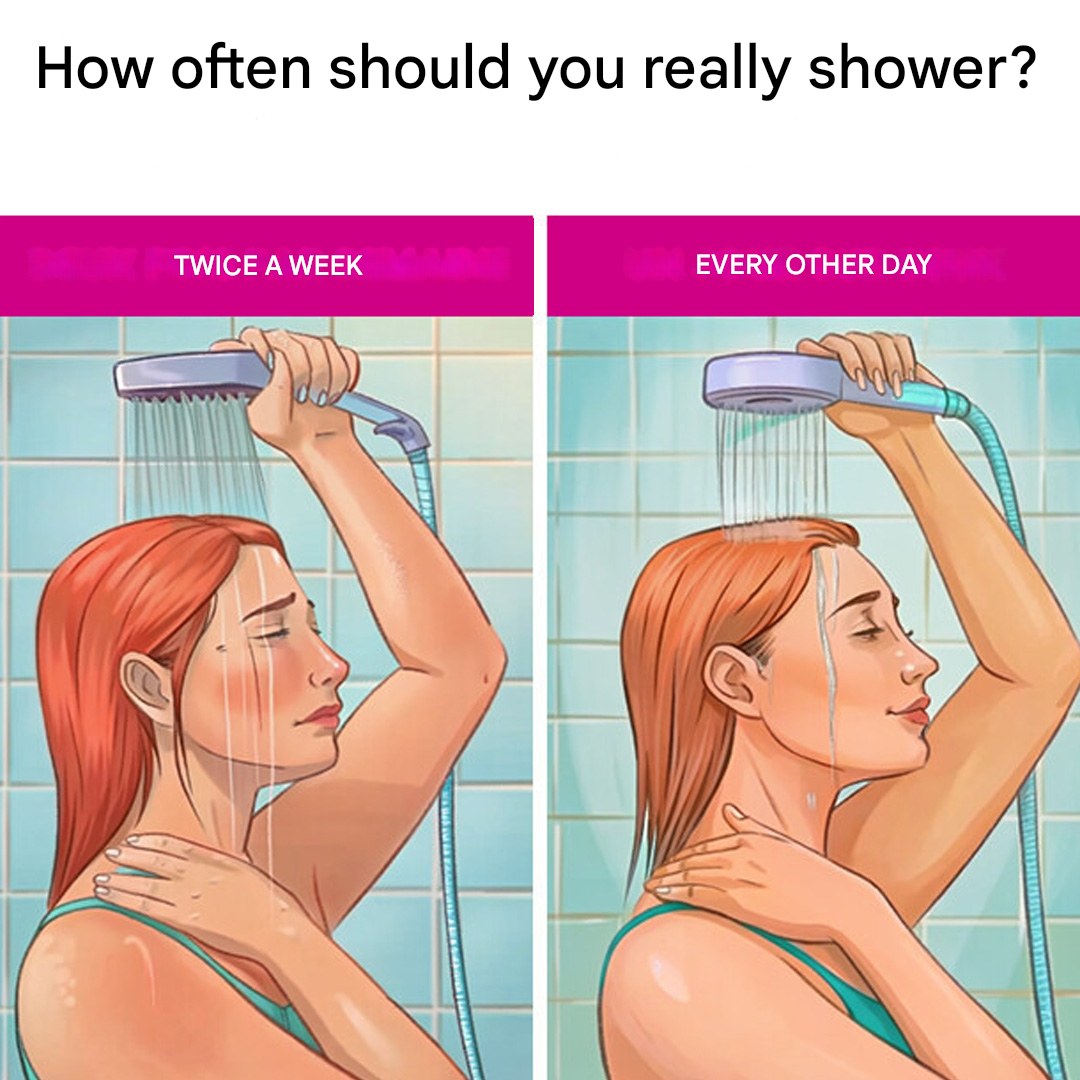
The question of how often you should shower doesn’t have a one-size-fits-all answer. While daily showers are common in many cultures, the “ideal” frequency actually depends on your lifestyle, skin type, climate, and personal hygiene needs. Understanding these factors can help you strike the right balance between staying clean and maintaining healthy skin.
🚀 Make Money Online – Up to $50 Per Day!
The Modern Habit of Daily Showering
In many parts of the world, especially in urban environments, daily showering is considered the norm. This habit is often driven by social expectations, concerns about body odor, and the desire to feel fresh. For people who sweat heavily, exercise regularly, or work in physically demanding or dirty environments, showering every day can indeed be beneficial.
However, from a strictly biological standpoint, most people do not need to shower daily. The human body is naturally equipped with oils and beneficial bacteria that protect the skin. Frequent washing—especially with hot water and harsh soaps—can strip away these natural defenses, leading to dryness, irritation, and even skin conditions over time.
Skin Type Matters
Your skin type plays a major role in determining how often you should shower:
- Oily skin: If your skin produces excess oil, you may feel the need to shower more frequently, perhaps once a day. This can help manage shine and prevent clogged pores.
- Dry or sensitive skin: People with dry skin may benefit from showering less often—every two to three days—to preserve natural moisture.
- Combination skin: A balanced approach, such as showering every other day, often works best.
Using gentle, fragrance-free cleansers and moisturizing immediately after showering can help maintain skin health regardless of frequency.
Lifestyle and Activity Level
Your daily activities significantly influence your showering needs. If you engage in intense workouts, outdoor labor, or live in a hot and humid climate, you’ll likely need to shower more often to remove sweat, dirt, and bacteria.
On the other hand, if you have a sedentary lifestyle or work in a cool, controlled indoor environment, showering every day may not be necessary. In such cases, showering three to four times a week is often sufficient to maintain cleanliness without over-drying the skin.
Climate and Environment
Climate is another key factor. In hot and humid regions, sweating is more frequent, which can lead to body odor and discomfort. In these conditions, daily showers—or even twice daily—may be appropriate.
In contrast, in colder or drier climates, the skin tends to lose moisture more easily. Frequent showers can exacerbate dryness, making it better to reduce frequency and use lukewarm water instead of hot.
Hygiene vs. Overwashing
It’s important to distinguish between necessary hygiene and overwashing. Certain areas of the body—such as the underarms, groin, feet, and face—require more regular cleaning because they harbor more sweat glands and bacteria. Even if you don’t take a full-body shower every day, you can maintain hygiene by washing these areas daily.
Overwashing, however, can disrupt the skin’s natural microbiome. This can lead to issues such as itching, flaking, and increased sensitivity. Ironically, excessive washing can sometimes make body odor worse, as the skin may overproduce oil to compensate for dryness.
Hair Washing Is Separate
Showering frequency doesn’t necessarily mean washing your hair every time. Hair type determines how often it should be washed:
- Oily hair: May need washing every 1–2 days
- Dry or curly hair: Often benefits from washing just once or twice a week
- Normal hair: Every 2–3 days is usually sufficient
Overwashing hair can lead to dryness and damage, while underwashing can cause buildup and irritation.
Special Considerations
Certain groups may need to adjust their showering habits:
- Children: Young children don’t need daily baths unless they are visibly dirty or sweaty.
- Older adults: Aging skin becomes thinner and drier, so showering less frequently (2–3 times per week) is often recommended.
- People with skin conditions: Conditions like eczema or psoriasis may require tailored routines, often involving fewer showers and specific skincare products.
Finding Your Ideal Routine
Ultimately, the ideal showering frequency is the one that keeps you feeling clean and comfortable without harming your skin. For many people, this means showering every other day or a few times a week, with additional showers as needed after exercise or heavy sweating.
Pay attention to how your skin responds. If you notice dryness, irritation, or tightness, consider reducing frequency or changing your products. If you feel consistently sweaty or develop body odor, increasing frequency may be necessary.
Practical Tips for Healthy Showering
- Use lukewarm water instead of hot water
- Limit showers to 5–10 minutes
- Choose mild, moisturizing soaps
- Pat skin dry instead of rubbing
- Apply moisturizer immediately after showering
Conclusion
There’s no universal rule for how often you should shower. While daily showers may be appropriate for some, others can maintain excellent hygiene with less frequent washing. The key is to balance cleanliness with skin health by considering your individual needs, environment, and lifestyle. By listening to your body and adjusting your routine accordingly, you can find a showering schedule that works best for you.
