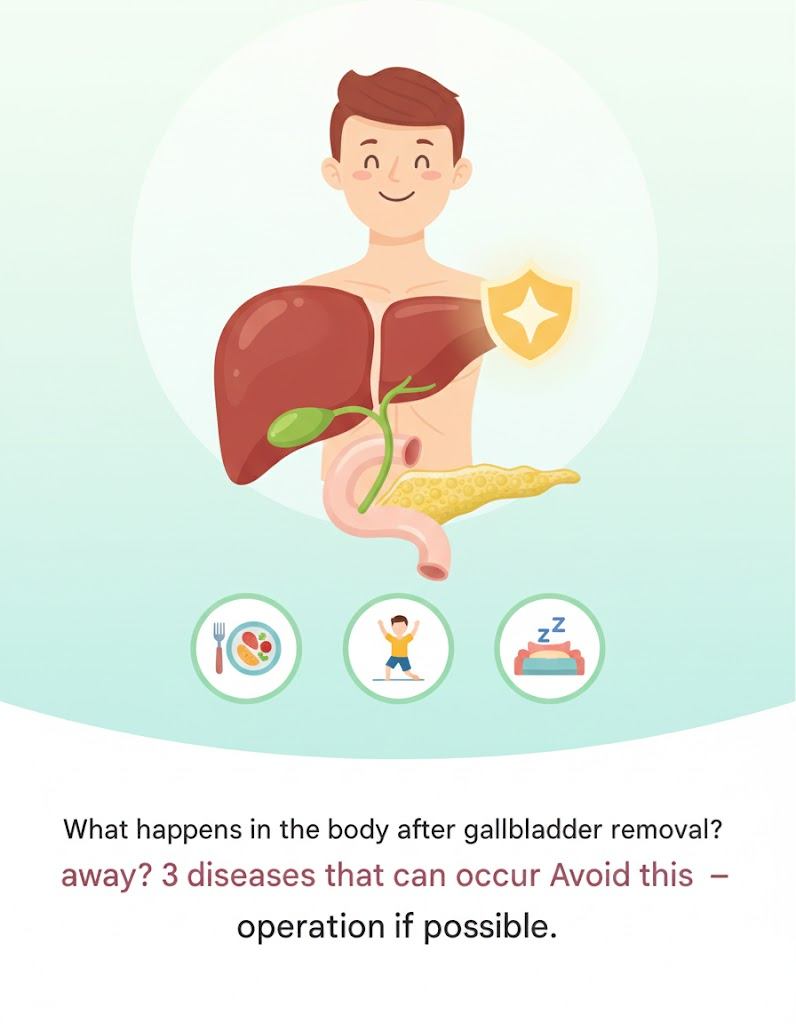
Little-Known Consequences of Gallbladder Removal: Health Effects to Watch Out For

Gallbladder removal, also known as cholecystectomy, is a common surgical procedure often recommended for individuals suffering from gallstones, inflammation, or other gallbladder-related issues. While many people experience relief from pain and discomfort after surgery, there are several lesser-known consequences that can affect long-term health. Understanding these potential effects can help you better manage your well-being and make informed lifestyle choices after the procedure.

Understanding the Role of the Gallbladder

The gallbladder is a small organ located beneath the liver. Its primary function is to store and concentrate bile, a digestive fluid produced by the liver. Bile plays a key role in breaking down fats during digestion. When you eat fatty foods, the gallbladder releases bile into the small intestine to aid digestion.

After gallbladder removal, bile flows directly from the liver into the intestine in a continuous, less concentrated stream. While the body adapts over time, this change can lead to certain digestive and metabolic challenges.

Digestive Changes and Discomfort

One of the most common consequences of gallbladder removal is a change in digestion. Without a gallbladder to regulate bile release, some individuals experience difficulty digesting fatty foods. This can lead to symptoms such as bloating, gas, and diarrhea, especially after meals rich in fats.

In some cases, people develop what is known as postcholecystectomy syndrome. This condition includes persistent abdominal discomfort, nausea, and irregular bowel movements. While not everyone experiences these symptoms, they can be frustrating for those who do.

Increased Risk of Diarrhea

Chronic diarrhea is another lesser-known effect that may occur after gallbladder removal. The continuous flow of bile into the intestines can irritate the lining of the digestive tract, leading to frequent, loose stools. This condition, sometimes referred to as bile acid diarrhea, may require dietary adjustments or medication to manage effectively.

Nutrient Absorption Issues

Because bile is essential for fat digestion, the absence of a gallbladder can affect the absorption of fat-soluble vitamins such as vitamins A, D, E, and K. Over time, deficiencies in these nutrients may develop if dietary intake is not carefully managed.

To counteract this, it is important to maintain a balanced diet that includes healthy fats and nutrient-rich foods. In some cases, supplements may be recommended by healthcare providers.

Weight Fluctuations

While some individuals lose weight after gallbladder removal due to dietary changes and reduced fat intake, others may experience unexpected weight gain. This can happen because the body processes fats differently without the gallbladder, potentially altering metabolism and appetite.

Maintaining a consistent, balanced diet and engaging in regular physical activity can help manage weight effectively after surgery.

Impact on Gut Health

The continuous flow of bile can also influence the balance of bacteria in the gut. Changes in gut microbiota may lead to increased sensitivity, bloating, or even conditions like irritable bowel syndrome (IBS) in some individuals.

Supporting gut health through a diet rich in fiber, probiotics, and fermented foods can help restore balance and improve digestive comfort.

Potential Liver Strain

Although the liver continues to produce bile normally after gallbladder removal, the absence of bile storage may place additional demands on the liver over time. In rare cases, this can contribute to liver-related issues if combined with poor diet or existing health conditions.

Regular health check-ups and a liver-friendly lifestyle—such as limiting alcohol and eating whole, unprocessed foods—can help reduce this risk.

Increased Sensitivity to Certain Foods

Many people find that they become more sensitive to certain foods after gallbladder removal. Fatty, greasy, or highly processed foods are the most common triggers, but spicy foods, caffeine, and dairy products can also cause discomfort for some individuals.

Keeping a food diary can help identify personal triggers and guide dietary choices to minimize symptoms.

Managing Life After Gallbladder Removal

While these potential consequences may sound concerning, it is important to remember that many people live healthy, normal lives without a gallbladder. The key is to adopt habits that support digestion and overall health.

Here are some practical tips:

  • Eat smaller, more frequent meals to ease digestion
  • Limit high-fat and fried foods
  • Gradually reintroduce foods to identify sensitivities
  • Stay hydrated to support digestive function
  • Include fiber-rich foods to promote regular bowel movements
  • Consider probiotics to support gut health

When to Seek Medical Advice

If you experience persistent symptoms such as severe abdominal pain, ongoing diarrhea, or unexplained weight changes, it is important to consult a healthcare professional. These symptoms may indicate complications or conditions that require medical attention.

Final Thoughts

Gallbladder removal can bring significant relief from painful conditions, but it also introduces changes that may affect digestion, nutrient absorption, and overall health. By understanding these lesser-known consequences and taking proactive steps, you can maintain a balanced and healthy lifestyle.


Doctors reveal that eating avocado causes

Avocados have quickly risen from a trendy food to a staple in many healthy diets—and for good reason. Often referred to as a “superfood,” the avocado is packed with nutrients that can positively affect your body in surprising ways. But what exactly happens when you start eating avocado regularly? Doctors and nutrition experts have weighed in, and the results may convince you to add this creamy fruit to your daily routine.

1. Your Heart Gets Stronger

One of the most well-known benefits of avocados is their positive impact on heart health. They are rich in monounsaturated fats—particularly oleic acid—which is known to help reduce bad cholesterol (LDL) while increasing good cholesterol (HDL).

Doctors often emphasize that maintaining healthy cholesterol levels is key to reducing the risk of heart disease. Including avocados in your diet may help improve blood circulation, reduce inflammation, and lower your chances of developing cardiovascular conditions.

2. Your Body Absorbs More Nutrients

Avocados don’t just provide nutrients—they also help your body absorb them better. They contain healthy fats that enhance the absorption of fat-soluble vitamins such as vitamins A, D, E, and K.

For example, adding avocado to a salad can significantly boost your body’s ability to absorb nutrients from vegetables like carrots, spinach, and tomatoes. This means you get more value from the foods you already eat.

3. Your Digestive System Improves

If you struggle with digestion, avocados might help. They are an excellent source of dietary fiber, which is essential for a healthy digestive system.

Fiber helps regulate bowel movements, prevent constipation, and support beneficial gut bacteria. Doctors note that a fiber-rich diet is also linked to a lower risk of digestive disorders and improved overall gut health.

4. You May Lose Weight (or Maintain It More Easily)

Although avocados are relatively high in calories, they can actually support weight management. Their combination of healthy fats and fiber helps you feel full for longer, reducing the urge to snack or overeat.

Studies suggest that people who regularly consume avocados tend to have healthier body weights and smaller waistlines. Doctors explain that it’s not just about calories—it’s about how satisfying and nutrient-dense the food is.

5. Your Skin Starts to Glow

The nutrients in avocados don’t just work internally—they can also improve your appearance. Rich in antioxidants like vitamin E and vitamin C, avocados help protect your skin from damage caused by free radicals.

These nutrients support collagen production, improve skin elasticity, and may reduce signs of aging such as wrinkles and dryness. Some dermatologists even recommend avocados as part of a skin-friendly diet.

6. Your Blood Pressure May Drop

Avocados are a great source of potassium—an essential mineral that helps regulate blood pressure. In fact, they contain more potassium per serving than bananas.

Doctors highlight that increasing potassium intake while reducing sodium can significantly lower blood pressure levels. This makes avocados especially beneficial for people at risk of hypertension.

7. Your Brain Function Gets a Boost

Healthy fats are essential for brain health, and avocados provide plenty of them. These fats help support cognitive function, improve memory, and maintain overall brain performance.

Additionally, avocados contain folate, which plays a role in preventing cognitive decline and supporting mental clarity. Regular consumption may help keep your brain sharp as you age.

8. You Reduce Inflammation in the Body

Chronic inflammation is linked to many serious health conditions, including heart disease, diabetes, and arthritis. Avocados contain anti-inflammatory compounds that can help combat this issue.

Doctors often recommend anti-inflammatory foods as part of a balanced diet, and avocados fit perfectly into this category. Their nutrients work together to reduce inflammation and support long-term health.

9. Your Eye Health Improves

Avocados contain lutein and zeaxanthin—two powerful antioxidants that are important for eye health. These compounds help protect your eyes from harmful light and reduce the risk of age-related eye conditions.

Regular consumption of avocados may support better vision and help maintain eye health over time.

10. You Get a Natural Energy Boost

Feeling tired or low on energy? Avocados can help. They provide a steady source of energy thanks to their healthy fats and complex nutrients.

Unlike sugary snacks that cause energy spikes and crashes, avocados deliver long-lasting fuel for your body. Doctors often recommend them as a great addition to breakfast or lunch for sustained energy throughout the day.


Final Thoughts

Eating avocado regularly can have a wide range of benefits—from improving heart health and digestion to enhancing your skin and brain function. However, moderation is key. Because avocados are calorie-dense, doctors suggest sticking to about half to one avocado per day as part of a balanced diet.

Adding avocado to your meals is simple. Spread it on toast, blend it into smoothies, toss it into salads, or enjoy it on its own with a pinch of salt and lemon.

I had no clue about this

a topic that many women experience but often feel uncomfortable discussing: chin whiskers or facial hair growth. While it may seem unusual or even alarming at first, the truth is that facial hair in women is more common than you might think—and in many cases, it’s completely normal. However, sometimes it can also signal underlying health conditions that deserve attention.

Let’s break it down clearly and honestly.

Understanding Why Chin Hair Happens

All women have hair follicles on their face, including the chin. Most of this hair is fine, light, and barely noticeable (often called “peach fuzz”). However, in some cases, these hairs can become darker, thicker, and more visible. This is usually influenced by hormones—specifically androgens, which are often referred to as “male hormones” but are naturally present in women too.

When androgen levels increase or the body becomes more sensitive to them, facial hair can become more prominent. This is not necessarily dangerous, but it is a signal that something in the body’s hormonal balance may have shifted.

Common Causes of Chin Whiskers in Women

1. Hormonal Imbalance
One of the most common reasons for chin hair growth is a hormonal imbalance. This can happen during puberty, pregnancy, or menopause. Even stress and lifestyle changes can affect hormone levels and lead to increased hair growth.

2. Polycystic Ovary Syndrome (PCOS)
PCOS is a common condition that affects many women of reproductive age. It often causes symptoms such as irregular periods, acne, weight gain, and excess facial or body hair (a condition known as hirsutism). If chin hair appears along with these symptoms, it’s worth consulting a doctor.

3. Genetics
Sometimes, it’s simply in your DNA. If women in your family have noticeable facial hair, you are more likely to have it too. This is especially common in certain ethnic backgrounds.

4. Aging and Menopause
As women age, estrogen levels decline while androgen levels may remain steady or relatively higher. This hormonal shift can lead to increased facial hair, especially on the chin and upper lip.

5. Medications
Certain medications can trigger increased hair growth as a side effect. These may include some hormone treatments or drugs that affect the endocrine system.

When Should You Be Concerned?

Not every chin hair is a cause for alarm. However, you should pay closer attention if:

  • The hair growth is sudden and excessive
  • It’s accompanied by other symptoms like irregular periods, severe acne, or hair thinning on the scalp
  • Your voice deepens or you notice other unusual physical changes

In such cases, it’s important to seek medical advice. A healthcare provider may recommend blood tests or other evaluations to check hormone levels.

Ways to Manage Chin Hair

If chin whiskers bother you, there are many safe and effective ways to manage them.

1. Tweezing or Threading
These are simple, affordable options for removing a few stray hairs. However, they can be time-consuming if hair growth is more extensive.

2. Waxing
Waxing removes hair from the root and keeps the skin smooth for longer periods. It can be done at home or professionally.

3. Shaving
Contrary to popular myths, shaving does not make hair grow back thicker. It’s actually a quick and safe option when done correctly with clean tools.

4. Laser Hair Removal
This is a long-term solution that reduces hair growth over time. It works best on darker hair and may require multiple sessions.

5. Electrolysis
A more permanent solution, electrolysis destroys individual hair follicles. It is effective but can be time-intensive and costly.

6. Medical Treatments
If the cause is hormonal, a doctor may prescribe medications such as birth control pills or anti-androgen drugs to regulate hormone levels and reduce hair growth.

Emotional and Social Impact

It’s important to acknowledge that facial hair can affect self-confidence. Society often places unrealistic expectations on women’s appearance, which can make something natural feel embarrassing. But the reality is, this is a common experience shared by many women worldwide.

There is no need for shame. Whether you choose to remove the hair or embrace it, the decision is entirely yours.

Natural Approaches and Lifestyle Support

While they may not completely eliminate chin hair, some lifestyle changes can help balance hormones:

  • Eating a balanced diet rich in whole foods
  • Managing stress through relaxation techniques
  • Maintaining a healthy weight
  • Getting regular exercise

These steps support overall hormonal health and may help reduce symptoms over time.

Final Thoughts

Chin whiskers in women are not something to panic about. In many cases, they are simply a normal part of the body’s natural variation. However, they can also serve as a useful signal that something deeper—like a hormonal imbalance—might need attention.

The key is awareness. Pay attention to your body, notice any changes, and don’t hesitate to seek professional advice if something feels off. Most importantly, remember that this is a common and manageable issue, and you are not alone in experiencing it.

Taking common meds for blood pressure or heart? Magnesium might clash badly and reduce their power.

Magnesium is an essential mineral that plays a vital role in hundreds of bodily processes, including nerve function, muscle contraction, and heart rhythm. Because of its many benefits, people often take magnesium supplements to support heart health, reduce muscle cramps, or improve sleep. However, if you are taking medications for blood pressure or heart conditions, combining them with magnesium may not always be safe—and in some cases, it can reduce the effectiveness of your treatment.

Understanding how magnesium interacts with common cardiovascular medications is crucial to avoid unwanted side effects or reduced drug performance.


Why Magnesium Interactions Matter

Magnesium can influence how medications are absorbed, distributed, and eliminated in the body. In some cases, it binds with certain drugs in the digestive system, preventing them from being fully absorbed into the bloodstream. In other situations, it can amplify or weaken the effects of medications, leading to unstable blood pressure or heart rhythm.

This doesn’t mean magnesium is harmful—it simply means timing, dosage, and medical supervision are key.


Blood Pressure Medications and Magnesium

Many people with hypertension take medications to relax blood vessels and improve circulation. Magnesium itself has a natural blood-pressure-lowering effect, which can sometimes enhance or interfere with these drugs.

1. Calcium Channel Blockers

Medications like Amlodipine and Diltiazem work by relaxing blood vessels and reducing the workload on the heart.

Magnesium can act similarly by relaxing smooth muscle tissue. When taken together, this may:

  • Lower blood pressure too much (hypotension)
  • Cause dizziness or lightheadedness
  • Increase the risk of fainting

While some doctors may recommend magnesium alongside these drugs, it must be carefully monitored.


2. ACE Inhibitors

Drugs such as Lisinopril and Enalapril are commonly prescribed to treat high blood pressure and heart failure.

Magnesium supplements can:

  • Alter electrolyte balance
  • Increase the risk of high potassium levels when combined with ACE inhibitors
  • Affect kidney function in sensitive individuals

This interaction is especially important for older adults or those with kidney disease.


3. Diuretics (Water Pills)

Diuretics like Furosemide and Hydrochlorothiazide help remove excess fluid from the body.

These medications can actually lower magnesium levels over time. That might sound like a reason to supplement—but it’s not that simple.

Taking magnesium without guidance may:

  • Lead to unpredictable electrolyte imbalances
  • Interfere with how diuretics regulate fluids
  • Mask symptoms of underlying deficiencies

Doctors often monitor magnesium levels before recommending supplements.


Heart Medications and Magnesium

4. Antiarrhythmic Drugs

Medications like Amiodarone are used to control irregular heart rhythms.

Magnesium plays a role in electrical activity of the heart, so combining it with antiarrhythmic drugs can:

  • Either stabilize or disrupt heart rhythm
  • Increase the risk of abnormal heartbeat if levels become too high
  • Complicate dosage adjustments

In hospital settings, magnesium is sometimes used therapeutically—but self-supplementation can be risky.


5. Beta Blockers

Common beta blockers include Metoprolol and Atenolol.

These medications slow heart rate and reduce blood pressure. Magnesium may enhance these effects, potentially causing:

  • Excessively slow heart rate (bradycardia)
  • Fatigue or weakness
  • Low blood pressure symptoms

Although the interaction is usually mild, it still requires caution.


Absorption Issues: The Hidden Problem

One of the biggest concerns with magnesium is that it can bind to certain medications in the gut, reducing how much of the drug is absorbed.

This is particularly relevant if magnesium is taken:

  • At the same time as medication
  • In high doses
  • In certain forms like magnesium oxide or citrate

To minimize this risk, doctors often recommend taking magnesium at least 2–4 hours apart from other medications.


Signs of a Potential Interaction

If magnesium is interfering with your heart or blood pressure medication, you may notice:

  • Unusual dizziness or fainting
  • Irregular or slow heartbeat
  • Sudden changes in blood pressure
  • Muscle weakness
  • Nausea or confusion

These symptoms should never be ignored, especially if you have an existing heart condition.


Who Should Be Most Careful?

Certain individuals are at higher risk of magnesium-drug interactions:

  • Older adults
  • People with kidney disease
  • Patients on multiple heart medications
  • Those taking high-dose supplements without supervision

Because the kidneys regulate magnesium levels, impaired kidney function can lead to dangerous buildup in the body.


Safe Use of Magnesium

Magnesium can still be beneficial—but it must be used wisely. Here are some general safety tips:

  • Always consult your doctor before starting supplements
  • Get magnesium levels tested if you’re unsure
  • Avoid self-medicating with high doses
  • Space out magnesium and medication timing
  • Choose the right form (e.g., glycinate is often gentler)

The Bottom Line

Magnesium is often seen as a harmless, natural supplement—but when combined with blood pressure or heart medications, it can significantly alter how those drugs work. In some cases, it may enhance their effects, leading to dangerously low blood pressure or slow heart rate. In others, it may reduce absorption, making your medication less effective.

The key is balance. With proper medical guidance, magnesium can be safely incorporated into your routine. Without it, you risk undermining the very treatments designed to protect your heart.

If you’re currently taking heart or blood pressure medications, don’t guess—ask your doctor before adding magnesium to your daily regimen.

The Little White Box in Your Pantry: 13 Everyday Baking Soda Ideas for Natural Beauty, Comfort, and Home Freshness

The Little White Box in Your Pantry: 13 Everyday Baking Soda Ideas for Natural Beauty, Comfort, and Home Freshness

That humble little box of baking soda sitting quietly in your pantry is far more powerful than most people realize. Known scientifically as sodium bicarbonate, baking soda has been used for generations not only in baking but also as a natural solution for beauty, health, and home care. Affordable, versatile, and eco-friendly, it can replace many chemical-based products in your daily routine.

Here are 13 simple and effective ways to use baking soda for natural beauty, comfort, and a fresher home.


1. Natural Deodorant

Baking soda neutralizes odor instead of masking it. Simply dab a small amount under your arms to absorb sweat and eliminate odor-causing bacteria. For sensitive skin, mix it with a little coconut oil.


2. Gentle Face Exfoliator

Mix one teaspoon of baking soda with water to form a paste. Gently massage onto your face to remove dead skin cells and unclog pores. Rinse well and moisturize afterward.


3. Teeth Whitener

Sprinkling a little baking soda on your toothbrush once or twice a week can help remove surface stains from teeth. It’s a simple way to brighten your smile naturally.


4. Soothing Bath Soak

Add half a cup of baking soda to your bathwater to soften skin and relieve irritation. It’s especially helpful for itching caused by dryness or mild rashes.


5. Foot Odor Eliminator

Soak your feet in warm water mixed with two tablespoons of baking soda. This helps kill odor-causing bacteria and leaves your feet feeling fresh.


6. Hair Clarifier

Product buildup can weigh your hair down. Add a small amount of baking soda to your shampoo once a week to deeply cleanse your scalp and restore shine.


7. Natural Hand Cleaner

After working with grease or strong odors (like garlic or fish), rub baking soda on your hands with water. It removes stubborn smells effectively.


8. Refrigerator Deodorizer

An open box of baking soda in your fridge absorbs unpleasant odors and keeps your food smelling fresh. Replace it every 1–2 months for best results.


9. Carpet Freshener

Sprinkle baking soda over your carpet, let it sit for 15–20 minutes, then vacuum. It absorbs odors and leaves your home smelling clean.


10. Kitchen Surface Cleaner

Make a paste with baking soda and water to clean countertops, sinks, and stovetops. It works as a gentle abrasive without scratching surfaces.


11. Drain Freshener

Pour a few tablespoons of baking soda down your drain followed by vinegar. Let it fizz for a few minutes, then rinse with hot water to help clear buildup and odors.


12. Shoe Deodorizer

Sprinkle baking soda inside shoes overnight to absorb moisture and eliminate bad smells. Shake it out in the morning.


13. Bug Bite Relief

Mix baking soda with a little water and apply it to insect bites. It helps reduce itching and irritation naturally.


Simple Multi-Purpose Baking Soda Recipe

If you want a quick all-in-one solution, try this easy homemade cleaner:

Ingredients:

  • 2 tablespoons baking soda
  • 1 tablespoon lemon juice
  • 1 cup warm water

Instructions:

  1. Mix all ingredients in a spray bottle.
  2. Shake well before use.
  3. Spray on surfaces like kitchen counters, sinks, or bathroom tiles.
  4. Wipe clean with a cloth.

This natural cleaner is effective, non-toxic, and leaves a fresh scent without harsh chemicals.


Final Thoughts

Baking soda is one of the most underrated household essentials. From personal care to cleaning and deodorizing, its versatility makes it a must-have for anyone looking to simplify their routine and reduce reliance on chemical products.

However, moderation is key. While baking soda is generally safe, overuse—especially on skin or teeth—can cause irritation. Always test on a small area first and use it wisely.

That simple little white box isn’t just for baking—it’s a powerful, natural tool for a cleaner home, healthier skin, and a fresher lifestyle.

One tablespoon every night for 3 days and my belly disappeared forever

The promise sounds almost magical: “One tablespoon every night for 3 days and my belly disappeared forever.” It’s the kind of claim that spreads quickly across social media, offering a quick and effortless solution to something many people struggle with—belly fat. But before you rush to your kitchen, it’s important to understand what’s really going on behind such statements.

The Truth About “Quick Fix” Remedies

First, let’s be clear: no single tablespoon of any ingredient can make your belly fat disappear permanently in just three days. The human body simply doesn’t work that way. Fat loss is a gradual process influenced by metabolism, diet, physical activity, sleep, and even stress levels.

However, some natural mixtures can support weight loss by improving digestion, reducing bloating, and helping regulate appetite. These effects can make your stomach appear flatter in a short time, which is often mistaken for fat loss.

A Popular Nighttime Remedy

Many of these viral claims are based on simple natural ingredients combined into a nightly drink. A common version includes:

  • 1 tablespoon of apple cider vinegar
  • 1 tablespoon of lemon juice
  • A pinch of cinnamon
  • 1 teaspoon of honey (optional)
  • A glass of warm water

This mixture is usually consumed before bedtime for a few days.

Why This Combination Works (To Some Extent)

While it won’t melt fat overnight, each ingredient does have properties that can support your body:

1. Apple Cider Vinegar
Apple cider vinegar is often linked to improved digestion and appetite control. It may help stabilize blood sugar levels, which can reduce late-night cravings. Some people also report feeling less bloated after using it.

2. Lemon Juice
Rich in vitamin C and antioxidants, lemon juice can support digestion and hydration. It may also help reduce water retention, giving your stomach a flatter appearance.

3. Cinnamon
Cinnamon is known for its ability to help regulate blood sugar levels. Stable blood sugar means fewer cravings and better control over calorie intake.

4. Honey (Optional)
A small amount of honey can make the drink more palatable and provide a mild energy boost, but it should be used sparingly to avoid excess sugar.

What Actually Happens in 3 Days

If you try this remedy for three nights, you might notice:

  • Reduced bloating
  • Less water retention
  • Improved digestion
  • A slightly flatter stomach

These changes can make your belly look smaller, which explains why people believe the remedy is “working miracles.” But it’s important to understand that this is not the same as losing fat.

The Real Key to Losing Belly Fat

If your goal is to truly reduce belly fat and keep it off, you need a sustainable approach. Here are the essentials:

1. Balanced Diet
Focus on whole foods like vegetables, fruits, lean proteins, and healthy fats. Reduce processed foods, sugary drinks, and excess carbs.

2. Regular Exercise
Combine cardio (like walking or jogging) with strength training. This helps burn calories and build muscle, which boosts metabolism.

3. Proper Hydration
Drinking enough water helps your body flush out toxins and reduces bloating.

4. Quality Sleep
Lack of sleep can increase hunger hormones and lead to weight gain, especially around the belly.

5. Stress Management
High stress levels increase cortisol, a hormone linked to belly fat storage.

Can You Still Use the “One Tablespoon” Trick?

Yes—but think of it as a supporting habit, not a miracle cure. Drinking a healthy mixture at night can be part of a broader routine that helps you feel lighter and more in control of your body.

Just remember:

  • Don’t expect permanent fat loss in 3 days
  • Be consistent with healthy habits
  • Listen to your body

A Smarter Perspective

The appeal of quick fixes is understandable. Everyone wants fast results with minimal effort. But real, lasting change comes from small, consistent actions over time—not overnight transformations.

Instead of chasing dramatic promises, focus on building habits that work with your body. A tablespoon of a healthy mixture might help you feel better—but the real transformation comes from your daily choices.

Final Thoughts

The idea that your belly can “disappear forever” in three days is more myth than reality. However, certain natural remedies can reduce bloating and improve digestion, giving you a temporary flatter look.

Use these tricks wisely, but don’t rely on them alone. True health and sustainable weight loss come from balance, patience, and consistency—not shortcuts.

Remove tartar and whiten your teeth with this simple recipe

A bright, white smile is often associated with health, confidence, and good hygiene. However, over time, many people develop tartar buildup and tooth discoloration due to diet, lifestyle habits, and inconsistent oral care. While professional dental cleanings remain the most effective way to remove hardened tartar, there are simple, natural methods you can use at home to help reduce buildup and gently whiten your teeth.

This guide explores a safe, simple recipe along with practical tips to improve your oral health naturally.


What Is Tartar and Why Does It Form?

Tartar, also known as dental calculus, forms when plaque—a sticky film of bacteria—hardens on your teeth. If plaque isn’t removed through regular brushing and flossing, it mineralizes and becomes tartar, which firmly attaches to the tooth surface.

Common causes include:

  • Poor oral hygiene
  • Frequent consumption of sugary or starchy foods
  • Smoking or tobacco use
  • Drinking coffee, tea, or soda regularly

Once tartar forms, it cannot be removed by brushing alone. However, certain home remedies can help slow its buildup and reduce staining.


A Simple Natural Recipe for Cleaner, Whiter Teeth

This easy-to-make mixture uses ingredients commonly found at home. It helps reduce surface stains, freshen breath, and support oral hygiene.

Ingredients:

  • 1 tablespoon baking soda
  • ½ teaspoon salt
  • A few drops of water (to form a paste)
  • Optional: 1–2 drops of lemon juice

How to Prepare and Use

  1. In a small bowl, mix baking soda and salt.
  2. Add a few drops of water to create a thick paste.
  3. If desired, add a drop or two of lemon juice (but not too much, as it is acidic).
  4. Dip your toothbrush into the paste.
  5. Gently brush your teeth for 1–2 minutes.
  6. Rinse thoroughly with water.

Use this remedy no more than 2–3 times per week to avoid damaging tooth enamel.


How This Recipe Works

Baking Soda

Baking soda is a mild abrasive that helps scrub away surface stains. It also neutralizes acids in the mouth, which can reduce bacterial growth.

Salt

Salt acts as a natural disinfectant and can help reduce bacteria in the mouth. It also provides a gentle scrubbing effect.

Lemon Juice (Optional)

Lemon juice contains natural acids that may help lighten stains. However, excessive use can weaken enamel, so it should be used sparingly.


Additional Tips to Prevent Tartar and Whiten Teeth

While this recipe can help, long-term results depend on daily habits. Here are some important practices:

1. Brush Properly Twice a Day

Use a fluoride toothpaste and brush for at least two minutes. Make sure to clean along the gumline where tartar often forms.

2. Floss Daily

Flossing removes plaque and food particles from between teeth where a toothbrush cannot reach.

3. Stay Hydrated

Drinking water helps wash away food particles and bacteria, reducing plaque formation.

4. Limit Staining Foods and Drinks

Reduce consumption of:

  • Coffee
  • Tea
  • Red wine
  • Sugary snacks

If you do consume them, rinse your mouth afterward.

5. Eat Crunchy Fruits and Vegetables

Foods like apples, carrots, and celery can help naturally clean teeth and stimulate saliva production.

6. Use Mouthwash

An antibacterial mouthwash can help reduce plaque and freshen breath.


Important Safety Notes

  • This remedy does not remove hardened tartar completely. Professional dental cleaning is still necessary for that.
  • Overuse of abrasive ingredients like baking soda can wear down enamel.
  • Lemon juice should be used cautiously due to its acidity.
  • If you have sensitive teeth or gum issues, consult a dentist before trying home remedies.

When to See a Dentist

Even with the best home care, regular dental visits are essential. You should see a dentist if you notice:

  • Yellow or brown hardened deposits on teeth
  • Bleeding gums
  • Persistent bad breath
  • Tooth sensitivity or pain

Professional cleanings can safely remove tartar and prevent gum disease.


Final Thoughts

This simple natural recipe can be a helpful addition to your oral care routine when used correctly and in moderation. While it may not replace professional dental treatments, it can support cleaner teeth, reduce minor stains, and improve overall freshness.

Remember, the key to a healthy, white smile lies in consistency—daily brushing, flossing, mindful eating, and regular dental checkups all work together. By combining these habits with occasional natural remedies, you can maintain strong, bright teeth and a confident smile for years to come.

NEVER use magnesium if you are taking any of the following medications

Magnesium is an essential mineral involved in hundreds of biochemical processes in the body. From supporting muscle function and nerve signaling to regulating blood pressure and maintaining a steady heartbeat, it plays a vital role in overall health. Because of these benefits, many people take magnesium supplements to improve sleep, reduce muscle cramps, or support heart health.

However, what many don’t realize is that magnesium can interact dangerously with certain medications. In some cases, it can reduce how well a drug works. In others, it may increase side effects or even lead to serious health complications. If you’re taking prescription medications, it’s important to understand when magnesium supplementation might do more harm than good.

Below are the key categories of medications you should never combine with magnesium without medical guidance.


1. Antibiotics (Especially Tetracyclines and Fluoroquinolones)

Magnesium can bind to certain antibiotics in your digestive tract, preventing your body from properly absorbing the medication. This interaction significantly reduces the effectiveness of the antibiotic, making it harder to fight infections.

Common affected antibiotics include:

  • Tetracycline
  • Doxycycline
  • Ciprofloxacin
  • Levofloxacin

When magnesium binds with these drugs, it forms compounds that your body cannot absorb. As a result, the antibiotic may pass through your system without doing its job, potentially leading to prolonged illness or antibiotic resistance.

What to do: If magnesium is necessary, it should be taken at least 2–4 hours before or after the antibiotic—but only under medical advice.


2. Blood Pressure Medications

Magnesium naturally helps relax blood vessels and lower blood pressure. While this sounds beneficial, it can become dangerous when combined with medications designed for the same purpose.

Medications that may interact include:

  • ACE inhibitors (like enalapril)
  • ARBs (like losartan)
  • Calcium channel blockers (like amlodipine)
  • Diuretics

Taking magnesium alongside these drugs can cause blood pressure to drop too low, leading to symptoms such as dizziness, fainting, blurred vision, and even falls—especially in older adults.

Additionally, some diuretics alter magnesium levels in the body, either depleting or increasing it, which can further complicate the situation.


3. Heart Medications

Magnesium directly affects heart rhythm and electrical activity. When combined with certain heart medications, it can amplify or disrupt their effects.

Examples include:

  • Digoxin
  • Antiarrhythmic drugs

Magnesium can interfere with how these medications control heart rhythm, potentially causing irregular heartbeats or reducing the effectiveness of treatment.

For patients with heart conditions, even small imbalances in magnesium levels can be risky. That’s why supplementation should always be supervised by a healthcare provider.


4. Osteoporosis Medications

Certain medications used to treat bone loss are highly sensitive to magnesium intake.

These include:

  • Bisphosphonates (like alendronate)

Magnesium can prevent proper absorption of these drugs, making them far less effective in strengthening bones and preventing fractures. Since these medications already have strict instructions (such as taking them on an empty stomach), adding magnesium can further interfere with their function.


5. Thyroid Medications

If you take thyroid hormone replacement therapy, magnesium can be a hidden problem.

The most common example:

  • Levothyroxine

Magnesium binds with this medication in the gut, reducing its absorption. This can lead to poorly controlled thyroid levels, even if you are taking your medication consistently.

Symptoms of reduced effectiveness may include fatigue, weight gain, depression, and cold intolerance.

Important: Thyroid medications should be taken on an empty stomach, and magnesium supplements should be avoided within at least 4 hours of dosing unless directed otherwise.


6. Diabetes Medications

Magnesium plays a role in blood sugar regulation, which can complicate diabetes treatment.

When combined with medications such as:

  • Insulin
  • Metformin

Magnesium may enhance blood sugar-lowering effects, potentially leading to hypoglycemia (low blood sugar). Symptoms include sweating, confusion, shakiness, and in severe cases, loss of consciousness.

At the same time, some people with diabetes are actually deficient in magnesium, making this a delicate balance that requires careful monitoring.


7. Proton Pump Inhibitors (PPIs)

These medications are commonly used to treat acid reflux and stomach ulcers.

Examples include:

  • Omeprazole
  • Pantoprazole

Long-term use of PPIs can already lower magnesium levels in the body. Taking magnesium supplements without supervision may not correct the imbalance and could mask underlying issues. In some cases, abnormal magnesium levels can affect muscle and nerve function, leading to cramps, weakness, or irregular heartbeat.


8. Muscle Relaxants and Sedatives

Magnesium has a calming effect on the nervous system and muscles. When combined with medications that also relax muscles or induce sedation, the effects can become too strong.

This includes:

  • Benzodiazepines
  • Certain muscle relaxants

The combination can lead to excessive drowsiness, slowed breathing, and impaired coordination, increasing the risk of accidents or serious complications.


Final Thoughts

Magnesium is often marketed as a “safe” and “natural” supplement, but that doesn’t mean it’s harmless—especially when combined with medications. Interactions can reduce drug effectiveness, intensify side effects, or create entirely new health risks.

Key takeaway: Never start magnesium supplements without consulting your doctor if you are taking prescription medications. Even something as simple as adjusting the timing of doses can make a big difference in safety and effectiveness.

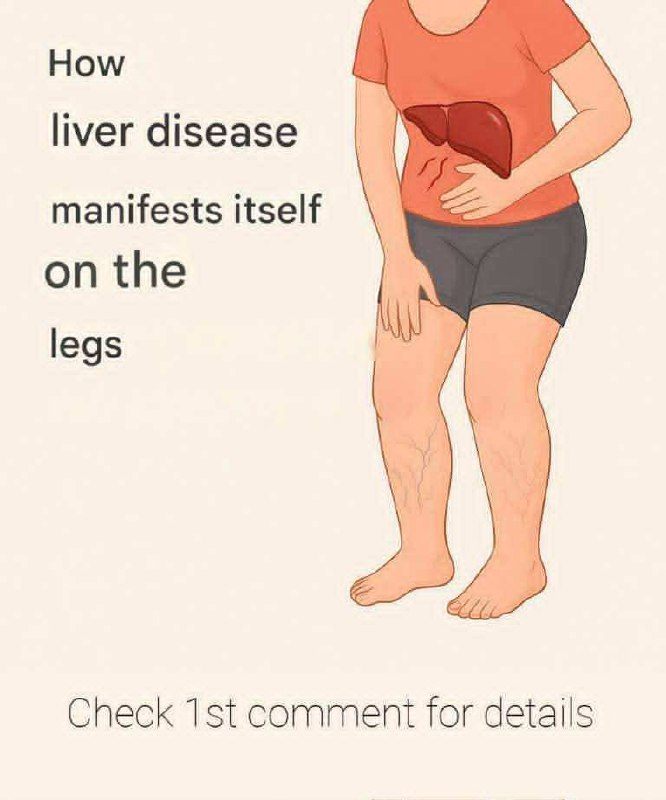
Your legs are screaming “HELP!”: 5 warning signs from your liver

Your legs might seem like an unlikely place for your body to send distress signals about your liver—but in reality, they can reveal a lot. The liver plays a central role in detoxification, metabolism, and fluid balance. When it begins to struggle, the signs can show up far from the abdomen—especially in your legs.

Here are five important warning signs your legs may be “screaming” that your liver needs help.


1. Persistent Swelling in the Legs (Edema)

One of the most common signs of liver trouble is swelling in the lower legs, ankles, and feet. This condition, known as edema, happens when fluid builds up in the tissues.

When your liver isn’t functioning properly, it produces less albumin—a protein that helps keep fluid in your bloodstream. Without enough albumin, fluid leaks into surrounding tissues, especially in gravity-dependent areas like your legs.

You may notice:

  • Tight, shiny skin on your legs
  • Indentations after pressing your finger into the skin (pitting edema)
  • Shoes or socks feeling tighter than usual

While occasional swelling can be harmless (like after long periods of standing), persistent or worsening edema should not be ignored.


2. Severe Itching (Pruritus)

If your legs feel intensely itchy without any visible rash, your liver might be involved. This type of itching is often linked to bile buildup in the bloodstream.

The liver produces bile to help digest fats. When bile flow is impaired—such as in conditions like Cholestasis—bile salts accumulate in the body and can irritate nerve endings in the skin.

Signs to watch for:

  • Itching that worsens at night
  • No visible cause like dryness or allergies
  • Scratching that leads to sores or skin damage

This type of itching can be extremely uncomfortable and is often overlooked as a simple skin issue.


3. Muscle Cramps and Weakness

Frequent leg cramps—especially at night—can be more than just dehydration or fatigue. Liver dysfunction can lead to imbalances in electrolytes and nutrients, which affect muscle function.

In advanced liver conditions such as Cirrhosis, the body struggles to store glycogen and regulate minerals like magnesium and potassium. This can result in:

  • Sudden, painful muscle cramps
  • Weakness in the legs
  • Difficulty walking or standing for long periods

These cramps may become more frequent and severe over time if the underlying issue isn’t addressed.


4. Darkened or Discolored Skin

Changes in the color of your skin—especially on your legs—can be a subtle but important sign of liver problems. You may notice:

  • Dark patches or hyperpigmentation
  • Yellowing of the skin (jaundice)
  • A dull, uneven skin tone

Jaundice occurs when bilirubin (a yellow pigment) builds up in the blood due to poor liver function. While it’s often most noticeable in the eyes, it can also affect the skin on your legs.

Additionally, poor circulation and toxin buildup can contribute to unusual skin discoloration, making your legs appear darker or blotchy.


5. Easy Bruising and Visible Veins

If your legs bruise easily or you notice more visible veins, your liver might be struggling to produce the proteins necessary for blood clotting.

The liver is responsible for making clotting factors. When it’s damaged, even minor bumps can lead to significant bruising. You might observe:

  • Large bruises from small impacts
  • Slow healing of cuts or injuries
  • Spider-like veins appearing under the skin

These spider veins, sometimes associated with liver disease, are caused by changes in blood flow and hormone imbalances.


Why the Liver Affects the Legs

It may seem surprising that liver issues show up in your legs, but the connection makes sense when you consider how the body works. The liver influences:

  • Blood circulation
  • Fluid balance
  • Nutrient storage
  • Toxin removal

When these systems are disrupted, the effects are often most visible in the extremities—especially the legs.


When to Take It Seriously

Not every leg symptom points to liver disease. However, you should pay close attention if you experience multiple symptoms at once, especially alongside other signs such as:

  • Fatigue
  • Loss of appetite
  • Abdominal swelling
  • Yellowing of the eyes

Early liver problems can be silent, but as damage progresses, these warning signs become more noticeable.


What You Can Do

If you suspect your liver may be behind your symptoms, don’t ignore it. Early action can make a significant difference.

Steps to consider:

  • Consult a healthcare professional for proper diagnosis
  • Get blood tests to check liver function
  • Reduce alcohol consumption
  • Maintain a balanced diet rich in fruits and vegetables
  • Stay hydrated and physically active

Final Thoughts

Your body has a remarkable way of sending signals when something isn’t right—and your legs can be one of those messengers. Swelling, itching, cramps, discoloration, and bruising may seem unrelated at first, but together they can point toward liver distress.

Listening to these signs early could help prevent more serious conditions down the road. If your legs are “crying out,” it might be time to check in on your liver.

Authentic Mexican Red Chili Sauce for Enchiladas

There’s something deeply comforting about a rich, smoky, and slightly spicy red chili sauce poured generously over enchiladas. Known as salsa roja para enchiladas, this traditional Mexican sauce is made from dried chilies, garlic, and simple pantry ingredients—but the depth of flavor it delivers is anything but simple. Unlike store-bought versions, an authentic homemade sauce captures the true essence of Mexican cooking: bold, earthy, and beautifully balanced.

This recipe will guide you step by step to create a classic red enchilada sauce using dried chilies like guajillo and ancho, which are staples in Mexican kitchens.


🌶️ Ingredients

  • 4 dried guajillo chilies (stems and seeds removed)
  • 2 dried ancho chilies (optional, for deeper flavor)
  • 2 cloves garlic
  • 1/4 medium onion
  • 2 cups water or chicken broth
  • 1 tablespoon vegetable oil or lard
  • 1/2 teaspoon ground cumin
  • 1/2 teaspoon dried oregano (Mexican oregano preferred)
  • Salt to taste

🔥 Step 1: Prepare the Chilies

Start by cleaning your dried chilies. Remove the stems and shake out the seeds. This step helps control bitterness and ensures a smoother sauce. Rinse the chilies quickly under running water to remove any dust.

Place them in a pot and cover with water. Bring to a gentle boil, then remove from heat and let them soak for about 10–15 minutes. This softens the chilies and makes them easier to blend.


🧄 Step 2: Blend the Sauce

Transfer the softened chilies into a blender. Add the garlic, onion, cumin, oregano, and about 1 to 1½ cups of the soaking liquid (or fresh broth for better flavor).

Blend until completely smooth. You want a velvety consistency without visible bits of skin. For an extra smooth sauce, strain the mixture through a fine mesh sieve—this step is traditional and makes a big difference in texture.


🍳 Step 3: Cook the Sauce

Heat the oil or lard in a saucepan over medium heat. Carefully pour in the blended sauce (it may splatter, so be cautious). Stir continuously for a few minutes.

Let the sauce simmer for about 10–15 minutes, allowing the flavors to deepen and the sauce to thicken slightly. Add salt to taste and adjust consistency with more broth if needed.


🌮 Step 4: Use for Enchiladas

Once your sauce is ready, it’s time to bring your enchiladas to life!

Lightly fry corn tortillas, dip them into the warm sauce, fill with shredded chicken, cheese, or beans, and roll them up. Place in a baking dish, pour more sauce on top, sprinkle with cheese, and bake until bubbly.


💡 Tips for Authentic Flavor

  • Choose the right chilies: Guajillo chilies provide a mild heat and bright flavor, while ancho chilies add richness and a hint of sweetness.
  • Don’t skip straining: This ensures a silky texture, just like in traditional Mexican kitchens.
  • Use broth instead of water: It enhances the depth and makes the sauce more savory.
  • Adjust spice level: Add a chile de árbol if you prefer extra heat.

🌟 Flavor Profile

This red enchilada sauce is:

  • Mild to medium spicy 🌶️
  • Slightly smoky
  • Rich and earthy
  • Balanced with subtle sweetness

🥄 Storage

You can store this sauce in an airtight container in the refrigerator for up to 5 days. It also freezes beautifully for up to 3 months—perfect for quick, delicious meals anytime.


❤️ Final Thoughts

Making authentic Mexican red chili sauce from scratch may seem like a small detail, but it completely transforms your enchiladas. The deep, layered flavors of dried chilies simply cannot be replicated by canned sauces. Once you try this homemade version, it’s hard to go back.

Whether you’re preparing a family dinner or exploring traditional Mexican cuisine, this sauce is a must-have recipe that delivers warmth, authenticity, and unforgettable flavor in every bite.