5 Vitamins That Stop Reflux (or Heartburn)

5 Vitamins That May Help Stop Reflux (or Heartburn)

Acid reflux, often experienced as heartburn, is a common digestive issue that can cause discomfort, a burning sensation in the chest, and even a sour taste in the mouth. While lifestyle changes and medications are often recommended, certain vitamins may also play a supportive role in managing symptoms naturally. These nutrients can help strengthen digestion, reduce inflammation, and support the body’s natural balance.

Below are five vitamins that may help reduce reflux symptoms, along with simple ways to incorporate them into your daily routine.


1. Vitamin B Complex – Supporting Digestive Function

The B vitamins, especially B6, B12, and folic acid, are essential for proper digestion and nervous system function. Some people with acid reflux have been found to have deficiencies in these vitamins.

How it helps:

  • Supports healthy nerve signals that control digestion
  • May reduce inflammation in the digestive tract
  • Helps regulate stomach acid production

Food sources:

  • Whole grains
  • Eggs
  • Leafy greens
  • Beans and lentils

Simple daily recipe idea:
Try a breakfast bowl with oatmeal, banana slices, and a sprinkle of nuts. This provides a natural boost of B vitamins while being gentle on the stomach.


2. Vitamin C – Healing and Protection

Vitamin C is widely known for boosting immunity, but it also plays a role in healing damaged tissues, including the lining of the esophagus that can be irritated by acid reflux.

How it helps:

  • Promotes tissue repair
  • Acts as an antioxidant
  • Supports immune defense against irritation

Important note:
Highly acidic forms (like citrus fruits) may trigger symptoms in some people. Opt for low-acid sources instead.

Gentle sources:

  • Papaya
  • Melons
  • Steamed broccoli
  • Sweet potatoes

Simple daily recipe idea:
Blend a smoothie with papaya, banana, and almond milk for a soothing, vitamin-rich drink.


3. Vitamin D – Reducing Inflammation

Vitamin D plays a crucial role in immune regulation and inflammation control. Chronic inflammation in the digestive tract can worsen reflux symptoms.

How it helps:

  • Reduces inflammation in the gut
  • Supports muscle function, including the lower esophageal sphincter (LES)
  • Helps maintain overall digestive health

Sources:

  • Sunlight exposure
  • Fortified milk or plant-based alternatives
  • Egg yolks
  • Fatty fish

Simple daily recipe idea:
Prepare a light lunch with grilled fish, steamed vegetables, and a small portion of brown rice to naturally boost vitamin D intake.


4. Vitamin A – Protecting the Esophagus

Vitamin A supports the health of mucous membranes, including the lining of the esophagus. This can help protect against irritation caused by stomach acid.

How it helps:

  • Maintains healthy tissue lining
  • Supports healing of damaged areas
  • Strengthens the digestive barrier

Food sources:

  • Carrots
  • Spinach
  • Sweet potatoes
  • Pumpkin

Simple daily recipe idea:
Make a soothing vegetable soup with carrots, pumpkin, and a pinch of ginger. It’s easy on the stomach and rich in vitamin A.


5. Vitamin E – Fighting Oxidative Stress

Vitamin E is a powerful antioxidant that helps reduce oxidative stress in the body. This can be beneficial for people experiencing chronic acid reflux.

How it helps:

  • Protects cells from damage
  • Reduces inflammation
  • Supports overall digestive health

Food sources:

  • Almonds
  • Sunflower seeds
  • Spinach
  • Avocados

Simple daily recipe idea:
Snack on a handful of almonds or add sliced avocado to a salad for a vitamin E boost.


Simple Anti-Reflux Vitamin Drink Recipe

Here’s a gentle, vitamin-rich drink you can try daily:

Ingredients:

  • 1 cup almond milk
  • ½ ripe banana
  • ½ cup papaya
  • 1 tablespoon oats
  • 1 teaspoon honey (optional)

Instructions:

  1. Add all ingredients to a blender.
  2. Blend until smooth.
  3. Drink in the morning or between meals.

Benefits:
This drink combines vitamins B, C, and E in a soothing form that’s less likely to trigger reflux symptoms.


Additional Tips for Managing Reflux

While vitamins can help, they work best when combined with healthy habits:

  • Eat smaller, more frequent meals
  • Avoid lying down right after eating
  • Limit spicy, fried, and fatty foods
  • Stay hydrated
  • Maintain a healthy weight

Final Thoughts

Vitamins alone won’t completely eliminate acid reflux, but they can be a helpful part of a natural approach to managing symptoms. By supporting digestion, reducing inflammation, and promoting healing, these nutrients can make a noticeable difference over time.

Always listen to your body—what works for one person may not work for another. If symptoms persist or worsen, it’s important to consult a healthcare professional for proper evaluation and treatment.

With the right balance of nutrition and lifestyle changes, relief from heartburn may be closer than you think.

5 common mistakes that cause older people to lose their balance

As people age, maintaining balance becomes increasingly important for independence, mobility, and overall quality of life. Unfortunately, many older adults unknowingly develop habits or overlook factors that can significantly increase their risk of losing balance and falling. Falls are not just minor accidents—they can lead to serious injuries such as fractures, reduced confidence, and long-term health complications. Understanding the most common mistakes can help prevent these risks and promote safer daily living.

Here are five common mistakes that often cause older people to lose their balance—and how to avoid them.


1. Ignoring Muscle Weakness

One of the biggest contributors to poor balance is muscle weakness, especially in the legs and core. As we age, muscle mass naturally decreases—a condition known as sarcopenia. However, many older adults make the mistake of becoming less active, which accelerates this decline.

Weak muscles make it harder to stabilize the body, especially when standing up, walking on uneven surfaces, or reacting quickly to prevent a fall. Even simple tasks like climbing stairs or getting out of a chair can become challenging.

How to avoid this mistake:
Incorporate light strength training into your routine. Exercises such as chair squats, leg lifts, and gentle resistance training can significantly improve muscle strength. Even regular walking can help maintain muscle tone and coordination.


2. Wearing Unsafe Footwear

Footwear plays a crucial role in balance, yet it is often overlooked. Many older individuals wear slippers, loose sandals, or shoes with smooth soles that lack proper grip. This increases the risk of slipping, especially on tiled or wet floors.

High heels, worn-out shoes, or footwear without proper support can also alter posture and reduce stability.

How to avoid this mistake:
Choose well-fitted shoes with non-slip soles and good arch support. Avoid walking barefoot or in socks on smooth surfaces. Proper footwear provides the stability needed to prevent unnecessary falls.


3. Poor Vision Management

Vision is a key component of balance. It helps the brain understand the environment and coordinate movement. However, many older adults neglect regular eye check-ups or continue using outdated prescriptions.

Conditions like cataracts, glaucoma, or age-related macular degeneration can impair depth perception and make it harder to detect obstacles.

How to avoid this mistake:
Schedule regular eye exams and update glasses as needed. Ensure your living space is well-lit, especially in hallways, staircases, and bathrooms. Good lighting can significantly reduce the risk of tripping or misjudging distances.


4. Taking Medications Without Awareness of Side Effects

Many older adults rely on medications to manage chronic conditions such as high blood pressure, diabetes, or heart disease. However, a common mistake is not being aware of the side effects these medications can cause.

Some medications may lead to dizziness, drowsiness, or a sudden drop in blood pressure when standing—known as orthostatic hypotension. These effects can greatly increase the risk of losing balance.

How to avoid this mistake:
Consult your doctor or pharmacist about the side effects of your medications. If you feel dizzy or unsteady after taking a medication, do not ignore it. Adjustments in dosage or timing may help reduce these risks.


5. Neglecting Balance and Coordination Exercises

Many people focus only on walking or general movement but ignore exercises specifically designed to improve balance and coordination. This is a critical mistake, as balance is a skill that can and should be trained.

Without regular practice, the body becomes less efficient at maintaining stability, especially when faced with sudden movements or uneven surfaces.

How to avoid this mistake:
Incorporate balance exercises into your daily routine. Simple activities like standing on one foot, heel-to-toe walking, or practicing gentle yoga can make a big difference. Programs like tai chi are particularly effective in improving balance and reducing fall risk.


Final Thoughts

Losing balance is not an inevitable part of aging—it is often the result of preventable habits and overlooked factors. By addressing these five common mistakes—ignoring muscle weakness, wearing improper footwear, neglecting vision care, overlooking medication side effects, and skipping balance exercises—older adults can greatly reduce their risk of falls.

Small, consistent changes in daily routines can lead to significant improvements in stability, confidence, and overall well-being. Staying active, aware, and proactive is the key to maintaining balance and enjoying a safer, more independent life.

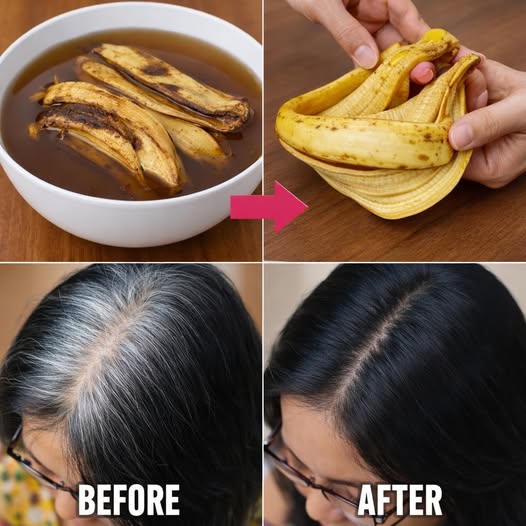
White hair to black hair naturally in just 3 minutes and grow long hair fast with Banana peel

In today’s fast-paced world, premature graying and slow hair growth have become common concerns. Pollution, stress, poor diet, and chemical-based hair products all contribute to weak, dull, and aging hair. While many people turn to expensive salon treatments and chemical dyes, nature offers simple, effective solutions—one of the most surprising being the humble banana peel.

Yes, banana peel is packed with nutrients that can help restore your hair’s natural color and boost growth. This easy, natural remedy can be prepared in just a few minutes and used regularly for visible results.


Why Banana Peel Works for Hair

Banana peels are often thrown away, but they are actually rich in essential nutrients that nourish your scalp and hair:

  • Potassium: Strengthens hair roots and reduces breakage
  • Antioxidants: Help fight premature graying
  • Vitamin B6 & B12: Support melanin production (responsible for hair color)
  • Magnesium: Improves scalp health and circulation

These nutrients work together to revive dull hair, slow down graying, and promote faster hair growth.


3-Minute Banana Peel Hair Remedy

This quick and natural remedy can be made at home using simple ingredients.

Ingredients:

  • 1 ripe banana peel
  • 1 tablespoon coconut oil
  • 1 teaspoon olive oil

Preparation:

  1. Cut the banana peel into small pieces.
  2. Blend it into a smooth paste.
  3. Add coconut oil and olive oil.
  4. Mix well until creamy.

The preparation takes only about 3 minutes, making it perfect for busy routines.


How to Apply

  1. Apply the mixture directly to your scalp and hair roots.
  2. Massage gently in circular motions for 5–10 minutes.
  3. Leave it on for 20–30 minutes.
  4. Wash with a mild shampoo and lukewarm water.

For best results, use this treatment 2–3 times per week.


Benefits of This Remedy

1. Helps Darken White Hair Naturally

Banana peel contains nutrients that support melanin production, which can gradually restore natural hair color. While it won’t instantly turn all white hair black overnight, consistent use can visibly reduce gray strands over time.

2. Boosts Hair Growth

The vitamins and minerals nourish hair follicles, encouraging faster and healthier growth. Many users notice softer, thicker hair within a few weeks.

3. Strengthens Hair Roots

Weak roots are a major cause of hair fall. This remedy strengthens the roots, reducing breakage and shedding.

4. Adds Natural Shine

Banana peel acts as a natural conditioner, leaving hair smooth, shiny, and manageable.

5. Improves Scalp Health

Its antimicrobial properties help reduce dandruff and dryness, creating a healthy environment for hair growth.


Extra Tips for Faster Results

To maximize the benefits of this natural remedy, consider these additional tips:

  • Maintain a balanced diet rich in fruits, vegetables, and protein
  • Stay hydrated to support hair health from within
  • Avoid excessive use of heat styling tools
  • Use mild, sulfate-free shampoos
  • Massage your scalp regularly to improve blood circulation

You can also combine banana peel treatment with other natural ingredients like aloe vera or onion juice for enhanced results.


Common Mistakes to Avoid

  • Using unripe banana peels: Always use ripe peels for better nutrient content
  • Skipping consistency: Natural remedies require regular use
  • Leaving it overnight initially: Start with shorter durations to avoid buildup
  • Expecting instant results: Hair repair takes time and patience

What to Expect

While some people claim dramatic results in a short time, it’s important to stay realistic. Natural remedies work gradually. Within a few weeks of consistent use, you may notice:

  • Reduced hair fall
  • Softer and shinier hair
  • Improved hair texture
  • Slower appearance of new gray hairs

Over time, your hair can become stronger, darker, and longer.


Final Thoughts

The banana peel hair remedy is a simple, affordable, and natural way to care for your hair without harmful chemicals. While it may not magically turn white hair black in just 3 minutes, it can significantly improve hair health, support natural color restoration, and promote faster growth when used consistently.

Nature often provides the best solutions—we just need to know where to look. Instead of throwing away banana peels, start using them as part of your hair care routine and experience the difference for yourself.

Protect Your Home and Wallet: Unplug These 5 Appliances When You’re Done Using Them

In today’s modern homes, convenience often comes with a hidden cost—both to your wallet and your safety. Many household appliances continue to draw power even when they’re turned off, a phenomenon known as “phantom” or “standby” energy consumption. Over time, this silent drain can add up on your electricity bill and even increase the risk of electrical hazards. The good news? A simple habit—unplugging certain devices when not in use—can make a big difference.

Here are five common appliances you should always consider unplugging after use, along with why it matters.


1. Kitchen Appliances (Toasters, Blenders, Coffee Makers)

Small kitchen appliances are among the biggest culprits when it comes to standby energy usage. Devices like toasters, blenders, and coffee makers often remain plugged in on countertops for convenience, but many continue to draw electricity even when idle.

Beyond energy waste, these appliances can also pose a fire hazard. Crumbs inside a toaster, for example, can ignite if there’s an electrical fault. Similarly, a coffee maker left plugged in could malfunction due to power surges.

Unplugging these appliances after each use not only saves energy but also reduces the risk of overheating or accidental activation.


2. Phone Chargers and Laptop Adapters

It’s common to leave chargers plugged into the wall even when they’re not actively charging a device. However, chargers continue to draw small amounts of electricity as long as they’re plugged in, even without a phone or laptop attached.

While the amount of energy used by a single charger may seem insignificant, multiple chargers left plugged in throughout your home can add up over time. Additionally, chargers can become warm and degrade faster if left connected continuously, increasing the risk of damage or even electrical issues.

A simple habit of unplugging chargers when not in use can extend their lifespan and cut down on unnecessary energy consumption.


3. Televisions and Entertainment Systems

Modern televisions, gaming consoles, and streaming devices often remain in standby mode rather than fully turning off. This allows for features like instant startup or remote control activation—but it also means they’re constantly using power.

Entertainment systems are typically connected to multiple devices, including sound systems, DVD players, and gaming consoles. Together, they can contribute significantly to your monthly electricity bill without you realizing it.

Using a power strip can make it easier to disconnect all devices at once. Simply switch off the strip when the system is not in use to eliminate standby power consumption completely.


4. Space Heaters and Fans

Portable heaters and fans are essential for comfort, especially during extreme weather. However, they can be dangerous if left plugged in when not in use.

Space heaters, in particular, are a leading cause of household fires. Even when switched off, a plugged-in heater can pose a risk if there’s a fault in the wiring or a sudden power surge. Fans, while generally safer, can still overheat or suffer electrical damage if left connected unnecessarily.

Unplugging these devices when you leave the room or go to bed is a simple but effective safety measure that can prevent accidents and save energy.


5. Hair Styling Tools (Hair Dryers, Straighteners, Curling Irons)

Hair styling tools generate high levels of heat and consume significant electricity. Devices like hair dryers, flat irons, and curling wands are often used briefly and then left plugged in, sometimes still warm.

This can be particularly dangerous, especially in bathrooms where moisture increases the risk of electrical shock. Even with built-in safety features, these tools can malfunction or accidentally turn on if left connected.

Make it a rule to unplug styling tools immediately after use and allow them to cool down safely. This not only protects your home but also ensures the longevity of the devices.


Why Unplugging Matters

Unplugging appliances isn’t just about saving a few rupees on your electricity bill—it’s about creating a safer, more efficient home. Standby power can account for up to 5–10% of residential energy use, depending on the number of devices you have.

Additionally, unplugging reduces the risk of electrical fires, protects your appliances from power surges, and extends their lifespan. In areas with unstable electricity supply or frequent voltage fluctuations, this habit becomes even more important.


Simple Tips to Make It Easier

Building the habit of unplugging doesn’t have to be inconvenient. Here are a few practical tips:

  • Use power strips: Group devices together and switch them off with one button.
  • Label plugs: This helps you identify which devices can be safely unplugged.
  • Create a routine: Make unplugging part of your daily habits, like before leaving the house or going to bed.
  • Invest in smart plugs: These allow you to control power usage remotely and schedule shutdown times.

Final Thoughts

In a world where energy efficiency and safety are more important than ever, small actions can lead to big results. Unplugging appliances after use is one of the simplest ways to reduce your energy consumption, lower your bills, and protect your home from potential hazards.

Start with these five common appliances and gradually expand the habit throughout your home. It’s a small change that delivers lasting benefits—for your wallet, your safety, and the environment.

Here’s how to clean dirty bed pillows to leave them white and smelling sweet

Cleaning dirty bed pillows at home is easier than most people think, and with the right method, you can restore them to a fresh, white, and sweet-smelling state. Over time, pillows absorb sweat, body oils, dust mites, and even bacteria, which can lead to discoloration and unpleasant odors. Instead of replacing them frequently, a proper deep-cleaning routine can extend their life and improve your sleep hygiene.

Below is a complete, step-by-step “recipe-style” guide to bring your pillows back to life.


🧼 What You’ll Need

  • 2 pillows (preferably washable—check the label)
  • 1 cup laundry detergent (liquid or powder)
  • ½ cup baking soda
  • 1 cup white vinegar
  • Optional: a few drops of essential oil (like lavender or lemon)
  • Hot water
  • Washing machine (top-loading works best, but front-loading is fine too)

🛏️ Step 1: Check the Pillow Type

Before you begin, always check the care label. Most cotton, down, feather, and synthetic pillows are machine washable. However, memory foam and latex pillows should not be soaked or machine washed—instead, spot clean those.

If your pillows are washable, you’re good to go.


🌬️ Step 2: Pre-Treat Stains and Odors

If your pillows have yellow stains (usually from sweat), it’s helpful to pre-treat them:

  • Mix a paste of baking soda and a little water.
  • Apply it directly to stained areas.
  • Let it sit for 20–30 minutes.

This helps break down oils and discoloration before the main wash.


🌀 Step 3: Load the Washing Machine Properly

Place two pillows in the washing machine at the same time. This balances the load and prevents the machine from shaking excessively.

Use hot water if the pillow material allows it. Hot water is key for killing bacteria and dust mites.


🧴 Step 4: Add Cleaning Ingredients

Add the following directly into the drum or detergent compartment:

  • 1 cup laundry detergent
  • ½ cup baking soda

Start the wash cycle. Once the machine fills with water and begins agitating, pause it and add:

  • 1 cup white vinegar

The combination of baking soda and vinegar helps deodorize, whiten, and remove buildup.


🌸 Step 5: Add a Fresh Scent (Optional)

If you want your pillows to smell amazing:

  • Add 5–10 drops of essential oil (lavender for relaxation, lemon for freshness)

This step is optional but highly recommended if you love that “just-cleaned” fragrance.


🔄 Step 6: Run an Extra Rinse Cycle

After the main wash finishes, run an additional rinse cycle. This ensures all detergent and residue are fully removed.

Leftover soap can make pillows stiff or attract more dirt later, so this step is important.


☀️ Step 7: Dry Thoroughly

Drying is just as important as washing. Damp pillows can develop mold or mildew.

Dryer Method:

  • Place pillows in the dryer on low or medium heat
  • Add clean tennis balls or dryer balls to help fluff them
  • Dry for 1–2 hours, checking occasionally

Sun-Drying Method:

  • Lay pillows flat in direct sunlight
  • Flip them every few hours
  • Sunlight naturally kills bacteria and leaves a fresh scent

Make sure pillows are completely dry before using them again.


✨ Bonus Whitening Boost (For Extra Dirty Pillows)

If your pillows are extremely yellowed or stained, you can upgrade your recipe:

  • Add ½ cup hydrogen peroxide
  • Add ½ cup dish soap

This combination works like a gentle bleaching agent without damaging fabric. Use it along with your detergent for a deeper clean.


🧴 Maintenance Tips

To keep your pillows fresh longer:

  • Use pillow protectors under your pillowcases
  • Wash pillowcases weekly
  • Wash pillows every 2–3 months
  • Fluff pillows daily to maintain shape and airflow

🚫 What to Avoid

  • Don’t overload the washing machine
  • Avoid high heat for delicate pillows
  • Never soak memory foam pillows
  • Don’t skip the drying step—this can cause odors and mold

🌙 Final Thoughts

A clean pillow isn’t just about appearance—it’s about comfort, hygiene, and better sleep. With this simple cleaning “recipe,” you can remove stains, eliminate odors, and restore softness without spending money on replacements.

By using everyday household ingredients like baking soda and vinegar, you’re not only saving money but also avoiding harsh chemicals. The result? Bright, fluffy pillows that smell sweet and feel like new.

Make this routine part of your home care schedule, and you’ll enjoy a cleaner, healthier sleeping environment every night.

One Vitamin That Could Transform Your Circulation

Good circulation is the foundation of overall health. It ensures that oxygen, nutrients, and hormones are efficiently delivered throughout the body while waste products are removed. When circulation is poor, you may notice symptoms like cold hands and feet, fatigue, swelling, numbness, or even more serious cardiovascular concerns over time. While lifestyle habits like exercise and hydration are essential, one often-overlooked factor that can significantly support circulation is a single powerful nutrient: Vitamin E.

Why Circulation Matters

Your circulatory system is responsible for keeping every cell in your body alive and functioning. Blood vessels carry oxygen-rich blood from the heart to tissues and return deoxygenated blood back to the lungs. When this system is compromised, it can lead to discomfort, reduced energy levels, and increased risk of chronic conditions.

Factors like aging, poor diet, smoking, lack of movement, and stress can negatively affect circulation. This is where Vitamin E steps in as a natural supporter of vascular health.

The Power of Vitamin E

Vitamin E is a fat-soluble antioxidant that plays a vital role in protecting your cells from oxidative stress. Oxidative stress occurs when free radicals damage cells, including those lining your blood vessels. Over time, this damage can lead to stiffness, narrowing, and reduced blood flow.

By neutralizing free radicals, Vitamin E helps maintain the flexibility and health of blood vessels. This allows blood to flow more freely and efficiently throughout the body.

How Vitamin E Improves Circulation

  1. Enhances Blood Vessel Function
    Vitamin E helps keep blood vessels relaxed and flexible, reducing resistance to blood flow. This can support healthy blood pressure levels and improve overall circulation.
  2. Prevents Blood Clot Formation
    It has mild blood-thinning properties, which can reduce the risk of unwanted clot formation. This is particularly beneficial for maintaining smooth blood flow.
  3. Supports Red Blood Cell Health
    Vitamin E protects red blood cells from damage, ensuring they can effectively carry oxygen throughout the body.
  4. Reduces Inflammation
    Chronic inflammation can damage blood vessels and impair circulation. Vitamin E’s anti-inflammatory properties help counteract this process.

Signs You May Benefit from Vitamin E

If you frequently experience the following, your circulation may need support:

  • Cold or numb hands and feet
  • Tingling sensations
  • Muscle cramps
  • Swelling in legs or ankles
  • Fatigue or low energy
  • Slow healing of wounds

While these symptoms can have multiple causes, improving your nutrient intake—especially Vitamin E—may help support better blood flow.

Natural Sources of Vitamin E

The best way to get Vitamin E is through a balanced diet. Here are some excellent natural sources:

  • Almonds
  • Sunflower seeds
  • Spinach
  • Avocados
  • Olive oil
  • Peanuts
  • Pumpkin seeds

Including these foods in your daily meals can naturally boost your Vitamin E levels and support circulation over time.

A Simple “Circulation Boost” Recipe

Here’s an easy and delicious way to incorporate Vitamin E-rich foods into your routine:

Vitamin E Power Smoothie

Ingredients:

  • 1 ripe avocado
  • 1 tablespoon almond butter
  • 1 cup fresh spinach
  • 1 tablespoon sunflower seeds
  • 1 cup unsweetened milk (almond or dairy)
  • 1 teaspoon honey (optional)
  • A few ice cubes

Instructions:

  1. Add all ingredients into a blender.
  2. Blend until smooth and creamy.
  3. Drink immediately for maximum nutrient benefits.

This smoothie is rich in healthy fats, antioxidants, and essential nutrients that support healthy blood flow.

Should You Take Supplements?

Vitamin E supplements are widely available, but they should be used with caution. High doses can interfere with certain medications or increase bleeding risk. It’s always best to consult a healthcare professional before starting any supplement, especially if you have underlying health conditions or take blood thinners.

For most people, getting Vitamin E through food is both safe and effective.

Additional Tips for Better Circulation

While Vitamin E can play a powerful role, combining it with healthy habits will give you the best results:

  • Stay active: Regular walking, stretching, or exercise keeps blood moving.
  • Hydrate well: Proper hydration helps maintain blood volume and flow.
  • Avoid smoking: Smoking damages blood vessels and restricts circulation.
  • Manage stress: Chronic stress can constrict blood vessels.
  • Maintain a healthy weight: This reduces strain on your circulatory system.

Final Thoughts

Vitamin E is a simple yet powerful nutrient that can support healthier circulation naturally. By protecting blood vessels, improving blood flow, and reducing inflammation, it plays a key role in maintaining overall cardiovascular health.

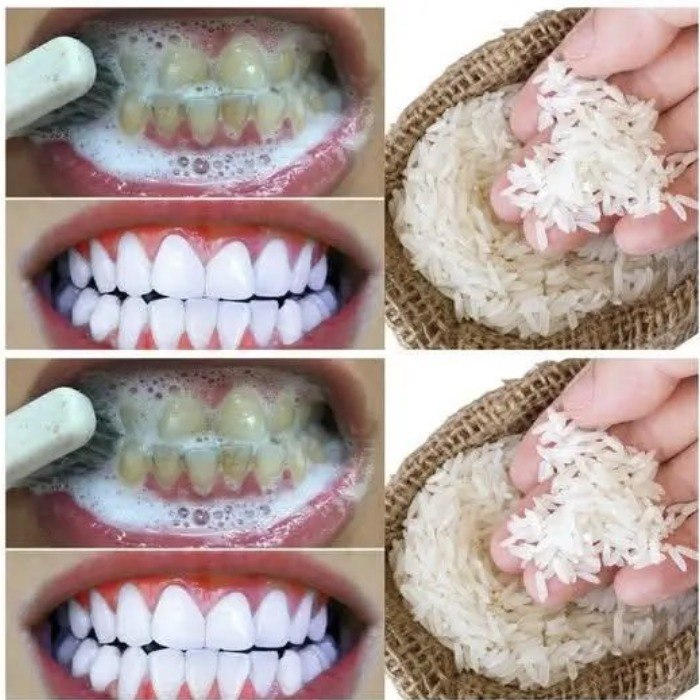
Whiten your teeth in just 1 minute with this simple home trick.

A bright, white smile is often seen as a sign of good health, confidence, and personal care. Over time, however, teeth can become stained due to coffee, tea, smoking, or simply aging. While professional whitening treatments can be expensive, there are simple home remedies that may help improve the appearance of your teeth quickly and naturally. One popular method claims to whiten teeth in just one minute using common household ingredients. Let’s explore this easy trick, how it works, and how to use it safely.


🌿 The 1-Minute Teeth Whitening Trick

This quick home remedy typically involves a mixture of baking soda and lemon juice—two ingredients known for their cleaning and brightening properties.

🧾 Ingredients:

  • 1/2 teaspoon baking soda
  • A few drops of fresh lemon juice

🥄 Instructions:

  1. In a small bowl, mix the baking soda with enough lemon juice to form a paste.
  2. Apply the mixture to your teeth using a toothbrush or clean finger.
  3. Leave it on for no more than 1 minute.
  4. Rinse thoroughly with water.
  5. Brush your teeth with regular toothpaste afterward.

✨ Why This Works

  • Baking Soda: A mild abrasive that helps remove surface stains from teeth. It also has natural whitening properties and can neutralize acids in the mouth.
  • Lemon Juice: Contains citric acid, which can help break down stains and brighten teeth.

Together, they create a powerful combination that can give your teeth a noticeably cleaner and brighter look—sometimes even after just one use.


⚠️ Important Safety Tips

While this trick can be effective, it’s important to use it carefully:

  • Do not use daily: The acidity of lemon juice can weaken tooth enamel if overused. Limit use to once a week or less.
  • Keep it short: Never leave the mixture on your teeth for more than 1 minute.
  • Always rinse well: This helps remove acid and protect your enamel.
  • Follow with toothpaste: Brushing afterward helps restore balance in your mouth.

Remember, enamel does not grow back—so protecting it is essential.


🌟 Alternative Gentle Whitening Options

If you prefer a less acidic method, here are some safer alternatives:

1. Baking Soda + Water

Mix baking soda with water instead of lemon juice for a gentler whitening paste.

2. Coconut Oil Pulling

Swish 1 tablespoon of coconut oil in your mouth for 10–15 minutes daily. This may help reduce bacteria and improve overall oral health.

3. Hydrogen Peroxide (Diluted)

Use a diluted solution as a mouth rinse occasionally. It has mild bleaching properties but should be used cautiously.


🍎 Foods That Naturally Help Whiten Teeth

Certain foods can help clean and brighten your teeth naturally:

  • Apples
  • Strawberries
  • Carrots
  • Celery

These foods stimulate saliva production and help scrub away plaque and stains.


🚫 What to Avoid

To maintain a white smile, try to limit:

  • Coffee and tea
  • Red wine
  • Soda
  • Smoking or tobacco use

If you do consume staining foods or drinks, rinse your mouth with water afterward to reduce their impact.


🦷 When to Consider Professional Help

Home remedies can improve surface stains, but they won’t change the natural color of your teeth or remove deep discoloration. If you want long-lasting or dramatic results, consider professional whitening treatments from a dentist.


💡 Final Thoughts

This simple 1-minute home trick using baking soda and lemon juice can give your teeth a quick brightness boost when used occasionally and carefully. While it’s not a miracle cure, it’s a budget-friendly way to enhance your smile at home.

ATORVASTATIN SIDE EFFECTS: 15 Hidden Dangers Your Doctor Might Not Tell You About

Atorvastatin is one of the most commonly prescribed medications worldwide, used to lower cholesterol and reduce the risk of heart attack and stroke. While it can be highly effective and even life-saving, many people are unaware of the full range of potential side effects—especially those that are less commonly discussed.

It’s important to understand that not everyone experiences these issues, and many people tolerate atorvastatin well. However, being informed helps you recognize early warning signs and make better decisions about your health.

1. Muscle Pain and Weakness

One of the most widely reported side effects is muscle discomfort. This can range from mild soreness to severe weakness. In rare cases, it may develop into a serious condition called rhabdomyolysis, which can damage the kidneys.

2. Liver Function Changes

Atorvastatin can affect liver enzymes. While often mild, some people may develop significant liver irritation. Symptoms to watch for include fatigue, dark urine, or yellowing of the skin.

3. Increased Blood Sugar Levels

Research suggests statins may slightly raise blood sugar levels, potentially increasing the risk of developing Type 2 Diabetes in some individuals, especially those already at risk.

4. Digestive Problems

Common complaints include nausea, constipation, diarrhea, or stomach pain. These symptoms are usually temporary but can persist in some cases.

5. Memory Issues

Some users report forgetfulness or confusion. While evidence is mixed, these cognitive symptoms tend to improve once the medication is stopped.

6. Sleep Disturbances

Insomnia or unusual dreams can occur. Though not widely discussed, sleep disruption may impact overall well-being over time.

7. Headaches

Frequent or persistent headaches may develop, especially during the early stages of treatment.

8. Fatigue and Low Energy

A general feeling of tiredness or lack of energy is another possible side effect. This may be linked to how the drug affects muscle cells and metabolism.

9. Joint Pain

Some individuals experience joint stiffness or pain, which can sometimes be mistaken for aging or arthritis.

10. Nerve Problems

In rare cases, statins have been linked to peripheral neuropathy—a condition causing tingling, numbness, or burning sensations in the hands and feet.

11. Hormonal Effects

Cholesterol is essential for hormone production. Lowering it significantly may, in rare instances, affect hormone balance, potentially influencing mood or sexual health.

12. Allergic Reactions

Though uncommon, some people may experience allergic reactions such as rash, itching, or swelling. Severe reactions require immediate medical attention.

13. Kidney Stress

Severe muscle breakdown (rhabdomyolysis) can release proteins into the bloodstream that strain the kidneys, potentially leading to serious complications.

14. Interaction with Other Medications

Atorvastatin can interact with certain antibiotics, antifungals, and even grapefruit, increasing the risk of side effects. Always inform your doctor about everything you take.

15. Mood Changes

Some users report mood swings, irritability, or even mild depression. While not officially listed as a common side effect, patient reports suggest it may occur in certain individuals.


Should You Be Worried?

While this list may seem alarming, it’s important to keep perspective. Millions of people take atorvastatin safely every day. The benefits—such as reducing the risk of heart attack and stroke—often outweigh the risks, especially for those with high cholesterol or existing heart disease.

However, you should never ignore unusual symptoms. If you experience persistent muscle pain, extreme fatigue, or any concerning changes, consult your healthcare provider promptly.

Tips for Safer Use

  • Take the medication exactly as prescribed
  • Avoid excessive grapefruit consumption
  • Get regular blood tests to monitor liver function
  • Stay hydrated and maintain a balanced diet
  • Report any unusual symptoms early

Final Thoughts

Atorvastatin remains a powerful tool in preventing cardiovascular disease, but like any medication, it’s not without risks. Understanding these “hidden” side effects doesn’t mean you should avoid treatment—it means you should use it wisely and stay informed.

1 shot helps arteries instantly, preventing heart attack & stroke

When it comes to protecting your heart, there is no true “instant cure” that can completely prevent a heart attack or stroke in one sip. Conditions like heart attack and stroke develop over time due to factors like diet, lifestyle, stress, and underlying health issues. However, certain natural ingredients can help support healthy blood flow, reduce inflammation, and promote overall cardiovascular wellness when used consistently.

This powerful, nutrient-rich “artery support shot” combines ingredients known for their heart-friendly properties. Think of it as a daily wellness boost—not a miracle fix, but a helpful addition to a balanced lifestyle.


🌿 Artery Support Wellness Shot (Natural Recipe)

🥄 Ingredients:

  • 1 tablespoon fresh lemon juice
  • 1 teaspoon grated ginger
  • 1 small clove garlic (crushed)
  • 1 teaspoon raw honey
  • 1 tablespoon apple cider vinegar
  • A pinch of cayenne pepper
  • 2 tablespoons warm water

🥣 Instructions:

  1. In a small glass, combine the lemon juice and warm water.
  2. Add the grated ginger and crushed garlic.
  3. Stir in the apple cider vinegar and raw honey.
  4. Sprinkle a pinch of cayenne pepper.
  5. Mix well and let sit for 1–2 minutes.
  6. Drink it in one shot, preferably in the morning on an empty stomach.

💚 Why These Ingredients Help

🍋 Lemon Juice

Rich in vitamin C and antioxidants, lemon helps combat oxidative stress and supports blood vessel function.

🧄 Garlic

Garlic is widely studied for its ability to support healthy cholesterol levels and improve circulation. It may help reduce plaque buildup in arteries over time.

🌱 Ginger

Ginger has anti-inflammatory properties and may help lower blood pressure and improve blood flow.

🍯 Raw Honey

Provides natural sweetness and contains antioxidants that support heart health.

🍎 Apple Cider Vinegar

May help regulate blood sugar levels and support overall metabolic health.

🌶️ Cayenne Pepper

Contains capsaicin, which can promote circulation and may help relax blood vessels.


⚠️ Important Reality Check

While this drink contains beneficial ingredients, it does not instantly clear arteries or guarantee prevention of serious conditions like atherosclerosis. Claims that a single shot can “instantly prevent” heart attacks or strokes are misleading.

True cardiovascular protection involves:

  • Maintaining a balanced diet
  • Regular physical activity
  • Managing stress
  • Avoiding smoking
  • Monitoring blood pressure and cholesterol

🧠 Who Should Be Careful?

This shot may not be suitable for everyone. Use caution if you:

  • Have stomach sensitivity or acid reflux
  • Take blood-thinning medications
  • Have low blood pressure
  • Are allergic to any ingredients

If you have a history of heart conditions or are at risk for cardiovascular disease, it’s always best to consult a healthcare professional before trying new remedies.


🌟 Final Thoughts

This natural wellness shot can be a refreshing and beneficial addition to your daily routine. While it won’t work miracles overnight, consistent use alongside a healthy lifestyle may support better circulation and heart health over time.

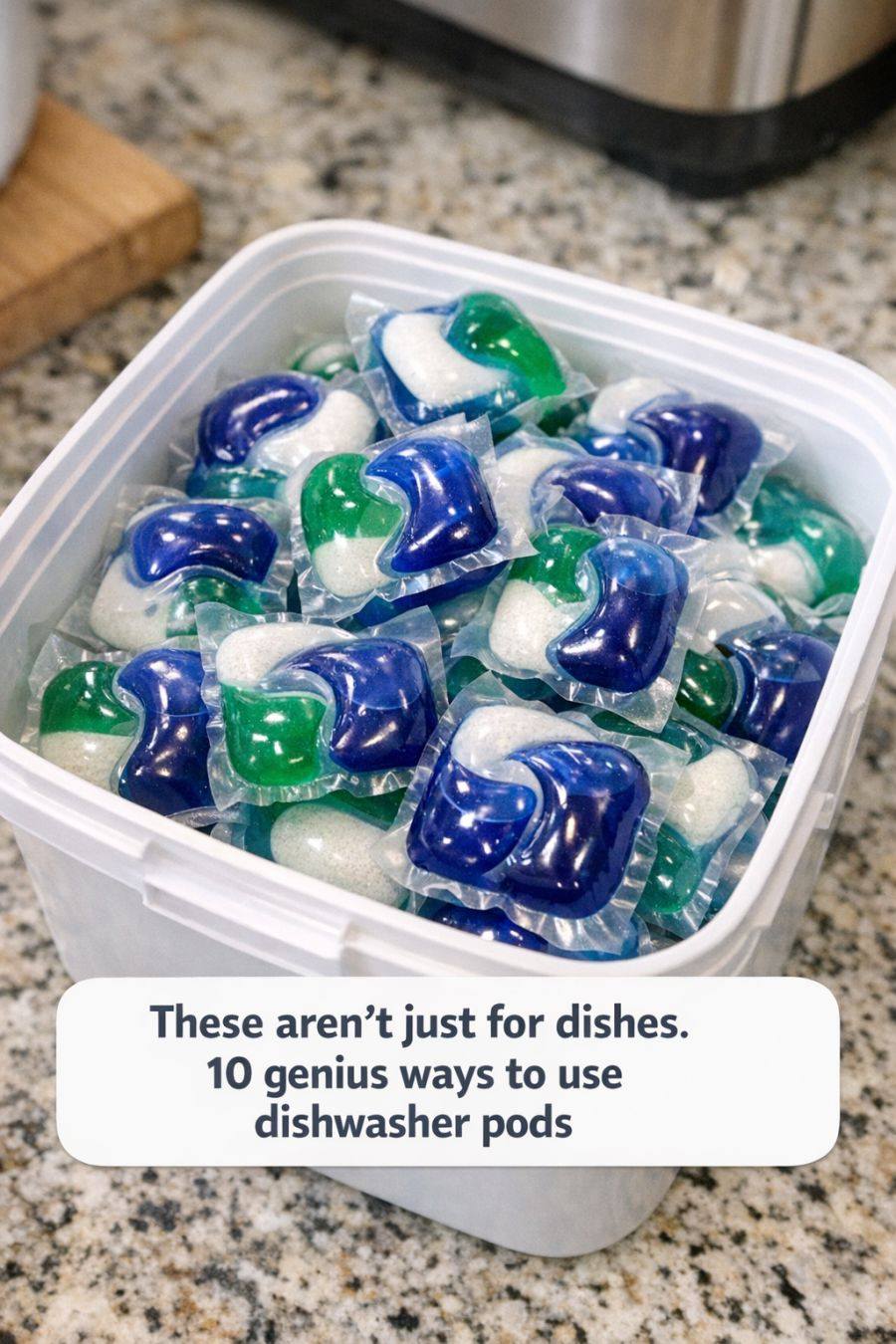
These aren’t just for dishes. 10 genius ways to use dishwasher pods

Dishwasher pods are often seen as a one-purpose product—simply pop one into your dishwasher, press start, and let it do the work. But these compact cleaning powerhouses are packed with grease-fighting agents, stain removers, and water-softening ingredients that make them incredibly versatile beyond the kitchen. With a little creativity and care, you can use dishwasher pods in surprising ways to tackle tough cleaning tasks around your home. Here are 10 genius ways to make the most of them.

First, dishwasher pods are excellent for deep-cleaning greasy oven racks. Oven racks tend to collect stubborn grime that’s difficult to remove with regular dish soap. Fill a bathtub or large basin with hot water, drop in a dishwasher pod, and let the racks soak overnight. By morning, most of the grease will wipe away with minimal scrubbing, leaving your racks looking nearly new.

Second, they can help restore stained coffee mugs and teacups. Over time, tannins from tea and coffee leave unsightly brown stains that are hard to remove. Dissolve a small piece of a dishwasher pod in hot water inside the mug and let it sit for 15–20 minutes. A quick rinse and light scrub will often remove the stains completely.

Another clever use is for cleaning trash cans. Garbage bins can develop strong odors and sticky residue. Fill the bottom with hot water and drop in a pod. Let it sit for about 30 minutes before scrubbing and rinsing. The pod’s cleaning agents break down grime and neutralize odors effectively.

Dishwasher pods can also be used to clean outdoor plastic furniture. Patio chairs and tables often accumulate dirt, pollen, and weather stains. Dissolve a pod in a bucket of warm water and use a sponge or brush to scrub surfaces. The results are impressive, especially on white or light-colored furniture.

For those dealing with greasy kitchen cabinets, dishwasher pods can be a game changer. Kitchen cabinets, especially those near the stove, can become coated with a thin layer of grease over time. Mix a small amount of dissolved pod solution with warm water, dip a cloth into it, and gently wipe down cabinet surfaces. Be sure to test on a small area first to avoid damage to finishes.

Dishwasher pods are also useful for cleaning your washing machine. Yes, the appliance that cleans your clothes needs cleaning too. Place one pod directly into the empty drum and run a hot cycle. This helps remove detergent buildup, odors, and residue, keeping your machine fresh and efficient.

Another unexpected use is for cleaning tile grout. Grout lines can trap dirt and become discolored. Dissolve part of a pod in warm water to create a cleaning solution, then apply it to grout lines using a brush. After a bit of scrubbing and rinsing, the grout will look noticeably brighter.

Dishwasher pods can even help remove stains from walls. Marks, fingerprints, and smudges on painted walls can be tricky to clean. A diluted solution made from a small piece of a pod and warm water can gently lift stains. Use a soft cloth and avoid over-scrubbing to protect the paint.

If you have baking sheets covered in baked-on grease, dishwasher pods can help restore them. Fill the sink with hot water, add a pod, and let the baking sheets soak for an hour or two. The powerful formula breaks down stubborn residue, making it easier to scrub clean.

Finally, dishwasher pods can be used to clean your bathroom, particularly for tackling soap scum and grime in tubs and sinks. Dissolve a pod in warm water and use the solution to scrub surfaces. It works especially well on tough buildup, leaving surfaces shiny and refreshed.

While these uses are incredibly effective, it’s important to handle dishwasher pods with care. They are highly concentrated and can be harsh on certain materials, including delicate fabrics, natural wood, or some painted surfaces. Always test a small, hidden area first and wear gloves if you have sensitive skin.

In conclusion, dishwasher pods are far more versatile than most people realize. From tackling stubborn grease and stains to refreshing household items, they offer a powerful and convenient cleaning solution. By thinking beyond the dishwasher, you can save time, reduce the number of cleaning products you need, and make your home sparkle in unexpected ways.