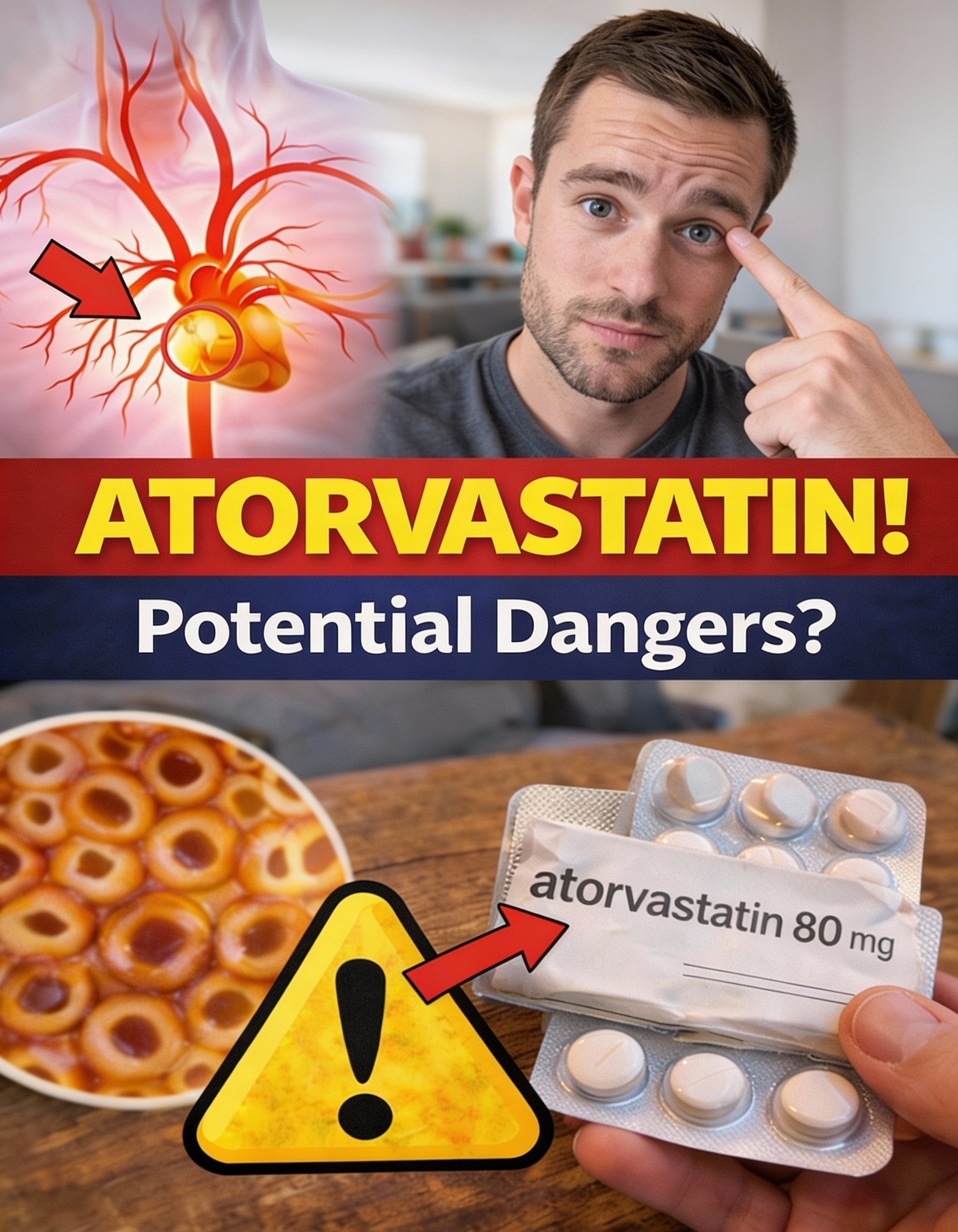
Atorvastatin is one of the most commonly prescribed medications worldwide, used to lower cholesterol and reduce the risk of heart attack and stroke. While it can be highly effective and even life-saving, many people are unaware of the full range of potential side effects—especially those that are less commonly discussed.
🚀 Make Money Online – Up to $50 Per Day!
It’s important to understand that not everyone experiences these issues, and many people tolerate atorvastatin well. However, being informed helps you recognize early warning signs and make better decisions about your health.
1. Muscle Pain and Weakness
One of the most widely reported side effects is muscle discomfort. This can range from mild soreness to severe weakness. In rare cases, it may develop into a serious condition called rhabdomyolysis, which can damage the kidneys.
2. Liver Function Changes
Atorvastatin can affect liver enzymes. While often mild, some people may develop significant liver irritation. Symptoms to watch for include fatigue, dark urine, or yellowing of the skin.
3. Increased Blood Sugar Levels
Research suggests statins may slightly raise blood sugar levels, potentially increasing the risk of developing Type 2 Diabetes in some individuals, especially those already at risk.
4. Digestive Problems
Common complaints include nausea, constipation, diarrhea, or stomach pain. These symptoms are usually temporary but can persist in some cases.
5. Memory Issues
Some users report forgetfulness or confusion. While evidence is mixed, these cognitive symptoms tend to improve once the medication is stopped.
6. Sleep Disturbances
Insomnia or unusual dreams can occur. Though not widely discussed, sleep disruption may impact overall well-being over time.
7. Headaches
Frequent or persistent headaches may develop, especially during the early stages of treatment.
8. Fatigue and Low Energy
A general feeling of tiredness or lack of energy is another possible side effect. This may be linked to how the drug affects muscle cells and metabolism.
9. Joint Pain
Some individuals experience joint stiffness or pain, which can sometimes be mistaken for aging or arthritis.
10. Nerve Problems
In rare cases, statins have been linked to peripheral neuropathy—a condition causing tingling, numbness, or burning sensations in the hands and feet.
11. Hormonal Effects
Cholesterol is essential for hormone production. Lowering it significantly may, in rare instances, affect hormone balance, potentially influencing mood or sexual health.
12. Allergic Reactions
Though uncommon, some people may experience allergic reactions such as rash, itching, or swelling. Severe reactions require immediate medical attention.
13. Kidney Stress
Severe muscle breakdown (rhabdomyolysis) can release proteins into the bloodstream that strain the kidneys, potentially leading to serious complications.
14. Interaction with Other Medications
Atorvastatin can interact with certain antibiotics, antifungals, and even grapefruit, increasing the risk of side effects. Always inform your doctor about everything you take.
15. Mood Changes
Some users report mood swings, irritability, or even mild depression. While not officially listed as a common side effect, patient reports suggest it may occur in certain individuals.
Should You Be Worried?
While this list may seem alarming, it’s important to keep perspective. Millions of people take atorvastatin safely every day. The benefits—such as reducing the risk of heart attack and stroke—often outweigh the risks, especially for those with high cholesterol or existing heart disease.
However, you should never ignore unusual symptoms. If you experience persistent muscle pain, extreme fatigue, or any concerning changes, consult your healthcare provider promptly.
Tips for Safer Use
- Take the medication exactly as prescribed
- Avoid excessive grapefruit consumption
- Get regular blood tests to monitor liver function
- Stay hydrated and maintain a balanced diet
- Report any unusual symptoms early
Final Thoughts
Atorvastatin remains a powerful tool in preventing cardiovascular disease, but like any medication, it’s not without risks. Understanding these “hidden” side effects doesn’t mean you should avoid treatment—it means you should use it wisely and stay informed.
