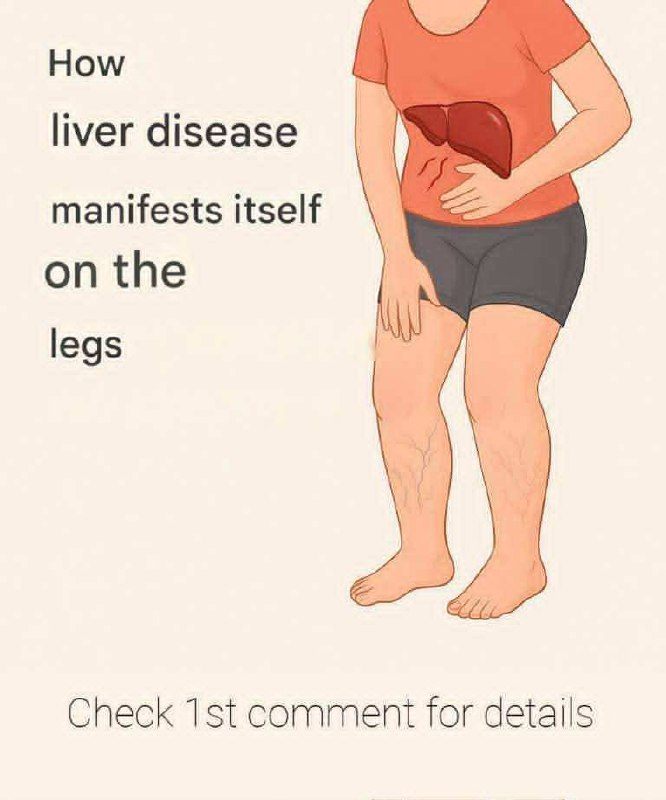
Your legs might seem like an unlikely place for your body to send distress signals about your liver—but in reality, they can reveal a lot. The liver plays a central role in detoxification, metabolism, and fluid balance. When it begins to struggle, the signs can show up far from the abdomen—especially in your legs.
🚀 Make Money Online – Up to $50 Per Day!
Here are five important warning signs your legs may be “screaming” that your liver needs help.
1. Persistent Swelling in the Legs (Edema)
One of the most common signs of liver trouble is swelling in the lower legs, ankles, and feet. This condition, known as edema, happens when fluid builds up in the tissues.
When your liver isn’t functioning properly, it produces less albumin—a protein that helps keep fluid in your bloodstream. Without enough albumin, fluid leaks into surrounding tissues, especially in gravity-dependent areas like your legs.
You may notice:
- Tight, shiny skin on your legs
- Indentations after pressing your finger into the skin (pitting edema)
- Shoes or socks feeling tighter than usual
While occasional swelling can be harmless (like after long periods of standing), persistent or worsening edema should not be ignored.
2. Severe Itching (Pruritus)
If your legs feel intensely itchy without any visible rash, your liver might be involved. This type of itching is often linked to bile buildup in the bloodstream.
The liver produces bile to help digest fats. When bile flow is impaired—such as in conditions like Cholestasis—bile salts accumulate in the body and can irritate nerve endings in the skin.
Signs to watch for:
- Itching that worsens at night
- No visible cause like dryness or allergies
- Scratching that leads to sores or skin damage
This type of itching can be extremely uncomfortable and is often overlooked as a simple skin issue.
3. Muscle Cramps and Weakness
Frequent leg cramps—especially at night—can be more than just dehydration or fatigue. Liver dysfunction can lead to imbalances in electrolytes and nutrients, which affect muscle function.
In advanced liver conditions such as Cirrhosis, the body struggles to store glycogen and regulate minerals like magnesium and potassium. This can result in:
- Sudden, painful muscle cramps
- Weakness in the legs
- Difficulty walking or standing for long periods
These cramps may become more frequent and severe over time if the underlying issue isn’t addressed.
4. Darkened or Discolored Skin
Changes in the color of your skin—especially on your legs—can be a subtle but important sign of liver problems. You may notice:
- Dark patches or hyperpigmentation
- Yellowing of the skin (jaundice)
- A dull, uneven skin tone
Jaundice occurs when bilirubin (a yellow pigment) builds up in the blood due to poor liver function. While it’s often most noticeable in the eyes, it can also affect the skin on your legs.
Additionally, poor circulation and toxin buildup can contribute to unusual skin discoloration, making your legs appear darker or blotchy.
5. Easy Bruising and Visible Veins
If your legs bruise easily or you notice more visible veins, your liver might be struggling to produce the proteins necessary for blood clotting.
The liver is responsible for making clotting factors. When it’s damaged, even minor bumps can lead to significant bruising. You might observe:
- Large bruises from small impacts
- Slow healing of cuts or injuries
- Spider-like veins appearing under the skin
These spider veins, sometimes associated with liver disease, are caused by changes in blood flow and hormone imbalances.
Why the Liver Affects the Legs
It may seem surprising that liver issues show up in your legs, but the connection makes sense when you consider how the body works. The liver influences:
- Blood circulation
- Fluid balance
- Nutrient storage
- Toxin removal
When these systems are disrupted, the effects are often most visible in the extremities—especially the legs.
When to Take It Seriously
Not every leg symptom points to liver disease. However, you should pay close attention if you experience multiple symptoms at once, especially alongside other signs such as:
- Fatigue
- Loss of appetite
- Abdominal swelling
- Yellowing of the eyes
Early liver problems can be silent, but as damage progresses, these warning signs become more noticeable.
What You Can Do
If you suspect your liver may be behind your symptoms, don’t ignore it. Early action can make a significant difference.
Steps to consider:
- Consult a healthcare professional for proper diagnosis
- Get blood tests to check liver function
- Reduce alcohol consumption
- Maintain a balanced diet rich in fruits and vegetables
- Stay hydrated and physically active
Final Thoughts
Your body has a remarkable way of sending signals when something isn’t right—and your legs can be one of those messengers. Swelling, itching, cramps, discoloration, and bruising may seem unrelated at first, but together they can point toward liver distress.
Listening to these signs early could help prevent more serious conditions down the road. If your legs are “crying out,” it might be time to check in on your liver.
