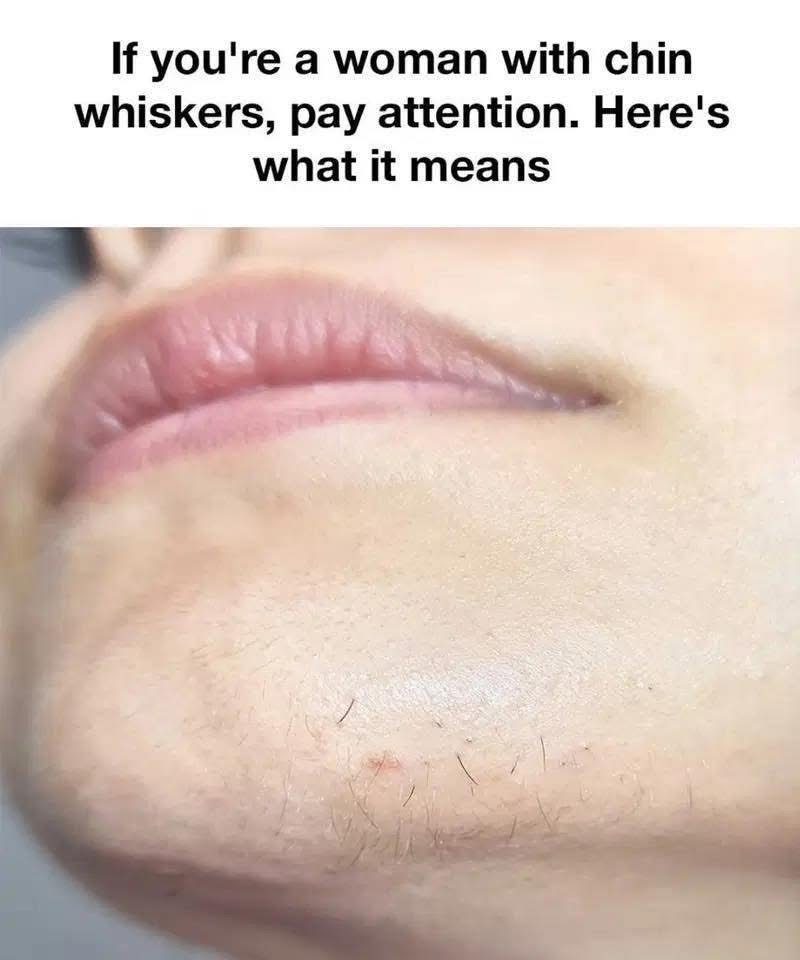
a topic that many women experience but often feel uncomfortable discussing: chin whiskers or facial hair growth. While it may seem unusual or even alarming at first, the truth is that facial hair in women is more common than you might think—and in many cases, it’s completely normal. However, sometimes it can also signal underlying health conditions that deserve attention.
🚀 Make Money Online – Up to $50 Per Day!
Let’s break it down clearly and honestly.
Understanding Why Chin Hair Happens
All women have hair follicles on their face, including the chin. Most of this hair is fine, light, and barely noticeable (often called “peach fuzz”). However, in some cases, these hairs can become darker, thicker, and more visible. This is usually influenced by hormones—specifically androgens, which are often referred to as “male hormones” but are naturally present in women too.
When androgen levels increase or the body becomes more sensitive to them, facial hair can become more prominent. This is not necessarily dangerous, but it is a signal that something in the body’s hormonal balance may have shifted.
Common Causes of Chin Whiskers in Women
1. Hormonal Imbalance
One of the most common reasons for chin hair growth is a hormonal imbalance. This can happen during puberty, pregnancy, or menopause. Even stress and lifestyle changes can affect hormone levels and lead to increased hair growth.
2. Polycystic Ovary Syndrome (PCOS)
PCOS is a common condition that affects many women of reproductive age. It often causes symptoms such as irregular periods, acne, weight gain, and excess facial or body hair (a condition known as hirsutism). If chin hair appears along with these symptoms, it’s worth consulting a doctor.
3. Genetics
Sometimes, it’s simply in your DNA. If women in your family have noticeable facial hair, you are more likely to have it too. This is especially common in certain ethnic backgrounds.
4. Aging and Menopause
As women age, estrogen levels decline while androgen levels may remain steady or relatively higher. This hormonal shift can lead to increased facial hair, especially on the chin and upper lip.
5. Medications
Certain medications can trigger increased hair growth as a side effect. These may include some hormone treatments or drugs that affect the endocrine system.
When Should You Be Concerned?
Not every chin hair is a cause for alarm. However, you should pay closer attention if:
- The hair growth is sudden and excessive
- It’s accompanied by other symptoms like irregular periods, severe acne, or hair thinning on the scalp
- Your voice deepens or you notice other unusual physical changes
In such cases, it’s important to seek medical advice. A healthcare provider may recommend blood tests or other evaluations to check hormone levels.
Ways to Manage Chin Hair
If chin whiskers bother you, there are many safe and effective ways to manage them.
1. Tweezing or Threading
These are simple, affordable options for removing a few stray hairs. However, they can be time-consuming if hair growth is more extensive.
2. Waxing
Waxing removes hair from the root and keeps the skin smooth for longer periods. It can be done at home or professionally.
3. Shaving
Contrary to popular myths, shaving does not make hair grow back thicker. It’s actually a quick and safe option when done correctly with clean tools.
4. Laser Hair Removal
This is a long-term solution that reduces hair growth over time. It works best on darker hair and may require multiple sessions.
5. Electrolysis
A more permanent solution, electrolysis destroys individual hair follicles. It is effective but can be time-intensive and costly.
6. Medical Treatments
If the cause is hormonal, a doctor may prescribe medications such as birth control pills or anti-androgen drugs to regulate hormone levels and reduce hair growth.
Emotional and Social Impact
It’s important to acknowledge that facial hair can affect self-confidence. Society often places unrealistic expectations on women’s appearance, which can make something natural feel embarrassing. But the reality is, this is a common experience shared by many women worldwide.
There is no need for shame. Whether you choose to remove the hair or embrace it, the decision is entirely yours.
Natural Approaches and Lifestyle Support
While they may not completely eliminate chin hair, some lifestyle changes can help balance hormones:
- Eating a balanced diet rich in whole foods
- Managing stress through relaxation techniques
- Maintaining a healthy weight
- Getting regular exercise
These steps support overall hormonal health and may help reduce symptoms over time.
Final Thoughts
Chin whiskers in women are not something to panic about. In many cases, they are simply a normal part of the body’s natural variation. However, they can also serve as a useful signal that something deeper—like a hormonal imbalance—might need attention.
The key is awareness. Pay attention to your body, notice any changes, and don’t hesitate to seek professional advice if something feels off. Most importantly, remember that this is a common and manageable issue, and you are not alone in experiencing it.
