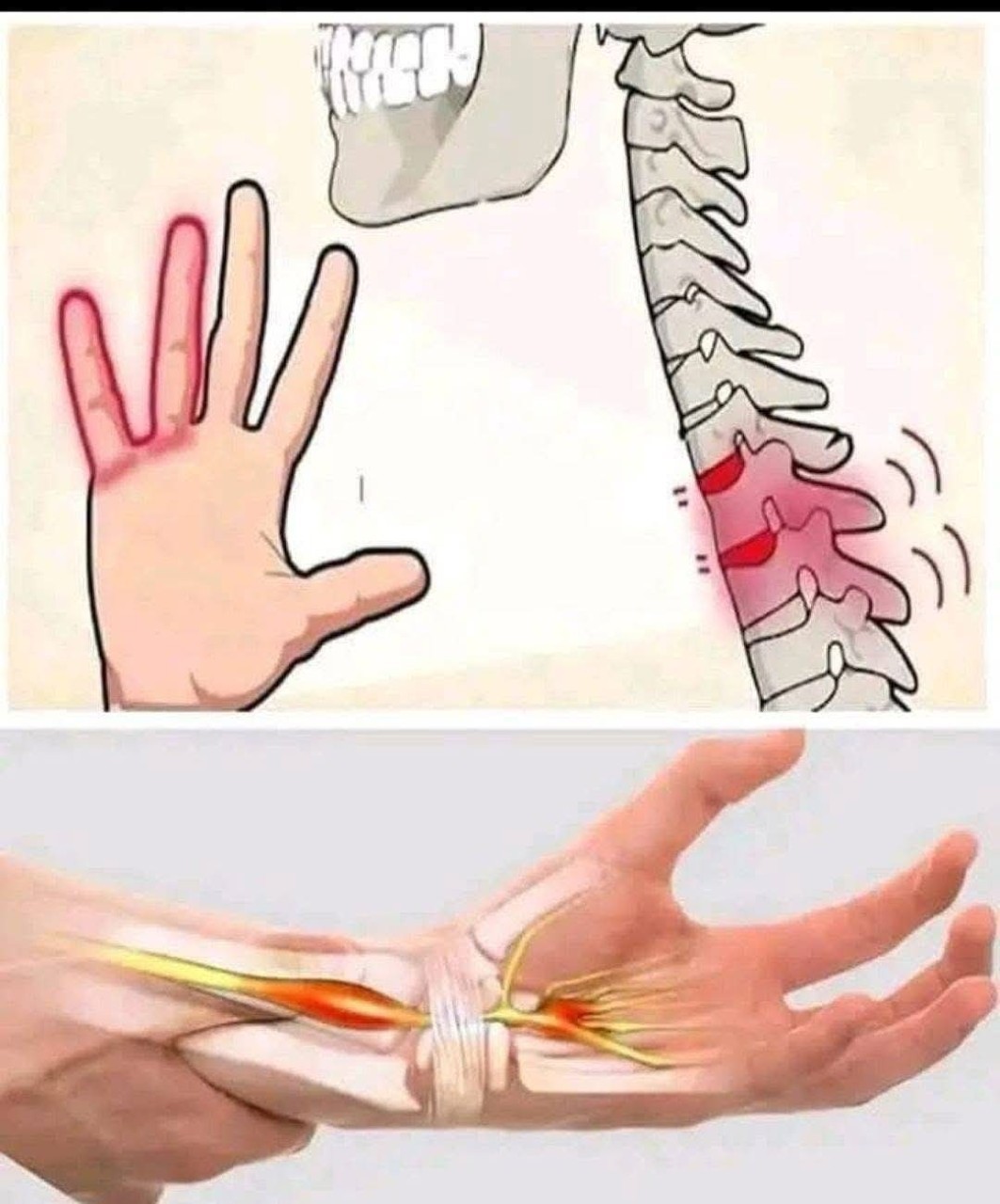
If your hands “fall asleep” — meaning you feel numbness, tingling, or a pins-and-needles sensation — it can be unsettling. Many people immediately worry that it’s a sign of something serious, even life-threatening. However, in most cases, this sensation is not a clear sign of a severe disease but rather a common and often harmless issue related to nerves, circulation, or posture. That said, recurring or persistent symptoms should never be ignored.
🚀 Make Money Online – Up to $50 Per Day!
First, it’s important to understand what’s actually happening when your hands fall asleep. This sensation is usually caused by temporary pressure on a nerve or reduced blood flow to the area. For example, if you sleep with your arm under your body or keep your wrist bent for a long time, you may compress a nerve. When the pressure is relieved, the nerve “wakes up,” causing that tingling feeling.
One of the most common medical causes of frequent hand numbness is Carpal Tunnel Syndrome. This condition occurs when the median nerve, which runs through the wrist, becomes compressed. It is often associated with repetitive hand movements such as typing, using a smartphone, or working with tools. Symptoms may include tingling, weakness, or numbness in the thumb, index, and middle fingers. If left untreated, it can worsen over time.
Another possible cause is Peripheral Neuropathy, a condition involving damage to the peripheral nerves. This is commonly linked to diseases like Diabetes. In such cases, numbness is often accompanied by burning pain or sensitivity, and it may affect both hands and feet. Unlike temporary numbness from sleeping in the wrong position, neuropathy symptoms tend to persist and gradually worsen.
Sometimes, the issue may originate from the neck rather than the hand itself. Cervical Radiculopathy occurs when a nerve in the neck is compressed or irritated. This can lead to numbness, tingling, or weakness that radiates down the arm into the hand. Poor posture, herniated discs, or age-related changes in the spine can contribute to this condition.
It’s also worth mentioning that vitamin deficiencies, particularly low levels of vitamin B12, can lead to nerve-related symptoms. Without adequate B12, nerves cannot function properly, which may result in tingling sensations in the hands and feet. This is more common in people with poor diets, digestive disorders, or certain medical conditions.
In rare cases, people worry that numb hands could indicate something as serious as Stroke. While sudden numbness in one side of the body can indeed be a symptom of a stroke, it is usually accompanied by other warning signs such as facial drooping, difficulty speaking, confusion, or loss of coordination. If these symptoms appear suddenly, it is a medical emergency and requires immediate attention.
So, when should you be concerned? Occasional numbness that goes away quickly is usually harmless. However, you should seek medical advice if:
- The numbness happens frequently or becomes persistent
- It is accompanied by weakness or loss of coordination
- It affects both hands or spreads to other parts of the body
- You experience severe pain or burning sensations
- It interferes with your daily activities or sleep
Preventing hand numbness often involves simple lifestyle adjustments. Maintaining good posture, especially when using computers or phones, can reduce strain on nerves. Taking breaks from repetitive tasks and stretching your hands and wrists regularly can also help. If you sleep in positions that compress your arms, try adjusting your posture or using supportive pillows.
A healthy diet is equally important. Ensuring adequate intake of vitamins, particularly B vitamins, supports nerve health. Staying physically active improves blood circulation, which can prevent that “asleep” feeling in your limbs.
In conclusion, while the sensation of your hands falling asleep can feel alarming, it is rarely a “clear sign” of a serious illness on its own. Most cases are linked to temporary nerve pressure or mild conditions. However, persistent or worsening symptoms should be evaluated by a healthcare professional to rule out underlying issues and ensure proper treatment. Listening to your body and responding early is always the safest approach.
