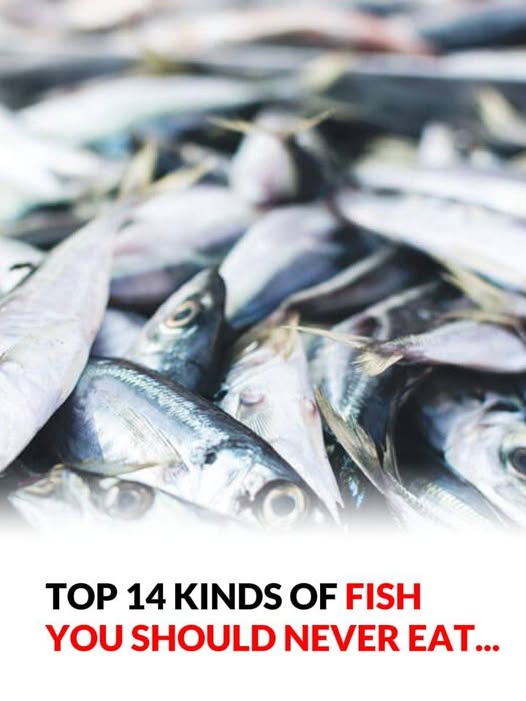
Fish has long been praised as one of the healthiest foods on the planet. Rich in protein, omega-3 fatty acids, and essential nutrients, it plays a central role in many diets worldwide. However, not all fish are created equal. In recent years, scientists and health experts have raised serious concerns about certain types of fish that may pose hidden dangers to your health. If you’re not careful about what you consume, your “healthy” meal could be doing more harm than good.
🚀 Make Money Online – Up to $50 Per Day!
Let’s uncover the truth behind the fish you may need to avoid—and why this warning matters now more than ever.
The Hidden Danger: Mercury Contamination
One of the biggest health concerns linked to fish consumption is mercury, a toxic heavy metal found in oceans and waterways. Mercury enters water systems through industrial pollution, coal burning, and mining activities. Once in the water, it is converted into methylmercury, a highly toxic form that accumulates in fish.
Large predatory fish such as shark, swordfish, king mackerel, and certain types of tuna are especially dangerous because they sit at the top of the food chain. This means they consume smaller fish, accumulating higher concentrations of mercury over time—a process known as bioaccumulation.
Consuming high-mercury fish regularly can lead to serious health issues, including:
- Damage to the nervous system
- Memory problems and cognitive decline
- Kidney dysfunction
- Increased risk of heart disease
- Developmental issues in children and unborn babies
Pregnant women, in particular, are strongly advised to avoid these fish, as mercury exposure can impair brain development in the fetus.
Farmed Fish: A Growing Concern
Another major issue lies with farmed fish, especially farmed salmon and tilapia. While these are often marketed as healthy and affordable, their production methods can raise serious health concerns.
Farmed fish are typically raised in overcrowded conditions and may be exposed to:
- Antibiotics
- Pesticides
- Artificial coloring
- Contaminated feed
Studies have shown that some farmed fish contain higher levels of harmful chemicals like PCBs (polychlorinated biphenyls), which are linked to cancer and immune system damage.
Additionally, farmed fish often have a less favorable nutritional profile compared to wild fish. They may contain higher levels of unhealthy fats and fewer beneficial omega-3 fatty acids.
The Tilapia Debate: Is It Really Healthy?
Tilapia is one of the most widely consumed fish in the world due to its low cost and mild taste. However, it has become increasingly controversial among nutrition experts.
Some research suggests that tilapia contains a higher ratio of omega-6 to omega-3 fatty acids. While omega-6 fats are not inherently bad, excessive intake can promote inflammation in the body, which is linked to chronic diseases such as heart disease and arthritis.
Furthermore, tilapia raised in certain regions may be fed low-quality diets, raising concerns about hygiene and contamination.
Environmental Pollutants and Microplastics
Beyond mercury and farming practices, fish are now facing another modern threat: microplastic contamination.
Tiny plastic particles have infiltrated oceans worldwide. Fish ingest these particles, which can carry toxic chemicals into their bodies—and ultimately into yours. While research is still ongoing, scientists are increasingly concerned about the long-term health effects of consuming microplastics through seafood.
In addition to plastics, industrial pollutants such as dioxins and heavy metals can accumulate in fish, especially those caught in polluted waters.
Signs You May Be Consuming Unsafe Fish
Many people consume harmful fish without realizing it. Here are a few warning signs:
- You frequently eat large predatory fish (like tuna steaks or swordfish)
- You rely heavily on cheap farmed fish
- You are unsure of the fish’s origin or source
- You consume fish daily without variety
Over time, these habits may increase your exposure to toxins, even if you feel fine initially.
Safer Fish Choices
The good news is that not all fish are dangerous. Many types are still safe and highly nutritious when consumed in moderation. Health experts generally recommend opting for fish that are:
- Low in mercury
- Sustainably sourced
- Wild-caught when possible
Safer options include:
- Sardines
- Salmon (wild-caught preferred)
- Mackerel (Atlantic, not king mackerel)
- Trout
- Anchovies
These fish are typically lower on the food chain and contain fewer contaminants while still offering high levels of beneficial nutrients.
What You Should Do Now
If you’re concerned about your health, you don’t need to eliminate fish entirely—but you do need to be smarter about your choices.
Here are practical steps you can take:
- Limit high-mercury fish to occasional consumption or avoid them altogether
- Choose trusted sources, such as reputable fish markets or certified suppliers
- Diversify your diet instead of relying on a single type of fish
- Pay attention to advisories from health organizations regarding seafood safety
- Cook properly, as this can reduce some risks (though not mercury)
Final Thoughts
Fish can still be a powerful part of a healthy diet—but only when chosen wisely. The idea that all fish are automatically good for you is outdated. Today’s environmental challenges and industrial practices have changed the equation.
Ignoring these warnings could expose you to hidden toxins that accumulate slowly and silently in your body. By staying informed and making better choices, you can protect your health without giving up the benefits of seafood entirely.
