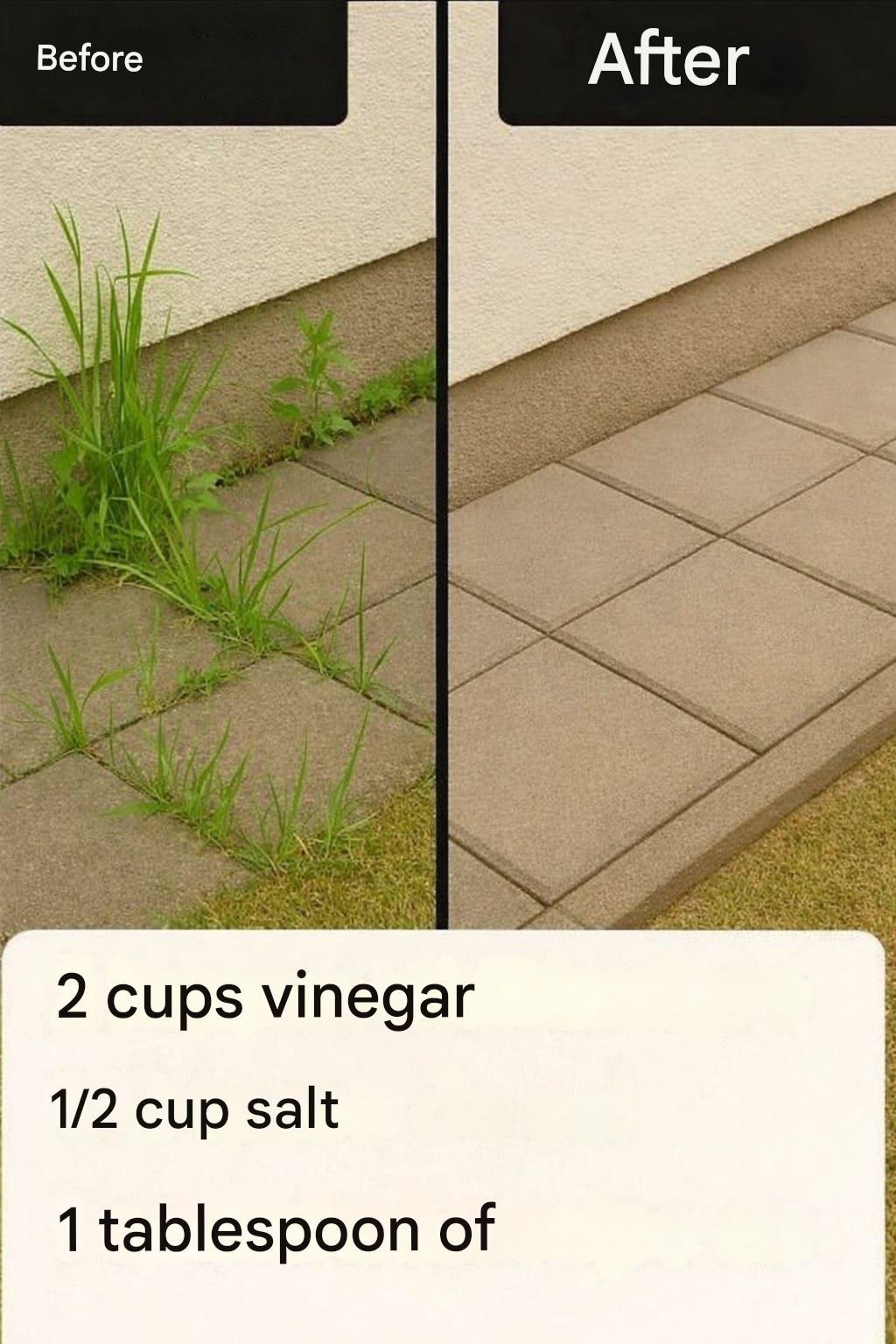
Weeds are one of the most persistent challenges for gardeners and homeowners alike. They compete with your plants for water, nutrients, and sunlight, often taking over lawns, driveways, and garden beds if left unchecked. While commercial herbicides are widely available, many people prefer natural alternatives that are safer for the environment, pets, and their families. Fortunately, you can create a powerful homemade herbicide using simple ingredients found in your kitchen.
🚀 Make Money Online – Up to $50 Per Day!
Why Choose a Homemade Herbicide?
Before diving into the recipe, it’s important to understand why homemade solutions are becoming increasingly popular. Store-bought herbicides often contain strong chemicals that may harm beneficial insects, contaminate soil, and pose health risks. Homemade herbicides, on the other hand, are:
- More eco-friendly
- Cost-effective
- Easy to prepare
- Safer when used correctly
However, keep in mind that “natural” does not always mean harmless. Even homemade mixtures should be applied carefully.
The Most Effective Homemade Herbicide Recipe
One of the most reliable and widely used homemade weed killers combines vinegar, salt, and dish soap. Each ingredient plays a specific role in eliminating weeds.
Ingredients:
- 1 gallon (about 3.8 liters) of white vinegar (5% acidity or higher)
- 1 cup of salt (table salt or rock salt)
- 1 tablespoon of liquid dish soap
Instructions:
- Pour the vinegar into a large container or bucket.
- Add the salt and stir thoroughly until it dissolves completely.
- Add the dish soap and gently mix. Avoid creating too many bubbles.
- Transfer the solution into a spray bottle or garden sprayer.
How It Works
Understanding how this mixture works will help you use it more effectively:
- Vinegar contains acetic acid, which dries out and kills plant leaves by removing moisture.
- Salt penetrates the soil and dehydrates the plant from the roots, preventing regrowth.
- Dish soap acts as a surfactant, helping the solution stick to the leaves instead of running off.
Together, these ingredients create a potent herbicide that can destroy weeds within hours to days.
Best Practices for Application
To get the most out of your homemade herbicide, timing and technique are crucial.
1. Apply on a Sunny Day
Heat and sunlight enhance the effectiveness of vinegar. Spray weeds during a hot, dry day for faster results.
2. Target the Leaves Directly
This solution works best when it comes into direct contact with the plant’s leaves. Spray thoroughly but avoid oversaturating the soil.
3. Avoid Desired Plants
This herbicide is non-selective, meaning it will kill any plant it touches. Be careful not to spray flowers, vegetables, or grass you want to keep.
4. Reapply if Necessary
Stubborn weeds, especially those with deep roots, may require multiple applications.
Where to Use This Herbicide
This homemade solution works best in areas where you want to eliminate all plant growth, such as:
- Driveways and sidewalks
- Cracks in pavement
- Gravel paths
- Fence lines
It is less suitable for garden beds unless you are very precise with application.
Alternative Natural Herbicide Options
If you want to experiment or avoid salt, here are a few other natural weed control methods:
Boiling Water
Pouring boiling water directly onto weeds can kill them instantly. This is especially effective for small weeds growing in cracks.
Lemon Juice
The natural acidity in lemon juice works similarly to vinegar and can burn weeds when applied under sunlight.
Corn Gluten Meal
This natural product prevents weed seeds from germinating, making it useful as a preventive measure rather than a killer.
Safety Tips
Even though this herbicide is homemade, it should still be used responsibly:
- Wear gloves when handling the mixture
- Avoid spraying on windy days to prevent drift
- Keep away from pets and children during application
- Do not overuse salt, as it can damage soil quality over time
Pros and Cons of Homemade Herbicides
Advantages:
- Affordable and accessible
- Free from synthetic chemicals
- Quick results for surface weeds
Disadvantages:
- Non-selective (kills all plants)
- May require repeated applications
- Salt can harm soil health if overused
Final Thoughts
Making your own herbicide at home is a simple, effective way to control unwanted weeds without relying on harsh chemicals. The vinegar, salt, and dish soap mixture stands out as one of the most powerful DIY solutions, delivering fast and visible results when used correctly.
However, like any weed control method, it requires careful handling and thoughtful application. By using it strategically and responsibly, you can maintain a clean, weed-free outdoor space while minimizing environmental impact.
