Garlic: The Natural Antibiotic That Wages War on Infections

For thousands of years, garlic has been treasured not just as a flavorful kitchen staple, but as one of nature’s most powerful healing foods. Ancient civilizations—from the Egyptians and Greeks to traditional Chinese and Ayurvedic medicine—used garlic to fight illness long before modern antibiotics existed. Today, science is catching up with tradition, confirming that garlic truly acts like a natural antibiotic, helping the body defend itself against a wide range of infections.

What makes garlic so special is its unique combination of sulfur-containing compounds, antioxidants, and immune-boosting nutrients. Together, these elements allow garlic to “wage war” on harmful bacteria, viruses, fungi, and even parasites—without destroying beneficial gut bacteria the way many synthetic antibiotics do.

The Science Behind Garlic’s Power

The secret weapon in garlic is a compound called allicin. Allicin is formed when garlic is chopped, crushed, or chewed, triggering a chemical reaction that releases this potent antimicrobial substance. Allicin is responsible for garlic’s strong smell—and much of its healing power.

Research shows that allicin can inhibit the growth of many harmful microorganisms, including strains of bacteria that have become resistant to antibiotics. This makes garlic especially valuable in a world where antibiotic resistance is an increasing global concern.

Beyond allicin, garlic also contains ajoene, diallyl sulfides, selenium, vitamin C, and flavonoids, all of which support immune function and help the body fight infection more efficiently.

Garlic vs. Bacteria

Garlic has demonstrated impressive antibacterial properties against both gram-positive and gram-negative bacteria. These include common troublemakers such as E. coli, Salmonella, Staphylococcus aureus, and Helicobacter pylori, a bacterium linked to stomach ulcers.

Unlike pharmaceutical antibiotics, which typically target a single pathway, garlic attacks bacteria on multiple fronts—damaging their cell walls, interfering with enzyme activity, and disrupting their ability to reproduce. This multi-target approach makes it harder for bacteria to develop resistance.

Fighting Viruses and Fungi Naturally

Garlic doesn’t stop at bacteria. It also shows antiviral activity, helping the body fight colds, flu, and other viral infections. Regular garlic consumption has been linked to fewer colds, shorter illness duration, and milder symptoms.

Its antifungal properties are equally impressive. Garlic can help combat fungal infections such as Candida albicans, which is responsible for yeast infections and oral thrush. By inhibiting fungal growth and strengthening immune defenses, garlic helps restore balance within the body.

Supporting the Immune System

Garlic acts as more than a direct infection fighter—it also strengthens the immune system itself. It stimulates the activity of white blood cells, including macrophages and natural killer cells, which are essential for identifying and destroying pathogens.

Additionally, garlic’s antioxidants reduce oxidative stress and inflammation, both of which can weaken immune response. A healthier immune system means the body is better prepared to prevent infections before they take hold.

Garlic and Gut Health

One major downside of synthetic antibiotics is that they often wipe out beneficial gut bacteria along with harmful ones, leading to digestive issues and weakened immunity. Garlic, on the other hand, acts as a prebiotic, feeding healthy gut bacteria while suppressing harmful microbes.

A balanced gut microbiome plays a crucial role in immune health, nutrient absorption, and overall well-being—another reason garlic stands out as a natural alternative.

How to Use Garlic for Maximum Benefits

To get the most medicinal value from garlic, preparation matters:

  • Raw garlic is the most powerful form. Crushing or chopping garlic and letting it sit for 10 minutes before consuming allows allicin to fully develop.

  • Lightly cooked garlic still offers benefits, though excessive heat can destroy some active compounds.

  • Garlic tea (crushed garlic steeped in hot water with honey and lemon) is a traditional remedy for colds and sore throats.

  • Garlic oil or extracts can be useful, but quality and concentration vary.

For general immune support, 1–2 cloves per day is commonly recommended. During illness, some people increase intake, but moderation is important.

A Word of Caution

While garlic is natural, it is still powerful. Consuming large amounts may cause digestive discomfort, heartburn, or bad breath. Garlic can also thin the blood, so people taking blood-thinning medications or preparing for surgery should consult a healthcare provider.

Garlic should not replace prescribed antibiotics for serious infections, but it can be an excellent complementary support or preventive tool.

Final Thoughts

Garlic truly earns its reputation as “nature’s antibiotic.” With its ability to fight bacteria, viruses, and fungi while strengthening the immune system and protecting gut health, garlic stands apart as a remarkable natural remedy. In a time when people are seeking safer, more holistic ways to support their health, this humble bulb continues to prove that some of the most powerful medicine comes straight from the kitchen.

Salmon Patties

Salmon patties are one of those timeless comfort foods that feel both nostalgic and modern at the same time. Crispy on the outside, tender and savory on the inside, they’re budget-friendly, protein-packed, and endlessly customizable. Whether you grew up eating them with a squeeze of lemon and a side of mashed potatoes or you’re discovering them as a quick weeknight dinner, salmon patties deserve a regular spot in your kitchen. This UniE recipe focuses on bold flavor, perfect texture, and simple ingredients you likely already have on hand.

Why Salmon Patties Never Go Out of Style

Salmon patties—also known as salmon cakes or salmon croquettes—became popular because they turn pantry staples into something special. Canned salmon offers convenience and nutrition, while herbs, aromatics, and a light binder transform it into a dish that tastes far more luxurious than its cost. They cook quickly, can be pan-fried, baked, or air-fried, and work just as well for lunch as they do for dinner. Best of all, they pair beautifully with sauces, salads, and classic comfort sides.

Ingredients (Serves 4)

  • 2 cans (14–15 oz each) salmon, drained (bones and skin removed if preferred)

  • 1/2 cup breadcrumbs or crushed crackers

  • 1/4 cup finely diced onion

  • 2 cloves garlic, minced

  • 2 large eggs

  • 2 tablespoons mayonnaise

  • 1 tablespoon Dijon or yellow mustard

  • 2 tablespoons fresh parsley, finely chopped

  • 1 tablespoon fresh lemon juice

  • 1/2 teaspoon paprika

  • 1/4 teaspoon black pepper

  • Salt to taste

  • 2–3 tablespoons oil for frying (vegetable, canola, or olive oil)

Step-by-Step Instructions

1. Prepare the Salmon

Place the drained salmon in a large mixing bowl. Gently flake it with a fork, breaking up large chunks while keeping some texture. If you prefer a smoother patty, flake more finely; for a rustic feel, leave larger pieces intact.

2. Build the Flavor Base

Add the diced onion, minced garlic, parsley, lemon juice, paprika, black pepper, and salt to the salmon. These aromatics are key—they balance the richness of the fish and keep the patties from tasting flat.

3. Add Binders

Mix in the breadcrumbs, eggs, mayonnaise, and mustard. The eggs bind everything together, while the mayonnaise adds moisture and richness. Stir gently until the mixture just comes together. It should be moist but firm enough to hold its shape. If it feels too wet, add a tablespoon of breadcrumbs at a time; if too dry, add a small spoon of mayonnaise.

4. Shape the Patties

Using your hands, divide the mixture into 6–8 equal portions. Shape each into a patty about 1/2 to 3/4 inch thick. Place them on a plate and refrigerate for 10–15 minutes if time allows—this helps them hold together during cooking.

5. Cook to Golden Perfection

Heat oil in a large skillet over medium heat. Once hot, gently place the patties in the pan, leaving space between each one. Cook for 3–4 minutes per side, or until golden brown and crisp. Flip carefully with a spatula and cook the other side until equally browned.

6. Drain and Rest

Transfer cooked patties to a plate lined with paper towels. Let them rest for a minute before serving to lock in moisture.

Serving Suggestions

Salmon patties are incredibly versatile. Serve them hot with a squeeze of fresh lemon and a dollop of tartar sauce for a classic approach. They’re also delicious with garlic aioli, yogurt-dill sauce, or even a spicy sriracha mayo. For a lighter meal, place them on a bed of mixed greens with cucumbers and tomatoes. For comfort food vibes, pair them with mashed potatoes, coleslaw, or buttered corn.

Tips for the Best Salmon Patties

  • Don’t overmix: Gentle mixing keeps the patties tender rather than dense.

  • Control moisture: The right balance prevents patties from falling apart. Adjust breadcrumbs as needed.

  • Medium heat is key: Too hot and they burn; too low and they soak up oil.

  • Fresh herbs matter: Parsley, dill, or chives brighten the flavor significantly.

Variations to Try

  • Southern-Style: Add a pinch of cayenne and serve with hot sauce.

  • Mediterranean: Mix in chopped olives and a bit of feta cheese.

  • Asian-Inspired: Swap mustard for soy sauce, add ginger, and serve with sweet chili sauce.

  • Baked Option: Bake at 400°F (200°C) for 15–18 minutes, flipping once, for a lighter version.

Final Thoughts

This UniE Salmon Patties recipe proves that simple ingredients can create something deeply satisfying. Crispy, flavorful, and endlessly adaptable, these patties are perfect for busy weeknights, family dinners, or meal prep. Once you master the basic method, you’ll find yourself experimenting with flavors and sauces, making salmon patties a reliable favorite you’ll return to again and again.

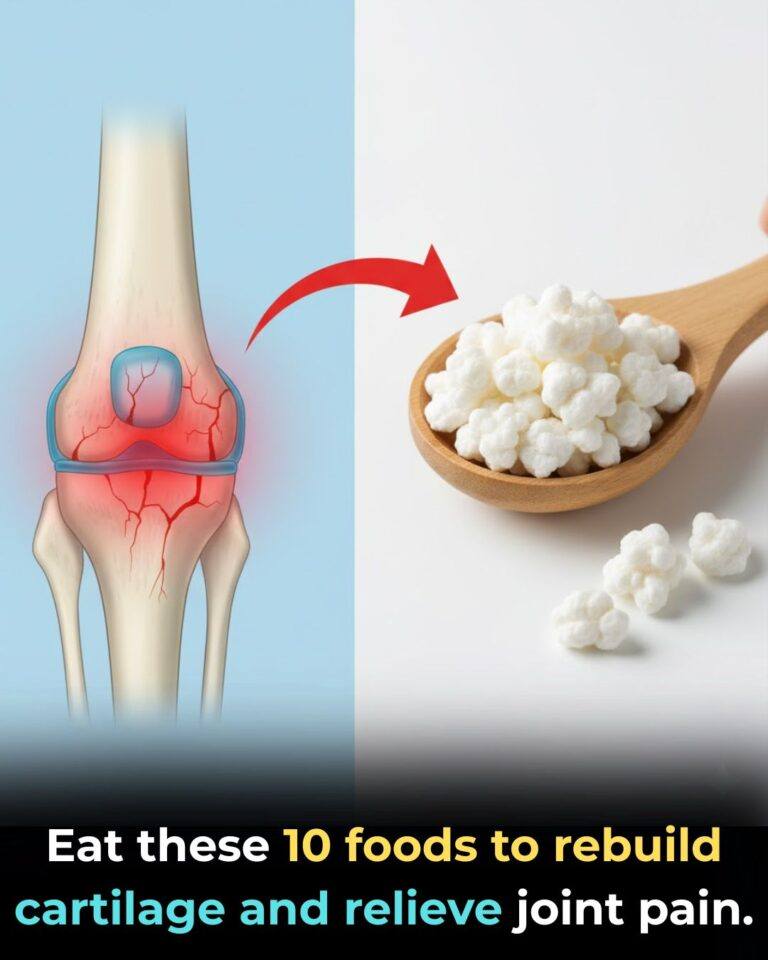
Top 10 Foods to Heal Knee Pain and Boost Cartilage Naturally

Knee pain is one of the most common complaints among adults of all ages. Whether it comes from aging, excess weight, arthritis, old injuries, or daily wear and tear, discomfort in the knees can limit movement and reduce quality of life. While medications and physical therapy play an important role, nutrition is often overlooked as a powerful, natural tool for healing joints and protecting cartilage.

Cartilage acts as a cushion between bones, allowing smooth and pain-free movement. Over time, inflammation, poor diet, and nutrient deficiencies can weaken this protective layer. The good news? Certain foods are rich in compounds that support cartilage repair, reduce inflammation, and strengthen the joints from within.

Below are 10 science-backed foods that help heal knee pain and naturally support cartilage health.

1. Fatty Fish (Salmon, Sardines, Mackerel)

Fatty fish are among the best foods for joint health. They are loaded with omega-3 fatty acids, which are known to reduce inflammation in the body. Chronic inflammation is a major driver of cartilage breakdown and knee pain, especially in osteoarthritis.

Omega-3s help calm joint swelling, improve flexibility, and slow cartilage degeneration. Aim to eat fatty fish at least two times per week for maximum benefit.

2. Bone Broth

Bone broth is a traditional remedy that has gained modern attention for good reason. It contains collagen, gelatin, glucosamine, and chondroitin, all essential building blocks of healthy cartilage.

Regular consumption of bone broth may help lubricate joints, support cartilage regeneration, and reduce stiffness. Homemade bone broth offers the highest nutrient content, but high-quality store-bought versions can also be effective.

3. Leafy Green Vegetables

Spinach, kale, collard greens, and Swiss chard are packed with vitamins C, E, and K, as well as powerful antioxidants. These nutrients help neutralize free radicals that damage cartilage and worsen inflammation.

Vitamin K, in particular, supports bone density and may help prevent cartilage calcification, which contributes to joint stiffness and pain.

4. Berries (Blueberries, Strawberries, Raspberries)

Berries are small but powerful when it comes to joint healing. They contain anthocyanins, antioxidants that reduce inflammation and protect cartilage cells from damage.

Vitamin C in berries also plays a key role in collagen production, which is essential for maintaining strong cartilage and connective tissue around the knees.

5. Nuts and Seeds

Almonds, walnuts, chia seeds, flaxseeds, and pumpkin seeds provide a rich mix of healthy fats, magnesium, zinc, and protein. Magnesium helps relax muscles around the knee joint, reducing tension and pain.

Walnuts and flaxseeds are especially beneficial due to their omega-3 content, which further supports joint lubrication and inflammation control.

6. Olive Oil (Extra Virgin)

Extra virgin olive oil contains oleocanthal, a natural compound with anti-inflammatory effects similar to mild pain relievers. Regular use of olive oil may help reduce joint pain and slow cartilage damage.

Replacing processed cooking oils with olive oil not only benefits the knees but also supports overall heart and metabolic health.

7. Citrus Fruits (Oranges, Lemons, Grapefruit)

Citrus fruits are excellent sources of vitamin C, a nutrient essential for collagen synthesis. Without enough vitamin C, cartilage becomes weak and more prone to breakdown.

Including citrus fruits daily helps maintain the structural integrity of cartilage and supports faster healing after joint strain or injury.

8. Eggs

Eggs provide high-quality protein, vitamin D, and sulfur-containing amino acids, all crucial for joint repair. Vitamin D supports calcium absorption and bone strength, reducing pressure on the knee joints.

Sulfur helps reduce inflammation and supports the formation of connective tissue, making eggs a simple yet effective food for knee health.

9. Garlic and Onions

Garlic and onions contain sulfur compounds that help slow cartilage damage and reduce inflammation. These compounds may inhibit enzymes that break down joint tissue over time.

Garlic also supports immune balance, which is important for people with inflammatory joint conditions.

10. Turmeric

Turmeric is not just a spice—it is a powerful joint protector. Its active compound, curcumin, has strong anti-inflammatory and antioxidant effects. Curcumin may help reduce knee pain, stiffness, and swelling when consumed regularly.

For better absorption, turmeric should be paired with black pepper and healthy fats like olive oil.

How to Use These Foods for Best Results

Healing knee pain naturally requires consistency. Incorporate these foods into your daily meals rather than relying on occasional intake. A joint-friendly diet works best when combined with proper hydration, gentle movement, maintaining a healthy weight, and avoiding highly processed foods that promote inflammation.

Final Thoughts

Knee pain does not appear overnight, and healing it naturally takes time. However, food can be powerful medicine when chosen wisely. By nourishing your body with cartilage-supporting nutrients, you give your knees the tools they need to repair, strengthen, and move more comfortably.

The ‘world’s deadliest food’ claims over 200 lives every year, yet nearly 500 million people still eat it

Calling any food “deadly” sounds like clickbait—until you learn about cassava, a starchy root that feeds nearly half a billion people across Africa, Asia, and Latin America. Cassava is a lifeline crop in many regions: drought-tolerant, cheap, and calorie-dense. Yet when prepared incorrectly, it can release toxic cyanide, causing severe illness and death. How can one food be both a daily staple and a genuine threat to life?

The answer lies in chemistry, tradition, and survival.

What Makes Cassava Dangerous?

Cassava (also known as yuca or manioc) naturally contains cyanogenic glycosides—compounds that can convert into hydrogen cyanide when the plant is damaged or improperly processed. Cyanide blocks the body’s ability to use oxygen at the cellular level. In high doses, it can be fatal.

There are two main types of cassava:

  • Sweet cassava – lower cyanide content; safer but still needs cooking

  • Bitter cassava – much higher cyanide levels; requires extensive processing

When bitter cassava is eaten raw or poorly prepared, the risk skyrockets.

The Real Human Cost

Health organizations estimate that over 200 people die each year from cassava-related poisoning, though the real number may be higher due to underreporting in rural areas. Thousands more suffer from long-term neurological conditions, the most infamous being konzo—a sudden, irreversible paralysis of the legs.

Konzo outbreaks often occur during famine or conflict, when people rush preparation steps out of desperation. Ironically, cassava becomes most dangerous at the very moments people need it most.

Why Do So Many People Still Eat It?

Because cassava is more than food—it’s survival.

  1. Extreme resilience
    Cassava thrives where other crops fail. It grows in poor soil, resists pests, and survives droughts. In climate-vulnerable regions, this makes it indispensable.

  2. High energy, low cost
    Cassava is packed with carbohydrates, providing vital calories at a fraction of the cost of grains or rice.

  3. Cultural tradition
    For generations, communities have developed safe processing methods—soaking, fermenting, drying, and cooking—to remove toxins. When these traditions are followed, cassava is safe.

  4. Limited alternatives
    In many regions, there simply isn’t another reliable food source. The choice is not between cassava and something safer—it’s between cassava and hunger.

How Cassava Is Made Safe

Proper preparation is everything. Traditional techniques can reduce cyanide levels by up to 99%.

Common safety methods include:

  • Peeling (cyanide is concentrated in the skin)

  • Grating and soaking for 24–72 hours

  • Fermentation (used in foods like gari and fufu)

  • Sun-drying or thorough boiling

Problems arise when these steps are shortened or skipped—often due to food shortages, lack of clean water, or time pressure.

A Simple, Traditional Cassava Preparation (Educational)

This is not a cooking recommendation, but an illustration of traditional safety principles.

Basic Cassava Detox Method

  1. Peel cassava completely and discard skins.

  2. Grate or chop finely to release toxins.

  3. Soak in water for 48 hours, changing water at least once.

  4. Drain and rinse thoroughly.

  5. Cook fully—boil, steam, or roast until soft.

Even with these steps, cassava should never be eaten raw.

Modern Science vs. Ancient Knowledge

Scientists are working to develop low-cyanide cassava varieties and improve education around safe processing. But technology alone isn’t enough. In many cases, it’s the loss of traditional knowledge, not ignorance, that leads to poisoning—especially when younger generations migrate or communities are disrupted by crisis.

Cassava deaths are rarely about recklessness. They’re about poverty, displacement, and food insecurity.

Is Cassava Dangerous for Everyone?

In countries where cassava products are commercially processed—such as tapioca, cassava flour, and packaged gari—the risk is extremely low. These products undergo regulated detoxification.

The danger exists mainly when:

  • Cassava is eaten raw or undercooked

  • Bitter varieties are used without proper processing

  • People rely on cassava exclusively, leading to nutritional deficiencies that worsen toxicity

A Food of Paradox

Cassava is not evil. It is misunderstood.

It has saved millions from starvation, fueled entire cultures, and adapted to climates where other crops fail. At the same time, it reminds us that food safety is not universal—it depends on knowledge, time, and resources.

What Happens to Your Body When You Don’t Drink Enough Water

Water is so basic to daily life that it’s easy to underestimate how deeply it affects your body. You can survive weeks without food, but only a few days without water. Every system in your body depends on proper hydration, and even mild dehydration can quietly disrupt how you feel, think, and function. When you don’t drink enough water consistently, the effects build gradually—often long before you feel intense thirst.

Here’s what really happens inside your body when water intake falls short.

1. Your Energy Levels Drop

One of the earliest signs of dehydration is fatigue. Water plays a crucial role in transporting oxygen and nutrients through the bloodstream. When fluid levels drop, blood volume decreases slightly, forcing your heart to work harder to deliver oxygen to your muscles and brain. The result is that sluggish, drained feeling that coffee doesn’t quite fix.

Even mild dehydration—as little as 1–2% loss of body water—has been shown to reduce physical endurance and increase perceived effort during everyday tasks.

2. Brain Function and Mood Are Affected

Your brain is made up of about 75% water, so it’s especially sensitive to dehydration. When you don’t drink enough, concentration becomes harder, memory slips, and reaction time slows. Many people experience headaches, mental fog, or irritability without realizing dehydration is the trigger.

Studies also link low hydration to increased anxiety and low mood. Simply put, your brain works best when it’s well hydrated.

3. Digestion Slows Down

Water is essential for healthy digestion. It helps break down food, absorb nutrients, and keep things moving smoothly through your intestines. When you’re dehydrated, your body pulls water from the colon to maintain vital functions, leading to harder stools and constipation.

Over time, chronic low water intake can contribute to bloating, acid reflux, and discomfort after meals—especially if your diet is high in fiber but low in fluids.

4. Your Kidneys Work Overtime

Your kidneys rely on adequate water to filter waste products from the blood and flush them out through urine. When water intake is too low, urine becomes more concentrated, increasing the risk of kidney stones and urinary tract infections.

Long-term dehydration can strain the kidneys and may contribute to reduced kidney function over time, particularly in people who already have underlying health issues.

5. Skin Loses Its Healthy Glow

While water isn’t a miracle cure for skin issues, dehydration does affect how your skin looks and feels. Without enough water, skin can appear dull, tight, and less elastic. Fine lines may become more noticeable because dehydrated skin lacks plumpness.

Internally, dehydration also reduces circulation to the skin, meaning fewer nutrients and less oxygen reach skin cells.

6. Body Temperature Regulation Suffers

Water plays a key role in regulating body temperature, primarily through sweating. When you’re dehydrated, your body struggles to cool itself efficiently. This increases your risk of overheating, heat exhaustion, and heat stroke—especially during exercise or hot weather.

You may also notice that you sweat less, which might seem convenient but is actually a warning sign that your cooling system isn’t working properly.

7. Joint and Muscle Discomfort Increases

Your joints are cushioned by synovial fluid, which is largely made of water. Without enough hydration, this lubrication decreases, leading to stiffness and discomfort. Muscles also rely on water to contract and relax properly.

Dehydration increases the risk of muscle cramps, aches, and reduced flexibility, particularly during physical activity.

8. Blood Pressure and Circulation Are Impacted

When fluid levels drop, blood volume decreases. This can cause blood pressure to fall, leading to dizziness, lightheadedness, or even fainting—especially when standing up quickly. To compensate, your heart may beat faster, placing additional stress on the cardiovascular system.

Over time, poor hydration can subtly affect circulation and heart efficiency.

9. Immune Defenses Weaken

Water supports the lymphatic system, which helps remove toxins and transport immune cells throughout the body. When you’re dehydrated, this system becomes less efficient, potentially making you more susceptible to infections.

Adequate hydration also keeps mucous membranes moist, which helps trap and block bacteria and viruses before they enter the body.

10. Thirst Is a Late Warning Sign

One of the biggest misconceptions about hydration is waiting until you feel thirsty. Thirst often appears after dehydration has already begun. By the time your mouth feels dry, your body is already compensating for fluid loss.

Other early signs—dark yellow urine, fatigue, headaches, and dry lips—are often overlooked.

Final Thoughts

Not drinking enough water doesn’t usually cause dramatic symptoms overnight. Instead, it quietly affects energy, digestion, mood, kidneys, skin, and overall health day by day. The good news is that hydration is one of the simplest habits to improve—and the benefits are often felt quickly.

Two Fruits That Regenerate Collagen in the Knees

Knee pain, stiffness, and that uncomfortable cracking sound when you stand up are problems many people quietly live with every day. Whether it’s age, excess weight, old injuries, or simple wear and tear, the knees often suffer first. At the center of this discomfort is one key substance: collagen. Collagen is the main structural protein that keeps cartilage strong, flexible, and shock-absorbing. As we age, collagen production naturally slows down, which can make joints feel weaker and less cushioned.

While no food can magically “regrow” cartilage overnight, certain fruits are powerful allies because they support the body’s natural collagen production, reduce inflammation, and protect existing joint tissue. Among all fruits, two stand out as especially beneficial for knee health when eaten consistently.

Let’s explore these two fruits, how they work inside your body, and simple ways to include them in your daily routine.

1. Oranges – The Vitamin C Powerhouse for Collagen Support

Oranges are often associated with immunity, but their role in joint health is just as impressive. The real hero here is vitamin C, a nutrient absolutely essential for collagen synthesis.

Why Oranges Matter for Knee Health

Your body cannot produce collagen without vitamin C. This vitamin acts like a “helper” that binds amino acids together to form strong collagen fibers. Without enough vitamin C, collagen becomes weak and unstable, which directly affects cartilage in the knees.

Oranges also contain:

  • Flavonoids, which help reduce inflammation

  • Antioxidants, which protect cartilage from oxidative damage

  • Potassium, which supports muscle and joint function

Chronic inflammation is one of the main reasons cartilage breaks down faster. By reducing inflammation and supplying vitamin C, oranges help create an environment where your body can maintain and repair collagen more efficiently.

How Oranges Help Your Knees Over Time

With regular consumption:

  • Collagen fibers become stronger and more resilient

  • Cartilage loses elasticity more slowly

  • Joint stiffness may ease, especially in the morning

  • Knees may feel more flexible during movement

This doesn’t happen in days—but over weeks and months, the effects can be noticeable.

Best Ways to Eat Oranges for Joint Support

  • Eat 1–2 whole oranges daily rather than juice (fiber matters)

  • Add orange slices to salads with olive oil

  • Pair oranges with protein (like yogurt or nuts) to support tissue repair

  • Eat them earlier in the day for better absorption

2. Pineapple – Nature’s Anti-Inflammatory Fruit

Pineapple is much more than a tropical treat. It contains a powerful enzyme called bromelain, which has been widely studied for its effects on inflammation and joint comfort.

Why Pineapple Is Special for Knees

Bromelain helps:

  • Reduce swelling in joints

  • Improve circulation to damaged tissues

  • Support faster recovery after strain or overuse

Inflammation is a major enemy of collagen. When joints are constantly inflamed, collagen breaks down faster than the body can rebuild it. Pineapple helps calm this inflammatory process, giving your body a better chance to preserve and rebuild collagen in the knees.

Pineapple also contains:

  • Vitamin C, reinforcing collagen formation

  • Manganese, a mineral essential for cartilage and bone structure

  • Antioxidants, which protect joint tissues

How Pineapple Supports Collagen Preservation

Rather than directly creating collagen, pineapple:

  • Protects existing collagen from breakdown

  • Improves nutrient delivery to knee joints

  • Helps reduce pain linked to inflammation

  • Supports healing after physical activity

This makes pineapple especially helpful for people with sore knees, mild arthritis symptoms, or active lifestyles.

Best Ways to Eat Pineapple

  • Eat fresh pineapple, not canned (bromelain is reduced when heated)

  • ½ to 1 cup per day is enough

  • Eat it between meals for better enzyme activity

  • Combine with orange slices for a collagen-supporting fruit bowl

Why These Two Fruits Work Better Together

Oranges and pineapple complement each other beautifully. Oranges stimulate collagen production, while pineapple protects collagen from inflammation-related damage. Together, they create a powerful natural support system for knee health.

This combination:

  • Encourages steady collagen maintenance

  • Reduces joint swelling

  • Improves flexibility and comfort

  • Supports long-term cartilage health

Think of oranges as the “builder” and pineapple as the “protector.”

Simple Daily Knee-Friendly Fruit Routine

Here’s an easy routine you can follow:

Morning:

  • 1 whole orange or a bowl of orange slices

Afternoon or Evening:

  • ½ cup fresh pineapple as a snack

Optional:

  • Add both fruits to a smoothie with yogurt or kefir

  • Sprinkle chia seeds for extra joint support

Consistency matters more than quantity.

Important Reminder

While oranges and pineapple strongly support collagen production and joint health, they are not a replacement for medical treatment. Knee health also depends on:

  • Adequate protein intake

  • Strengthening muscles around the knee

  • Maintaining a healthy weight

  • Staying physically active without overloading joints

When combined with a balanced diet and gentle movement, these two fruits can become powerful allies in keeping your knees comfortable and mobile.

Final Thought

Nature often gives us simple tools to support our bodies—and oranges and pineapple are perfect examples. Affordable, accessible, and delicious, these fruits quietly work behind the scenes to help your knees stay strong. Add them to your routine, stay consistent, and let your body do what it’s designed to do: heal, protect, and move with ease.

cooked chicken breasts

Cooked chicken breasts are one of the most versatile foundations in home cooking. They’re lean, protein-packed, budget-friendly, and endlessly adaptable. Yet despite their popularity, chicken breasts have earned an unfair reputation for being bland or dry. The truth is, when cooked correctly, chicken breasts can be incredibly juicy, tender, and full of flavor. This recipe focuses on a simple but foolproof method that delivers perfectly cooked chicken every single time—ideal for meal prep, quick dinners, salads, sandwiches, or hearty comfort meals.

What makes this recipe unique is its balance of gentle seasoning, controlled heat, and a short resting period that locks moisture inside the meat. No complicated marinades, no fancy equipment—just good technique and a few pantry staples.

Why This Method Works

Chicken breasts are very lean, which means they dry out easily when overcooked. The key is moderate heat and patience. By seasoning generously, searing lightly, and finishing with a covered rest, the chicken cooks evenly while retaining its natural juices. This method works beautifully whether you’re cooking one breast or a full batch for the week.

Ingredients

  • 4 boneless, skinless chicken breasts

  • 2 tablespoons olive oil or butter

  • 1 teaspoon salt

  • ½ teaspoon black pepper

  • 1 teaspoon garlic powder

  • 1 teaspoon paprika (smoked or sweet)

  • ½ teaspoon onion powder

  • ½ teaspoon dried oregano or thyme

  • ¼ cup chicken broth or water

  • Optional: lemon wedges, fresh parsley, or thyme sprigs for garnish

Step-by-Step Instructions

1. Prepare the Chicken

Remove the chicken breasts from the refrigerator 15–20 minutes before cooking. Allowing them to come closer to room temperature ensures more even cooking. Pat them completely dry with paper towels—this step is essential for achieving a light golden sear.

If the breasts are very thick, gently pound them to an even thickness using a rolling pin or the flat side of a meat mallet. This prevents the outside from overcooking while the inside finishes.

2. Season Generously

In a small bowl, combine salt, black pepper, garlic powder, paprika, onion powder, and dried herbs. Rub both sides of the chicken breasts with olive oil, then coat evenly with the seasoning mixture. Don’t be shy—proper seasoning is what transforms plain chicken into something crave-worthy.

3. Sear for Flavor

Heat a large skillet over medium heat. Once hot, add the remaining oil or butter. Place the chicken breasts in the pan smooth-side down. Let them cook undisturbed for 5–6 minutes. Resist the urge to move them—this allows a flavorful crust to form.

Flip the chicken and cook the second side for another 4–5 minutes, until lightly golden.

4. Gentle Finish

Reduce the heat to low and carefully pour in the chicken broth or water. This creates steam, helping the chicken finish cooking without drying out. Cover the skillet with a lid and let the chicken cook for an additional 5–7 minutes, depending on thickness.

The chicken is done when the internal temperature reaches 165°F (74°C), or when the juices run clear when sliced.

5. Rest Before Serving

Remove the chicken from the pan and let it rest on a plate for at least 5 minutes. Resting allows the juices to redistribute throughout the meat, ensuring every bite is moist and tender.

Serving Ideas

These cooked chicken breasts are incredibly versatile:

  • Slice over salads with fresh greens and a light vinaigrette

  • Shred for wraps or sandwiches with lettuce and sauces

  • Serve with mashed potatoes or rice for a comforting dinner

  • Dice for meal prep bowls with vegetables and grains

  • Add to pasta or stir-fries for quick weeknight meals

A squeeze of fresh lemon juice or a sprinkle of chopped parsley adds brightness just before serving.

Storage and Meal Prep Tips

Allow the chicken to cool completely before storing. Place in an airtight container and refrigerate for up to 4 days. For longer storage, freeze cooked chicken breasts for up to 2 months. Thaw overnight in the refrigerator and reheat gently to avoid drying them out.

To reheat, add a splash of broth and warm slowly in a covered pan or microwave.

Final Thoughts

Perfectly cooked chicken breasts don’t require complicated techniques—just a little attention to heat, timing, and seasoning. This recipe proves that simple ingredients and smart cooking can transform an everyday staple into something truly satisfying. Once you master this method, you’ll never fear dry chicken again. Whether you’re cooking for your family or prepping meals for the week, these juicy chicken breasts will quickly become a reliable favorite in your kitchen.

Warm Pineapple Casserole

Warm pineapple casserole is one of those dishes that surprises everyone the first time they taste it. At a glance, it looks like a dessert. One bite later, you realize it lives in that magical space between sweet side dish and comforting casserole. Beloved across the South, this dish often appears at Easter tables, Thanksgiving spreads, potlucks, and family gatherings—quietly stealing attention from even the main course.

What makes pineapple casserole so special is its balance. The natural sweetness of pineapple meets sharp cheddar cheese, buttery crackers, and a warm baked texture that feels both indulgent and familiar. It’s simple, nostalgic, and incredibly versatile. This version adds subtle depth while keeping the soul of the classic intact.

Why You’ll Love This Pineapple Casserole

  • Warm and comforting with a soft, custardy center

  • Sweet and savory in perfect harmony

  • Easy to prepare with pantry-friendly ingredients

  • Crowd-pleasing—even skeptics ask for seconds

  • Perfect as a side or dessert, depending on how you serve it

This casserole pairs beautifully with baked ham, roasted chicken, or turkey, but it’s just as satisfying enjoyed on its own with a spoon.

Ingredients You’ll Need

For the Casserole Base

  • 2 cans (20 oz each) pineapple chunks, drained well

  • 1 can (20 oz) crushed pineapple, drained

  • ¾ cup granulated sugar

  • 4 tablespoons all-purpose flour

  • 2 large eggs, lightly beaten

  • 1 cup sharp cheddar cheese, freshly grated

  • 1 teaspoon vanilla extract

  • Pinch of salt

For the Topping

  • 1 sleeve buttery crackers (such as Ritz), crushed

  • ½ cup unsalted butter, melted

  • 2 tablespoons brown sugar (optional, for extra warmth)

Step-by-Step Instructions

1. Prepare the Oven and Dish

Preheat your oven to 350°F (175°C). Lightly grease a 9×13-inch baking dish with butter or nonstick spray.

2. Mix the Pineapple Base

In a large bowl, combine the drained pineapple chunks and crushed pineapple. It’s important that the pineapple is well drained to prevent a watery casserole.

Add the granulated sugar, flour, salt, vanilla extract, and beaten eggs. Stir gently until everything is evenly combined. The flour helps bind the casserole and gives it a soft, custard-like texture once baked.

3. Add the Cheese

Fold in the grated sharp cheddar cheese. Don’t worry—the cheese won’t overpower the pineapple. Instead, it melts into the mixture and adds richness and depth that balances the sweetness beautifully.

4. Transfer to Baking Dish

Pour the pineapple mixture into your prepared baking dish and spread it evenly.

5. Make the Buttery Topping

In a separate bowl, mix the crushed crackers with melted butter. If you like a deeper, caramel-like flavor, stir in the brown sugar. Sprinkle the topping evenly over the pineapple mixture.

6. Bake to Golden Perfection

Bake uncovered for 40–45 minutes, or until the casserole is bubbly around the edges and the topping is golden brown. The center should be set but still soft.

7. Rest and Serve

Let the casserole rest for about 10 minutes before serving. This allows it to firm up slightly while staying warm and spoonable.

Serving Suggestions

Warm pineapple casserole is incredibly versatile:

  • Serve it as a side dish with ham, pork chops, or roasted poultry

  • Offer it as a dessert with a scoop of vanilla ice cream

  • Pair it with buttery rolls and savory dishes for contrast

  • Enjoy leftovers warm or cold—the flavor deepens overnight

Tips for the Best Pineapple Casserole

  • Drain pineapple thoroughly to avoid excess liquid

  • Use sharp cheddar, not mild—it balances sweetness better

  • Crush crackers finely for a more even topping

  • Bake uncovered so the topping stays crisp

  • Double the recipe for holidays—it disappears fast

Make It Your Own

  • Add a pinch of cinnamon or nutmeg for warmth

  • Use pineapple tidbits for a smoother texture

  • Swap crackers for buttery breadcrumbs

  • Add chopped pecans to the topping for crunch

Final Thoughts

Warm pineapple casserole is proof that the simplest recipes often leave the strongest impression. It’s humble, nostalgic, and unexpectedly elegant in flavor. Whether you serve it alongside a holiday roast or bring it to a potluck, this dish always sparks conversation—and requests for the recipe.

The 10 Metoprolol Side Effects Your Doctor is PRAYING You Don’t Discover

Metoprolol is one of the most commonly prescribed medications in the world. It belongs to a class of drugs called beta-blockers, and doctors rely on it to treat high blood pressure, heart rhythm disorders, chest pain (angina), heart failure, and even migraines. Because it’s so widely used, many people assume it’s completely harmless.

But here’s the truth: while metoprolol can be lifesaving, it also comes with side effects that often don’t get much attention during a quick doctor’s visit. Some are mild, some are surprising, and a few can significantly affect your quality of life if you don’t recognize them early.

Let’s take a closer look at 10 metoprolol side effects your doctor may not emphasize—but you should know about.

1. Extreme Fatigue That Feels “Unnatural”

Feeling tired is one of the most common complaints with metoprolol, but many people describe it as different from normal tiredness. It can feel like your energy has been completely drained, even after a full night’s sleep. This happens because metoprolol slows your heart rate and reduces adrenaline’s effects, which can leave you feeling sluggish all day.

. Dizziness and Lightheadedness

Metoprolol lowers blood pressure, which is exactly what it’s supposed to do—but sometimes it lowers it too much. Standing up quickly can cause dizziness or a “head rush,” increasing the risk of falls, especially in older adults.

3. Cold Hands and Feet

Poor circulation in the extremities is a lesser-known effect. Because metoprolol reduces blood flow to peripheral areas, your fingers and toes may feel cold, numb, or tingly—even in warm weather.

4. Shortness of Breath

Although metoprolol is considered more “heart-selective” than older beta-blockers, it can still affect the lungs. Some people notice mild breathlessness, especially during exercise. This is particularly important for individuals with asthma or chronic lung conditions.

5. Weight Gain That Sneaks Up Slowly

Metoprolol can subtly slow your metabolism and reduce exercise tolerance, making weight gain more likely over time. It’s usually modest, but frustrating—especially if nothing else in your lifestyle has changed.

6. Depression and Mood Changes

This is one side effect that often surprises people. Some users report low mood, emotional flatness, or even depressive symptoms. Beta-blockers can affect neurotransmitters in the brain, which may explain these psychological changes.

. Sleep Disturbances and Vivid Dreams

Trouble falling asleep, frequent waking, or unusually vivid dreams are more common than many realize. Metoprolol can interfere with melatonin production, disrupting your natural sleep cycle.

8. Sexual Dysfunction

Reduced libido and erectile dysfunction are uncomfortable topics—but very real side effects. By lowering blood flow and dampening nervous system responses, metoprolol can affect sexual performance in both men and women.

9. Masking Low Blood Sugar Symptoms

This is especially important for people with diabetes. Metoprolol can hide classic signs of low blood sugar such as rapid heartbeat and tremors, making hypoglycemia harder to detect and potentially more dangerous.

10. Rebound Effects If You Stop Suddenly

One of the most serious risks isn’t a side effect while taking metoprolol—but what happens if you stop abruptly. Suddenly discontinuing it can cause rebound high blood pressure, chest pain, or even heart attack. This is why doctors strongly recommend tapering the dose gradually.

Why These Side Effects Matter

Doctors don’t hide these effects on purpose. Many of them are listed in the medication guide, but time constraints and the assumption that “most people tolerate it well” mean they’re not always discussed in depth. The problem is that patients often blame themselves—or aging—rather than the medication.

What You Should Do Instead

If you’re taking metoprolol and recognize several of these symptoms, don’t panic—and don’t stop the medication on your own. Instead:

  • Keep a symptom journal

  • Note when the symptoms started

  • Discuss dose adjustments or alternatives with your doctor

Sometimes a lower dose, a different beta-blocker, or another class of medication can make a big difference.

The Bottom Line

Metoprolol can be incredibly effective and even lifesaving—but it’s not a “set it and forget it” drug. Understanding its side effects empowers you to have better conversations with your doctor and make informed decisions about your health.

20 Gentle Benefits of Chewing Clove Daily — The Ancient Spice for Modern Wellness

For centuries, cloves have held a special place in traditional kitchens and healing practices across Asia, Africa, and the Middle East. This small, aromatic spice—harvested from the flower buds of the clove tree—may look simple, but its reputation is anything but. In today’s fast-paced world, many people are rediscovering ancient habits, and chewing a clove daily is one such gentle ritual gaining renewed attention. While it’s not a cure-all, this humble practice offers subtle, supportive benefits that fit beautifully into a modern wellness routine.

Below are 20 gentle benefits of chewing clove daily, rooted in tradition and supported by its natural properties.

1. Supports Oral Freshness

Cloves are naturally aromatic. Chewing one releases essential oils that help freshen breath and create a clean feeling in the mouth.

2. Promotes Gum Comfort

Traditionally, cloves have been used to soothe the gums. Gentle chewing may support overall gum comfort and oral hygiene.

3. Encourages Healthy Digestion

Clove is known to stimulate digestive enzymes. Chewing it slowly may help prepare the stomach for digestion, especially after meals.

4. Helps Reduce Bloating

In many traditional systems, clove is valued for easing gas and mild bloating, making it a calming addition after heavy foods.

5. Supports Natural Antioxidant Intake

Cloves are rich in natural antioxidants, which help the body manage everyday oxidative stress.

6. Aids Morning Oral Cleanliness

Chewing clove in the morning can help clear overnight mouth dryness and support a refreshed start to the day.

7. Encourages Mindful Eating

Because clove has a strong flavor, chewing it slowly promotes mindfulness—helping you slow down and tune into your body.

8. Supports Respiratory Comfort

The warm, aromatic compounds in clove may help create a soothing sensation in the throat and nasal passages.

9. Traditionally Used for Tooth Comfort

Clove has a long history in traditional dental care for easing minor tooth discomfort when used gently.

10. May Support Blood Sugar Balance

In traditional wellness practices, cloves are often included in routines aimed at supporting balanced metabolism when combined with a healthy lifestyle.

11. Encourages Saliva Production

Chewing clove stimulates saliva, which naturally helps cleanse the mouth and support digestion.

12. Gentle Support for Nausea

Some cultures use clove to help settle mild nausea, especially when chewed slowly.

13. Promotes a Warm, Grounded Feeling

Clove is considered a “warming” spice, often associated with feelings of comfort and balance.

14. Supports Immune Wellness

Clove’s natural compounds are traditionally valued for supporting the body’s natural defenses as part of an overall healthy routine.

15. Helps Reduce Cravings

The intense flavor of clove may help curb unnecessary snacking by satisfying the palate.

16. Encourages Clear Speech and Mouth Comfort

By reducing dryness and supporting oral freshness, clove may help your mouth feel more comfortable during long conversations.

17. Supports Traditional Detox Practices

In ancient traditions, cloves were often included in gentle cleansing rituals, supporting the body’s natural elimination processes.

18. May Ease Occasional Head Tension

The aroma released while chewing clove is sometimes used in traditional practices to promote relaxation and ease mild head tension.

19. Simple, Affordable Wellness Habit

Cloves are inexpensive, easy to store, and require no preparation—making them accessible to almost everyone.

20. Connects You to Ancient Wisdom

Perhaps the most meaningful benefit is the sense of connection to centuries-old traditions, reminding us that wellness doesn’t always require complexity.

How to Chew Clove Safely

  • Use one clove per day

  • Chew slowly for a few minutes, then discard

  • Avoid excessive use, as clove is very potent

  • If pregnant, sensitive, or under medical care, consult a professional before daily use

Final Thoughts

Chewing clove daily is a small, mindful ritual that blends ancient wisdom with modern wellness. Its benefits are gentle, supportive, and best appreciated as part of a balanced lifestyle—not as a replacement for medical care. Sometimes, the simplest habits offer the quietest, yet most meaningful, support for everyday well-being.