My best friend couldn’t believe how easy this was. Only 3 ingredients for the most flavorful potatoes ever

My best friend couldn’t believe how easy this was. When I told her the most flavorful potatoes she’d ever taste required only three simple ingredients, she thought I was exaggerating. But after one bite—crispy on the outside, soft and fluffy inside, coated in savory goodness—she immediately asked for the recipe.

The secret? You don’t need a long list of spices or complicated steps. With the right technique and a few quality ingredients, potatoes transform into a golden, irresistible side dish that pairs with almost anything.

Let’s get started.


Why This Recipe Works

Potatoes are naturally rich, creamy, and comforting. When roasted at high heat, their edges caramelize and crisp up beautifully. By keeping the ingredient list minimal, we allow their natural flavor to shine while enhancing it with bold, complementary notes.

This recipe is perfect for:

  • Busy weeknights

  • Family dinners

  • Potlucks

  • Holiday spreads

  • Quick side dishes for grilled meats or vegetarian meals

And best of all? You probably already have everything in your kitchen.


The 3 Simple Ingredients

  1. Potatoes – Yukon Gold or baby potatoes work best

  2. Olive Oil – For crispiness and richness

  3. Parmesan Cheese – For bold, savory flavor

That’s it. No fancy seasoning blends required.


Ingredients

  • 2 pounds baby potatoes (or Yukon Gold potatoes, cut into chunks)

  • 3 tablespoons olive oil

  • ¾ cup freshly grated Parmesan cheese

Optional (but not required for the 3-ingredient magic): a pinch of salt or black pepper.


Step-by-Step Instructions

1. Preheat the Oven

Preheat your oven to 400°F (200°C). A hot oven is key to getting crispy edges.

Line a baking sheet with parchment paper or lightly grease it.


2. Prepare the Potatoes

Wash and dry the potatoes thoroughly. If using baby potatoes, cut them in halves. If using larger Yukon Gold potatoes, cut them into evenly sized chunks. Keeping them uniform ensures even cooking.

Pat them dry with a paper towel—this step helps achieve maximum crispiness.


3. Coat with Olive Oil

Place the potatoes in a large mixing bowl. Drizzle with olive oil and toss until every piece is well coated. The oil helps the potatoes roast evenly and develop that golden exterior.


4. Add Parmesan

Sprinkle the grated Parmesan over the potatoes and toss again until coated. The cheese will cling to the oil and create a crispy, savory crust during roasting.

For extra flavor, you can press a little extra Parmesan onto the cut sides of the potatoes before placing them on the tray.


5. Roast to Perfection

Spread the potatoes in a single layer on the baking sheet, cut side down. This positioning helps them crisp beautifully.

Roast for 30–40 minutes, flipping once halfway through. They’re ready when:

  • The edges are deep golden brown

  • The bottoms are crispy

  • The centers are fork-tender

Let them cool for 5 minutes before serving to allow the crust to firm up.


Why Parmesan Makes the Difference

Parmesan isn’t just cheese—it’s flavor magic. When exposed to high heat, it melts, browns, and creates a crispy layer that locks in flavor. It adds:

  • Saltiness

  • Nutty richness

  • Umami depth

That’s why even without extra spices, these potatoes taste incredibly seasoned.


Tips for the Best Results

Use Freshly Grated Parmesan

Pre-shredded cheese doesn’t melt or crisp the same way. Freshly grated works best.

Don’t Crowd the Pan

If the potatoes overlap, they’ll steam instead of roast. Use two trays if necessary.

High Heat Is Key

Roasting below 400°F may prevent proper browning.

Cut Side Down

This simple trick creates a golden crust on the flat surface.


Delicious Variations (Still Simple!)

While the base recipe is perfect as-is, you can customize it:

  • Add minced garlic before roasting

  • Sprinkle fresh parsley after baking

  • Add chili flakes for heat

  • Squeeze lemon juice before serving

But trust me—the original three-ingredient version already steals the show.


What to Serve with These Potatoes

These crispy Parmesan potatoes pair beautifully with:

  • Grilled chicken

  • Baked salmon

  • Steak

  • Roasted vegetables

  • Fried eggs for brunch

They’re versatile enough to complement nearly any main dish.


Storage and Reheating

To Store:

Place leftovers in an airtight container in the refrigerator for up to 4 days.

To Reheat:

For best crispiness, reheat in the oven at 375°F for 10–12 minutes or in an air fryer for 5–7 minutes. Avoid microwaving if you want to keep them crispy.


Why Everyone Loves This Recipe

There’s something magical about simple food done right. These potatoes are:

  • Crispy

  • Cheesy

  • Buttery (without butter!)

  • Comforting

  • Crowd-pleasing

When my best friend tasted them, she kept saying, “There’s no way this is only three ingredients!” But sometimes, less truly is more.

The beauty of this dish lies in its simplicity. No complicated prep. No expensive ingredients. Just wholesome, delicious food that feels special.


Final Thoughts

If you’re looking for a foolproof side dish that tastes like you spent hours in the kitchen—but only took minutes to prepare—this is it.

Three ingredients. One baking sheet. Endless compliments.

Try it once, and it just might become your go-to potato recipe forever.

How to clean the floors in your home with just 3 ingredients

How to Clean the Floors in Your Home with Just 3 Ingredients

Keeping your floors spotless doesn’t require expensive commercial cleaners filled with harsh chemicals. In fact, you can achieve sparkling, fresh-smelling floors using just three simple ingredients that are probably already in your kitchen. This natural cleaning method is budget-friendly, eco-friendly, and safe for most households — including homes with children and pets.

Let’s explore how you can deep clean your floors using this powerful 3-ingredient solution.

  1. White Vinegar

  2. Baking Soda

  3. Fresh Lemon Juice

That’s it! These three ingredients work together to cut grease, remove stains, eliminate odors, and disinfect naturally.


Why These Ingredients Work So Well

1. White Vinegar: The Natural Disinfectant

White vinegar is acidic, which makes it excellent for breaking down dirt, grime, and bacteria. It dissolves sticky residue and leaves floors looking shiny. It also neutralizes odors rather than masking them.

2. Baking Soda: The Gentle Scrubber

Baking soda is mildly abrasive, making it perfect for loosening tough dirt without scratching most surfaces. It also absorbs unpleasant smells and helps brighten dull flooring.

3. Lemon Juice: The Fresh Finisher

Lemon juice adds extra antibacterial power while leaving behind a clean, refreshing scent. Its natural acidity enhances the cleaning strength of vinegar.


How to Make the 3-Ingredient Floor Cleaner

Here’s the simple recipe:

Ingredients:

  • 1 bucket of warm water (about 1 gallon)

  • 1 cup white vinegar

  • 2 tablespoons baking soda

  • Juice of 1 fresh lemon

Instructions:

  1. Fill a bucket with warm water.

  2. Slowly add the baking soda.

  3. Pour in the vinegar (it will fizz — this is normal).

  4. Add freshly squeezed lemon juice.

  5. Stir gently until mixed.

Your natural floor cleaner is ready to use!


How to Clean Different Floor Types

https://www.marthastewart.com/thmb/c_7yb2wFY4sXQ1BwocaeEpqDT5Y%3D/1500x0/filters%3Ano_upscale%28%29%3Amax_bytes%28150000%29%3Astrip_icc%28%29/mopping-wood-floors-getty-0123-2000-5479e90420a8494bb3317e611892bbf0.jpg
https://images.ctfassets.net/xk6to2owan57/6ZTDec6YcSmYB9XjFLFrLI/26d3ce03d3609dc1321f2f109a2bdc22/MrC_art_SP_12_TileFloors.jpg
Hardwood Floors
  • Lightly dampen your mop — do not oversaturate.

  • Mop gently following the wood grain.

  • Immediately dry with a microfiber cloth.

Tip: Always test a small area first, as vinegar can dull certain wood finishes.

Tile Floors

  • Use a regular mop and apply the solution generously.

  • Let it sit for 3–5 minutes on tough spots.

  • Rinse with clean water if needed.

This method works especially well for kitchen and bathroom tiles.

Laminate Floors

  • Use a well-wrung mop.

  • Avoid excess water to prevent warping.

  • No need to rinse unless residue remains.


Benefits of Using This Natural Method

1. Saves Money

Store-bought cleaners can be expensive. This DIY solution costs only a fraction of the price.

2. Chemical-Free Cleaning

No artificial fragrances, bleach, or harmful chemicals. It’s safer for families and pets.

3. Eco-Friendly

You reduce plastic waste and minimize environmental impact.

4. Multi-Purpose

This solution can also clean:

  • Kitchen countertops

  • Bathroom sinks

  • Entryway floors

  • Even some walls


How Often Should You Use It?

  • High-traffic areas: 2–3 times per week

  • Low-traffic rooms: Once per week

  • Deep cleaning: Once every two weeks with a more concentrated solution

Regular use prevents buildup and keeps your home smelling fresh.


Extra Tips for Even Better Results

  • Sweep or vacuum before mopping to remove dust and debris.

  • Use a microfiber mop for better dirt capture.

  • Open windows for ventilation.

  • For stubborn stains, sprinkle baking soda directly on the spot before mopping.


Common Mistakes to Avoid

  1. Using too much vinegar – It can dull natural stone or certain hardwood finishes.

  2. Skipping the sweep step – Dirt particles can scratch floors.

  3. Over-wetting wood floors – Moisture can cause warping.


When Not to Use This Mixture

Avoid using vinegar-based cleaners on:

  • Natural stone (marble, granite, travertine)

  • Waxed wood floors

  • Unsealed grout

For these surfaces, use a pH-neutral cleaner instead.


Final Thoughts

Cleaning your floors doesn’t have to be complicated or expensive. With just white vinegar, baking soda, and lemon juice, you can create a powerful, natural cleaning solution that keeps your home sparkling clean.

This 3-ingredient method proves that sometimes the simplest solutions are the most effective. Not only will your floors look amazing, but your home will feel fresher and healthier too.

Try it once, and you might never go back to commercial floor cleaners again!

The miracle plant that people ingest its power is called

The Miracle Plant That People Call “Natural Morphine”

Nature often surprises us with remedies that rival modern medicine, and one such remarkable plant is rosemary. Known for its aromatic leaves and culinary uses, rosemary has been treasured for centuries not just as a flavoring herb, but as a natural healer. People have long referred to it as “natural morphine” because of its ability to alleviate muscle aches, joint pain, rheumatic conditions, and even gout. Let’s dive deep into why this humble herb has earned such a powerful nickname.

What Is Rosemary?

Rosemary (Rosmarinus officinalis) is a fragrant evergreen herb native to the Mediterranean region. Its needle-like leaves and woody stems are commonly used in cooking, but they also contain a wealth of medicinal compounds. Rosemary belongs to the mint family and has been used historically in traditional medicine for thousands of years. Ancient Egyptians, Greeks, and Romans prized it not only for its flavor but also for its healing properties.

Why It’s Called “Natural Morphine”

The nickname “natural morphine” comes from rosemary’s remarkable ability to reduce pain and inflammation. Researchers have identified several bioactive compounds in rosemary, such as rosmarinic acid, carnosic acid, and essential oils like cineole. These compounds interact with the body in ways similar to pain-relieving medications:

  • Muscle and Joint Pain Relief: Rosemary helps improve blood circulation and reduce inflammation, making it highly effective for sore muscles and stiff joints. People often apply rosemary oil topically or use it in warm baths to soothe aching muscles.

  • Rheumatic Pain: Conditions like rheumatoid arthritis and osteoarthritis involve chronic inflammation and pain. Studies suggest that rosemary’s anti-inflammatory properties can ease swelling and discomfort, offering a natural complement to conventional treatments.

  • Gout Management: Gout occurs when uric acid crystals accumulate in joints, causing sudden pain and swelling. Rosemary contains antioxidants and compounds that can help reduce uric acid levels, potentially preventing flare-ups and promoting joint health.

How Rosemary Works in the Body

The effectiveness of rosemary comes from its ability to influence multiple biological pathways. Its compounds act as antioxidants, neutralizing harmful free radicals that contribute to inflammation and pain. Additionally, rosemary stimulates circulation, which helps deliver oxygen and nutrients to affected areas. Its essential oils also have a mild analgesic effect, reducing the perception of pain naturally.

Ways to Use Rosemary for Health

There are several practical ways to incorporate rosemary into your daily routine for its healing benefits:

  1. Rosemary Tea: Steeping fresh or dried rosemary leaves in hot water creates a soothing tea that can relieve minor aches and improve digestion. Drinking it regularly can provide mild anti-inflammatory effects.

  2. Essential Oil Massage: Diluting rosemary essential oil in a carrier oil like coconut or olive oil and massaging it into sore muscles or joints can help reduce pain and stiffness. This method is especially useful for chronic conditions like arthritis.

  3. Bath Infusion: Adding rosemary sprigs or a few drops of rosemary oil to warm bathwater creates a relaxing experience that soothes tired muscles and joints. The aromatic compounds also help relieve stress, which can indirectly reduce pain perception.

  4. Culinary Uses: Incorporating rosemary into meals isn’t just about taste—it’s also a subtle way to gain its health benefits. Roasted vegetables, soups, and meat dishes seasoned with rosemary can provide antioxidants and anti-inflammatory compounds.

  5. Aromatherapy: Inhaling the scent of rosemary essential oil has been linked to improved mood, mental clarity, and even reduced perception of pain. Simply placing a few drops on a diffuser or pillow can be beneficial.

Precautions and Considerations

While rosemary is generally safe for most people, it’s important to use it wisely:

  • Essential Oils: Always dilute rosemary oil before applying it to the skin to prevent irritation.

  • Pregnancy: Pregnant women should consult a doctor before using rosemary medicinally, as high doses may stimulate uterine contractions.

  • Allergies: Rarely, individuals may be allergic to rosemary. If you experience skin redness, itching, or digestive upset, discontinue use.

  • Medical Interactions: Rosemary may interact with certain medications, including blood thinners and diuretics. Always check with a healthcare professional before using it as a supplement.

The Modern Science Behind Rosemary

Recent studies continue to confirm rosemary’s medicinal potential. Research has shown that rosmarinic acid and carnosic acid inhibit inflammatory pathways, reduce oxidative stress, and even offer neuroprotective benefits. In some studies, rosemary extract has demonstrated effectiveness comparable to mild pain-relief medications, earning its title as “natural morphine.”

How Sleeping on Your Right Side Affects Your Health

How Sleeping on Your Right Side Affects Your Health

Sleep is a fundamental aspect of health, yet many people underestimate the impact of sleep position on the body. While personal comfort often dictates whether someone sleeps on their back, stomach, or side, emerging evidence suggests that the side you choose to sleep on can significantly influence digestion, heart health, and even hormone balance. In particular, sleeping on the right side—though common—may come with some drawbacks compared to sleeping on the left side. Understanding these effects can help you make an informed choice for better health and overall well-being.

1. Impact on Digestion

One of the most noticeable effects of sleeping on your right side is how it affects the digestive system. The human stomach is slightly angled to the left. When you lie on your right side, the stomach is positioned above the esophagus. This positioning can make it easier for gastric acid to flow back into the esophagus, causing acid reflux or heartburn. People who frequently experience indigestion at night may find that right-side sleeping worsens their symptoms.

On the other hand, sleeping on the left side allows gravity to help keep gastric acid in the stomach, reducing the risk of reflux. It also promotes smoother movement of food waste from the small intestine to the large intestine, improving overall digestion.

2. Effects on Heart Function

Although the heart is located slightly to the left of the chest, sleeping on the right side can sometimes place more pressure on it. While the heart can still function normally during right-side sleeping, studies suggest that left-side sleeping may support more efficient blood flow. For individuals with heart conditions, sleeping on the right side may lead to slight discomfort or a feeling of heaviness in the chest, especially if they have fluid retention or other cardiac issues.

Additionally, lying on the right side may affect the circulation of lymph fluid around the heart. Proper lymphatic drainage is essential for removing toxins and maintaining a healthy immune system. In some cases, right-side sleeping can make this process less efficient.

3. Effects on Lymphatic Drainage

The lymphatic system is a network of vessels that transport lymph—a fluid containing white blood cells, nutrients, and waste products—throughout the body. Most of the body’s lymphatic drainage occurs on the left side. Sleeping on the right side can limit the efficiency of this drainage, potentially slowing the removal of toxins and metabolic waste. Over time, this could contribute to a feeling of fatigue or sluggishness in the morning.

By contrast, sleeping on the left side can help lymph flow more freely, supporting the body’s natural detoxification processes and reducing morning puffiness or fluid retention.

4. Implications for Liver Health

The liver, a crucial organ for detoxification, is located on the right side of the body. While sleeping on the right side doesn’t necessarily damage the liver, it can slightly compress the organ, potentially affecting its optimal function during rest. Sleeping on the left side allows the liver to hang freely without pressure, enabling more efficient detoxification while you sleep.

5. Effects on Spleen Function

The spleen, which helps filter blood and support the immune system, is located on the left side of the body. Sleeping on the right side may reduce the efficiency of the spleen in circulating blood and filtering toxins. Left-side sleeping allows gravity to support better spleen function, which can indirectly aid in overall immune health.

6. Implications for Sleep Quality and Snoring

Some people may find sleeping on the right side more comfortable for reducing snoring, particularly if they suffer from sleep apnea. However, right-side sleeping can sometimes exacerbate acid reflux, leading to disrupted sleep. Chronic acid reflux during the night not only affects comfort but may also reduce the amount of restorative deep sleep your body gets. Poor sleep quality can impact memory, hormone regulation, and overall energy levels.

7. Pregnancy Considerations

For pregnant women, sleeping on the left side is strongly recommended, as it improves circulation to the fetus, uterus, and kidneys. Sleeping on the right side can slightly reduce blood flow, potentially affecting fetal development and increasing discomfort for the mother. Right-side sleeping may also increase swelling in the legs and feet due to less efficient circulation.

8. When Right-Side Sleeping Might Be Necessary

Despite the potential drawbacks, right-side sleeping is not inherently dangerous. Some people may find it more comfortable due to muscle pain, injury, or sleep habits. For instance, people with certain shoulder or hip issues may benefit from right-side sleeping if the left side causes pain. However, for optimal digestion, heart, and lymphatic health, it is usually advised to favor the left side whenever possible.

Conclusion

While many people naturally prefer sleeping on their right side, research suggests that this position may increase the risk of acid reflux, reduce lymphatic drainage efficiency, and slightly impact heart and liver function. On the other hand, sleeping on the left side aligns more naturally with the body’s anatomy, promoting better digestion, toxin removal, circulation, and overall organ function.

If you regularly experience heartburn, acid reflux, or digestive discomfort at night, it may be worth experimenting with left-side sleeping. Small adjustments, such as using a supportive pillow and slightly elevating the upper body, can further enhance the benefits. Ultimately, paying attention to how your sleep position affects your body can help you wake up feeling more refreshed, healthier, and more energized.

Crustless Pizza Bowl

If you love pizza but want to skip the carbs, this Crustless Pizza Bowl is about to become your new favorite comfort meal. It delivers all the classic flavors—rich tomato sauce, gooey melted cheese, savory meats, and colorful vegetables—without the heavy crust. Whether you’re following a low-carb, keto, or gluten-free lifestyle, or simply trying to eat lighter, this easy recipe satisfies every pizza craving in a healthier way.

Perfect for busy weeknights, meal prep, or even a quick lunch, this crustless pizza bowl comes together in under 30 minutes and is endlessly customizable.


Why You’ll Love This Crustless Pizza Bowl

  • Low in carbs but high in flavor

  • Quick and easy to prepare

  • Family-friendly and customizable

  • Great for meal prep

  • Gluten-free and keto-friendly

You won’t miss the crust—promise!


Ingredients

Here’s what you’ll need for 4 servings:

Base Layer:

  • 1 pound ground Italian sausage (or ground beef)

  • 1 tablespoon olive oil (if needed)

  • 1/2 small onion, diced

  • 2 cloves garlic, minced

Sauce:

  • 1 1/2 cups low-sugar pizza sauce or marinara

  • 1 teaspoon Italian seasoning

  • 1/2 teaspoon dried oregano

  • 1/4 teaspoon red pepper flakes (optional)

Toppings:

  • 1 1/2 cups shredded mozzarella cheese

  • 1/2 cup sliced pepperoni

  • 1/2 cup sliced mushrooms

  • 1/2 cup diced bell peppers

  • 1/4 cup sliced black olives

  • 1/4 cup grated Parmesan cheese

Feel free to adjust toppings based on your preferences.


Step-by-Step Instructions

Step 1: Preheat the Oven

Preheat your oven to 375°F (190°C). Lightly grease 4 oven-safe bowls or ramekins.

Step 2: Cook the Meat

In a large skillet over medium heat, cook the ground sausage until browned and fully cooked, breaking it apart with a spoon. If using lean ground beef, add olive oil first.

Add diced onion and cook for 3–4 minutes until softened. Stir in minced garlic and cook for another 30 seconds until fragrant.

Drain excess grease if necessary.

Step 3: Add the Sauce

Reduce heat to low. Stir in pizza sauce, Italian seasoning, oregano, and red pepper flakes. Simmer for 3–5 minutes to let the flavors blend.

This mixture becomes the hearty base of your pizza bowl.

Step 4: Assemble the Bowls

Spoon the meat and sauce mixture evenly into your prepared bowls.

Top each bowl with:

  • A generous layer of mozzarella

  • Pepperoni slices

  • Mushrooms, peppers, and olives

  • A sprinkle of Parmesan

Layering the cheese on top helps create that classic bubbly pizza finish.

Step 5: Bake

Place bowls on a baking sheet and bake for 12–15 minutes, or until the cheese is melted and bubbly.

For a golden, slightly crispy top, broil for 1–2 minutes at the end—watch carefully so it doesn’t burn.

Step 6: Rest and Serve

Let the bowls cool for 5 minutes before serving. The cheese will thicken slightly and become perfectly gooey.

Serve hot and enjoy!


Customization Ideas

One of the best things about this recipe is how flexible it is.

Make It Vegetarian

Skip the meat and use:

  • Zucchini

  • Spinach

  • Artichokes

  • Extra mushrooms

You can also add plant-based crumbles for protein.

Make It Spicy

Add:

  • Jalapeños

  • Crushed red pepper

  • Spicy Italian sausage

Add More Protein

Include:

  • Grilled chicken

  • Bacon bits

  • Ground turkey

Extra Veggie Boost

Layer in:

  • Cauliflower rice

  • Chopped broccoli

  • Eggplant cubes

This adds volume without extra carbs.


Storage and Meal Prep

This recipe is perfect for meal prep.

  • Store leftovers in an airtight container in the refrigerator for up to 4 days.

  • Reheat in the microwave for 1–2 minutes or in the oven at 350°F until warmed through.

  • You can freeze assembled (but unbaked) bowls for up to 2 months.

Simply thaw overnight and bake as directed.


Nutrition Benefits

Because there’s no crust, this meal is:

  • Lower in carbohydrates

  • Higher in protein

  • Gluten-free

  • Keto-friendly

The protein from the meat and cheese helps keep you full longer, while the vegetables add fiber and nutrients.

You get all the indulgence of pizza with fewer calories and carbs.


Tips for Perfect Pizza Bowls

  • Use high-quality cheese for the best melt and flavor.

  • Don’t overload with watery vegetables like tomatoes unless pre-cooked.

  • Drain meat well to avoid excess grease.

  • Broil briefly for that authentic pizza look.

If you want a slightly crisp base, you can sprinkle a thin layer of shredded cheese directly into the bowl first, bake for 5 minutes, then add the filling on top.


Serving Suggestions

Serve your crustless pizza bowl with:

  • A fresh green salad

  • Garlic butter zucchini noodles

  • Steamed broccoli

  • A light cucumber and tomato salad

For family members who prefer traditional pizza, you can easily serve this alongside garlic bread.


Frequently Asked Questions

Can I make this dairy-free?

Yes. Use dairy-free mozzarella and skip Parmesan. The flavor will still be delicious.

Can I cook this in an air fryer?

Absolutely. Use oven-safe ramekins and cook at 350°F for 8–10 minutes until the cheese melts.

Is this keto-friendly?

Yes, as long as you use low-sugar pizza sauce and avoid high-carb toppings.


Final Thoughts

The Crustless Pizza Bowl proves you don’t need a crust to enjoy everything you love about pizza. It’s rich, cheesy, satisfying, and incredibly easy to customize. Whether you’re cutting carbs, eating gluten-free, or just looking for a quick comfort meal, this recipe delivers big flavor in every bite.

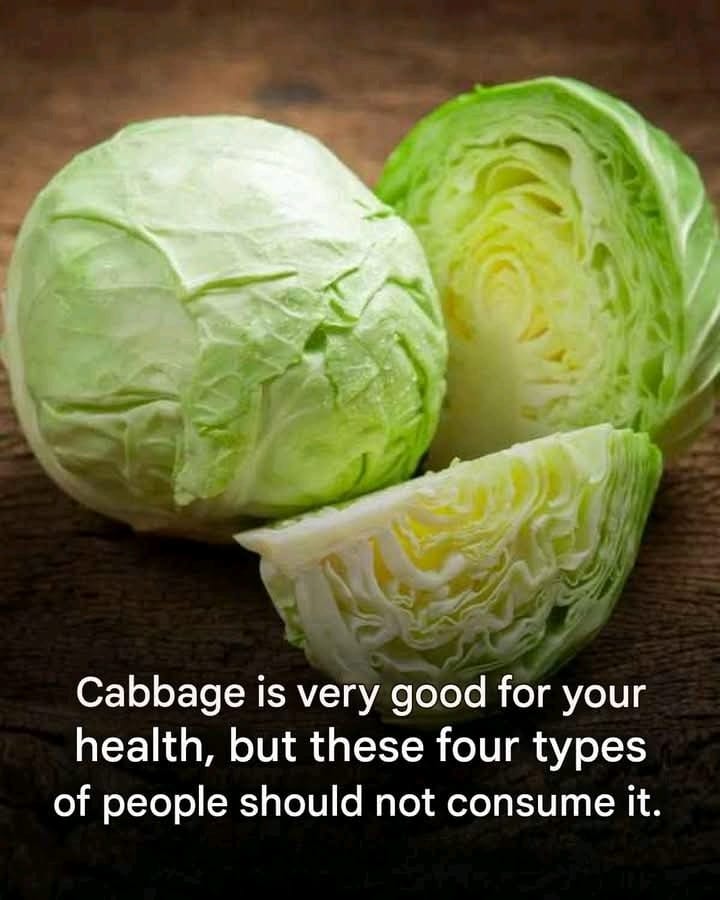
The 4 types of people who shouldn’t eat cabbage

Cabbage is one of the most affordable, versatile, and nutrient-packed vegetables you can add to your meals. Rich in fiber, vitamin C, vitamin K, and powerful antioxidants, it supports digestion, heart health, and immunity. Whether eaten raw in salads, fermented as sauerkraut, or cooked into soups and stir-fries, cabbage is a staple in many kitchens around the world.

However, despite its many benefits, cabbage isn’t ideal for everyone. Certain individuals may experience discomfort or health complications if they consume it regularly or in large amounts. If you love cabbage recipes, it’s important to understand when moderation — or avoidance — may be necessary.

Here are the four types of people who should be cautious about eating cabbage.

  1. People With Thyroid Disorders

Cabbage belongs to the cruciferous vegetable family, which also includes broccoli, cauliflower, and Brussels sprouts. These vegetables contain compounds known as goitrogens. Goitrogens can interfere with the thyroid gland’s ability to absorb iodine, a mineral essential for producing thyroid hormones.

For individuals with hypothyroidism or iodine deficiency, eating large amounts of raw cabbage may worsen symptoms such as fatigue, weight gain, hair thinning, and cold sensitivity. Cooking cabbage significantly reduces its goitrogenic effects, making it safer for those with mild thyroid concerns.

If you have a diagnosed thyroid condition, it doesn’t necessarily mean you must eliminate cabbage completely. Instead, consult your healthcare provider and consider eating it cooked rather than raw.

  1. People With Digestive Sensitivity or IBS

Cabbage is high in fiber and contains certain carbohydrates called FODMAPs (fermentable oligosaccharides, disaccharides, monosaccharides, and polyols). While fiber is generally beneficial, it can cause bloating, gas, and abdominal discomfort in individuals with sensitive digestive systems.

Those with Irritable Bowel Syndrome (IBS) may find that cabbage triggers cramping, excessive gas, or diarrhea. This happens because gut bacteria ferment the fibers and sugars in cabbage, producing gas as a byproduct.

If you experience discomfort after eating cabbage, try smaller portions or switch to cooked versions, which are often easier to digest than raw cabbage. Alternatively, you may consider other low-FODMAP vegetables that are gentler on the stomach.

  1. People Taking Blood Thinners

Cabbage is rich in vitamin K, a nutrient essential for blood clotting. While vitamin K is beneficial for most people, it can interfere with blood-thinning medications such as warfarin.

If you are on anticoagulant therapy, sudden increases in vitamin K intake can reduce the effectiveness of your medication. This may increase the risk of blood clots. On the other hand, drastically reducing vitamin K intake can increase bleeding risk.

Consistency is key. People on blood thinners don’t necessarily have to avoid cabbage entirely, but they should maintain a stable intake and consult their doctor before making significant dietary changes.

  1. People With Kidney Problems

Cabbage contains potassium, which is an important mineral for heart and muscle function. However, individuals with chronic kidney disease may need to limit potassium intake because their kidneys cannot efficiently remove excess potassium from the blood.

High potassium levels can lead to serious complications, including irregular heart rhythms. While cabbage is not the highest-potassium vegetable, large portions could contribute to elevated levels in those with advanced kidney disease.

If you have kidney issues, your healthcare provider or dietitian can help determine safe portion sizes and guide you toward kidney-friendly vegetables.

Healthy Cabbage Stir-Fry Recipe (For Those Who Can Enjoy It)

If cabbage works well for your body, here’s a simple, flavorful recipe you can enjoy as a side dish or light meal.

Ingredients:
2 cups chopped green cabbage
1 tablespoon olive oil
2 cloves garlic, minced
1 small carrot, sliced thin
1/2 teaspoon salt
1/4 teaspoon black pepper
1 teaspoon lemon juice

Instructions:
Heat olive oil in a large pan over medium heat. Add garlic and sauté for 30 seconds until fragrant. Stir in the cabbage and carrot. Cook for 5–7 minutes, stirring occasionally, until the cabbage softens but still has a slight crunch. Season with salt and pepper. Remove from heat and drizzle with lemon juice before serving.

This simple preparation reduces some digestive discomfort compared to raw cabbage and brings out its natural sweetness.

Final Thoughts

Cabbage is undeniably nutritious and budget-friendly, but it’s not suitable for everyone in large quantities. People with thyroid disorders, digestive sensitivities, those on blood thinners, and individuals with kidney disease should be mindful of how much and how often they consume it.

If you fall into one of these categories, talk to a healthcare professional before making cabbage a regular part of your diet. For everyone else, enjoying cabbage in moderation — especially cooked — can be a delicious way to boost your nutrition naturally

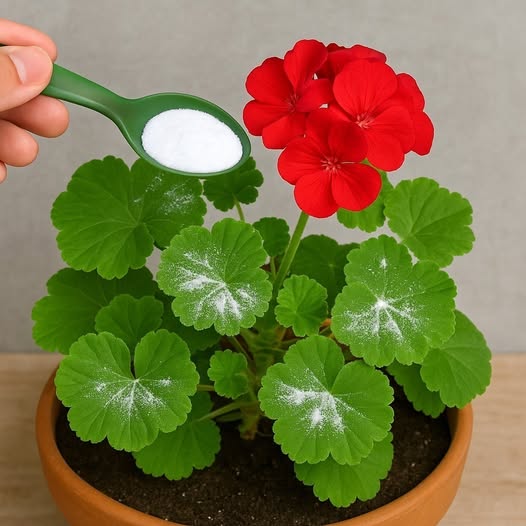
Here’s how to have geraniums full of flowers: you have to water them like this to always have them thriving

Geraniums are among the most loved flowering plants in the world — bright, cheerful, and incredibly generous with blooms when cared for properly. Known botanically as Pelargonium, these popular plants can transform balconies, patios, and gardens into colorful displays that last from spring through late autumn.

But if your geraniums look tired, produce few flowers, or grow lots of leaves but no blooms, the issue is often not sunlight or fertilizer — it’s watering. Yes, the secret to having geraniums full of flowers lies largely in how you water them.

Here’s exactly how to water geraniums so they stay thriving and covered in blooms all season long.

Why Watering Matters More Than You Think

Geraniums are native to South Africa, where they grow in sunny, well-drained conditions. Because of this origin, they are naturally drought-tolerant. Many gardeners make the mistake of treating them like thirsty annuals — and that’s where problems begin.

Overwatering is the number one reason geraniums stop flowering. When roots sit in constantly wet soil, they become stressed, oxygen-deprived, and prone to rot. A stressed plant focuses on survival, not producing flowers.

On the other hand, underwatering can also reduce blooms. If the soil becomes bone-dry for too long, the plant will drop buds and conserve energy.

The key is balance.

The Golden Rule: Let the Soil Dry First

The most important principle is simple:

Never water geraniums on a fixed schedule. Water only when the soil actually needs it.

Before watering, insert your finger about 2–3 centimeters into the soil. If it still feels moist, wait. If it feels dry at that depth, it’s time to water.

This small habit makes a huge difference.

Geraniums prefer their soil to dry out slightly between waterings. This encourages deeper root growth and stronger stems — both essential for abundant flowering.

Water Deeply, Not Lightly

Many people give their geraniums a quick splash every day. This is not ideal.

Instead, water deeply and thoroughly until excess water drains from the bottom of the pot. This ensures the entire root system receives moisture. Then allow the soil to dry before watering again.

Deep watering trains the roots to grow downward, making the plant more resilient and better able to support heavy blooms.

If your geraniums are planted in the ground, water slowly at the base so moisture penetrates deeply into the soil rather than running off the surface.

Always Water at the Base

Another crucial detail: avoid watering from above.

When water sits on leaves and flowers, especially in warm conditions, it can encourage fungal diseases and rot. Wet foliage can also cause unsightly spots.

Instead, aim the water directly at the soil around the base of the plant. Early morning is the best time to water because it allows any accidental splashes to dry quickly in the sun.

Drainage Is Everything

Even perfect watering habits won’t help if your pot or soil doesn’t drain properly.

Make sure:

  • Pots have drainage holes.

  • You use well-draining potting mix.

  • Saucers under pots are emptied after watering.

Geraniums hate “wet feet.” If water collects at the bottom and roots remain soggy, flowering will decline dramatically.

For extra drainage, you can mix a little sand or perlite into your potting soil. This improves airflow around the roots and prevents compaction.

Adjust Watering With the Weather

Geraniums need different amounts of water depending on temperature and sunlight.

  • In hot summer weather: Check soil more frequently, as containers dry quickly.

  • During cooler or cloudy periods: Reduce watering significantly.

  • In rainy conditions: Skip watering altogether.

Always observe the plant. Slightly drooping leaves that recover after watering signal thirst. Yellowing leaves and mushy stems often indicate too much water.

Learning to “read” your plant is one of the most valuable gardening skills.

The Bloom-Boosting Connection

Proper watering directly affects flowering.

When geraniums are slightly stressed (but not dehydrated), they produce more blooms. Mild dryness encourages flowering because the plant shifts energy toward reproduction.

However, constant moisture pushes the plant to produce leafy growth instead of flowers.

If your geranium is healthy but not blooming well, try slightly extending the time between waterings. This subtle adjustment often triggers a fresh wave of blossoms.

Combine Smart Watering With Deadheading

Watering alone won’t guarantee a full display of flowers. To maximize blooms:

  • Remove faded flowers regularly (deadheading).

  • Pinch back leggy stems.

  • Provide at least 6 hours of sunlight daily.

  • Use a balanced fertilizer every 2–3 weeks during peak growing season.

But remember: none of these efforts will work properly if the roots are struggling due to improper watering.

Signs You’re Watering Correctly

You’ll know your watering routine is working when:

  • The plant has firm, upright stems.

  • Leaves are vibrant green (not yellow).

  • Buds continuously form.

  • Flowers appear in dense clusters.

  • Soil dries slightly between waterings but never becomes cracked or hard.

Healthy geraniums reward good care quickly. Once you find the right rhythm, they can bloom nonstop for months.

Final Thoughts

If you want geraniums bursting with flowers, the secret isn’t complicated — it’s consistent, mindful watering.

Let the soil dry slightly.
Water deeply.
Ensure excellent drainage.
Adjust for weather.
Avoid wet leaves.

These simple steps mimic the plant’s natural environment and keep roots strong and stress-free. When roots are happy, flowers follow.

With the right watering method, your geraniums won’t just survive — they’ll thrive, producing wave after wave of vibrant blooms that brighten your home and garden all season long.

Put raw chicken breasts in a slow cooker with these 4 ingredients

Put Raw Chicken Breasts in a Slow Cooker with These 4 Ingredients

If you’re looking for a simple, foolproof dinner that tastes like you spent hours in the kitchen, this slow cooker chicken recipe is exactly what you need. With just 4 main ingredients and a few optional seasonings, you can transform plain raw chicken breasts into a creamy, flavorful meal the whole family will love.

This recipe is perfect for busy weekdays, meal prep Sundays, or anytime you want comfort food without the stress. Just place everything in your slow cooker, turn it on, and let it do the work.

Why This 4-Ingredient Slow Cooker Chicken Works

The beauty of this recipe lies in its simplicity. Chicken breasts can sometimes turn out dry when cooked quickly, but the slow cooker keeps them moist and tender. As they simmer gently for hours, they absorb all the flavors from the sauce, becoming incredibly juicy and easy to shred.

It’s also versatile. You can serve it over rice, pasta, mashed potatoes, or even in sandwiches and wraps. With just four ingredients, you get a creamy, savory dish that feels indulgent but requires minimal effort.

Ingredients

Here’s what you’ll need:

  • 4 boneless, skinless chicken breasts

  • 1 packet (1 oz) ranch seasoning mix

  • 1 can (10.5 oz) cream of chicken soup

  • 8 oz cream cheese, softened

Optional (but recommended):

  • ½ cup chicken broth (for extra moisture)

  • Fresh parsley for garnish

  • Black pepper to taste

That’s it. Four core ingredients create magic in the slow cooker.

Step-by-Step Instructions

1. Prepare the Slow Cooker

Lightly spray the inside of your slow cooker with nonstick cooking spray. This helps prevent sticking and makes cleanup much easier.

2. Add the Chicken

Place the raw chicken breasts in a single layer at the bottom of the slow cooker. There’s no need to pre-cook or brown them first. The slow cooking process will fully cook them to tender perfection.

3. Add the Seasoning

Sprinkle the ranch seasoning mix evenly over the chicken breasts. This seasoning adds garlic, onion, herbs, and a subtle tangy flavor that enhances the entire dish.

4. Add the Soup and Cream Cheese

Spread the cream of chicken soup over the seasoned chicken. Then place chunks of softened cream cheese on top. If using chicken broth, pour it around the edges of the slow cooker.

Don’t stir at this point — everything will blend together beautifully as it cooks.

5. Cook Low and Slow

Cover and cook on:

  • Low for 6–7 hours, or

  • High for 3–4 hours

The chicken is done when it reaches an internal temperature of 165°F (74°C) and easily shreds with a fork.

6. Shred and Stir

Once fully cooked, use two forks to shred the chicken directly in the slow cooker. Stir everything together until the cream cheese and soup form a smooth, creamy sauce coating the shredded chicken.

Let it sit for about 10 minutes to thicken before serving.

Serving Suggestions

This creamy slow cooker chicken is incredibly versatile. Here are a few delicious ways to enjoy it:

  • Over steamed white or brown rice

  • On top of egg noodles

  • With mashed potatoes

  • Inside toasted sandwich rolls

  • Stuffed into baked potatoes

  • Wrapped in tortillas for creamy chicken tacos

You can also add steamed broccoli or spinach directly into the slow cooker during the last 30 minutes for a complete one-pot meal.

Storage and Meal Prep Tips

This recipe is excellent for leftovers. Store any remaining chicken in an airtight container in the refrigerator for up to 4 days.

To freeze, let it cool completely and transfer to freezer-safe containers. It will keep well for up to 3 months. Thaw overnight in the refrigerator and reheat gently on the stove or in the microwave.

It reheats beautifully, making it perfect for quick lunches throughout the week.

Ways to Customize This Recipe

Even though it’s delicious as written, you can easily switch things up:

  • Add shredded cheddar cheese for extra richness.

  • Mix in cooked bacon for a smoky twist.

  • Add garlic powder or paprika for deeper flavor.

  • Use low-fat cream cheese and soup for a lighter version.

  • Substitute cream of mushroom soup for a slightly earthier taste.

If you prefer a thicker sauce, remove the lid during the last 20 minutes of cooking to allow excess moisture to evaporate.

Helpful Tips for Perfect Results

  • Avoid overcooking. Even in a slow cooker, chicken breasts can dry out if left too long.

  • If the sauce seems too thick, stir in a splash of warm chicken broth.

  • For extra flavor, sprinkle fresh herbs on top before serving.

  • Always check internal temperature to ensure safe cooking.

    Why This Recipe Is a Keeper

    In a world of complicated recipes and long ingredient lists, this 4-ingredient slow cooker chicken stands out for its simplicity and comfort. It’s creamy, flavorful, family-friendly, and nearly impossible to mess up.

    Whether you’re feeding a crowd or just want a stress-free dinner option, this recipe proves that you don’t need dozens of ingredients to create something satisfying.

9 signs on your feet that may indicate liver problems

Your feet can reveal surprising clues about your overall health — including how well your liver is functioning. The liver plays a crucial role in detoxifying the body, producing bile, regulating hormones, and processing nutrients. When it becomes stressed or damaged, subtle signs can appear in different parts of the body — and your feet are no exception.

Here are 9 signs on your feet that may indicate liver problems, explained in detail.


1. Swollen Feet and Ankles (Edema)

https://my.clevelandclinic.org/-/scassets/images/org/health/articles/12564-edema
https://hips.hearstapps.com/hmg-prod/images/swollen-ankles-1566239141.png
https://d16qt3wv6xm098.cloudfront.net/AMHA4I-iQOeSzGJGQAIWsXPeQpCVbu9T/_.png
4

One of the most common signs of liver disease is swelling in the feet and ankles. When the liver is damaged — especially in conditions like cirrhosis — it may not produce enough albumin, a protein that helps keep fluid in the bloodstream.

Low albumin levels allow fluid to leak into surrounding tissues, causing pitting edema (when pressing the skin leaves an indentation). Persistent swelling that doesn’t improve with rest should be evaluated by a doctor.


2. Itchy Feet (Persistent Pruritus)

https://images.squarespace-cdn.com/content/v1/5c0097f045776e176b3154b3/1550091580805-61LDH4I31IKBQP1TBVB6/57261819_S_woman_rash_itch_foot_scratch_red_hand.jpg
https://www.verywellhealth.com/thmb/KNR3_lfAqW4Yd02CUqX47cmRq6Y%3D/2064x1452/filters%3Ano_upscale%28%29%3Amax_bytes%28150000%29%3Astrip_icc%28%29/GettyImages-670950774-4397558556f04966886fbf823aa4ac50.jpg

Chronic itching — especially on the soles of the feet — may be linked to liver dysfunction. When bile flow is impaired (a condition known as cholestasis), bile salts can accumulate in the bloodstream.

This buildup can irritate nerve endings in the skin, leading to intense itching, often worse at night. Unlike allergic itching, it may occur without a visible rash.


3. Yellowing of the Skin (Jaundice)

https://www.verywellhealth.com/thmb/bukLpCJEmZctWUJPNXZZK9JcV2c%3D/1500x0/filters%3Ano_upscale%28%29%3Amax_bytes%28150000%29%3Astrip_icc%28%29/yellow-feet-GettyImages-1534000638-5c2d07ce510e4252a751f0c1cbd72ef1.jpg
https://images.ctfassets.net/ut7rzv8yehpf/4apCMJ58DFHJpSuWTSh89Y/67b80638a538a2a2fccc83dfec7825b2/Causes_of_jaundice_yellow_looking_skin.jpeg?fl=progressive&fm=jpg&h=1840&q=50&w=3264
https://assets.nhs.uk/nhsuk-cms/images/S_1117_jaundice-hand_C0016614.original.max-600x600.jpg

A yellow tint on the soles or toes can be a sign of jaundice. Jaundice occurs when the liver cannot properly process bilirubin, a yellow pigment formed during the breakdown of red blood cells.

While jaundice is often noticeable in the eyes first, it can also affect the skin of the feet. This symptom requires immediate medical attention.


4. Red or Blotchy Feet (Palmar/Plantar Erythema)

https://www.foot-pain-explored.com/images/why-are-my-feet-red.jpg
https://www.researchgate.net/publication/369518753/figure/fig1/AS%3A11431281155095407%401683043463716/Blanching-palmar-and-plantar-erythema-on-the-palm-of-the-left-hand-and-sole-of-the-left.png
https://i.dailymail.co.uk/1s/2019/01/15/23/8575444-6596177-image-a-25_1547594344059.jpg

Persistent redness on the soles — known as plantar erythema — may indicate liver stress. Hormonal imbalances caused by liver disease can lead to dilation of blood vessels, creating a flushed appearance.

This redness is usually painless but noticeable and symmetrical on both feet.


5. Easy Bruising on the Feet

https://getlabtest-assets-prod.s3.amazonaws.com/media/original_images/foot-bruising-anatomical-illustration-health-20384.webp
https://dss.fosterwebmarketing.com/upload/1094/contusion.png
https://www.medicalimages.com/imagePreview/01APAVHE?cl=1&contributor=Scott+Camazine&ds=800&icc=1&imageCode=01APAVHE&imageId=14516643&location=&newStyle=1&qv=95&siteName=www.medicalimages.com&tbc=333333&tc=FFFFFF&title=

If you notice unexplained bruises on your feet, it could be related to liver function. The liver produces clotting factors that help your blood clot properly. When it’s not functioning well, bruising can occur more easily — even from minor bumps you barely remember.

Frequent or large bruises without injury should not be ignored.


6. Spider Veins Around the Ankles

https://www.metroveincenters.com/media/pages/blog/how-to-treat-foot-and-ankle-spider-veins/0c8f5ae2d3-1754929706/2-q80.webp
https://www.researchgate.net/profile/Thomas-Wright-33/publication/361096493/figure/fig1/AS%3A1183599768403968%401659203583937/Close-up-of-left-lateral-ankle-and-lower-leg-of-Case-3-Notice-the-slight-erythema.png

Small, visible blood vessels around the ankles and feet may sometimes be associated with liver disease. Hormonal changes and increased pressure in blood vessels (portal hypertension) can contribute to the development of spider-like veins.

Although spider veins can occur for many reasons, when combined with other symptoms, they may warrant liver screening.


7. Dark or Brownish Discoloration

https://s3.amazonaws.com/HMP/c360/imported/inline-images/Figure%201_13.jpg?VersionId=iitCQ4EBCzktcChGU6qR0MKFMJJIdqu2
https://sa1s3optim.patientpop.com/assets/images/provider/photos/1747558.jpeg
https://upload.wikimedia.org/wikipedia/commons/d/d2/Foot_002.jpg
4

Changes in pigmentation — especially dark or brown patches on the feet — may signal metabolic or hormonal imbalances linked to liver problems. The liver plays a key role in hormone breakdown, and dysfunction may lead to changes in skin tone.

While discoloration can have many causes, sudden changes should be checked.


8. Cold Feet and Poor Circulation

https://images.fosterwebmarketing.com/1058/Cold_Feet.jpeg
https://www.therochesterfootdoctor.com/uploads/1/0/9/2/109275071/published/poor-circulation-the-foot-doctor.jpg?1517024593=

Advanced liver disease can affect circulation due to changes in blood flow and fluid balance. Some people may notice their feet feeling unusually cold or appearing pale or slightly bluish.

Poor circulation can also lead to numbness or tingling sensations.


9. Cracked Heels with Severe Dryness

While dry feet are common, persistent and severe dryness — especially when accompanied by itching or discoloration — may be linked to impaired bile flow. The liver helps digest fats and absorb fat-soluble vitamins like A and E, which are essential for healthy skin.

A deficiency in these nutrients may lead to rough, cracked heels.


When to See a Doctor

Not every foot change means liver disease. Many of these symptoms can result from other common conditions such as diabetes, poor circulation, skin disorders, or simple dehydration.

However, you should consult a healthcare professional if foot symptoms occur alongside:

  • Fatigue

  • Abdominal swelling

  • Dark urine

  • Pale stools

  • Nausea

  • Loss of appetite

Early detection of liver problems — including fatty liver disease, hepatitis, or cirrhosis — significantly improves outcomes.


Final Thoughts

Your feet can provide valuable clues about what’s happening inside your body. Swelling, itching, discoloration, unexplained bruising, or redness may sometimes reflect liver stress or dysfunction.

That said, these signs alone do not confirm liver disease. They are warning signals — not diagnoses. If you notice persistent or unusual changes

Every Morning Joint Pain You’re Missing These 3 Vitamins

Waking up with stiff, aching joints every morning can be frustrating. You go to bed feeling relatively fine, but when you get up, your knees, fingers, hips, or shoulders feel tight and uncomfortable. While aging, inactivity, or underlying conditions like Osteoarthritis can contribute to joint pain, one often-overlooked cause is vitamin deficiency.

Your body relies on specific nutrients to maintain healthy cartilage, reduce inflammation, and support bone strength. If you’re consistently waking up with joint pain, you may be missing three essential vitamins: Vitamin D, Vitamin C, and Vitamin B12.

Let’s explore how these vitamins affect your joints and how you can make sure you’re getting enough.

1. Vitamin D: The Bone and Joint Protector

Vitamin D is one of the most important nutrients for bone and joint health. It helps your body absorb calcium, which is essential for maintaining strong bones. Without enough vitamin D, your bones can become weak and more prone to pain and stiffness.

Low vitamin D levels have been linked to increased joint discomfort, especially in the knees and hips. Many people are deficient without realizing it because symptoms can be subtle at first. Morning stiffness is often one of the earliest signs.

Why Morning Pain Happens

During the night, your body remains inactive for several hours. If your bones and joints lack proper support from vitamin D, inflammation and stiffness can feel more intense when you first wake up.

Common Signs of Vitamin D Deficiency:

  • Frequent joint or bone pain

  • Muscle weakness

  • Fatigue

  • Mood changes

How to Boost Vitamin D:

  • Get 15–30 minutes of sunlight daily

  • Eat fatty fish like salmon and sardines

  • Include fortified milk or cereals

  • Consider supplements (after consulting your doctor)

If you spend most of your time indoors or live in areas with limited sunlight, your risk of deficiency is higher.

2. Vitamin C: The Collagen Builder

Vitamin C plays a critical role in producing collagen, the protein that forms cartilage, tendons, and ligaments. Cartilage acts as a cushion between your bones. When collagen production is low, joints can feel stiff and sore.

Without enough vitamin C, your body struggles to repair joint tissues. Over time, this may contribute to cartilage breakdown and increased discomfort.

Why It Matters for Joint Health

Collagen keeps joints flexible and shock-resistant. If your collagen levels are low, joints may become more sensitive to pressure and inflammation, especially after long periods of rest — like during sleep.

Vitamin C also has antioxidant properties, helping reduce inflammation that can worsen joint pain.

Signs You Might Be Low in Vitamin C:

  • Slow wound healing

  • Easy bruising

  • Bleeding gums

  • Dry or rough skin

  • Joint tenderness

Good Sources of Vitamin C:

  • Oranges and lemons

  • Strawberries

  • Kiwi

  • Bell peppers

  • Broccoli

Eating fresh fruits and vegetables daily can significantly support joint repair and reduce inflammation naturally.

3. Vitamin B12: The Nerve Supporter

Vitamin B12 is essential for nerve health and red blood cell production. While it’s not directly responsible for cartilage or bone strength, a deficiency can cause nerve-related pain that feels like joint discomfort.

Many people mistake nerve pain for joint pain. If your joints feel stiff, tingly, or slightly numb in the morning, vitamin B12 deficiency could be a contributing factor.

Who Is at Risk?

  • Adults over 50

  • Vegetarians and vegans

  • People with digestive issues

  • Those taking certain medications

Vitamin B12 is mainly found in animal-based foods. If your diet lacks meat, eggs, or dairy, your levels may be low.

Symptoms of Vitamin B12 Deficiency:

  • Tingling in hands or feet

  • Fatigue

  • Memory problems

  • Weakness

  • Balance issues

Best Food Sources:

  • Meat and poultry

  • Fish

  • Eggs

  • Milk and dairy products

If untreated, severe B12 deficiency can lead to long-term nerve damage, so it’s important to address symptoms early.


The Inflammation Connection

Chronic inflammation is one of the leading causes of joint pain. Conditions like Rheumatoid arthritis are strongly linked to inflammatory processes in the body.

While vitamins alone cannot cure inflammatory diseases, deficiencies can worsen inflammation and make symptoms more noticeable. Ensuring adequate intake of these three vitamins may help reduce morning stiffness and improve overall joint comfort.


When to See a Doctor

If your morning joint pain lasts longer than 30–60 minutes or is accompanied by swelling, redness, or severe stiffness, it’s important to consult a healthcare provider. Persistent joint pain may signal an underlying medical condition that requires proper diagnosis and treatment.

A simple blood test can check your vitamin D and B12 levels. Addressing deficiencies early may significantly improve how you feel each morning.


Small Changes, Big Difference

You don’t have to wait until joint pain becomes severe. Supporting your body with the right nutrients can make a noticeable difference over time.

Start with simple steps:

  • Eat a balanced diet rich in fruits, vegetables, and protein

  • Spend time outdoors for natural sunlight

  • Stay physically active to improve joint flexibility

  • Talk to your doctor about testing for deficiencies

Morning joint pain isn’t something you should ignore. Sometimes, your body is simply asking for better nutritional support. By ensuring you’re getting enough Vitamin D, Vitamin C, and Vitamin B12, you may reduce stiffness, support joint repair, and wake up feeling more comfortable and energized.