How ice cubes benefit houseplants

Using ice cubes for houseplants might sound unusual, but this simple trick has gained popularity among plant lovers for its ease and effectiveness—especially for those who struggle with overwatering. While not suitable for every plant, ice cubes can offer a controlled, gradual watering method that benefits certain indoor plants when used correctly. Let’s explore how this method works, its benefits, and how to use it safely.

🌿 What Does Watering with Ice Cubes Mean?

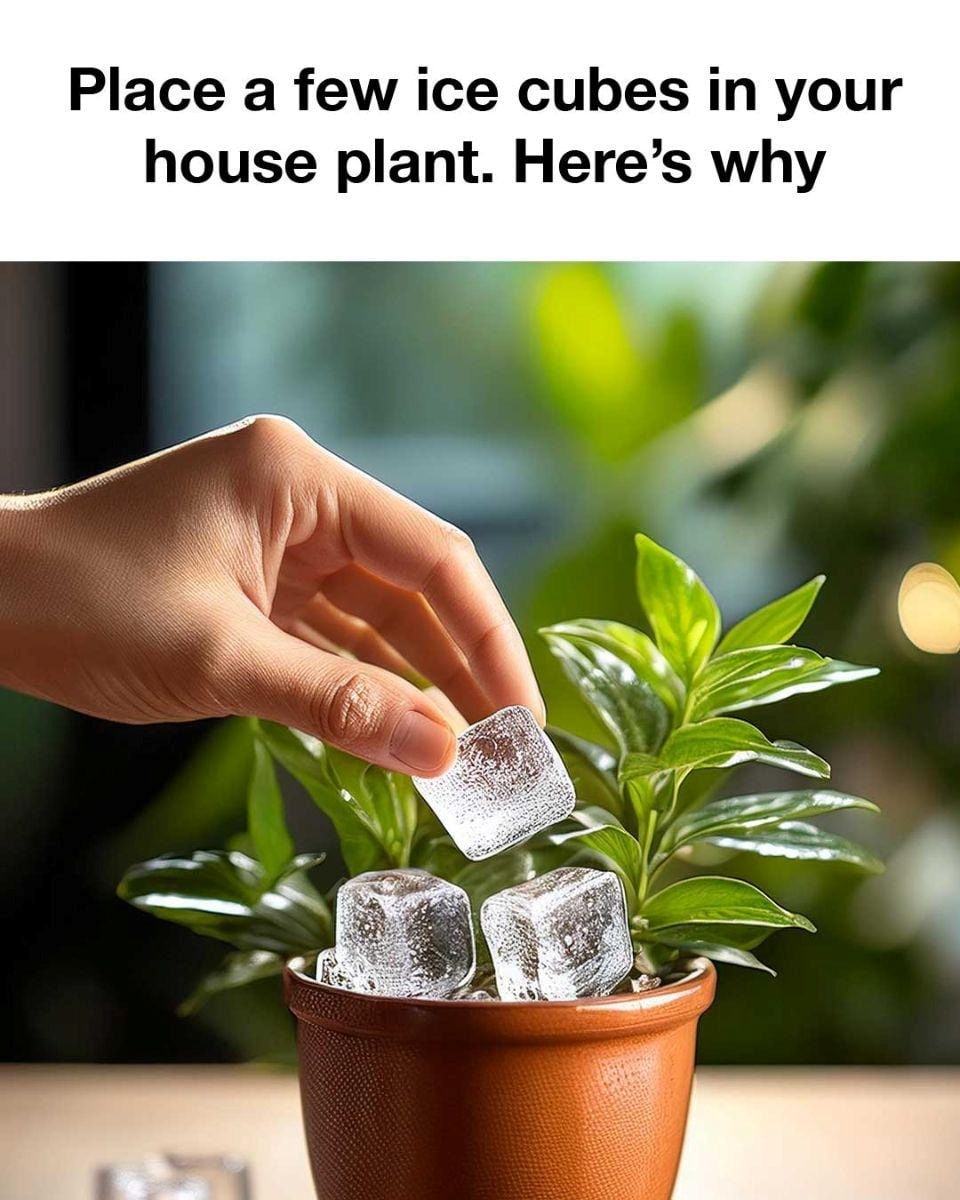
Instead of pouring water directly into the soil, you place a few ice cubes on top of the potting mix. As the ice slowly melts, it releases water gradually into the soil, mimicking a slow and steady watering process. This can be especially helpful for people who tend to forget watering schedules or accidentally overwater their plants.


💧 Key Benefits of Using Ice Cubes for Houseplants

1. Prevents Overwatering

One of the most common causes of houseplant death is overwatering. When you use ice cubes, the amount of water is pre-measured. Typically, 2–3 ice cubes are enough for small to medium plants. This controlled method helps prevent root rot, which happens when roots sit in excess moisture.

2. Provides Slow, Even Hydration

Ice cubes melt slowly, allowing water to seep gently into the soil. This gives roots more time to absorb moisture evenly rather than being flooded all at once. It’s especially useful for plants that prefer consistent moisture levels.

3. Easy and Convenient

For busy people or beginners, ice cube watering simplifies plant care. You don’t need measuring cups or guesswork—just place the cubes and let them melt. It’s a quick and mess-free solution.

4. Ideal for Delicate Plants

Some plants, like orchids, prefer minimal watering and are sensitive to excess moisture. Ice cubes can help deliver just the right amount of water without overwhelming their roots.

5. Reduces Water Spillage

When watering with a jug or bottle, water often spills over the edges or drains too quickly. Ice cubes stay in place and melt slowly, reducing mess and making indoor plant care cleaner.


🌱 Best Plants for Ice Cube Watering

While not all plants enjoy cold watering, some tolerate or even benefit from this method:

  • Orchids
  • Succulents (occasionally)
  • Small potted plants
  • Peace lilies

These plants generally require moderate to low watering, making ice cubes a good option for controlled hydration.


⚠️ Important Considerations

Despite the benefits, ice cube watering is not suitable for every plant. Here are some important points to keep in mind:

1. Cold Sensitivity

Some plants are sensitive to cold temperatures. Placing ice directly on the soil can shock delicate roots. To avoid this, don’t let the ice touch the plant stem, and spread cubes evenly on the soil surface.

2. Not for Tropical Plants

Tropical plants prefer warm conditions and may not respond well to cold water. For these plants, traditional watering with room-temperature water is better.

3. Soil Type Matters

If your soil drains poorly, even melted ice water can accumulate and cause root problems. Always ensure your pot has proper drainage holes.

4. Use in Moderation

Ice cube watering should not replace all watering methods. It’s best used occasionally or for specific plants rather than as a universal solution.


🧊 How to Use Ice Cubes Properly

Follow these simple steps to safely water your plants with ice cubes:

  1. Take 2–3 standard-sized ice cubes (depending on pot size).
  2. Place them evenly on the soil surface, away from the stem.
  3. Allow them to melt completely before adding more.
  4. Use this method once a week or as needed based on your plant’s watering schedule.

For larger plants, you may need more cubes, but always avoid overdoing it.


🌼 Additional Tips for Healthy Houseplants

  • Check soil moisture before adding ice cubes—don’t water if the soil is already wet.
  • Observe your plant’s reaction. If leaves turn yellow or wilt, adjust your watering method.
  • Combine ice cube watering with proper sunlight and fertilization for best results.
  • Rotate plants occasionally to ensure even growth.

🌿 Final Thoughts

Using ice cubes to water houseplants is a clever and convenient method that can help prevent overwatering and provide steady hydration. It’s especially useful for beginners or those with busy schedules. However, it’s important to understand your plant’s specific needs before adopting this technique.

Benefits of inhaling clove vapors: Quick breathing relief with a simple kitchen spice

Cloves are a small but powerful spice often found in kitchens around the world. Known for their warm, slightly sweet flavor, cloves have also been used for centuries in traditional remedies. One lesser-known but highly effective use is inhaling clove vapors to support breathing and respiratory comfort. This simple, natural method can help clear nasal passages, soothe irritation, and promote easier breathing—especially during colds, seasonal changes, or mild congestion.

In this guide, you’ll discover how clove vapors work, their benefits, and a safe, easy recipe you can try at home.


Why Cloves Are So Powerful

Cloves contain a natural compound called eugenol, which gives them their strong aroma and therapeutic properties. Eugenol is known for its anti-inflammatory, antibacterial, and soothing effects. When cloves are heated in water, their essential oils are released into the steam, creating vapors that can be inhaled for respiratory relief.

This natural approach is especially helpful because it targets the airways directly, allowing the beneficial compounds to work where they are needed most.


Key Benefits of Inhaling Clove Vapors

1. Clears Nasal Congestion
The warm steam combined with clove oils helps loosen mucus and open blocked nasal passages. This can make breathing easier almost instantly, especially during a cold or sinus congestion.

2. Soothes the Throat and Airways
Clove vapors have a calming effect on irritated tissues in the throat and respiratory tract. This can reduce discomfort caused by dry air, coughing, or mild infections.

3. Natural Antibacterial Support
Clove’s antibacterial properties may help reduce the presence of harmful microbes in the respiratory system, supporting overall respiratory health.

4. Helps Reduce Coughing
Inhaling warm clove-infused steam can relax the airways and reduce the urge to cough, especially when the cough is caused by irritation or dryness.

5. Promotes Relaxation and Comfort
The warm, aromatic scent of cloves has a comforting effect, helping you feel more relaxed—especially helpful before bedtime.


Simple Clove Vapor Inhalation Recipe

This easy home remedy requires just a few ingredients and takes only minutes to prepare.

Ingredients:

  • 1 tablespoon whole cloves
  • 2–3 cups water
  • A large heat-safe bowl
  • A towel

Instructions:

  1. Boil the Water
    Bring 2–3 cups of water to a boil.
  2. Add Cloves
    Once the water is boiling, add the cloves and let them simmer for 2–3 minutes.
  3. Prepare for Inhalation
    Carefully pour the hot water into a large bowl and place it on a stable surface.
  4. Inhale the Vapors
    Sit comfortably, lean over the bowl, and cover your head with a towel to trap the steam.
    Close your eyes and inhale deeply through your nose for 5–10 minutes.
  5. Take Breaks if Needed
    If the steam feels too strong, lift the towel slightly or take short breaks.

Tips for Best Results

  • Use this method once or twice daily when experiencing congestion or discomfort.
  • Always keep a safe distance from hot water to avoid burns.
  • Avoid inhaling steam that feels too hot—let it cool slightly first.
  • Stay hydrated after the session to help loosen mucus further.

Optional Enhancements

You can enhance the effects of clove vapors by combining them with other natural ingredients:

  • Ginger slices for extra warmth and anti-inflammatory benefits
  • Lemon peel for a refreshing and cleansing aroma
  • A pinch of salt to support mucus breakdown

These additions can make the experience even more soothing and effective.


When to Use This Remedy

Clove vapor inhalation is especially helpful during:

  • Seasonal colds or flu
  • Mild sinus congestion
  • Dry throat or irritation
  • Exposure to dust or pollution
  • Before sleep to promote easier breathing

Safety Considerations

While this remedy is natural, it’s important to use it responsibly:

  • Not recommended for very young children without supervision
  • People with asthma or respiratory conditions should consult a healthcare professional first
  • Avoid direct contact with hot water to prevent burns
  • Do not ingest the clove water after use

Final Thoughts

Clove vapor inhalation is a simple yet powerful home remedy that uses a common kitchen spice to support respiratory comfort. With its natural soothing and antibacterial properties, cloves can help clear congestion, calm irritation, and promote easier breathing in a gentle and effective way.

Best of all, this remedy is affordable, easy to prepare, and requires no special equipment. Whether you’re dealing with a stuffy nose, a scratchy throat, or just want a natural way to relax your airways, clove vapors offer a comforting solution you can rely on.

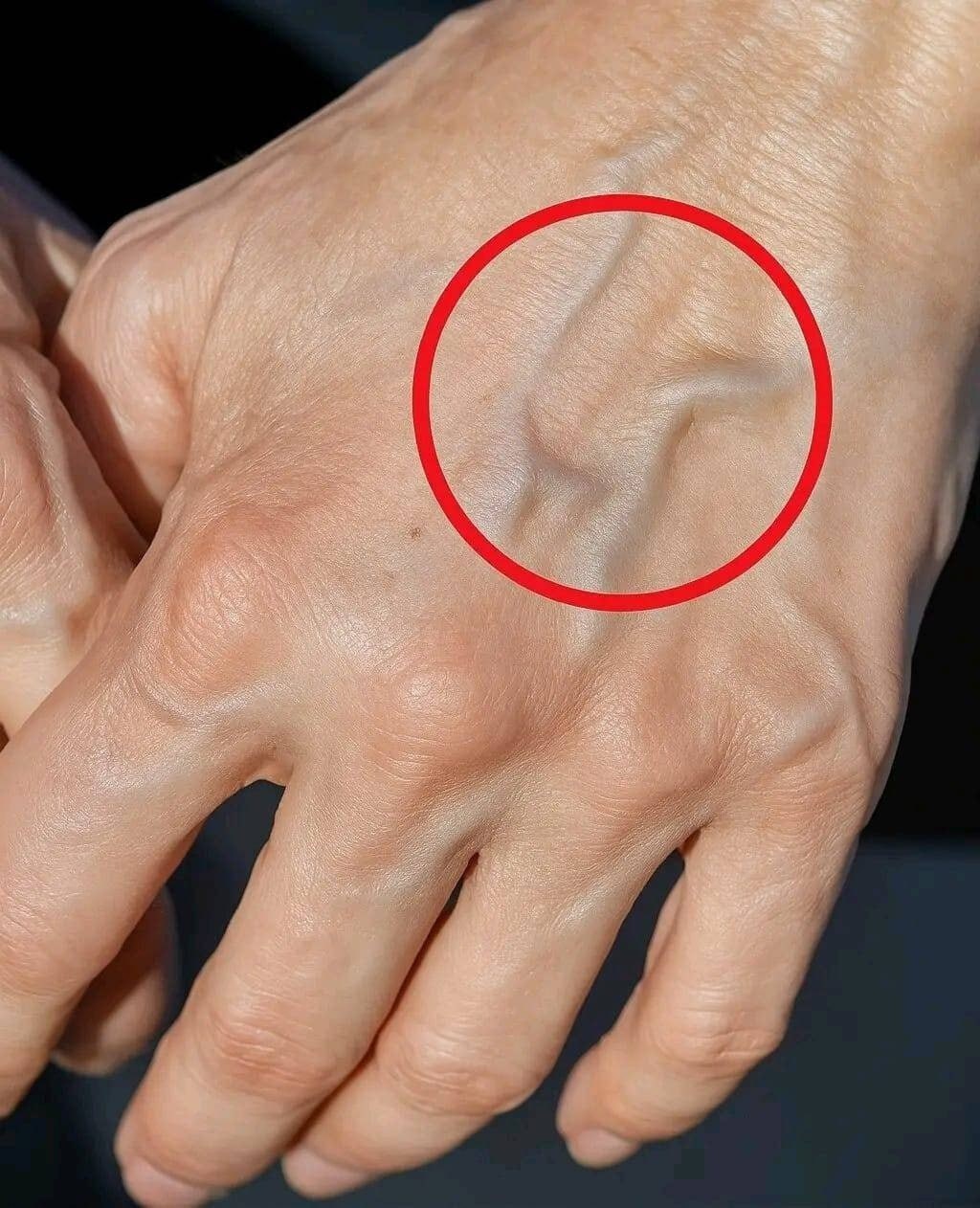
Visible Veins What They Mean and Why You Might See Them

Visible veins are something many people notice at different stages of life. For some, they appear as faint blue or green lines just beneath the skin, while for others they may look more pronounced, raised, or even twisted. Although visible veins are often completely normal, they can sometimes raise concerns about health or appearance. Understanding why veins become more noticeable can help you determine whether it’s simply a natural change or something worth paying closer attention to.

One of the most common reasons for visible veins is simply low body fat. When you have less fat beneath your skin, veins have less tissue covering them, making them more noticeable. This is why athletes or very lean individuals often have prominent veins, especially in their arms, hands, and legs. In these cases, visible veins are typically a sign of fitness rather than a health issue.

Another major factor is aging. As you get older, your skin naturally becomes thinner and loses some of its elasticity. This thinning makes it easier to see the veins underneath. Additionally, the valves inside your veins may weaken over time, which can sometimes cause veins to appear more prominent or slightly swollen. This is a normal part of the aging process, though it can vary from person to person.

Genetics also play a strong role. If your parents or close relatives have visible veins or conditions like varicose veins, there’s a higher chance you might experience the same. Some people naturally have lighter or thinner skin, making veins more visible regardless of age or body composition.

In many cases, physical activity can temporarily increase vein visibility. When you exercise, your muscles require more oxygen, and your blood flow increases. This causes veins to expand slightly, making them stand out more. Weightlifting, in particular, is known for creating a “vascular” look, where veins become more pronounced during and after workouts. This effect is usually temporary and fades as your body returns to a resting state.

Hot weather is another simple explanation. Heat causes your blood vessels to expand to help regulate body temperature. As veins widen, they become more visible under the skin. You may notice your veins appearing more prominent during hot days or after a warm shower. This is generally harmless and resolves once your body cools down.

However, not all visible veins are purely cosmetic. In some cases, they may indicate underlying conditions. One such condition is varicose veins, which occur when vein valves weaken and blood begins to pool. This can cause veins to become enlarged, twisted, and sometimes painful. Varicose veins are most commonly seen in the legs and may be accompanied by symptoms like heaviness, aching, or swelling.

Another related condition is spider veins, which are smaller, web-like veins that appear close to the surface of the skin. While usually harmless, they can sometimes signal mild circulation issues.

Visible veins may also become more noticeable due to hormonal changes, especially during pregnancy or menopause. Hormones can affect blood vessel walls, causing them to relax and expand. Increased blood volume during pregnancy can also put extra pressure on veins, making them stand out more.

In rarer cases, sudden or unusual vein visibility could be linked to medical concerns such as blood clots or circulatory problems. If a vein becomes hard, painful, red, or warm to the touch, it’s important to seek medical advice promptly. These symptoms could indicate a more serious condition that requires attention.

So, when should you be concerned about visible veins? Generally, veins that are simply more noticeable without pain or other symptoms are not a cause for worry. However, you should consider consulting a healthcare professional if you notice:

  • Persistent pain or discomfort in the area
  • Swelling in the legs or surrounding tissue
  • Skin discoloration or ulcers near the veins
  • Sudden changes in vein appearance
  • A feeling of heaviness or fatigue in the legs

If your concern is mainly cosmetic, there are several ways to reduce the appearance of visible veins. Staying hydrated, maintaining a healthy weight, and exercising regularly can all support good circulation. Elevating your legs and avoiding long periods of standing or sitting can also help prevent vein-related issues.

For those seeking more direct treatments, options like compression stockings, laser therapy, or medical procedures are available, depending on the severity and cause. It’s always best to consult a professional before choosing any treatment.

In conclusion, visible veins are usually a normal part of the body’s structure and can be influenced by factors like age, genetics, body composition, and lifestyle. While they are often harmless, it’s important to pay attention to any unusual symptoms or changes. Understanding what your body is showing you can help you stay informed, confident, and proactive about your health.

Garlic Parmesan Crusted Chicken

If you’re looking for a simple yet restaurant-quality dish that’s packed with flavor, Garlic Parmesan Crusted Chicken is a perfect choice. This recipe combines tender, juicy chicken with a crispy, golden crust infused with garlic, Parmesan cheese, and herbs. It’s a crowd-pleaser that works just as well for a weeknight dinner as it does for special occasions.

Ingredients

To make this delicious dish, you’ll need:

  • 2 large boneless, skinless chicken breasts (or 4 smaller pieces)
  • ½ cup grated Parmesan cheese
  • ½ cup breadcrumbs (panko preferred for extra crunch)
  • 3–4 cloves garlic, minced
  • 1 teaspoon garlic powder
  • 1 teaspoon Italian seasoning
  • ½ teaspoon paprika
  • Salt and black pepper to taste
  • 2 eggs
  • 2 tablespoons milk
  • 3 tablespoons olive oil or melted butter
  • Optional: chopped fresh parsley for garnish

Preparation Steps

1. Prepare the Chicken

Start by slicing the chicken breasts horizontally to create thinner cutlets. This ensures even cooking and a better crust-to-chicken ratio. If needed, gently pound the chicken to about ½-inch thickness.

Season both sides with salt and black pepper. Set aside while you prepare the coating.

2. Set Up Breading Station

You’ll need three shallow bowls:

  • Bowl 1: Beat the eggs with milk until smooth.
  • Bowl 2: Combine Parmesan cheese, breadcrumbs, minced garlic, garlic powder, Italian seasoning, paprika, salt, and pepper.
  • Bowl 3 (optional): Plain flour (for extra coating stability, optional but helpful).

3. Coat the Chicken

Dip each chicken piece into the flour (if using), then into the egg mixture, and finally coat it thoroughly with the Parmesan breadcrumb mixture. Press gently so the coating sticks well.

Place coated chicken on a plate and let it rest for 5–10 minutes. This helps the crust adhere better during cooking.

Cooking Methods

Pan-Frying (Best for Crispiness)

Heat olive oil or butter in a large skillet over medium heat. Once hot, add the chicken pieces carefully.

Cook for about 4–5 minutes per side, or until the crust is golden brown and the chicken is fully cooked (internal temperature of 75°C / 165°F).

Remove and place on a paper towel-lined plate to absorb excess oil.

Oven-Baked (Healthier Option)

Preheat your oven to 200°C (400°F). Line a baking tray with parchment paper and lightly grease it.

Place the coated chicken on the tray and drizzle or spray a little oil on top.

Bake for 20–25 minutes, flipping halfway through, until golden and crispy.

Air Fryer Method (Quick & Light)

Preheat your air fryer to 180°C (350°F).

Place chicken in a single layer and cook for 12–15 minutes, flipping halfway. Spray lightly with oil for extra crispiness.

serving Suggestions

Garlic Parmesan Crusted Chicken pairs beautifully with a variety of sides:

  • Creamy mashed potatoes
  • Butter garlic pasta
  • Steamed vegetables like broccoli or green beans
  • Fresh garden salad
  • Rice or herbed quinoa

For an extra burst of flavor, squeeze fresh lemon juice over the chicken before serving and sprinkle with chopped parsley.

Tips for Perfect Results

  • Use fresh Parmesan instead of pre-packaged for better flavor and melting.
  • Don’t overcrowd the pan when frying; cook in batches if needed.
  • Let the chicken rest after cooking for 5 minutes to retain juices.
  • Adjust seasoning to your taste—add chili flakes for a spicy kick.

Variations

  • Cheesy Upgrade: Add mozzarella to the coating for a gooey twist.
  • Spicy Version: Mix cayenne pepper or chili powder into the breadcrumbs.
  • Low-Carb Option: Replace breadcrumbs with crushed almonds or pork rinds.
  • Herb Boost: Add fresh basil or thyme for a fragrant touch.

Why You’ll Love This Recipe

This Garlic Parmesan Crusted Chicken stands out because of its perfect balance of textures and flavors. The outside is crispy and savory, while the inside remains juicy and tender. The garlic adds depth, and the Parmesan delivers a rich, nutty taste that makes every bite satisfying.

It’s also incredibly versatile—you can serve it as a main dish, slice it over salads, or even use it in sandwiches and wraps.

Storage & Reheating

  • Refrigerate: Store leftovers in an airtight container for up to 3 days.
  • Freeze: Freeze cooked chicken for up to 2 months.
  • Reheat: For best results, reheat in the oven or air fryer to maintain crispiness. Avoid microwaving, as it can make the crust soggy.

Final Thoughts

Garlic Parmesan Crusted Chicken is one of those recipes that delivers maximum flavor with minimal effort. Whether you’re cooking for your family or impressing guests, this dish is guaranteed to be a hit. Once you try it, it’s sure to become a regular favorite in your kitchen.

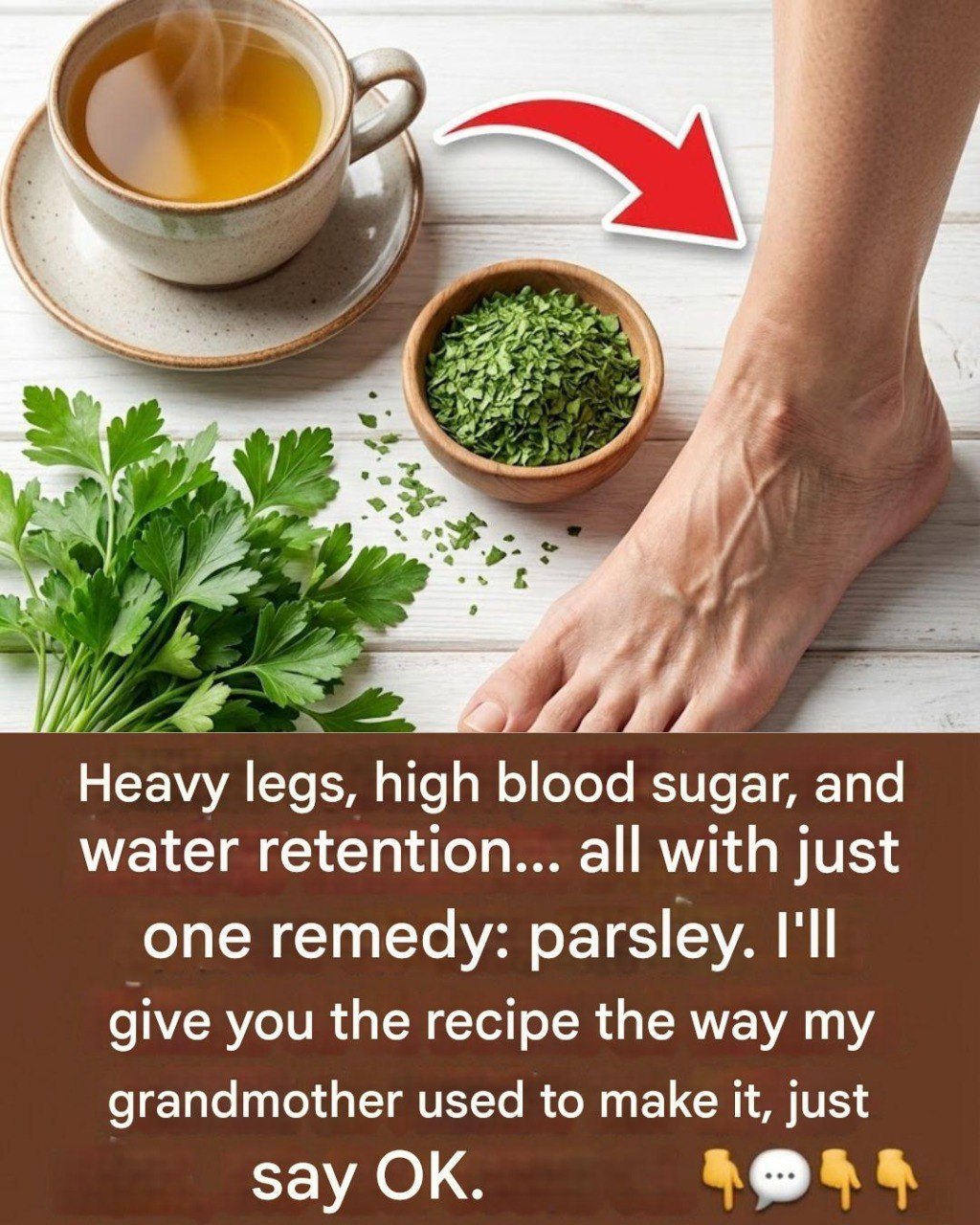
Parsley: the simple remedy our grandmothers used for heavy legs and water retention

For generations, natural remedies have played an essential role in supporting everyday health. Among these time-tested solutions, parsley stands out as one of the simplest yet most effective herbs used by our grandmothers to relieve heavy legs and reduce water retention. Often overlooked as just a garnish, parsley is actually packed with powerful nutrients and natural compounds that can help your body eliminate excess fluids and feel lighter.

If you often experience swelling in your legs, ankles, or feet—especially after long days of standing or sitting—this easy parsley remedy may offer gentle, natural support.


Why Parsley Works

Parsley is rich in vitamins A, C, and K, as well as antioxidants and essential minerals like potassium. What makes it particularly effective for water retention is its natural diuretic effect. This means it helps your body release excess fluids through urine without stripping away important nutrients.

Additionally, parsley supports kidney function and circulation. When your body struggles to move fluids efficiently, they tend to accumulate in the lower extremities, leading to that uncomfortable “heavy legs” feeling. Drinking parsley infusion regularly may help improve this process naturally.


Parsley Tea Recipe for Water Retention

This traditional remedy is simple, affordable, and easy to prepare at home.

Ingredients:

  • 1 handful of fresh parsley (or 2 teaspoons dried parsley)
  • 2 cups water
  • Optional: juice of half a lemon
  • Optional: 1 teaspoon honey

Instructions:

  1. Wash the parsley thoroughly to remove any dirt or impurities.
  2. Bring 2 cups of water to a boil in a small pot.
  3. Add the parsley to the boiling water.
  4. Reduce heat and let it simmer for 5–10 minutes.
  5. Turn off the heat and let it steep for another 5 minutes.
  6. Strain the liquid into a cup.
  7. Add lemon juice or honey if desired for taste.

How to Use

Drink one cup of parsley tea in the morning on an empty stomach and another in the evening. For best results, use this remedy for 5 to 7 consecutive days, then take a short break.

Many people notice reduced bloating and lighter legs within just a few days of consistent use.


Additional Tips for Best Results

To enhance the benefits of parsley tea, consider combining it with a few simple lifestyle habits:

  • Stay hydrated: Drinking enough water helps your body flush out excess sodium and toxins.
  • Reduce salt intake: Too much salt can cause fluid retention.
  • Move regularly: Gentle walking or stretching improves circulation in the legs.
  • Elevate your legs: Resting with your legs raised helps reduce swelling.
  • Massage: Light leg massages can stimulate lymphatic drainage.

Why Our Grandmothers Trusted It

Before modern medications, natural herbs like parsley were trusted for their healing properties. They were accessible, affordable, and effective without harsh side effects. Parsley, in particular, was widely used in traditional remedies across cultures for kidney health, swelling, and digestion.

This simple tea reflects the wisdom of using what nature provides to support the body in a gentle, sustainable way.


Precautions

While parsley is generally safe for most people, there are a few precautions to keep in mind:

  • Avoid excessive consumption, as very high amounts may strain the kidneys.
  • Pregnant women should avoid large quantities of parsley tea.
  • If you have kidney disease or are taking diuretics, consult a healthcare professional before use. Final  Thoughts

Parsley may seem like a humble herb, but its benefits are impressive. This traditional parsley tea offers a natural way to reduce water retention, support circulation, and ease the discomfort of heavy legs.

In a world full of complex solutions, sometimes the simplest remedies—like those passed down from our grandmothers—are the most effective. With just a handful of parsley and a few minutes of preparation, you can reconnect with this timeless healing tradition and give your body the gentle support it deserves.

Natural Nighttime Drink for Kidney Support: Lemon & Ginger Recipe

Taking care of your kidneys is essential for overall health, as these hardworking organs filter toxins, balance fluids, and regulate important minerals in your body. A simple, natural nighttime drink made with lemon and ginger can gently support kidney function while promoting hydration and relaxation before sleep. This easy-to-make remedy has been used in traditional wellness practices for its refreshing taste and potential health benefits.


Why Lemon and Ginger?

Both lemon and ginger are powerful natural ingredients known for their cleansing and soothing properties.

Lemon is rich in vitamin C and antioxidants. It may help support the body’s natural detox processes and can encourage hydration, which is vital for kidney health. Lemon also contains citric acid, which may help reduce the formation of certain types of kidney stones.

Ginger is well known for its anti-inflammatory and digestive benefits. It can help improve circulation and support the body’s natural ability to eliminate waste. Additionally, ginger provides a calming effect, making it ideal for a nighttime drink.

Together, these ingredients create a warm, soothing beverage that can help your body unwind while gently supporting your kidneys.


Ingredients

  • 1 cup warm water (not boiling)
  • Juice of ½ fresh lemon
  • 1 teaspoon freshly grated ginger (or ½ teaspoon ginger powder)
  • 1 teaspoon honey (optional, for taste)

Instructions

  1. Heat the water
    Warm one cup of water until it is comfortably hot but not boiling. Extremely hot water can destroy some of the beneficial compounds in lemon.
  2. Prepare the ginger
    Grate fresh ginger finely. If you’re using ginger powder, make sure it is high quality and fresh for best results.
  3. Mix ingredients
    Add the grated ginger to the warm water and let it steep for 3–5 minutes. This allows the beneficial compounds to infuse into the water.
  4. Add lemon juice
    Squeeze in the juice of half a fresh lemon. Stir well.
  5. Optional sweetener
    Add a teaspoon of honey if you prefer a slightly sweeter taste. This can also provide a soothing effect for the throat.
  6. Strain (optional)
    If you prefer a smoother drink, strain out the ginger pieces before drinking.
  7. Enjoy before bed
    Drink this mixture about 30 minutes before bedtime for the best effect.

How It Supports Kidney Health

This nighttime drink works in several gentle ways:

  • Promotes hydration: Proper fluid intake helps kidneys flush out toxins and waste products.
  • Supports detoxification: Lemon may encourage natural cleansing processes in the body.
  • Reduces inflammation: Ginger’s anti-inflammatory properties can support overall organ health.
  • Encourages relaxation: Warm drinks can calm the body and prepare it for restful sleep.

Additional Tips for Better Results

  • Drink this remedy consistently for a few weeks to notice potential benefits.
  • Pair it with a balanced diet rich in fruits, vegetables, and whole foods.
  • Limit excessive salt and processed foods, which can strain the kidneys.
  • Stay hydrated throughout the day, not just at night.
  • Maintain a healthy lifestyle with regular physical activity.

Precautions

While this drink is natural and generally safe, keep the following in mind:

  • If you have kidney disease or are on medication, consult a healthcare professional before trying new remedies.
  • Avoid excessive lemon if you have sensitive teeth or acid reflux.
  • Ginger may interact with certain medications, such as blood thinners.

Final Thoughts

This lemon and ginger nighttime drink is a simple yet effective addition to your daily routine. It’s easy to prepare, soothing to consume, and offers gentle support for your kidneys and overall well-being. While it is not a cure or medical treatment, it can be a helpful natural habit when combined with a healthy lifestyle.

Quick Relief from Sciatica Discomfort: Simple At-Home Stretches and Tips You Can Try Today

Sciatica discomfort can feel sharp, burning, or radiating from your lower back down through your leg—often making even simple movements difficult. This condition is usually caused by irritation or compression of the sciatic nerve, which runs from your lower spine through your hips and down each leg. While severe cases may require medical care, many people find meaningful relief with simple at-home strategies. Below is a practical, easy-to-follow guide to help you ease sciatica discomfort naturally.


🌿 Understanding Sciatica

Sciatica is not a condition itself but a symptom of underlying issues like a herniated disc, spinal narrowing, or muscle tightness. The pain may worsen with sitting, sudden movements, or prolonged inactivity. Fortunately, gentle stretching and lifestyle adjustments can reduce pressure on the nerve and promote healing.


🧘‍♂️ Simple At-Home Stretches

These stretches are designed to relieve tension around the lower back and hips, where the sciatic nerve is often compressed.

1. Knee-to-Chest Stretch

Lie on your back with both legs extended. Slowly bring one knee toward your chest, holding it with both hands. Keep your other leg flat on the floor. Hold for 20–30 seconds, then switch sides.
👉 This stretch helps lengthen the lower back and relieve nerve pressure.


2. Seated Spinal Twist

Sit on the floor with your legs extended. Bend one knee and place your foot outside the opposite thigh. Gently twist your torso toward the bent knee, placing your opposite elbow against it. Hold for 20 seconds.
👉 This movement improves spinal mobility and reduces stiffness.


3. Piriformis Stretch

Lie on your back and cross one ankle over the opposite knee. Pull the uncrossed leg toward your chest. You should feel a stretch in your buttocks. Hold for 20–30 seconds.
👉 Targets the piriformis muscle, which can compress the sciatic nerve when tight.


4. Cat-Cow Stretch

Start on your hands and knees. Arch your back upward (cat), then slowly dip it downward while lifting your head (cow). Repeat 8–10 times.
👉 Promotes flexibility in the spine and improves blood flow.


5. Standing Hamstring Stretch

Stand upright and place one foot on a low surface. Lean forward gently while keeping your back straight. Hold for 20 seconds.
👉 Loosens tight hamstrings that may contribute to lower back strain.


🛠️ Daily Tips for Relief

✔️ Apply Heat or Cold

Use an ice pack during the first 48 hours to reduce inflammation. After that, switch to a warm compress to relax muscles.


✔️ Improve Your Posture

Sitting for long periods can aggravate sciatica. Keep your back straight, shoulders relaxed, and feet flat on the floor. Consider using a cushion for lumbar support.


✔️ Stay Active

While rest is important, too much inactivity can worsen symptoms. Gentle walking or light stretching keeps blood flowing and reduces stiffness.


✔️ Sleep Smart

Try sleeping on your side with a pillow between your knees, or on your back with a pillow under your knees. These positions reduce strain on your spine.


✔️ Use Over-the-Counter Support

Pain relievers like Ibuprofen or Acetaminophen can help reduce inflammation and discomfort when used appropriately.


⚠️ When to Seek Medical Help

While home remedies are effective for many, consult a healthcare professional if you experience:

  • Severe or worsening pain
  • Numbness or weakness in the leg
  • Loss of bladder or bowel control

These may indicate a more serious condition requiring immediate attention.

Final Thoughts

Sciatica can be uncomfortable, but it doesn’t have to control your life. With consistent stretching, mindful posture, and simple daily habits, you can significantly reduce discomfort and improve your mobility. The key is to listen to your body—move gently, stay consistent, and avoid anything that causes sharp pain.

The most powerful fat-burning drink (5.5 kg in 3 days)

Let’s clear something up first: losing 5.5 kg (over 12 lbs) in just 3 days is not realistic or healthy for actual fat loss. That kind of rapid drop is usually water weight, digestion changes, and temporary depletion, not true fat burning. Sustainable fat loss happens gradually.

That said, there are natural drinks that can boost metabolism, reduce bloating, improve digestion, and support fat loss when combined with proper eating habits. Below is a powerful, natural drink recipe you can safely use.

 Fat-Burning Detox Drink Recipe

🥤 Ingredients:

  • 1 glass warm water (250 ml)
  • 1 tablespoon fresh lemon juice
  • 1 teaspoon grated ginger
  • 1 teaspoon apple cider vinegar
  • 1 pinch cinnamon powder
  • 1 teaspoon honey (optional)

 How It Works

Each ingredient plays a role in supporting fat loss:

  • Lemon juice: Helps detox the liver and improves digestion
  • Ginger: Boosts metabolism and reduces inflammation
  • Apple cider vinegar: May help control appetite and stabilize blood sugar
  • Cinnamon: Helps regulate insulin and reduce cravings
  • Warm water: Stimulates digestion and flushes toxins

 Instructions

  1. Heat the water until warm (not boiling).
  2. Add freshly grated ginger.
  3. Mix in lemon juice and apple cider vinegar.
  4. Sprinkle cinnamon powder.
  5. Add honey if you prefer a slightly sweet taste.
  6. Stir well and drink immediately.

 When to Drink

  • Best time: First thing in the morning on an empty stomach
  • Optional: Drink another glass before bedtime

 What Results to Expect

If followed properly, you may notice:

  • Reduced bloating within 1–3 days
  • Improved digestion
  • Less water retention
  • Slight weight drop (mostly water + waste)
  • Increased energy

But remember: true fat loss takes consistency, not shortcuts.

To Maximize Fat Loss (Important!)

This drink works best when combined with simple habits:

✔ Eat clean:

  • Avoid sugar, fried foods, and processed snacks
  • Focus on vegetables, eggs, lean meat, and whole foods

✔ Drink more water:

  • Aim for 2–3 liters daily

✔ Stay active:

  • Even 20–30 minutes of walking helps

✔ Reduce salt:

  • Less salt = less water retention

 Important Warnings

  • Do NOT drink excessive apple cider vinegar (can harm stomach and teeth)
  • Avoid if you have ulcers or severe acidity
  • Pregnant or medical conditions? Consult a doctor first
  • This is NOT a miracle drink—be cautious of exaggerated claims

Pro Tip: 3-Day Boost Plan

If you want faster visible results (safe version):

Morning: Drink this fat-burning drink
Daytime: Eat light meals (vegetables + protein)
Evening: Light dinner before 7–8 PM
No sugar, no junk food

This can help you lose 1–3 kg of water weight safely, not pure fat.

 Final Thoughts

There is no magical drink that melts 5.5 kg of fat in 3 days—but this natural fat-burning drink can be a powerful tool when used correctly. It helps your body function better, reduces bloating, and supports long-term fat loss.

Why do women distance themselves from their husbands as they age?

The question of why some women distance themselves from their husbands as they age is complex and deeply human. It isn’t a universal truth—many couples grow closer over time—but in some relationships, emotional or physical distance can develop. Understanding this shift requires looking at emotional needs, life stages, communication patterns, and personal growth.

Changing Identity Over Time

As people age, they evolve. A woman who once centered much of her identity around being a partner, mother, or caregiver may begin to rediscover herself. This is especially common once children grow up or responsibilities change. With more time to reflect, she may ask deeper questions: Who am I beyond my roles? What do I want now?

If her husband has not evolved in a similar way—or if their relationship has remained static—this can create a feeling of disconnection. It’s not necessarily about rejecting the husband, but about seeking personal fulfillment that may not have been possible earlier in life.

Emotional Needs Shift

In early years, relationships often focus on building a life—career, children, finances. Emotional needs may take a backseat. As time passes, emotional intimacy becomes more important. Many women begin to crave deeper connection, meaningful conversation, and emotional support.

If those needs are not met, distance can grow. It may not happen suddenly; rather, it’s a gradual withdrawal when attempts to connect feel ignored or misunderstood. Over time, silence replaces effort.

Communication Patterns

Long-term relationships sometimes fall into repetitive communication habits. If a woman feels unheard, dismissed, or criticized over the years, she may stop expressing herself altogether. This isn’t always a conscious decision—it can be a protective response.

Instead of arguing or trying to explain, she might choose distance as a way to maintain peace. Unfortunately, this quiet withdrawal can be mistaken for indifference, when it’s often rooted in unresolved emotional pain.

Physical and Hormonal Changes

Aging also brings biological changes. Hormonal shifts—especially during menopause—can affect mood, energy levels, and physical intimacy. These changes may lead to decreased interest in physical closeness, which can sometimes be misinterpreted as emotional rejection.

However, it’s important to understand that physical changes alone don’t cause distance; rather, how couples adapt to these changes together determines whether they grow closer or apart.

Accumulated Resentment

Small issues that go unresolved can build up over decades. Unequal responsibilities, lack of appreciation, unmet expectations—these can slowly turn into resentment.

In many cases, women may have spent years prioritizing others’ needs over their own. When they finally start focusing on themselves, they may also begin to pull away from dynamics that felt one-sided or draining. Distance, in this context, becomes a form of self-preservation.

Desire for Peace and Independence

With age often comes a desire for simplicity and peace. Some women no longer wish to engage in conflict or emotional labor. If the relationship has been a source of stress, distancing can feel like relief.

At the same time, independence becomes more appealing. After years of shared responsibilities, having personal space, hobbies, and autonomy can be deeply fulfilling. This doesn’t always mean the love is gone—it may simply mean the relationship needs to adapt to a new phase.

Lack of Appreciation

Feeling valued is essential at any age. If appreciation fades over time, emotional distance can follow. Routine can make partners take each other for granted. Compliments, gratitude, and small gestures may become rare.

When a woman feels invisible or unappreciated, she may gradually withdraw—not out of anger, but out of emotional exhaustion.

Different Aging Paths

Sometimes, partners grow in different directions. One may seek growth, learning, or new experiences, while the other prefers routine. These differences can create a gap in shared interests and conversations.

If efforts to bridge that gap fail, distance may develop naturally. It’s not always about conflict—it can simply be a quiet drifting apart.

Not Always About Losing Love

It’s important to emphasize that distance doesn’t always mean love has disappeared. In many cases, feelings still exist, but they are buried under unmet needs, habits, or life changes.

With awareness and effort, couples can reconnect. Open communication, empathy, and willingness to grow together can transform distance into a new kind of closeness.

Final Thoughts

When women distance themselves from their husbands as they age, it’s rarely due to a single reason. It’s usually a combination of emotional, psychological, and life-stage factors. Rather than viewing it as rejection, it can be helpful to see it as a signal—something in the relationship needs attention, understanding, or change.

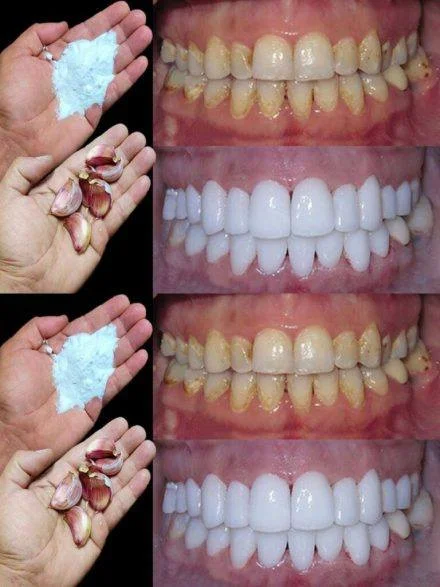
How to whiten your teeth in 2 minutes?

A bright, white smile is often associated with confidence, good hygiene, and overall health. While professional whitening treatments can be effective, they are often expensive and time-consuming. The good news is that there are simple, natural methods you can try at home to help remove surface stains and give your teeth a noticeably brighter appearance in just a couple of minutes. This quick “2-minute whitening recipe” is easy, affordable, and uses ingredients you may already have in your kitchen.


🌿 The 2-Minute Teeth Whitening Recipe

Ingredients:

  • 1 teaspoon baking soda

  • 1 teaspoon fresh lemon juice (or a few drops)

  • A pinch of salt (optional)

  • Your regular toothbrush


🥣 Instructions:

  1. Prepare the mixture
    In a small bowl, combine the baking soda and lemon juice. You will notice a slight fizzing reaction—this is normal and helps activate the mixture. If you choose to add salt, mix it in gently.

  2. Apply to your toothbrush
    Dip your toothbrush into the mixture, making sure the bristles are evenly coated.

  3. Brush gently (1–2 minutes max)
    Brush your teeth in gentle, circular motions for about 1–2 minutes. Focus on areas with visible stains, but avoid brushing too hard to protect your enamel.

  4. Rinse thoroughly
    After brushing, rinse your mouth well with water to remove all residue.

  5. Follow with regular toothpaste (optional)
    For best results and freshness, you can brush again lightly with your regular toothpaste.


⚡ Why This Works

This simple combination works because of the natural properties of its ingredients:

  • Baking soda acts as a mild abrasive that helps scrub away surface stains caused by coffee, tea, or smoking. It also neutralizes acids in the mouth, promoting a healthier environment for your teeth.

  • Lemon juice contains natural acids that can help break down stains and discoloration. It gives that instant “brightening” effect, making teeth appear whiter right away.

  • Salt (optional) adds a slight abrasive boost and may help clean the gums and teeth more thoroughly.


⏱️ Instant Results – But Be Realistic

This method can give your teeth a quick, temporary whitening effect by removing surface stains. However, it’s important to understand that:

  • It does not permanently change the natural color of your teeth.

  • Deep stains or yellowing from within the tooth require professional treatment.

  • Results may vary depending on your diet and oral hygiene habits.


⚠️ Important Safety Tips

While this method is effective for occasional use, it should be used carefully to avoid damaging your enamel:

  • Do not use daily: Limit this treatment to once or twice a week.

  • Avoid over-brushing: Baking soda is abrasive, and excessive use can wear down enamel.

  • Be cautious with lemon juice: Its acidity can weaken enamel if used too frequently.

  • Rinse thoroughly: Always wash away any acidic residue after use.

If you have sensitive teeth or gum issues, it’s best to consult a dentist before trying this remedy.


💡 Bonus Tips for Naturally Whiter Teeth

To maintain a brighter smile over time, combine this quick remedy with good daily habits:

  • Brush twice daily with fluoride toothpaste

  • Floss regularly to remove plaque between teeth

  • Drink water after staining foods like coffee, tea, or soda

  • Limit sugary and acidic foods

  • Use a straw for dark beverages to reduce staining

  • Eat crunchy fruits and vegetables like apples and carrots, which naturally help clean teeth


🥛 Alternative Gentle Option (For Sensitive Teeth)

If you prefer a milder approach, try this instead:

Ingredients:

  • 1 teaspoon coconut oil

  • A pinch of baking soda

Method:

Mix and brush gently for 1–2 minutes. Coconut oil helps reduce bacteria while being much gentler on enamel.

 Final Thoughts

This 2-minute teeth whitening recipe is a quick and natural way to refresh your smile using simple household ingredients. While it won’t replace professional treatments, it can be a handy solution before an event or whenever you want a quick boost in brightness.

Consistency with good oral hygiene, along with occasional use of this method, can help you maintain a cleaner, healthier, and more confident smile. Just remember—when it comes to your teeth, gentle care always wins over harsh shortcuts.