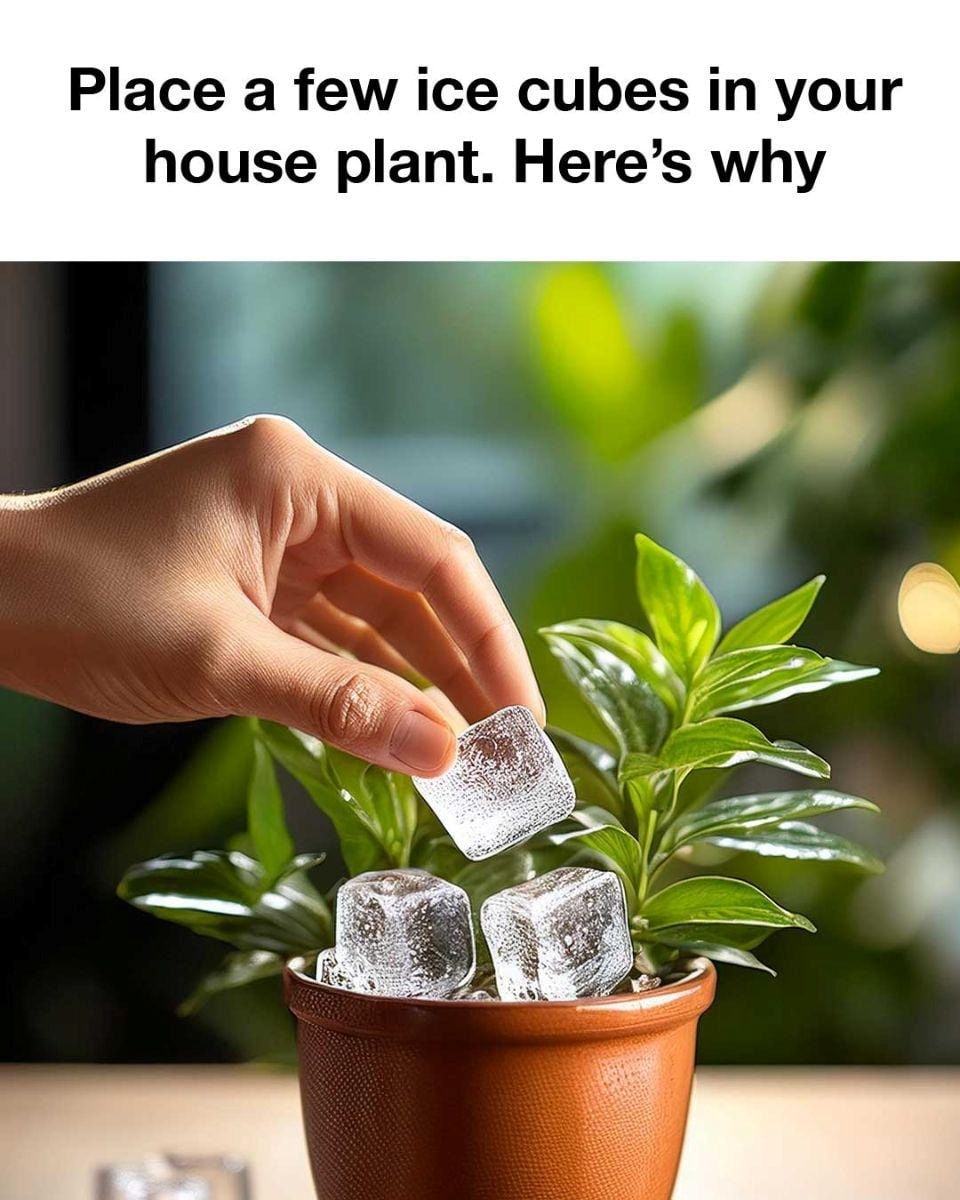
Using ice cubes for houseplants might sound unusual, but this simple trick has gained popularity among plant lovers for its ease and effectiveness—especially for those who struggle with overwatering. While not suitable for every plant, ice cubes can offer a controlled, gradual watering method that benefits certain indoor plants when used correctly. Let’s explore how this method works, its benefits, and how to use it safely.
🚀 Make Money Online – Up to $50 Per Day!
🌿 What Does Watering with Ice Cubes Mean?
Instead of pouring water directly into the soil, you place a few ice cubes on top of the potting mix. As the ice slowly melts, it releases water gradually into the soil, mimicking a slow and steady watering process. This can be especially helpful for people who tend to forget watering schedules or accidentally overwater their plants.
💧 Key Benefits of Using Ice Cubes for Houseplants
1. Prevents Overwatering
One of the most common causes of houseplant death is overwatering. When you use ice cubes, the amount of water is pre-measured. Typically, 2–3 ice cubes are enough for small to medium plants. This controlled method helps prevent root rot, which happens when roots sit in excess moisture.
2. Provides Slow, Even Hydration
Ice cubes melt slowly, allowing water to seep gently into the soil. This gives roots more time to absorb moisture evenly rather than being flooded all at once. It’s especially useful for plants that prefer consistent moisture levels.
3. Easy and Convenient
For busy people or beginners, ice cube watering simplifies plant care. You don’t need measuring cups or guesswork—just place the cubes and let them melt. It’s a quick and mess-free solution.
4. Ideal for Delicate Plants
Some plants, like orchids, prefer minimal watering and are sensitive to excess moisture. Ice cubes can help deliver just the right amount of water without overwhelming their roots.
5. Reduces Water Spillage
When watering with a jug or bottle, water often spills over the edges or drains too quickly. Ice cubes stay in place and melt slowly, reducing mess and making indoor plant care cleaner.
🌱 Best Plants for Ice Cube Watering
While not all plants enjoy cold watering, some tolerate or even benefit from this method:
- Orchids
- Succulents (occasionally)
- Small potted plants
- Peace lilies
These plants generally require moderate to low watering, making ice cubes a good option for controlled hydration.
⚠️ Important Considerations
Despite the benefits, ice cube watering is not suitable for every plant. Here are some important points to keep in mind:
1. Cold Sensitivity
Some plants are sensitive to cold temperatures. Placing ice directly on the soil can shock delicate roots. To avoid this, don’t let the ice touch the plant stem, and spread cubes evenly on the soil surface.
2. Not for Tropical Plants
Tropical plants prefer warm conditions and may not respond well to cold water. For these plants, traditional watering with room-temperature water is better.
3. Soil Type Matters
If your soil drains poorly, even melted ice water can accumulate and cause root problems. Always ensure your pot has proper drainage holes.
4. Use in Moderation
Ice cube watering should not replace all watering methods. It’s best used occasionally or for specific plants rather than as a universal solution.
🧊 How to Use Ice Cubes Properly
Follow these simple steps to safely water your plants with ice cubes:
- Take 2–3 standard-sized ice cubes (depending on pot size).
- Place them evenly on the soil surface, away from the stem.
- Allow them to melt completely before adding more.
- Use this method once a week or as needed based on your plant’s watering schedule.
For larger plants, you may need more cubes, but always avoid overdoing it.
🌼 Additional Tips for Healthy Houseplants
- Check soil moisture before adding ice cubes—don’t water if the soil is already wet.
- Observe your plant’s reaction. If leaves turn yellow or wilt, adjust your watering method.
- Combine ice cube watering with proper sunlight and fertilization for best results.
- Rotate plants occasionally to ensure even growth.
🌿 Final Thoughts
Using ice cubes to water houseplants is a clever and convenient method that can help prevent overwatering and provide steady hydration. It’s especially useful for beginners or those with busy schedules. However, it’s important to understand your plant’s specific needs before adopting this technique.
