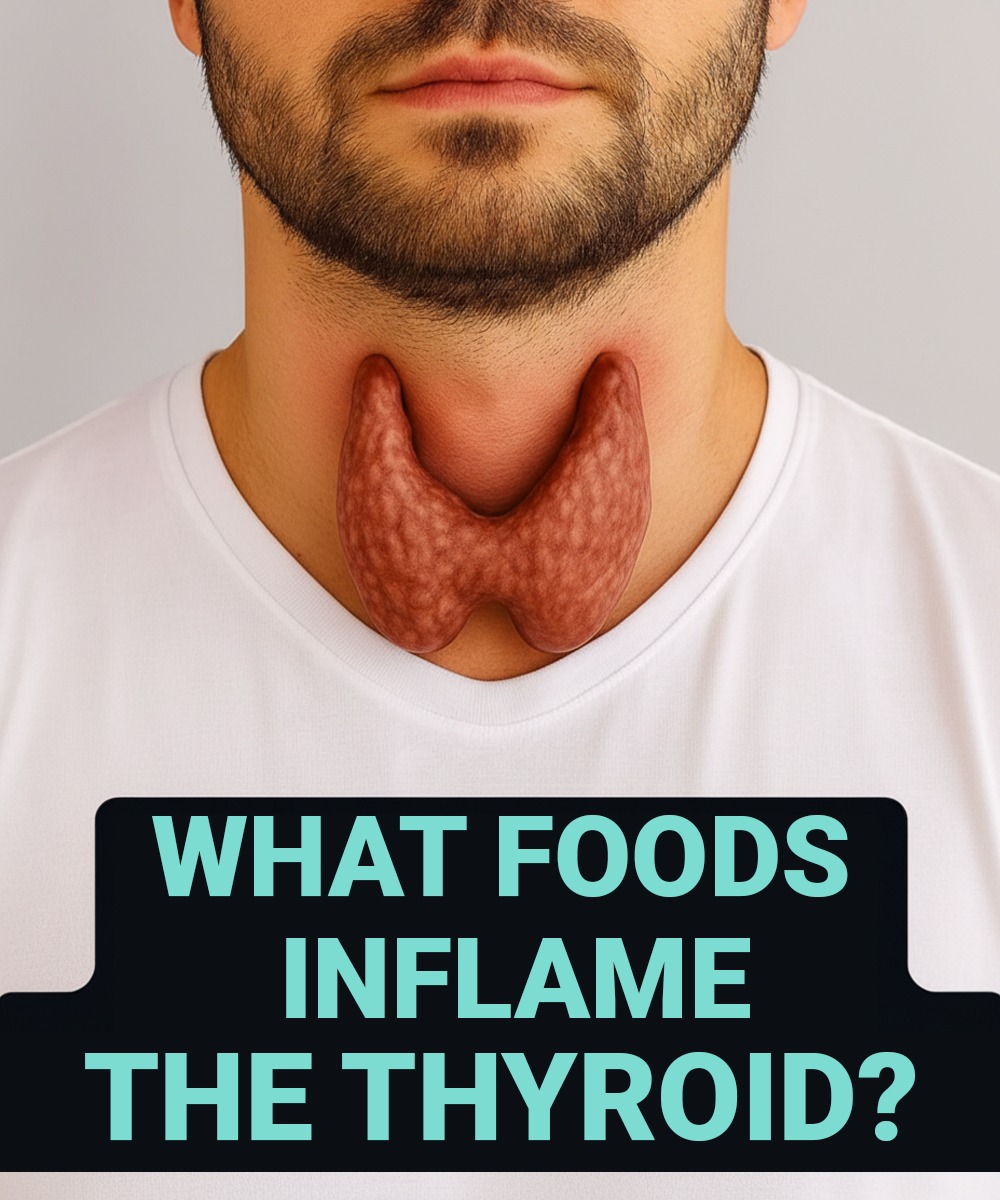
When people talk about “foods that inflame the thyroid,” they are usually referring to dietary choices that may worsen symptoms in thyroid conditions like Hypothyroidism, Hyperthyroidism, or autoimmune disorders such as Hashimoto’s Thyroiditis and Graves’ Disease. While food alone doesn’t directly “inflame” the thyroid in a simple cause-and-effect way, certain foods can trigger inflammation, interfere with hormone production, or worsen autoimmune responses in sensitive individuals.
🚀 Make Money Online – Up to $50 Per Day!
Let’s explore the main categories of foods that may negatively impact thyroid health, along with a practical, food-based approach you can follow.
🧂 1. Highly Processed Foods and Sugars
Highly processed foods—like packaged snacks, sugary desserts, and fast food—can promote chronic inflammation throughout the body. This systemic inflammation may aggravate thyroid dysfunction, especially in autoimmune conditions.
Refined sugars can also disrupt blood sugar levels, placing stress on the endocrine system. Over time, this can worsen fatigue, weight gain, and hormonal imbalance—common complaints in thyroid disorders.
Examples to limit:
- Sugary drinks and sodas
- Packaged chips and cookies
- Fast food meals
🌾 2. Gluten (For Sensitive Individuals)
Gluten, found in wheat, barley, and rye, is a known trigger for many people with autoimmune thyroid conditions. In Hashimoto’s Thyroiditis, the immune system mistakenly attacks thyroid tissue. Gluten proteins may resemble thyroid proteins, potentially confusing the immune system further (a concept called molecular mimicry).
Not everyone needs to avoid gluten, but those with symptoms like bloating, fatigue, or brain fog may benefit from reducing or eliminating it.
Foods containing gluten:
- Bread and pasta
- Cakes and pastries
- Many processed foods
🥦 3. Goitrogenic Foods (In Excess)
Goitrogens are natural compounds found in certain vegetables that can interfere with iodine uptake, which is essential for thyroid hormone production. These foods are generally healthy, but eating them in very large amounts—especially raw—may be problematic for people with iodine deficiency or thyroid issues.
Common goitrogenic foods:
- Broccoli
- Cauliflower
- Cabbage
- Kale
- Soy products
Cooking these foods significantly reduces their goitrogenic effect, so you don’t need to avoid them completely.
🥛 4. Dairy (If Intolerant or Sensitive)
Dairy products can contribute to inflammation in people who are lactose intolerant or sensitive to casein (a milk protein). This inflammation may indirectly affect thyroid health.
If you notice symptoms like bloating, skin issues, or fatigue after consuming milk, cheese, or yogurt, it may be worth limiting dairy and observing how your body responds.
🧴 5. Soy-Based Foods
Soy contains compounds called isoflavones, which may interfere with thyroid hormone production and absorption—especially if iodine intake is low. This is particularly important for people taking thyroid medication, as soy can reduce its effectiveness.
Examples:
- Tofu
- Soy milk
- Soy protein products
Moderation is key—small amounts are usually fine for most people.
☕ 6. Excess Caffeine
Too much caffeine can overstimulate the adrenal glands and disrupt hormonal balance. For individuals with thyroid disorders, this can worsen symptoms like anxiety, insomnia, and heart palpitations.
Try limiting:
- Strong coffee
- Energy drinks
- High-caffeine teas
🧂 7. Iodine Imbalance (Too Much or Too Little)
Iodine is essential for thyroid hormone production, but both deficiency and excess can cause problems. Too much iodine may trigger or worsen autoimmune thyroid conditions, while too little can impair hormone production.
Sources of iodine:
- Iodized salt
- Seaweed
- Fish
Balance is crucial—avoid excessive supplementation unless advised by a healthcare provider.
🍽️ Thyroid-Friendly Simple Recipe
Here’s a gentle, anti-inflammatory meal that supports thyroid health:
🥗 Lemon Garlic Chicken with Steamed Vegetables
Ingredients:
- 1 chicken breast
- 1 tablespoon olive oil
- 2 cloves garlic (minced)
- Juice of ½ lemon
- Salt and black pepper to taste
- 1 cup steamed broccoli (lightly cooked)
- 1 cup carrots
Instructions:
- Heat olive oil in a pan over medium heat.
- Add garlic and sauté for 30 seconds.
- Place chicken breast in the pan and cook for 5–7 minutes per side until fully cooked.
- Add lemon juice, salt, and pepper.
- Serve with lightly steamed vegetables.
Why it helps:
- Lean protein supports metabolism
- Cooked vegetables reduce goitrogenic effects
- Olive oil provides anti-inflammatory fats
🌿 Final Thoughts
There isn’t a single food that directly “inflames” the thyroid, but certain dietary patterns can worsen inflammation and hormonal imbalance. Paying attention to how your body reacts to foods like gluten, dairy, soy, and processed items is key.
A balanced diet rich in whole foods, lean proteins, healthy fats, and cooked vegetables is generally supportive for thyroid health. If you suspect a thyroid condition, it’s always best to consult a healthcare professional for proper testing and personalized guidance.
