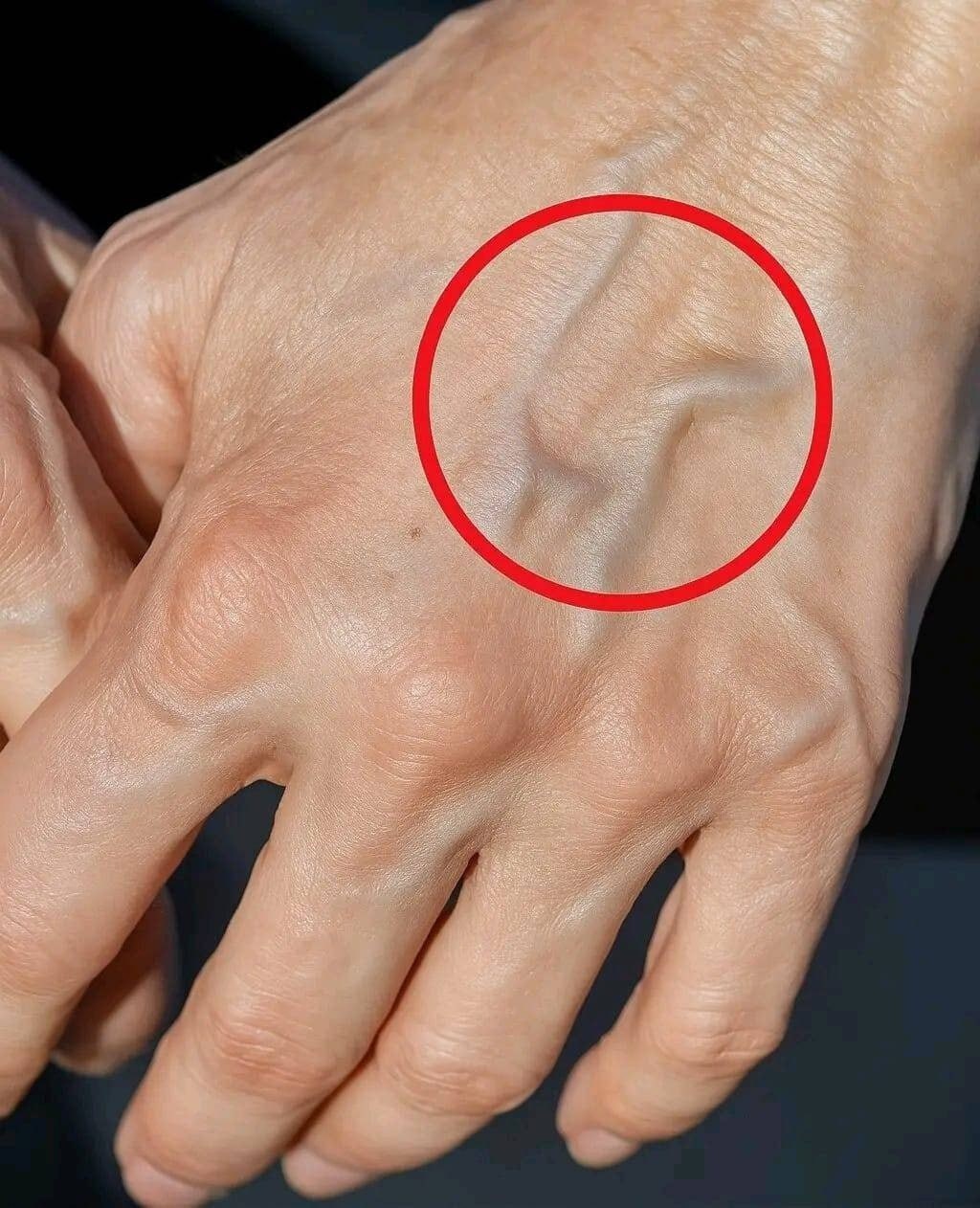
Visible veins are something many people notice at different stages of life. For some, they appear as faint blue or green lines just beneath the skin, while for others they may look more pronounced, raised, or even twisted. Although visible veins are often completely normal, they can sometimes raise concerns about health or appearance. Understanding why veins become more noticeable can help you determine whether it’s simply a natural change or something worth paying closer attention to.
🚀 Make Money Online – Up to $50 Per Day!
One of the most common reasons for visible veins is simply low body fat. When you have less fat beneath your skin, veins have less tissue covering them, making them more noticeable. This is why athletes or very lean individuals often have prominent veins, especially in their arms, hands, and legs. In these cases, visible veins are typically a sign of fitness rather than a health issue.
Another major factor is aging. As you get older, your skin naturally becomes thinner and loses some of its elasticity. This thinning makes it easier to see the veins underneath. Additionally, the valves inside your veins may weaken over time, which can sometimes cause veins to appear more prominent or slightly swollen. This is a normal part of the aging process, though it can vary from person to person.
Genetics also play a strong role. If your parents or close relatives have visible veins or conditions like varicose veins, there’s a higher chance you might experience the same. Some people naturally have lighter or thinner skin, making veins more visible regardless of age or body composition.
In many cases, physical activity can temporarily increase vein visibility. When you exercise, your muscles require more oxygen, and your blood flow increases. This causes veins to expand slightly, making them stand out more. Weightlifting, in particular, is known for creating a “vascular” look, where veins become more pronounced during and after workouts. This effect is usually temporary and fades as your body returns to a resting state.
Hot weather is another simple explanation. Heat causes your blood vessels to expand to help regulate body temperature. As veins widen, they become more visible under the skin. You may notice your veins appearing more prominent during hot days or after a warm shower. This is generally harmless and resolves once your body cools down.
However, not all visible veins are purely cosmetic. In some cases, they may indicate underlying conditions. One such condition is varicose veins, which occur when vein valves weaken and blood begins to pool. This can cause veins to become enlarged, twisted, and sometimes painful. Varicose veins are most commonly seen in the legs and may be accompanied by symptoms like heaviness, aching, or swelling.
Another related condition is spider veins, which are smaller, web-like veins that appear close to the surface of the skin. While usually harmless, they can sometimes signal mild circulation issues.
Visible veins may also become more noticeable due to hormonal changes, especially during pregnancy or menopause. Hormones can affect blood vessel walls, causing them to relax and expand. Increased blood volume during pregnancy can also put extra pressure on veins, making them stand out more.
In rarer cases, sudden or unusual vein visibility could be linked to medical concerns such as blood clots or circulatory problems. If a vein becomes hard, painful, red, or warm to the touch, it’s important to seek medical advice promptly. These symptoms could indicate a more serious condition that requires attention.
So, when should you be concerned about visible veins? Generally, veins that are simply more noticeable without pain or other symptoms are not a cause for worry. However, you should consider consulting a healthcare professional if you notice:
- Persistent pain or discomfort in the area
- Swelling in the legs or surrounding tissue
- Skin discoloration or ulcers near the veins
- Sudden changes in vein appearance
- A feeling of heaviness or fatigue in the legs
If your concern is mainly cosmetic, there are several ways to reduce the appearance of visible veins. Staying hydrated, maintaining a healthy weight, and exercising regularly can all support good circulation. Elevating your legs and avoiding long periods of standing or sitting can also help prevent vein-related issues.
For those seeking more direct treatments, options like compression stockings, laser therapy, or medical procedures are available, depending on the severity and cause. It’s always best to consult a professional before choosing any treatment.
In conclusion, visible veins are usually a normal part of the body’s structure and can be influenced by factors like age, genetics, body composition, and lifestyle. While they are often harmless, it’s important to pay attention to any unusual symptoms or changes. Understanding what your body is showing you can help you stay informed, confident, and proactive about your health.
