GLUTEN-FREE CINNAMON ROLLS

Gluten-free cinnamon rolls should be soft, tender, slightly chewy, and full of warm cinnamon fragrance—but anyone who has worked with gluten-free flour knows that achieving that perfect, bakery-style plush texture can feel like a delicate balancing act. Traditional dough relies on gluten strands for elasticity and rise, while gluten-free dough can easily become crumbly, dry, or dense. That is why this recipe is specially developed to mimic the tenderness of classic cinnamon rolls using a combination of yogurt, milk, melted butter, and a touch of cornstarch to bring moisture, binding power, and lift. The result is a dough that is smooth, pliable, and easy to roll, producing cinnamon rolls that come out soft every single time.

This recipe uses a gluten-free all-purpose blend that contains xanthan gum (or you can add your own), and it includes proofing the dough gently to encourage air pockets. The filling is a classic buttery cinnamon swirl with a balanced sweetness—but you can make the rolls more indulgent by adding raisins, chopped pecans, or even a drizzle of caramel sauce. Once baked, they are topped with a luscious vanilla cream cheese glaze that melts into the spirals like satin.

Ingredients

For the Dough

  • 2 ½ cups gluten-free all-purpose flour (with xanthan gum included)

  • 2 tbsp cornstarch (for softness)

  • 2 tbsp sugar

  • 1 packet (2 ¼ tsp) instant yeast

  • ½ tsp salt

  • ¾ cup warm milk (not hot)

  • ¼ cup melted butter

  • ¼ cup plain yogurt (adds elasticity and softness)

  • 1 large egg (room temperature)

  • 1 tsp vanilla extract

For the Cinnamon Filling

  • 4 tbsp softened butter (spreadable)

  • ½ cup brown sugar (light or dark)

  • 1 tbsp ground cinnamon

  • Optional: ½ tsp cardamom or nutmeg for warmth

For the Cream Cheese Glaze

  • 3 tbsp cream cheese, softened

  • 1 tbsp butter, softened

  • ⅔ cup powdered sugar

  • 1 tsp vanilla extract

  • 1–2 tbsp milk (to thin to desired consistency)

Instructions

Step 1: Prepare the Dough

In a mixing bowl, whisk together the gluten-free flour, cornstarch, salt, yeast, and sugar. The cornstarch is key—it lightens the structure and keeps the rolls from becoming dense. In another bowl, whisk the warm milk, melted butter, yogurt, egg, and vanilla until smooth.

Pour the wet mixture into the dry ingredients. Begin stirring with a spoon or dough spatula. Gluten-free dough will feel stickier and softer than wheat dough—this is normal. If it seems too thick, add a splash more milk. If too sticky, sprinkle in another tablespoon of flour. Your final dough should be soft and pliable, not crumbly.

Step 2: Let the Dough Rest

Gluten-free dough does not require kneading—but it does appreciate downtime. Let the bowl rest uncovered for 10 minutes. This allows the flour to absorb moisture, giving the dough structure and flexibility to roll later without cracking.

Step 3: Roll Out the Dough

Lay a sheet of parchment paper on your counter and lightly dust it with gluten-free flour. Turn the dough out onto the surface and gently sprinkle flour over the top. Using a rolling pin, carefully roll it into a rectangle about ½ inch thick. If the edges crack, simply press them back together—the dough is forgiving once rested.

Step 4: Add the Cinnamon Filling

Spread the softened butter over the rolled dough. In a bowl, mix the brown sugar with cinnamon (and optional spices). Sprinkle evenly over the butter. Press lightly to help the sugar adhere.

Step 5: Roll & Slice

Using the parchment paper to help guide it, gently roll the dough from the long side into a log. Don’t worry if small cracks appear; they smooth out during baking. Use a serrated knife or dental floss to slice the log into 9–12 rolls, depending on thickness.

Step 6: Proof the Rolls

Place the rolls into a greased baking dish, leaving a little space for expansion. Cover loosely and let them rise for 30–45 minutes in a warm place. Gluten-free dough will not double like wheat dough, but it will puff slightly—and that is exactly what we want.

Step 7: Bake

Preheat your oven to 350°F (175°C). Bake the rolls for 22–27 minutes, or until the tops are lightly golden and the centers bounce back when gently pressed.

Step 8: Make the Cream Cheese Glaze

Beat together the softened cream cheese and butter until smooth. Add powdered sugar and vanilla, mixing until silky. Add milk a little at a time until the glaze is pourable.

Spread over the warm rolls so it melts into all the spirals.

Tips for Perfect Gluten-Free Cinnamon Rolls

  1. Yogurt is essential—it gives elasticity and prevents crumbling.

  2. Do not overbake—gluten-free dough dries more quickly than wheat.

  3. Rolling on parchment keeps the dough smooth and prevents sticking.

  4. If using a flour blend without xanthan gum, add 1 tsp xanthan to the dry ingredients.

  5. For extra softness, brush the baked rolls with a little melted butter before glazing.

Variations

  • Maple Glaze: Replace vanilla with 1 tsp maple syrup.

  • Nutty Rolls: Add ½ cup chopped pecans to the filling.

  • Caramel Sticky Rolls: Drizzle caramel sauce in the baking dish before placing rolls.

The Ultimate Gourmet Grilled Cheese Sandwich

Grilled cheese sandwiches are classic comfort food, but this recipe transforms the simple sandwich into a gourmet experience. Imagine a golden, buttery crust surrounding a luscious, multi-cheese center, layered with caramelized onions, roasted red peppers, and a hint of fresh herbs. This is not just a sandwich; it’s a culinary journey packed into two slices of bread.

Ingredients

For the Sandwich:

  • 4 slices of thick, rustic sourdough or artisan white bread

  • 2 tablespoons of unsalted butter, softened

  • 2 tablespoons of mayonnaise (optional, for extra crispiness)

  • 1 teaspoon Dijon mustard

  • ½ cup shredded sharp cheddar cheese

  • ½ cup shredded Gruyère cheese

  • ¼ cup crumbled blue cheese (optional, for bold flavor)

  • ½ small onion, thinly sliced

  • ½ small red bell pepper, roasted and sliced

  • 1 small garlic clove, minced

  • 1 teaspoon fresh thyme leaves

  • 1 teaspoon honey (optional, for a sweet-savory twist)

  • Salt and freshly ground black pepper, to taste

For Serving:

  • Pickles, sliced

  • Tomato soup or spicy ketchup, optional for dipping

Step 1: Prepare the Caramelized Onions

Caramelized onions add sweetness and depth to the sandwich. Start by heating a small skillet over medium heat. Add 1 teaspoon of butter or olive oil and the thinly sliced onions. Sprinkle a pinch of salt to help draw out the moisture.

Cook the onions slowly, stirring occasionally, for about 15–20 minutes until they turn a deep golden brown. Avoid rushing this process; the natural sugars in the onion need time to develop fully. For an extra layer of flavor, add a teaspoon of honey during the last 2 minutes of cooking. Set aside.

Step 2: Roast the Red Bell Pepper

Roasted red peppers bring a smoky sweetness that contrasts beautifully with the cheeses. Preheat your oven to 220°C (425°F). Cut the red bell pepper in half, remove seeds, and place cut-side down on a baking sheet lined with parchment paper. Roast for 20–25 minutes until the skin blisters and blackens slightly.

Once roasted, place the peppers in a bowl and cover with plastic wrap for 5–10 minutes. This will loosen the skin, making it easier to peel. Slice the roasted pepper into thin strips and set aside.

Step 3: Mix the Cheese Filling

While the onions and peppers cook, combine the shredded cheddar, Gruyère, and crumbled blue cheese in a bowl. Mix in the minced garlic and fresh thyme leaves. The Gruyère adds a creamy, nutty texture, the cheddar gives a sharp, tangy flavor, and the blue cheese provides a bold punch that complements the sweetness of the onions and peppers.

For a creamier texture, you can mix in a tablespoon of cream cheese or a drizzle of heavy cream. Season lightly with salt and pepper, keeping in mind that the cheeses are already salty.

Step 4: Prepare the Bread

Spread a thin layer of butter on one side of each slice of bread. For an extra-crispy, golden finish, you can mix a little mayonnaise with the butter or use mayonnaise alone—it browns beautifully in the skillet. Spread Dijon mustard on the unbuttered side for a subtle tang that balances the richness of the cheese

Step 5: Assemble the Sandwich

Place two slices of bread, buttered side down, on a clean surface. Evenly layer the caramelized onions and roasted red pepper slices on each slice. Then, pile on the cheese mixture generously. Top with the remaining bread slices, buttered side up.

Press down lightly to ensure all ingredients meld together during cooking. The sandwich should be thick but manageable; a weight of ingredients is essential for a gooey, satisfying bite.

Step 6: Cook the Sandwich

Heat a large non-stick or cast-iron skillet over medium-low heat. Place the sandwiches in the skillet, cooking slowly. Low heat is key—this allows the cheese to melt thoroughly without burning the bread.

Cover the skillet with a lid for 2–3 minutes to trap heat, helping the cheese melt evenly. Flip carefully using a spatula, pressing lightly to ensure even browning. Cook the other side until golden brown and crisp, approximately 4–5 minutes per side.

Step 7: Serve and Garnish

Once cooked, remove the sandwiches from the skillet and let them rest for a minute to allow the molten cheese to settle slightly. Slice diagonally for a classic presentation, exposing the melted cheese and vibrant layers of onions and peppers.

Serve with pickles for crunch, or dip into a warm, flavorful tomato soup. For a creative twist, drizzle a tiny bit of honey over the sandwich to highlight the caramelized flavors.

Optional Variations

  1. Spicy Kick: Add thin slices of jalapeño or a smear of sriracha inside the sandwich for heat.

  2. Herbaceous Delight: Swap thyme with fresh rosemary or basil for a different aroma.

  3. Meaty Option: Include thinly sliced smoked ham, turkey, or prosciutto for a protein boost.

  4. Vegan Twist: Use plant-based cheeses, vegan butter, and roasted vegetables for a fully vegan gourmet version.

Tips for the Perfect Grilled Cheese

  • Low and Slow: Cooking at medium-low heat ensures the bread is golden and the cheese melts evenly.

  • Weight Matters: Pressing slightly while cooking helps meld the ingredients without squishing the sandwich.

  • Cheese Ratio: Mixing a soft, creamy cheese with a sharp, firm one gives the sandwich complexity.

  • Bread Choice: Thick, rustic bread absorbs flavors and supports the filling, preventing sogginess.

Why This Grilled Cheese Stands Out

Unlike a standard grilled cheese, this recipe balances sweet, savory, smoky, and tangy elements. The combination of caramelized onions, roasted red peppers, and a three-cheese blend elevates the flavor profile. The slow-cooked onions, the smoky pepper, and the creamy Gruyère melt together into a decadent, multi-textured experience.

Sweet Potato Rocambole with Minced Meat

Sweet potato rocambole is an inventive twist on the traditional roulade, combining the natural sweetness of roasted sweet potatoes with the savory richness of minced meat. This dish is perfect as a comforting main course for family dinners, special occasions, or even a festive holiday table. Its vibrant colors and layers of flavor make it visually stunning and delicious. Here’s a detailed step-by-step guide to creating this culinary masterpiece.

Ingredients

For the Sweet Potato Rocambole Base:

  • 4 large sweet potatoes (approximately 1.5 kg)

  • 2 tablespoons olive oil

  • 1 teaspoon smoked paprika

  • 1 teaspoon garlic powder

  • ½ teaspoon black pepper

  • ½ teaspoon salt

  • 1 tablespoon fresh thyme leaves (optional for added aroma)

For the Minced Meat Filling:

  • 500 g minced beef (or lamb/pork mix for richer flavor)

  • 1 medium onion, finely chopped

  • 2 cloves garlic, minced

  • 1 medium carrot, finely grated

  • 1 celery stalk, finely chopped

  • ½ red bell pepper, finely diced

  • 1 teaspoon smoked paprika

  • ½ teaspoon cumin powder

  • ½ teaspoon chili flakes (adjust to taste)

  • Salt and black pepper to taste

  • 2 tablespoons tomato paste

  • 2 tablespoons fresh parsley, chopped

  • 1 teaspoon Worcestershire sauce (optional)

For Garnish:

  • 50 g grated cheese (cheddar, mozzarella, or parmesan)

  • Fresh parsley or thyme sprigs

  • A drizzle of olive oil

Step 1: Preparing the Sweet Potato Base

  1. Preheat your oven to 200°C (390°F).

  2. Wash and peel the sweet potatoes thoroughly. Slice them into thin, even rounds, approximately ½ cm thick. The key to a successful rocambole is even slices so it rolls smoothly.

  3. Place the sweet potato slices in a large bowl. Add olive oil, smoked paprika, garlic powder, salt, black pepper, and thyme leaves if using. Toss until every slice is evenly coated.

  4. Line a baking tray with parchment paper. Lay the sweet potato slices in a single layer, slightly overlapping to form a rectangular sheet about 25×30 cm. Overlapping helps the slices fuse slightly during baking, making them easier to roll later.

  5. Bake for 20–25 minutes, or until the sweet potatoes are tender but still firm enough to handle. Avoid overbaking, as this will make rolling difficult. Remove from the oven and let them cool slightly.

Step 2: Preparing the Minced Meat Filling

  1. While the sweet potatoes are baking, heat a large skillet over medium heat. Add a tablespoon of olive oil.

  2. Sauté the chopped onion until translucent, about 3–4 minutes. Add the minced garlic and cook for an additional minute until fragrant.

  3. Add the grated carrot, celery, and diced red bell pepper. Cook for 5–6 minutes until the vegetables soften and release their natural sweetness.

  4. Increase the heat slightly and add the minced meat to the pan. Break it apart using a wooden spoon. Cook until browned, about 7–10 minutes.

  5. Stir in the smoked paprika, cumin, chili flakes, tomato paste, Worcestershire sauce, salt, and black pepper. Mix thoroughly and cook for another 3–4 minutes to allow the flavors to meld.

  6. Remove from heat and fold in fresh parsley. Allow the filling to cool slightly before assembling the rocambole.

Step 3: Assembling the Rocambole

  1. Place a large sheet of parchment paper on your working surface. Arrange the baked sweet potato slices on the parchment in a tight rectangle, slightly overlapping, creating a smooth surface.

  2. Spread the minced meat mixture evenly over the sweet potato layer, leaving about 1–2 cm border along the edges to prevent filling from spilling during rolling.

  3. Using the parchment as a guide, gently start rolling the sweet potato sheet from one short side to the other, forming a tight roulade. Take care to roll slowly and evenly to avoid cracks.

  4. Once rolled, transfer the rocambole to a baking dish lined with parchment paper, seam side down.

Step 4: Baking the Rocambole

  1. Preheat the oven to 180°C (350°F) if not already.

  2. Sprinkle grated cheese generously over the top of the rocambole. The cheese will melt and form a golden crust, adding an extra layer of richness.

  3. Bake for 20–25 minutes, until the cheese is golden and the rocambole is heated through.

  4. Remove from the oven and let it rest for 5–10 minutes. Resting helps the rocambole hold its shape when slicing.

Step 5: Serving

  1. Using a sharp knife, slice the rocambole into 2–3 cm thick pieces.

  2. Garnish with fresh parsley or thyme sprigs and a light drizzle of olive oil for added shine and aroma.

  3. Serve warm as a main course accompanied by a fresh green salad, roasted vegetables, or a light yogurt dip.

Tips for a Perfect Rocambole

  • Sweet Potato Selection: Choose firm, evenly sized sweet potatoes. Orange-fleshed varieties are sweet and colorful, while purple sweet potatoes provide a striking visual effect.

  • Avoid Overbaking: Sweet potatoes that are too soft will crack while rolling. Aim for tender yet slightly firm slices.

  • Filling Variations: Try mixing minced lamb or turkey for a different flavor profile. You can also add mushrooms, spinach, or sun-dried tomatoes for extra depth.

  • Cheese Options: For a richer taste, use a mix of mozzarella and parmesan. For a sharper contrast, add a sprinkle of blue cheese.

  • Make Ahead: You can prepare the sweet potato sheet and filling a day ahead. Assemble and bake on the day you plan to serve for convenience.

Flavor Profile

This sweet potato rocambole balances natural sweetness with savory depth. The smoked paprika and cumin in the meat filling add warmth, while garlic and onions provide aromatic intensity. The cheese topping melts to a gooey, golden finish, complementing the tender sweet potato layer. Each slice is visually appealing, showcasing a spiral of rich, meaty filling against the vibrant orange hue of sweet potato.

Storage and Reheating

  • Storage: Leftover rocambole can be wrapped tightly in plastic wrap and stored in the fridge for up to 3 days.

  • Freezing: Wrap slices individually in parchment and foil; freeze for up to 2 months. Reheat in a preheated oven at 180°C (350°F) until warmed through.

  • Reheating Tip: Cover with foil while reheating to prevent the sweet potatoes from drying out.

Variations and Creativity

  1. Mediterranean Twist: Add olives, sun-dried tomatoes, and feta cheese to the filling.

  2. Spicy Kick: Include finely chopped jalapeños or red chili powder for a hotter version.

  3. Vegan Option: Replace minced meat with spiced lentils or a mix of mushrooms, nuts, and quinoa. Use vegan cheese for topping.

  4. Breakfast Rocambole: Include scrambled eggs and spinach in the filling for a savory brunch version.

Tomato Basil Garlic Bread

Garlic bread has long been a comforting staple of kitchens around the world, loved for its crunchy crust, buttery softness, and aromatic allure. But when you add ripe tomatoes, fresh basil, and a hint of extra herbs, it transforms into a vibrant, flavorful dish that can stand alone or complement any meal. This recipe is designed to create a unique Tomato Basil Garlic Bread with layers of taste, texture, and aroma that will make it a centerpiece on your dining table.

Ingredients:

For the bread:

  • 3 cups all-purpose flour (or bread flour for extra chewiness)

  • 1 packet (7 g) instant yeast

  • 1 teaspoon sugar

  • 1 teaspoon salt

  • 1 cup warm water (around 110°F / 43°C)

  • 2 tablespoons olive oil

  • 1 teaspoon garlic powder

For the tomato basil topping:

  • 2 medium ripe tomatoes, finely diced

  • 1/4 cup sun-dried tomatoes, chopped

  • 1/4 cup fresh basil leaves, finely chopped

  • 3 cloves garlic, minced

  • 2 tablespoons olive oil

  • 1/4 teaspoon red chili flakes (optional, for a slight kick)

  • Salt and black pepper to taste

  • 1/2 teaspoon dried oregano

  • 1/4 cup grated Parmesan cheese (optional for extra flavor)

  • 1/2 cup shredded mozzarella cheese (optional)

For the garlic butter:

  • 1/4 cup unsalted butter, softened

  • 2 cloves garlic, minced

  • 1 teaspoon fresh parsley, chopped

  • Pinch of salt

Step 1: Preparing the Dough

Start by making the bread dough, which forms the soft, airy base of this delicious creation. In a small bowl, combine the warm water, sugar, and yeast. Let it sit for 5–10 minutes until it becomes frothy. This signals that the yeast is active and ready to work its magic.

In a large mixing bowl, combine the flour, salt, and garlic powder. Mix well to distribute the flavors evenly. Make a well in the center and pour in the frothy yeast mixture along with olive oil. Using a wooden spoon or your hands, gradually incorporate the flour into the liquid until a rough dough forms.

Transfer the dough onto a floured surface and knead for 8–10 minutes until it becomes smooth, elastic, and slightly tacky. Kneading is key for developing the gluten structure that gives the bread its characteristic chew. Place the kneaded dough in a lightly oiled bowl, cover with a damp cloth, and let it rise in a warm place for 1–1.5 hours, or until it doubles in size.

Step 2: Preparing the Tomato Basil Mixture

While the dough is rising, focus on the topping. Fresh tomatoes are the heart of this bread, so choose ripe, juicy ones. Dice the tomatoes finely to ensure they cook evenly on the bread. In a medium bowl, combine the diced fresh tomatoes, sun-dried tomatoes, chopped basil, minced garlic, olive oil, red chili flakes, oregano, salt, and black pepper. Mix thoroughly, letting the flavors meld together. If using Parmesan, stir it in as well to add a savory, nutty note that complements the freshness of the tomatoes and basil.

Allow this mixture to sit at room temperature for 15–20 minutes. This resting period helps the flavors marry beautifully. During this time, the tomatoes release some of their juices, which will enhance the moisture and taste when baked on the bread.

Step 3: Shaping and Prepping the Bread

Once the dough has doubled in size, punch it down gently to release excess air. Transfer it back onto a floured surface and roll it into a rectangular shape, roughly 12×8 inches, about 1/2-inch thick. If you prefer individual servings, you can divide the dough into smaller portions and shape them into mini loaves or rolls.

Preheat your oven to 400°F (200°C). Line a baking sheet with parchment paper or lightly grease it with olive oil to prevent sticking.

Spread the softened garlic butter evenly over the surface of the dough. The garlic butter is a crucial layer that infuses the bread with a rich, savory aroma. Be generous but ensure the layer is thin enough to let the tomato basil mixture sit on top without sliding off.

Step 4: Assembling the Bread

Now comes the fun part: layering the tomato basil mixture onto the bread. Spoon the tomato mixture evenly over the buttered dough, pressing lightly so that it adheres. Make sure to distribute the tomatoes and basil uniformly to avoid uneven baking or soggy spots.

If using mozzarella cheese, sprinkle it evenly on top of the tomato layer. The cheese will melt and form a luscious, golden topping that binds the ingredients together beautifully. For an extra touch of elegance, you can also add a few whole basil leaves on top before baking.

Step 5: Baking

Place the prepared bread in the preheated oven and bake for 20–25 minutes, or until the edges are golden brown, the cheese is bubbling, and the bread sounds hollow when tapped on the bottom. The smell of roasted tomatoes, garlic, and basil filling your kitchen is irresistible at this stage.

If you notice the edges browning too quickly, you can cover the bread loosely with aluminum foil and continue baking. The goal is a crisp crust with a tender, flavorful interior that is moist but not soggy.

Step 6: Serving

Once baked, remove the bread from the oven and let it cool slightly on a wire rack. This resting period allows the flavors to settle and prevents the tomato juices from making the bread too wet. Slice the bread into thick, hearty portions.

For an added touch, drizzle a little extra virgin olive oil over the top and sprinkle with freshly chopped basil or a pinch of sea salt. Serve warm as an appetizer, side dish, or even as a main course for a light, Mediterranean-inspired meal. Pair it with a fresh salad, pasta, or a bowl of soup for a complete dining experience.

Tips and Variations:

  1. Cheese Lovers’ Twist: Add a mix of cheddar and mozzarella for a richer, gooier topping.

  2. Vegan Version: Replace butter with a vegan spread and cheese with vegan mozzarella.

  3. Herbal Infusion: Experiment with rosemary, thyme, or oregano for a more complex flavor profile.

  4. Sun-Dried Tomato Paste: For an intensified tomato flavor, add a teaspoon of sun-dried tomato paste to the tomato mixture.

  5. Spicy Kick: Add finely chopped fresh chili or a drizzle of hot sauce before baking for a spicy variation.

  6. Bread Variations: Use whole wheat or multigrain flour for a healthier version, adjusting water content as needed.

Gluten-Free Donuts Recipe

Gluten-free donuts don’t have to be dry, crumbly, or flavorless. With the right balance of gluten-free flours, a touch of moisture, and a careful frying technique (or baking alternative), you can achieve a donut that is tender, light, and irresistibly delicious. This recipe combines rice flour, almond flour, and tapioca starch to give structure and chewiness while remaining completely gluten-free.

Ingredients

For the Donuts:

  • 1 cup gluten-free all-purpose flour (make sure it contains xanthan gum; if not, add 1 tsp)

  • ½ cup almond flour (adds moisture and nutty flavor)

  • ¼ cup tapioca starch (for chewiness and lightness)

  • ½ cup granulated sugar (or coconut sugar for a healthier alternative)

  • 2 tsp baking powder

  • ½ tsp baking soda

  • ¼ tsp salt

  • 1 tsp ground cinnamon (optional, adds warmth)

  • ½ cup milk (dairy or any plant-based milk, slightly warm)

  • 2 large eggs (room temperature)

  • ¼ cup unsalted butter, melted (or coconut oil for dairy-free version)

  • 1 tsp vanilla extract

  • 1 tsp apple cider vinegar (helps lift the donuts)

For the Glaze:

  • 1 cup powdered sugar

  • 2-3 tbsp milk (dairy or plant-based)

  • ½ tsp vanilla extract

  • Optional: a pinch of cinnamon, cocoa powder, or zest of citrus for flavored glazes

Optional Toppings:

  • Chopped nuts (almonds, pistachios)

  • Sprinkles

  • Mini chocolate chips

  • Shredded coconut

Instructions

Step 1: Preparing the Dough

  1. In a large mixing bowl, whisk together the gluten-free flour, almond flour, tapioca starch, sugar, baking powder, baking soda, salt, and cinnamon. Whisking ensures even distribution and prevents clumping.

  2. In a separate bowl, beat the eggs until slightly frothy. Add warm milk, melted butter, vanilla extract, and apple cider vinegar, mixing until smooth. The warmth of the milk helps activate the baking powder for a lighter donut.

  3. Gradually add the wet ingredients to the dry mixture. Stir gently using a spatula or wooden spoon until just combined. Be careful not to overmix; gluten-free batters are naturally denser, and overmixing can make them tough.

Step 2: Shaping the Donuts

You have two options for shaping your donuts:

Option A – Donut Pan (Baked Method):

  1. Preheat your oven to 350°F (175°C). Grease a donut pan with butter or oil.

  2. Spoon the batter into a piping bag or a zip-top bag with the corner cut off. Pipe the batter into each cavity, filling about ¾ full.

  3. Bake for 12-15 minutes, or until a toothpick inserted comes out clean. Allow donuts to cool for 5 minutes before removing them from the pan.

Option B – Frying (Classic Donut Method):

  1. Heat oil in a deep pot or fryer to 350°F (175°C). Use a thermometer for accuracy.

  2. Scoop the batter into a piping bag with a large round tip. Carefully pipe rings into the hot oil. Don’t overcrowd the pot.

  3. Fry each donut for about 2-3 minutes per side or until golden brown. Remove with a slotted spoon and drain on a paper towel-lined plate.

Step 3: Preparing the Glaze

  1. In a small bowl, whisk together powdered sugar, milk, and vanilla extract until smooth. Adjust consistency: for a thicker glaze, add more sugar; for a thinner glaze, add more milk.

  2. For extra flavor, you can mix in cocoa powder, cinnamon, lemon zest, or maple syrup.

Step 4: Glazing the Donuts

  1. Once the donuts are slightly cooled but still warm, dip each donut into the glaze. Hold it over the bowl for a few seconds to allow excess glaze to drip back.

  2. Place the glazed donuts on a wire rack. While the glaze is still wet, sprinkle with toppings like chopped nuts, sprinkles, or coconut.

  3. Let the glaze set for at least 10 minutes before serving.

Tips for Perfect Gluten-Free Donuts

  1. Room Temperature Ingredients: Eggs, milk, and butter at room temperature create a smoother batter and even cooking.

  2. Avoid Overmixing: Gluten-free doughs can become gummy if overworked. Stir until just combined.

  3. Temperature Control: For frying, maintain oil at 350°F. Too hot and the outside burns before the inside cooks; too cool and donuts absorb excess oil.

  4. Make Ahead: Donuts taste best fresh, but you can store them in an airtight container for 1-2 days. Reheat briefly in the microwave for softness.

  5. Flavor Variations: Add pumpkin puree, mashed banana, or zucchini to the batter for a naturally sweet and moist donut. Reduce milk slightly to balance moisture.

Alternative Variations

  • Chocolate Donuts: Add 2-3 tbsp cocoa powder to the dry ingredients. Top with chocolate glaze or a dusting of powdered sugar.

  • Filled Donuts: After baking or frying, use a piping bag to fill donuts with jam, Nutella, or custard.

  • Spiced Donuts: Incorporate pumpkin pie spice, cardamom, or ginger into the batter for seasonal flavors.

  • Vegan Version: Replace eggs with flax eggs (2 tbsp flaxseed + 6 tbsp water), and use coconut oil or vegan butter. Swap milk for plant-based milk.

Serving Suggestions

  • Serve warm with coffee, hot chocolate, or chai tea.

  • Create a dessert platter with glazed and chocolate-coated donuts, perfect for brunch or gatherings.

  • For a healthy twist, sprinkle with freeze-dried berries or chia seeds instead of sugar.

Troubleshooting Common Issues

  • Donuts too dense: Check that your baking powder is fresh. Overmixing the batter can also cause density.

  • Donuts fall apart: Ensure the batter has enough structure from almond flour or xanthan gum. Avoid cutting warm donuts aggressively.

  • Glaze too runny: Add more powdered sugar to thicken. You can also dip donuts twice for a thicker coating.

Conclusion

This gluten-free donut recipe combines simplicity with flexibility, allowing you to make tender, flavorful donuts at home. Whether baked or fried, the combination of almond flour, rice flour, and tapioca starch ensures a perfect texture reminiscent of traditional donuts. Add your favorite glaze, sprinkle toppings, or even stuff them with jam for a personalized touch. With practice, you’ll discover the magic of making light, fluffy, and irresistible gluten-free donuts that everyone—gluten-free or not—will love.

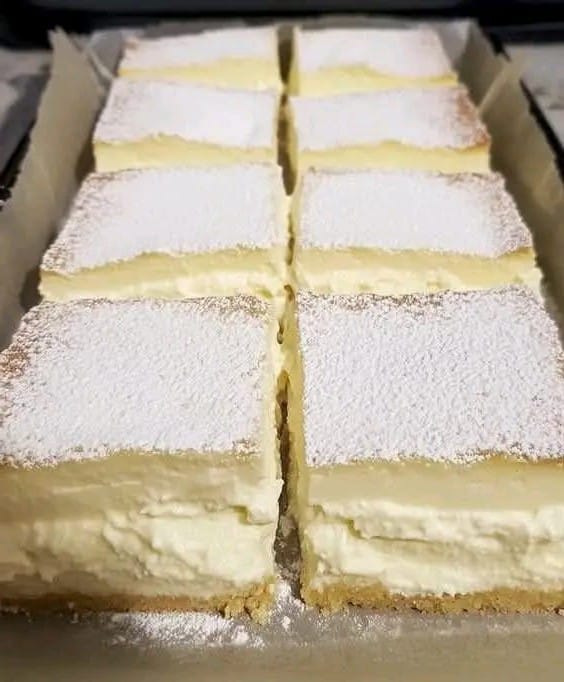
Vanilla Custard Slice

A Vanilla Custard Slice is a timeless dessert that combines layers of crisp, buttery puff pastry with a silky, fragrant vanilla custard, topped with a light dusting of icing sugar. This version elevates the classic with a subtle touch of creaminess and a delicate hint of vanilla bean, creating a slice that’s both elegant and comforting. Perfect for afternoon tea, special occasions, or a decadent weekend treat, this recipe is approachable yet impressive.

Ingredients

For the Puff Pastry:

  • 2 sheets of store-bought puff pastry (or homemade, if preferred)

  • 1 tablespoon flour, for dusting

For the Vanilla Custard:

  • 500 ml (2 cups) full-fat milk

  • 1 vanilla bean (or 1 teaspoon pure vanilla extract)

  • 4 large egg yolks

  • 100 g (½ cup) granulated sugar

  • 30 g (3 tablespoons) cornstarch

  • 30 g (2 tablespoons) unsalted butter

  • Pinch of salt

For the Topping:

  • Icing sugar, for dusting

  • Optional: melted chocolate for drizzle

Method

1. Prepare the Puff Pastry

  1. Preheat your oven to 200°C (400°F) and line a baking tray with parchment paper.

  2. Lightly dust your work surface with flour and roll out each sheet of puff pastry to approximately 3 mm thickness. Trim edges to make neat rectangles of equal size.

  3. Place the pastry sheets on the baking tray, prick the surface lightly with a fork to prevent excessive puffing.

  4. Cover loosely with parchment and bake for 12–15 minutes, until golden brown and crisp. Remove from the oven and let cool completely on a wire rack.

Tip: For an extra-crisp layer, place another sheet of parchment on top of the pastry while baking and weigh it down with another tray.

2. Make the Vanilla Custard

  1. Split the vanilla bean lengthwise and scrape the seeds into a saucepan with the milk. Heat the milk gently over medium heat until it just begins to simmer. If using vanilla extract, add it later with the butter.

  2. In a separate bowl, whisk the egg yolks with sugar, cornstarch, and a pinch of salt until pale and smooth.

  3. Gradually pour about half of the hot milk into the egg mixture, whisking constantly to temper the eggs and prevent curdling.

  4. Pour the tempered egg mixture back into the saucepan with the remaining milk. Cook over medium heat, stirring continuously with a whisk until the custard thickens and reaches a pudding-like consistency.

  5. Remove from heat and stir in butter (and vanilla extract if using). Strain the custard through a fine sieve to remove any lumps and ensure smoothness. Allow it to cool slightly.

Tip: Cover the custard with plastic wrap directly on its surface to prevent a skin from forming while it cools.3. Assemble the Vanilla Custard Slice

  1. Place one puff pastry sheet on a serving tray, flat side up.

  2. Spread the slightly cooled custard evenly over the pastry, ensuring it reaches the edges. Smooth the top with an offset spatula for an even layer.

  3. Carefully place the second puff pastry sheet on top of the custard. Press gently to ensure it adheres.

  4. Refrigerate the assembled slice for at least 2 hours (or overnight) to set, allowing the custard to firm up for clean slicing.

4. Finishing Touches

  1. Just before serving, dust the top layer with icing sugar for a classic presentation.

  2. Optional: drizzle melted chocolate over the top in a zigzag pattern for extra elegance.

  3. Use a sharp, serrated knife to slice the custard into individual rectangles or squares. For precise cuts, warm the knife slightly under hot water and wipe dry between slices.

Serving Tip: Pair with fresh berries or a dollop of whipped cream to elevate the experience.

5. Variations and Tips

  • Flavor Twist: Add a teaspoon of orange zest or almond extract to the custard for a subtle, aromatic variation.

  • Chocolate Custard Slice: Replace 50 g of milk with melted dark chocolate to create a rich chocolate version.

  • Nutty Crunch: Sprinkle finely chopped toasted almonds or pistachios between the custard and top pastry for added texture.

  • Gluten-Free Option: Use a pre-made gluten-free puff pastry, ensuring the baking time is adjusted slightly to avoid over-browning.

Chinese Pepper Steak with Onions

Chinese Pepper Steak with Onions is a classic dish that brings together tender strips of beef, crisp bell peppers, and savory onions in a vibrant, slightly sweet, and garlicky sauce. Perfect for a weeknight dinner or an impressive weekend meal, this recipe is easy to prepare but packed with flavor. Unlike ordinary versions, this recipe incorporates a few secret twists to elevate the taste: a touch of rice vinegar for tang, a hint of honey for balance, and a dash of toasted sesame oil for depth.

Ingredients

For the beef marinade:

  • 1 lb (450 g) flank steak, thinly sliced against the grain

  • 2 teaspoons soy sauce

  • 1 teaspoon cornstarch

  • 1 teaspoon rice wine or dry sherry

  • ½ teaspoon freshly ground black pepper

For the stir-fry sauce:

  • ¼ cup soy sauce

  • 2 tablespoons oyster sauce

  • 1 tablespoon hoisin sauce

  • 1 teaspoon rice vinegar

  • 1 teaspoon honey

  • ½ cup beef or chicken broth

  • 1 teaspoon cornstarch mixed with 2 tablespoons water (slurry)

Vegetables:

  • 1 large green bell pepper, sliced into thin strips

  • 1 large red bell pepper, sliced into thin strips

  • 1 medium yellow onion, thinly sliced

  • 2 cloves garlic, minced

  • 1-inch piece of fresh ginger, minced

  • 2 tablespoons vegetable oil

  • Optional: 1 small chili, sliced for extra heat

Garnish:

  • Toasted sesame seeds

  • Chopped green onions

Instructions

Step 1: Marinate the Beef

  1. In a medium bowl, combine the flank steak slices with soy sauce, cornstarch, rice wine, and black pepper.

  2. Mix thoroughly to coat each piece evenly and let it marinate for at least 15 minutes. For best results, cover and refrigerate for 1 hour. This step tenderizes the beef and ensures each bite is flavorful.

Step 2: Prepare the Sauce

  1. In a small bowl, whisk together the soy sauce, oyster sauce, hoisin sauce, rice vinegar, honey, and broth.

  2. Keep the cornstarch slurry separate for now. This mixture will become your glossy, savory stir-fry sauce.

Step 3: Sear the Beef

  1. Heat a large wok or skillet over high heat. Add 1 tablespoon of vegetable oil and swirl to coat.

  2. Add the marinated beef in a single layer, avoiding overcrowding. Sear quickly for 1–2 minutes on each side until browned but not fully cooked through. Remove the beef and set aside.

Step 4: Stir-Fry the Vegetables

  1. In the same wok, add the remaining tablespoon of oil. Toss in the garlic, ginger, and chili (if using) and stir-fry for about 30 seconds until fragrant.

  2. Add the sliced onions and bell peppers. Stir-fry for 3–4 minutes until the vegetables are tender-crisp, retaining a little crunch for texture.

Step 5: Combine Beef and Sauce

  1. Return the beef to the wok, mixing gently with the vegetables.

  2. Pour the pre-mixed stir-fry sauce over the beef and vegetables.

  3. Stir well and bring to a simmer for 1–2 minutes.

  4. Slowly add the cornstarch slurry, stirring constantly until the sauce thickens and evenly coats the beef and vegetables. The sauce should be glossy, clinging to every piece.

Step 6: Finish with Flavor

  1. Drizzle ½ teaspoon of toasted sesame oil over the stir-fry for a fragrant finish.

  2. Taste and adjust seasoning if needed, adding a splash of soy sauce or a pinch of sugar to balance.

Step 7: Serve

  1. Transfer your Chinese Pepper Steak with Onions to a serving plate.

  2. Sprinkle toasted sesame seeds and chopped green onions on top for garnish.

  3. Serve immediately with steamed jasmine rice or your choice of noodles.

Tips and Variations

  • Beef Choice: Flank steak is preferred for its tenderness, but sirloin or skirt steak works beautifully too.

  • Vegetable Variations: Feel free to add snow peas, baby corn, or sliced mushrooms for more color and flavor.

  • Spice Level: Add fresh sliced chilies or a pinch of chili flakes for a kick.

  • Sauce Depth: A small teaspoon of black bean paste can deepen the umami without overpowering the dish.

  • Meal Prep: Cook the vegetables and beef separately if making ahead, then toss together with sauce just

Vegan Spinach Puffs with Vegan Cream Cheese

If you’re looking for a delicious, savory vegan snack or appetizer, these Vegan Spinach Puffs with Vegan Cream Cheese are an absolute delight. Crispy on the outside, soft and creamy on the inside, these puffs combine flaky vegan pastry, tangy vegan cream cheese, and vibrant, seasoned spinach for a mouthwatering bite every time. Perfect for brunch, tea-time, or even a party platter, these puffs are simple to make yet full of flavor. Here’s a complete guide to making them from scratch.

Ingredients

For the Vegan Puff Pastry:

  • 2 cups all-purpose flour

  • 1/2 tsp salt

  • 1/2 cup cold coconut oil (solid) or vegan butter

  • 1/2 cup ice-cold water

  • 1 tsp apple cider vinegar

For the Spinach Filling:

  • 2 cups fresh spinach, washed and chopped

  • 1 small onion, finely diced

  • 2 garlic cloves, minced

  • 1 tbsp olive oil

  • 1/4 tsp nutmeg (optional, enhances flavor)

  • Salt and pepper, to taste

For the Vegan Cream Cheese Mixture:

  • 1 cup vegan cream cheese (store-bought or homemade)

  • 1 tbsp lemon juice

  • 1 tbsp nutritional yeast (optional, adds cheesy flavor)

  • 1/4 tsp garlic powder

  • Salt, to taste

For Assembly:

  • 1 tbsp non-dairy milk (for brushing)

  • Sesame seeds or poppy seeds for garnish (optional)

Step 1: Prepare the Vegan Puff Pastry

  1. In a large bowl, combine the flour and salt.

  2. Add the cold coconut oil or vegan butter. Using a pastry cutter or your fingers, cut it into the flour until the mixture resembles coarse crumbs.

  3. In a small bowl, mix the ice-cold water with apple cider vinegar. Gradually pour into the flour mixture, stirring with a fork until it starts to come together.

  4. Turn the dough onto a lightly floured surface and knead gently just until smooth. Wrap in plastic or beeswax wrap and refrigerate for 30–45 minutes. This resting time allows the dough to firm up and makes rolling easier.

Step 2: Cook the Spinach Filling

  1. Heat olive oil in a skillet over medium heat. Sauté the onion until translucent, about 3–4 minutes.

  2. Add garlic and cook for 1 minute until fragrant.

  3. Add the chopped spinach, season with salt, pepper, and nutmeg. Cook until the spinach wilts and any excess moisture evaporates. Remove from heat and let it cool slightly.

Step 3: Prepare the Vegan Cream Cheese Mixture

  1. In a mixing bowl, combine vegan cream cheese, lemon juice, nutritional yeast, garlic powder, and salt.

  2. Stir until smooth and creamy. Taste and adjust seasoning if needed.

  3. Gently fold the cooled spinach mixture into the cream cheese. Ensure the mixture is thick and not watery; if needed, squeeze out extra moisture from the spinach.

Step 4: Assemble the Spinach Puffs

  1. Preheat your oven to 400°F (200°C) and line a baking sheet with parchment paper.

  2. On a floured surface, roll out the chilled puff pastry to about 1/8-inch thickness. Cut into squares, roughly 3×3 inches.

  3. Spoon a generous amount of the spinach and cream cheese mixture onto the center of each square.

  4. Fold the pastry over the filling to form a triangle or rectangle, and press the edges firmly to seal. You can use a fork to crimp the edges for a decorative finish.

  5. Brush the tops with non-dairy milk and sprinkle with sesame or poppy seeds if desired.

Step 5: Bake the Spinach Puffs

  1. Place the puffs on the prepared baking sheet, leaving some space between them.

  2. Bake in the preheated oven for 20–25 minutes, or until the pastry is golden brown and crisp.

  3. Remove from the oven and let cool for 5 minutes before serving.

Serving Suggestions

  • Serve warm as a snack, appetizer, or even alongside a fresh salad.

  • Pair with vegan marinara sauce, roasted red pepper dip, or a simple tahini sauce for extra flavor.

  • These puffs can be made ahead and frozen before baking. Simply bake them directly from frozen, adding a few extra minutes to the cooking time.

Tips for Perfect Vegan Spinach Puffs

  • Avoid soggy filling: Make sure the spinach is well-drained before mixing with cream cheese. Excess moisture can prevent the puff pastry from crisping.

  • Chill your dough: Cold dough is key to flaky pastry. If it softens while working, refrigerate for a few minutes before continuing.

  • Flavor boost: Add fresh herbs like dill, chives, or parsley to the filling for extra freshness and aroma.

  • Cheese alternatives: If vegan cream cheese is unavailable, you can substitute with soft tofu blended with a teaspoon of lemon juice for a similar creamy texture.

These Vegan Spinach Puffs with Vegan Cream Cheese are perfect for anyone craving a flaky, savory, and slightly tangy bite. The combination of golden puff pastry and creamy, flavorful filling is irresistible, making it a crowd-pleaser for both vegans and non-vegans alike. They are elegant enough for entertaining yet simple enough for a cozy snack at home.

With a little preparation and attention to detail, these puffs can become a staple in your vegan recipe repertoire, offering a versatile dish that’s both satisfying and wholesome. Enjoy the crunch, the creamy center, and the vibrant flavors in every bite!

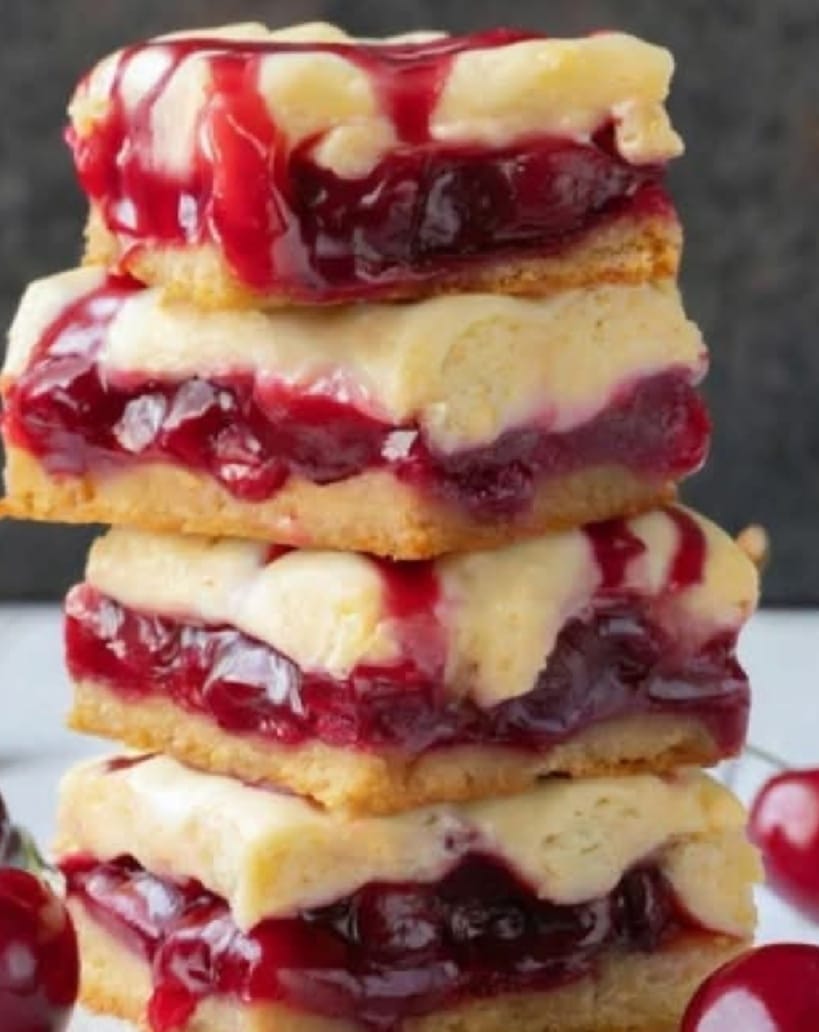
Cherry Cheesecake Bars

If you love the creamy indulgence of cheesecake paired with the sweet-tart burst of cherries, these Cherry Cheesecake Bars are a dream come true. Unlike traditional cheesecake, these bars offer a portable, sliceable treat that is perfect for parties, picnics, or simply enjoying at home with a cup of coffee. With a buttery crust, luscious cream cheese filling, and vibrant cherry topping, each bite is a harmonious blend of textures and flavors.

Ingredients:

For the crust:

  • 1½ cups graham cracker crumbs (about 10 full sheets)

  • ⅓ cup granulated sugar

  • ½ teaspoon ground cinnamon

  • 7 tablespoons unsalted butter, melted

For the cheesecake filling:

  • 16 oz (450 g) cream cheese, softened

  • ½ cup granulated sugar

  • 2 large eggs

  • 1 teaspoon vanilla extract

  • 1 teaspoon lemon zest (optional, for brightness)

  • 2 tablespoons all-purpose flour (helps stabilize the filling)

For the cherry topping:

  • 1½ cups fresh or frozen cherries, pitted

  • ¼ cup granulated sugar

  • 1 tablespoon cornstarch

  • 2 tablespoons water

  • ½ teaspoon vanilla extract

  • ½ teaspoon almond extract (optional, enhances cherry flavor)

Optional garnish:

  • Whipped cream

  • White chocolate shavings

  • Toasted almond slices

Instructions:

Step 1: Prepare the Crust

  1. Preheat your oven to 350°F (175°C) and line a 9×9-inch baking pan with parchment paper, leaving a slight overhang for easy removal.

  2. In a medium bowl, combine graham cracker crumbs, sugar, and cinnamon. Mix until evenly distributed.

  3. Pour in the melted butter and stir until the crumbs resemble wet sand and hold together when pressed.

  4. Press the crumb mixture firmly into the bottom of the prepared pan using a flat-bottomed cup or your fingers for an even layer.

  5. Bake the crust for 8–10 minutes until lightly golden and fragrant. Remove from oven and let cool slightly while preparing the filling.

Step 2: Make the Cheesecake Filling

  1. In a large mixing bowl, beat the softened cream cheese on medium speed until smooth and creamy, about 2–3 minutes.

  2. Gradually add the sugar and beat until fully incorporated.

  3. Add the eggs, one at a time, mixing gently after each addition to avoid overbeating, which can cause cracks during baking.

  4. Stir in the vanilla extract, lemon zest, and flour until the mixture is uniform and silky. The flour helps the filling set properly while keeping it creamy.

  5. Pour the cheesecake filling over the slightly cooled crust and spread it evenly with a spatula. Smooth the top for a polished finish.

Step 3: Bake the Cheesecake Bars

  1. Bake the cheesecake layer at 325°F (160°C) for 25–30 minutes, or until the edges are set and the center slightly jiggles.

  2. Avoid overbaking; the cheesecake will continue to set as it cools.

  3. Remove from oven and let it cool to room temperature, then transfer to the refrigerator for at least 2 hours, or overnight, for a firmer texture.

Step 4: Prepare the Cherry Topping

  1. In a small saucepan, combine cherries, sugar, cornstarch, and water.

  2. Cook over medium heat, stirring frequently, until the mixture begins to thicken and bubble, about 5–7 minutes.

  3. Remove from heat and stir in vanilla and almond extracts. Allow the topping to cool slightly.

  4. Once thickened and slightly cooled, gently spread the cherry topping over the chilled cheesecake layer. Avoid pouring while too hot, as it may seep into the cheesecake and make it watery.

Step 5: Chill and Serve

  1. Return the bars to the refrigerator for at least 1 hour to allow the cherry topping to set.

  2. Using the parchment overhang, lift the cheesecake from the pan and place it on a cutting board.

  3. Cut into squares or rectangles using a sharp knife, wiping the blade clean between cuts to maintain clean edges.

Optional: Top with whipped cream, white chocolate shavings, or toasted almonds for extra elegance and flavor.

Tips for Perfect Cherry Cheesecake Bars

  • Avoid cracks: Don’t overmix the cheesecake filling. Beat just until smooth.

  • Cherry variation: Fresh, frozen, or even canned cherries can be used, but fresh provides the best flavor. Adjust sugar if using tart cherries.

  • Make ahead: These bars taste even better after sitting overnight in the fridge, allowing flavors to meld.

  • Storage: Store in an airtight container in the refrigerator for up to 5 days. You can also freeze the bars for up to 2 months; thaw overnight in the fridge before serving.

Serving Suggestions

Cherry cheesecake bars are versatile. Serve them as a dessert at dinner parties, a treat at afternoon tea, or even as a decadent snack. Pair with a dollop of whipped cream or a scoop of vanilla ice cream for extra indulgence. The balance of the buttery crust, creamy cheesecake, and vibrant cherry topping makes every bite irresistible.

Final Thoughts

These Cherry Cheesecake Bars strike the perfect balance between creamy, sweet, and tangy. The golden graham cracker crust provides a solid foundation, the cheesecake layer is luxuriously smooth, and the cherry topping adds a burst of bright flavor and color. With simple ingredients and easy-to-follow steps, you can create a dessert that looks as beautiful as it tastes. Whether for a special occasion or a weeknight treat, these bars are sure to impress friends, family, or even yourself.

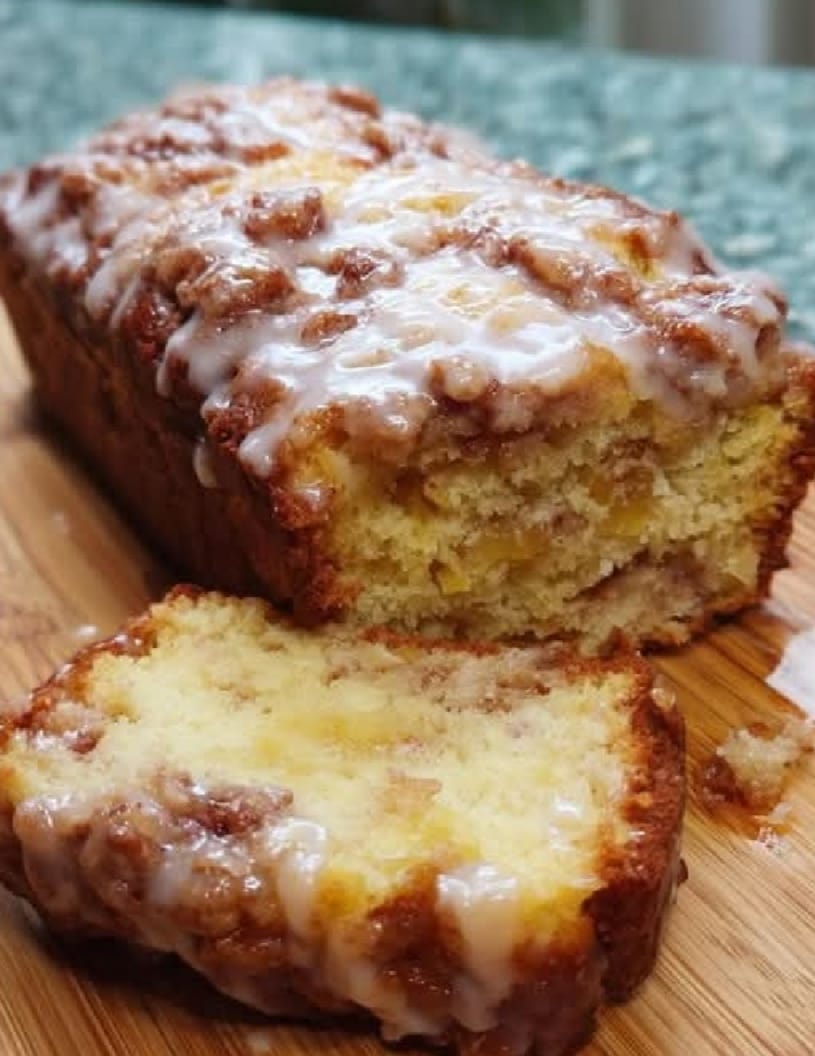
Cinnamon Peach Crumble Bread with Vanilla Glaze

There’s something about the aroma of fresh peaches mingled with warm cinnamon that makes a kitchen feel like home. This Cinnamon Peach Crumble Bread combines the soft, tender crumb of a quick bread with juicy peach chunks, a crunchy cinnamon-sugar crumble, and a drizzle of sweet vanilla glaze for a finish that’s both comforting and indulgent. Perfect for breakfast, brunch, or a cozy afternoon treat, this bread is a crowd-pleaser with layers of flavor and texture.

Ingredients

For the Bread:

  • 2 cups all-purpose flour

  • 1 tsp baking powder

  • ½ tsp baking soda

  • ½ tsp salt

  • 2 tsp ground cinnamon

  • ½ tsp nutmeg (optional for warmth)

  • ½ cup unsalted butter, softened

  • ¾ cup granulated sugar

  • 2 large eggs

  • 1 tsp vanilla extract

  • ½ cup sour cream or plain Greek yogurt

  • 1 cup fresh peaches, peeled, pitted, and diced (about 2 medium peaches)

For the Cinnamon Crumble Topping:

  • ½ cup all-purpose flour

  • ¼ cup granulated sugar

  • 2 tsp ground cinnamon

  • 3 tbsp unsalted butter, cold and cubed

For the Vanilla Glaze:

  • 1 cup powdered sugar

  • 2-3 tbsp whole milk

  • 1 tsp vanilla extract

Instructions

1. Prepare the Oven and Pan
Preheat your oven to 350°F (175°C). Grease a 9×5-inch loaf pan with butter or nonstick spray and line it with parchment paper for easier removal. Set aside.

2. Mix Dry Ingredients for the Bread
In a medium bowl, whisk together 2 cups flour, baking powder, baking soda, salt, cinnamon, and nutmeg. The cinnamon will infuse the bread with a warm aroma, while the nutmeg adds a subtle depth that complements the peaches.

3. Cream Butter and Sugar
In a large mixing bowl, cream together the softened butter and granulated sugar until light and fluffy, about 3-4 minutes. This step ensures a tender, soft crumb by incorporating air into the mixture.

4. Add Eggs and Vanilla
Beat in the eggs one at a time, followed by the vanilla extract. Each addition should be fully incorporated before adding the next. The eggs provide structure, while vanilla enhances the sweet, fruity notes.

5. Incorporate Sour Cream and Peaches
Fold in the sour cream (or Greek yogurt) until smooth. Gently fold in the diced peaches, being careful not to break them up too much. The peaches will add natural sweetness and moisture, keeping the bread soft and succulent.

6. Combine Dry and Wet Ingredients
Gradually fold the dry ingredients into the wet mixture until just combined. Avoid overmixing, which can make the bread dense. The batter should be thick but spreadable, with visible chunks of peach throughout.

7. Prepare the Crumble Topping
In a small bowl, combine ½ cup flour, ¼ cup sugar, and 2 tsp cinnamon. Cut in the cold butter using a pastry cutter, two knives, or your fingers until the mixture resembles coarse crumbs. The crumble will bake into a crunchy, sugary topping that perfectly contrasts the soft bread.

8. Assemble the Bread
Pour the batter into the prepared loaf pan and spread it evenly. Sprinkle the crumble topping generously over the surface. The topping will caramelize in the oven, forming a golden, crackly crust.

9. Bake
Bake for 50-60 minutes, or until a toothpick inserted into the center comes out clean (a few moist crumbs are okay). Baking times may vary depending on your oven and the ripeness of the peaches. About halfway through, tent the bread with aluminum foil if the crumble starts browning too quickly.

10. Cool the Bread
Allow the bread to cool in the pan for 15 minutes, then remove it onto a wire rack to cool completely. This prevents the bottom from becoming soggy and allows the flavors to set.

11. Prepare the Vanilla Glaze
In a small bowl, whisk together the powdered sugar, vanilla extract, and 2 tablespoons of milk. Add more milk if necessary to achieve a pourable consistency. The glaze should be thick enough to hold shape but thin enough to drizzle elegantly.

12. Glaze and Serve
Once the bread has cooled, drizzle the vanilla glaze over the top. Slice the bread with a serrated knife to maintain clean edges and reveal the beautiful cinnamon-swirled peach interior. Each bite should have the perfect balance of soft, fruity bread, crunchy crumble, and sweet vanilla glaze.

Tips for Success

  1. Use ripe peaches: They bring natural sweetness and juiciness. If using canned peaches, drain well to prevent soggy bread.

  2. Chill your butter for the crumble: Cold butter ensures a crunchy topping instead of a melted mess.

  3. Cut peaches evenly: Uniform chunks bake evenly and create a consistent texture.

  4. Storage: Keep bread wrapped at room temperature for 2 days or in the fridge for up to 5 days. It can also be frozen for longer storage.

  5. Optional add-ins: Chopped pecans or walnuts in the crumble add extra crunch, or a handful of shredded coconut pairs beautifully with peaches.