Mini Bacon Cheddar Cheese Balls

When it comes to party appetizers, game-day snacks, or an easy make-ahead treat for guests, Mini Bacon Cheddar Cheese Balls always steal the show. These little bites pack all the creamy, smoky, cheesy goodness of a traditional cheese ball—just in a perfectly portioned, poppable size. Every bite bursts with tangy cream cheese, sharp cheddar, and crispy bacon, rolled into a crunchy coating that’s both elegant and irresistible. What makes this recipe truly unique is the balance of textures and flavors: creamy and savory inside, crisp and nutty outside, with a whisper of spice that keeps you coming back for more.

The Inspiration Behind the Recipe

Cheese balls have been a beloved American party staple since the 1940s. The original was a massive orb of cheese rolled in nuts, served with crackers for spreading. But over time, people craved something easier to serve and eat—something with that same nostalgic charm but a more modern presentation. That’s where these mini versions come in. Each one is a miniature masterpiece—bite-sized, beautiful, and bursting with flavor. Perfect for holidays, potlucks, or cozy nights in, these mini cheese balls prove that good things really do come in small packages.

Ingredients You’ll Need

For the cheese mixture:

  • 8 oz (225 g) cream cheese, softened

  • 1 ½ cups sharp cheddar cheese, freshly shredded

  • 6 slices of bacon, cooked until crisp and finely crumbled

  • 2 tablespoons green onions, finely chopped

  • 1 teaspoon Worcestershire sauce

  • ½ teaspoon garlic powder

  • ½ teaspoon smoked paprika

  • ¼ teaspoon black pepper

  • ¼ teaspoon cayenne pepper (optional, for a kick)

For the coating:

  • 4 slices bacon, cooked crisp and finely chopped

  • ½ cup toasted pecans or crushed roasted almonds

  • 2 tablespoons fresh parsley, minced

Optional garnishes:

  • Pretzel sticks, mini skewers, or toothpicks for serving

  • Extra chopped green onions for a pop of color

Step-by-Step Preparation

Step 1: Prepare the Bacon

Cook all your bacon slices until crispy, either on the stovetop or in the oven. Let them cool completely before crumbling. The key here is to get them crunchy, not chewy—this ensures each cheese ball gets that perfect smoky crispness. Divide the bacon: half will go into the cheese mixture, and half will be used for the outer coating.

Step 2: Make the Cheese Mixture

In a medium mixing bowl, beat the softened cream cheese until smooth and creamy. This step is crucial for achieving a silky base that will easily mix with the other ingredients. Add in the shredded cheddar cheese, half of the crumbled bacon, green onions, Worcestershire sauce, garlic powder, paprika, pepper, and cayenne (if using). Mix well until everything is evenly incorporated. The mixture should be thick, rich, and speckled with bits of bacon and cheese.

Step 3: Chill the Mixture

Cover the bowl and refrigerate the mixture for about 30 minutes. Chilling makes it easier to shape into small balls without sticking to your hands. If you skip this step, the mixture might be too soft to roll properly.

Step 4: Shape the Mini Cheese Balls

Once chilled, use a small cookie scoop or a teaspoon to portion the mixture. Roll each portion between your palms into a smooth, bite-sized ball. You should get about 20 to 24 mini cheese balls, depending on the size.

Step 5: Coat the Cheese Balls

In a shallow dish, combine the remaining bacon, toasted pecans (or almonds), and chopped parsley. Roll each cheese ball in the coating mixture until it’s evenly covered. The combination of bacon and nuts gives these cheese balls a satisfying crunch, while the parsley adds freshness and color.

Step 6: Chill Again Before Serving

Place the coated cheese balls on a parchment-lined tray and refrigerate for another 30 minutes. This helps them firm up and allows the flavors to meld together beautifully.

Serving Suggestions

Right before serving, insert a pretzel stick or toothpick into the top of each cheese ball for easy grabbing. Arrange them on a platter with crackers, celery sticks, or slices of apple for contrast. These make for an elegant party display and can even be served as part of a charcuterie board alongside cured meats and fruit preserves.

For a rustic twist, serve them warm by letting them sit at room temperature for about 15 minutes—the cheeses soften slightly, making them extra creamy and indulgent.

Flavor Variations to Try

  • Spicy Jalapeño Kick: Add 1 finely chopped jalapeño to the cheese mixture for a bolder, spicy bite.

  • Ranch-Style: Mix in 1 tablespoon of ranch seasoning and swap green onions for chives.

  • Everything Bagel Coating: Roll the cheese balls in everything bagel seasoning for an extra crunch and flavor explosion.

  • Sweet and Savory Twist: Add a touch of honey or maple syrup to the cheese mixture and coat with chopped candied pecans.

Each variation brings its own personality to the recipe, allowing you to customize these cheese balls for any occasion.

Storage and Make-Ahead Tips

These mini bacon cheddar cheese balls are perfect for prepping ahead. Store them in an airtight container in the refrigerator for up to 5 days. If you’re planning for a big event, you can also freeze them (before coating) for up to 2 months. When ready to serve, simply thaw in the fridge overnight and roll in the coating right before the event.

Why This Recipe Works

What sets this recipe apart is its balance of flavor and texture. The tangy cream cheese base mellows the sharp cheddar, while the smoky bacon adds depth and saltiness. The toasted nuts offer a satisfying crunch, contrasting perfectly with the creamy interior. A hint of Worcestershire and paprika ties it all together, giving these little bites a gourmet edge. They’re rich yet balanced, comforting yet sophisticated—a true crowd-pleaser.

Final Thoughts

These Mini Bacon Cheddar Cheese Balls are proof that appetizers don’t have to be complicated to be delicious. They deliver the perfect blend of cheesy richness, smoky bacon flavor, and nutty crunch—all in one bite. Whether you’re hosting a holiday party, watching the big game, or just craving a savory snack, this recipe is sure to impress.
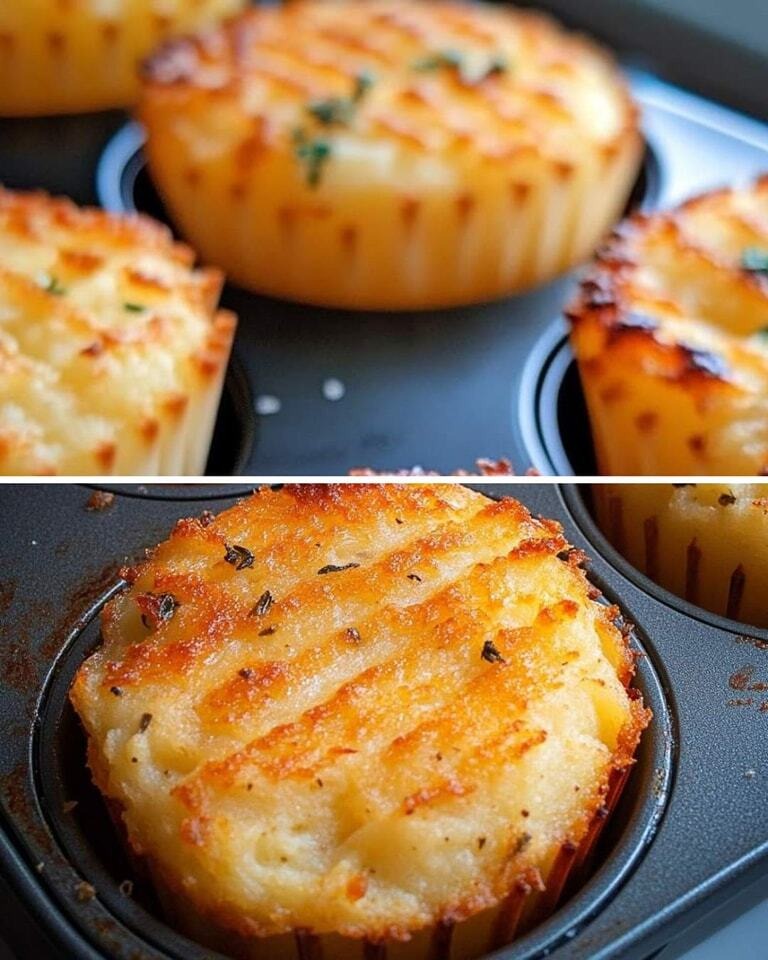

Mashed Potato Muffins

Mashed potatoes have always been a beloved comfort food — creamy, buttery, and warm, the kind of side dish that feels like a hug on a plate. But what if you could take that same comforting flavor and turn it into something portable, crispy on the outside, fluffy on the inside, and perfect for breakfast, brunch, or a quick snack? That’s where Mashed Potato Muffins come in. This creative twist on leftover mashed potatoes transforms a simple side into golden, savory, and irresistibly cheesy little delights baked to perfection in a muffin tin.

This recipe isn’t just about repurposing leftovers — it’s about reinventing them. These muffins combine classic mashed potatoes with eggs, cheese, herbs, and a few pantry staples to create something hearty, satisfying, and surprisingly elegant. Whether you’re looking for a make-ahead breakfast idea, a fun side dish, or a unique way to use up leftover potatoes after a big dinner, these mashed potato muffins will quickly earn a place in your recipe collection.

Ingredients

  • 2 cups cold mashed potatoes (leftover or freshly made, well seasoned)

  • 2 large eggs

  • ½ cup shredded cheddar cheese (or a mix of mozzarella and parmesan)

  • ¼ cup sour cream or Greek yogurt

  • 2 tablespoons butter, melted

  • ¼ cup milk (to loosen the potatoes if too thick)

  • ¼ cup chopped green onions or chives

  • ½ teaspoon garlic powder

  • ½ teaspoon onion powder

  • ¼ teaspoon paprika (optional for color and flavor)

  • Salt and black pepper, to taste

  • Nonstick spray or butter, for greasing the muffin tin

Optional Add-ins:

  • Cooked bacon bits or ham pieces

  • Finely chopped broccoli, spinach, or bell pepper

  • A sprinkle of grated parmesan on top for extra crispness

Instructions

  1. Preheat and Prepare
    Preheat your oven to 375°F (190°C). Lightly grease a 12-cup muffin tin with nonstick spray or melted butter. You can also line the cups with parchment muffin liners if desired, but greasing gives a crispier edge.

  2. Mix the Wet Ingredients
    In a large mixing bowl, whisk together the eggs, sour cream (or Greek yogurt), and melted butter until smooth and creamy. This base will add richness and help bind the muffins together.

  3. Add the Mashed Potatoes
    Stir in your mashed potatoes. If your mashed potatoes are very stiff or dense (especially if they’ve been refrigerated), mix in a splash or two of milk until they loosen up slightly. The mixture should be thick but spreadable — similar to a heavy cake batter.

  4. Incorporate the Flavor
    Add in the shredded cheese, green onions, garlic powder, onion powder, paprika, salt, and pepper. Stir everything until evenly combined. The cheese will melt beautifully during baking, giving the muffins a creamy interior and a golden crust.

  5. Customize Your Muffins
    At this stage, feel free to fold in any add-ins — crispy bacon bits, diced ham, sautéed vegetables, or even a handful of spinach for a nutritious touch. The possibilities are endless and can match your mood or leftovers.

  6. Scoop and Smooth
    Using a spoon or cookie scoop, divide the mixture evenly among the prepared muffin cups. Fill each cup nearly to the top for full, rounded muffins. Smooth the tops with the back of a spoon.

  7. Top for Texture
    For a gourmet finish, sprinkle a pinch of extra shredded cheese or grated parmesan on top of each muffin before baking. This creates a delightful crispy crust.

  8. Bake to Golden Perfection
    Place the muffin tin in the preheated oven and bake for 25–30 minutes, or until the tops are puffed and lightly golden brown. The muffins should feel firm to the touch and pull away slightly from the sides of the pan.

  9. Cool and Serve
    Let the muffins cool in the pan for about 5 minutes before transferring them to a wire rack. Serve warm — that’s when they’re at their best, with the cheese still gooey inside and the edges perfectly crisp.

Serving Ideas

  • Breakfast Treat: Serve warm with scrambled eggs and a dollop of sour cream or salsa on top.

  • Lunch or Snack: Pair with a green salad or soup for a satisfying meal.

  • Dinner Side Dish: They make a wonderful accompaniment to roasted chicken, steak, or grilled vegetables.

  • On-the-Go Snack: These muffins hold up well at room temperature — ideal for lunchboxes or road trips.

Storage and Reheating Tips

  • Refrigeration: Store leftovers in an airtight container in the refrigerator for up to 4 days.

  • Freezing: Freeze cooled muffins in a single layer on a baking sheet, then transfer to a freezer bag. They’ll keep well for 2 months.

  • Reheating: Reheat in the oven or air fryer at 350°F (175°C) for 8–10 minutes to restore crispness, or microwave for about 30 seconds if you’re in a hurry.

Why You’ll Love This Recipe

  1. A Second Life for Leftovers: It’s the perfect way to transform extra mashed potatoes into something exciting and new.

  2. Customizable: You can make them vegetarian, meaty, cheesy, or even spicy — each variation is delicious.

  3. Kid-Friendly: Kids love the muffin shape, and it’s a fun way to sneak in veggies.

  4. Portable: Great for breakfast meal prep or lunchbox snacks.

  5. Simple Ingredients, Big Flavor: Everything you need is likely already in your fridge or pantry.

Final Thoughts

Mashed Potato Muffins combine the nostalgia of homemade mashed potatoes with the joy of baked comfort food. They’re crispy on the edges, soft and creamy in the middle, and bursting with flavor from cheese and herbs. This recipe celebrates resourcefulness — turning something ordinary into something extraordinary.

Angel Biscuits

Angel Biscuits are the softest, fluffiest, most tender biscuits you’ll ever bake—earning their name because they’re as light as angels’ wings. This Southern classic combines the best of both worlds: the buttery, flaky layers of a traditional biscuit and the airy rise of a yeast roll. The result is a golden, pillowy bread that practically melts in your mouth. Whether served for breakfast with honey, at dinner beside fried chicken, or as the base for strawberry shortcake, Angel Biscuits are pure comfort food.

What makes these biscuits unique is the combination of three leavening agents—yeast, baking soda, and baking powder. The yeast gives them a soft, fluffy texture, while the baking powder and soda provide that signature biscuit rise and tang. The dough can also be made ahead of time and stored in the refrigerator for several days, which makes it perfect for busy mornings or entertaining guests.

Ingredients

  • 1 packet (2¼ tsp) active dry yeast

  • ¼ cup warm water (about 110°F)

  • 2 tablespoons sugar

  • 5 cups all-purpose flour

  • 1 teaspoon baking soda

  • 3 teaspoons baking powder

  • 1 teaspoon salt

  • ½ cup cold unsalted butter, cut into cubes

  • ½ cup cold shortening (or lard)

  • 2 cups buttermilk, cold

  • 2 tablespoons melted butter (for brushing)

Step 1: Activate the Yeast

In a small bowl, dissolve the yeast and sugar in warm water. Let it sit for 5 to 10 minutes until it becomes foamy and bubbly. This step is essential—if your yeast doesn’t foam, it means it’s expired or the water was too hot or cold. The bubbling mixture will give your biscuits that subtle yeasty lift that sets Angel Biscuits apart from traditional ones.

Step 2: Mix the Dry Ingredients

In a large mixing bowl, whisk together flour, baking soda, baking powder, and salt. This combination ensures even distribution of leavening and flavor throughout the dough. Angel Biscuits rely on a delicate balance—too much leavening and they can taste bitter, too little and they won’t rise properly.

Step 3: Cut in the Fats

Add the cold butter and shortening to the flour mixture. Use a pastry cutter or your fingertips to cut the fats into the flour until the mixture resembles coarse crumbs. The cold fat creates tiny steam pockets as the biscuits bake, giving them those beautiful flaky layers. Mixing by hand keeps the dough from becoming overworked, which is key to a tender biscuit texture.

Step 4: Add the Wet Ingredients

Pour in the activated yeast mixture and the cold buttermilk. Gently stir just until the dough comes together. It should be soft and slightly sticky—avoid overmixing, as that can make the biscuits tough. If the dough feels too wet, sprinkle a bit more flour; if it’s too dry, add a splash of buttermilk.

Step 5: Rest the Dough

Here’s where Angel Biscuits earn their name. Cover the dough with plastic wrap and let it rest for 1 to 2 hours at room temperature, or refrigerate overnight. This resting time allows the yeast to develop flavor and make the biscuits light and airy. If you’re planning ahead, the dough can be stored in the fridge for up to 5 days—ready to bake anytime you crave warm biscuits.

Step 6: Roll and Cut

Preheat your oven to 400°F (200°C). Turn the dough out onto a lightly floured surface and roll it to about ½-inch thickness. Use a biscuit cutter or a round glass to cut out your biscuits. Press straight down—don’t twist the cutter—or you’ll seal the edges and prevent them from rising properly. Gather the scraps, gently press them together, and cut out more biscuits.

Step 7: Bake to Golden Perfection

Place the biscuits on a parchment-lined baking sheet, close enough so their sides touch slightly. This helps them rise higher as they bake. Let them sit for about 10 minutes while the oven finishes preheating—this gives the yeast a final boost. Bake for 12–15 minutes, or until the tops are golden brown and the centers are fluffy.

When you pull them from the oven, immediately brush the tops with melted butter for that irresistible sheen and extra flavor. The butter seeps into the warm layers, making them tender and fragrant.

Serving Suggestions

Angel Biscuits are endlessly versatile. For breakfast, serve them warm with honey butter, jam, or sausage gravy. At lunch, use them for mini sandwiches filled with ham and cheddar or fried chicken sliders. For dinner, they pair perfectly with soups, stews, or roasted meats. You can even transform them into a dessert by topping them with whipped cream and fresh strawberries.

These biscuits also freeze beautifully. Once baked and cooled, place them in a freezer-safe bag. To reheat, wrap in foil and warm in a 300°F oven for about 10 minutes.

Tips for Perfect Angel Biscuits

  1. Keep everything cold. Cold butter, shortening, and buttermilk are the secret to flakiness.

  2. Don’t overwork the dough. Gentle handling keeps the biscuits light and tender.

  3. Let them rest. Even a short rest before baking gives the yeast time to work its magic.

  4. Bake close together. Touching sides encourage upward rise instead of spreading out.

  5. Brush with butter twice. Once before baking for color, and again after for flavor and shine.

The Story Behind Angel Biscuits

Angel Biscuits have deep roots in the American South, where resourceful cooks combined yeast dough and biscuit dough to ensure consistent results. In days before modern ovens, this hybrid dough guaranteed success—if the yeast failed, the baking powder would still give lift. The name “Angel Biscuits” likely came from their ethereal texture and golden color, as if kissed by heaven itself.

They became a cherished recipe in Southern households, passed from grandmother to grandchild, each adding a personal twist—extra butter, a touch of sugar, or a dash of cream. Today, they remain a beloved comfort food, simple yet elegant enough for holidays or Sunday dinners.

Conclusion

Angel Biscuits are the epitome of baking bliss—soft, flaky, buttery, and lightly sweet with a whisper of yeast flavor. They’re forgiving to make, store well, and elevate any meal from ordinary to heavenly. Each bite captures the essence of home cooking: warmth, love, and a touch of Southern charm.

When you pull a pan of golden Angel Biscuits from the oven, the kitchen fills with a smell so inviting, it’s impossible not to smile. These are the biscuits that bring people together—fluffy clouds of comfort that truly live up to their name.

Cottage Cheese Flatbread

If you’ve ever wanted a flatbread that’s as nourishing as it is delicious, this Cottage Cheese Flatbread recipe is a game changer. It’s high in protein, low in carbs, and has a soft, pillowy texture that works beautifully for wraps, sandwiches, pizzas, or even as a side to soups and stews. What makes this flatbread so unique is the addition of cottage cheese—an ingredient that not only gives the dough moisture and tenderness but also infuses it with rich, creamy flavor. This isn’t your typical flatbread; it’s a wholesome twist that brings nutrition and flavor together in one irresistible creation.

Ingredients

  • 1 cup full-fat cottage cheese

  • 2 large eggs

  • 1 cup all-purpose flour (or almond flour for low-carb)

  • 1 tablespoon olive oil

  • 1 teaspoon baking powder

  • ½ teaspoon salt

  • ½ teaspoon garlic powder (optional)

  • ½ teaspoon dried oregano or thyme (optional for flavor)

  • Butter or olive oil for brushing

Instructions

Step 1: Prepare the Base Mixture

In a medium mixing bowl, combine the cottage cheese and eggs. Use a hand blender or food processor to blend until the mixture becomes smooth and creamy. This step is crucial because blending breaks down the cheese curds, giving your flatbread a silky texture. The cottage cheese not only adds protein but also moisture, ensuring your flatbread stays soft and flexible instead of dry or crumbly.

Step 2: Add the Dry Ingredients

In a separate bowl, whisk together the flour, baking powder, salt, and optional seasonings. Slowly incorporate the dry mixture into the wet base, stirring with a spatula until a dough forms. The texture should be soft and slightly sticky but manageable. If it feels too wet, sprinkle in a bit more flour; if too dry, add a spoonful of milk or water.

Step 3: Knead and Rest the Dough

Lightly dust a clean surface with flour and knead the dough for about 2–3 minutes until smooth. Don’t overwork it—you want it tender, not tough. Once kneaded, cover the dough with a clean towel and let it rest for about 10–15 minutes. This allows the flour to absorb the moisture fully and makes the dough easier to roll out.

Step 4: Roll Out the Flatbreads

Divide the dough into 4–6 equal portions. Roll each ball into a thin circle or oval, roughly ⅛-inch thick. If you prefer thicker flatbreads, you can roll them slightly less. You’ll notice how supple the dough feels—this is the magic of cottage cheese, creating a pliable texture that doesn’t crack or tear easily.

Step 5: Cook the Flatbreads

Heat a non-stick skillet or cast-iron pan over medium heat. Brush a little olive oil or butter onto the surface. Place one flatbread at a time into the hot pan. Cook for 1–2 minutes per side, or until golden brown spots appear and the flatbread puffs slightly. Adjust the heat as needed to avoid burning. Continue cooking all the pieces, stacking them on a plate and covering with a towel to keep warm.

Serving Ideas

The beauty of this cottage cheese flatbread lies in its versatility. You can use it in countless ways:

  • Wraps: Fill with grilled chicken, veggies, and hummus for a healthy, protein-rich lunch.

  • Mini Pizzas: Top with tomato sauce, mozzarella, and your favorite toppings, then bake until bubbly.

  • Breakfast Option: Spread with avocado, scrambled eggs, or nut butter and fruit for a balanced morning meal.

  • Side Bread: Pair it with soups, stews, or curries instead of regular bread or naan.

Because of its soft yet hearty texture, this flatbread also makes a great alternative to tortillas or pita bread.

Storage and Reheating

Store leftover flatbreads in an airtight container or zip-lock bag. They’ll keep well in the refrigerator for up to 4 days or in the freezer for up to 2 months. When ready to serve, simply warm them in a dry skillet or microwave for a few seconds to restore their softness. Avoid reheating for too long, as it may dry them out.

Why Cottage Cheese Makes This Recipe Unique

Cottage cheese isn’t just a filler ingredient—it’s the star of this recipe. Its mild tang and creamy curds enhance the dough’s texture, making the flatbread soft and rich without needing much fat. Unlike traditional flatbreads that rely solely on flour and water, this version uses cottage cheese to deliver a natural balance of protein, calcium, and probiotics, turning a simple bread into a nutrient-packed meal component.

Moreover, it’s a great option for those seeking low-carb, high-protein, or gluten-free alternatives. When using almond flour or oat flour, the result remains just as satisfying but lighter on carbs and gluten content.

Tips for Perfect Cottage Cheese Flatbread

  1. Blend the cheese thoroughly – A smooth texture ensures an even, flexible dough.

  2. Avoid over-kneading – Too much handling can make the bread tough.

  3. Cook on medium heat – Too high will burn the outside before the inside is done.

  4. Customize the flavor – Add herbs like basil, parsley, or spices like paprika for extra flair.

  5. Make it dairy-rich – For an even softer texture, brush each cooked flatbread with melted butter or ghee.

Final Thoughts

Cottage Cheese Flatbread is the perfect blend of simplicity and nutrition—a recipe that elevates an everyday staple into something special. Whether you’re looking for a healthier alternative to traditional breads or just want to try something new, this flatbread delivers both flavor and function. It’s satisfying enough to eat on its own yet adaptable for every meal of the day.

Soft, golden, and full of wholesome goodness, this flatbread proves that healthy eating doesn’t have to compromise on taste. With just a few ingredients and a few minutes on the stove, you can whip up a stack of warm, protein-rich flatbreads that make every bite both comforting and nourishing. Once you try this recipe, it’s bound to become a regular in your kitchen rotation—a modern twist on a timeless favorite.

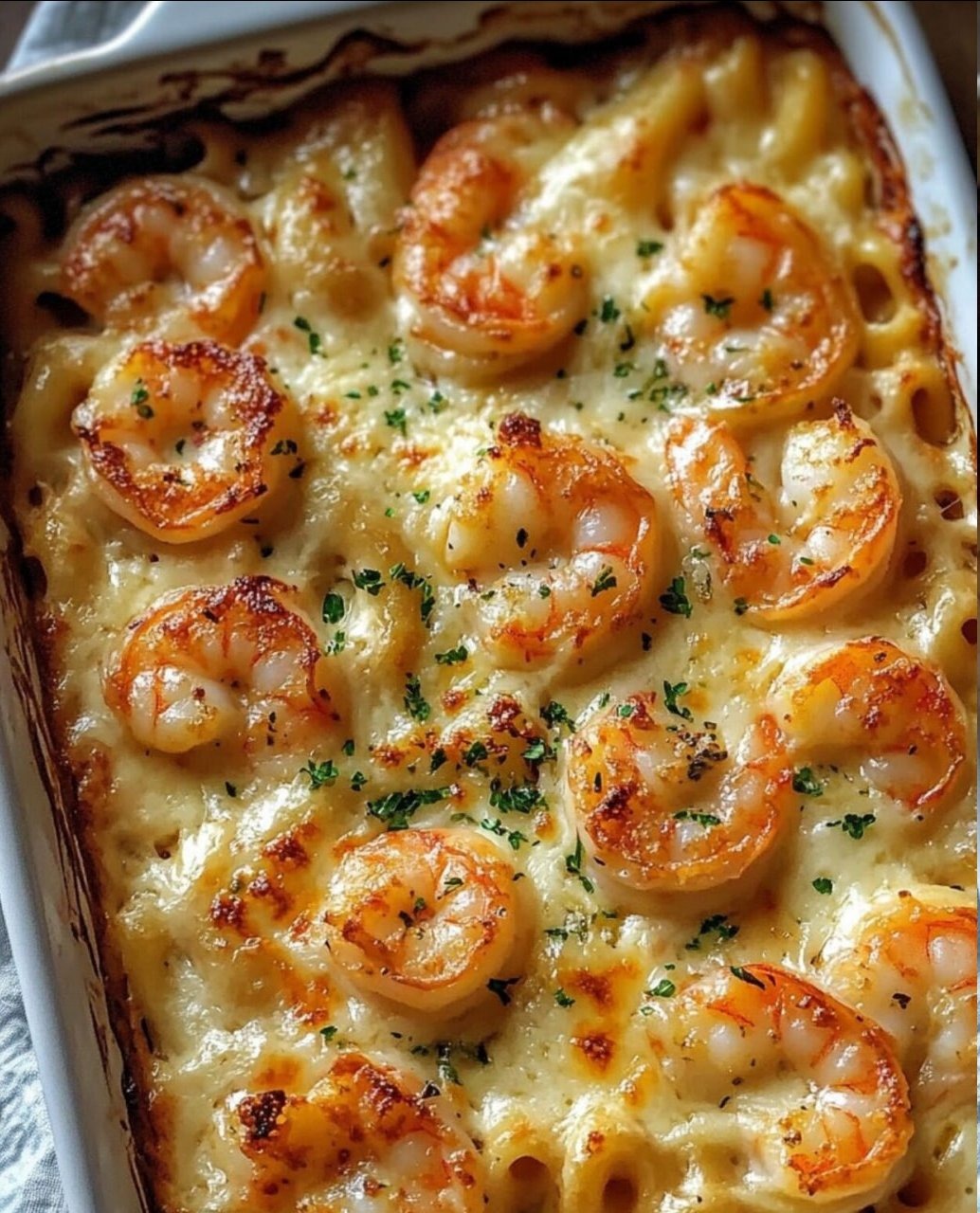
Shrimp Scampi Bake

Shrimp Scampi Bake is a dish that perfectly bridges the gap between comfort food and coastal cuisine. This recipe transforms a classic shrimp scampi into a baked masterpiece—golden, bubbling, and fragrant with garlic, lemon, butter, and herbs. Each bite is luxurious yet simple, offering tender shrimp soaked in a velvety, garlicky butter sauce beneath a crisp, golden breadcrumb topping. Whether you serve it over pasta, rice, or with crusty bread, this Shrimp Scampi Bake will quickly become a favorite centerpiece for family dinners or special gatherings.

Ingredients

For the Shrimp Mixture:

  • 1 ½ pounds large raw shrimp, peeled and deveined

  • 1 teaspoon salt

  • ½ teaspoon black pepper

  • ½ teaspoon crushed red pepper flakes (optional, for a mild heat)

  • 4 cloves garlic, finely minced

  • 2 tablespoons fresh parsley, finely chopped

  • 2 tablespoons lemon juice (freshly squeezed)

  • 1 teaspoon lemon zest

  • ½ cup unsalted butter, melted

  • ¼ cup dry white wine (or chicken broth for non-alcoholic version)

For the Topping:

  • 1 cup Panko breadcrumbs

  • ¼ cup grated Parmesan cheese

  • 2 tablespoons melted butter

  • 1 tablespoon olive oil

  • 1 tablespoon fresh parsley, finely chopped

  • A pinch of paprika for color

Optional for Serving:

  • Cooked linguine, angel hair pasta, or steamed jasmine rice

  • Extra lemon wedges

  • Freshly grated Parmesan

Instructions

Step 1: Preheat and Prepare
Start by preheating your oven to 400°F (200°C). Lightly grease a 9×13-inch baking dish or a medium-sized casserole dish with butter or nonstick spray. This ensures your shrimp doesn’t stick and gives the edges that delicious golden crust.

Step 2: Season the Shrimp
In a large bowl, combine the peeled and deveined shrimp with salt, pepper, red pepper flakes, minced garlic, lemon zest, lemon juice, and parsley. Drizzle in the melted butter and white wine (or broth), then toss gently until the shrimp are evenly coated. The combination of butter and citrus creates a base that’s both rich and refreshing.

Step 3: Arrange in Baking Dish
Spread the shrimp evenly across your prepared baking dish in a single layer. Pour any remaining butter mixture from the bowl over the shrimp—this sauce will mingle with the topping and create that irresistible, buttery scampi flavor once baked.

Step 4: Make the Crunchy Topping
In a small bowl, mix the Panko breadcrumbs, Parmesan cheese, melted butter, olive oil, and parsley. The butter and oil help the breadcrumbs toast beautifully in the oven, while the Parmesan adds a nutty, savory element that balances the bright lemon flavor. Sprinkle this mixture evenly over the shrimp. Finish with a light dusting of paprika for color and a subtle smoky undertone.

Step 5: Bake to Perfection
Place the dish in your preheated oven and bake for 12–15 minutes, or until the shrimp turn pink and opaque and the topping is golden brown. Be careful not to overbake—shrimp cook quickly, and overcooked shrimp can become rubbery. If you want an extra-crispy topping, turn on the broiler for 1–2 minutes at the end, keeping a close eye on it to avoid burning.

Step 6: Serve and Enjoy
Remove from the oven and let it rest for about 3–4 minutes. This short resting time allows the buttery sauce to settle at the bottom and soak into the shrimp. Garnish with a sprinkle of fresh parsley and serve immediately with your favorite side.

Serving Suggestions

This Shrimp Scampi Bake is delightfully versatile. For a hearty meal, serve it over buttery linguine or angel hair pasta, allowing the garlic-lemon sauce to coat each strand. If you prefer something lighter, spoon it over steamed jasmine rice or cauliflower rice for a low-carb twist. For a rustic touch, pair it with toasted sourdough or garlic bread—perfect for soaking up every drop of that golden sauce.

A crisp green salad with a lemon vinaigrette or a side of roasted asparagus complements the richness beautifully. To elevate the meal, serve it with a chilled glass of white wine—a Sauvignon Blanc or Chardonnay pairs wonderfully with the buttery garlic notes.

Why This Recipe Is Unique

What makes this Shrimp Scampi Bake stand out is its layered texture and flavor balance. Traditional scampi is often cooked quickly in a skillet, but this baked version deepens the flavor and allows the shrimp to gently bathe in its own buttery, garlicky juices while developing a crisp crust on top. The Panko-Parmesan topping brings an addictive crunch that contrasts perfectly with the tender shrimp beneath.

Another standout element is the lemon-forward butter sauce, which stays light despite the richness of the butter. The fresh lemon zest and juice prevent the dish from feeling heavy, while the white wine (or broth) enhances the savory depth. You also get flexibility—adjust the garlic for intensity, or add a pinch of cayenne for extra heat.

This dish also reheats beautifully, maintaining its texture and flavor when warmed gently in the oven or air fryer. It’s ideal for make-ahead dinners, entertaining, or impressing guests with minimal effort.

Chef’s Tips for Success

  1. Use raw shrimp only. Pre-cooked shrimp will dry out in the oven.

  2. Fresh garlic over jarred. The aroma and flavor difference are dramatic—fresh garlic gives that signature scampi punch.

  3. Do not skip the lemon zest. It adds brightness that cuts through the richness of the butter.

  4. Watch the bake time carefully. Shrimp go from perfect to overdone in a minute, so pull them out as soon as they’re pink and firm.

  5. Add a hint of luxury. Sprinkle with a few red pepper flakes or drizzle with truffle oil before serving for an elevated touch.

Nannie’s Old-Fashioned Buttermilk Pie

There are recipes that taste good, and then there are recipes that feel like home. Nannie’s Buttermilk Pie belongs to the second kind—the kind passed down through hands that measured by memory and baked with love instead of timers. It’s the pie your grandmother cooled on the windowsill, the one that smelled like butter, sugar, and warm vanilla gently drifting through a summer kitchen. The crust flakes just enough, and the filling is delicate, custard-smooth, lightly tangy from the buttermilk, and sweet without ever being heavy. It’s humble. It’s simple. It’s unforgettable.

This old-fashioned pie comes from the rural tradition of making dessert with what you already had in the pantry: eggs, sugar, butter, and cultured milk. While some pies wear frosting, crumble, or cream on their sleeves, Nannie’s Buttermilk Pie sits proudly in its simplicity. Its beauty is its plainness. The magic happens in the oven, where a silky custard sets into a golden top that cracks just slightly as it cools. Serve it warm or chilled—either way, it melts into comfort.

Ingredients

For the Crust (homemade is best, but store-bought works too):

  • 1 ¼ cups all-purpose flour

  • ½ teaspoon salt

  • 1 tablespoon sugar

  • ½ cup cold unsalted butter, cut into small cubes

  • 3–4 tablespoons ice water

For the Buttermilk Filling:

  • 1 cup buttermilk (shake before using)

  • 1 ½ cups granulated sugar

  • 3 large eggs, room temperature

  • ½ cup unsalted butter, melted and slightly cooled

  • 1 tablespoon all-purpose flour

  • 1 teaspoon pure vanilla extract

  • 1 tablespoon lemon juice

  • ½ teaspoon ground nutmeg (plus a pinch more for the top)

  • A tiny pinch of salt

How to Make the Pie

Step 1: Prepare the Crust

  1. In a medium mixing bowl, stir together the flour, salt, and sugar.

  2. Add the cold butter cubes. Using your fingertips or a pastry cutter, blend until the mixture resembles coarse breadcrumbs with a few pea-sized butter bits remaining.

  3. Add ice water one tablespoon at a time, mixing gently until the dough just holds together. Do not overwork.

  4. Shape into a disk, wrap in plastic wrap, and chill at least 30 minutes.

Once chilled, roll the dough into a circle and place it into a 9-inch pie pan. Trim excess and crimp the edges. Place into the freezer while you make the filling. A cold crust is key to avoiding soggy bottoms.

Step 2: Make the Filling

  1. In a large bowl, whisk the eggs until smooth.

  2. Add the sugar and whisk until the mixture becomes pale and slightly thickened.

  3. Whisk in the flour and salt.

  4. Stir in the melted butter, vanilla, and lemon juice.

  5. Finally, whisk in the buttermilk until the filling is silky and uniform.

This batter should be pourable but creamy, not thin.

Step 3: Bake

  1. Preheat your oven to 350°F (175°C).

  2. Remove the pie crust from the freezer.

  3. Pour the filling into the unbaked crust.

  4. Sprinkle a light dusting of nutmeg across the top.

  5. Bake for 45–55 minutes, or until the center is just set—it should have a slight jiggle like soft-set custard, not sloshy.

If the crust begins to brown too deeply, tent lightly with foil.

Step 4: Cool and Serve

Let the pie cool on the counter for at least 1 hour. The flavors deepen and the custard finishes setting as it cools. Serve warm, room temperature, or cold—each version offers its own comfort.

Flavor Notes & Tips

  • Don’t skip the lemon juice. The acidity brightens the custard and keeps the sweetness balanced.

  • Real buttermilk—not milk with vinegar—is key. It provides flavor and a velvety texture that can’t be duplicated.

  • Nutmeg is essential. It gives that old-fashioned bakery aroma that makes this pie nostalgic.

Serving Ideas

  • A light dusting of powdered sugar across the top makes it picture-perfect.

  • Serve with a dollop of softly whipped cream—not too sweet.

  • Fresh berries add a burst of brightness, especially in summer.

How to Store

This pie stores beautifully—another sign of a true heirloom recipe.

  • Refrigerator: Cover loosely and store for up to 4 days.

  • Freezer: Wrap slices and freeze up to 2 months. Thaw overnight in the fridge.

The Story in Every Slice

Buttermilk Pie is more than a dessert—it’s a memory. It’s the pie you make when someone comes home, when someone needs cheering, when neighbors stop by unexpectedly, or when you just need the kitchen to smell like love again. When you cut into this golden, trembling custard and take that first delicate bite, you taste time: flour-dusted aprons, wooden rolling pins, conversations spoken in soft voices over coffee.

Old-Fashioned Custard Pie

There is something remarkably comforting about a custard pie. It’s simple—no wild ingredients, no elaborate steps—but the flavor is elegant and deeply nostalgic. The smooth and silky filling, infused with gentle notes of vanilla and nutmeg, nestled into a buttery, flaky crust… it’s the kind of dessert your grandmother would pull out of the oven and let cool on a windowsill. This Old-Fashioned Custard Pie honors that tradition, capturing the essence of home kitchens, Sunday suppers, and porch gatherings in one humble slice.

This recipe doesn’t rely on shortcuts—no boxed pudding, no artificial flavorings. Instead, it uses carefully whisked eggs, real milk and cream, pure vanilla, and just enough sugar to enhance rather than overpower. It’s custard the way it’s meant to be: delicate, soft, and lightly sweet.

Ingredients

For the crust (you may also use store-bought):

  • 1 ¼ cups all-purpose flour

  • ½ teaspoon fine salt

  • 1 tablespoon granulated sugar

  • 8 tablespoons (1 stick) cold unsalted butter, cut into cubes

  • 3–5 tablespoons ice water

For the custard filling:

  • 4 large eggs

  • ¾ cup granulated sugar

  • 2 cups whole milk (room temperature is best)

  • ½ cup heavy cream

  • 2 teaspoons pure vanilla extract

  • ¼ teaspoon fine salt

  • Freshly grated nutmeg (or ground nutmeg), to taste

Directions

Step 1: Make the Pie Crust

  1. In a mixing bowl, whisk together the flour, salt, and sugar.

  2. Add the cold butter cubes. Using your fingertips or a pastry blender, cut the butter into the flour until the mixture resembles coarse crumbs with pea-sized bits of butter still visible.

  3. Add ice water, one tablespoon at a time, gently tossing until the dough begins to hold together. It should not be sticky.

  4. Form the dough into a disk, wrap in plastic wrap, and chill at least 30 minutes.

  5. Once chilled, roll the dough out on a floured surface and transfer to a 9-inch pie dish.

  6. Trim and crimp edges. Chill again while you prepare the custard filling. (Cold crust = flaky crust.)

Step 2: Mix the Custard

  1. In a bowl, whisk the eggs until smooth—this helps the custard set evenly.

  2. Add sugar, milk, cream, vanilla, and salt. Whisk until everything is well combined but do not whip in extra air.

  3. Let the mixture rest 5 minutes to allow bubbles to dissipate—this ensures a silky texture.

Step 3: Bake

  1. Preheat oven to 350°F (175°C).

  2. Gently pour the custard filling into your chilled crust.

  3. Lightly sprinkle nutmeg over the surface. Don’t be shy—nutmeg is the soulful signature of a true old-fashioned custard pie.

  4. Bake 40–55 minutes, depending on your oven, until the edges are set but the center still trembles slightly when you jiggle the pie.

  5. Turn off the oven and crack the door. Let the pie cool inside for 10 minutes to prevent cracking.

  6. Transfer to a rack and allow the pie to cool completely before slicing—this step is key for proper texture.

Serving Suggestions

  • Serve chilled for a firmer, pudding-like texture.

  • Serve slightly warm for a delicate and custard-soft slice.

  • Top with:

    • Fresh berries

    • A dusting of powdered sugar

    • Whipped cream lightly sweetened with honey

Honestly, it’s also perfect plain—just how it was made generations ago.

What Makes This Custard Pie Old-Fashioned?

Old-fashioned custard pies use milk and eggs as the thickener, not cornstarch or gelatin. The filling sets gently in the oven. This method creates a custard that is soft, almost creamy, rather than stiff or gelatinous. The flavor is milk-forward, pure, and subtly sweet—meant to be savored slowly.

The role of nutmeg is also traditional. While cinnamon and spices are popular in modern desserts, nutmeg was historically the spice for creamy custards—it adds a warm, aromatic finish that feels familiar and comforting.

Tips for Success

Tip Why It Matters
Use room temperature milk and eggs Prevents the custard from curdling or separating
Chill the pie crust before filling Ensures a crisp, flaky crust
Don’t overbake Overbaking causes rubbery custard and cracks
Let cool fully before slicing Helps the custard set into smooth, clean slices

A Touch of Story and Tradition

This pie is the kind that would appear during church suppers, family reunions, and Sunday tables. It wasn’t flashy, but it was dependable—the kind of dessert that said, we may not have a lot, but we have enough, and we share it gladly. The aroma of vanilla and nutmeg drifting through the house signaled comfort, contentment, and care.

Today, when everything moves too quickly, baking a custard pie feels like slowing the world down. It’s a quiet, tender ritual.

Louisiana Seafood Gumbo

Louisiana seafood gumbo is more than just a dish; it’s storytelling in a pot. It traces its roots to a blend of African, French, Spanish, and Native American traditions—flavors slow-cooked and shared at kitchen tables for generations. What makes gumbo truly special is the holy trinity of Louisiana cooking (onion, bell pepper, celery), the dark roux that takes patience and a steady hand, and the rich broth full of seafood treasures from the Gulf. This recipe honors the old ways but gives a crisp, step-by-step guide so your gumbo comes out deeply flavorful, bold, and comforting.

Ingredients

For the Roux

  • ½ cup vegetable oil (or melted lard)

  • ½ cup all-purpose flour

For the Gumbo Base

  • 1 large onion, finely diced

  • 1 green bell pepper, diced

  • 2 celery stalks, diced

  • 4 garlic cloves, minced

  • 1 (14 oz) can crushed tomatoes

  • 6 cups seafood stock (or chicken stock if needed)

  • 2 bay leaves

  • 1 teaspoon dried thyme

  • 1½ teaspoons smoked paprika

  • 1 teaspoon ground black pepper

  • 1 teaspoon salt (adjust to taste)

  • ½ teaspoon cayenne (add more if you like heat)

  • 1 tablespoon Worcestershire sauce

  • 1 teaspoon hot sauce (optional but recommended)

Seafood

  • 1 lb shrimp, peeled and deveined

  • 1 lb crab legs or lump crab meat

  • 1 lb firm white fish (catfish, cod, or redfish), cut into chunks

  • ½ lb sliced andouille sausage (optional but adds deep flavor)

Final Touch

  • 1 cup sliced okra (fresh or frozen)

  • Fresh parsley or sliced green onion for garnish

  • Steamed white rice for serving

Step-By-Step Instructions

1. Make the Roux – The Foundation of Flavor

Set a large heavy pot or Dutch oven over medium-low heat. Add the oil and let it warm before sprinkling in the flour. Stir constantly—slow, even movements using a wooden spoon or heat-safe whisk. The color will shift gradually from pale beige to peanut butter to deep chocolate brown. This can take anywhere from 15 to 35 minutes depending on your heat. Do not rush. The darker the roux, the richer and earthier the final gumbo becomes. If it burns even slightly, start over—burned roux tastes bitter.

2. Sauté the Holy Trinity

Once the roux hits a deep brown, immediately add the onion, bell pepper, and celery. The vegetables will sizzle and release steam—this is when the gumbo becomes aromatic. Cook about 5 minutes until softened. Add the garlic and stir for another minute.

3. Build the Broth

Pour in the crushed tomatoes and stir to form a thick base. Slowly add your seafood stock, stirring so the roux fully dissolves. Add bay leaves, thyme, smoked paprika, black pepper, salt, cayenne, Worcestershire sauce, and hot sauce if using. Bring to a gentle simmer. Let this simmer uncovered for about 30 minutes to deepen the flavor.

4. Add the Okra and Sausage

Stir in the okra—it naturally thickens the gumbo and adds its signature Southern touch. If using andouille sausage, add it now so its smoky flavor infuses into the broth. Simmer 10 more minutes.

5. Add the Seafood – Gentle and Last

Seafood cooks quickly, so timing matters:

  • Add fish chunks first and cook 4 minutes.

  • Add shrimp and crab last, cooking only until the shrimp turn pink—about 3 minutes.

Taste and adjust seasoning—gumbo should have warmth, depth, and a slight brightness from spices.

Serving

Spoon a generous ladleful of gumbo into a bowl. Add a scoop of hot steamed rice in the center. Garnish with parsley or green onion. Serve with crusty bread or cornbread to mop up every drop.

What Makes This Recipe Unique

This gumbo stays loyal to Louisiana roots, yet emphasizes balance. The roux is dark enough to bring soul but not so smoky that it overpowers the seafood. The tomatoes add body without turning it into stew. Using both Worcestershire and smoked paprika introduces layers of savory depth. Adding the seafood last protects its sweetness—every bite should taste like the Gulf.

Where many gumbo recipes rely heavily on okra or file powder (sassafras leaf), this one uses okra lightly—and welcomes file powder at the table so people can thicken their bowls to their personal taste.

Tips for Perfection

Tip Why it Matters
Stir the roux constantly Prevents burning, maintains smooth texture
Use seafood stock Deepens ocean flavor rather than tasting flat
Add seafood last Keeps shrimp tender and fish flaky
Let gumbo rest before serving Flavors settle and blend beautifully

Storing & Reheating

Gumbo tastes even better the next day as flavors meld. Store in the refrigerator up to 3 days. Freeze without rice for up to 3 months.

Reheat low and slow to keep seafood tender.

Fried Green Tomatoes

There’s a certain magic in taking something unripe, something people normally walk past in the garden, and turning it into pure comfort food gold. Fried green tomatoes are a Southern treasure—crispy on the outside, tender and tangy on the inside, salty, warm, and surprisingly addictive. While they are most famously associated with Southern kitchens and old-fashioned family suppers, this recipe takes the familiar and adds a touch of bold seasoning and layered texture for a truly unforgettable result.

The secret to perfect fried green tomatoes lies in three main principles: choosing the right tomatoes, mastering the coating layers, and frying at just the right temperature so the crust stays crispy instead of soggy. With patience and good technique, these become more than just a side dish—they can be the star of a meal.

Ingredients

For the Tomatoes:

  • 4 large firm green tomatoes (not pink or ripening)

  • Salt, to draw out moisture

  • Freshly ground black pepper

Coating Mix:

  • 1 cup all-purpose flour

  • 1 teaspoon paprika

  • 1 teaspoon garlic powder

  • ½ teaspoon onion powder

  • ½ teaspoon chili powder (optional, adds a touch of heat)

  • 2 large eggs

  • ½ cup buttermilk (or regular milk with 1 tsp vinegar added)

  • 1½ cups cornmeal or fine yellow polenta

  • ½ cup panko breadcrumbs (for extra crunch)

For Frying:

  • Vegetable oil, peanut oil, or canola oil (for shallow frying)

  • Cast iron skillet or heavy-bottom pan

Optional Dipping Sauce:

  • ½ cup mayonnaise

  • 2 tablespoons sour cream or Greek yogurt

  • 1 teaspoon hot sauce

  • 1 teaspoon lemon juice

  • 1 teaspoon Cajun seasoning

Step-by-Step Instructions

1. Slice and Prep the Tomatoes

Wash the tomatoes and slice them into ¼ to ⅓ inch thick rounds. You don’t want them paper-thin—they should have enough structure to soften while frying without falling apart.

Lay the slices on paper towels or a clean kitchen towel. Sprinkle both sides with salt to help draw out excess water. This step prevents sogginess later. Let them sit for 10–15 minutes, then gently pat dry. Season lightly with black pepper.

2. Prepare the Coating Station

Set up three shallow bowls:

  • Bowl 1: Flour mixed with paprika, garlic powder, onion powder, and chili powder.

  • Bowl 2: Whisk eggs and buttermilk until smooth.

  • Bowl 3: Mix cornmeal and panko breadcrumbs together.

This triple-dip system is key to a crispy, layered crust that clings beautifully to the tomatoes.

3. Heat the Oil

Pour enough oil into your skillet to create a shallow fry—about ½ inch deep. Heat over medium heat to 350°F (175°C). If you don’t have a thermometer, sprinkle in a pinch of flour—if it sizzles immediately, the oil is ready.

4. Coat Each Slice

One at a time:

  • Dip tomato slice into the flour mixture. Shake off excess.

  • Dip into the egg mixture. Let excess drip.

  • Press into the cornmeal-panko mixture, making sure both sides are fully coated.

Place coated slices onto a tray until ready to fry.

5. Fry to Golden Perfection

Working in small batches, carefully place each slice into hot oil. Do not overcrowd the pan—this lowers the oil temperature and leads to soggy tomatoes.

Fry 2–3 minutes per side, until deep golden brown and crisp. Transfer to a rack or paper towel–lined plate to drain. Lightly sprinkle with salt while still hot.

6. Make the Dipping Sauce

Stir all sauce ingredients together until smooth. Adjust seasoning to taste.

Serving Suggestions

Fried green tomatoes shine as:

  • A side for grilled chicken or fish

  • A topping for burgers or BLTs

  • An appetizer with dipping sauce

  • A brunch addition alongside ham and biscuits

Try stacking them with mozzarella and fresh basil for a playful twist on caprese.

Tips for Success

  • Use firm, fully green tomatoes—even slight ripeness leads to mush.

  • Do not skip the drying step—moisture ruins crispness.

  • High enough oil heat is crucial—cold oil = greasy coating.

  • Use panko for that ultra-crunchy texture.

Why This Recipe Works

This version balances flavor, texture, and technique:

  • The three-step coating adds dimension and crunch.

  • The seasonings in the flour bring flavor all the way to the tomato surface—not just on the crust.

  • The use of cornmeal + panko ensures a crisp shell that doesn’t turn soggy.

The result? A golden, shatter-crisp exterior that breaks open to reveal warm, tangy tomato goodness.

A Final Thought

There’s something special about fried green tomatoes that feels like home—sun-warm gardens, front-porch rocking chairs, and slow summer afternoons. But you don’t need to live in the South to enjoy them. You just need a skillet, a few green tomatoes, and a bit of patience.

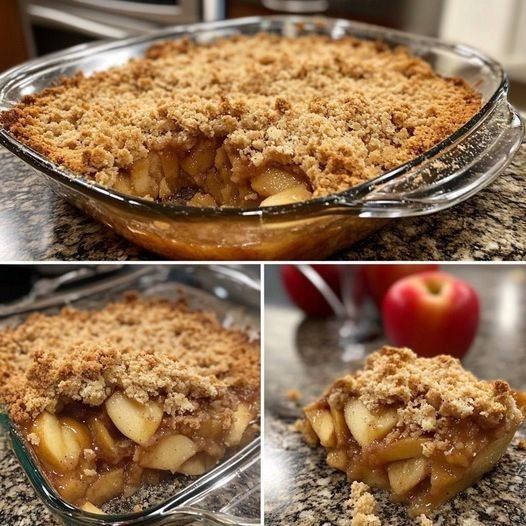
Apple Crisp

There’s something timeless about apple crisp—it’s cozy, aromatic, and deeply satisfying without needing much fuss. But this unique recipe takes the classic dessert up a notch by incorporating browned butter, a hint of cardamom, toasted oats, and a little splash of vanilla in the apple mixture itself. The result is a crisp that’s warm, buttery, lightly spiced, and layered with flavor—every bite is both crunchy and tender. Perfect for autumn evenings, holiday gatherings, or simply when you want dessert that tastes like a hug.

Why This Apple Crisp Is Special

While traditional apple crisp is wonderful, this version enhances depth and aroma in subtle ways:

  • Browned butter adds a nutty caramel richness.

  • Cardamom pairs beautifully with cinnamon without overpowering.

  • Toasting the oats creates a crisp topping that stays crunchy longer.

  • A little lemon + vanilla brightens the apples and keeps flavor balanced.

The result is elevated yet familiar—comforting, but with personality.

Ingredients

For the Apple Filling:

  • 6 medium apples (a mix of tart and sweet, such as Granny Smith + Honeycrisp)

  • 3 tablespoons lemon juice

  • ⅓ cup brown sugar

  • 2 tablespoons white sugar

  • 1 teaspoon vanilla extract

  • 1 teaspoon cinnamon

  • ¼ teaspoon cardamom (optional but recommended)

  • 2 tablespoons cornstarch or flour

  • Pinch of salt

For the Crisp Topping:

  • ½ cup unsalted butter (to brown)

  • 1 cup rolled oats

  • ¾ cup all-purpose flour

  • ⅔ cup brown sugar

  • ½ teaspoon cinnamon

  • ¼ teaspoon nutmeg

  • Pinch of ground ginger (optional)

  • ¼ teaspoon salt

Step-by-Step Instructions

1. Prepare the Apples

Peel and slice your apples into even, thin slices—about ¼ inch thick. The thickness matters: too thick, and the apples remain firm; too thin, and they get mushy. Place the apple slices in a mixing bowl and sprinkle with lemon juice to keep them from browning and to enhance flavor.

Add brown sugar, white sugar, cinnamon, cardamom, vanilla, cornstarch, and a pinch of salt. Gently toss until the apples are evenly coated and glossy. Let them rest while you make the topping—this allows their natural juices to begin releasing, creating a more syrupy filling.

2. Brown the Butter

In a small saucepan over medium heat, melt the butter. Let it simmer, stirring occasionally, until it foams and turns golden brown with a nutty aroma. This takes about 4–6 minutes. As soon as the butter browns, remove it from the heat so it doesn’t burn.

That deep caramel aroma? That’s the magic moment.

3. Toast the Oats

Right after browning the butter, toss your oats into a dry skillet and toast them over medium heat for 2–3 minutes. This step adds crunch and prevents soggy topping—one of the secrets of a perfect crisp.

4. Make the Crisp Topping

In a mixing bowl, combine toasted oats, flour, brown sugar, cinnamon, nutmeg, ginger, and salt. Pour the browned butter over everything and mix with a fork until it becomes sandy and crumbly. It should clump easily when pinched but not be wet like dough.

5. Assemble

Preheat your oven to 350°F (175°C).

Transfer the apples into a greased 9×9-inch baking dish or a cast-iron skillet. Spread them evenly, then sprinkle the crisp topping generously over the apples, ensuring full coverage—those golden edges and bubbly spots are what make a crisp irresistible.

6. Bake

Bake for 40–50 minutes, or until:

  • The topping is golden brown and crisp.

  • The apple juices are bubbling around the edges.

If the topping browns too quickly, loosely tent with foil.

Let the crisp cool for at least 10 minutes before serving—this rest allows the filling to thicken beautifully.

Serving Suggestions

Apple crisp is wonderful on its own, but unforgettable with:

  • A scoop of vanilla ice cream

  • Freshly whipped cream

  • A drizzle of warm caramel

If serving at breakfast, try it with:

  • A spoonful of Greek yogurt

  • A sprinkle of chopped walnuts

Tips for Success

  • Apple Variety Matters: Using both tart and sweet apples ensures balance. Granny Smith holds shape, while Honeycrisp or Fuji add juiciness.

  • Don’t Skip the Rest Time: Letting the crisp cool slightly ensures the filling sets instead of running.

  • Want it Extra Crisp? Add ¼ cup chopped pecans or almonds to the topping.

Make-Ahead & Storage

  • Make Ahead: Assemble separately (apples in one container, topping in another) up to 24 hours ahead. Combine just before baking.

  • Store: Refrigerate leftovers (covered) for up to 4 days.

  • Reheat: Warm at 300°F for 10–12 minutes to return the topping’s crunch.

Final Thoughts

This apple crisp captures everything we love about homemade desserts—warmth, fragrance, texture, and the joy of simple ingredients coming together in perfect harmony. Whether you’re serving it at a family dinner, taking it to a gathering, or enjoying it on a cozy evening, it’s a recipe that feels like home.