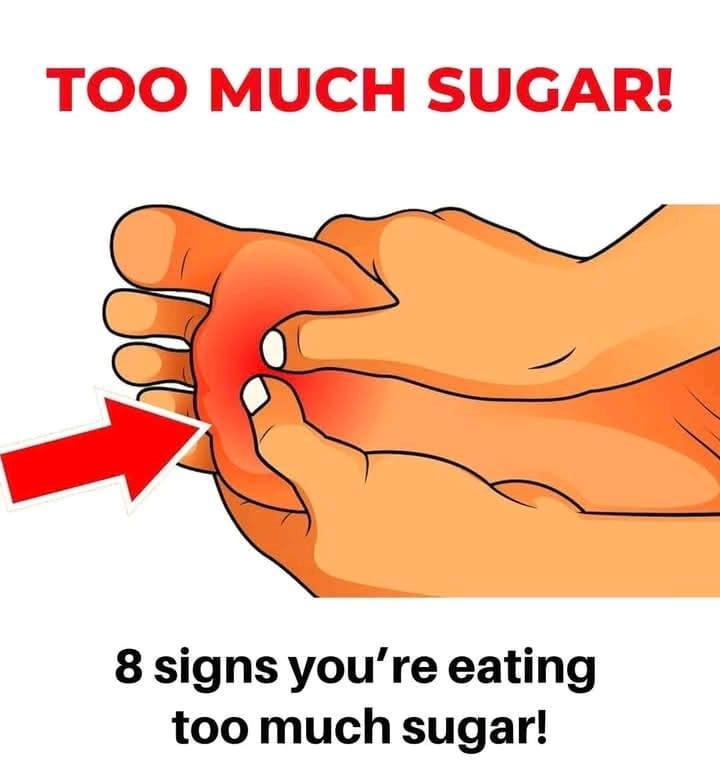
Diabetes Symptoms At Night: Top 8 Signs of High Blood Sugar That Become Worse After 10 PM

Diabetes is a chronic health condition that affects how your body processes glucose (sugar) in the blood. When blood sugar levels become too high, especially during the night, the body often sends warning signals. Many people notice that certain diabetes symptoms become more noticeable after 10 PM. Nighttime blood sugar spikes can disrupt sleep, cause discomfort, and indicate that glucose levels are not well controlled.

Understanding these nighttime symptoms can help people recognize early warning signs and take action before complications develop. Below are the top eight signs of high blood sugar that tend to become worse at night.

1. Frequent Urination During the Night (Nocturia)
One of the most common signs of high blood sugar at night is frequent urination. When glucose levels rise in the bloodstream, the kidneys work harder to remove the excess sugar. This causes the body to produce more urine. As a result, people with high blood sugar may wake up several times during the night to use the bathroom. If this happens regularly, it could be a sign that blood sugar levels are not under control.

2. Excessive Thirst Before Bedtime
Another noticeable symptom is intense thirst, especially late in the evening. When the body loses more fluids due to frequent urination, dehydration can occur. This triggers the brain to signal thirst. People with high blood sugar may feel the need to drink large amounts of water before bed or even wake up thirsty during the night.

3. Night Sweats
Night sweats can sometimes occur when blood sugar levels fluctuate. Although sweating is often associated with low blood sugar, people with poorly controlled diabetes may also experience sweating due to hormonal changes in response to glucose imbalance. Waking up with damp clothes or a sweaty pillow can be an uncomfortable sign that something is affecting your body overnight.

4. Restless Sleep or Insomnia
High blood sugar levels can interfere with sleep quality. People may find it difficult to fall asleep or stay asleep. The constant need to urinate, thirst, or general discomfort caused by high glucose levels can lead to restless nights. Poor sleep may further worsen blood sugar control the next day, creating a frustrating cycle.

5. Tingling or Burning Sensation in the Feet
A tingling, burning, or numb feeling in the feet during the night can be linked to diabetic nerve damage, also known as neuropathy. Many people report that these sensations become more noticeable when lying down in bed. This discomfort can make it difficult to relax and fall asleep.

6. Blurred Vision Late at Night
High blood sugar can affect the tiny blood vessels in the eyes, causing temporary changes in vision. Some individuals notice blurry vision when reading, watching television, or using their phone late at night. Although it may seem minor, repeated episodes of blurred vision can be a warning sign of elevated blood glucose levels.

7. Unusual Fatigue or Weakness
Even after resting all day, people with high blood sugar may feel extremely tired in the evening. The body cannot efficiently use glucose for energy when insulin is not working properly. As a result, fatigue can become more noticeable at night, leaving individuals feeling drained and sluggish.

8. Dry Mouth and Bad Breath
High glucose levels can reduce saliva production, leading to a dry mouth at night. Some people may also notice a slightly sweet or fruity smell on their breath. This occurs because the body starts breaking down fat for energy when it cannot use glucose properly. Persistent dry mouth can also increase the risk of dental problems.

Why Blood Sugar Often Rises at Night

There are several reasons why blood sugar may increase after 10 PM. Eating heavy dinners, consuming sugary snacks before bed, stress, and hormonal changes can all play a role. In some cases, the body releases certain hormones overnight that cause the liver to release stored glucose into the bloodstream.

This phenomenon is sometimes referred to as the “dawn effect,” where blood sugar levels naturally rise during the early morning hours.

How to Manage Nighttime Blood Sugar

Managing blood sugar levels at night is important for people with diabetes. Some helpful strategies include eating balanced dinners, avoiding sugary snacks late in the evening, staying physically active during the day, and monitoring blood sugar regularly. Drinking enough water and maintaining a consistent sleep routine can also support better glucose control.

People who frequently experience nighttime symptoms should consult a healthcare professional. A doctor may recommend adjustments in medication, diet, or lifestyle habits to prevent nighttime blood sugar spikes.

Final Thoughts

Nighttime symptoms of high blood sugar should never be ignored. Frequent urination, excessive thirst, restless sleep, and tingling sensations in the feet may all be signals that your body is struggling to maintain healthy glucose levels. Recognizing these warning signs early can help individuals take steps to manage diabetes more effectively and protect their long-term health.


If You Drool While Sleeping Often, It Could Be a Sign of These 6 Health Conditions

Delicious Beetroot and Lemon Juice Cleans Colon Waste and Loses Weight

Natural juices have long been used in traditional health practices to support digestion, detoxification, and overall wellness. Among these, a refreshing combination of beetroot and lemon has gained popularity for its vibrant color, delicious taste, and potential health benefits. This simple yet powerful drink can support digestive health, help the body remove waste more efficiently, and complement a healthy weight-loss routine. While no single drink can magically cleanse the body or cause rapid weight loss on its own, beetroot and lemon juice can be a nutritious addition to a balanced lifestyle.

Why Beetroot Is So Powerful

Beetroot is a nutrient-dense vegetable packed with essential vitamins, minerals, and antioxidants. It contains vitamin C, folate, potassium, iron, and fiber, all of which contribute to overall health. The deep red color of beetroot comes from betalains, natural plant compounds known for their antioxidant and anti-inflammatory properties.

One of the main benefits of beetroot is its ability to support digestion. Beetroot contains dietary fiber, which helps regulate bowel movements and promotes the elimination of waste from the digestive tract. A healthy digestive system naturally clears out waste and toxins, which may help reduce bloating and improve gut comfort.

Beetroot also supports liver function. The liver plays a central role in detoxifying the body and processing nutrients. Nutrients in beetroot may help support this process by assisting the liver in breaking down and removing unwanted substances from the bloodstream.

In addition, beetroot contains natural nitrates that may help improve blood circulation. Better circulation supports oxygen delivery throughout the body, which can enhance energy levels and physical performance.

The Benefits of Lemon

Lemon is widely known for its refreshing flavor and health-supporting properties. It is rich in vitamin C, a powerful antioxidant that supports the immune system and helps protect cells from oxidative stress.

Lemon juice also stimulates digestive enzymes and stomach acid production, which can help improve digestion. Many people find that lemon helps reduce bloating and supports regular bowel movements.

Another advantage of lemon is its ability to add flavor without adding many calories. This makes it a helpful ingredient in drinks designed for weight-management goals. Its tart taste also helps balance the earthy flavor of beetroot, creating a refreshing and enjoyable beverage.

How This Juice Supports Colon Health

The colon plays an important role in the digestive system by absorbing water and processing waste before it leaves the body. When digestion is supported by fiber, hydration, and healthy foods, the colon can function more effectively.

Beetroot contributes fiber and plant compounds that encourage healthy digestion, while lemon helps stimulate digestive processes. Combined with proper hydration, this juice may support the body’s natural waste-elimination process.

It is important to understand that the body already has effective detoxification systems—mainly the liver, kidneys, and digestive tract. Drinks like beetroot and lemon juice do not “cleanse” the colon in a medical sense, but they can provide nutrients that support normal digestive function.

How It May Help With Weight Management

Beetroot and lemon juice is low in calories but rich in nutrients, making it a good choice for those trying to manage their weight. Because it contains fiber and natural plant compounds, it may help increase feelings of fullness and reduce the desire to snack on high-calorie foods.

Drinking nutrient-rich juices instead of sugary beverages can also help reduce daily calorie intake. When combined with regular physical activity and balanced meals, this can contribute to gradual and sustainable weight loss.

Another benefit is hydration. Proper hydration supports metabolism, digestion, and overall energy levels, all of which are important when working toward weight-management goals.

Unique Recipe: Beetroot and Lemon Detox Juice

Here is a simple and delicious recipe you can prepare at home.

Ingredients

  • 1 medium fresh beetroot

  • 1 fresh lemon

  • 1 small piece of ginger (optional but recommended)

  • 1 teaspoon honey (optional)

  • 1 cup cold water

  • A few ice cubes

Preparation

  1. Wash the beetroot thoroughly and peel the skin.

  2. Cut the beetroot into small cubes so it blends easily.

  3. Squeeze the juice from the lemon and remove the seeds.

  4. Add the beetroot cubes, lemon juice, ginger, and water into a blender.

  5. Blend until smooth.

  6. If you prefer a smoother texture, strain the juice using a fine sieve.

  7. Add honey if you want a slightly sweeter taste.

  8. Serve with ice and enjoy immediately.

Best Time to Drink It

Many people prefer drinking this juice in the morning on an empty stomach to support digestion throughout the day. It can also be enjoyed as a refreshing afternoon drink instead of sugary sodas or processed beverages.

However, moderation is important. Drinking one small glass per day is usually sufficient as part of a balanced diet.

Helpful Tips

  • Use fresh, organic ingredients whenever possible.

  • Avoid adding too much sugar to maintain the health benefits.

  • Pair the drink with a healthy diet rich in vegetables, whole grains, and lean protein.

  • Regular exercise and proper sleep will enhance the results.

Final Thoughts

Beetroot and lemon juice is a vibrant, nutritious drink that supports digestion, hydration, and overall wellness. While it is not a miracle solution for colon cleansing or rapid weight loss, it can be a healthy addition to a balanced lifestyle. By combining natural ingredients with wholesome habits such as exercise, hydration, and mindful eating, you can support your digestive health and long-term weight-management goals in a sustainable way.

Diabetes symptoms At Night: Top 8 Signs Of High Bl00d Sugar That Becomes Worse After 10pm

8 warning signs of a stroke a month before it happens + 9 effective tips on how to prevent it

A stroke is one of the leading causes of death and long-term disability worldwide. It occurs when blood flow to part of the brain is blocked or when a blood vessel in the brain bursts. While strokes often seem sudden, the body frequently sends subtle warning signals weeks before the event. Recognizing these signs early and taking preventive measures can significantly reduce the risk.

Below are eight warning signs that may appear up to a month before a stroke, followed by nine practical tips to help prevent it.


8 Warning Signs of a Stroke Weeks Before It Happens

1. Sudden or Recurring Headaches

Frequent or unusual headaches—especially if they are severe or different from your typical headaches—can be an early warning sign. These headaches may indicate reduced blood flow or small leaks in brain vessels.

2. Temporary Numbness or Weakness

Feeling numbness or weakness in the face, arm, or leg—particularly on one side of the body—is one of the most common early stroke signals. These symptoms may come and go, making them easy to ignore.

3. Blurred or Double Vision

Changes in vision, such as blurred sight, double vision, or temporary loss of vision in one eye, may occur when blood flow to the brain’s visual processing areas is disrupted.

4. Sudden Dizziness or Loss of Balance

Frequent dizziness, difficulty walking, or problems maintaining balance could indicate problems with blood supply to areas of the brain responsible for coordination.

5. Difficulty Speaking

If you suddenly struggle to form words, slur your speech, or have trouble understanding others, it may be a warning sign. These episodes can last minutes or hours before disappearing.

6. Extreme Fatigue

Unusual, unexplained fatigue—especially if it comes on suddenly—may signal underlying vascular problems. Many stroke survivors report feeling extremely tired weeks before their stroke.

7. Facial Drooping

Temporary drooping or weakness on one side of the face may occur briefly before returning to normal. This is a classic stroke symptom and should never be ignored.

8. Mini-Strokes (Transient Ischemic Attacks)

A mini-stroke, medically called a Transient Ischemic Attack, is a temporary blockage of blood flow to the brain. Symptoms resemble a stroke but disappear within minutes or hours. However, a TIA is a major warning sign that a full Stroke could happen soon.


9 Effective Tips to Prevent a Stroke

Preventing a stroke often involves improving heart and blood vessel health. Here are nine powerful lifestyle strategies.

1. Control Blood Pressure

High blood pressure is the biggest risk factor for stroke. Regular monitoring and keeping blood pressure within healthy ranges can dramatically lower your risk.

2. Eat a Heart-Healthy Diet

Focus on whole foods such as fruits, vegetables, whole grains, and lean proteins. Reducing salt, processed foods, and saturated fats helps maintain healthy blood vessels.

3. Exercise Regularly

Physical activity improves circulation, lowers cholesterol, and reduces blood pressure. Even 30 minutes of brisk walking five days a week can significantly lower stroke risk.

4. Maintain a Healthy Weight

Being overweight increases the likelihood of high blood pressure, diabetes, and heart disease—all of which raise stroke risk.

5. Manage Diabetes

People with Type 2 Diabetes have a higher risk of stroke. Controlling blood sugar levels through diet, exercise, and medication is essential.

6. Quit Smoking

Smoking damages blood vessels and increases clot formation. Quitting smoking can cut stroke risk nearly in half within a few years.

7. Limit Alcohol Consumption

Excessive drinking raises blood pressure and increases stroke risk. If you drink alcohol, do so in moderation.

8. Manage Stress

Chronic stress can contribute to high blood pressure and unhealthy habits. Relaxation techniques such as meditation, deep breathing, and yoga can help.

9. Get Regular Medical Checkups

Routine health screenings can detect risk factors like high cholesterol, high blood pressure, or irregular heart rhythms before they cause serious problems.


When to Seek Immediate Medical Help

If you or someone else suddenly experiences face drooping, arm weakness, or speech difficulty, seek emergency medical care immediately. Doctors often use the FAST rule:

  • F – Face drooping

  • A – Arm weakness

  • S – Speech difficulty

  • T – Time to call emergency services

Quick treatment can save brain cells and prevent permanent damage.


Final Thoughts

A stroke rarely occurs without warning. Paying attention to your body’s signals—such as temporary numbness, vision changes, or sudden dizziness—can help detect potential problems early. By adopting healthy habits like exercising regularly, eating nutritious foods, managing stress, and monitoring blood pressure, you can significantly reduce your risk.

7 reasons genuinely nice people often end up with no close friends, according to psychology

Being a genuinely kind and caring person seems like it should naturally attract strong friendships. After all, kindness, empathy, and generosity are qualities most people say they value. Yet psychology suggests that truly nice people sometimes find themselves feeling lonely or without deep friendships. This doesn’t mean there is anything wrong with them. In fact, their very kindness can sometimes create patterns that make forming close connections more difficult.

Understanding these reasons can help kind-hearted people build healthier relationships while still staying true to who they are.

1. They Put Others Before Themselves Too Often

Genuinely nice people often prioritize the needs and happiness of others above their own. They help friends, listen patiently, and offer support whenever someone needs it. While these are wonderful qualities, constantly putting others first can create an imbalance.

Psychology shows that healthy friendships require mutual exchange. When one person always gives and rarely asks for anything in return, the relationship can become one-sided. Over time, others may come to rely on the kindness without investing the same emotional energy back.

This can leave the kind person feeling unappreciated or disconnected.

2. They Avoid Conflict At All Costs

Many nice people dislike confrontation. They prefer peace and harmony, so they avoid disagreements or difficult conversations.

However, psychology explains that conflict—when handled respectfully—is actually an important part of building deeper relationships. Honest conversations allow people to express feelings, resolve misunderstandings, and grow closer.

When someone constantly avoids conflict, problems remain unspoken. This can prevent friendships from developing the honesty and trust needed for real closeness.

3. They Attract The Wrong People

Kind individuals often have open hearts and trusting personalities. Unfortunately, this can sometimes attract people who take advantage of that kindness.

Psychologists refer to this as the “helper trap.” People who are always willing to help may unknowingly attract individuals who are more interested in receiving support than giving it.

These relationships may start warmly but often lack balance. Eventually, the nice person may feel emotionally drained and choose to withdraw, leaving them with fewer meaningful friendships.

4. They Struggle To Set Boundaries

Boundaries are essential for healthy relationships. They help people protect their time, energy, and emotional well-being.

Many genuinely nice people worry that setting boundaries will make them appear selfish or rude. As a result, they may say “yes” when they really want to say “no.”

Over time, this can lead to exhaustion and resentment. Friends may not even realize they are asking for too much. Without boundaries, relationships become unbalanced, which can push kind people to step away entirely.

5. They Fear Being A Burden

While nice people are often quick to help others, they sometimes hesitate to ask for help themselves. They may worry about bothering others or appearing needy.

Psychology research suggests that vulnerability plays a key role in forming close friendships. When people share their struggles and ask for support, it creates trust and emotional connection.

If someone always appears strong and self-sufficient, others may assume they don’t need support. This can unintentionally create emotional distance in friendships.

6. They Give Too Much Too Quickly

Kind people often open their hearts early in relationships. They may invest time, energy, and emotional support before the relationship has had time to naturally develop.

While generosity is admirable, psychology suggests that strong friendships usually grow gradually. Mutual trust and closeness develop through shared experiences over time.

When someone gives too much too quickly, others may feel overwhelmed or unsure how to respond. This can slow down the natural growth of the friendship.

7. They Value Depth Over Quantity

Finally, many genuinely nice people prefer meaningful relationships over large social circles. They may not enjoy superficial conversations or casual connections.

Because of this, they tend to be selective about who they allow into their inner circle. While this is healthy, it also means they may have fewer close friends overall.

Psychologists often point out that the quality of friendships matters far more than the number of friends someone has. One or two deep connections can be far more fulfilling than dozens of casual acquaintances.

Final Thoughts

If you are a genuinely nice person who sometimes feels alone, it’s important to remember that kindness is not a weakness. However, balancing kindness with self-respect and healthy boundaries is essential for building strong friendships.

Learning to express needs, set limits, and allow others to support you can transform relationships. Friendship should never feel like a one-sided effort.

Experts Say Walking Away Without Explanation Is the Healthiest Choice in These 8 Situations

In today’s world, many people feel pressure to explain every decision they make. Whether in relationships, friendships, or work situations, we are often taught that we must justify our actions to others. However, psychologists and mental health experts increasingly agree that sometimes the healthiest choice is simply to walk away—without explaining yourself. Protecting your emotional well-being is not selfish; it is an essential part of maintaining a balanced and healthy life.

There are moments when explanations only lead to more conflict, manipulation, or emotional exhaustion. In these situations, stepping away quietly can be a powerful act of self-respect and self-care. Here are eight situations where experts say walking away without explanation may actually be the healthiest choice.

1. When Someone Constantly Disrespects You

Respect is the foundation of any healthy relationship. If someone repeatedly dismisses your feelings, talks down to you, or treats you poorly, explaining yourself may not change their behavior. People who continually disrespect others often refuse to take responsibility for their actions.

Rather than wasting your energy trying to convince them to value you, walking away protects your dignity. Silence can send a clearer message than a long explanation ever could.

2. When You’re Dealing With Manipulative People

Manipulative individuals often twist conversations to make themselves look like the victim. If you try to explain why you’re leaving or setting boundaries, they may use your words against you or try to guilt-trip you into staying.

In these cases, experts suggest limiting engagement. Walking away without giving them more information prevents them from using your explanations as tools for manipulation.

3. When a Relationship Becomes Emotionally Draining

Some relationships become one-sided over time. You might find yourself constantly giving support, time, and energy while receiving little in return. When every interaction leaves you feeling exhausted, it may be a sign that the relationship is unhealthy.

Instead of repeatedly explaining your feelings to someone who refuses to listen, quietly stepping away allows you to reclaim your emotional energy and focus on healthier connections.

4. When Boundaries Are Ignored

Healthy boundaries are essential for mental well-being. If you have clearly communicated your limits and someone continues to cross them, more explanations often won’t help.

At that point, action becomes more powerful than words. Walking away shows that your boundaries are not negotiable and that you value your own well-being enough to enforce them.

5. When Arguments Go in Circles

Some conflicts never truly get resolved. Instead, they repeat the same arguments over and over again. If discussions consistently lead to blame, defensiveness, and frustration rather than understanding, continuing the conversation may only cause more stress.

Experts say recognizing when a conversation has become unproductive is a sign of emotional intelligence. Walking away from a circular argument can prevent unnecessary emotional damage.

6. When Your Mental Health Is at Risk

Your mental health should always be a priority. If a person, environment, or situation consistently causes anxiety, stress, or emotional distress, removing yourself may be the healthiest option.

You don’t always need permission or approval to protect your peace. Sometimes leaving quietly is the fastest way to create the space you need to recover and regain balance.

7. When Someone Refuses to Listen

Communication requires two willing participants. If someone repeatedly interrupts, dismisses your concerns, or refuses to consider your perspective, explaining yourself further may be pointless.

Instead of trying harder to be heard by someone who isn’t listening, walking away preserves your energy and prevents further frustration.

8. When You’ve Already Said Enough

There are moments when you have already explained your feelings clearly, but the other person continues to question, challenge, or ignore your words. Repeating yourself over and over can become emotionally draining.

At that point, you have every right to stop explaining. Walking away is not avoidance—it is a recognition that further discussion will not lead to understanding.

Why Silence Can Be Powerful

Walking away without explanation does not mean you lack empathy or communication skills. In many cases, it simply means you recognize when communication is no longer productive. Experts emphasize that healthy relationships involve mutual respect, accountability, and willingness to listen.

When those elements are missing, protecting your peace becomes more important than winning an argument or gaining approval. Silence can be a powerful boundary that communicates self-respect and emotional maturity.

Final Thoughts

Learning when to walk away is an important life skill. While open communication is usually the best path in healthy relationships, there are situations where explanations only lead to more pain, conflict, or manipulation.

How to effectively clean ceramic glass cooktops without scratching them

Unlike traditional metal burners, ceramic glass cooktops have a delicate, polished surface. Abrasive scrubbers, harsh chemicals, or improper cleaning tools can leave permanent scratches or dull the finish. Food spills—especially sugary substances, sauces, and oils—can bake onto the hot surface and become difficult to remove.

The safest cleaning approach uses soft tools, mild cleaners, and a step-by-step technique that loosens residue instead of scraping it aggressively.


The Gentle Sparkle Method: A Unique Cleaning Recipe

Think of this process as a kitchen “recipe” designed specifically for ceramic glass surfaces.

Ingredients (Cleaning Supplies)

  • 1 tablespoon baking soda

  • 1 tablespoon white vinegar

  • 1 teaspoon mild dish soap

  • 1 cup warm water

  • 2 soft microfiber cloths

  • 1 non-abrasive sponge

  • Optional: plastic scraper designed for glass cooktops


Step 1: Let the Cooktop Cool Completely

Before cleaning, make sure the cooktop is completely cool. Cleaning a hot surface can cause streaks, damage the glass, or even cause burns.

Waiting for the cooktop to cool also prevents the cleaning solution from evaporating too quickly, which ensures better stain removal.


Step 2: Create the Cleaning Solution

Mix the following in a small bowl:

  • 1 cup warm water

  • 1 teaspoon mild dish soap

  • 1 tablespoon white vinegar

This solution cuts through grease while remaining gentle on the glass surface. The vinegar helps dissolve mineral deposits and food residue without requiring harsh scrubbing.


Step 3: Apply the Solution

Dip a microfiber cloth into the solution and gently wipe the entire cooktop surface.

Focus on:

  • grease spots

  • dried food spills

  • fingerprints and smudges

Avoid scrubbing aggressively. The goal here is to soften residue so it becomes easier to remove later.

Let the solution sit on stubborn stains for about 3–5 minutes.


Step 4: The Baking Soda Lift

Sprinkle a light layer of baking soda over stubborn spots.

Baking soda works as a mild natural cleaner that lifts grime without scratching delicate glass surfaces.

Next:

  1. Dampen a microfiber cloth with warm water.

  2. Lay it over the baking soda spots.

  3. Let it sit for about 10 minutes.

This creates a gentle soaking effect that loosens burnt-on residue.


Step 5: Wipe with a Soft Sponge

After soaking, use a non-abrasive sponge to gently wipe the area in circular motions.

Most burnt residue should lift off easily.

If anything remains stuck, lightly use a plastic cooktop scraper held at a 45-degree angle. Never use metal knives or sharp tools.


Step 6: Rinse and Polish

Now rinse the cooktop with a clean microfiber cloth dipped in warm water.

This removes leftover soap and baking soda particles.

Dry the surface using another microfiber cloth to prevent water spots.

For extra shine, lightly buff the cooktop using small circular motions.


Tips to Prevent Scratches

Keeping a ceramic glass cooktop scratch-free requires good daily habits.

Avoid Abrasive Materials

Never use:

  • steel wool

  • rough scouring pads

  • powdered abrasive cleaners

These materials can permanently damage the glass.

Use Flat-Bottom Cookware

Pots with rough or warped bottoms can scratch the surface when moved.

Always lift cookware instead of sliding it across the cooktop.

Clean Spills Quickly

Sugary spills like caramel, syrup, or sauces can harden and bond with the glass surface when heated. Cleaning spills quickly prevents stubborn buildup.

Avoid Excess Weight

Heavy cookware dropped onto the cooktop can cause cracks or chips.


Handling Tough Burnt Stains

If burnt stains remain after normal cleaning, try this stronger yet safe method:

  1. Mix baking soda and a few drops of water to create a thick paste.

  2. Apply the paste directly to the stain.

  3. Cover with a warm damp cloth.

  4. Leave it for 15 minutes.

  5. Wipe gently with a soft sponge.

This technique softens hardened residue without scratching the surface.


Natural Shine Booster

For an extra polished finish, use this simple homemade shine spray:

Ingredients

  • 1/2 cup white vinegar

  • 1/2 cup distilled water

  • 5 drops lemon essential oil (optional)

Spray lightly on the cooktop and buff with a microfiber cloth. This removes streaks and leaves a glossy finish.


Cleaning Frequency

For the best results:

  • Daily: Wipe the cooktop after cooking.

  • Weekly: Perform a deeper cleaning using the baking soda method.

  • Monthly: Polish the surface to restore shine.

Regular cleaning prevents stubborn buildup and extends the life of your cooktop.


Final Thoughts

Cleaning a ceramic glass cooktop doesn’t require expensive cleaners or harsh scrubbing. With a gentle combination of warm water, dish soap, vinegar, and baking soda, you can remove grease and burnt residue while protecting the delicate glass surface.

Never uproot this plant if it appears in your garden

Many gardeners spend hours pulling out plants they assume are useless weeds. One such plant is often removed without a second thought, even though it is one of the most nutritious and versatile edible plants you can find growing naturally in your garden. If you ever notice purslane spreading its small, thick leaves across the soil, think twice before uprooting it. This humble plant is not a nuisance at all—it is actually a culinary treasure packed with flavor, nutrients, and surprising health benefits.

Purslane, scientifically known as Portulaca oleracea, grows close to the ground and forms a carpet of smooth, reddish stems and small green leaves. Many people mistake it for a weed because it grows quickly and spreads easily, especially in warm climates. However, in many cultures around the world, purslane is considered a prized ingredient used in soups, salads, stews, and traditional dishes.

One of the reasons purslane is so valuable is its impressive nutritional profile. It contains high levels of omega-3 fatty acids—something rarely found in leafy vegetables. It is also rich in vitamins A, C, and E, as well as magnesium, calcium, potassium, and iron. Because of this, nutritionists often consider it one of the healthiest wild greens available.

Beyond its health benefits, purslane has a unique flavor that makes it stand out in the kitchen. The leaves are slightly tangy, crisp, and refreshing, similar to a mild lemony spinach. When cooked, the plant develops a silky texture that thickens dishes naturally.

If you find purslane growing in your garden, you can harvest it easily. Simply snip the tender stems and leaves with scissors, rinse them well to remove soil, and they are ready to use. Young stems are especially tender and perfect for fresh recipes.

One delicious way to enjoy this plant is with a simple yet unique recipe: Garlic Purslane Stir-Fry.

To prepare this dish, you will need two cups of fresh purslane, two cloves of garlic, one tablespoon of olive oil, half a teaspoon of salt, a pinch of black pepper, and a squeeze of lemon juice.

Start by washing the purslane thoroughly and roughly chopping the stems and leaves. Heat olive oil in a pan over medium heat, then add finely chopped garlic. Let the garlic cook for about thirty seconds until fragrant, but be careful not to burn it.

Next, add the chopped purslane to the pan. At first, it may seem like a large amount, but the plant quickly softens and reduces in volume. Stir it gently for three to four minutes. The stems will become tender while still maintaining a pleasant crunch.

Season the mixture with salt and black pepper, and finish the dish with a light squeeze of lemon juice to enhance the natural tanginess of the leaves. The result is a bright, flavorful side dish that pairs perfectly with rice, grilled meat, or warm flatbread.

Another popular way to enjoy purslane is raw in salads. Because the leaves remain crisp and juicy, they add a refreshing bite. You can combine chopped purslane with tomatoes, cucumbers, onions, and a drizzle of olive oil to create a simple Mediterranean-style salad.

In some traditional cuisines, purslane is also added to yogurt sauces, omelets, or lentil dishes. Its natural thickness can even help give soups a slightly velvety texture without using cream.

Aside from being tasty and healthy, purslane has another advantage for gardeners: it improves soil health. Its roots help stabilize loose soil, and the plant can grow in areas where many other vegetables struggle. In fact, some gardeners intentionally cultivate it as a companion plant.

Of course, it is important to make sure that any wild plant you harvest has not been exposed to pesticides or chemical sprays. If the purslane in your garden grows naturally without chemicals, it can be safely enjoyed as part of your meals.

The next time you walk through your garden and notice a small spreading plant with succulent leaves hugging the ground, pause before pulling it out. What many people consider a weed might actually be one of the most nutritious and delicious plants growing right under their feet.

Sometimes the best ingredients are not found in grocery stores or fancy markets—they appear quietly in our own gardens, waiting to be discovered. By learning to recognize and appreciate plants like purslane, we not only reduce waste but also reconnect with a more natural and sustainable way of cooking.

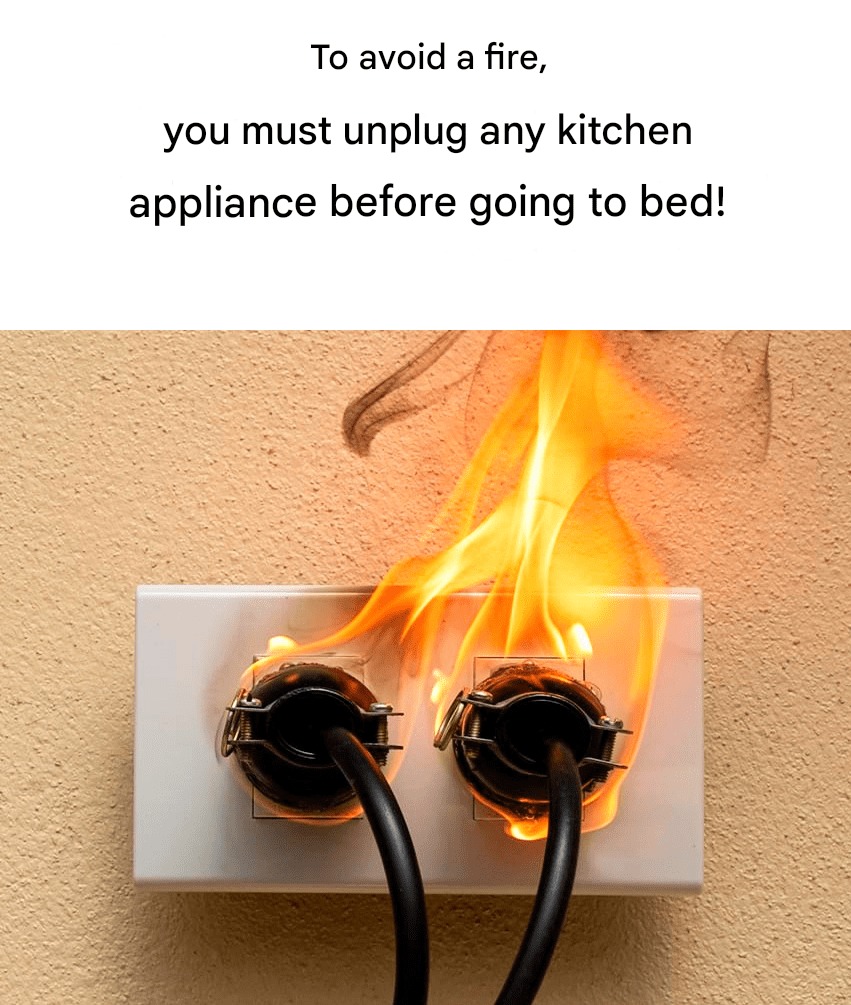
Everyone Should Unplug This Kitchen Appliance Before Going to Sleep to Prevent a Fire

In today’s modern kitchens, convenience often comes in the form of small appliances that make cooking faster and easier. From toasters and coffee makers to air fryers and electric kettles, these devices have become part of our daily routine. However, many people overlook an important safety habit that could prevent a dangerous house fire: unplugging certain appliances before going to sleep. One of the most important appliances you should consider unplugging at night is the toaster.

While a toaster may seem harmless, it is actually one of the kitchen appliances most commonly associated with small electrical fires. Because it uses high heat and electrical coils to toast bread, any malfunction, debris buildup, or electrical issue can create a serious hazard—especially when everyone in the house is asleep.

Why the Toaster Can Be Dangerous

Toasters operate using heating elements that reach extremely high temperatures. These elements are designed to brown bread quickly, but they can also ignite flammable materials if something goes wrong. Over time, crumbs accumulate inside the toaster. If these crumbs get too close to the heating elements, they can burn or even catch fire.

Another issue is electrical faults. Like any appliance, a toaster can develop worn wiring, loose connections, or internal component failures. If the appliance remains plugged in overnight, an electrical surge or malfunction could cause the toaster to overheat. Since the kitchen is usually unattended during the night, a small spark could develop into a dangerous fire before anyone notices.

Crumbs: A Hidden Fire Risk

Many people rarely clean the inside of their toaster. Breadcrumbs fall into the crumb tray and often remain there for weeks or even months. When crumbs accumulate excessively, they become highly flammable. If the heating elements become hot enough or if a crumb touches a live electrical part, it can ignite quickly.

To reduce this risk, it’s important to empty the crumb tray regularly and gently shake out any loose debris. However, even with regular cleaning, unplugging the toaster when it’s not in use adds an extra layer of safety.

Power Surges and Electrical Problems

Electrical surges can happen unexpectedly due to storms, faulty wiring, or power grid fluctuations. If your toaster remains plugged in during a surge, the sudden spike in electricity can damage its internal components. This may cause the appliance to short-circuit or spark.

Unplugging appliances at night protects them from these surges and reduces the risk of electrical fires. It’s a simple habit that takes only a few seconds but can prevent serious damage.

Other Appliances You Might Consider Unplugging

Although the toaster is a common concern, it’s not the only appliance worth unplugging overnight. Several other kitchen devices can also pose potential risks if left connected to power.

Appliances that generate heat, such as air fryers, electric grills, and toaster ovens, should be unplugged when not in use. Coffee makers with heating plates can also become hazards if they malfunction. Even appliances that appear inactive may still draw small amounts of electricity, a phenomenon known as “phantom power.”

By unplugging these devices before bedtime, you reduce both fire risk and unnecessary energy consumption.

A Simple Nighttime Kitchen Safety Routine

Creating a small nightly routine can significantly improve kitchen safety. Before going to bed, take a quick moment to check the kitchen and follow a few simple steps:

  1. Unplug the toaster and other small heating appliances.

  2. Make sure the stove and oven are turned off.

  3. Check that dishwashers or other appliances are running safely if scheduled overnight.

  4. Clear away flammable items such as paper towels near outlets or appliances.

These quick checks can dramatically lower the chances of an overnight accident.

The Importance of Smoke Detectors

Even with careful habits, accidents can still occur. That’s why smoke detectors are essential in every home. Install detectors near the kitchen and in sleeping areas, and test them regularly to ensure they are working properly.

If a fire does start, an early alarm can alert your household quickly and allow everyone to respond before the situation becomes severe.

Teaching Household Safety

Kitchen safety is not just for adults. Teaching children and other family members about appliance safety is equally important. Encourage everyone in the household to unplug small appliances after using them and to recognize potential hazards.

Building these habits ensures that safety becomes a shared responsibility rather than a single person’s task.

Final Thoughts

The toaster is one of the most commonly used appliances in many homes, but it’s also one that people rarely think about once breakfast is over. Because it produces intense heat and can collect flammable crumbs, leaving it plugged in overnight can pose an unnecessary fire risk.