Science-Backed: 3 Fruits That Fight Fatty Liver, Regulate Sugar, and Improve Cholesterol

Fatty liver disease, insulin resistance, and high cholesterol are increasingly common health concerns worldwide. While medications and lifestyle interventions play a significant role, nutrition—especially fruit consumption—can have a profound impact on liver health, blood sugar regulation, and cholesterol management. Certain fruits contain bioactive compounds, antioxidants, and fiber that directly influence these conditions. Below, we explore three scientifically supported fruits and a unique recipe combining them into a delicious, health-promoting dish.


1. Avocado: The Creamy Liver Protector

Although technically a fruit, avocado is packed with monounsaturated fats, fiber, and antioxidants. These nutrients make it particularly effective in supporting liver health and improving cholesterol profiles. Studies show that regular avocado consumption can lower LDL (“bad”) cholesterol while increasing HDL (“good”) cholesterol. The healthy fats also reduce liver fat accumulation, a critical factor in non-alcoholic fatty liver disease (NAFLD).

Additionally, avocado has a low glycemic index and slows carbohydrate absorption, helping regulate blood sugar levels. The presence of compounds like beta-sitosterol and polyphenols further supports metabolic health. A study published in the Journal of Clinical Lipidology found that participants consuming avocado daily had improved lipid profiles and reduced markers of oxidative stress, both key contributors to liver disease and metabolic disorders.


2. Berries: Nature’s Antioxidant Powerhouse

Berries—including blueberries, strawberries, and raspberries—are rich in anthocyanins, flavonoids, and dietary fiber. These compounds exhibit potent antioxidant and anti-inflammatory effects, which are crucial for liver protection and cholesterol management. Research indicates that anthocyanins can reduce hepatic fat accumulation, improve insulin sensitivity, and decrease LDL cholesterol.

Blueberries, for example, have been studied for their ability to modulate oxidative stress in the liver, reducing the risk of NAFLD progression. Similarly, strawberries have shown promising results in lowering fasting blood glucose and improving lipid profiles in people with metabolic syndrome. The high fiber content in berries slows glucose absorption, mitigating postprandial sugar spikes.


3. Grapefruit: The Citrus Metabolic Enhancer

Grapefruit is another fruit with robust evidence for liver and metabolic health. It contains naringenin, a flavonoid that has been shown to reduce fat accumulation in the liver, improve cholesterol metabolism, and enhance insulin sensitivity. Clinical trials reveal that consuming grapefruit regularly can lower triglycerides, improve HDL levels, and reduce markers of systemic inflammation.

The fruit’s natural fiber content also contributes to better glycemic control by moderating carbohydrate absorption. However, those on certain medications should consult a doctor, as grapefruit can interact with specific drugs. For most people, it remains a safe and powerful addition to a liver- and metabolism-friendly diet.


Unique Recipe: Avocado-Berry-Grapefruit Super Salad

This recipe combines the liver-protective, sugar-regulating, and cholesterol-improving benefits of avocado, berries, and grapefruit into one vibrant, nutrient-dense meal.

Ingredients (Serves 2):

  • 1 ripe avocado, diced

  • 1 cup mixed berries (blueberries, strawberries, raspberries)

  • 1 grapefruit, segmented

  • 1 tablespoon chia seeds

  • 1 tablespoon chopped fresh mint

  • 2 tablespoons extra virgin olive oil

  • 1 teaspoon honey (optional)

  • Pinch of sea salt

  • Freshly ground black pepper

Instructions:

  1. Prepare the fruits: Peel and segment the grapefruit, ensuring all pith is removed. Dice the avocado and wash the berries thoroughly.

  2. Combine: In a medium bowl, gently combine the avocado, berries, and grapefruit segments.

  3. Add seeds and herbs: Sprinkle chia seeds and fresh mint over the fruit mixture.

  4. Dress lightly: Drizzle with olive oil and honey, then season with a pinch of sea salt and black pepper. Toss gently to avoid mashing the avocado.

  5. Serve: Enjoy immediately as a breakfast, snack, or side dish. For an extra boost, sprinkle with crushed nuts like almonds or walnuts.

Why This Works:

  • Avocado: Healthy fats and fiber for liver and cholesterol support.

  • Berries: Antioxidants and soluble fiber that regulate sugar and reduce oxidative stress.

  • Grapefruit: Naringenin and soluble fiber to improve liver metabolism and lipid profiles.

  • Chia seeds: Additional omega-3 fatty acids and fiber for heart and liver health.

  • Olive oil: Monounsaturated fats that enhance nutrient absorption and support HDL cholesterol.

This simple, fresh salad not only tastes amazing but also provides a synergistic effect for metabolic and liver health. The combination of fiber, antioxidants, and healthy fats works on multiple fronts: reducing liver fat, regulating blood sugar, and improving cholesterol profiles.


Tips for Maximum Benefits

  1. Eat fruits whole: Juicing can reduce fiber content and spike blood sugar.

  2. Pair with protein: Add Greek yogurt or a handful of nuts to prolong satiety and support stable glucose levels.

  3. Consistency matters: Incorporating these fruits daily yields the best results for liver and metabolic health.

  4. Monitor medications: Grapefruit can interfere with certain prescriptions, so check with a healthcare provider if necessary.


Conclusion

Avocado, berries, and grapefruit are more than just tasty fruits—they are powerful allies in managing fatty liver, balancing blood sugar, and improving cholesterol. When combined in creative recipes like the Avocado-Berry-Grapefruit Super Salad, they provide a nutrient-packed, functional food that can support long-term metabolic and cardiovascular health. Incorporating these fruits into your daily diet, alongside whole grains, lean proteins, and regular physical activity, can make a tangible difference in your overall wellness.


5 Estrogen-Rich Foods Women Should Eat to Balance Hormones, Achieve Radiant Skin, and Stay Youthful

Hormones play a powerful role in a woman’s overall health. From skin glow and hair strength to mood and metabolism, hormonal balance affects nearly every aspect of the body. One of the most important hormones for women is estrogen, which supports reproductive health, bone density, and youthful skin.

As women age, estrogen levels naturally decline. This can lead to symptoms like dry skin, fatigue, mood swings, and slower metabolism. Fortunately, certain foods contain phytoestrogens — natural plant compounds that mimic estrogen in the body and help maintain hormonal balance.

Adding estrogen-supporting foods to your daily meals can help you maintain glowing skin, improve energy levels, and support long-term wellness. Below are five powerful estrogen-rich foods along with simple and delicious recipes you can try at home.


1. Flaxseeds – The Hormone Balancing Superfood

Flaxseeds are one of the richest sources of lignans, a type of phytoestrogen that helps regulate estrogen levels in the body. They are also packed with omega-3 fatty acids, fiber, and antioxidants that promote healthy skin and support digestion.

Regular consumption of flaxseeds may help reduce hormonal imbalance symptoms while improving skin elasticity and hydration.

Honey Lemon Flaxseed Morning Drink

Ingredients

  • 1 tablespoon ground flaxseeds

  • 1 cup warm water

  • 1 teaspoon honey

  • 1 teaspoon lemon juice

Instructions

  1. Add ground flaxseeds to a cup of warm water.

  2. Stir well and let it sit for 2 minutes.

  3. Add honey and lemon juice.

  4. Drink it in the morning on an empty stomach.

Benefits

This simple drink supports hormone balance, improves digestion, and helps promote clear, radiant skin.


2. Soybeans – Natural Estrogen Boosters

Soybeans are famous for their high levels of isoflavones, another type of plant estrogen that helps regulate hormonal activity. Women in many Asian countries consume soy regularly, and research suggests this may contribute to better hormonal balance and skin health.

Soy foods can also support heart health and reduce menopausal symptoms.

Creamy Soybean & Vegetable Stir Bowl

Ingredients

  • 1 cup boiled soybeans

  • 1 tablespoon olive oil

  • 1 small onion (chopped)

  • 1 carrot (sliced)

  • 1 bell pepper (sliced)

  • 1 teaspoon garlic paste

  • Salt and black pepper to taste

Instructions

  1. Heat olive oil in a pan.

  2. Add garlic and onion, sauté until fragrant.

  3. Add carrots and bell peppers, cook for 3 minutes.

  4. Stir in boiled soybeans.

  5. Season with salt and pepper and cook for another 2 minutes.

Benefits

This protein-rich meal helps maintain hormone balance while nourishing the skin with vitamins and antioxidants.


3. Sesame Seeds – Tiny Seeds with Powerful Hormone Support

Sesame seeds are loaded with phytoestrogens and essential minerals such as calcium, magnesium, and zinc. These nutrients help strengthen bones, improve skin texture, and support hormonal health.

Sesame seeds also contain healthy fats that nourish the skin and hair.

Sesame Energy Hormone-Boosting Bites

Ingredients

  • 2 tablespoons sesame seeds

  • 1 tablespoon peanut butter

  • 1 tablespoon honey

  • 2 chopped dates

Instructions

  1. Dry roast sesame seeds for 2 minutes.

  2. Mix them with peanut butter, honey, and chopped dates.

  3. Shape into small bite-sized balls.

  4. Refrigerate for 20 minutes before eating.

Benefits

These energy bites provide natural sweetness while supporting hormonal health and improving skin glow.


4. Chickpeas – A Protein and Phytoestrogen Powerhouse

Chickpeas contain plant compounds that help regulate estrogen levels naturally. They are also high in protein, fiber, and vitamins that support skin repair and overall health.

Chickpeas are excellent for maintaining stable blood sugar levels, which is important for hormonal balance.

Lemon Garlic Chickpea Glow Salad

Ingredients

  • 1 cup boiled chickpeas

  • 1 cucumber (chopped)

  • 1 tomato (chopped)

  • 1 tablespoon olive oil

  • 1 teaspoon lemon juice

  • 1 clove garlic (minced)

  • Salt and pepper to taste

Instructions

  1. Add chickpeas, cucumber, and tomato to a bowl.

  2. Mix olive oil, lemon juice, garlic, salt, and pepper.

  3. Pour dressing over the salad and toss well.

Benefits

This refreshing salad supports digestion, stabilizes hormones, and provides skin-nourishing nutrients.


5. Pomegranates – The Beauty Fruit for Women

Pomegranates are known as a natural beauty fruit because they contain antioxidants and compounds that help support estrogen production. They also improve blood circulation, which contributes to glowing skin.

The high vitamin C content helps boost collagen production, keeping the skin firm and youthful.

Pomegranate Yogurt Glow Bowl

Ingredients

  • 1 cup plain yogurt

  • ½ cup fresh pomegranate seeds

  • 1 teaspoon honey

  • 1 tablespoon chopped almonds

Instructions

  1. Add yogurt to a bowl.

  2. Top with pomegranate seeds and almonds.

  3. Drizzle honey on top.

  4. Mix lightly and enjoy.

Benefits

This creamy bowl supports hormone balance while nourishing the skin and boosting immunity.


Final Thoughts

Balancing hormones naturally doesn’t require complicated treatments or expensive supplements. Simple dietary changes can make a significant difference in how your body feels and functions.

Foods like flaxseeds, soybeans, sesame seeds, chickpeas, and pomegranates provide natural phytoestrogens that support healthy estrogen levels. When combined with a balanced diet, regular exercise, and good sleep, these foods can help women maintain radiant skin, steady energy levels, and long-term hormonal wellness.

Experts Say Walking Away Without Explanation Is the Healthiest Choice in These 8 Situations

In a world that often demands explanations for everything we do, the idea of simply walking away without saying a word can feel uncomfortable—or even rude. We’re taught to justify our choices, defend our boundaries, and explain our actions. However, many psychologists and relationship experts argue that in certain situations, silence and distance are not only acceptable but also the healthiest response.

Walking away without explanation is not about avoiding responsibility or hurting others. Instead, it can be a powerful form of self-protection, emotional maturity, and boundary setting. There are moments when continuing a conversation, argument, or relationship does more harm than good. In those cases, leaving quietly may be the best decision you can make.

Here are eight situations where experts say walking away without explanation can actually be the healthiest choice.

1. When Someone Repeatedly Disrespects Your Boundaries

Healthy relationships depend on mutual respect. When you clearly communicate your boundaries and someone repeatedly ignores them, explaining yourself again may not change anything. Some people understand boundaries only when they experience consequences.

Walking away sends a clear message: your limits matter. Instead of exhausting yourself trying to convince someone to respect you, stepping away protects your emotional well-being.

2. During Toxic Arguments That Go Nowhere

Some arguments are productive and help people understand each other better. Others are simply cycles of blame, insults, and defensiveness. When a conversation turns toxic and no one is truly listening, continuing the discussion often makes things worse.

In these moments, walking away can prevent emotional damage and unnecessary conflict. Silence can be far more powerful than trying to win an argument that was never meant to be resolved.

3. When Someone Constantly Manipulates You

Manipulative individuals often twist words, shift blame, and create confusion. They may guilt-trip you, gaslight you, or make you feel responsible for their emotions.

Trying to explain your reasoning to someone who thrives on manipulation rarely works. Instead, it gives them more material to use against you. Quietly stepping away removes their ability to control the conversation and protects your mental clarity.

4. When Your Mental Health Is at Risk

If a relationship, workplace situation, or social environment consistently causes anxiety, stress, or emotional exhaustion, protecting your mental health must become the priority.

You are not obligated to sacrifice your well-being to keep others comfortable. Sometimes the healthiest decision is to leave a harmful situation without lengthy explanations. Your peace of mind is reason enough.

5. When Someone Refuses to Listen

Communication requires two people who are willing to hear each other. If someone constantly interrupts, dismisses your feelings, or refuses to consider your perspective, explanations become pointless.

Continuing to explain yourself in this scenario often leads to frustration and emotional fatigue. Walking away acknowledges that a productive conversation is simply not possible.

6. When You Are Being Disrespected Publicly

Public humiliation, sarcasm, or belittling behavior can be deeply hurtful. Some individuals use these tactics to gain attention or establish control in social settings.

Engaging in the moment may escalate the situation and give the person exactly what they want—more attention. Leaving calmly can maintain your dignity and remove you from an uncomfortable environment.

7. When Someone Only Values You When It’s Convenient

Some relationships exist only when the other person needs something—support, attention, money, or help. When their needs are met, they disappear until the next time they require something from you.

Explaining your disappointment to someone who repeatedly treats you this way often leads to empty promises. Walking away from one-sided relationships protects your time, energy, and self-respect.

8. When Closure Isn’t Possible

Many people believe every situation requires closure, but in reality, closure doesn’t always come from others. Some individuals will never admit fault, apologize sincerely, or acknowledge your feelings.

Waiting for validation from someone who refuses to give it can keep you emotionally stuck. Choosing to walk away without explanation allows you to create your own closure and move forward.

The Power of Silent Boundaries

Walking away without explanation doesn’t mean you lack empathy or communication skills. In fact, it often reflects emotional intelligence. Recognizing when a conversation is unhealthy, when someone is unwilling to change, or when a situation is harming you requires self-awareness.

Healthy boundaries are not always loud. Sometimes they appear as quiet decisions—distancing yourself, limiting contact, or leaving environments that no longer serve your well-being.

It’s also important to remember that walking away should not become a default response to every conflict. Honest communication remains essential in healthy relationships. However, when respect, understanding, and emotional safety are missing, stepping away may be the wisest option.

Final Thoughts

Not every situation deserves your explanation, your energy, or your time. While society often pressures us to justify our actions, protecting your mental and emotional health is a valid reason to walk away.

Laundry as white and pure as milk: you only need this ingredient

Every home has a small laundry secret waiting to be discovered. Many people spend large amounts of money on expensive detergents, stain removers, whitening powders, and fabric treatments, hoping to keep their clothes bright and spotless. Yet sometimes the most powerful cleaning solution is already sitting quietly in your kitchen. Surprisingly, one simple household ingredient can help turn dull, yellowish fabrics into laundry that looks as white and pure as milk.

That ingredient is baking soda.

Baking soda, also known as sodium bicarbonate, is a natural cleaning powerhouse. It has been used for generations for cooking, cleaning, deodorizing, and even personal care. What many people do not realize is that baking soda can dramatically improve the way your laundry looks and smells.

Why Clothes Lose Their Whiteness

Before understanding the solution, it helps to know why clothes lose their bright white appearance. Over time, fabrics collect detergent residue, body oils, sweat, dust, and minerals from water. Even after washing, these substances slowly build up within the fibers of the cloth. As the layers accumulate, the fabric begins to look gray, yellow, or dull.

Hard water can make the problem even worse. Minerals like calcium and magnesium prevent detergent from dissolving completely, leaving behind a thin film on clothes. This film traps dirt and reduces the brightness of white fabrics.

Instead of buying stronger chemical cleaners, using a natural ingredient like baking soda can help break down these residues and restore freshness.

How Baking Soda Works in Laundry

Baking soda works in several powerful ways when added to a wash cycle.

First, it balances the pH level of the water. Many detergents work best in water that is neither too acidic nor too alkaline. Baking soda gently adjusts the water balance so the detergent can perform more effectively.

Second, baking soda softens the water. By reducing mineral content in the wash water, it allows soap to dissolve more completely and rinse away dirt more efficiently.

Third, baking soda removes odors. Its natural deodorizing ability neutralizes smells rather than simply masking them. This means clothes come out of the washing machine truly fresh.

Finally, baking soda helps lift stains and loosen buildup trapped inside fabric fibers. Over several washes, whites become noticeably brighter.

The Simple Laundry Recipe

You do not need complicated mixtures or expensive products to get beautifully white laundry. This simple method works well for shirts, bedsheets, towels, and other white fabrics.

Ingredients:

  • 1 cup baking soda

  • Regular laundry detergent

  • Warm or hot water (depending on fabric instructions)

Instructions:

  1. Start by placing your white laundry in the washing machine.

  2. Add your regular amount of detergent.

  3. Sprinkle one cup of baking soda directly into the drum or detergent compartment.

  4. Wash the clothes using warm or hot water if the fabric allows.

  5. Let the washing cycle complete as usual.

When the cycle finishes, you may notice the fabrics already look brighter and feel softer.

Extra Whitening Method for Very Dull Clothes

If your whites have become extremely yellow or gray, you can use a stronger baking soda soak before washing.

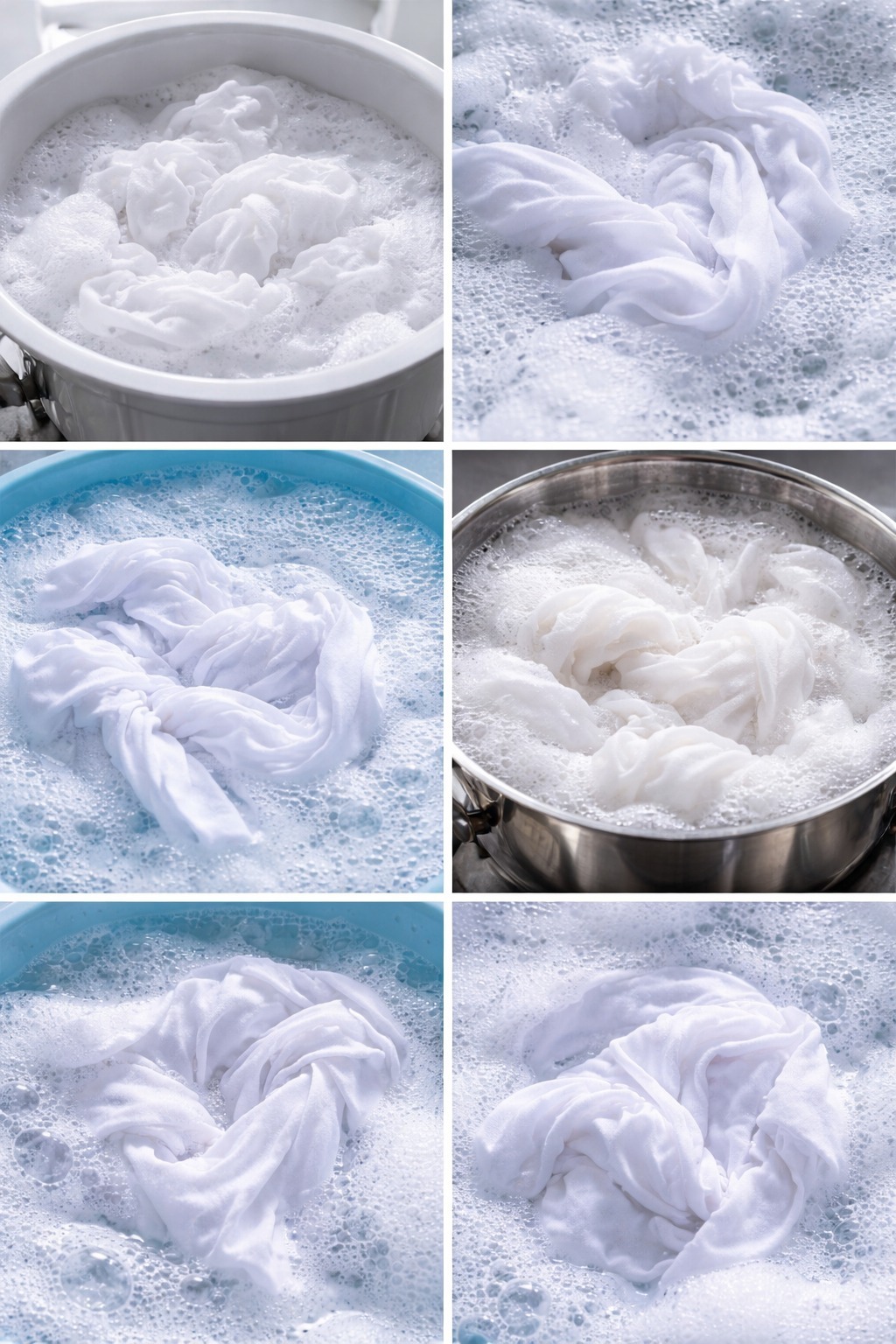
Fill a basin or bucket with warm water and dissolve one cup of baking soda into it. Place the clothes into the solution and allow them to soak for several hours or overnight. This helps loosen deep stains and buildup.

After soaking, transfer the clothes to the washing machine and wash normally with detergent.

Many people are surprised by how much cleaner and fresher their laundry appears after this treatment.

Additional Benefits of Baking Soda in Laundry

Using baking soda in your laundry routine offers several extra advantages beyond whitening.

It helps towels stay fluffy because it removes detergent buildup that can stiffen fibers. It also reduces unpleasant smells in workout clothes, socks, and bedding. For families with sensitive skin, baking soda can help rinse away detergent residue that may cause irritation.

Another benefit is cost savings. Baking soda is inexpensive compared to specialty laundry boosters or whitening products. A single box can last through many loads of laundry.

It is also environmentally friendly. Unlike some chemical cleaners, baking soda breaks down naturally and does not release harsh substances into water systems.

Tips for Best Results

To achieve the brightest whites, separate white clothing from colored items before washing. Mixing colors with whites can cause dye transfer that dulls fabrics.

Avoid using too much detergent. Excess detergent can actually trap dirt inside clothing instead of rinsing it away.

Sun drying your laundry when possible can also boost whiteness. Natural sunlight has a gentle bleaching effect that helps maintain brightness.

A Simple Secret That Works

Sometimes the best solutions are the simplest ones. Instead of relying on complicated laundry products, a humble kitchen ingredient can make a noticeable difference.

By adding baking soda to your washing routine, you can restore brightness, eliminate odors, and keep fabrics looking clean and fresh. With this easy method, your laundry can truly become as white and pure as milk—without spending extra money or using harsh chemicals.

A small box of baking soda may be one of the most powerful laundry tools hiding in your home.

Warning: If you sleep on your right side, you should be aware of this health risk

Sleep position plays a bigger role in our health than many people realize. While most people focus on getting enough hours of sleep, the way you sleep can also influence digestion, breathing, circulation, and even long-term health. Among the various sleep positions—back, left side, right side, and stomach—sleeping on the right side is quite common. However, some health experts suggest that consistently sleeping on the right side may come with certain potential risks that are worth understanding.

Why Sleep Position Matters

Your body continues to work hard even while you sleep. Organs digest food, the brain processes information, and the heart circulates blood throughout the body. Because your internal organs are not perfectly symmetrical, the position you sleep in can place different levels of pressure on certain organs. Over time, this may influence how efficiently those organs function during the night.

Side sleeping in general is often recommended because it can help reduce snoring and improve breathing compared to sleeping on your back. However, the side you choose may affect your body differently.

Possible Effects on Digestion

One of the main concerns associated with sleeping on the right side is its potential impact on digestion and acid reflux. The stomach naturally sits slightly toward the left side of the body. When you lie on your right side, gravity can sometimes allow stomach acid to move more easily into the esophagus.

This may increase the likelihood of experiencing heartburn or acid reflux during the night. People who already suffer from digestive issues such as gastroesophageal reflux may notice their symptoms worsen when sleeping on the right side compared to the left.

On the other hand, sleeping on the left side may help keep the stomach positioned below the esophagus, making it more difficult for acid to travel upward.

Pressure on the Heart

Another consideration is the position of the heart within the chest. The heart leans slightly toward the left side of the body. When you lie on your right side, gravity can shift surrounding organs in a way that may place subtle pressure on the heart.

For most healthy people, this effect is minimal and usually not harmful. However, individuals with certain heart conditions sometimes report feeling more comfortable when sleeping on their left side because it may improve circulation and reduce pressure on the cardiovascular system.

Circulation and Lymphatic Flow

Your body relies on the lymphatic system to remove toxins and waste products. Some experts believe that sleeping on the left side may support lymphatic drainage more effectively because the body’s major lymphatic vessel—the thoracic duct—drains into the left side of the circulatory system.

When sleeping on the right side, lymphatic flow may still function normally, but it may not benefit as much from gravity-assisted drainage. While research in this area is still developing, many sleep specialists recommend left-side sleeping for optimal circulation and detoxification.

Pregnancy Considerations

Pregnant women are often advised to sleep on their left side rather than their right side. This position can help improve blood flow to the placenta and reduce pressure on the liver, which is located on the right side of the body.

Sleeping on the right side during pregnancy is not always dangerous, but doctors often recommend the left side because it may provide better circulation for both the mother and the baby.

Comfort and Individual Differences

Despite these potential concerns, it is important to remember that sleeping on the right side is not automatically harmful. Many people sleep comfortably in this position without experiencing any negative health effects. Factors such as body shape, mattress quality, pillow support, and existing health conditions can all influence which sleep position works best for an individual.

For example, some people find that right-side sleeping reduces snoring or helps them fall asleep more quickly. In these cases, comfort and sleep quality should also be considered when choosing a position.

Tips for Healthier Side Sleeping

If you prefer sleeping on your side, there are several simple steps you can take to make the position healthier:

Use a supportive pillow that keeps your neck aligned with your spine.

Place a pillow between your knees to reduce pressure on the lower back and hips.

Avoid eating large meals right before bedtime to minimize the risk of acid reflux.

Consider slightly elevating your head if you experience nighttime heartburn.

Experiment with left-side sleeping to see if it improves digestion or breathing.

The Bottom Line

Sleep position is just one of many factors that affect overall health. While sleeping on the right side may increase the risk of acid reflux for some people and may not be ideal for certain conditions, it is generally safe for most healthy individuals. If you frequently experience heartburn, breathing issues, or discomfort during the night, adjusting your sleep position might be a simple change that improves your sleep quality.

Ultimately, the best sleep position is the one that allows you to rest comfortably while supporting healthy breathing, digestion, and circulation. Paying attention to how your body feels after different sleep positions can help you find the option that works best for your long-term health.

Home Teeth Whitening: Get Whiter Teeth in Just 2 Minutes

A bright, white smile is often associated with confidence, good health, and personal hygiene. However, many people struggle with yellow or stained teeth caused by coffee, tea, smoking, sugary foods, or simply aging. Professional teeth whitening treatments can be expensive, and many over-the-counter products contain chemicals that may cause sensitivity. Fortunately, there are simple home remedies that can help improve the appearance of your teeth safely and naturally.

In this article, you’ll learn a unique and quick home teeth-whitening recipe that takes only about two minutes to apply. This method uses simple ingredients commonly found in most homes and may help remove surface stains while promoting oral cleanliness.


Why Teeth Become Yellow

Before discussing the recipe, it’s helpful to understand why teeth become discolored. Teeth staining generally occurs for a few common reasons:

1. Food and Drinks
Dark beverages like coffee, tea, soda, and red wine contain pigments that attach to tooth enamel.

2. Smoking and Tobacco
Nicotine and tar in tobacco products can create stubborn yellow or brown stains.

3. Poor Oral Hygiene
Not brushing and flossing regularly allows plaque buildup, which can cause teeth to appear dull.

4. Aging
As we age, the enamel on teeth gradually wears down, revealing the yellowish dentin underneath.

5. Certain Medications
Some antibiotics and medical treatments can also affect tooth color.

While severe discoloration may require professional dental care, mild surface stains can often be improved with safe home practices.


The 2-Minute Natural Teeth Whitening Recipe

This simple mixture combines ingredients known for their gentle cleansing and stain-lifting properties.

Ingredients

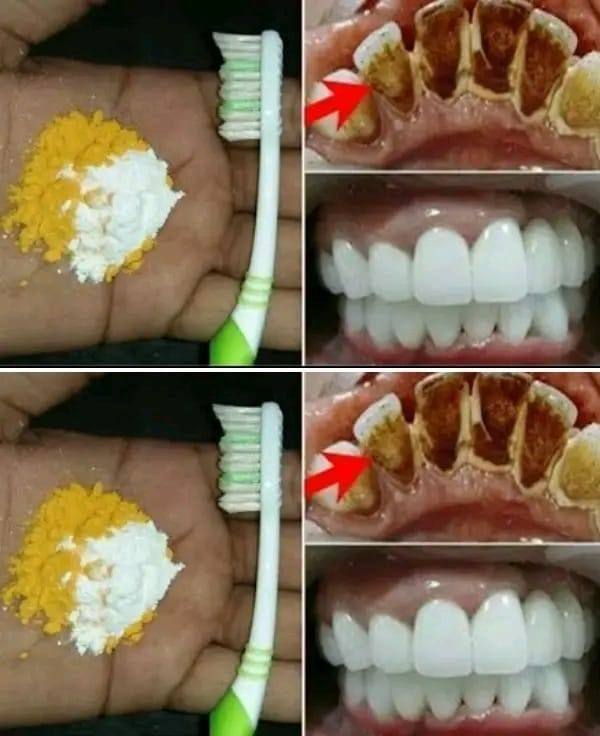
  • 1 teaspoon baking soda

  • ½ teaspoon coconut oil

  • 2–3 drops lemon juice

  • A pinch of turmeric powder (optional)

These ingredients work together to help clean teeth, reduce bacteria, and brighten your smile.


Why These Ingredients Work

Baking Soda
Baking soda is mildly abrasive, which helps remove surface stains from enamel. It is also alkaline, which helps neutralize acids in the mouth.

Coconut Oil
Coconut oil contains natural antibacterial properties. It can help reduce plaque and support overall oral health.

Lemon Juice
Lemon juice contains citric acid, which may help break down stains. However, it should be used in small amounts to protect enamel.

Turmeric
Although it is yellow, turmeric is sometimes used in natural oral care because of its anti-inflammatory and antibacterial properties.


How to Prepare the Mixture

Follow these quick steps:

  1. Take a small bowl.

  2. Add 1 teaspoon of baking soda.

  3. Add ½ teaspoon of coconut oil.

  4. Add 2–3 drops of lemon juice.

  5. Add a pinch of turmeric if desired.

  6. Mix well until it forms a smooth paste.

Your natural whitening paste is now ready.


How to Use It (2-Minute Method)

  1. Dip your toothbrush into the mixture.

  2. Gently brush your teeth for about one minute.

  3. Let the paste sit on your teeth for another 30–60 seconds.

  4. Rinse your mouth thoroughly with water.

  5. Brush again lightly with regular toothpaste if desired.

The whole process takes roughly two minutes.


How Often Should You Use It?

For best results, use this method 2–3 times per week. Using it too frequently may damage enamel due to the mild abrasiveness of baking soda and the acidity of lemon juice.

Consistency is more important than overuse. Gradual whitening is safer and healthier for your teeth.


Additional Tips for Whiter Teeth

To maintain a bright smile, follow these helpful habits:

Brush Twice Daily
Use fluoride toothpaste and brush for at least two minutes.

Floss Regularly
Flossing removes plaque between teeth where brushes cannot reach.

Limit Staining Drinks
Reduce consumption of coffee, tea, and soda. Drinking through a straw may also help.

Rinse After Meals
Rinsing with water after eating helps remove pigments and acids.

Eat Crunchy Fruits and Vegetables
Foods like apples, carrots, and celery can help naturally clean teeth.

Stay Hydrated
Drinking water helps wash away food particles and bacteria.


Safety Precautions

While natural remedies can be helpful, they should be used carefully.

  • Do not scrub your teeth aggressively.

  • Avoid daily use of acidic ingredients like lemon.

  • If you experience tooth sensitivity or gum irritation, stop using the remedy.

  • People with dental problems should consult a dentist before trying whitening methods.

Remember that natural remedies mainly remove surface stains. Deep discoloration may require professional whitening.


Final Thoughts

Achieving a brighter smile doesn’t always require expensive treatments. With simple ingredients like baking soda, coconut oil, and lemon juice, you can create a quick home remedy that may help remove stains and improve the appearance of your teeth.

This 2-minute natural whitening method is easy to prepare, affordable, and convenient for people looking for simple oral care solutions. When combined with good dental hygiene and healthy habits, it may help you maintain a cleaner, brighter smile over time.

Doctor Reveals What Happens When You Eat Beetroot Regularly

Beetroot, often called a natural superfood, has gained a lot of attention among doctors and nutrition experts. This deep red vegetable is packed with powerful nutrients that support many parts of the body. From improving heart health to boosting energy levels, eating beetroot regularly can lead to noticeable health benefits.

Doctors and dietitians often recommend beetroot because it contains essential vitamins, minerals, antioxidants, and natural compounds that promote overall wellness. Let’s explore what happens to your body when you start including beetroot in your daily diet.

1. Improves Heart Health

One of the most well-known benefits of beetroot is its positive effect on heart health. Beetroot contains natural nitrates, which help relax and widen blood vessels. This process improves blood circulation and allows oxygen to move more efficiently throughout the body.

Doctors explain that better blood flow can help reduce high blood pressure. Regular consumption of beetroot may lower the risk of heart disease, stroke, and other cardiovascular problems.

2. Boosts Energy and Stamina

Many athletes and fitness enthusiasts include beetroot in their diet because it naturally boosts stamina. The nitrates in beetroot help muscles use oxygen more efficiently. As a result, the body requires less energy during physical activity.

Some studies suggest that drinking beetroot juice before exercise may improve endurance and performance. This is why beetroot is often called a “natural energy booster.”

3. Supports Brain Health

Good blood circulation is also important for brain function. Since beetroot improves blood flow, it may help deliver more oxygen to the brain. Doctors believe that this could support memory, focus, and mental clarity.

In older adults, improved circulation may also help reduce the risk of cognitive decline.

4. Helps Detox the Body

Beetroot contains powerful antioxidants and compounds that support the liver, which is the body’s main detoxification organ. These compounds help the liver remove toxins and waste products more effectively.

Because of this, beetroot is often included in detox diets and cleansing juices.

5. Supports Healthy Digestion

Beetroot is rich in dietary fiber, which plays an important role in digestive health. Fiber helps food move smoothly through the digestive system and supports healthy gut bacteria.

Eating beetroot regularly may help prevent constipation and promote better digestion overall.

6. Improves Skin Health

Healthy skin often starts from within. Beetroot contains vitamin C, iron, and antioxidants that help protect skin cells from damage caused by pollution and stress.

Regular consumption of beetroot may give the skin a natural glow and support collagen production, which helps keep skin firm and youthful.

7. Supports Blood Health

Beetroot is naturally rich in iron and folate, two nutrients essential for healthy red blood cells. Doctors often recommend beetroot for people with low iron levels or anemia.

These nutrients help the body produce red blood cells that carry oxygen throughout the body, preventing fatigue and weakness.


Unique and Healthy Beetroot Recipe: Creamy Beetroot Yogurt Salad

If you want to enjoy beetroot in a delicious and refreshing way, this simple recipe is perfect. It combines the earthy sweetness of beetroot with the creamy texture of yogurt.

Ingredients

  • 2 medium boiled beetroots (grated)

  • 1 cup plain yogurt

  • 1 small garlic clove (minced)

  • 1 tablespoon olive oil

  • ½ teaspoon roasted cumin powder

  • Salt to taste

  • Fresh coriander or mint leaves for garnish

  • Optional: chopped walnuts or sunflower seeds

Instructions

  1. Boil the beetroots until they become soft. Let them cool, then peel and grate them.

  2. In a mixing bowl, whisk the yogurt until smooth and creamy.

  3. Add minced garlic, cumin powder, olive oil, and salt to the yogurt.

  4. Mix in the grated beetroot and stir well until everything is combined.

  5. Garnish with fresh herbs and optional nuts or seeds for extra crunch.

  6. Chill for 10–15 minutes before serving.

Why This Recipe Is Healthy

This dish combines the nutrients of beetroot with the probiotics found in yogurt. Probiotics support gut health, while beetroot provides fiber, antioxidants, and vitamins. The result is a balanced, refreshing side dish that supports digestion, immunity, and overall health.


Final Thoughts

Doctors agree that beetroot is one of the most nutritious vegetables you can add to your diet. Whether eaten raw, roasted, blended into juice, or mixed into salads, beetroot offers a wide range of health benefits.

Eating beetroot regularly may help improve heart health, boost energy levels, support brain function, and enhance digestion. Its rich nutrient profile makes it a powerful addition to a healthy lifestyle.

Adding simple recipes like beetroot yogurt salad to your meals can make it easier—and more enjoyable—to enjoy this vibrant superfood every day.

Creamy Tuscan Crockpot Chicken with Melted Cream Cheese

Slow cooker meals are popular because they are simple, comforting, and require very little hands-on cooking time. This Creamy Tuscan Crockpot Chicken transforms ordinary chicken breasts and cream cheese into a silky, flavorful dish filled with herbs, garlic, sun-dried tomatoes, and spinach. The slow cooking process allows the chicken to become tender while the cream cheese melts into a rich sauce that coats every bite.

This recipe is perfect for busy weeknights, family dinners, or even meal prep because it reheats beautifully. Best of all, it requires minimal effort: place the ingredients into the crockpot, let it cook slowly, and finish with a quick stir to create a creamy, restaurant-style dish.


Ingredients

  • 4 boneless, skinless chicken breasts

  • 2 blocks (8 oz each) cream cheese

  • 1 cup chicken broth

  • 1 tablespoon olive oil

  • 4 cloves garlic, minced

  • ½ cup sun-dried tomatoes, chopped

  • 1 teaspoon dried basil

  • 1 teaspoon dried oregano

  • ½ teaspoon smoked paprika

  • ½ teaspoon black pepper

  • 1 teaspoon salt (adjust to taste)

  • ½ teaspoon crushed red pepper flakes (optional for heat)

  • 2 cups fresh spinach

  • ½ cup grated parmesan cheese

  • ½ cup heavy cream (optional for extra richness)

  • 1 small onion, finely chopped


Preparation Steps

1. Prepare the Crockpot Base

Start by lightly greasing the inside of your crockpot with olive oil or cooking spray. This prevents the cream cheese from sticking to the sides and helps everything blend smoothly later.

Place the raw chicken breasts on the bottom of the crockpot in a single layer. Keeping them flat allows them to cook evenly and absorb the surrounding flavors.


2. Add Aromatics and Seasonings

Sprinkle the chopped onion and minced garlic over the chicken. These ingredients form the flavor base of the sauce as they slowly cook down and release their aroma.

Next, add the dried basil, oregano, smoked paprika, black pepper, salt, and red pepper flakes. The herbs create a Tuscan-style flavor profile while the paprika adds a subtle smokiness that complements the creamy sauce.

Scatter the chopped sun-dried tomatoes on top. Their tangy, slightly sweet taste balances the richness of the cream cheese.


3. Add the Cream Cheese

Now comes the key ingredient: cream cheese.

Place the two blocks directly on top of the chicken breasts. Do not mix them in yet. As the crockpot heats up, the cream cheese will slowly soften and melt into the broth, forming the base of a thick and creamy sauce.

Pour the chicken broth around the chicken and cream cheese blocks. The liquid prevents burning and helps the sauce develop while cooking.


4. Slow Cook

Cover the crockpot with the lid and cook:

  • Low: 6–7 hours

  • High: 3–4 hours

During this time the chicken will become extremely tender and easy to shred. The cream cheese will melt slowly and blend with the broth and seasonings.

Avoid opening the lid frequently because slow cookers rely on trapped heat to maintain consistent temperature.


5. Shred the Chicken

Once the chicken is fully cooked, remove the lid and use two forks to shred the chicken directly inside the crockpot.

At this stage, the cream cheese will be very soft. Stir everything together until the cream cheese fully dissolves into the cooking liquid. This will create a thick, creamy sauce that coats the shredded chicken.

If you prefer chunkier chicken, you can simply slice the breasts instead of shredding them.


6. Add Spinach and Finish the Sauce

Add the fresh spinach and grated parmesan cheese. Stir gently until the spinach wilts into the hot sauce.

For an extra silky texture, pour in the heavy cream and stir again. This step is optional but adds a luxurious richness to the dish.

Let everything cook for another 10–15 minutes with the lid on so the flavors combine.


Serving Ideas

This creamy crockpot chicken is versatile and pairs well with many sides:

  • Over buttered pasta

  • On top of steamed rice

  • With mashed potatoes

  • Stuffed into toasted sandwich rolls

  • Over cauliflower rice for a lower-carb option

The sauce is thick, savory, and slightly tangy, making it perfect for soaking into starches like pasta or rice.


Flavor Variations

You can easily customize this recipe depending on your taste preferences.

1. Spicy Version
Add diced jalapeños or extra crushed red pepper flakes for heat.

2. Mushroom Cream Chicken
Add 1 cup sliced mushrooms at the start of cooking.

3. Ranch Cream Chicken
Mix in one packet of ranch seasoning with the broth for a tangy twist.

4. Lemon Herb Version
Add lemon zest and a squeeze of fresh lemon juice at the end for brightness.


Storage and Meal Prep

This dish stores very well, making it excellent for leftovers.

  • Refrigerator: Store in an airtight container for up to 4 days.

  • Freezer: Freeze for up to 2 months.

  • Reheating: Warm gently on the stove or microwave, adding a splash of milk or broth to loosen the sauce.


Why This Recipe Works

Cooking chicken breasts slowly allows them to stay moist and absorb the surrounding flavors. The cream cheese melts gradually, forming a stable, creamy sauce without requiring complicated techniques.

The combination of herbs, garlic, sun-dried tomatoes, and parmesan adds layers of flavor so the dish tastes rich and complex even though the preparation is extremely simple.

If Your Nails Look Like This, It’s Time for a Check-Up

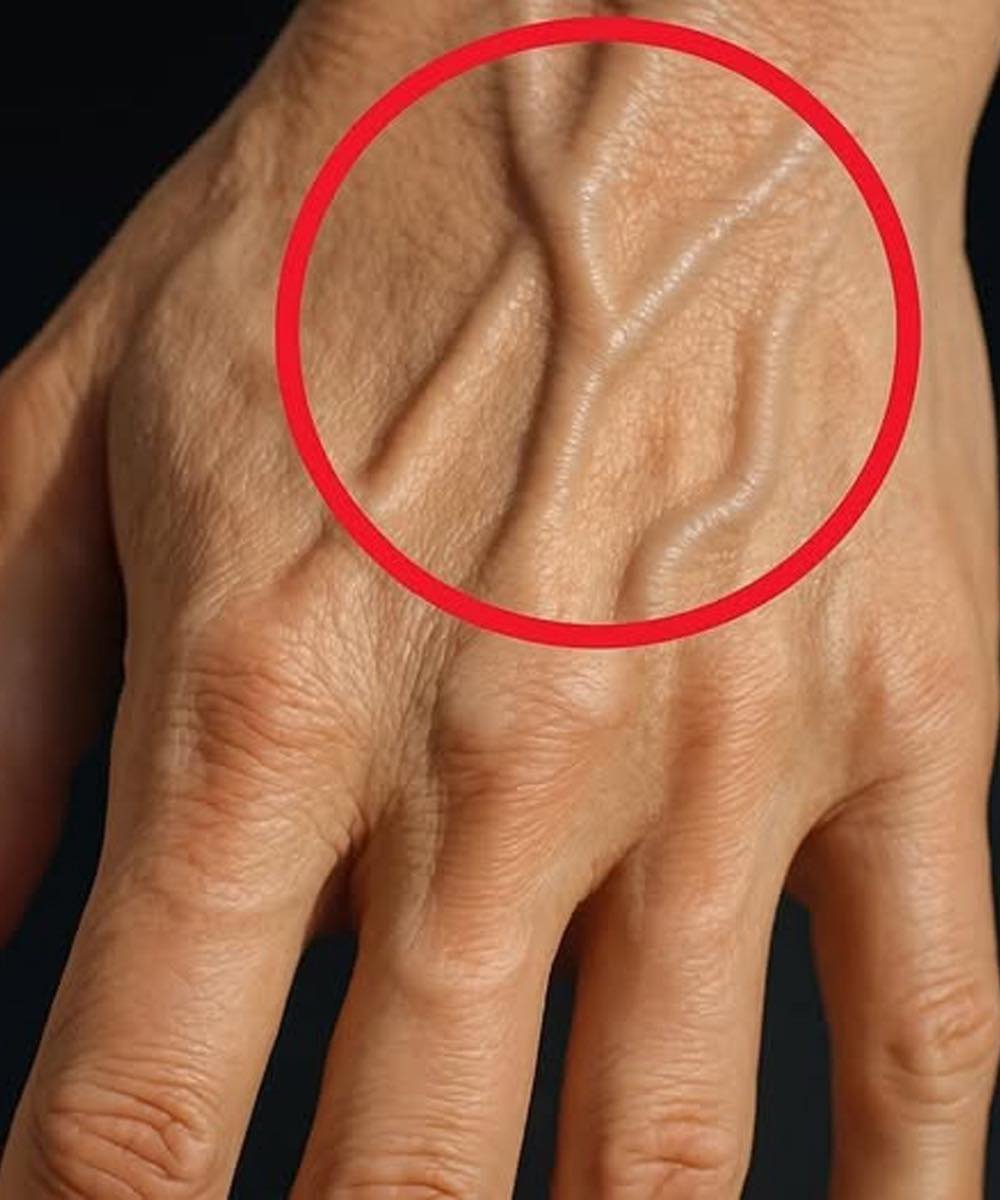
What the Veins on Your Hands Might Reveal About Your Kidney Health

Our bodies often give subtle clues about what is happening internally. While most people associate kidney health with symptoms like fatigue, swelling in the legs, or changes in urination, some physical signs can appear in unexpected places—like the veins on your hands. Though visible veins are usually harmless and related to age, body fat, or genetics, in certain cases they can hint at underlying health issues, including concerns related to kidney function.

Understanding how kidney health affects circulation and the appearance of veins can help people become more aware of their bodies and seek medical advice when needed.

The Role of the Kidneys in the Body

The kidneys are two bean-shaped organs located in the lower back, just below the rib cage. Their main job is to filter waste products and excess fluids from the blood, which are then excreted through urine. In addition to filtration, kidneys regulate blood pressure, balance electrolytes, maintain fluid levels, and produce hormones that support red blood cell production.

When the kidneys are not functioning properly, these processes can be disrupted. As waste builds up in the body and fluid balance changes, the circulatory system may also be affected. Sometimes these changes can become visible through the skin, including the veins in the hands.

Why Hand Veins Become More Visible

In many cases, visible hand veins are completely normal. Several everyday factors can make veins appear more prominent:

  • Aging: As people age, skin becomes thinner and loses elasticity, making veins easier to see.

  • Low body fat: Less fat under the skin allows veins to stand out more.

  • Exercise: Physical activity increases blood flow and can temporarily enlarge veins.

  • Genetics: Some individuals naturally have more visible veins.

However, when vein appearance changes suddenly or is accompanied by other symptoms, it may be worth paying attention to possible underlying health conditions.

Fluid Balance and Kidney Function

Healthy kidneys carefully regulate how much fluid remains in the body. When kidney function declines, excess fluid may accumulate in tissues, leading to swelling (known as edema). This swelling is commonly seen in the feet, ankles, hands, and face.

In some cases, swelling around the hands can change the way veins appear. They may look more stretched, bulging, or sometimes less visible depending on the amount of retained fluid. If a person notices persistent swelling along with unusual vein changes, it may signal that the kidneys are struggling to maintain proper fluid balance.

Blood Pressure and Vein Changes

The kidneys play a key role in controlling blood pressure. They regulate hormones that influence how tightly blood vessels constrict and how much fluid remains in circulation.

When kidney disease develops, blood pressure can become elevated. High blood pressure puts additional strain on blood vessels, including veins. Over time, this pressure may contribute to more pronounced veins in areas where the skin is thin, such as the hands.

While visible veins alone do not indicate high blood pressure, they may appear alongside other symptoms if the circulatory system is under stress.

Poor Circulation and Toxin Buildup

Kidneys help remove toxins from the bloodstream. When kidney function declines, waste products can accumulate and affect overall circulation. Poor circulation sometimes leads to symptoms such as:

  • Cold hands and feet

  • Changes in skin color

  • Fatigue and weakness

  • Tingling sensations

When circulation changes, veins may appear darker, more noticeable, or slightly swollen. Although these signs are not specific to kidney problems, they can occur in people with chronic kidney disease.

When to Be Concerned

Visible hand veins are rarely a direct sign of kidney disease. However, if they appear along with other symptoms, it may be worth discussing with a healthcare professional. Warning signs related to kidney problems include:

  • Persistent swelling in hands, feet, or face

  • Changes in urination (frequency, color, or foaminess)

  • Constant fatigue

  • Difficulty concentrating

  • Muscle cramps

  • High blood pressure

  • Nausea or loss of appetite

Doctors typically diagnose kidney issues through blood tests, urine tests, and imaging studies rather than physical signs alone.

Lifestyle Habits That Support Kidney Health

Even though veins in the hands are not a reliable diagnostic tool, paying attention to overall health can help protect kidney function. Several lifestyle habits are particularly beneficial:

Stay hydrated: Drinking enough water helps kidneys flush toxins from the body.

Limit excessive salt intake: Too much sodium can raise blood pressure and strain the kidneys.

Maintain a healthy weight: Obesity increases the risk of high blood pressure and diabetes, both leading causes of kidney disease.

Exercise regularly: Physical activity improves circulation and overall organ function.

Monitor blood pressure and blood sugar: Managing these conditions is crucial for protecting kidney health.

Avoid unnecessary medications: Overuse of certain painkillers and supplements may harm kidney function.

Listening to Your Body

Our bodies constantly provide signals about internal health. While prominent veins on the hands are most often harmless, sudden changes in their appearance—especially when combined with swelling or other symptoms—should not be ignored.

The key is to observe patterns rather than focusing on a single sign. If multiple symptoms appear or persist, a medical evaluation can help determine whether kidney function or another health issue might be involved.

Final Thoughts

The veins on your hands may reveal small clues about circulation, hydration, and overall health, but they rarely tell the whole story on their own. Kidney health is complex and influenced by many factors including blood pressure, lifestyle, genetics, and underlying medical conditions.