5 Common Mistakes Many People Make When Eating Sweet Potatoes and How to Avoid Them

Sweet potatoes are often called a “superfood” because they are rich in fiber, vitamins A and C, potassium, and antioxidants. They support digestion, boost immunity, and help maintain healthy blood sugar levels when eaten correctly. However, many people unknowingly make mistakes when eating sweet potatoes that reduce their nutritional value or even cause minor health issues. Here are five common mistakes and how to avoid them.

1. Eating Them in Deep-Fried Form Too Often

One of the biggest mistakes is consuming sweet potatoes as fries or chips that are deep-fried in oil. While sweet potato fries may taste delicious, deep frying adds unhealthy trans fats and excessive calories. This turns a healthy food into something that can contribute to weight gain, high cholesterol, and heart issues if eaten regularly.

How to avoid it:
Instead of deep frying, try baking, roasting, or air-frying sweet potatoes. These methods preserve most of the nutrients while keeping the calorie count low. You can also boil or steam them for a softer, healthier option.

2. Peeling Off the Skin Every Time

Many people peel sweet potatoes before cooking, thinking the skin is dirty or unnecessary. However, the skin contains a significant amount of fiber, antioxidants, and nutrients. Removing it means losing some of the health benefits that make sweet potatoes so valuable.

How to avoid it:
Wash the sweet potatoes thoroughly under running water and scrub the surface with a brush. Cooking them with the skin on—whether baked or boiled—helps retain nutrients and improves digestion due to higher fiber content.

3. Overcooking Them Until They Become Mushy

Overcooking sweet potatoes is another common mistake. When they are boiled or baked for too long, they lose texture, flavor, and some vitamins, especially vitamin C. Overcooked sweet potatoes can also raise their glycemic index slightly, making them less ideal for blood sugar control.

How to avoid it:
Cook sweet potatoes until they are just tender. For boiling, check them with a fork after 10–15 minutes depending on size. For baking, 200°C (about 400°F) for 30–45 minutes is usually enough. Proper cooking preserves both taste and nutrients.

4. Adding Too Much Sugar or Sweet Toppings

Sweet potatoes are naturally sweet, but many people add sugar, marshmallows, syrups, or excessive honey to enhance flavor. This habit significantly increases the sugar content, making the dish less healthy and potentially causing blood sugar spikes.

How to avoid it:
Enhance flavor using healthier alternatives like cinnamon, nutmeg, black pepper, or a small amount of olive oil. If you want sweetness, a light drizzle of honey is enough—there is no need to overload it with sugar-based toppings.

5. Eating Them in Excess Without Balance

Even though sweet potatoes are healthy, eating them in large quantities without balancing other foods is a mistake. They are high in carbohydrates, and overconsumption can lead to excess calorie intake or unbalanced nutrition if protein and fats are missing from the diet.

How to avoid it:
Treat sweet potatoes as part of a balanced meal. Combine them with protein sources like eggs, chicken, fish, or legumes, and healthy fats like olive oil or avocado. Portion control is key—one medium sweet potato per meal is usually enough for most people.

Final Thoughts

Sweet potatoes are a nutrient-rich food that can support a healthy lifestyle when prepared and consumed correctly. However, small mistakes like frying them too often, peeling the skin, or overloading them with sugar can reduce their benefits. By making simple adjustments—such as healthier cooking methods, mindful seasoning, and balanced portions—you can fully enjoy their nutritional power without unwanted side effects.

Eating smart is not about avoiding healthy foods like sweet potatoes; it’s about preparing them in a way that keeps them truly healthy.

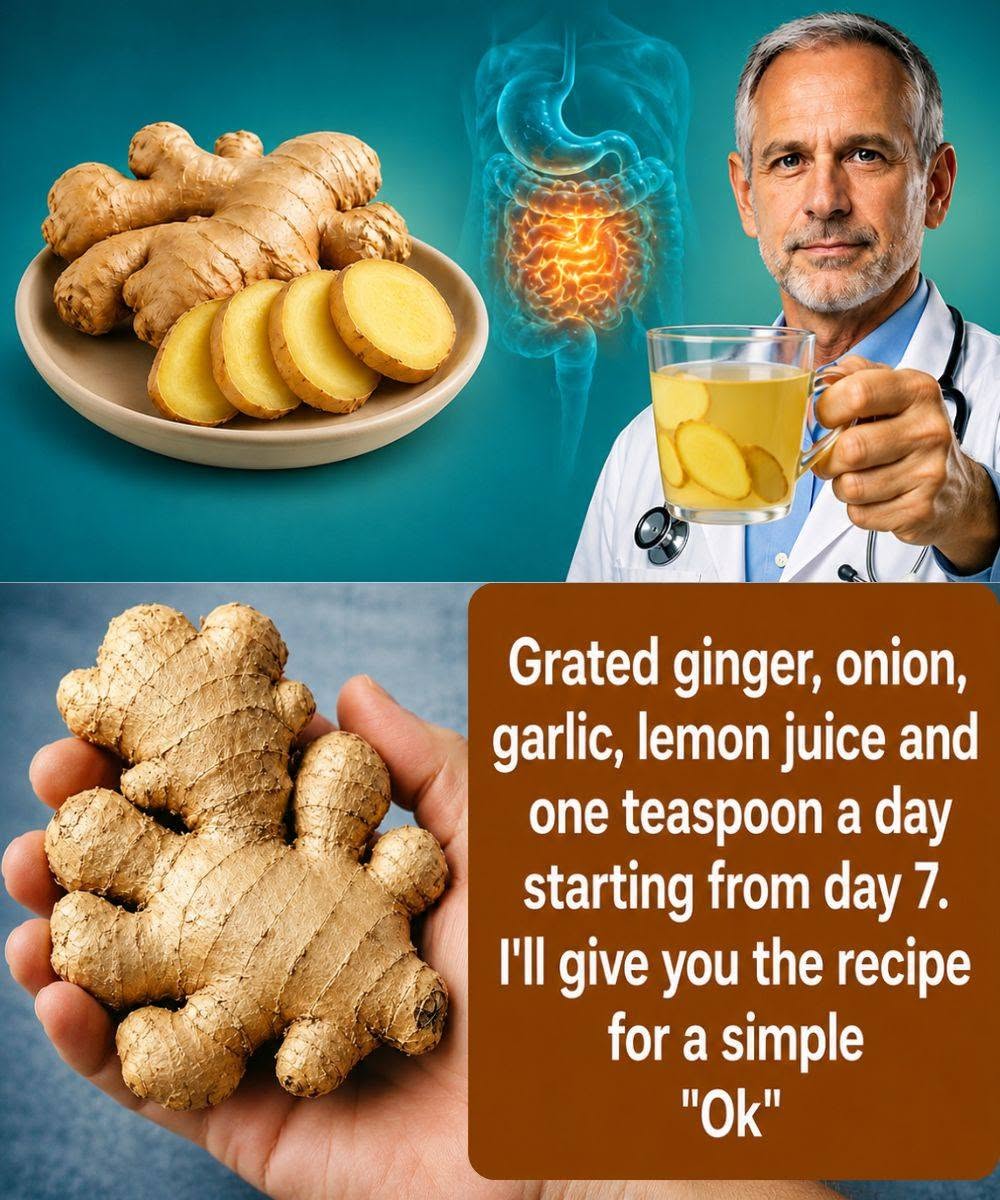
Grated ginger, onion, garlic, lemon juice & honey Just 1 teaspoon a day (start from day 7) — a simple natural routine many people are trying.

Grated Ginger, Onion, Garlic, Lemon Juice & Honey: A Simple Daily Natural Mix

Many people are turning back to simple kitchen ingredients for their daily wellness routines. One combination that is becoming popular is a homemade mixture of grated ginger, onion, garlic, lemon juice, and honey. It uses ingredients found in most homes, and some people take just one teaspoon a day as part of their routine.

This mixture is not new. Traditional home remedies in many cultures have used these ingredients for years. People often choose them because they are easy to prepare and are commonly linked with supporting general wellness.

Ginger, Onion, Garlic, Lemon juice, and Honey each have their own traditional uses. When mixed together, some people believe they make a strong natural blend.

What’s in this mixture?

The recipe is simple:

  • 1 tablespoon grated ginger
  • 1 small grated onion
  • 2 cloves grated garlic
  • Juice of 1 lemon
  • 2 tablespoons honey

Mix all ingredients well in a clean bowl. Let the mixture rest for a few hours so the juices combine. Store it in a sealed glass jar in the refrigerator.

Some people say they begin taking 1 teaspoon daily starting from day 7, allowing the mixture to settle and blend before use.

Why do people try it?

There are many reasons people use this homemade blend. Most choose it as part of a simple morning habit. They may use it during seasonal changes, cold weather, or when they want to add more natural ingredients to their routine.

Ginger

https://images.openai.com/static-rsc-4/n9NBB0Wji3RlZZdlfeA5jagYHAPvBes0uoZ9GMRW-qFv_VcjCxDF_14i8GUfOfOHb46QcKd_NrdnJo3jBs83AEZtcT3Q1xUogzn9of0EHP9iYHQOnxoln_EZR-8K8ieye0fGacaebrbmtWtKBSRzNHXnSF0FteEfRuoCk-h-9hhzH9TBN7OEy8NII3ysJ61N?purpose=fullsize
https://images.openai.com/static-rsc-4/BF5VHWRmDlh4OBt1Cc-5kd-LYQtuuCAbbZWjrYXE-O3BJg3M_JYvwPXCB8AnqvE20LEpVFengpwZvhIWxUwOwFVZPsWcB2GOs45U-HXxVns91BeUaJO-7ZKpqqZ5Ucp0QLCGcGNXfmXkBHo9Li-qcYv7CFKEMvupcPM0FqmZpELuKGj_JQxbzlPbWnzOjaQG?purpose=fullsize
https://images.openai.com/static-rsc-4/VtpsEapXtYkUIF4dVwex2htxQ0d8udiRdY3r4Oi4QMaZ2x7DbLblbOqVjpwockNul-VRZjDqf3w3_4-EchmL-Fq_iZzpXDum-4EsRSgXqdterXM53HztSXc41YYQ2y2mlrkpw2oj4YX4fefj6G_ntlbG0TJw7RvOAztAvoAsKQz-UYjsXRgpWURvfb2vZv9j?purpose=fullsize
6

Ginger is often used in traditional home remedies. Many people drink ginger tea or add fresh ginger to meals. It has a strong flavor and warming taste.

Onion and garlic

https://images.openai.com/static-rsc-4/RGRps4FHc9pG7TqSCDjw79P9Ub-gApfVC2L4uBHES94xyYNG9n0NITBN4I4Mpoaa-4ZmPSorHCUwRDuVNfDEV4FPePzOTxVvPsIIeeMUHmo5HW-zXQ5rpnOznQ-f8AoPirgCzHeha-7w-ywSoigmwWDTsxExU8SCG4lCNvA01kHt6l92jwvCRtA2ZBfgmUXi?purpose=fullsize
https://images.openai.com/static-rsc-4/4qZd0JQu4WruGtQOG6tM1s_OJFKVCSiA84Rcgx_ZEOWlg7b6Z-j0WBvYfTjZEXrorhlSG_1Jr_bHINbnw6Hkpp2543PfnI4jy2R1iByoxS42rDV9trEaH7JsO7OogyM0ivaZUNysWNcjqqX8hPN8NPRsT5HYNLG-lmgI5uf5HyuxzZoCZIJR3NYABDR10-kf?purpose=fullsize
https://images.openai.com/static-rsc-4/oLvOoPZa43la3BlSAL2pJXg-kdQ_Pjb-f0vsFsPWO0uQjQ7sO9VfSyG5FVEpyQuIEKqOW45JCy1uJGKVTnLVd2TQ0vc9-GTwuXVOdFf_l8y4IQlejbG6OtaVyLWkAN9VgkPHjRob6uhm-1id8AJC5eU8SdyfvEMvbMbkmJHtY_6g3gCd2qoWdNrsklNwDlK1?purpose=fullsize
5

Onion and Garlic are common cooking ingredients, but many households also use them in traditional wellness recipes. Garlic especially is often included in homemade mixtures.

Lemon and honey

6

Lemon juice gives a fresh sour taste, while Honey makes the mixture smoother and easier to take.

How to take it

A common method is:

  • Prepare the mixture fresh
  • Keep it refrigerated
  • Start using it from the 7th day
  • Take 1 teaspoon once daily
  • Some people prefer taking it in the morning before breakfast

Because the ingredients are strong, many users start with a small amount.

Important note

This is a home recipe used by some people as part of their daily habits. It is not a medical treatment and does not replace professional healthcare or prescribed medicine. If someone has allergies, stomach sensitivity, or is taking medication, checking with a qualified doctor is important before trying new food-based routines.

Natural ingredients can affect people differently. Even common foods can cause irritation in some individuals, especially when taken in concentrated amounts.

A simple habit

What makes this recipe popular is its simplicity. It does not require expensive products or complicated steps. It is made with ordinary kitchen ingredients that many families already have.

Some people like preparing a small jar each week and taking one teaspoon daily as part of their personal wellness routine. Others simply enjoy the taste and tradition behind it.

Whether someone chooses this mixture or not, many people appreciate using simple ingredients like ginger, onion, garlic, lemon, and honey in everyday life. These foods have been part of home traditions for generations and continue to be used in many households around the world.

The key is balance. A healthy routine usually includes good food, enough water, regular movement, and proper medical care when needed. Natural recipes may be a small part of that routine for some people, but they work best as part of an overall healthy lifestyle.

11 Everyday Habits That Are Secretly Damaging Your Hair (And Simple Ways to Protect It

Healthy hair often depends less on expensive products and more on the small things we do every day. Many people unknowingly damage their hair through simple habits that seem harmless. Over time, these habits can lead to dryness, breakage, thinning, and loss of shine. The good news is that most of them are easy to fix. Here are 11 everyday habits that may be secretly damaging your hair—and simple ways to protect it.

1. Washing Hair with Very Hot Water

Hot showers feel relaxing, but very hot water strips your scalp of its natural oils. This can leave hair dry, rough, and more likely to break. It may also irritate the scalp.

A simple fix is to wash your hair with lukewarm water instead. Finish with cool water for a few seconds, which can help smooth the hair cuticle and make hair look shinier.

2. Rubbing Hair Hard with a Towel

After washing, many people rub their hair roughly with a towel to dry it faster. Wet hair is weaker and stretches easily, so rough rubbing can cause breakage and split ends.

Instead, gently squeeze out extra water and pat your hair dry with a soft towel or cotton T-shirt. This reduces friction and helps protect the strands.

3. Using Heat Tools Too Often

Hair dryers, straighteners, and curling irons can weaken the hair over time. Daily heat styling removes moisture and can make hair brittle.

Try air-drying when possible. If you use heat tools, apply a heat-protectant spray first and use the lowest setting that works for your style.

4. Tight Hairstyles Every Day

Tight ponytails, buns, and braids may look neat, but they pull on the roots. Constant tension can weaken hair follicles and even lead to hair loss around the hairline.

Wear looser hairstyles when possible. Give your hair regular breaks from styles that pull tightly.

5. Sleeping on Rough Pillowcases

Cotton pillowcases can create friction as your hair moves during sleep. This may lead to tangles, frizz, and breakage.

A silk or satin pillowcase is gentler on hair. It allows strands to slide more easily and helps reduce damage overnight.

6. Brushing Wet Hair the Wrong Way

Wet hair is more fragile. Pulling a regular brush through wet strands can cause unnecessary snapping.

Use a wide-tooth comb or a brush made for wet hair. Start from the ends and work upward slowly to remove tangles without pulling too hard.

7. Skipping Regular Trims

Some people avoid trimming because they want longer hair. But split ends do not disappear on their own. If ignored, they can travel higher up the strand, causing more damage.

A trim every 8–12 weeks can keep ends healthier and make hair look fuller and stronger.

8. Poor Diet and Lack of Nutrients

Hair needs nutrients to grow well. Diets low in protein, iron, zinc, and vitamins may affect hair health.

Egg, Spinach, nuts, fish, and fruits can support healthier hair. Drinking enough water is also important because dehydration can make hair feel dry and lifeless.

9. Applying Too Many Products

Using too many sprays, gels, oils, or dry shampoos can build up on the scalp. This may clog follicles and make hair look dull.

Use only what your hair truly needs. Wash your scalp regularly to remove buildup, especially if you use styling products daily.

10. Ignoring Sun Exposure

Just like skin, hair can be affected by too much sun. UV rays may dry out hair and fade color.

When spending long hours outside, wear a hat or use hair products that offer UV protection. This is especially helpful in hot climates.

11. Stress and Lack of Sleep

Stress affects the whole body, including hair. Long-term stress may contribute to shedding. Poor sleep can also affect overall health and hair growth.

Simple habits like walking, stretching, and getting enough sleep can support stronger hair. Taking care of your body often shows in your hair too.

Simple Daily Hair Protection Tips

  • Use gentle shampoo suited to your scalp type
  • Avoid excessive heat styling
  • Eat balanced meals
  • Stay hydrated
  • Be gentle when brushing
  • Protect hair from sun and dust
  • Trim regularly
  • Sleep well

Hair damage often happens slowly, so it can be easy to miss. The small choices made every day matter more than many people realize. By changing a few habits, you can help your hair stay stronger, shinier, and healthier over time. Consistency is key—simple care each day often makes the biggest difference.

Some people claim that garlic and oregano are life-changing, and many doctors prefer not to mention it. I’ll give you the recipe if you say “hi” or “want.”

Garlic and oregano are two kitchen ingredients that people around the world have used for generations. Some say they help support the body naturally, especially during seasonal illness. While they’re not a cure for disease, many people enjoy them as part of traditional home remedies. If you’re curious, here’s a simple recipe you can try at home.

Garlic and Oregano both contain natural compounds that have been studied for antimicrobial properties, though research is mixed and they should not replace medical treatment.

Simple Garlic & Oregano Tea Recipe

Ingredients

  • 3 cloves of fresh garlic
  • 1 teaspoon dried oregano (or 1 tablespoon fresh oregano)
  • 2 cups water
  • 1 teaspoon honey (optional)
  • 1 teaspoon lemon juice (optional)

How to make it

  1. Peel the garlic cloves and crush them lightly. Let them sit for 5–10 minutes.
  2. Bring 2 cups of water to a boil.
  3. Add the crushed garlic and oregano.
  4. Lower the heat and simmer for 10 minutes.
  5. Strain into a cup.
  6. Add honey or lemon if you like the taste softer.
  7. Drink warm.

Why people like it

Garlic contains allicin, a compound released when garlic is crushed. Oregano contains aromatic oils such as carvacrol. Together, many people use them in warm drinks because they’re easy to make and can feel soothing.

Some people drink this:

  • during cold weather
  • when they have a scratchy throat
  • when they want something warm and herbal
  • as part of a general wellness routine

Tips

  • Use fresh garlic for stronger flavor.
  • Don’t boil too long; it can become bitter.
  • Drink once a day if you enjoy it.
  • Stop if it irritates your stomach.

Important

Natural remedies can be pleasant, but they are not magic treatments. Garlic can interact with some medicines (such as blood thinners), and strong herbal teas may not suit everyone. If someone has a medical condition, it’s best to talk with a doctor before using home remedies regularly.

Sometimes the simplest ingredients are already in the kitchen. Garlic and oregano may not “change your life,” but for many people, they’re a comforting traditional recipe worth trying.

The Powerful Herbal Weed for Natural Wellness Support

The Powerful Herbal Weed for Natural Wellness Support

For centuries, people around the world have used healing herbs to support the body naturally. One green herb that has recently gained attention is rosemary. Often called a “powerful healing weed” by natural health enthusiasts, rosemary is more than just a kitchen spice. This fragrant herb has been traditionally used to support digestion, circulation, memory, and overall wellness.

While no herb can magically cure every disease, rosemary contains natural compounds that may help support the immune system and reduce inflammation in the body. Combined with a healthy lifestyle, it can become part of a simple daily wellness routine.

Why Rosemary Is So Popular

Rosemary is rich in antioxidants and plant compounds such as rosmarinic acid and carnosic acid. These natural substances may help the body fight oxidative stress and support healthy inflammation levels.

People commonly use rosemary for:

  • Supporting joint comfort
  • Helping digestion
  • Freshening breath naturally
  • Supporting urinary tract health
  • Promoting circulation
  • Supporting immune health during seasonal illness
  • Helping mental focus and memory

The herb also contains antibacterial and antiviral properties in laboratory studies, which is one reason it has become popular in natural wellness drinks and teas.

Simple Rosemary Wellness Drink Recipe

This easy homemade rosemary drink is refreshing, warming, and very simple to prepare.

Ingredients

  • 2 fresh rosemary sprigs (or 1 tablespoon dried rosemary)
  • 2 cups water
  • 1 teaspoon fresh ginger, sliced
  • Juice of half a lemon
  • 1 teaspoon honey (optional)

Instructions

Step 1: Boil the Water

Pour 2 cups of water into a small pot and bring it to a gentle boil.

Step 2: Add Rosemary and Ginger

Add the rosemary and sliced ginger into the water. Reduce heat and let it simmer for 10 minutes.

Step 3: Strain the Tea

Remove from heat and strain the liquid into a mug or glass.

Step 4: Add Lemon and Honey

Mix in fresh lemon juice and honey if desired.

Step 5: Enjoy Warm

Drink once daily, preferably in the morning or evening.

Potential Benefits of This Herbal Drink

1. May Help Reduce Inflammation

Rosemary and ginger both contain anti-inflammatory compounds that may support joint and muscle comfort. People experiencing stiffness after long working hours often enjoy herbal teas like this for relaxation.

2. Supports Immune Health

Lemon provides vitamin C, while rosemary contains antioxidants that may support the body’s natural defenses during seasonal changes.

3. May Aid Digestion

Rosemary has traditionally been used to support digestion and reduce bloating after meals.

4. Promotes Relaxation

The aroma of rosemary itself may help reduce stress and mental fatigue. Many people enjoy inhaling the steam while sipping the tea slowly.

5. Supports Circulation

Warm herbal drinks can encourage healthy circulation and provide a soothing feeling throughout the body.

Important Health Note

Although rosemary is a beneficial herb, it is not a miracle cure for serious medical conditions like herpes, arthritis, influenza, or infections. Social media posts often exaggerate claims about herbs. Natural remedies can support wellness, but they should never replace professional medical treatment.

If you have chronic illness, kidney disease, are pregnant, or take medications such as blood thinners or blood pressure medicine, speak with a healthcare professional before using large amounts of rosemary regularly.

Extra Tips for Better Results

To get the most from this herbal recipe:

  • Drink plenty of water throughout the day
  • Eat fresh fruits and vegetables
  • Reduce processed sugar intake
  • Get enough sleep each night
  • Stay physically active
  • Avoid smoking and excessive alcohol

Natural wellness works best when combined with healthy daily habits.

Optional Additions

You can customize this rosemary drink with additional healthy ingredients:

Add Turmeric

Turmeric contains curcumin, a compound known for its anti-inflammatory properties.

Add Cinnamon

Cinnamon gives warmth and may help support healthy blood sugar balance.

Add Mint

Mint creates a refreshing flavor and supports digestion.

Final Thoughts

Rosemary is a powerful traditional herb that has earned its place in natural wellness routines. While it should not be viewed as a miracle cure, it may help support the body naturally when used responsibly alongside a healthy lifestyle.

This simple rosemary tea recipe is easy, affordable, and soothing. Whether you enjoy it for relaxation, digestion, or general wellness support, it’s a comforting herbal drink worth trying.

Eight pills you shouldn’t take because they damage your kidneys

8 Pills You Shouldn’t Take Carelessly Because They May Damage Your Kidneys

Your kidneys work quietly every day to filter waste, balance fluids, control blood pressure, and keep your body healthy. But many people do not realize that some common medicines can slowly damage the kidneys when taken too often, in high doses, or without medical supervision.

Kidney damage may happen gradually, and the warning signs are sometimes easy to ignore. Fatigue, swelling in the legs, changes in urination, nausea, or lower back pain can all be linked to kidney stress. Knowing which pills may harm your kidneys can help you make safer choices and protect your long-term health.

Here are eight types of pills that should be used carefully because they may damage the kidneys.


1. Painkillers (NSAIDs)

Common painkillers such as Ibuprofen, Naproxen, and Diclofenac are widely used for headaches, body pain, arthritis, and fever.

While these medicines can provide quick relief, taking them frequently or for long periods may reduce blood flow to the kidneys. Over time, this can increase the risk of kidney injury, especially in older adults or people who already have high blood pressure or diabetes.

People often assume over-the-counter medicines are completely safe, but daily or excessive use can become dangerous. Always follow dosage instructions and avoid mixing multiple painkillers together.


2. Certain Antibiotics

Some antibiotics can be hard on the kidneys, especially when used in high doses or without proper hydration. Medicines like Gentamicin and Vancomycin are known to potentially affect kidney function in some patients.

The risk becomes higher when antibiotics are taken unnecessarily or without a doctor’s supervision. Skipping water intake while using strong antibiotics may also increase strain on the kidneys.

Always complete the prescribed course exactly as directed, and never use leftover antibiotics from old illnesses.


3. Acid Reflux Medicines

Many people regularly take acid reflux medicines such as Omeprazole and Pantoprazole for heartburn or stomach acid problems.

These medicines, known as proton pump inhibitors (PPIs), are helpful for short-term treatment. However, long-term and unnecessary use has been linked in some studies to kidney inflammation and chronic kidney disease.

If you take these medicines for months without medical advice, it may be time to speak with a healthcare professional about safer long-term options.


4. Water Pills (Diuretics)

Diuretics, often called “water pills,” help remove excess fluid from the body. Medicines like Furosemide are commonly prescribed for high blood pressure or swelling.

Although they are effective when properly prescribed, misuse or excessive use may lead to dehydration. When the body loses too much fluid, the kidneys can struggle to function normally.

People who take water pills should drink enough fluids and follow regular medical monitoring to ensure kidney health remains stable.


5. High-Dose Vitamin and Supplement Pills

Not all supplements are harmless. Excessive use of vitamin pills, especially high doses of vitamin C, vitamin D, or bodybuilding supplements, may place extra stress on the kidneys.

Some herbal products and gym supplements contain hidden ingredients or heavy metals that may increase the risk of kidney stones or kidney damage.

Before taking supplements daily, it is important to understand whether your body actually needs them. More is not always better.


6. Diabetes Medicines Used Incorrectly

Certain diabetes medicines can become risky if kidney function is already weak. For example, Metformin is generally safe for many people, but patients with severe kidney problems may require careful monitoring.

If blood sugar medicines are taken without regular checkups, the kidneys may gradually become overwhelmed. People with diabetes should have kidney tests regularly because diabetes itself is already a major cause of kidney disease.

Managing blood sugar properly is one of the best ways to protect kidney health.


7. Blood Pressure Medicines Without Monitoring

Blood pressure medicines such as Lisinopril and Losartan can actually protect the kidneys in many patients when used correctly.

However, taking incorrect doses, mixing medications carelessly, or using them without monitoring may sometimes lead to kidney complications, especially in dehydrated individuals.

Regular blood tests help doctors ensure the kidneys are tolerating these medicines properly.


8. Sleeping Pills and Strong Sedatives

Some sleeping pills and sedative medicines may indirectly affect kidney health, especially in older adults. These medications can lead to dehydration, low blood pressure, or accidental overdoses that reduce blood flow to the kidneys.

Using sleeping pills frequently without medical advice may also create dependency and other health complications.

Good sleep habits, reduced caffeine intake, and stress management may sometimes reduce the need for regular sleep medications.


Signs Your Kidneys May Be Under Stress

Kidney damage can develop slowly. Some common warning signs include:

  • Swelling in feet or ankles
  • Frequent urination, especially at night
  • Foamy or dark urine
  • Fatigue and weakness
  • Nausea or loss of appetite
  • Persistent itching
  • High blood pressure
  • Lower back discomfort

If you notice these symptoms, especially while taking medications regularly, it is important to seek medical advice.


Simple Ways to Protect Your Kidneys

Protecting your kidneys does not always require major lifestyle changes. A few simple habits can make a big difference:

  • Avoid self-medicating
  • Drink enough water daily
  • Follow correct dosages
  • Do not mix medicines without guidance
  • Limit unnecessary supplements
  • Get regular kidney function tests if you have diabetes or high blood pressure
  • Inform your doctor about every medicine and supplement you use

Final Thoughts

Medicines can save lives when used correctly, but even common pills may become harmful when overused or taken carelessly. Your kidneys are delicate organs that deserve attention and protection.

Understanding the possible risks of painkillers, antibiotics, supplements, and other medications can help you avoid long-term health problems. Always use medicines responsibly, follow professional advice, and never ignore signs that your body may be struggling.

Small choices today can help keep your kidneys healthy for years to come.

Are Statin Side Effects Warning You? 6 Signs You Shouldn’t Ignore

Are Statin Side Effects Warning You? 6 Signs You Shouldn’t Ignore

Statins are among the most commonly prescribed medications in the world. Doctors use them to lower cholesterol levels and reduce the risk of heart attacks and strokes. Medicines like Atorvastatin, Rosuvastatin, and Simvastatin have helped millions of people live healthier lives.

However, like all medications, statins can sometimes cause side effects. Most side effects are mild, but a few may signal that your body is reacting poorly to the medication. Knowing the warning signs can help you act quickly and protect your health.

Here are six statin side effects you should never ignore.


1. Muscle Pain or Weakness

One of the most common complaints from statin users is muscle discomfort. You may notice aching muscles, cramps, stiffness, or unusual weakness, especially in your legs, arms, or back.

Some people describe the feeling as soreness that appears even when they have not exercised. Mild discomfort may improve over time, but severe or worsening muscle pain should be taken seriously.

In rare cases, statins can lead to a dangerous condition called Rhabdomyolysis. This happens when muscle tissue breaks down and releases harmful substances into the bloodstream, potentially damaging the kidneys.

Warning signs include:

  • Severe muscle pain
  • Trouble walking
  • Extreme weakness
  • Dark-colored urine

If you experience these symptoms, contact a healthcare professional immediately.


2. Unusual Fatigue

Feeling tired once in a while is normal, but persistent exhaustion after starting statins may be a warning sign.

Some people report:

  • Low energy levels
  • Difficulty completing daily tasks
  • Feeling physically drained without explanation

This fatigue may be related to how statins affect muscle cells and energy production in the body. If your tiredness becomes severe or interferes with daily life, your doctor may adjust your dose or recommend a different medication.

Do not stop taking your statin suddenly without medical advice, especially if you have a history of heart disease.


3. Memory Problems or Confusion

A small number of statin users report memory-related side effects. These may include:

  • Forgetfulness
  • Trouble concentrating
  • Mental fog
  • Confusion

Research on this issue remains mixed, but some patients notice changes shortly after starting treatment. In many cases, symptoms improve when the medication is changed or adjusted.

If you suddenly struggle with memory or concentration, keep track of when symptoms began and discuss them with your healthcare provider.


4. Digestive Issues

Statins can sometimes affect the digestive system. Mild stomach upset is relatively common during the first few weeks of treatment.

Possible symptoms include:

  • Nausea
  • Bloating
  • Constipation
  • Diarrhea
  • Stomach cramps

Eating healthier foods and taking medication exactly as prescribed may help reduce discomfort. However, severe abdominal pain or persistent digestive problems should not be ignored.

Sometimes these symptoms may indicate liver irritation, which is another possible statin-related concern.


5. Liver Warning Signs

Because statins are processed through the liver, they may occasionally affect liver function. Doctors often recommend liver enzyme tests before and during treatment to monitor for problems.

Watch for symptoms such as:

  • Yellowing of the skin or eyes
  • Dark urine
  • Persistent nausea
  • Loss of appetite
  • Pain in the upper right side of the abdomen

These symptoms may point to liver inflammation or damage. While serious liver complications are uncommon, immediate medical attention is important if these warning signs appear.

Limiting alcohol consumption may also help reduce stress on the liver while taking statins.


6. Increased Blood Sugar Levels

Studies suggest statins may slightly raise blood sugar levels in some people. For individuals already at risk, this could contribute to the development of Type 2 Diabetes.

Symptoms of elevated blood sugar may include:

  • Increased thirst
  • Frequent urination
  • Blurred vision
  • Fatigue
  • Increased hunger

This side effect is usually small compared to the heart-protective benefits statins provide, but it is still important to monitor your health regularly.

People with diabetes or prediabetes should continue routine blood sugar testing while using statins.


How to Reduce the Risk of Side Effects

You can lower your chances of complications by following a few simple habits:

  • Take your medication exactly as prescribed
  • Avoid mixing statins with unapproved supplements or medications
  • Stay hydrated
  • Maintain a healthy diet
  • Exercise regularly
  • Attend regular medical checkups

Always inform your doctor about any new symptoms, especially after starting or changing a statin medication.


Final Thoughts

Statins remain powerful tools for protecting heart health and preventing serious cardiovascular problems. For many people, the benefits far outweigh the risks. Still, paying attention to your body is essential.

Muscle pain, extreme fatigue, digestive problems, memory changes, liver symptoms, and rising blood sugar are all signs worth discussing with a healthcare professional. Early action can help prevent complications and ensure your treatment remains both safe and effective.

If you believe your statin medication is causing concerning side effects, speak with your doctor before making any changes. A simple adjustment in dosage or switching medications may make a significant difference in how you feel.

You’ve been using a phone for a long time, but YOU HAVE NO IDEA about these things

Most people use their phone’s volume buttons for only one thing — adjusting sound. But those tiny buttons on the side of your smartphone can actually do much more than you think. Whether you use an Android phone or an iPhone, your volume buttons come packed with hidden shortcuts and smart features that can make your daily life easier, faster, and more convenient.

From taking better photos to improving safety, these secret tricks can completely change the way you use your device. Here are six hidden volume button features many people still don’t know about.

1. Use Volume Buttons to Take Photos

One of the most useful hidden features is using the volume buttons as a camera shutter. Instead of tapping the screen, simply press either volume button to capture a photo instantly.

This trick is especially helpful when:

  • Taking selfies
  • Capturing group photos
  • Recording videos steadily
  • Avoiding blurry shots

Using the physical button gives you a firmer grip on your phone, reducing camera shake. Many people find this method faster and more natural than tapping the screen.

You can also use wired earphones with volume controls to snap pictures remotely on many smartphones.

2. Silence Incoming Calls Quickly

Imagine you’re in a meeting, classroom, or quiet place and your phone suddenly rings loudly. Instead of panicking, simply press either volume button once.

On most smartphones, pressing a volume key while the phone rings instantly silences the ringtone without rejecting the call. The caller can still continue ringing, but your phone becomes quiet immediately.

This feature is perfect for:

  • Offices
  • Libraries
  • Mosques or churches
  • Public transport
  • Important meetings

It’s a simple trick, but one that can save you from embarrassing moments.

3. Turn On Emergency Features Faster

Many modern smartphones allow the volume buttons to activate emergency tools. Depending on your phone brand, pressing the power button and volume button together — or rapidly pressing volume keys — can trigger emergency SOS features.

These features may:

  • Call emergency contacts
  • Share your live location
  • Activate an emergency alarm
  • Contact local emergency services

This hidden function can be incredibly important during dangerous situations or medical emergencies.

Check your phone settings under:

  • Safety & Emergency
  • Emergency SOS
  • Advanced Features

You may already have this feature available without realizing it.

4. Control Music Without Unlocking Your Phone

Your volume buttons can also help manage music playback. On some Android devices, long-pressing the volume buttons while the screen is off can skip songs or go back to previous tracks.

This means you can:

  • Change songs in your pocket
  • Pause music quickly
  • Adjust audio during workouts
  • Control playlists while driving

Some phones require enabling this feature in settings or through accessibility controls.

It’s especially useful when:

  • Exercising
  • Traveling
  • Using headphones
  • Studying or working

You won’t need to unlock your phone every time you want to switch tracks.

5. Zoom In and Out While Taking Photos

Another hidden camera trick is using the volume buttons to zoom. Certain camera apps allow the buttons to control zoom levels instead of just taking photos.

This makes one-handed photography much easier and smoother. Instead of pinching the screen awkwardly, you can simply press the buttons for controlled zoom adjustments.

This feature works great for:

  • Nature photography
  • Sports events
  • Concert videos
  • Close-up shots

Some camera apps even let you customize what the volume buttons do:

  • Shutter button
  • Zoom control
  • Video recording
  • Burst mode

Check your camera settings to explore these options.

6. Use Volume Buttons for Accessibility Shortcuts

Smartphones today include accessibility tools designed to help users with hearing, vision, or mobility challenges. Many of these shortcuts can be activated using the volume buttons.

For example:

  • Activate screen readers
  • Magnify the display
  • Turn on hearing assistance
  • Launch accessibility menus

On some devices, pressing both volume buttons together for a few seconds activates accessibility mode instantly.

Even if you don’t have accessibility needs, these tools can still be useful in certain situations, especially for reading small text or using your phone hands-free.

Bonus Tip: Force Restart Your Phone

If your phone freezes or becomes unresponsive, the volume buttons can help restart it without touching the screen.

Common combinations include:

  • Power + Volume Down
  • Power + Volume Up

Holding these buttons together for several seconds can reboot many Android phones and iPhones.

This trick is extremely useful when:

  • Apps crash
  • The screen freezes
  • The phone stops responding
  • The touchscreen isn’t working

It’s one of the most valuable hidden button combinations every smartphone user should know.

Final Thoughts

Your phone’s volume buttons are far more powerful than they appear. These tiny controls can help you:

  • Take better photos
  • Silence calls quickly
  • Access emergency tools
  • Control music easily
  • Improve accessibility
  • Restart frozen devices

Most people never explore these hidden features, even though they use their phones every single day. By learning these simple tricks, you can save time, improve convenience, and get much more out of your smartphone.

The next time you pick up your phone, remember: those little side buttons are doing much more than just changing the volume.

mlodipine Side Effect should not Ignore Today

Amlodipine Side Effects You Should Not Ignore Today

Amlodipine is one of the most commonly prescribed medicines for high blood pressure and chest pain. It belongs to a group of drugs called calcium channel blockers, which help relax blood vessels and improve blood flow. For many people, it works very well and helps reduce the risk of heart attack and stroke. However, like all medications, amlodipine can sometimes cause side effects that should never be ignored.

Some side effects are mild and temporary, while others may signal a more serious health issue. Knowing the warning signs can help you stay safe and seek medical attention before problems become severe.

Swelling in the Feet and Ankles

One of the most common side effects of amlodipine is swelling, especially in the feet, ankles, or lower legs. This happens because the medicine relaxes blood vessels, allowing fluid to build up in surrounding tissues.

Mild swelling may not be dangerous, but if the swelling becomes painful, severe, or suddenly worsens, it should not be ignored. Difficulty walking, tight skin, or rapid weight gain due to fluid retention may indicate that your body is not responding well to the medication.

If you notice persistent swelling, contact your healthcare provider. They may adjust your dose or recommend another medication.

Fast or Irregular Heartbeat

Although amlodipine is used to support heart health, some people may experience a racing heartbeat, pounding in the chest, or irregular heart rhythms. This can feel frightening and may occur shortly after taking the medicine.

A fast heartbeat that continues for several minutes, especially when combined with dizziness or chest discomfort, requires medical attention. In rare cases, it may indicate that your blood pressure has dropped too low or that your heart is reacting poorly to the medication.

Severe Dizziness or Fainting

Feeling slightly dizzy when starting blood pressure medicine can happen because your blood pressure is lowering. However, extreme dizziness, fainting, or feeling unable to stand properly should never be ignored.

These symptoms may mean your blood pressure has fallen too much. This is especially dangerous for older adults because it increases the risk of falls and injuries.

If you faint or nearly faint after taking amlodipine, seek medical advice immediately.

Chest Pain That Gets Worse

Some people may notice worsening chest pain after beginning amlodipine treatment. Although rare, this can happen when the body adjusts to changes in blood flow.

Chest pain should always be taken seriously. If the pain feels intense, spreads to the arm or jaw, or comes with sweating or shortness of breath, emergency care may be needed because it could signal a heart problem.

Never assume chest pain is “normal” when taking heart medication.

Shortness of Breath

Trouble breathing is another side effect that should not be ignored. If you suddenly feel short of breath while resting or doing light activity, it could be related to fluid buildup or heart strain.

Breathing problems combined with swelling or chest tightness require urgent medical evaluation. In some situations, these symptoms may point to heart failure or another serious condition.

Allergic Reactions

Although uncommon, allergic reactions to amlodipine can occur. Signs may include:

  • Rash or hives
  • Severe itching
  • Swelling of the face, lips, or tongue
  • Difficulty breathing

An allergic reaction can become life-threatening very quickly. Seek emergency medical help immediately if these symptoms appear.

Extreme Fatigue and Weakness

Many people feel a little tired when starting blood pressure medication, but overwhelming fatigue is different. If you constantly feel weak, exhausted, or unable to complete normal daily activities, your body may not be tolerating the medicine well.

Extreme tiredness may also be linked to low blood pressure or poor circulation. It is important to discuss these symptoms with your doctor instead of simply trying to “push through” them.

Stomach Pain or Nausea

Digestive issues such as nausea or mild stomach discomfort can happen with amlodipine. However, severe stomach pain, persistent vomiting, or yellowing of the skin or eyes could point to liver-related problems.

While rare, liver complications are possible and should be checked immediately by a healthcare professional.

Gum Problems

A lesser-known side effect of amlodipine is gum swelling or overgrowth. Some people notice tender, enlarged gums that bleed more easily while brushing.

Good dental hygiene may help reduce this issue, but severe gum changes should be discussed with both your dentist and doctor.

When to Call a Doctor

You should contact a healthcare provider if you experience:

  • Severe swelling
  • Fainting or extreme dizziness
  • Irregular heartbeat
  • Chest pain
  • Difficulty breathing
  • Severe weakness
  • Allergic reactions

Never stop taking amlodipine suddenly without medical advice, as this may cause your blood pressure to rise dangerously.

Final Thoughts

Amlodipine helps millions of people manage high blood pressure and heart conditions successfully. Most side effects are mild and manageable, but certain symptoms should never be ignored. Paying attention to your body and acting quickly when unusual symptoms appear can protect your health and prevent serious complications.

Always take your medication exactly as prescribed and attend regular checkups so your doctor can monitor how well the treatment is working for you

Just 1 glass each morning and your belly fat will melt away

If you’re looking for a natural, simple morning ritual that may help support digestion, reduce bloating, and kickstart your metabolism, this easy homemade drink can be a great addition to your daily routine. It is not a magic solution, but when combined with a balanced diet and light activity, it can support overall wellness and help you feel lighter over time.

This drink is made with common kitchen ingredients known for their digestive and metabolism-supporting properties. Drinking it consistently each morning on an empty stomach may help your body start the day in a more balanced way.


🌿 Morning Belly-Support Drink Recipe

🧾 Ingredients:

  • 1 glass warm water (250–300 ml)
  • 1 tablespoon lemon juice (freshly squeezed)
  • 1 teaspoon honey (raw or organic preferred)
  • 1/2 teaspoon grated ginger or ginger juice
  • 1/2 teaspoon cinnamon powder
  • Optional: pinch of black pepper (enhances absorption)

🥣 How to Prepare:

  1. Warm the water slightly. It should be comfortable to drink, not boiling hot.
  2. Add fresh lemon juice into the glass.
  3. Mix in grated ginger or ginger juice.
  4. Add cinnamon powder and stir well.
  5. Finally, add honey and mix until fully dissolved.
  6. If you like, add a tiny pinch of black pepper for extra warmth and metabolic support.
  7. Drink it slowly on an empty stomach in the morning.

🌞 Why This Drink Works for Your Morning Routine

Each ingredient in this simple drink plays a supportive role in digestion and overall wellness:

🍋 Lemon

Lemon is rich in vitamin C and antioxidants. It may help stimulate digestion and support liver function, which plays a key role in fat metabolism and detox processes.

🍯 Honey

Raw honey provides natural sweetness and contains small amounts of enzymes and antioxidants. It can help soothe the digestive system and provide gentle energy in the morning.

🌿 Ginger

Ginger is widely known for its digestive benefits. It may help reduce bloating, support gut movement, and calm the stomach. Many people also find it helpful for reducing morning sluggishness.

🌰 Cinnamon

Cinnamon helps balance blood sugar levels and adds a warming effect to the drink. Stable blood sugar can help reduce cravings and unnecessary snacking during the day.

⚫ Black Pepper (Optional)

A tiny pinch of black pepper may improve nutrient absorption and enhance the effects of other ingredients.


⏰ Best Time to Drink It

  • First thing in the morning
  • On an empty stomach
  • Wait 20–30 minutes before breakfast for best results

💡 What You May Notice Over Time

With consistent use, this drink may help:

  • Reduce morning bloating
  • Improve digestion
  • Support a lighter feeling in the stomach
  • Help control cravings
  • Promote better hydration early in the day

However, it is important to understand that no single drink can directly “melt belly fat.” Fat loss happens when your overall calorie intake, activity level, sleep, and stress are balanced over time.


⚖️ Important Lifestyle Tips

If your goal is a flatter stomach or fat loss, combine this drink with:

  • Light daily walking (20–30 minutes)
  • Reduced sugary foods and drinks
  • More protein and fiber in meals
  • Proper sleep (7–8 hours)
  • Drinking enough water throughout the day

🚫 Things to Avoid

  • Don’t rely only on drinks for weight loss
  • Avoid adding too much honey or sugar
  • Don’t drink it too hot, as it can reduce enzyme benefits
  • Avoid skipping meals expecting quick fat loss results

🌱 Final Thought

This simple morning drink is not a miracle solution, but it can be a powerful healthy habit when used correctly. It helps you start your day with hydration, gentle detox support, and improved digestion—all of which contribute to better long-term wellness.

If taken consistently along with a healthy lifestyle, it may help you feel lighter, more energetic, and more in control of your eating habits over time.