Why Do Your Hands “Fall Asleep”? Common Causes and Natural Remedies That Actually Work
🚀 Make Money Online – Up to $50 Per Day!
If you’ve ever woken up with a tingling, numb, or “pins and needles” feeling in your hand, you’ve experienced what people commonly call your hand “falling asleep.” While it usually goes away quickly, it can still feel uncomfortable or even alarming—especially if it happens often.
In most cases, this sensation is linked to temporary nerve compression or reduced blood flow. However, frequent episodes can sometimes signal an underlying issue that shouldn’t be ignored. Let’s break down the real causes and what you can do naturally to prevent it.
What Does It Mean When Your Hands “Fall Asleep”?
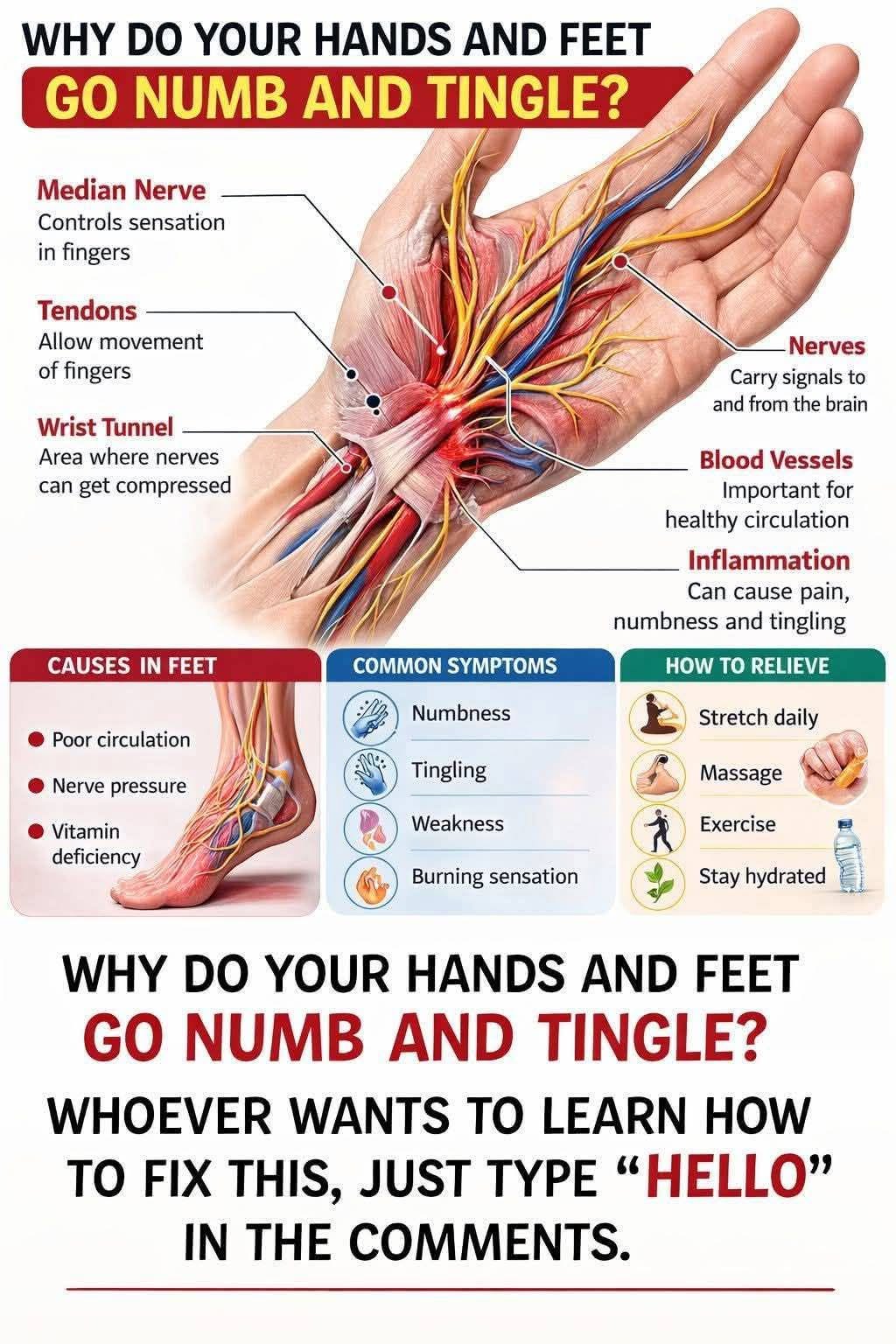
The medical term for this sensation is paresthesia. It happens when nerves are compressed or irritated, disrupting normal communication between your hand and brain. This leads to numbness, tingling, or a “prickly” feeling.
Most of the time, it’s harmless and temporary. But when it keeps happening, it may point to posture issues, lifestyle habits, or nerve-related conditions.
Common Causes of Hand Numbness and Tingling
1. Poor Sleeping Position
One of the most common reasons is simply how you sleep. Lying on your arm or bending your wrist for too long can compress nerves and restrict blood flow. This is why you often wake up with a “dead” hand that quickly wakes up after movement.
2. Carpal Tunnel Pressure
Repetitive movements like typing, scrolling, or manual work can irritate the median nerve in the wrist. This condition, known as carpal tunnel syndrome, often causes tingling in the thumb, index, and middle fingers.
Early signs include:
- Nighttime numbness
- Weak grip
- Tingling during repetitive tasks
3. Poor Blood Circulation
When blood flow is restricted, nerves don’t get enough oxygen, leading to numbness. Sitting in one position for too long or crossing your arms can trigger this.
4. Vitamin Deficiencies
Low levels of certain vitamins—especially B12, B6, and vitamin E—can affect nerve health. Deficiencies may lead to frequent tingling sensations in hands and feet.
5. Pinched Nerves in the Neck
Sometimes the issue isn’t in the hand at all. A compressed nerve in the cervical spine (neck) can send tingling sensations down the arm into the hand.
Poor posture, long hours on phones, and desk work can contribute to this.
6. Diabetes-Related Nerve Damage
High blood sugar over time can damage nerves, leading to a condition called diabetic neuropathy. This often causes tingling, burning, or numbness in hands and feet.
Natural Remedies That Actually Help
The good news is that many cases of hand numbness can be improved with simple lifestyle changes.
1. Adjust Your Sleeping Position
Try not to sleep on your arms or with your wrists bent. Keeping your arms relaxed and straight can prevent nerve compression overnight.
2. Stretch Your Hands and Wrists Daily
Simple stretches can improve circulation and reduce pressure on nerves:
- Open and close your fists slowly
- Rotate your wrists in circles
- Stretch fingers backward gently
Doing this for 2–3 minutes several times a day can make a big difference.
3. Improve Posture
Keep your shoulders relaxed and your neck aligned, especially when using phones or computers. Poor posture is a major cause of nerve compression in the upper body.
4. Take Breaks from Repetitive Work
If you type or use a mouse for long periods, take a break every 30–60 minutes. Even a short stretch helps prevent pressure buildup in the wrists.
5. Boost Vitamin Intake Naturally
Support nerve health with foods rich in:
- Vitamin B12 (eggs, dairy, fish)
- Vitamin B6 (bananas, chicken, potatoes)
- Vitamin E (nuts, seeds, spinach)
A balanced diet can significantly reduce nerve-related symptoms over time.
6. Stay Hydrated and Active
Good hydration and regular movement improve blood circulation, reducing the chance of numbness caused by poor flow.
7. Warm Compress for Quick Relief
If your hand feels numb, applying a warm compress can help relax muscles and improve blood flow quickly.
When to See a Doctor
Occasional tingling is normal, but you should seek medical advice if you notice:
- Frequent or worsening numbness
- Weakness in your hand or grip
- Pain spreading to arm or shoulder
- Symptoms lasting longer than a few minutes regularly
These may indicate nerve compression or other underlying conditions that need treatment.
Final Thoughts
Hands falling asleep is usually harmless and often caused by posture, pressure, or temporary nerve compression. However, your body may also be signaling lifestyle imbalances or nutrient deficiencies.
With better posture, simple daily stretches, and improved nutrition, most people can significantly reduce or even eliminate the problem naturally. If symptoms persist, it’s always best to get a professional checkup to rule out deeper issues.
