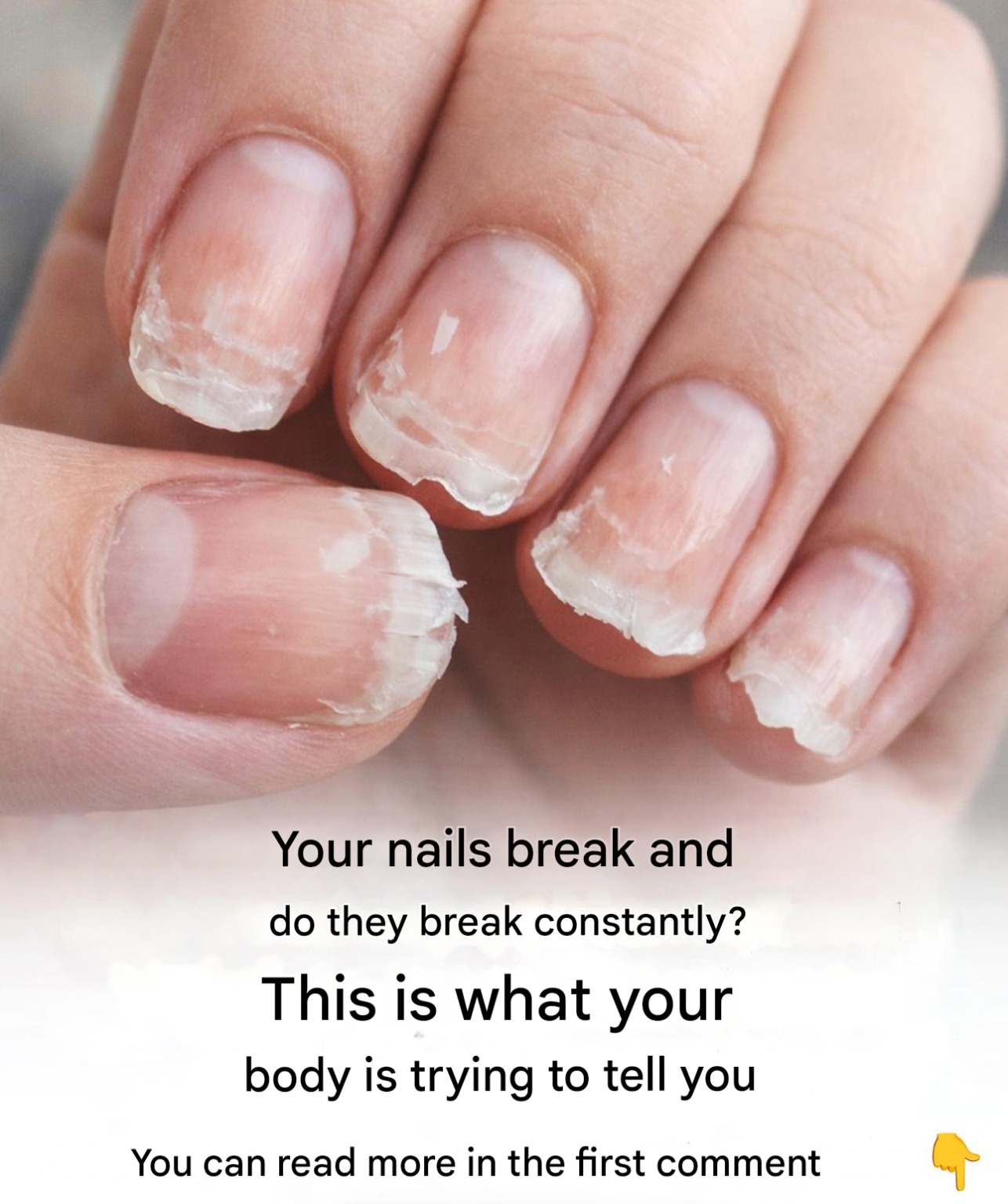
Your nails may seem like a small detail in your overall appearance, but they can reveal surprising clues about your health. When nails become brittle, fragile, or prone to splitting, your body may be signaling that something is out of balance. Healthy nails are usually smooth, strong, and slightly flexible. When they start breaking easily, peeling, or developing ridges, it can indicate nutritional deficiencies, lifestyle factors, or underlying health issues.
Understanding what causes brittle nails can help you take simple steps to restore strength and improve overall nail health.
1. Nutritional Deficiencies
One of the most common reasons for brittle nails is a lack of important nutrients. Your nails are made primarily of keratin, a type of protein that depends on vitamins and minerals to grow properly.
Low levels of iron, zinc, biotin, and protein can weaken nail structure. Iron deficiency, in particular, may cause nails to become thin or develop a spoon-like shape. Biotin, a B-vitamin, plays a key role in strengthening nails and supporting healthy growth.
Adding nutrient-rich foods to your diet may help improve nail strength. Foods such as eggs, nuts, leafy greens, fish, and whole grains provide essential vitamins and minerals that support nail health.
2. Frequent Exposure to Water and Chemicals
Constant exposure to water or harsh cleaning products can strip moisture from your nails, making them dry and brittle. People who frequently wash dishes, clean with strong detergents, or work in environments involving water may notice their nails becoming weaker over time.
Water causes nails to repeatedly expand and contract, which weakens their structure. Wearing protective gloves during cleaning or dishwashing can help prevent this damage.
Moisturizing your hands and nails regularly also helps maintain flexibility and reduce breakage.
3. Aging
As people get older, nails often become drier and more fragile. Natural oils in the body decrease with age, which can affect nail strength and hydration.
While aging is a natural process, keeping nails moisturized and maintaining a balanced diet can help slow the effects. Regular nail care, including trimming and gentle filing, may also prevent splitting.
4. Thyroid Imbalance
Sometimes brittle nails may be related to hormonal imbalances. In particular, thyroid disorders can affect nail growth and strength.
When the thyroid gland does not produce enough hormones, the body’s metabolism slows down. This can lead to dry skin, hair thinning, and brittle nails. If nail fragility appears along with fatigue, weight changes, or sensitivity to cold, it may be worth discussing with a healthcare professional.
5. Dehydration
Your body needs adequate hydration to maintain healthy skin, hair, and nails. When you do not drink enough water, nails may become dry and prone to cracking.
Dehydration reduces the moisture content within nail layers, making them less flexible. Drinking enough water daily and eating water-rich foods like fruits and vegetables can help improve nail health.
6. Overuse of Nail Products
Frequent use of nail polish removers, artificial nails, and harsh manicure treatments can weaken the nail plate. Some removers contain strong solvents that strip natural oils from the nails.
Giving your nails occasional breaks from polish and chemical treatments allows them to recover and regain strength. Using gentle, acetone-free removers can also reduce damage.
7. Possible Health Conditions
In some cases, brittle nails may be associated with certain health conditions. Skin disorders, circulation issues, and autoimmune conditions may affect nail growth and strength.
However, in many situations brittle nails are simply the result of lifestyle habits or nutritional gaps rather than serious disease. Paying attention to overall health and daily habits often leads to noticeable improvement.
Simple Tips to Strengthen Fragile Nails
Improving nail strength does not usually require complicated treatments. Small lifestyle changes can make a big difference.
Eat a balanced diet rich in vitamins, minerals, and protein. Include foods like eggs, salmon, spinach, almonds, and legumes.
Stay hydrated by drinking enough water throughout the day.
Use hand creams or natural oils to keep nails moisturized.
Wear gloves when cleaning or washing dishes.
Avoid excessive use of harsh nail chemicals or frequent artificial nails.
Trim nails regularly and file them gently in one direction.
When to Seek Medical Advice
If brittle nails persist despite proper care, or if they appear alongside other symptoms such as fatigue, hair loss, or skin changes, consulting a healthcare professional may be helpful. A doctor can evaluate whether an underlying condition or deficiency may be contributing to the problem.
Final Thoughts
Brittle or fragile nails are more than a cosmetic concern—they can serve as a subtle message from your body. From nutritional deficiencies to lifestyle habits, many factors can influence nail strength. By paying attention to these signals and adopting healthier habits, you can often restore your nails to a stronger, healthier state.
