Garlic Honey: The “Sacred Remedy”

For centuries, across cultures and kitchens, two humble ingredients have been revered almost like treasures: garlic and raw honey. Separately, they’ve earned their place in folklore and family medicine cabinets. Together, they form what many lovingly call a “sacred remedy”—a simple infusion passed down through generations, whispered about by grandparents, and rediscovered by modern wellness lovers.

Garlic honey isn’t a miracle cure, but it is a beautifully old-fashioned way to support the body using real food. This unie recipe is about patience, intention, and honoring traditions that believed healing began in the kitchen.

Why Garlic and Honey Are So Revered

Garlic: The Ancient Protector

Garlic has been used for thousands of years in cultures from Egypt to China. Traditionally, it was valued for:

  • Supporting immune defenses

  • Encouraging healthy circulation

  • Aiding digestion

  • Its natural sulfur compounds, which give garlic its unmistakable bite

When garlic is crushed or chopped, it releases allicin, a compound long associated with garlic’s traditional benefits.

Raw Honey: Nature’s Golden Preserver

Raw honey has its own sacred reputation. In ancient times, it was used not only as food, but as an offering and a preservative. Traditionally, honey was prized for:

  • Its soothing effect on the throat

  • Natural antimicrobial properties

  • Acting as a carrier that gently extracts compounds from herbs and roots

When combined, honey mellows garlic’s sharpness while slowly drawing out its essence.

Garlic Honey: A Remedy of Patience

Unlike quick-fix trends, garlic honey teaches something rare today: waiting. This remedy improves with time. Over days and weeks, the honey becomes thinner, darker, and infused with garlic’s potency. The garlic cloves soften, becoming sweet, mellow, and surprisingly delicious.

This is why many cultures considered it sacred—not just for what it contains, but for the ritual of making it.

The Sacred Garlic Honey Unie Recipe

Ingredients

  • 1 cup raw, unfiltered honey

  • 1 cup fresh garlic cloves (about 2–3 bulbs)

  • 1 clean glass jar with a loose-fitting lid

That’s it. No additives. No heat. Just time.

Instructions

  1. Peel the garlic cloves
    Gently crush each clove with the side of a knife or lightly bruise it. This activates the garlic’s natural compounds.

  2. Fill the jar
    Place the garlic cloves into the glass jar, filling it about halfway to two-thirds full.

  3. Add the honey
    Slowly pour raw honey over the garlic until all cloves are fully submerged. Tap the jar gently to release air bubbles.

  4. Seal loosely
    Screw the lid on loosely, or “burp” the jar daily. This allows gases from natural fermentation to escape.

  5. Let it rest
    Store the jar at room temperature, away from direct sunlight, for at least 7 days. Many prefer 3–4 weeks for deeper infusion.

  6. Stir or flip daily
    Once a day, gently turn the jar upside down and back to keep garlic evenly coated.

What Happens During Infusion

Over time, you’ll notice:

  • The honey becomes thinner

  • Garlic cloves darken and soften

  • The aroma becomes sweet and earthy

  • The flavor shifts from sharp to rich and complex

This transformation is natural and expected.

Traditional Ways to Use Garlic Honey

People have traditionally used garlic honey in simple, mindful ways:

  • Daily ritual: 1 teaspoon of honey with 1 garlic clove

  • Seasonal support: Especially during colder months

  • Kitchen remedy: Stirred into warm (not hot) water or herbal tea

  • Flavor booster: Drizzled over roasted vegetables, bread, or marinades

The softened garlic cloves are edible and surprisingly mild.

Storage and Shelf Life

  • Store at room temperature or in the refrigerator

  • Properly submerged garlic can last several months

  • If you notice mold or an off smell, discard and start fresh

Always use a clean spoon to avoid contamination.

A Gentle Note on Wellness

Garlic honey is a traditional food remedy, not a medical treatment. It doesn’t replace professional care or prescribed medication. Those with allergies to honey, garlic, or with specific medical conditions should consult a healthcare professional before use.

Think of this remedy as supportive nourishment, not a cure.

Why It’s Called “Sacred”

What makes garlic honey sacred isn’t mystery or magic—it’s simplicity. Two ingredients. No machines. No rush. Just trust in time and tradition.

In a world chasing instant results, this remedy invites you to slow down, reconnect with ancestral wisdom, and remember that sometimes the most powerful things are already in your kitchen.


Quick & Easy Stuffed Pepper Soup

If you love classic stuffed peppers but don’t love the time it takes to prep, bake, and clean up afterward, this soup is your new best friend. Stuffed Pepper Soup delivers everything you crave—savory beef, tender peppers, tomato-rich broth, and perfectly cooked rice—in one warm, spoonable bowl. It’s hearty without being heavy, budget-friendly, and ideal for busy weeknights, meal prep, or chilly evenings when you just want something that feels like home.

This unie recipe is designed to be flexible. You can swap proteins, adjust spice levels, or make it low-carb or vegetarian with ease. Best of all? It’s ready in about 30 minutes.

Why You’ll Love This Soup

  • Fast & easy: One pot, minimal prep

  • Comfort food vibes: All the flavors of stuffed peppers without the work

  • Family-friendly: Mild, savory, and filling

  • Great for leftovers: Tastes even better the next day

  • Customizable: Make it spicy, cheesy, low-carb, or veggie-packed

Ingredients (Serves 4–6)

  • 1 lb (450 g) ground beef

  • 1 tablespoon olive oil (optional, if beef is lean)

  • 1 medium onion, diced

  • 3 cloves garlic, minced

  • 2 large bell peppers, chopped (red and green work great)

  • 1 teaspoon salt (adjust to taste)

  • ½ teaspoon black pepper

  • 1 teaspoon paprika

  • 1 teaspoon Italian seasoning

  • ½ teaspoon dried oregano

  • ¼ teaspoon red pepper flakes (optional)

  • 1 (14.5 oz / 400 g) can diced tomatoes

  • 1 (8 oz / 225 g) can tomato sauce

  • 4 cups beef broth (or chicken/vegetable broth)

  • ½ cup uncooked white rice

  • Optional garnish: chopped parsley, shredded cheese, sour cream

Step-by-Step Instructions

1. Brown the beef

Heat a large pot or Dutch oven over medium heat. Add the ground beef and cook until browned, breaking it up with a spoon. If there’s excess grease, drain it. If your beef is very lean, add a little olive oil to prevent sticking.

2. Add aromatics

Stir in the diced onion and cook for 3–4 minutes until softened. Add the garlic and cook for another 30 seconds, just until fragrant.

3. Build the flavor

Add the chopped bell peppers, salt, black pepper, paprika, Italian seasoning, oregano, and red pepper flakes (if using). Stir well and let everything cook for 2–3 minutes so the spices bloom.

4. Add tomatoes and broth

Pour in the diced tomatoes (with their juices), tomato sauce, and beef broth. Stir to combine and bring the soup to a gentle boil.

5. Add rice and simmer

Stir in the uncooked rice. Reduce heat to low, cover, and simmer for 18–22 minutes, stirring occasionally, until the rice is tender and the soup has thickened slightly.

6. Taste and serve

Taste and adjust seasoning if needed. Ladle into bowls and garnish with fresh parsley, shredded cheese, or a dollop of sour cream.

Helpful Tips for Perfect Stuffed Pepper Soup

  • Rice choice matters: White rice cooks fastest. If using brown rice, expect a longer simmer and add extra broth.

  • Avoid mushy rice: Stir occasionally and don’t overcook once the rice is tender.

  • Thicker soup: Let it rest uncovered for 5 minutes before serving.

  • Soup too thick later? Add a splash of broth when reheating.

Easy Variations

  • Low-carb: Skip the rice and add cauliflower rice during the last 5 minutes

  • Turkey version: Use ground turkey or chicken instead of beef

  • Vegetarian: Replace meat with lentils or white beans and use veggie broth

  • Cheesy twist: Stir in a handful of shredded mozzarella or cheddar just before serving

  • Spicy kick: Add diced jalapeño or a dash of hot sauce

Storage & Reheating

  • Refrigerator: Store in an airtight container for up to 4 days

  • Freezer: Freeze for up to 3 months (rice may soften slightly)

  • Reheat: Warm on the stovetop or microwave, adding broth if needed

Final Thoughts

This Quick & Easy Stuffed Pepper Soup unie recipe proves that comfort food doesn’t have to be complicated. It’s rich, satisfying, and endlessly adaptable—perfect for weeknight dinners, cozy lunches, or feeding a hungry family with minimal effort. One pot, big flavor, zero stress.

My nana taught me this trick to get rid of a sore throat in 2 mins with almost 0 effort. Here’s how it works

Whenever a sore throat crept up on me as a kid, my nana never panicked. No rushing to the pharmacy, no complicated potions, no dramatic fuss. She’d smile, say, “Give me two minutes,” and head straight to the kitchen. Strangely enough, most of the time, I felt relief almost instantly. Years later, I finally understood why this simple trick works—and why people have been quietly using it for generations.

This isn’t a miracle cure or a medical treatment. It’s a gentle, time-tested comfort method that helps calm irritation, reduce scratchiness, and make swallowing feel easier almost right away. And the best part? It takes almost no effort at all.

The Simple Nana Trick

All you need is warm salt water.

That’s it. No fancy ingredients. No special equipment. Just something nearly every home already has.

How to Do It (The Nana Way)

  1. Heat one cup of water until it’s warm—not hot.

  2. Add ½ teaspoon of salt.

  3. Stir until completely dissolved.

  4. Take a sip, tilt your head back, and gently gargle for 20–30 seconds.

  5. Spit it out.

  6. Repeat 2–3 times.

The entire process takes about 2 minutes.

Why This Works So Fast

At first glance, warm salt water seems almost too simple to matter. But there’s real science behind why it brings such quick relief.

Salt is naturally cleansing. It helps draw excess fluid out of inflamed throat tissues through a process called osmosis. When swelling goes down—even slightly—the throat instantly feels less tight and painful.

Warm water relaxes the muscles. A sore throat often comes with tension and irritation. Warm liquid soothes the tissue, improves circulation, and creates a calming effect that you can feel right away.

Gargling flushes irritants. Dust, mucus, bacteria, and post-nasal drip can all sit in the back of the throat, making soreness worse. Gargling helps wash those irritants away, which is why relief often comes immediately after you’re done.

Doctors and nurses still recommend saltwater gargles today for mild throat discomfort, especially at the first sign of irritation.

Nana’s Secret Rule

My nana always insisted on one thing: don’t rush it.

She’d say, “Slow gargles work better than angry ones.” Gentle, steady gargling allows the saltwater to coat the throat properly, instead of splashing past it.

When You’ll Feel the Difference

Most people notice:

  • Less scratchiness

  • Easier swallowing

  • Reduced burning sensation

  • A calmer, less irritated throat

That’s where the “2-minute” magic comes in. It doesn’t cure infections, but it comforts the throat fast, which is exactly what you want when that dry, painful feeling shows up.

When This Trick Helps the Most

This remedy works best for:

  • Early sore throats

  • Throat irritation from talking too much

  • Dry air or dehydration

  • Post-nasal drip

  • Mild cold-related discomfort

If a sore throat is severe, lasts more than a few days, or comes with high fever or difficulty breathing, medical advice is always important.

Gentle Variations Nana Approved

Depending on what was in the cupboard, nana sometimes added small twists—but only when needed.

  • A pinch of baking soda (optional): Helps neutralize acids and reduce irritation.

  • Honey afterward: One teaspoon after gargling coats the throat and keeps it soothed longer.

  • Repeat before bed: Nighttime gargling helps prevent morning throat pain.

She never mixed everything at once. Simple was always better.

Why Nana Loved This Remedy

She believed the body heals best when you don’t overwhelm it. This trick:

  • Costs almost nothing

  • Has no side effects for most people

  • Can be repeated safely

  • Requires almost zero energy when you feel miserable

Most importantly, it gives immediate comfort, which matters when your throat hurts and you just want relief now—not later.

A Small Habit With Big Comfort

Even today, at the very first sign of throat irritation, I still hear nana’s voice in my head telling me to grab warm water and salt. And every time, I’m reminded that sometimes the simplest remedies stick around for a reason.

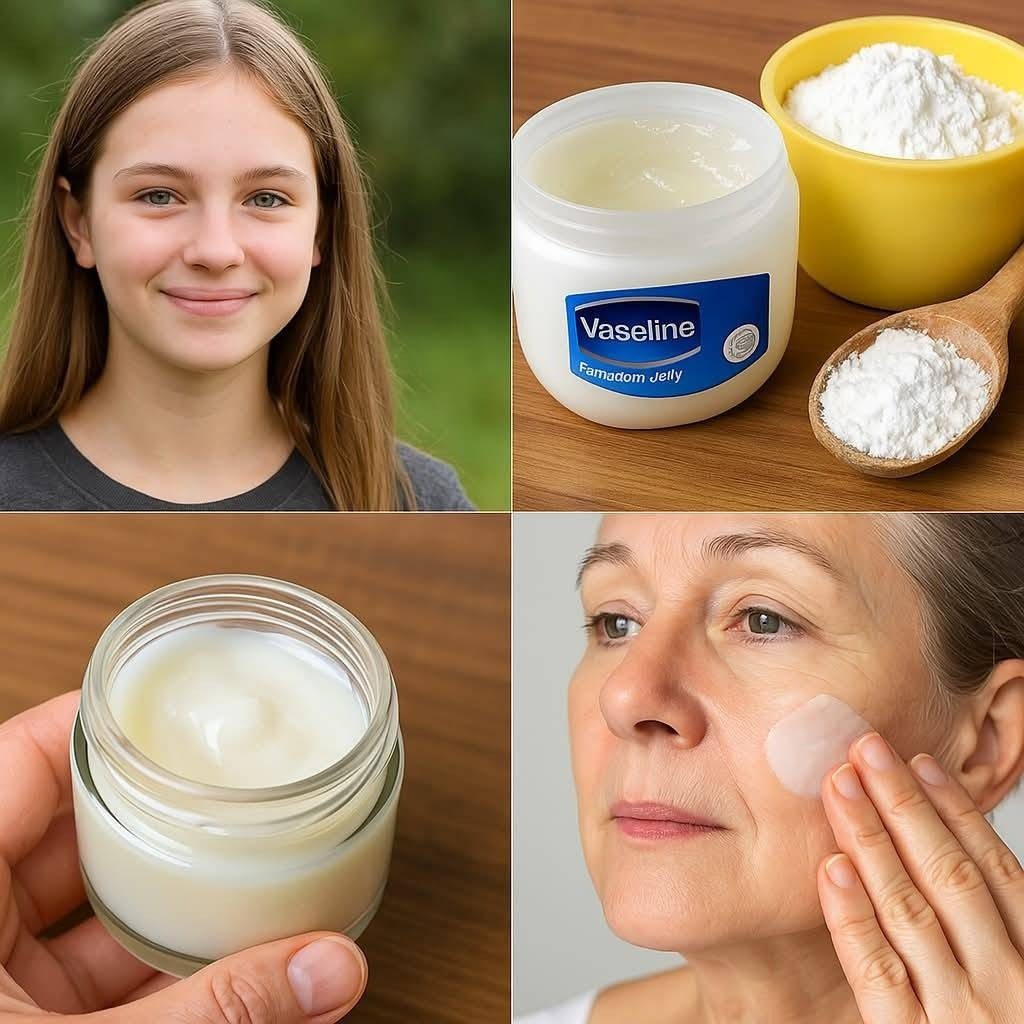
Vaseline and Cornstarch Make You a 16 Year Old Girl No Matter How Old You Are

Scroll long enough and you’ll see claims like this everywhere: “Mix Vaseline and cornstarch and your skin will look 16 again!” It sounds dramatic, almost magical. While no homemade remedy can literally turn back time, this simple combo can make skin look smoother, softer, and temporarily more youthful. The secret isn’t age reversal—it’s smart skincare illusion. Let’s break it down honestly, safely, and without the hype.

Why This Combo Went Viral

Vaseline (petroleum jelly) and cornstarch are both inexpensive, easy to find, and already sitting in many homes. When mixed together, they create a soft, matte cream that:

  • Smooths the appearance of fine lines

  • Softens dry, rough skin

  • Reduces shine for a more “filtered” look

  • Makes skin feel baby-soft to the touch

That instant improvement is what makes people say, “I look 16 again!” It’s not changing your age—it’s changing how your skin reflects light and holds moisture.

What Vaseline Actually Does for Skin

Vaseline is one of the most powerful occlusive moisturizers available. That means it doesn’t add moisture—but it locks in what’s already there.

Benefits of Vaseline:

  • Seals hydration into the skin

  • Smooths rough texture

  • Protects the skin barrier

  • Gives skin a plump, glossy look

When skin is well-hydrated, fine lines look softer and wrinkles appear less visible. That alone can take years off your appearance—especially overnight.

What Cornstarch Brings to the Mix

Cornstarch is the unsung hero here. It’s often used in cosmetics because it:

  • Absorbs excess oil

  • Reduces greasy shine

  • Gives skin a silky, powdery finish

  • Temporarily tightens the look of pores

On its own, Vaseline can look shiny or heavy. Cornstarch balances it out, creating a smooth, semi-matte texture that mimics the finish of expensive primers and blurring creams.

The “Youthful Skin” Effect Explained

This mixture works because it tackles the three biggest visual signs of aging:

  1. Dryness – dryness exaggerates wrinkles

  2. Uneven texture – rough skin looks older

  3. Excess shine or dullness – both highlight imperfections

By deeply moisturizing while controlling oil, the skin appears:

  • Plumper

  • Smoother

  • More even

  • Softer in tone

That’s why people are shocked when they look in the mirror afterward.

How to Make the Vaseline & Cornstarch Mix

Ingredients:

  • 1 teaspoon Vaseline

  • ½ teaspoon cornstarch

Instructions:

  1. Place Vaseline in a small bowl

  2. Add cornstarch gradually

  3. Mix until you get a smooth, creamy paste

You can adjust the cornstarch depending on your skin type:

  • Oily skin: add a little more cornstarch

  • Dry skin: use less cornstarch

How to Use It Safely

Option 1: Night Smoothing Mask

  • Apply a thin layer to clean skin

  • Focus on fine lines, under-eyes (very lightly), and smile lines

  • Leave on overnight

  • Rinse gently in the morning

Option 2: Instant Smoothing Cream

  • Apply a tiny amount to damp skin

  • Use as a makeup base or before an event

  • Let it settle for 5–10 minutes

Option 3: Hands, Neck & Décolletage

This combo works beautifully on areas that show age fastest.

What This Recipe Does Not Do

Let’s be clear and honest.

❌ It does not erase deep wrinkles permanently
❌ It does not change skin structure
❌ It does not replace sunscreen or medical skincare
❌ It does not stop aging

What it does do is give your skin a temporary youthful illusion—the same way primers, blurring creams, and filters do.

And honestly? That’s still powerful.

Why People Think It “Takes 10 Years Off”

Youthful skin isn’t wrinkle-free—it’s:

  • Hydrated

  • Smooth

  • Calm

  • Even in texture

This mixture nails all four. When your skin barrier is happy, your face naturally looks fresher, rested, and yes—younger.

Who Should Avoid This?

  • Acne-prone skin (Vaseline can clog pores)

  • Very sensitive skin (always patch test)

  • Hot, humid conditions (can feel heavy)

If you’re unsure, try it on your hands or neck first.

The Bottom Line

Vaseline and cornstarch won’t literally turn you into a 16-year-old—but they can make your skin look smoother, softer, and more youthful in minutes. It’s not magic. It’s moisture + balance.

Sometimes the most effective beauty tricks aren’t expensive serums or luxury creams—they’re simple, old-school solutions that work with how skin actually behaves.

Discover the Daily Ritual: 15 Potential Benefits of Chewing Cloves for Overall Wellness and Health Support

Sometimes the most powerful wellness habits aren’t found in expensive supplements or complicated routines—but in simple traditions passed down through generations. One such practice is chewing cloves daily, a ritual used in many cultures for centuries. These tiny, aromatic flower buds may look humble, but they are packed with natural compounds that support the body in subtle yet meaningful ways.

Let’s explore 15 potential benefits of chewing cloves and why this ancient habit is still relevant for modern wellness seekers.

1. Supports Oral Health Naturally

Cloves are best known for their oral benefits. They contain eugenol, a compound with natural antibacterial properties that may help reduce harmful bacteria in the mouth. Chewing cloves can freshen breath and support healthier gums when used regularly.

2. Freshens Breath Instantly

Unlike sugary gums or chemical sprays, cloves offer a long-lasting freshness. Their strong, warm aroma neutralizes odor-causing bacteria and leaves the mouth feeling clean.

3. May Ease Minor Tooth Discomfort

Traditionally, cloves have been used to soothe temporary tooth sensitivity. Eugenol has mild numbing properties that may help reduce discomfort when chewed gently.

4. Supports Digestive Comfort

Chewing cloves stimulates saliva and digestive enzymes, which can help prepare the stomach for digestion. This may ease bloating, gas, and sluggish digestion after meals.

5. Encourages Better Gut Balance

Cloves contain compounds that may support a healthier balance of gut bacteria, which plays a key role in digestion, immunity, and nutrient absorption.

6. Rich in Antioxidants

Cloves are one of the most antioxidant-rich spices in the world. Antioxidants help neutralize free radicals, supporting overall cellular health and healthy aging.

7. May Support Immune Function

Thanks to their antimicrobial and antioxidant properties, cloves may help the body defend itself against everyday environmental stressors.

8. Helps Control Sugar Cravings

The strong flavor of cloves can naturally curb sweet cravings. Chewing one after meals may help reduce the desire for sugary snacks.

9. Supports Healthy Liver Function

Some studies suggest compounds in cloves may help support the liver’s natural detox processes when used as part of a balanced lifestyle.

10. Promotes Better Breath During Fasting

For those who fast for religious or health reasons, cloves can help reduce dry mouth and unpleasant breath without adding calories.

11. May Support Respiratory Comfort

The warming nature of cloves may help soothe the throat and support easier breathing, especially during seasonal changes.

12. Encourages Mindful Eating

Chewing a clove slowly encourages awareness and mindfulness, helping you tune into your body before or after meals.

13. Supports Circulation

Cloves contain natural compounds that may help support healthy blood flow, contributing to overall vitality.

14. May Help Reduce Occasional Nausea

Traditionally, cloves have been used to settle the stomach. Chewing one gently may help ease mild nausea for some people.

15. A Simple, Low-Cost Wellness Habit

Perhaps the greatest benefit is simplicity. No equipment, no preparation—just one clove a day can become a grounding wellness ritual.

How to Chew Cloves Safely

  • Use 1 clove per day

  • Chew slowly, especially if you’re new to the habit

  • Avoid swallowing whole cloves

  • Rinse your mouth afterward if the flavor is strong

People with sensitive mouths, allergies, or medical conditions should consult a healthcare professional before starting any new wellness routine.

Final Thoughts

Chewing cloves is not a miracle cure—but it is a time-honored wellness habit that may gently support oral health, digestion, immunity, and daily balance. In a world obsessed with quick fixes, this simple ritual reminds us that small, consistent practices can make a meaningful difference over time.

Natural remedies for coughs – effective and safe methods of relieving symptoms

A cough can be annoying, exhausting, and disruptive—especially when it lingers at night or interferes with daily life. While cough syrups and medications have their place, many people prefer natural remedies to soothe symptoms gently and safely. The good news is that several time-tested natural methods can help calm irritation, loosen mucus, and support the body’s healing process without harsh side effects.

Understanding what causes a cough is key. Most coughs result from colds, flu, allergies, dry air, or throat irritation. Natural remedies focus on easing inflammation, moisturizing the throat, and helping the immune system do its job. Below are some of the most effective and safe ways to relieve cough symptoms naturally.

1. Honey: Nature’s Cough Suppressant

Honey is one of the most well-researched natural remedies for coughs. Its thick texture coats the throat, reducing irritation and calming the urge to cough. Honey also has natural antimicrobial properties that may help fight minor infections.

A spoonful of raw honey before bedtime can significantly reduce nighttime coughing, especially in adults and children over one year old. You can also mix honey with warm water, lemon juice, or herbal tea for added soothing benefits. Important note: Honey should never be given to infants under one year due to the risk of botulism.

2. Ginger: Anti-Inflammatory Relief

Ginger has powerful anti-inflammatory and soothing properties that make it ideal for coughs caused by throat irritation or respiratory inflammation. It can help relax airway muscles and reduce coughing fits.

Fresh ginger tea is easy to prepare: slice or grate fresh ginger, simmer it in water for 10–15 minutes, strain, and sip slowly. Adding honey enhances both taste and effectiveness. Ginger may also help ease nausea and improve circulation during illness.

3. Warm Fluids: Simple but Powerful

Warm liquids are among the simplest and most effective cough remedies. They help thin mucus, soothe sore throats, and keep the body hydrated. Options include warm water, herbal teas, clear broths, and lemon water.

Chicken soup, often called a “natural medicine,” may help reduce upper respiratory inflammation and provide comforting warmth. Drinking warm fluids regularly throughout the day can noticeably reduce coughing intensity.

4. Steam Inhalation: Moisture for the Airways

Dry air can worsen coughing by irritating the respiratory tract. Steam inhalation adds moisture, helping loosen mucus and soothe inflamed airways.

To try this method, pour hot (not boiling) water into a bowl, lean over it carefully, cover your head with a towel, and breathe in the steam for 5–10 minutes. Adding a few drops of eucalyptus or peppermint oil may provide additional relief, but essential oils should be used sparingly and never directly on the skin without dilution.

5. Saltwater Gargle: Old-School but Effective

A saltwater gargle can help reduce throat inflammation and remove irritants that trigger coughing. Salt draws excess fluid from inflamed tissues, easing discomfort.

Mix half a teaspoon of salt into a cup of warm water and gargle for 30 seconds, then spit it out. This method is especially useful for coughs linked to sore throats or post-nasal drip.

6. Herbal Teas: Gentle Support

Certain herbs have long been used to relieve coughs and respiratory discomfort. Some popular options include:

  • Thyme tea, which may help relax airway muscles

  • Licorice root, known for soothing throat irritation

  • Chamomile, which calms inflammation and promotes relaxation

Herbal teas are generally safe when consumed in moderation, but pregnant individuals or those on medication should check for interactions before use.

7. Humidifiers: Creating a Healing Environment

Using a humidifier adds moisture to indoor air, which can reduce throat dryness and coughing—especially during cold weather or in air-conditioned rooms. Keeping humidity at a comfortable level can help prevent nighttime coughing and improve sleep quality.

Be sure to clean humidifiers regularly to prevent mold or bacteria buildup.

8. Rest and Immune Support

No remedy works as well as rest. Giving the body time to recover allows the immune system to fight off the underlying cause of the cough. Adequate sleep, balanced nutrition, and hydration are essential.

Vitamin-rich foods such as citrus fruits, leafy greens, garlic, and warm soups support immune health and may shorten recovery time.

When to Seek Medical Advice

While natural remedies are effective for mild to moderate coughs, medical attention is necessary if a cough lasts more than three weeks, is accompanied by high fever, chest pain, shortness of breath, or produces blood. Chronic or worsening symptoms should always be evaluated by a healthcare professional.

Final Thoughts

Natural remedies for coughs offer safe, gentle, and effective relief for many common symptoms. From honey and ginger to steam and herbal teas, these methods focus on soothing the body rather than suppressing symptoms aggressively. When used consistently and wisely, natural approaches can bring comfort, promote healing, and help you breathe easier—naturally.

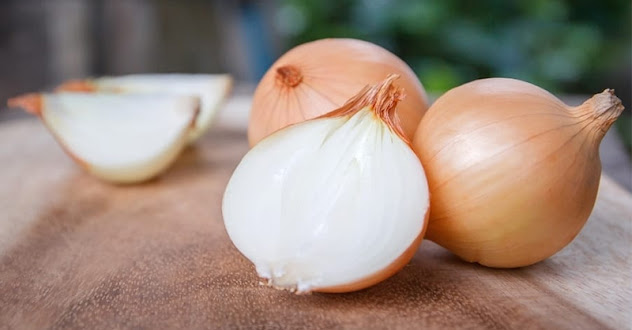
Doctors reveal that eating onion causes

Onions are one of the most common ingredients in kitchens around the world. They form the base of countless dishes, from soups and sauces to curries and stir-fries. Yet online headlines often claim that “doctors warn that eating onions causes serious health problems.” So what’s the truth? Are onions a hidden danger—or a misunderstood superfood?

Doctors and nutrition experts agree on one thing: onions are not harmful for most people, but like many foods, they can cause issues in specific situations. Understanding what onions actually cause—and for whom—makes all the difference.

The Nutritional Power of Onions

Onions are rich in vitamins, minerals, and powerful plant compounds. They contain vitamin C, vitamin B6, potassium, and antioxidants such as quercetin. These nutrients help support immune function, heart health, and inflammation control.

Medical studies consistently show that regular onion consumption is associated with lower risk of heart disease, improved blood circulation, and better blood sugar regulation. So why do onions sometimes get a bad reputation?

Why Some Doctors Warn About Eating Onions

When doctors “warn” about onions, they are usually referring to specific conditions, not the general population. Here’s what they mean.

1. Digestive Discomfort and Bloating

Onions contain fermentable carbohydrates called FODMAPs. In people with sensitive digestive systems—especially those with irritable bowel syndrome (IBS)—these compounds can cause gas, bloating, abdominal pain, or diarrhea.

Doctors may advise such patients to limit raw onions or avoid them entirely during flare-ups. This doesn’t mean onions are unhealthy; it means they are not suitable for everyone.

2. Acid Reflux and Heartburn

Eating onions, particularly raw ones, can relax the lower esophageal sphincter in some individuals. This may allow stomach acid to travel upward, causing heartburn or acid reflux.

Gastroenterologists often suggest reducing onions if a patient notices worsening reflux symptoms. Again, this is about individual response, not a universal danger.

3. Allergic Reactions (Rare but Real)

Although uncommon, onion allergies do exist. Symptoms may include itching in the mouth, skin rashes, watery eyes, or digestive upset. In very rare cases, more severe allergic responses can occur.

Doctors stress that food allergies are personal and should never be generalized. For the vast majority of people, onions are completely safe.

Myths That Keep Circulating Online

The internet is full of exaggerated claims. Let’s clear up the most common myths doctors frequently debunk.

Myth: Eating onions damages your liver
There is no scientific evidence to support this. In fact, onions contain antioxidants that help protect liver cells from oxidative stress.

Myth: Onions cause cancer
This claim is false. Research actually shows the opposite: onions, especially when consumed regularly, may reduce the risk of certain cancers due to their sulfur compounds and flavonoids.

Myth: Raw onions are toxic
Raw onions are not toxic. While they may be harder to digest for some people, they are safe and nutritious when properly washed and consumed.

The Benefits Doctors Emphasize

Despite occasional warnings, most doctors highlight onion’s health benefits.

  • Supports heart health by helping lower blood pressure and cholesterol

  • Helps regulate blood sugar, especially useful for people with insulin resistance

  • Boosts immunity due to vitamin C and antimicrobial properties

  • Reduces inflammation, which plays a role in many chronic diseases

Cooked onions are often easier to digest and still retain many of these benefits, making them a great option for sensitive stomachs.

How to Eat Onions Safely

Doctors recommend simple strategies to enjoy onions without discomfort:

  • Cook onions instead of eating them raw if you have digestive issues

  • Start with small amounts and observe your body’s reaction

  • Avoid onions late at night if you experience acid reflux

  • Pair onions with protein or healthy fats to slow digestion

Listening to your body is key. A food that benefits one person may bother another—and that’s completely normal.

The Bottom Line

So what do doctors really reveal about eating onions? Not that onions are dangerous—but that they affect people differently. For most individuals, onions are a nutritious, health-boosting food with more benefits than drawbacks.

Medical professionals don’t warn against onions in general; they caution specific patients based on digestive health, allergies, or reflux issues. When eaten in moderation and prepared properly, onions remain a valuable part of a balanced diet.

My Nana Taught Me This Hack to Unclog a Kitchen Drain in 4 Minutes With 0 Work. Here’s How It Works

Growing up, my nana had a solution for everything. Burnt toast? Fixed. Stiff knees? Fixed. A kitchen sink that refused to drain and threatened to flood the entire house? Fixed—in under five minutes, without breaking a sweat.

No plumber.
No wrench.
No harsh chemicals that burn your nose and empty your wallet.

When my kitchen drain recently started gurgling, backing up, and smelling… off, I remembered her words:
“Don’t fight the clog. Make it loosen itself.”

I tried her method—and I swear, the water disappeared like magic.

Why Kitchen Drains Clog in the First Place

Kitchen drains are different from bathroom drains. Instead of hair and soap scum, they deal with:

  • Grease and oil

  • Food particles

  • Coffee grounds

  • Starchy residue from rice and pasta

  • Soap mixed with fats (the worst combo)

Over time, these materials cling to the inside of the pipes, narrowing the passage until water can barely pass through. That’s when you get slow draining, bubbling sounds, and that unpleasant smell that makes you question last night’s dinner.

Most people reach straight for chemical drain cleaners—but nana never trusted them. She said they eat pipes, poison air, and only punch a hole through the clog instead of removing it.

Her method works with chemistry, not against it.

Nana’s 4-Minute, Zero-Work Drain Hack

What You’ll Need (You Probably Have This Already)

  • ½ cup baking soda

  • 1 cup white vinegar

  • Boiling water

  • A drain stopper or cloth

That’s it. No scrubbing. No plunging. No mess.

Step 1: Clear Standing Water (30 Seconds)

If water is sitting in the sink, scoop or bail it out until the drain opening is exposed. You don’t need it bone-dry—just enough so the ingredients can go straight down the pipe.

Nana always said: “Let the medicine reach the problem.”

Step 2: Pour in the Baking Soda (30 Seconds)

Slowly pour ½ cup of baking soda directly into the drain.

Baking soda is mildly abrasive and alkaline. It sticks to greasy buildup and starts loosening it from the pipe walls.

Don’t rush this step—let it settle.

Step 3: Add the Vinegar & Cover the Drain (1 Minute)

Now pour 1 cup of white vinegar right on top of the baking soda.

You’ll hear fizzing immediately. That bubbling action isn’t just for show—it creates pressure and movement that helps lift grease, grime, and food residue off the pipes.

Immediately cover the drain with a stopper or cloth.
This forces the reaction downward instead of letting it escape upward.

This is nana’s secret move.

Step 4: Wait 3 Minutes (Do Nothing)

Yes—nothing.

No poking.
No plunging.
No checking every 10 seconds.

The fizzing works its way through the clog, breaking it apart naturally.

Nana would set a timer, wipe the counter, and hum like she already knew the ending.

Step 5: Flush With Boiling Water (30 Seconds)

Carefully pour boiling water down the drain.

The heat melts loosened grease while the water pressure washes everything away. If the clog was minor to moderate, the drain should clear instantly.

Most people literally gasp the first time they see the water vanish.

Why This Works So Fast

This hack works because it attacks clogs from three angles at once:

  1. Chemical reaction loosens buildup

  2. Pressure from fizzing dislodges stuck debris

  3. Heat melts grease and flushes pipes clean

It doesn’t damage pipes, doesn’t release toxic fumes, and doesn’t require any physical effort.

And unlike store-bought drain cleaners, it actually helps prevent future clogs by cleaning pipe walls—not just blasting a hole through the center.

When to Use This Hack (and When Not To)

Perfect for:

  • Slow drains

  • Gurgling sinks

  • Greasy buildup

  • Mild to moderate clogs

Not ideal for:

  • Completely blocked drains with no movement at all

  • Tree root issues

  • Collapsed or damaged pipes

If water doesn’t move at all, you may need a plumber—but nana’s rule was always: try this first.

Nana’s Bonus Tip (Most People Skip This)

Once a month, pour boiling water alone down the kitchen drain at night.

It melts fresh grease before it hardens and keeps pipes clear long-term. Nana did this religiously—and somehow never had plumbing issues in 40 years.

Coincidence? She didn’t think so.

Final Thought

There’s something deeply satisfying about fixing a modern problem with an old-school solution. No noise. No stress. No elbow grease.

Doctors Reveal That Eating Onion Causes

Onions are one of the most commonly used ingredients in kitchens around the world. From soups and stews to salads and sauces, this humble vegetable appears in countless dishes every day. Yet despite its popularity, onions have long been surrounded by rumors and exaggerated claims. Some headlines suggest onions “cause disease,” while others insist they can “heal everything.” So what do doctors and nutrition experts really say about eating onions?

The truth is far more interesting — and far more balanced — than the myths.

What Happens When You Eat Onions?

According to doctors and registered dietitians, eating onions causes a series of measurable reactions in the body, most of them beneficial when consumed in normal amounts.

Onions are rich in flavonoids, particularly quercetin, a plant compound known for its antioxidant and anti-inflammatory effects. When you eat onions, these compounds help neutralize free radicals — unstable molecules that contribute to aging and chronic disease.

Doctors explain that this antioxidant activity supports cell protection, which is why onions are often associated with better long-term health.

Onions and Heart Health

One of the most well-documented effects of eating onions is their impact on the cardiovascular system. Medical studies have shown that compounds in onions may help:

  • Reduce inflammation in blood vessels

  • Support healthy cholesterol levels

  • Improve blood circulation

Doctors note that people who regularly consume onions as part of a balanced diet often show lower risk markers for heart disease, especially when onions replace highly processed foods.

However, experts are clear: onions are not a cure for heart disease. They are a supportive food, not a replacement for medical treatment.

Digestive Effects Doctors Talk About

Eating onions causes noticeable changes in digestion — and this is where opinions often get mixed.

Onions contain prebiotic fibers, which feed beneficial gut bacteria. Doctors say this can improve digestion, strengthen the gut lining, and support immune function over time.

But there’s a flip side.

For some people, especially those with sensitive stomachs, irritable bowel syndrome (IBS), or acid reflux, onions may cause:

  • Bloating

  • Gas

  • Stomach discomfort

  • Heartburn

Doctors emphasize that this does not mean onions are harmful — only that individual tolerance matters.

Do Onions Affect Blood Sugar?

Doctors and diabetes specialists confirm that onions have a low glycemic index, meaning they do not cause sharp spikes in blood sugar when eaten in reasonable portions.

Some research suggests onions may help improve insulin sensitivity due to their sulfur compounds. This is why onions are often recommended as part of diabetes-friendly meal plans, alongside vegetables, protein, and healthy fats.

Still, doctors caution against exaggerated claims that onions “cure diabetes.” They support blood sugar balance — they do not replace medication or medical advice.

Immune System Reactions

Eating onions causes a mild immune-supporting response thanks to their vitamin C content and antimicrobial compounds. Doctors explain that onions may help the body:

  • Respond better to infections

  • Reduce inflammation

  • Support respiratory health

This is one reason onions are commonly included in traditional home remedies for colds and flu. While they won’t prevent illness entirely, they can support the body’s natural defenses.

Can Eating Onions Cause Harm?

Doctors are clear: onions are safe for most people, but there are exceptions.

Eating large amounts of raw onion may cause:

  • Digestive distress

  • Worsening acid reflux

  • Temporary bad breath or body odor

In rare cases, people with onion allergies may experience itching, swelling, or stomach pain. Anyone with severe reactions should avoid onions and consult a doctor.

Raw vs Cooked Onions: Doctors Explain the Difference

Raw onions contain higher levels of certain antioxidants, but they are harder to digest. Cooked onions are gentler on the stomach and still retain many health benefits.

Doctors often recommend lightly cooked onions for people with sensitive digestion, while raw onions may be better tolerated in small amounts.

The Bottom Line from Doctors

Eating onions causes real, measurable effects in the body, most of which are positive. Doctors agree that onions can support heart health, digestion, immune function, and blood sugar balance when eaten as part of a healthy diet.

However, they also warn against viral headlines that claim onions cause or cure serious diseases. Nutrition works through consistency, balance, and overall lifestyle — not miracle foods.

The Cozy Cornerstone: Cinnamon Apple Cake That Smells Like Home

There are certain smells that instantly make a house feel like a home, and warm apples mingling with cinnamon is right at the top of that list. This cinnamon apple cake is the kind of recipe that doesn’t just feed people—it sets a mood. While it bakes, the air fills with a soft, spiced sweetness that feels like a hug you didn’t know you needed. It’s the cake you make on a quiet afternoon, the one you serve when guests drop by unexpectedly, or the one you cut into while it’s still slightly warm, unable to wait any longer.

This recipe is simple, reliable, and deeply comforting. No fancy techniques, no complicated ingredients—just honest baking that delivers big on flavor and nostalgia. It’s moist, tender, and generously packed with apples, with cinnamon woven through every bite.

Why This Cake Feels So Special

Apple cakes have been around forever, but this one earns its place as a cozy cornerstone because of its balance. The apples soften into jammy pockets without turning mushy, the cinnamon adds warmth without overpowering, and the cake itself stays light yet rich. It’s sweet, but not cloying. Rustic, but still elegant enough to serve to company.

Best of all, it tastes even better the next day, once the flavors have had time to settle and deepen—if it lasts that long.

Ingredients You’ll Need

For the cake:

  • 3 medium apples (Granny Smith or Honeycrisp work beautifully)

  • 2 cups all-purpose flour

  • 1 teaspoon baking soda

  • ½ teaspoon salt

  • 2 teaspoons ground cinnamon

  • ¼ teaspoon ground nutmeg (optional but lovely)

  • ¾ cup granulated sugar

  • ½ cup brown sugar, packed

  • ¾ cup vegetable oil or melted butter

  • 2 large eggs, room temperature

  • 1 teaspoon vanilla extract

  • ¼ cup milk or plain yogurt

For the cinnamon topping:

  • 2 tablespoons brown sugar

  • 1 teaspoon ground cinnamon

  • 1 tablespoon melted butter

Step-by-Step Instructions

1. Prepare the apples
Peel, core, and dice the apples into small, even cubes. You want pieces that will soften while baking but still hold their shape. Set them aside while you prepare the batter.

2. Preheat and prepare the pan
Preheat your oven to 350°F (175°C). Grease and lightly flour a 9-inch round cake pan or square baking dish. This cake releases easily, but a well-prepared pan ensures perfect slices every time.

3. Mix the dry ingredients
In a medium bowl, whisk together the flour, baking soda, salt, cinnamon, and nutmeg. This step ensures the spices are evenly distributed throughout the cake.

4. Combine the wet ingredients
In a large bowl, whisk together the granulated sugar, brown sugar, oil (or melted butter), eggs, vanilla, and milk. The mixture should look smooth and glossy, with no visible sugar lumps.

5. Bring it all together
Gradually add the dry ingredients to the wet mixture, stirring gently just until combined. Avoid overmixing—this keeps the cake tender. Fold in the diced apples, making sure they’re evenly spread through the batter.

6. Assemble and top
Pour the batter into the prepared pan and smooth the top. In a small bowl, mix the brown sugar, cinnamon, and melted butter for the topping. Sprinkle it evenly over the batter.

7. Bake to perfection
Bake for 40–50 minutes, or until a toothpick inserted into the center comes out clean or with a few moist crumbs. The top should be golden, slightly crisp, and irresistibly fragrant.

8. Cool and serve
Let the cake cool in the pan for at least 15 minutes before slicing. Serve warm, at room temperature, or chilled—it’s wonderful every way.

Serving Ideas

This cake shines on its own, but you can easily dress it up:

  • Dust with powdered sugar for a simple finish

  • Serve with whipped cream or vanilla ice cream

  • Drizzle with a light vanilla glaze for extra indulgence

  • Enjoy with a cup of tea or strong coffee for the ultimate cozy moment

Tips for the Best Cinnamon Apple Cake

  • Use firm apples to avoid a soggy texture

  • Don’t overmix once the flour is added

  • Let it rest—the flavor improves after a few hours

  • Store covered at room temperature for up to two days, or refrigerate for longer freshness

Final Thoughts

This cinnamon apple cake isn’t flashy or trendy, and that’s exactly its charm. It’s the kind of recipe that gets scribbled onto a recipe card, passed between friends, and baked again and again through the years. One slice fills the kitchen with warmth, memories, and that unmistakable feeling of home.