Grandma’s 15-Minute “Crazy Cake”: The Legendary Recipe That Defies Time

Some recipes don’t just feed you—they tell a story. Grandma’s 15-Minute “Crazy Cake” is one of those rare kitchen legends. No eggs. No milk. No butter. No mixer. And somehow, against all logic, it turns into a moist, tender, deeply chocolatey cake that tastes like it took hours of effort. This humble dessert earned its name during hard times, when ingenuity mattered more than fancy ingredients, and it has survived decades because it simply works.

Crazy Cake—also known as Wacky Cake or Depression Cake—was born during an era when pantry staples were scarce. But what began as necessity quickly became tradition. Grandmas passed it down not because it was cheap, but because it was reliable, fast, and shockingly good. To this day, it remains one of the easiest cakes you’ll ever make, ready from bowl to oven in just 15 minutes.

Why This Cake Is “Crazy”

The magic of Crazy Cake lies in its simplicity. There’s no creaming butter, no separating eggs, no risk of curdling. The cake uses oil for moisture and vinegar for lift, reacting with baking soda to create a light, fluffy crumb. Don’t worry—you’ll never taste the vinegar. What you will taste is a rich cocoa flavor and a soft, velvety texture that stays moist for days.

Even better, everything is mixed in one bowl (or traditionally, right in the baking pan), making cleanup almost nonexistent. Grandma loved it because it didn’t waste time—or dishes.

Ingredients You Already Have

This recipe relies on everyday pantry staples, which is exactly why it has survived generation after generation.

You’ll need:

  • 1½ cups all-purpose flour

  • 1 cup granulated sugar

  • ¼ cup unsweetened cocoa powder

  • 1 teaspoon baking soda

  • ½ teaspoon salt

  • 1 teaspoon vanilla extract

  • 1 teaspoon white vinegar

  • ⅓ cup neutral oil (vegetable or sunflower)

  • 1 cup water (or brewed coffee for deeper chocolate flavor)

That’s it. No substitutions required, no specialty items, no stress.

Grandma’s 15-Minute Method

Preheat your oven to 350°F (175°C). Lightly grease an 8×8-inch baking pan or line it with parchment.

In a large bowl, whisk together the flour, sugar, cocoa powder, baking soda, and salt until evenly combined. This step ensures the cake rises evenly and the cocoa is fully distributed.

Next, make three small wells in the dry mixture. Pour the vanilla into one, the vinegar into another, and the oil into the third. Finally, pour the water over everything.

Using a whisk or fork, gently stir until the batter is smooth. Don’t overmix—just blend until no dry spots remain. The batter will be thin, and that’s exactly how it should be.

Pour into the prepared pan and bake for 30–35 minutes, or until a toothpick inserted into the center comes out clean. Let the cake cool slightly before slicing.

From start to oven, the entire process takes about 15 minutes. Grandma timing at its finest.

Optional Old-Fashioned Chocolate Glaze

Grandma often served this cake plain, dusted with powdered sugar. But when she wanted something extra special, she poured on a simple glaze.

Quick glaze:

  • ½ cup powdered sugar

  • 2 tablespoons cocoa powder

  • 2–3 tablespoons hot water or milk alternative

Whisk until smooth and drizzle over the warm cake. It seeps into the surface, adding a glossy finish and extra richness.

Why It Still Works Today

Crazy Cake has outlived trends, diets, and complicated desserts because it fits real life. It’s accidentally vegan, budget-friendly, and endlessly adaptable. You can add chopped nuts, chocolate chips, or a pinch of cinnamon. Bake it in a loaf pan, cupcake tin, or even a cast-iron skillet.

Most importantly, it’s forgiving. Even beginner bakers get perfect results, which is why grandmas trusted it—and why they taught it to their grandchildren.

A Cake That Carries Memories

Every bite of Crazy Cake tastes like resilience. It reminds us that good food doesn’t need to be complicated, and comfort doesn’t come from extravagance. Grandma’s 15-Minute Crazy Cake is proof that the best recipes are the ones that show up when you need them most—quickly, quietly, and without fuss.

Amish Cozy Delight”: Only 3 ingredients.

Some of the best Amish recipes don’t come from cookbooks or blogs. They come from quiet kitchens, early mornings, and generations of practice. No flashy techniques. No long ingredient lists. Just food that fills the house with warmth and the table with comfort.

“Amish Cozy Delight” is exactly that kind of recipe. It uses only three humble ingredients, yet delivers a rich, soothing dish that feels like a hug in a bowl. This is the type of recipe made when the pantry is nearly bare, the weather is cold, and all you want is something familiar and nourishing.

No mixers. No special tools. No stress.

Just real food, made the old way.

Why Amish Recipes Are So Simple—and So Good

Amish cooking has always focused on practicality and nourishment. Ingredients were chosen based on what could be grown, stored, or churned at home. Recipes needed to be reliable, filling, and adaptable.

That’s why many Amish dishes rely on:

  • Natural sweetness instead of processed flavors

  • Fats like butter for richness and energy

  • Slow cooking to build depth without complexity

This recipe follows that same philosophy. Each ingredient plays a clear role, and nothing is wasted.

The 3 Ingredients You’ll Need

That’s it. No substitutions required.

  1. Apples – 6 medium apples, peeled and sliced
    Traditional Amish kitchens often used apples because they store well and add natural sweetness.

  2. Butter – ½ cup (1 stick)
    Butter brings richness, comfort, and that unmistakable homemade flavor.

  3. Brown Sugar – ¾ cup
    Adds warmth, caramel notes, and deep sweetness without overpowering the apples.

What This Dish Tastes Like

Imagine tender apples slowly baked until they melt into their own juices, coated in buttery caramel syrup that thickens naturally as it cooks. The flavor is gentle, not overly sweet, with a soft texture that feels comforting and nostalgic.

It’s not a pie.
It’s not a sauce.
It’s something beautifully in between.

Serve it warm, and it tastes like something a grandmother would place on the table without saying a word—because she knows it doesn’t need explaining.

How to Make Amish Cozy Delight

Step 1: Prepare the Apples

Peel and slice your apples into even pieces. They don’t need to be perfect—rustic is part of the charm.

Place the sliced apples into a buttered baking dish.

Step 2: Add the Butter

Cut the butter into small cubes and scatter it evenly over the apples. As it melts, it will coat the fruit and create a rich base for the syrup.

Step 3: Sprinkle the Sugar

Evenly sprinkle the brown sugar over the apples and butter. No need to stir—the magic happens in the oven.

Step 4: Bake Low and Slow

Cover the dish with foil and bake at 350°F (175°C) for 30 minutes.

After 30 minutes, remove the foil and bake for another 20–25 minutes, allowing the top to caramelize slightly and the juices to thicken.

Your kitchen will smell incredible.

Why This Recipe Works with Only Three Ingredients

  • Apples release natural juices, creating moisture and body

  • Butter emulsifies with the sugar, forming a smooth caramel sauce

  • Brown sugar enhances flavor without needing spices

No flour.
No cornstarch.
No thickeners.

Time does all the work.

How Amish Families Traditionally Served It

This dish was often served:

  • Warm for breakfast alongside bread

  • As a simple dessert after supper

  • Spooned over biscuits or pancakes

  • Eaten plain from a bowl on cold evenings

It’s filling without being heavy, sweet without being overwhelming.

Storage and Reheating

  • Store leftovers in the refrigerator for up to 4 days

  • Reheat gently on the stovetop or in the oven

  • The flavors deepen overnight, making it even better the next day

A Recipe That Reminds Us Less Is More

“Amish Cozy Delight” proves that comfort food doesn’t need complexity. With just three ingredients and a little patience, you get something deeply satisfying—food that slows you down and reminds you of simpler times.

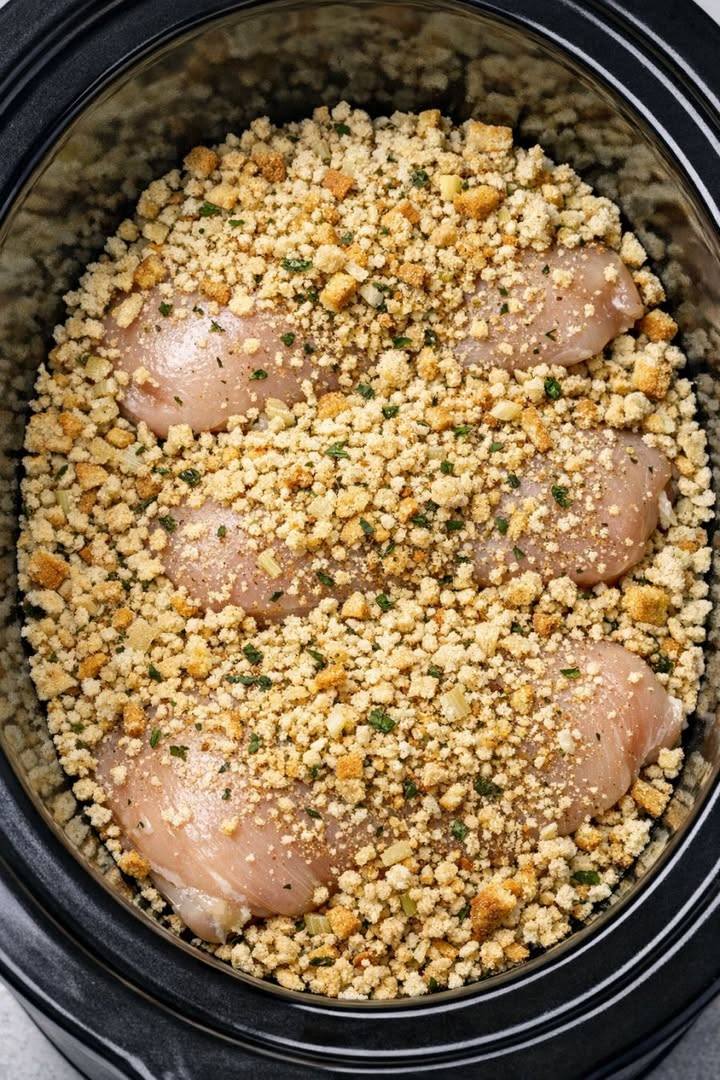
Put raw chicken into the crock with stuffing mix and dont stir

Some of the best recipes are born from simplicity, and this slow cooker chicken with stuffing is a perfect example. No browning. No sautéing. No complicated steps. Just raw chicken, boxed stuffing mix, and a slow cooker doing all the heavy lifting. The magic comes from layering the ingredients and leaving them alone—no stirring, no peeking, no fussing.

This recipe has been passed around kitchens for decades because it’s reliable, budget-friendly, and deeply comforting. It’s the kind of meal that smells like home, fills the house with warmth, and delivers tender chicken with savory, fluffy stuffing that soaks up every drop of flavor.

Why This Recipe Works

At first glance, putting raw chicken directly into a crockpot with dry stuffing mix might sound questionable—but there’s real logic behind it.

  • Slow, moist heat cooks the chicken gently, keeping it juicy

  • Stuffing mix absorbs steam and juices, turning fluffy instead of mushy

  • No stirring preserves layers, preventing soggy stuffing

  • Chicken releases natural broth, flavoring everything as it cooks

By not stirring, the stuffing steams rather than dissolves, while the chicken cooks evenly underneath. The result is a complete meal with almost zero effort.

Ingredients (Simple & Flexible)

  • 2–3 pounds raw chicken (breasts, thighs, or a mix)

  • 1 box stuffing mix (chicken, herb, or classic)

  • 1½ cups liquid (chicken broth, water, or milk)

  • 1 can cream soup (cream of chicken, mushroom, or celery)

  • Salt and black pepper, to taste

  • Optional additions:

    • 1 cup frozen vegetables (corn, peas, carrots)

    • ½ teaspoon garlic powder

    • ½ teaspoon onion powder

    • 2 tablespoons butter, sliced

Step-by-Step Instructions

Step 1: Prepare the Crock

Lightly grease the inside of your slow cooker with cooking spray or a little oil. This prevents sticking and makes cleanup easier.

Step 2: Add the Raw Chicken

Place the raw chicken directly into the bottom of the crockpot in a single layer. Sprinkle lightly with salt and pepper.
Do not cut the chicken unless the pieces are very large.

Step 3: Add Optional Vegetables

If using frozen vegetables, scatter them evenly over the chicken. No need to thaw them first.

Step 4: Layer the Stuffing Mix

Sprinkle the dry stuffing mix evenly over the chicken and vegetables. Do not mix it in.

Step 5: Add the Liquid

Slowly pour the liquid over the stuffing mix, making sure it’s evenly moistened. The stuffing should look damp, not flooded.

Step 6: Spoon on the Cream Soup

Dollop the cream soup over the top. Spread gently if needed—but do not stir.

Step 7: Add Butter (Optional)

Lay thin slices of butter on top for extra richness.

Step 8: Cook and Walk Away

Cover and cook:

  • Low: 6–7 hours

  • High: 3–4 hours

Do not lift the lid during cooking. Steam is essential for perfect stuffing.

What Happens While It Cooks

As the chicken cooks, it releases juices that combine with the broth and cream soup below the stuffing layer. Steam rises, gently hydrating the stuffing mix without turning it mushy. The chicken becomes fork-tender, and the flavors meld into a rich, savory dish that tastes far more complex than the ingredient list suggests.

When It’s Done

The chicken should reach an internal temperature of 165°F (74°C) and shred easily with a fork. The stuffing will be fluffy on top and moist underneath.

At this point, you can:

  • Serve it layered as-is

  • Gently shred the chicken and fold it into the stuffing

  • Spoon everything over mashed potatoes or rice

Serving Suggestions

This dish is hearty on its own, but it pairs beautifully with:

  • Steamed green beans

  • Simple side salad

  • Cranberry sauce

  • Roasted carrots or squash

Leftovers reheat well and taste even better the next day.

Tips for Perfect Results

  • Don’t overdo the liquid. Too much will make the stuffing soggy.

  • Dark meat stays juicier, but breasts work fine too.

  • Never stir before cooking. This is the golden rule.

  • Use a liner if you want zero cleanup.

Why This Recipe Is a Keeper

This crockpot chicken and stuffing recipe is proof that comfort food doesn’t need to be complicated. It’s perfect for busy weekdays, chilly evenings, or anytime you want a warm, satisfying meal with minimal effort. Just layer, cover, and let time do the rest.

Grandma’s “Secret Spread

Every family has that recipe—the one everyone loves, the one that mysteriously appears at holidays, picnics, and Sunday lunches, yet somehow never gets written down. In our family, it was Grandma’s “Secret Spread.” She never called it anything fancy. It was just “the spread,” served with crackers, warm bread, or tucked into sandwiches. But once you tasted it, you understood why people kept coming back for “just one more bite.”

What made this spread special wasn’t expensive ingredients or complicated techniques. It was balance. Creamy but not heavy, savory with just enough tang, and rich without being overwhelming. Grandma believed food should comfort you first—and impress you quietly.

This recipe is inspired by her method: simple ingredients, mixed with care, and adjusted by taste rather than strict rules.

Why Grandma’s Spread Was So Beloved

The magic of this spread lies in its versatility. It works as:

  • A cracker spread for gatherings

  • A sandwich filling for quick lunches

  • A toast topper for breakfast or late-night snacks

  • A dip for sliced vegetables

Grandma often made it ahead of time, saying, “Good food needs time to get to know itself.” And she was right—this spread tastes even better after resting.

Ingredients (The Heart of the Secret)

Here’s what you’ll need:

  • 1 cup full-fat cream cheese, softened

  • ½ cup mayonnaise (homemade if possible, but store-bought works)

  • 2 tablespoons unsalted butter, softened

  • 1 small onion, very finely minced

  • 1 tablespoon fresh lemon juice or mild vinegar

  • 1 teaspoon sugar (just enough to balance)

  • ½ teaspoon salt (adjust to taste)

  • ¼ teaspoon black pepper

  • 1 tablespoon fresh parsley or chives, finely chopped

Optional Add-Ins (Grandma Approved)

  • A pinch of garlic powder

  • Finely chopped boiled egg

  • A teaspoon of mustard for extra tang

  • A spoon of finely diced pickles or relish

Grandma believed every cook should “make it theirs,” so these extras were often added depending on who was coming to dinner.

How to Make Grandma’s “Secret Spread”

Step 1: Start with the Creamy Base

In a medium bowl, combine the softened cream cheese, mayonnaise, and butter. Mix gently until smooth and fully blended. This base should be creamy, spreadable, and silky—not stiff.

Step 2: Add Flavor Slowly

Stir in the minced onion, lemon juice, sugar, salt, and black pepper. Mix well. Taste here. Grandma always tasted at this stage, adjusting salt or acidity before moving on.

Step 3: Fold in Freshness

Add the chopped parsley or chives and gently fold them in. This adds color and a subtle freshness that keeps the spread from feeling too heavy.

Step 4: Rest and Develop

Cover the bowl and refrigerate for at least 1 hour—overnight is even better. This resting time allows the flavors to meld into that unmistakable “Grandma’s kitchen” taste.

The Real Secret: Technique, Not Ingredients

When asked what made her spread so good, Grandma would smile and say, “I don’t rush it, and I don’t overdo it.” That was her secret.

  • Don’t overmix—keep it soft and light

  • Don’t overpower—each ingredient should whisper, not shout

  • Always taste before serving

She also insisted on letting it come slightly to room temperature before serving so the flavors could bloom.

How to Serve It Like Grandma Did

  • With crackers: Classic and crowd-pleasing

  • On warm bread: Especially homemade or lightly toasted

  • In sandwiches: Paired with sliced tomatoes or cucumber

  • With vegetables: Celery, carrots, or bell peppers

At family gatherings, Grandma would place it in a simple bowl, garnish it with a sprig of parsley, and never mention it again—yet the bowl was always empty by the end.

Storage and Make-Ahead Tips

  • Store in an airtight container in the refrigerator

  • Keeps well for up to 3–4 days

  • Flavor improves after the first day

  • Stir gently before serving if it firms up

Grandma often doubled the recipe, knowing it would disappear fast.

Why This Recipe Still Matters

In a world of complicated food trends, Grandma’s “Secret Spread” reminds us that comfort food doesn’t need to be flashy. It needs to be familiar, balanced, and made with care. This spread carries the warmth of shared meals, quiet conversations, and the feeling of being home.

Bay Leaf and Clove Herbal Tea

Across many cultures, simple herbal teas have long been used as daily rituals for comfort, warmth, and balance. One such timeless blend is Bay Leaf and Clove Herbal Tea. Made with just two humble spices often sitting quietly in your kitchen, this tea has been cherished for generations for its soothing aroma, gentle warmth, and grounding flavor. While modern life often pushes us toward complex supplements and trendy drinks, this classic infusion reminds us that simplicity still has a place at the table.

Bay leaves and cloves are not newcomers to wellness traditions. Bay leaves were prized in ancient Mediterranean cultures, while cloves have deep roots in Asian and Middle Eastern households. When combined, they create a fragrant, slightly spicy tea that feels both calming and invigorating at the same time.

Why Bay Leaf and Clove Work Well Together

Bay leaves offer a mild, herbal bitterness with subtle floral notes. When simmered, they release a comforting aroma that feels instantly relaxing. Cloves, on the other hand, bring warmth and a gently sweet spice that balances the bay leaf beautifully. Together, they form a tea that is neither overpowering nor bland—just deeply satisfying.

Many people enjoy this tea in the evening to unwind, while others sip it in the morning as a gentle alternative to coffee. It’s caffeine-free, naturally aromatic, and easy to customize to your taste.

Ingredients for Bay Leaf and Clove Herbal Tea

This recipe makes 1–2 servings and can easily be doubled.

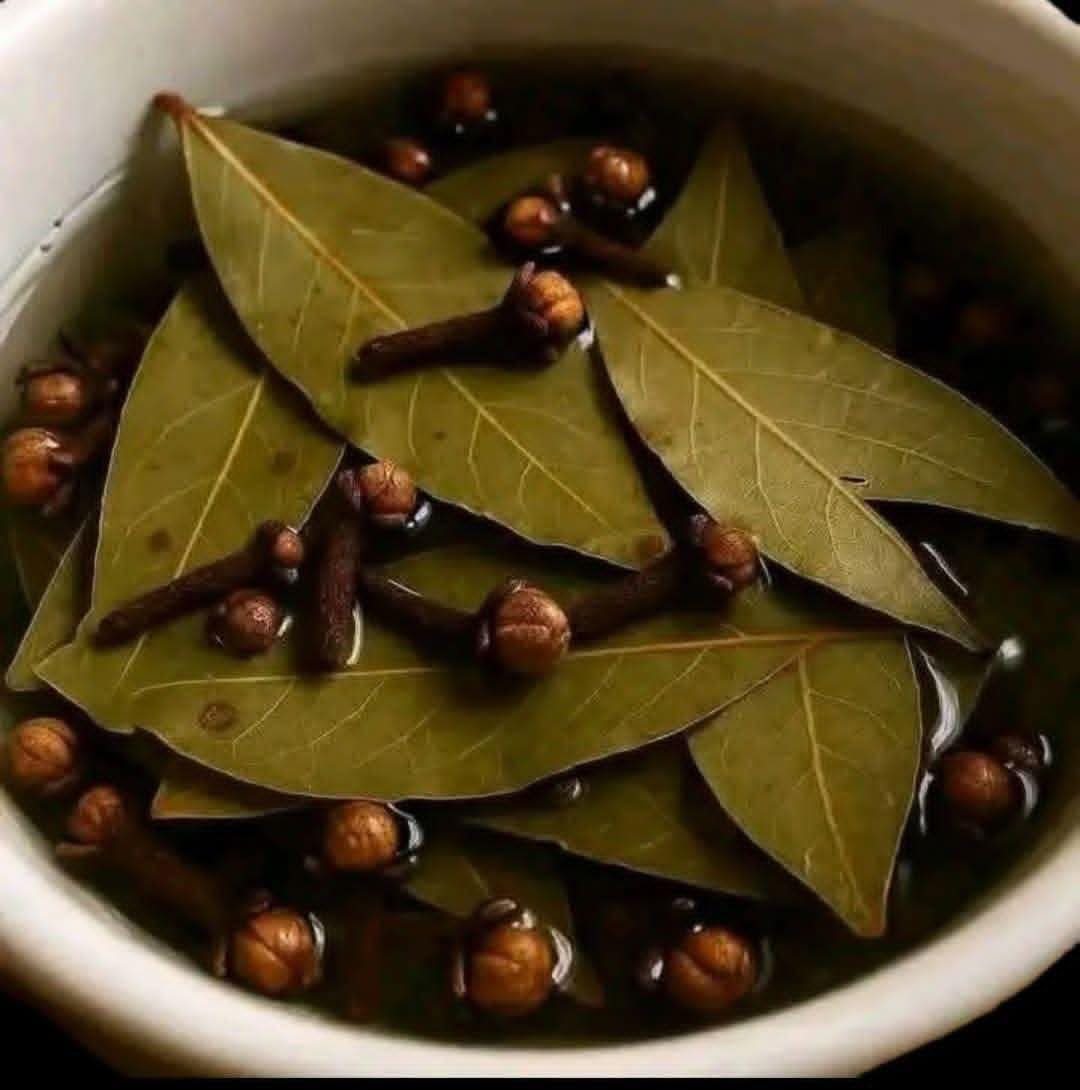
  • 2 dried bay leaves (or 3 small fresh bay leaves)

  • 3–4 whole cloves

  • 2 cups water

  • Optional additions:

    • 1 teaspoon raw honey

    • A small slice of fresh ginger

    • A cinnamon stick

    • A squeeze of lemon

How to Make Bay Leaf and Clove Herbal Tea

  1. Prepare the spices
    Lightly rinse the bay leaves under cool water to remove any dust. Measure out the whole cloves—avoid using ground cloves, as they can make the tea cloudy and overly strong.

  2. Bring water to a gentle boil
    Pour the water into a small saucepan and bring it to a soft boil over medium heat.

  3. Add bay leaves and cloves
    Once boiling, add the bay leaves and cloves. Reduce the heat to low and let the mixture simmer gently.

  4. Simmer and infuse
    Allow the tea to simmer for 10–15 minutes. The longer it simmers, the deeper and warmer the flavor becomes. Covering the pot helps preserve the aromatic oils.

  5. Strain and serve
    Remove from heat and strain into a cup. Add honey, lemon, or other optional ingredients if desired.

  6. Sip slowly
    Enjoy the tea warm, taking time to inhale the aroma before sipping. This tea is best appreciated slowly.

Flavor Profile and Serving Tips

Bay Leaf and Clove Tea has a warming, earthy taste with a soft spice finish. If you’re new to bay leaf tea, start with fewer cloves and increase gradually. For a milder version, steep for only 8–10 minutes.

This tea pairs wonderfully with:

  • A quiet evening routine

  • Light snacks like toast or biscuits

  • Cooler weather or rainy afternoons

Traditional Uses and Everyday Enjoyment

In many households, this tea is enjoyed simply because it feels good to drink. The warmth, aroma, and spice make it a favorite during colder months or after heavy meals. Some people drink it as part of a mindful routine—sipping slowly, breathing deeply, and allowing the body to relax.

Rather than thinking of this tea as a cure or treatment, it’s best viewed as a comfort beverage—one that supports hydration, relaxation, and a sense of balance. Herbal teas like this often work best when enjoyed consistently and gently, not as a quick fix.

Storage and Reuse Tips

  • Store dried bay leaves and cloves in an airtight container away from heat and light.

  • You can reuse the same bay leaves and cloves once more within 24 hours—simply add fresh water and simmer again.

  • For convenience, pre-mix bay leaves and cloves in small jars for quick tea preparation.

Who Should Enjoy This Tea

This herbal tea is suitable for most adults and can be enjoyed daily in moderation. If you are pregnant, nursing, or managing a medical condition, it’s always wise to consult a healthcare professional before adding new herbal habits to your routine.

Final Thoughts

The Bay Leaf and Clove Herbal Tea UNIE Recipe is a beautiful reminder that wellness doesn’t have to be complicated. With just two familiar spices and a few minutes on the stove, you can create a comforting drink that feels nourishing to both body and mind.

Powerful Natural Remedy: Avocado Pit, Hibiscus, and Cloves

In many traditional kitchens around the world, healing didn’t start in a pharmacy—it began with what was already on hand. Seeds, flowers, and spices were treated with respect, not waste. One such forgotten trio is avocado pit, hibiscus, and cloves. On their own, each has a long cultural history of use. Together, they create a deep, earthy infusion that many people enjoy as part of a mindful daily wellness ritual.

This remedy isn’t a miracle cure, but it is a comforting, antioxidant-rich drink that supports hydration, digestion awareness, and overall balance when paired with a healthy lifestyle.

Let’s break it down.

Why These Three Ingredients?

Avocado Pit
Most people throw it away, but the avocado pit has been traditionally dried and brewed in parts of Central and South America. It contains fiber and plant compounds that contribute to its bitter, grounding flavor. When gently simmered, it releases a mild, nutty aroma that pairs surprisingly well with floral and spice notes.

Hibiscus (Dried Flowers)
Hibiscus tea—often called karkade or sorrel—is widely enjoyed for its vibrant color and tangy taste. It’s naturally caffeine-free and rich in antioxidants. Many people drink hibiscus tea as a refreshing beverage to support hydration and circulation awareness.

Cloves
Cloves are small but powerful. Used for centuries in traditional remedies, they bring warmth, depth, and a comforting spice to infusions. Their bold aroma makes this drink feel soothing, especially in cooler months or during slow mornings.

Together, these ingredients create a balanced blend: earthy, tart, and gently spiced.

The UNIE Recipe: Herbal Infusion

Ingredients

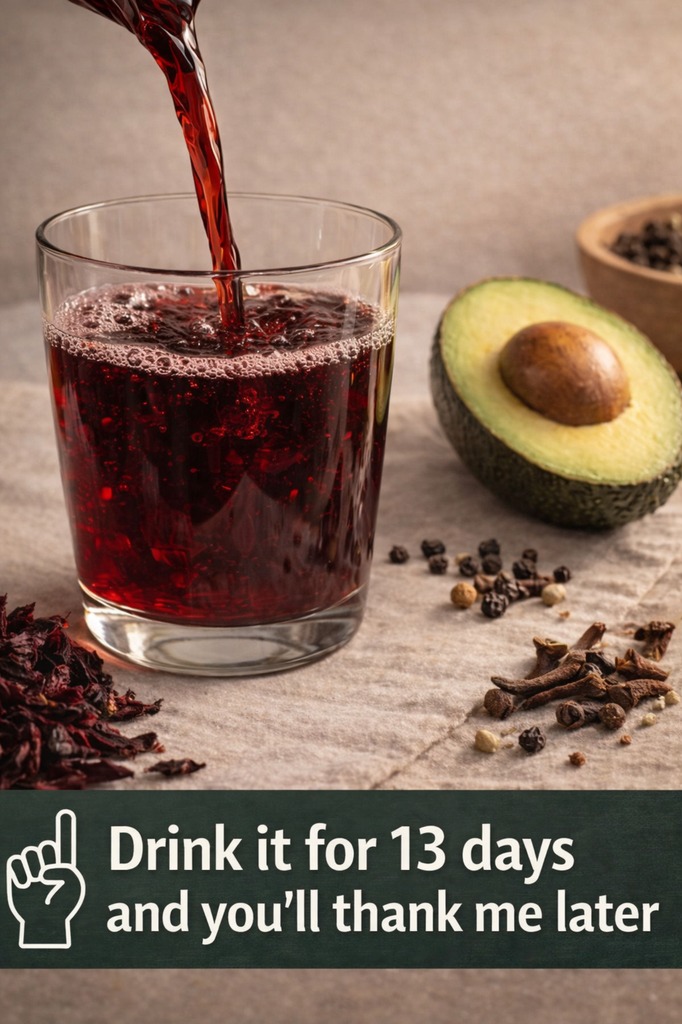
  • 1 avocado pit

  • 1 tablespoon dried hibiscus flowers

  • 3–5 whole cloves

  • 4 cups water

  • Optional: honey or lemon to taste

Preparation Method

  1. Prepare the Avocado Pit
    Rinse the pit thoroughly. Allow it to air-dry for a day or two, or dry it in the oven at low heat (around 120°C / 250°F) for 1 hour. Once dry, carefully cut or grate the pit into small chunks. (It’s very hard—use caution.)

  2. Simmer Gently
    Add the avocado pit pieces to a pot with 4 cups of water. Bring to a gentle boil, then reduce heat and simmer for 15–20 minutes. The water will begin to turn a light amber or pinkish tone.

  3. Add Hibiscus and Cloves
    Turn off the heat. Add the hibiscus flowers and cloves, cover the pot, and let steep for another 10 minutes.

  4. Strain and Serve
    Strain into a cup or glass jar. Add honey or a squeeze of lemon if desired.

Enjoy warm or chilled.

How People Traditionally Enjoy It

This infusion is often taken:

  • In the morning as a gentle, grounding start

  • In the evening as a calming, caffeine-free tea

  • 2–3 times per week, not daily, as part of a varied routine

Because of its bold flavor, small servings are usually enough.

Taste & Aroma Profile

  • Earthy and slightly bitter from the avocado pit

  • Bright and tangy from hibiscus

  • Warm and aromatic from cloves

If you’re new to herbal teas, start with fewer cloves and more hibiscus to soften the flavor.

Important Notes on Safety

  • This is a traditional wellness drink, not a medical treatment.

  • Avoid if you are pregnant, breastfeeding, or sensitive to strong herbs unless advised by a healthcare professional.

  • Do not consume avocado pit powder in large amounts. Moderation matters.

  • Always listen to your body.

Natural doesn’t mean unlimited—balance is key.

Why This Remedy Is Making a Quiet Comeback

In a world of supplements and shortcuts, people are rediscovering slow, intentional rituals. Preparing this infusion takes time, patience, and care. That alone can be grounding.

It’s not about chasing dramatic promises—it’s about:

  • Using whole ingredients

  • Reducing kitchen waste

  • Creating a moment of pause in your day

Sometimes, the real benefit comes from the ritual itself.

Final Thoughts

The avocado pit, hibiscus, and clove infusion is a beautiful example of how traditional ingredients can still have a place in modern life. It’s bold, comforting, and deeply rooted in cultural wisdom.

Drink it slowly. Respect it. And let it be part of a bigger picture of nourishment—not a replacement for proper care, but a companion to it.

Baking Soda Face Masks: Popular Homemade Recipes and What You Need to Know for Skin Health

Baking soda face masks have been circulating online for years, praised as a cheap, easy way to cleanse pores, brighten skin, and fight acne. From DIY beauty blogs to viral social media videos, this pantry staple is often marketed as a miracle fix for everything from blackheads to dull skin. But before you mix baking soda with water and apply it to your face, it’s important to understand what it actually does—and what risks may come with it.

Let’s explore the most popular homemade baking soda face mask recipes and the essential facts you need to know to protect your skin health.

Why People Use Baking Soda on Their Face

Baking soda (sodium bicarbonate) is mildly abrasive and alkaline. Because of this, it’s often used as:

  • A physical exfoliant to remove dead skin cells

  • A cleanser to absorb oil

  • A quick “brightening” treatment

  • A home remedy for acne and blackheads

Its appeal lies in its simplicity and cost. Baking soda is inexpensive, widely available, and already trusted for cleaning and deodorizing—so many assume it must be safe for skin too.

However, skin is far more delicate than kitchen surfaces.

Popular Homemade Baking Soda Face Mask Recipes

Here are some of the most common DIY recipes people try at home:

1. Baking Soda and Water Mask

Ingredients:

  • 1 tablespoon baking soda

  • Enough water to form a paste

How it’s used:
Applied as a scrub or mask for 5–10 minutes, then rinsed off.

Why people try it:
This is the simplest version, often promoted for exfoliation and oil control.

2. Baking Soda and Honey Mask

Ingredients:

  • 1 teaspoon baking soda

  • 1 tablespoon raw honey

How it’s used:
Gently massaged onto damp skin and left on for a few minutes.

Why people try it:
Honey is naturally soothing and antibacterial, so people hope it offsets baking soda’s harshness.

3. Baking Soda and Lemon Juice Mask

Ingredients:

  • 1 teaspoon baking soda

  • A few drops of lemon juice

How it’s used:
Applied briefly to dark spots or oily areas.

Why people try it:
This combination is often advertised as a “skin whitening” or brightening mask.

⚠️ This is one of the riskiest combinations due to acidity and irritation.

4. Baking Soda and Coconut Oil Mask

Ingredients:

  • 1 teaspoon baking soda

  • 1 tablespoon coconut oil

How it’s used:
Used as a scrub or moisturizing exfoliant.

Why people try it:
Coconut oil is moisturizing, so users believe it balances the abrasive effect.

What You Really Need to Know About Skin Health

Here’s the part that often gets skipped in viral recipes.

Your Skin Has a Natural pH Balance

Healthy skin is slightly acidic, with a pH around 4.5–5.5. Baking soda has a pH of about 9, which is highly alkaline. When applied to the skin, it can disrupt this natural barrier.

This disruption may lead to:

  • Dryness and tightness

  • Redness and irritation

  • Increased oil production

  • Breakouts

  • Sensitivity over time

Ironically, using baking soda to “fix” oily or acne-prone skin can make those problems worse.

Physical Exfoliation Can Be Too Harsh

Baking soda particles are uneven and rough. When used as a scrub, they can cause tiny micro-tears in the skin, especially on the face where skin is thin and delicate.

Over time, this may weaken the skin barrier and make skin more prone to:

  • Inflammation

  • Breakouts

  • Premature aging

Is Baking Soda Ever Safe for the Face?

For most skin types, regular use is not recommended.

Some people with very resilient, non-sensitive skin may tolerate very occasional use (for example, once every few weeks), but even then, gentleness is key:

  • Use a tiny amount

  • Mix with soothing ingredients like honey or yogurt

  • Avoid rubbing or scrubbing

  • Limit contact time to under 5 minutes

  • Never use on broken, irritated, or acne-inflamed skin

Always patch test on a small area first.

Who Should Avoid Baking Soda Face Masks Completely?

You should skip baking soda on your face if you have:

  • Sensitive skin

  • Acne-prone skin

  • Rosacea or eczema

  • Dry or mature skin

  • A damaged skin barrier

For these skin types, baking soda often causes more harm than benefit.

Better Alternatives for Gentle Skin Care

If your goal is smoother, brighter, or clearer skin, safer options include:

  • Oatmeal masks for gentle exfoliation

  • Yogurt or milk masks for mild lactic acid exfoliation

  • Honey alone for soothing and antibacterial benefits

  • Clay masks formulated specifically for facial skin

These options work with your skin’s natural balance instead of against it.

Final Thoughts

Baking soda face masks are popular because they’re simple and cheap—but popularity doesn’t equal safety. While occasional use may not cause immediate damage for everyone, the long-term risks to your skin barrier are real.

Healthy skin thrives on balance, gentleness, and consistency—not harsh shortcuts. If you’re tempted to try a baking soda mask, do so cautiously and sparingly, or better yet, choose ingredients that support your skin rather than strip it.

8 Unusual Uses for Vicks VapoRub That Nobody Knows!

Most people recognize Vicks VapoRub as the minty-smelling hero of cold season. A little dab on the chest, a warm blanket, and suddenly breathing feels easier. But what if that familiar blue jar could do much more than help you through a stuffy night?

For decades, families around the world have quietly used Vicks in unexpected ways—passed down through whispers, not advertisements. While it’s not a miracle cure or medical treatment, its ingredients (menthol, camphor, eucalyptus oil, and petroleum jelly) give it some surprisingly versatile properties.

Let’s open that jar and uncover 8 unusual uses for Vicks VapoRub that most people never think of.

1. A Temporary Muscle Comfort Balm

After a long day on your feet or an intense workout, sore muscles can make even sitting uncomfortable. Many people gently massage a small amount of Vicks onto tired muscles for a warming, cooling sensation.

The menthol creates a soothing surface effect that can help you relax and feel more comfortable—especially before bedtime. It doesn’t treat injuries, but the sensation alone can be deeply calming.

Tip: Wash your hands afterward and avoid sensitive skin areas.

2. Helps Mask Strong Household Odors

Garbage cans, shoe racks, or pet areas can sometimes hold onto stubborn smells. A little-known trick is dabbing a tiny amount of Vicks on a cotton ball and placing it discreetly near the odor source.

The strong menthol aroma doesn’t eliminate smells—but it can overpower and neutralize unpleasant odors in enclosed spaces surprisingly well.

3. A Surprising Insect Deterrent

Some people swear by Vicks as a short-term insect deterrent when outdoors. The strong scent of camphor and eucalyptus can be unpleasant for mosquitoes and flies.

Dabbing a very small amount on socks, pant cuffs, or shoes (not directly on large areas of skin) may help discourage bugs from lingering nearby.

This is not a replacement for insect repellent—but it can be handy in a pinch.

4. Softens Rough Heels and Elbows Overnight

Dry, cracked heels and elbows are incredibly common, especially in colder months. Because Vicks has a petroleum jelly base, it works as a powerful occlusive moisturizer.

Before bed:

  • Apply a thin layer to clean feet or elbows

  • Cover with cotton socks or a soft cloth

  • Leave overnight

By morning, many people notice noticeably softer skin.

5. Helps Relax Before Sleep

The scent of menthol and eucalyptus can feel calming to the nervous system. Some people place a small amount under the nose (externally) or on the chest at night—not for congestion, but for sensory relaxation.

The familiar smell alone can trigger a comfort response, especially if you associate it with rest and care from childhood.

6. Temporary Nail Fungus Appearance Control (Not a Cure)

This one is often misunderstood, so clarity matters. Vicks does not cure nail fungus, but some people apply it to improve the appearance of affected nails.

The thick ointment can soften the nail and surrounding skin, while the menthol keeps the area feeling fresh. Think of it as cosmetic care—not treatment.

Always consult a professional for persistent nail issues.

7. Minor Scratch Comfort (Closed Skin Only)

For small, closed scratches or irritated skin (not open wounds), a tiny amount of Vicks can provide a cooling sensation that helps reduce the urge to scratch.

Important: Never apply Vicks to open cuts, broken skin, or burns. This is strictly for surface-level comfort.

8. Squeaky Door & Sticky Drawer Hack

Here’s a truly unexpected one. In a pinch, Vicks can act as a temporary lubricant for squeaky hinges or sticky drawers.

Rub a very small amount onto the problem area, wipe off excess, and enjoy the silence. It’s not a long-term mechanical solution—but it works surprisingly well when nothing else is available.

Why Vicks Is So Versatile

The secret lies in its simple but powerful combination:

  • Menthol & camphor for strong sensory effects

  • Eucalyptus oil for aroma

  • Petroleum jelly for moisture sealing

These qualities make it useful beyond medicine cabinets—when used carefully and appropriately.

A Gentle Reminder

Vicks VapoRub is not a cure-all, and it’s not meant to replace medical treatments. Always:

  • Use externally only

  • Avoid eyes, open wounds, and sensitive areas

  • Keep away from children unless directed

When used wisely, though, that humble blue jar can earn a permanent spot far beyond cold season.

Simple Morning Habit: Discover How 2 Tablespoons of a Natural Blend May Support Your Daily Comfort and Energy

Mornings set the tone for the entire day. Before the rush of responsibilities, notifications, and obligations begins, there’s a quiet window where small choices can make a big difference in how you feel. Around the world, many traditional wellness cultures emphasize gentle morning rituals—simple habits that help the body wake up naturally and feel supported rather than shocked into motion.

One such habit centers around a two-tablespoon natural blend, taken slowly in the morning. It’s not a miracle cure or a trendy shortcut. Instead, it’s a time-honored combination of everyday ingredients that people have used for generations to promote comfort, warmth, and steady energy throughout the day.

Let’s explore what this blend is, why mornings matter so much, and how you can easily make it part of your routine.

Why Morning Habits Matter More Than You Think

When you wake up, your body is transitioning from rest to activity. Digestion, circulation, and hydration are all shifting gears. Many people immediately reach for coffee or skip nourishment altogether, which can sometimes leave them feeling jittery, heavy, or drained later on.

A gentle morning habit can help you:

  • Rehydrate after sleep

  • Wake up digestion slowly

  • Feel warmer and more balanced

  • Ease into the day with steadier energy

The goal isn’t stimulation—it’s support.

The Natural 2-Tablespoon Morning Blend

This blend uses simple ingredients commonly found in home kitchens. Each one has a long history of traditional use for daily comfort and vitality.

Ingredients

  • Raw honey – 1 tablespoon

  • Fresh lemon juice – 1 tablespoon

  • Warm water – optional (for dilution)

That’s it. Simple, affordable, and familiar.

Combined, these ingredients create a soothing, lightly energizing blend that many people enjoy first thing in the morning.

How to Prepare It

  1. Squeeze fresh lemon juice to get 1 tablespoon

  2. Measure 1 tablespoon of raw honey

  3. Mix them together in a small cup

  4. Optionally add a little warm (not hot) water

  5. Stir gently and sip slowly

This blend is usually taken on an empty stomach, about 10–15 minutes before breakfast.

Why These Ingredients Work Well Together

Lemon Juice

Lemon juice has been used traditionally to gently wake up digestion and add a fresh, clean taste. Its natural acidity can help stimulate the senses and make mornings feel lighter rather than sluggish.

Raw Honey

Honey provides natural sweetness and is often associated with warmth and comfort. Unlike refined sugar, it’s commonly used in traditional remedies to support steady energy and ease.

Warm Water (Optional)

Warm water helps soften the blend, making it easier on the stomach and more soothing—especially in cooler weather or for those who don’t enjoy sharp flavors first thing in the morning.

What People Often Notice Over Time

While everyone’s experience is different, people who make this blend a regular habit often say they feel:

  • More comfortable in the morning

  • Less heavy or bloated after waking

  • Gently energized rather than wired

  • More consistent energy through the day

It’s not about dramatic overnight changes. This habit works best when it’s consistent and calm, not forced or rushed.

How to Make It a Sustainable Habit

The real power of this blend isn’t the ingredients—it’s the routine.

Here are a few tips:

  • Prepare it the same time every morning

  • Drink it slowly, without distractions

  • Pair it with deep breathing or a short stretch

  • Avoid immediately chasing it with coffee

Think of it as a signal to your body that the day is beginning gently.

Optional Variations (Keep It Simple)

If you like variety, you can occasionally try:

  • A pinch of grated ginger for warmth

  • A drop of apple cider vinegar for tang

  • A dash of cinnamon for aroma

Use additions sparingly. The original blend works best because it’s simple.

A Gentle Reminder

This natural blend is not a medicine, detox, or cure. It’s a supportive morning ritual, meant to complement a balanced diet and healthy lifestyle. If you have specific health conditions or sensitivities, it’s always wise to listen to your body and adjust accordingly.

Final Thoughts

Sometimes the most powerful changes come from the smallest habits. Two tablespoons. One quiet moment. A simple blend made with intention.

By starting your morning with something warm, natural, and familiar, you give yourself a chance to begin the day feeling grounded and supported—before the world starts asking for your attention.

95-Year-Old Chinese Doctor’s Daily Drink for a Healthy Liver and Intestines

In a small Chinese town, there’s a saying: “If the liver is clean, the body feels light.” It’s a belief rooted in Traditional Chinese Medicine (TCM), where the liver and intestines are seen as the body’s main “gatekeepers.” One retired doctor—now 95 years old—has lived by this philosophy for most of his life. Asked about his daily routine, he doesn’t mention rare herbs or complicated tonics. Instead, he smiles and points to a warm cup of a simple drink he’s prepared every morning for decades.

This drink isn’t a miracle cure. It’s not meant to replace medical care. But it reflects an old-school approach to supporting digestion, easing the workload on the liver, and keeping the intestines moving gently and regularly.

Why the Liver and Intestines Matter So Much

In both Eastern and Western traditions, the liver plays a central role in filtering substances, processing nutrients, and supporting metabolism. The intestines, meanwhile, are responsible for absorbing what the body needs and eliminating what it doesn’t.

When digestion feels sluggish, people often report bloating, heaviness, fatigue, or a general feeling of discomfort. Traditional Chinese Medicine connects these sensations to “stagnation”—when circulation and digestion slow down. The doctor’s daily drink is designed to gently warm the digestive system, hydrate the intestines, and support the liver’s natural rhythms.

The Philosophy Behind the Drink

What makes this drink special isn’t just the ingredients—it’s the timing and consistency. The doctor drinks it every morning, on an empty stomach, while the body is naturally shifting from rest to activity.

According to TCM principles:

  • Warm liquids are easier on digestion than cold ones

  • Gentle bitterness can support liver function

  • Mild sweetness can nourish without overwhelming the system

The drink balances all three.

The Daily Liver & Intestine Support Drink (UNIE Recipe)

Ingredients

  • 1 cup warm water (not boiling)

  • 1 teaspoon fresh lemon juice

  • ½ teaspoon raw honey (optional)

  • 3–4 thin slices of fresh ginger

  • A pinch of turmeric powder (or a small slice of fresh turmeric)

Instructions

  1. Heat the water until warm but comfortable to sip

  2. Add ginger and turmeric, letting them steep for 3–5 minutes

  3. Stir in lemon juice

  4. Add honey if desired

  5. Sip slowly, preferably seated and relaxed

Why These Ingredients Were Chosen

Warm Water
Hydration first thing in the morning helps wake up the intestines. Warm water is traditionally believed to stimulate gentle bowel movement and reduce internal tension.

Ginger
Used for centuries in Chinese and Ayurvedic medicine, ginger supports digestion, reduces feelings of bloating, and gently warms the body. The doctor believes it “turns on” the digestive fire without irritating it.

Turmeric
Often associated with liver support in traditional systems, turmeric contains compounds that are widely studied for their antioxidant properties. In small daily amounts, it’s used as a supportive—not aggressive—ingredient.

Lemon Juice
Lemon adds mild acidity, which can stimulate digestive enzymes. In TCM-inspired routines, lemon is often used to help the liver transition smoothly into the day.

Raw Honey (Optional)
Honey adds a touch of sweetness and comfort. The doctor emphasizes moderation—just enough to soften the taste and support balance.

How He Drinks It

The 95-year-old doctor follows a few simple rules:

  • Drinks it slowly, never rushed

  • Consumes it before breakfast

  • Avoids cold food for at least 30 minutes afterward

  • Skips the drink if feeling unwell or feverish

He often says, “The body speaks softly. You must listen.”

What People Notice Over Time

Those who adopt this routine commonly report:

  • Feeling lighter in the morning

  • More regular digestion

  • Reduced bloating

  • A calmer start to the day

These effects are subtle and gradual. The drink isn’t about instant results—it’s about supporting the body’s natural processes over time.

A Gentle Reminder

This drink is not a treatment for liver disease or intestinal disorders. Anyone with medical conditions, gallbladder issues, or who is taking medication should consult a healthcare professional before making dietary changes.

Final Thoughts

Longevity rarely comes from one secret. It’s built from small, consistent habits practiced with patience. The 95-year-old Chinese doctor’s daily drink reflects a philosophy many modern routines forget: simple, warm, gentle, and regular.