Classic Vegetable Soup

There’s something deeply comforting about a bowl of classic vegetable soup. It’s simple, nourishing, budget-friendly, and endlessly customizable. Whether you’re looking for a light dinner, a healthy lunch, or a cozy meal on a chilly evening, this timeless recipe delivers warmth and flavor in every spoonful.

Made with fresh vegetables, aromatic herbs, and a rich broth, this soup is packed with nutrients and natural goodness. It’s perfect for anyone wanting to eat clean, reduce processed foods, or simply enjoy a homemade meal that tastes like it came straight from grandma’s kitchen.


🌿 Why You’ll Love This Recipe

  • Naturally healthy – Loaded with vitamins, minerals, and fiber

  • Low in calories – Filling without being heavy

  • Budget-friendly – Uses simple, affordable ingredients

  • Great for meal prep – Tastes even better the next day

  • Customizable – Use whatever vegetables you have on hand

This soup is also naturally vegetarian and can easily be made vegan or gluten-free.


🥕 Ingredients

Here’s what you’ll need to make a big, satisfying pot:

  • 2 tablespoons olive oil

  • 1 medium onion, chopped

  • 2 cloves garlic, minced

  • 2 carrots, sliced

  • 2 celery stalks, chopped

  • 2 medium potatoes, diced

  • 1 zucchini, chopped

  • 1 cup green beans, trimmed and cut

  • 1 cup chopped cabbage (optional)

  • 1 can (14 oz) diced tomatoes

  • 6 cups vegetable broth

  • 1 teaspoon dried thyme

  • 1 teaspoon dried oregano

  • 1 bay leaf

  • Salt and black pepper to taste

  • 1 cup fresh spinach or parsley (optional for garnish)


👩‍🍳 Step-by-Step Instructions

1️⃣ Sauté the Aromatics

Heat olive oil in a large pot over medium heat. Add chopped onion and cook for 3–4 minutes until softened. Stir in garlic and cook for another 30 seconds until fragrant. This step builds the flavor base of your soup.

2️⃣ Add the Hardy Vegetables

Add carrots, celery, and potatoes. Stir well and cook for about 5 minutes. This slight sauté enhances their natural sweetness.

3️⃣ Pour in Broth and Tomatoes

Add diced tomatoes (with juice) and vegetable broth. Stir to combine.

4️⃣ Season the Soup

Add thyme, oregano, bay leaf, salt, and black pepper. Bring the mixture to a gentle boil.

5️⃣ Simmer

Reduce heat and let the soup simmer uncovered for 20–25 minutes, or until vegetables are tender.

6️⃣ Add Softer Vegetables

Add zucchini, green beans, and cabbage. Simmer for another 10 minutes.

7️⃣ Finish and Serve

Remove the bay leaf. Stir in spinach or fresh parsley for extra color and nutrition. Taste and adjust seasoning if needed.

Ladle into bowls and serve warm.


🥄 Tips for the Best Vegetable Soup

Cut vegetables evenly so they cook at the same rate.
Don’t overcook – vegetables should be tender but not mushy.
Add pasta or rice for a heartier version.
Squeeze fresh lemon juice before serving to brighten flavors.
Use homemade broth if possible for deeper taste.


🥗 Nutritional Benefits

Classic vegetable soup is rich in:

  • Fiber – Supports digestion and gut health

  • Vitamin A – From carrots, supports eye health

  • Vitamin C – Boosts immunity

  • Potassium – Helps regulate blood pressure

  • Antioxidants – Protect against inflammation

Because it’s broth-based rather than cream-based, it’s naturally lower in fat and calories while still being filling.


🧊 Storage & Freezing

  • Refrigerator: Store in an airtight container for up to 4 days.

  • Freezer: Freeze for up to 3 months. Let cool completely before freezing.

  • Reheating: Warm gently on the stove or microwave. Add a splash of water or broth if needed.

The flavors actually deepen overnight, making leftovers even tastier.


🌎 Easy Variations

You can adapt this soup based on season or preference:

  • Add beans (kidney, cannellini, or chickpeas) for protein

  • Add lentils for a thicker texture

  • Add corn or peas for sweetness

  • Spice it up with red chili flakes

  • Add fresh herbs like basil or dill

This recipe is incredibly forgiving—use what you have and make it your own.


🍞 Serving Suggestions

Classic vegetable soup pairs beautifully with:

  • Crusty whole-grain bread

  • Garlic toast

  • Simple green salad

  • Grilled cheese sandwich

It can be served as a starter or a complete light meal on its own.


❤️ Final Thoughts

Classic vegetable soup proves that simple ingredients can create something truly satisfying. It’s wholesome, comforting, and perfect for any season. Whether you’re cooking for family, meal-prepping for the week, or just craving something warm and nourishing, this recipe never disappoints.


MOUNDS CAKE

If you love the classic combination of chocolate and coconut found in a Mounds candy bar, then this Mounds Cake will quickly become one of your favorite desserts. Rich, moist chocolate cake layered with sweet, creamy coconut filling and topped with luscious chocolate frosting creates a bakery-style dessert that looks impressive but is surprisingly simple to make at home.

This cake is perfect for birthdays, potlucks, holiday gatherings, or whenever you’re craving something indulgent. The contrast between the deep cocoa flavor and the soft, sweet coconut layer makes every bite unforgettable.


📝 Ingredients

For the Chocolate Cake:

  • 2 cups all-purpose flour

  • 2 cups granulated sugar

  • ¾ cup unsweetened cocoa powder

  • 2 teaspoons baking powder

  • 1½ teaspoons baking soda

  • 1 teaspoon salt

  • 2 large eggs (room temperature)

  • 1 cup whole milk

  • ½ cup vegetable oil

  • 2 teaspoons vanilla extract

  • 1 cup hot coffee (enhances chocolate flavor)

For the Coconut Filling:

  • 2 cups sweetened shredded coconut

  • 1 can (14 oz) sweetened condensed milk

  • 1 teaspoon vanilla extract

  • ½ cup heavy cream

For the Chocolate Ganache Frosting:

  • 1½ cups semi-sweet chocolate chips

  • 1 cup heavy cream

  • 2 tablespoons butter


👩‍🍳 Step-by-Step Instructions

Step 1: Prepare the Cake Pans

Preheat your oven to 350°F (175°C). Grease and line two 9-inch round cake pans with parchment paper. This prevents sticking and ensures easy removal.

Step 2: Mix the Dry Ingredients

In a large bowl, whisk together flour, sugar, cocoa powder, baking powder, baking soda, and salt. Mixing dry ingredients first ensures even distribution and a consistent texture.

Step 3: Add Wet Ingredients

Add eggs, milk, oil, and vanilla extract to the dry mixture. Beat on medium speed until smooth. Slowly stir in the hot coffee. The batter will be thin — this is normal and creates an ultra-moist cake.

Step 4: Bake

Divide the batter evenly between the prepared pans. Bake for 30–35 minutes, or until a toothpick inserted into the center comes out clean. Let cakes cool in pans for 10 minutes before transferring to a wire rack to cool completely.


🥥 Making the Coconut Filling

In a medium bowl, combine shredded coconut, sweetened condensed milk, vanilla extract, and heavy cream. Stir until thick and creamy. The texture should be spreadable but not runny. If needed, refrigerate for 20–30 minutes to firm up slightly.

This filling mimics the iconic texture of a Mounds candy bar — sweet, chewy, and perfectly coconut-rich.


🍫 Prepare the Ganache

Place chocolate chips in a heatproof bowl. Heat heavy cream in a saucepan until just simmering (do not boil). Pour the hot cream over the chocolate and let sit for 2–3 minutes. Stir gently until smooth. Add butter and mix until glossy.

Allow the ganache to cool slightly until thickened but still pourable.


🎂 Assembling the Cake

  1. Place one cooled cake layer on a serving plate.

  2. Spread the coconut filling evenly over the top, leaving a small border around the edges.

  3. Place the second cake layer on top.

  4. Pour ganache over the cake, letting it drip naturally down the sides for a dramatic finish.

For a bakery-style touch, sprinkle extra shredded coconut on top or add chocolate shavings.


💡 Tips for the Perfect Mounds Cake

  • Use room temperature ingredients for a smoother batter.

  • Do not overbake — chocolate cake can dry out quickly.

  • Chill before slicing for cleaner cuts.

  • Add a teaspoon of coconut extract to the filling for extra flavor.

  • Toast some coconut for garnish if you prefer a nutty flavor.


🥄 Storage Instructions

Store the cake in an airtight container at room temperature for up to 2 days. For longer freshness, refrigerate for up to 5 days. Bring to room temperature before serving for best texture and flavor.

You can also freeze individual slices wrapped tightly in plastic wrap for up to 3 months.


❤️ Why You’ll Love This Recipe

This Mounds Cake delivers:

  • Deep, rich chocolate flavor

  • Creamy, sweet coconut center

  • Smooth, glossy chocolate ganache

  • A perfect balance of textures

It tastes like your favorite candy bar transformed into an elegant dessert. Whether you serve it at a celebration or enjoy it with a cup of coffee after dinner, it’s guaranteed to impress.


🍽 Serving Suggestions

Pair this cake with:

  • A scoop of vanilla ice cream

  • Fresh berries for a fruity contrast

  • Hot coffee or espresso

  • Cold milk for a classic combo


🏁 Final Thoughts

Mounds Cake is the ultimate dessert for chocolate and coconut lovers. It’s indulgent yet comforting, elegant yet easy to make. Once you try this recipe, it may just replace your standard chocolate cake forever.

Every forkful delivers moist chocolate cake, sweet coconut filling, and silky ganache — a truly irresistible combination.

Put 4 drops in your ear and you will hear like new again

If you’ve ever struggled with muffled hearing, a feeling of fullness in the ear, or mild discomfort caused by wax buildup, you’ve probably searched for a simple home solution. One popular natural remedy people talk about is putting a few drops of oil in the ear to soften earwax and improve hearing clarity. But does it really work? And more importantly, is it safe?

Let’s explore how this simple method may help you “hear like new again” — and what you need to know before trying it.

Understanding Earwax and Hearing

Earwax, also known as cerumen, is not dirty or harmful. In fact, it plays an important protective role. It traps dust, bacteria, and small particles, preventing them from reaching the delicate inner parts of your ear. It also keeps the ear canal moisturized.

However, sometimes earwax builds up excessively. This can happen if:

  • You use cotton swabs frequently

  • You wear earbuds or hearing aids often

  • Your ears naturally produce more wax than average

When wax becomes impacted, it can cause symptoms such as:

  • Muffled hearing

  • Ringing in the ears (tinnitus)

  • A feeling of fullness

  • Mild dizziness

  • Ear discomfort

In these cases, softening and loosening the wax may help restore clearer hearing.

The 4-Drop Natural Ear Softening Method

One of the most common home remedies involves using natural oils to soften earwax. Oils can help break down hardened wax so it can move out of the ear naturally.

What You Can Use

Commonly used oils include:

  • Olive oil

  • Almond oil

  • Mineral oil

  • Coconut oil

These oils are gentle and help lubricate the ear canal.

How to Use It Safely

Here’s a step-by-step guide:

  1. Warm the oil slightly. It should be lukewarm, not hot. Test it on your wrist first.

  2. Lie on your side with the affected ear facing upward.

  3. Using a clean dropper, place 3–4 drops into the ear canal.

  4. Stay in that position for 5–10 minutes to allow the oil to penetrate and soften the wax.

  5. Sit up and gently wipe away any excess oil.

You can repeat this once daily for 3–5 days if needed.

Many people notice improved hearing after the wax loosens and naturally drains out.

Why It May Improve Hearing

When earwax is blocking sound waves from reaching the eardrum, your hearing can feel dull or reduced. Once the blockage softens and clears, sound can travel more freely again. This can create the sensation of “hearing like new.”

However, it’s important to understand that this method only helps if earwax buildup is the cause of your hearing issue. It does not treat age-related hearing loss, nerve damage, or infections.

Important Safety Warnings

While oil drops are generally considered safe for minor wax buildup, there are situations where you should not try this method:

  • If you have ear pain

  • If you suspect an ear infection

  • If you have a perforated eardrum

  • If there is discharge or bleeding

  • If dizziness is severe

In these cases, putting drops in your ear may worsen the problem.

If symptoms persist after a few days, consult a healthcare professional. Sometimes professional ear irrigation or manual removal is needed.

Why Cotton Swabs Make It Worse

Many people instinctively reach for cotton swabs when they feel ear blockage. Unfortunately, this often pushes wax deeper into the ear canal, making the blockage worse. It can also irritate or damage the ear canal lining.

The ear is self-cleaning. In most cases, wax naturally moves outward and falls away on its own.

When to See a Doctor

If you experience:

  • Sudden hearing loss

  • Severe pain

  • Persistent ringing

  • Fluid drainage

  • Fever

Seek medical care promptly. These symptoms may indicate infection or other conditions that require treatment.

An ear specialist can examine your ear using proper instruments and safely remove impacted wax if necessary.

Prevention Tips for Healthy Ears

To reduce the chances of future wax buildup:

  • Avoid inserting objects into your ears

  • Limit excessive earbud use

  • Clean only the outer ear with a soft cloth

  • Stay hydrated

For people prone to wax buildup, occasional preventive oil drops (once every few weeks) may help maintain clear canals.

The Bottom Line

Putting 4 drops of natural oil in your ear can be a simple and gentle way to soften earwax and potentially improve hearing clarity — if wax buildup is the cause. Many people find relief with this easy home method.

However, it’s not a miracle cure, and it’s not appropriate for every ear problem. Listening to your body and knowing when to seek professional advice is essential.

Healthy hearing is precious. Treat your ears gently, avoid harsh cleaning methods, and when in doubt, consult a qualified healthcare provider.

I am 73 years old I live alone and I feel fulfilled 4 tips that work for me

That’s a beautiful place to be in life — 73, living alone, and feeling fulfilled. Many people assume aging and solitude automatically mean loneliness, but that’s far from the truth. Fulfillment at this stage often comes from clarity, freedom, and knowing yourself deeply.

Here are 4 meaningful tips that truly work for living alone and feeling fulfilled at 73 (or any age).

1. Create a Gentle but Purposeful Daily Routine
4

Living alone gives you something priceless: control over your time. But without structure, days can blur together. A simple daily rhythm creates stability and purpose.

You don’t need a strict schedule — just anchors in your day:

A morning ritual (tea, prayer, stretching, reading)

A midday activity (walk, hobby, phone call)

An evening wind-down (music, journaling, light TV)

Psychologists like Viktor Frankl emphasized that meaning — not busyness — is what sustains us. Even small purposeful habits can give your day shape.

For example:

Watering plants every morning

Writing three things you’re grateful for

Taking a 20-minute walk after lunch

These small acts build emotional strength over time.

2. Stay Connected — But on Your Own Terms
4

Living alone does not mean living isolated.

The key is intentional connection. You don’t need constant social activity — you need meaningful interaction.

This might include:

Weekly calls with children or grandchildren

Coffee with a neighbor

Joining a local community or religious group

Learning to use video calls

Research from organizations like Harvard University shows that strong relationships are one of the biggest predictors of happiness in later life.

The important part? You choose the frequency. Living alone allows you to balance social time with peaceful solitude.

3. Keep Learning and Exploring
4

Fulfillment grows when the brain stays active.

Many people in their 70s discover new passions:

Painting

Writing

Gardening

Cooking new recipes

Learning a language

Exploring family history

Neuroscience research, including work discussed by Daniel J. Levitin, suggests the brain continues forming new connections even later in life.

You are never “too old” to begin something new.

Ask yourself:

What did I always want to try?

What makes me lose track of time?

What did I enjoy as a child?

Curiosity keeps the spirit young.

4. Make Peace with Solitude
4

There’s a powerful difference between loneliness and solitude.

Loneliness feels like something missing.
Solitude feels like something chosen.

When you live alone, silence can become your friend. It allows:

Reflection

Emotional healing

Gratitude

Spiritual growth

Writers like Maya Angelou often spoke about the importance of inner peace and self-knowledge.

Try:

Sitting quietly for 10 minutes daily

Watching the sunrise

Listening to calming music

Practicing slow breathing

Solitude can become one of the greatest gifts of later life.

A Final Thought

At 73, fulfillment often comes from:

Accepting who you are

Letting go of what you cannot control

Appreciating small joys

Protecting your peace

Living alone does not mean you are lacking something. In many cases, it means you have created a life that fits you perfectly.

If you’re feeling fulfilled, that’s something to celebrate. If you’re still searching for that feeling, start small. One routine. One call. One new hobby. One quiet moment.

Fulfillment is rarely loud — it’s usually quiet, steady, and deeply personal.

The Natural Nighttime Solution for Better Sleep and Fat Burning

Getting quality sleep is one of the most powerful — and most overlooked — tools for healthy weight management. When your body rests properly, it regulates hunger hormones, balances blood sugar, reduces stress, and supports natural fat-burning processes. On the other hand, poor sleep increases cravings, slows metabolism, and makes weight loss much harder.

If you’re looking for a gentle, natural nighttime solution that supports deeper sleep while encouraging healthy fat metabolism, this simple bedtime drink recipe may help. Made with calming herbs and metabolism-supporting ingredients, it’s easy to prepare and soothing to enjoy before bed.


Why Sleep Matters for Fat Burning

Before we get into the recipe, it’s important to understand the connection between sleep and weight.

When you sleep:

  • Your body repairs tissues

  • Growth hormone is released

  • Cortisol (stress hormone) levels decrease

  • Fat metabolism improves

  • Appetite hormones (ghrelin and leptin) balance out

Lack of sleep can increase cravings for sugary and high-carb foods. It can also elevate cortisol, which may encourage fat storage, especially around the belly area.

That’s why improving sleep quality can naturally support healthy weight management.


The Natural Nighttime Sleep & Slimming Drink

This warm, calming beverage combines ingredients known for relaxation, digestion support, and metabolic balance.

Ingredients

  • 1 cup warm water or unsweetened almond milk

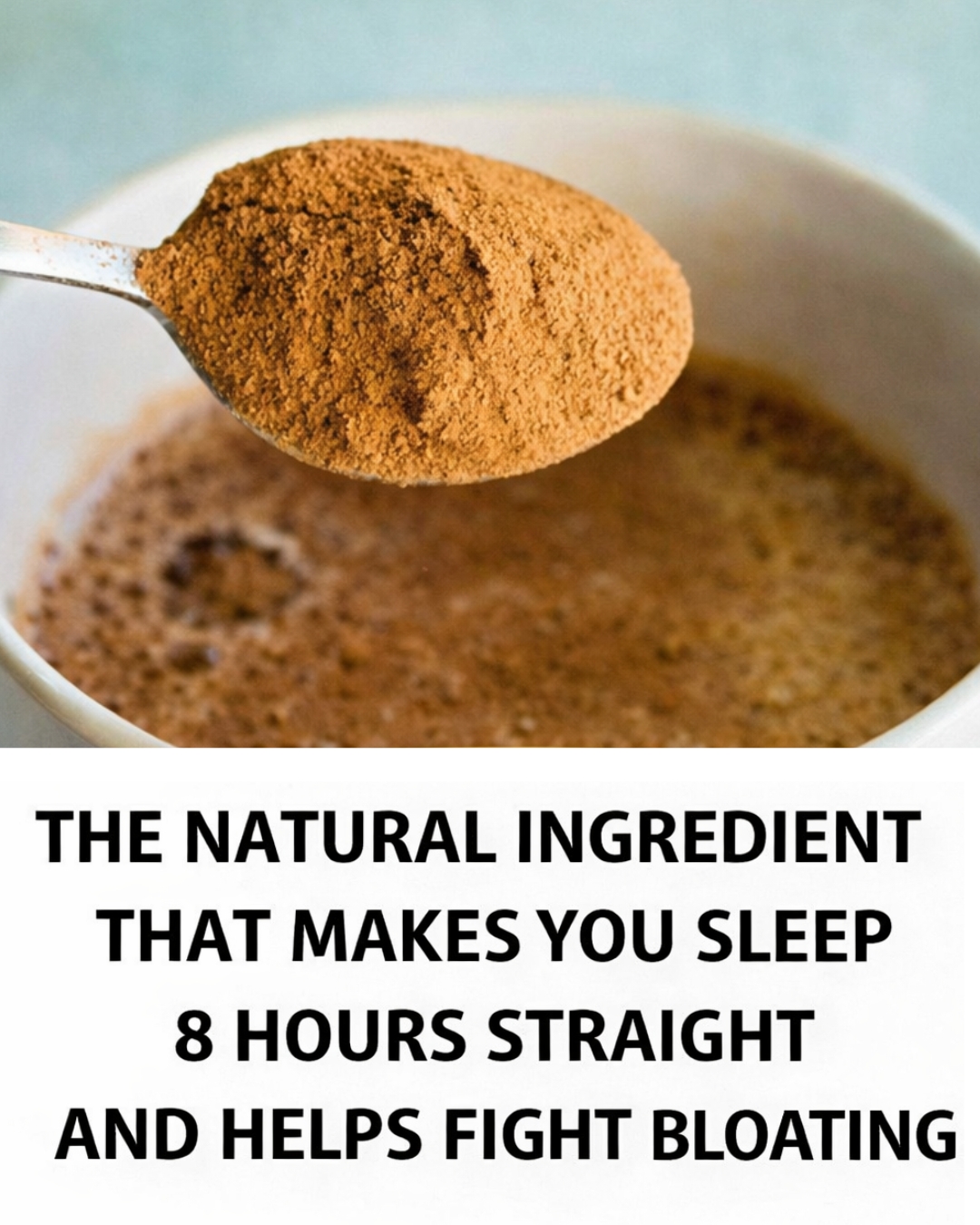
  • ½ teaspoon ground cinnamon

  • 1 teaspoon raw honey (optional)

  • 1 tablespoon apple cider vinegar (with the “mother”)

  • ¼ teaspoon turmeric

  • A pinch of black pepper

  • 1 teaspoon fresh lemon juice

  • Optional: ½ teaspoon grated fresh ginger


Why These Ingredients Work

Cinnamon

Cinnamon helps regulate blood sugar levels, reducing late-night cravings and stabilizing insulin. Stable blood sugar can prevent fat storage and promote steady energy.

Apple Cider Vinegar

Apple cider vinegar may support digestion and help regulate blood sugar. Some people find it reduces nighttime hunger and supports gut health.

Turmeric + Black Pepper

Turmeric contains curcumin, a compound with anti-inflammatory properties. Black pepper enhances curcumin absorption. Lower inflammation can support better metabolic function.

Ginger

Ginger aids digestion and may support thermogenesis (the body’s calorie-burning process). It also has a soothing effect on the stomach.

Lemon

Lemon supports digestion and provides vitamin C, which plays a role in stress hormone regulation.

Honey (Optional)

A small amount of raw honey can promote relaxation by supporting serotonin production, which converts into melatonin — the sleep hormone.


How to Prepare It

  1. Warm your water or almond milk (do not boil).

  2. Add cinnamon, turmeric, and black pepper. Stir well.

  3. Add apple cider vinegar and lemon juice.

  4. Stir in honey if using.

  5. Mix thoroughly and drink 30–45 minutes before bedtime.

For best results, pair this drink with a relaxing bedtime routine.


Enhance the Results Naturally

This drink works best when combined with healthy nighttime habits:

1. Reduce Screen Time

Turn off bright screens at least 30–60 minutes before bed.

2. Keep Your Room Cool

A slightly cooler room supports deeper sleep.

3. Avoid Heavy Meals Late at Night

Eating large meals before bed can disturb digestion and disrupt sleep quality.

4. Stay Consistent

Go to bed and wake up at the same time daily.


Optional Variation: Calming Herbal Version

If you prefer a caffeine-free herbal version, you can replace the base liquid with chamomile tea.

https://www.organicvalley.coop/_next/image/?q=75&url=https%3A%2F%2Fcdn.sanity.io%2Fimages%2F5dqbssss%2Fproduction-v3%2Ff57c54bdb559a8f9ce764072408449d962d8cec0-2822x4233.jpg&w=3840
https://img.siterank.app/topic/what-to-mix-with-acv-for-weight-loss-7-easy-drinks-you-can-start-this-week.png
https://assets.epicurious.com/photos/5ac7a79fd4b56a0d2bf1b7f3/1%3A1/w_2560%2Cc_limit/golden-milk-05042018-instagram.jpg
4

Chamomile is widely known for its calming properties and can enhance relaxation before bed.


Who Should Avoid This Drink?

While this recipe uses natural ingredients, it may not be suitable for everyone:

  • People with acid reflux may find apple cider vinegar irritating.

  • Those on blood-thinning medication should consult a healthcare professional before using turmeric regularly.

  • Individuals with sensitive stomachs may want to start with smaller amounts.

Always listen to your body and consult a healthcare provider if you have underlying conditions.


Realistic Expectations

This is not a miracle weight-loss drink. No single beverage can melt fat overnight. However, improving sleep quality and supporting balanced blood sugar can help your body function optimally.

When combined with:

  • A balanced diet

  • Regular physical activity

  • Stress management

  • Adequate hydration

This nighttime drink can be a gentle addition to a healthy routine.


Final Thoughts

Better sleep and healthy metabolism go hand in hand. Instead of turning to extreme diets or stimulants, focusing on rest and relaxation may be the smarter long-term strategy.

This natural nighttime solution is simple, affordable, and easy to incorporate into your routine. With consistent use and healthy lifestyle habits, you may notice:

  • Improved sleep quality

  • Reduced late-night cravings

  • Better digestion

  • More balanced energy

  • Support for natural fat metabolism

What does it mean to let your hair go gray

Letting your hair go gray is more than a beauty decision—it is a personal statement, a lifestyle shift, and often a powerful act of self-acceptance. For decades, gray hair was seen as something to hide, cover, or “fix.” Today, more people are choosing to embrace their natural silver strands, redefining what aging and beauty look like in modern society. But what does it truly mean to let your hair go gray?

The Science Behind Gray Hair

https://silverist.com/cdn/shop/articles/fmarin-240621-silverist-0497_r2-v3_8c593d42-1c29-4897-9ec8-f464aaff6fd5.jpg?v=1756954081
4

Gray hair occurs when hair follicles gradually produce less melanin, the pigment responsible for hair color. As we age, the cells that create melanin (melanocytes) slow down and eventually stop functioning. Without pigment, hair grows in transparent or white, which appears gray when mixed with darker strands.

Genetics plays the biggest role in determining when this process begins. Some people notice gray hairs in their twenties, while others may not see any until their forties or fifties. Stress, nutritional deficiencies, and certain medical conditions can influence timing, but heredity is the strongest factor.

Letting your hair go gray means allowing this natural biological process to happen without artificial coloring. Instead of masking the change, you welcome it.

A Cultural Shift in Beauty Standards

For much of the 20th century, youthfulness was closely linked to beauty, especially for women. Gray hair was often associated with aging, decline, or being “past your prime.” Hair dye became a multi-billion-dollar industry, built on the promise of maintaining a youthful appearance.

However, cultural attitudes have evolved. Public figures like Jamie Lee Curtis, Helen Mirren, and Anderson Cooper have confidently embraced their gray hair, helping normalize and even glamorize silver strands. Social media movements such as #SilverHair and #GrayIsBeautiful have encouraged people worldwide to share their transition journeys.

Letting your hair go gray today often symbolizes confidence, authenticity, and resistance to outdated beauty norms. It reflects a growing belief that aging is not something to hide but something to honor.

The Emotional Journey

Deciding to stop coloring your hair can feel emotional. For many, hair color has been part of their identity for years—sometimes decades. Transitioning to gray may bring feelings of vulnerability at first.

There is often a “growing-out” phase where natural gray roots contrast with dyed lengths. This stage can test patience and confidence. Some people choose to cut their hair short to speed up the transition, while others blend colors gradually with highlights or lowlights.

Emotionally, letting your hair go gray can represent:

  • Acceptance of aging

  • Letting go of societal pressure

  • A desire for simplicity

  • Reclaiming natural beauty

  • Personal empowerment

Many individuals report feeling liberated once they fully transition. They no longer worry about root touch-ups every few weeks or scheduling salon appointments to maintain color. There is freedom in authenticity.

Practical Benefits

Beyond symbolism, there are practical reasons people choose to go gray.

1. Healthier Hair

Frequent coloring can weaken hair, causing dryness and breakage. By stopping chemical treatments, hair often becomes stronger and shinier over time.

2. Cost Savings

Salon visits, professional color treatments, and at-home dye kits can be expensive. Embracing gray significantly reduces these ongoing costs.

3. Time Freedom

No more rushing to cover visible roots. Letting your hair grow naturally simplifies your beauty routine.

However, gray hair does require care. Silver strands can become coarse or yellowed. Using purple shampoo helps maintain brightness, and deep conditioning treatments keep hair soft and manageable.

Challenging Ageism

Letting your hair go gray can also challenge age-related stereotypes. In professional environments, gray hair has historically been perceived differently depending on gender. Men with gray hair are often described as “distinguished,” while women may face unfair bias.

By embracing gray, many women are pushing back against this double standard. They are redefining what leadership, competence, and attractiveness look like at every age.

Gray hair can signal wisdom, experience, and maturity. Instead of hiding these qualities, embracing silver strands highlights them.

A Statement of Authenticity

In a world filled with filters, enhancements, and cosmetic procedures, choosing to let your hair go gray can feel refreshingly real. It says:

“I accept myself as I am.”

Authenticity has become a valued trait in modern society. Whether in personal relationships or professional spaces, people are drawn to those who appear genuine. Natural gray hair can reflect that inner confidence outwardly.

The Transition Process

If someone decides to let their hair go gray, there are different approaches:

  • Cold Turkey: Stop coloring and let natural roots grow out.

  • Gradual Blending: Use highlights or toner to soften the line between dyed and gray hair.

  • The Big Chop: Cut off dyed ends and start fresh.

The transition can take several months to over a year, depending on hair length. Patience is essential. Many find documenting the journey with photos helps them see progress and stay motivated.

Redefining Beauty at Every Age

Ultimately, letting your hair go gray is about redefining beauty on your own terms. It does not mean giving up on style or self-care. In fact, many people discover new fashion choices, makeup styles, and clothing colors that complement their silver hair beautifully.

Gray hair can look striking, elegant, modern, edgy, or sophisticated. It is not a sign of fading—it can be a sign of evolving.

Final Thoughts

Letting your hair go gray is a deeply personal choice. For some, it represents freedom from constant maintenance. For others, it symbolizes self-love and acceptance. It can challenge cultural norms, celebrate aging, and encourage authenticity.

In the end, gray hair is not about losing youth—it is about gaining confidence. It is about recognizing that beauty does not disappear with time; it transforms. And sometimes, the most powerful statement you can make is simply allowing yourself to be natural, exactly as you are.

7 benefits of Vicks Vaporub

When it comes to classic home remedies, few products are as well-known as Vicks VapoRub. For generations, families have relied on this menthol-scented ointment to ease cold symptoms and provide soothing comfort. While it’s most famous for relieving coughs and congestion, VapoRub has several other surprising uses that many people may not know about.

In this article, we’ll explore seven potential benefits of Vicks VapoRub, how it works, and tips for safe use.


1. Relieves Cough and Chest Congestion

The most popular use of Vicks VapoRub is for cough relief. The ointment contains menthol, camphor, and eucalyptus oil. When applied to the chest and throat, these ingredients release soothing vapors that can help calm coughing.

The strong aroma stimulates cold receptors in the nose and throat, creating a cooling sensation that can make breathing feel easier. While it doesn’t cure a cold, it can significantly reduce nighttime coughing, helping both children (over age 2) and adults sleep more comfortably.

Tip: Apply a thick layer on the chest and throat before bed, and cover with loose clothing to allow the vapors to circulate.


2. Eases Nasal Congestion

Blocked sinuses can make even simple tasks feel exhausting. Vicks VapoRub works by producing vapors that give the sensation of clearer airways. Menthol and eucalyptus oil create a refreshing cooling effect that can make breathing feel more open.

Many people place a small amount under the nose (externally only) to experience this benefit. However, always avoid applying it inside the nostrils, as this can cause irritation.

For added relief, you can rub some on your chest and inhale deeply while resting in a warm room.


3. Soothes Muscle and Joint Pain

Beyond cold symptoms, VapoRub can be used to relieve minor muscle aches and joint discomfort. The menthol and camphor act as counterirritants, meaning they create a cooling sensation that distracts the brain from deeper muscle pain.

After a long day of physical work or exercise, gently massaging VapoRub into sore areas may provide temporary comfort. Some people even use it after workouts to relax tired muscles.

Important: Do not use on broken skin or open wounds.


4. Helps With Headache Discomfort

The cooling effect of menthol may also help reduce tension headaches. Applying a small amount to the temples and gently massaging can create a soothing sensation that eases tightness.

The aromatic vapors can promote relaxation, especially when combined with rest in a quiet environment. While it’s not a replacement for medical treatment, it can be a simple home comfort option for mild headaches.

Be cautious to keep it away from your eyes, as it can cause irritation.


5. Softens Dry or Cracked Heels

Many people use Vicks VapoRub as a nighttime foot treatment. The thick, petroleum-based formula helps lock in moisture, while the essential oils provide a refreshing scent.

To try this method:

  • Wash and dry your feet thoroughly.

  • Apply a thin layer of VapoRub to dry or cracked heels.

  • Put on cotton socks overnight.

By morning, your feet may feel softer and smoother. With regular use, this can improve rough skin over time.


6. May Help Reduce Minor Skin Irritation

Thanks to its cooling properties, VapoRub can sometimes provide temporary relief from minor skin irritations like insect bites. The menthol may help calm itching by creating a cooling distraction on the skin’s surface.

Apply a very small amount to the affected area and monitor your skin’s reaction. If irritation worsens, wash it off immediately.

Always avoid sensitive areas and consult a healthcare professional if you have persistent or severe reactions.


7. Promotes Relaxation and Better Sleep

The comforting scent of menthol and eucalyptus has a calming effect for many people. Using VapoRub before bed can create a soothing bedtime routine, especially during cold and flu season.

The aroma may help clear the mind, ease breathing discomfort, and promote deeper rest. Some people even use it in steam inhalation (by adding a small amount to hot water and inhaling the vapor carefully) to enhance relaxation.

Better sleep is essential for recovery, and simple comfort measures like this can make a noticeable difference.


Safety Tips for Using Vicks VapoRub

While VapoRub is generally safe when used as directed, keep these precautions in mind:

  • Do not use on children under 2 years old.

  • Avoid applying inside the nose or mouth.

  • Keep away from eyes.

  • Do not heat the product or microwave it.

  • Stop use if skin irritation occurs.

Always follow the instructions on the packaging and consult a healthcare provider if symptoms persist.


Final Thoughts

Vicks VapoRub remains one of the most trusted over-the-counter remedies in households worldwide. From relieving cough and congestion to soothing sore muscles and softening dry skin, its versatility makes it a staple in many medicine cabinets.

While it’s not a cure-all, its cooling sensation and aromatic vapors provide comforting relief for a variety of minor issues. Used correctly and safely, VapoRub can be a simple yet effective addition to your home wellness routine.

Vaseline: 18 unknown uses that will make your life easier and that you’ve never heard of

When most people think of Vaseline, they imagine a simple remedy for dry skin. But this humble jar of petroleum jelly is far more versatile than you might expect. Affordable, widely available, and incredibly effective, Vaseline has been a household essential for over a century. Beyond basic moisturizing, it offers dozens of surprising uses that can simplify daily life.

Here are 18 lesser-known ways to use Vaseline that may completely change how you see this classic product.


1. Make Perfume Last Longer

Before spraying perfume, apply a small dab of Vaseline to your pulse points (wrists, neck). The jelly locks in fragrance oils, helping the scent last significantly longer.

2. Tame Eyebrows Instantly

No brow gel? No problem. Rub a tiny amount between your fingers and smooth over your brows to keep them neat and in place all day.

3. Prevent Hair Dye Stains

Apply Vaseline along your hairline, ears, and neck before coloring your hair. It creates a barrier that prevents dye from staining your skin.

4. Remove Stubborn Makeup

Petroleum jelly breaks down even waterproof mascara. Massage gently onto lashes and wipe away with a cotton pad.

5. Stop Squeaky Hinges

If a door hinge is squeaking and you don’t have oil nearby, apply a thin layer of Vaseline. It works as a quick lubricant.

6. Heal Cracked Heels Overnight

Massage a generous layer onto your heels before bed and wear cotton socks overnight. You’ll wake up to softer, smoother feet.

7. Prevent Chafing

Apply to areas prone to friction (inner thighs, underarms) before exercise to prevent painful chafing.

8. Protect Minor Cuts

For small cuts and scrapes, apply a thin layer after cleaning. It keeps the wound moist, which can help healing.

9. Remove Ring Stuck on Finger

If a ring won’t budge, apply Vaseline around the finger. The lubrication makes removal much easier.

10. Polish Leather Shoes

No shoe polish? Rub a small amount onto leather shoes and buff with a cloth for instant shine.

11. Keep Nail Polish Off Skin

Before painting your nails, apply Vaseline around the nail edges. It prevents polish from sticking to your skin.

12. Soothe Sunburn

A light layer can help reduce dryness after a mild sunburn (once skin has cooled). It seals in moisture.

13. Prevent Split Ends

Rub a tiny bit between your palms and apply to dry hair ends. It adds shine and temporarily smooths split ends.

14. Make DIY Lip Scrub

Mix Vaseline with sugar to create a gentle exfoliating lip scrub. Massage and rinse for softer lips.

15. Protect Skin During Cold Weather

Apply a thin layer before going outdoors in harsh winter winds. It acts as a protective barrier against cold air.

16. Remove Gum from Hair

If chewing gum gets stuck in hair, coat the affected area with Vaseline. It loosens the gum so it slides out more easily.

17. Prevent Paint from Sticking to Skin

When doing home painting projects, apply around your wrists and hands. Dried paint peels off much easier.

18. Highlight Cheekbones Naturally

Dab a small amount on cheekbones for a natural, dewy glow without makeup.


Bonus: Household Hacks You Didn’t Expect

https://cdn-fastly.upstyledaily.com/media/2022/07/13/7982044/6-quick-easy-vaseline-hacks-from-diy-lip-balm-to-zipper-fixing.jpg?nocrop=1&size=720x845
https://www.housedigest.com/img/gallery/prevent-your-lightbulbs-from-sticking-in-the-light-socket-with-one-clever-vaseline-hack/l-intro-1684764781.jpg
https://www.slashgear.com/img/gallery/can-you-use-vaseline-on-your-car-battery-terminals-and-why-you-may-want-to/l-intro-1747153862.jpg
4
  • Fix a Stuck Zipper: Apply lightly to loosen it.

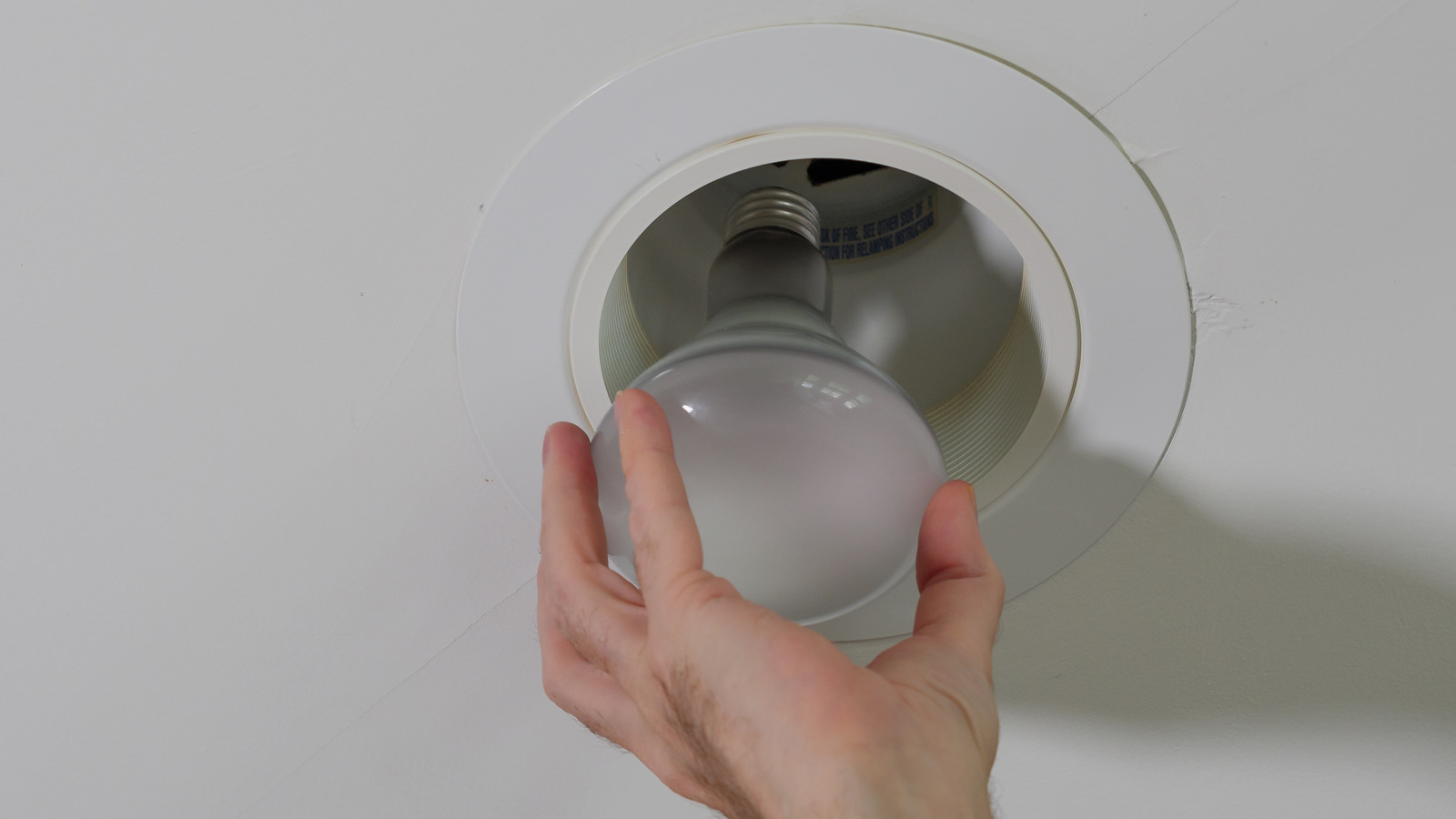
  • Prevent Light Bulbs from Sticking: Rub on threads before installing.

  • Protect Car Battery Terminals: A thin coat helps reduce corrosion.

  • Hide Minor Wood Scratches: Rub gently into scratches to make them less visible.


Safety Tips

While Vaseline is generally safe for external use, keep these precautions in mind:

  • Use only externally unless directed by a doctor.

  • Avoid applying inside the nose frequently.

  • Don’t use on deep wounds or serious burns without medical advice.

  • Use sparingly — a little goes a long way.


Why Vaseline Works So Well

Petroleum jelly is an occlusive agent, meaning it forms a protective barrier on the skin. This barrier prevents moisture loss and shields against environmental damage. Unlike many expensive beauty products, Vaseline contains very few ingredients, reducing the risk of irritation for most people.


Final Thoughts

Sometimes the simplest products are the most powerful. A single jar of Vaseline can replace multiple beauty and household items, saving you money and storage space. Whether you’re enhancing your beauty routine, solving small home problems, or protecting your skin, this timeless product proves that you don’t need complicated solutions for everyday challenges.

Keep a jar in your bathroom, your car, or your toolbox — you’ll be surprised how often you reach for it.

I Didn’t Believe This Floor Trick Until I Tried It

I’ll be honest — when I first heard about this simple floor cleaning trick, I rolled my eyes. It sounded like one of those exaggerated home hacks that promise sparkling floors with “zero effort.” I’ve tried countless methods over the years: expensive commercial cleaners, strong chemical solutions, and even steam mops. Some worked okay, some left streaks, and some made my house smell like a chemical factory.

But this one? It completely changed how I clean my floors.

The best part is that it uses just a few simple ingredients you probably already have in your kitchen. No harsh fumes. No sticky residue. No scrubbing on your hands and knees. Just shiny, fresh-smelling floors that look professionally cleaned.

Let me show you exactly how it works.

Why Most Floor Cleaners Fail

Before we get into the recipe, let’s talk about why many floor cleaning products disappoint:

  • They leave a dull film behind.

  • They make floors sticky over time.

  • They contain strong artificial fragrances.

  • They are expensive.

  • They can damage certain surfaces.

Over time, residue builds up. Even if your floor looks clean at first, it starts attracting more dust and grime. That’s when I knew I needed something simpler — and more natural.

The Simple Floor Trick Recipe

Ingredients:

  • 1 gallon (about 4 liters) warm water

  • 1 cup white vinegar

  • 1 tablespoon liquid dish soap

  • 5–10 drops essential oil (optional – lemon or lavender work beautifully)

That’s it. Four ingredients. No special tools required.

Why This Combination Works

White Vinegar
Vinegar is a natural disinfectant. It cuts through grease, removes odors, and dissolves mineral buildup. Don’t worry about the smell — it disappears once the floor dries.

Liquid Dish Soap
A small amount helps break down grime and dirt. The key is using just a tablespoon. Too much soap causes streaking.

Warm Water
Warm water helps dissolve dirt faster and allows the ingredients to mix properly.

Essential Oils (Optional)
This is just for fragrance. Lemon gives a fresh, clean scent, while lavender adds a calming touch.

Step-by-Step Instructions

  1. Fill your bucket with warm water.

  2. Add the white vinegar.

  3. Stir in the tablespoon of dish soap gently to avoid too many bubbles.

  4. Add essential oil if using.

  5. Dip your mop into the mixture and wring it out well. Damp — not soaking — works best.

  6. Mop as usual. No rinsing required.

  7. Let the floor air dry.

That’s it. No second pass. No polishing needed.

The First Time I Tried It

When I finished mopping, I honestly expected streaks. Instead, as the floor dried, I noticed something different. The shine looked natural — not glossy or artificial. There was no sticky feeling under my feet. And the fresh scent was subtle and clean.

The biggest surprise? My floors stayed cleaner longer. Dust didn’t cling the way it used to.

What Types of Floors Can You Use This On?

This mixture works beautifully on:

  • Tile floors

  • Vinyl flooring

  • Laminate

  • Sealed hardwood

⚠️ Important: Avoid using vinegar on natural stone floors like marble or granite. Vinegar is acidic and can damage the surface.

Extra Tips for Even Better Results

1. Sweep or Vacuum First
Always remove loose dirt before mopping. This prevents scratching.

2. Change the Water if It Gets Dirty
If you’re cleaning a large area, replace the solution halfway through.

3. Microfiber Mop = Best Results
Microfiber traps dirt better than traditional string mops.

4. Don’t Over-Soak Wood Floors
Too much moisture can cause damage over time.

Why I’ll Never Go Back to Store-Bought Cleaners

After trying this method for a few weeks, I realized:

  • My floors looked brighter.

  • My house smelled fresher without artificial scents.

  • I saved money.

  • I reduced chemical exposure in my home.

Sometimes the simplest solutions really are the best.

Bonus: Extra Shine Booster (Optional)

If you want even more shine for tile or vinyl floors, add:

  • 1 tablespoon rubbing alcohol

It helps the floor dry faster and enhances streak-free results.

Final Thoughts

I truly didn’t believe this floor trick until I tried it. It seemed too simple to work. But now it’s my go-to method, and I recommend it to everyone who wants clean, fresh floors without harsh chemicals or expensive products.

Homemade Dishwasher Pods

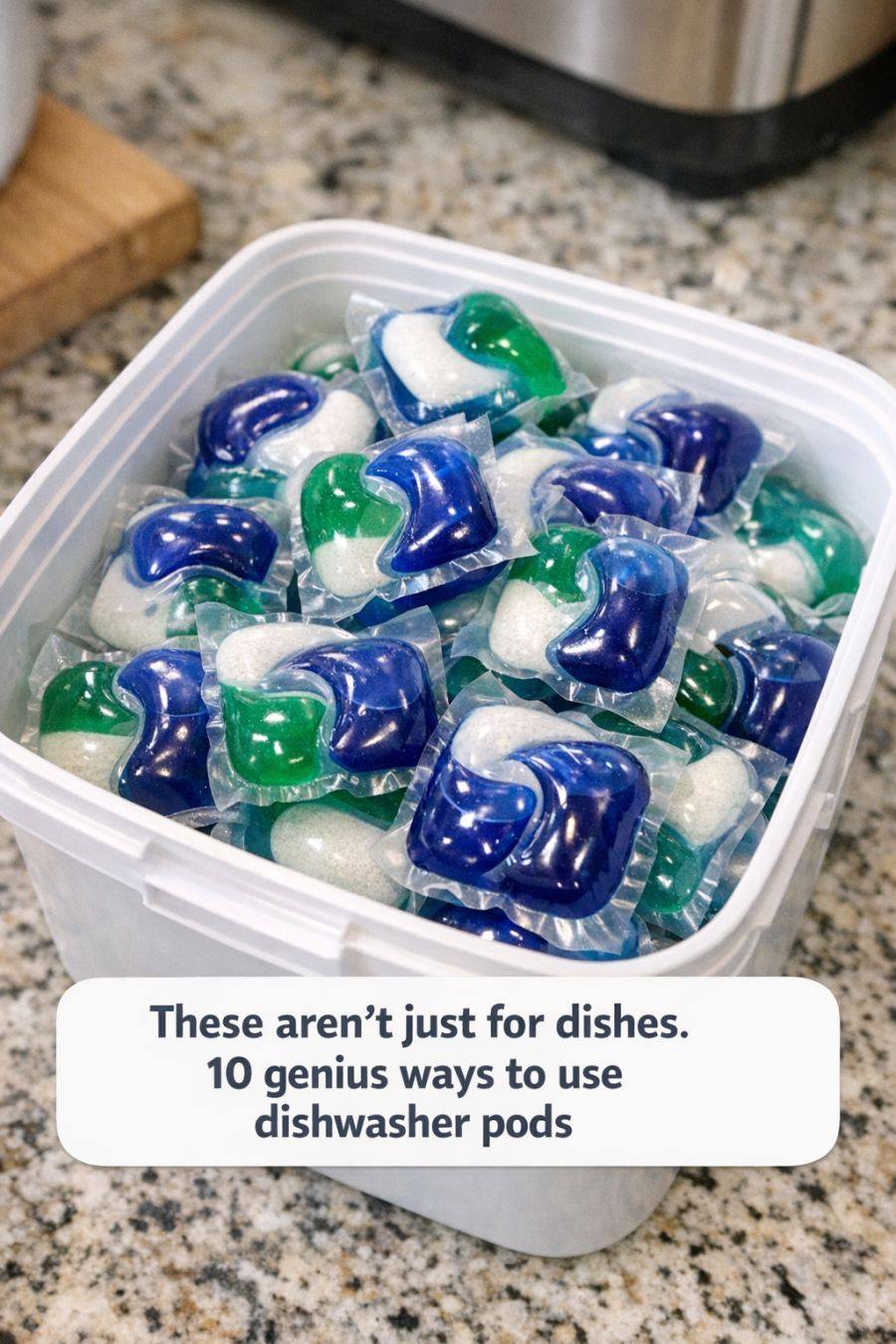
If you’re looking for a simple, affordable, and effective way to keep your dishes sparkling clean, homemade dishwasher pods are the perfect solution. Store-bought pods are convenient, but they can be expensive and often contain harsh chemicals and artificial fragrances. Making your own allows you to control the ingredients, reduce waste, and save money — all while achieving beautifully clean dishes.

This easy recipe uses just a few common household ingredients and takes less than 15 minutes to prepare. Once made, you’ll have a batch of powerful dishwasher pods ready to tackle grease, dried-on food, and cloudy glassware.

Why Make Your Own Dishwasher Pods?

There are several great reasons to switch to homemade pods:

  • Cost-effective: Far cheaper than commercial brands.

  • Eco-friendly: Reduces plastic packaging waste.

  • Customizable: Control scent and cleaning strength.

  • Non-toxic: Avoid unnecessary dyes and synthetic fragrances.

Homemade dishwasher pods work especially well if you have hard water, which often leaves spots and buildup on glassware.

Ingredients

  • 1 cup washing soda

  • 1 cup baking soda

  • 1 cup citric acid

  • ½ cup coarse salt

  • 1–2 tablespoons water (as needed)

  • Optional: 15–20 drops lemon or orange essential oil

What Each Ingredient Does

Washing soda: Cuts grease and boosts cleaning power.
Baking soda: Deodorizes and gently cleans.
Citric acid: Prevents hard water spots and adds shine.
Salt: Softens water and improves performance.
Essential oils (optional): Add a fresh, natural scent.

Instructions

Step 1: Mix the Dry Ingredients

In a large mixing bowl, combine the washing soda, baking soda, citric acid, and salt. Stir thoroughly to ensure everything is evenly distributed.

Step 2: Add Essential Oils (Optional)

If using essential oils, add them now and mix well. Lemon oil works especially well for cutting grease and leaving dishes smelling fresh.

Step 3: Add Water Slowly

Very slowly sprinkle in water — just a little at a time. Stir continuously while adding. You only want enough moisture so the mixture holds together when squeezed. Do not add too much water, or the citric acid will begin reacting and fizzing.

The texture should resemble damp sand.

Step 4: Mold the Pods

Spoon the mixture into silicone molds (ice cube trays work perfectly). Press down firmly to compact the mixture tightly.

Step 5: Dry Completely

Let the pods dry for at least 24 hours in a dry area. Once completely hardened, remove from molds and store in an airtight container.

How to Use

Place one pod into the detergent compartment of your dishwasher. For extra shine, fill the rinse aid compartment with white vinegar.

If your dishes are heavily soiled, you may sprinkle a small amount of baking soda in the bottom of the dishwasher before starting the cycle.

Storage Tips

  • Store in an airtight container.

  • Keep away from moisture.

  • Use within 2–3 months for best performance.

Humidity can cause the pods to soften, so if you live in a humid climate, you may want to add a small silica moisture absorber packet to your container.

Extra Cleaning Boost Option

For extremely greasy dishes, add 1 tablespoon of borax to the dry mix. Borax enhances cleaning power and helps remove stubborn residue.

Tips for Best Results

  • Scrape large food pieces off plates before loading.

  • Don’t overload your dishwasher.

  • Clean your dishwasher filter regularly.

  • Run hot water in the sink before starting the dishwasher to ensure a hot first cycle.

Common Questions

Why are my pods crumbly?

You may not have added enough moisture when forming them. Add slightly more water next time.

Why are my dishes cloudy?

This is usually hard water buildup. Increase the citric acid slightly or use vinegar as a rinse aid.

Can I skip citric acid?

It’s not recommended. Citric acid is essential for removing mineral deposits and boosting shine.

Final Thoughts

Homemade dishwasher pods are a simple and practical way to take control of what goes into your cleaning routine. They’re powerful enough to handle everyday dish loads, gentle enough to avoid harsh chemicals, and affordable enough to make in bulk.

With just a few ingredients and minimal effort, you can create eco-friendly dishwasher pods that rival store-bought brands — and you’ll feel great knowing exactly what you’re using in your home.