Be Careful About Falling in Love Again in Old Age: Wisdom for the Heart

Falling in love is one of life’s most beautiful experiences. It brings excitement, hope, companionship, and renewed energy. But when love comes later in life, it carries unique emotional, financial, and social considerations. While romance in old age can be deeply fulfilling, it also requires wisdom, clarity, and caution.

If you are considering opening your heart again after 50, 60, or even 70, here is a detailed guide to help you move forward safely and confidently.


1. Emotional Vulnerability Is Stronger Than You Think

As we grow older, many of us have experienced loss—whether through divorce, separation, or the passing of a spouse. Loneliness can become a powerful emotional force. When someone new offers attention, affection, and companionship, it can feel like a miracle.

However, emotional vulnerability increases with age. After years without intimacy, even small gestures can feel overwhelming. This may cause you to:

  • Ignore red flags

  • Move too quickly

  • Overlook incompatibilities

  • Trust too easily

Take time to understand whether your feelings are based on genuine compatibility or simply relief from loneliness.

Love at any age deserves patience.


2. Financial Protection Is Essential

Unfortunately, financial scams targeting older adults are increasing worldwide. Some individuals intentionally seek relationships with seniors for money, gifts, or inheritance benefits.

Before merging finances or making financial commitments:

  • Avoid giving large loans or gifts early in the relationship

  • Never share banking details or passwords

  • Be cautious about co-signing loans

  • Consult a financial advisor before changing wills or beneficiaries

Even if the relationship feels sincere, financial independence protects both partners and prevents future misunderstandings.

True love will respect boundaries.


3. Family Dynamics Can Become Complicated

When love enters later in life, family reactions can vary. Adult children may feel protective, suspicious, or even threatened—especially if inheritance or property is involved.

Common concerns include:

  • Fear of manipulation

  • Worries about financial exploitation

  • Emotional attachment to the memory of a deceased parent

Open communication is critical. Introduce your partner gradually. Allow family members time to adjust. Transparency reduces tension and builds trust.

Remember, your happiness matters—but so do healthy family relationships.


4. Health Compatibility Matters

At an older age, health becomes an important factor in any serious relationship. Chronic illnesses, mobility limitations, or caregiving needs can influence the dynamic significantly.

Ask yourself:

  • Are we physically and emotionally prepared to support each other?

  • Are expectations realistic?

  • Are we clear about future care responsibilities?

Discuss health history honestly. It may feel uncomfortable, but openness now prevents conflict later.

Love is not just romance—it is also responsibility.


5. Avoid Rushing Commitment

Older adults sometimes feel time pressure. There may be a sense of “not wanting to waste time” or fear that opportunities won’t come again.

But rushing into:

  • Marriage

  • Selling property

  • Moving in immediately

  • Changing legal documents

can create regret.

Healthy relationships grow through shared experiences. Travel together. Meet each other’s friends. Handle small conflicts. See how your partner responds to stress.

Time reveals character.


6. Recognize the Difference Between Companionship and Compatibility

Loneliness can make companionship feel like love. But companionship alone is not enough for a lasting partnership.

Ask important questions:

  • Do we share similar values?

  • Do we respect each other’s independence?

  • Can we communicate calmly during disagreements?

  • Are life goals aligned?

Compatibility includes emotional maturity, mutual respect, and shared expectations—not just chemistry.


7. Maintain Your Independence

One common mistake in later-life relationships is losing independence too quickly. After years of living alone, it’s easy to become emotionally dependent on someone who brings joy back into your life.

Keep:

  • Your friendships

  • Your hobbies

  • Your routines

  • Your financial autonomy

A healthy relationship enhances your life—it does not replace it.


8. Watch for Red Flags

Regardless of age, some warning signs should never be ignored:

  • Pressuring you for money

  • Isolating you from family or friends

  • Moving the relationship forward too fast

  • Avoiding transparency about their past

  • Inconsistent stories

Trust your instincts. If something feels off, pause. Consult a trusted friend or advisor.

Love should bring peace, not anxiety.


9. Understand That Love in Old Age Can Be Beautiful

While caution is important, do not let fear prevent you from experiencing happiness. Research consistently shows that companionship improves mental health, reduces depression, and even supports physical well-being in older adults.

Benefits of healthy later-life relationships include:

  • Emotional stability

  • Increased life satisfaction

  • Reduced stress

  • Stronger immune function

  • Renewed sense of purpose

Love does not have an expiration date.


10. Move Forward With Wisdom, Not Fear

The goal is not to avoid love—it is to approach it with awareness.

Before fully committing, take time to reflect:

  • Are you emotionally healed from the past?

  • Are you choosing from strength, not loneliness?

  • Is this relationship balanced and respectful?

Seek legal and financial advice if marriage is involved. Keep communication honest. Move at a comfortable pace.

Love in old age should feel safe, steady, and mutual.


Final Thoughts

Falling in love again later in life can be one of the most rewarding chapters you will ever write. It brings warmth, companionship, and renewed hope. But wisdom must guide the heart.

Be open—but be observant.
Be hopeful—but be practical.
Be loving—but protect your peace.

When approached thoughtfully, love in old age is not something to fear. It is something to cherish—with maturity, clarity, and courage.


Drink this before bed to eliminate all belly fat in just one week.

The idea that one single drink can magically eliminate all belly fat in just one week sounds tempting—but the truth is, no drink alone can completely remove belly fat that quickly. However, certain natural ingredients can support digestion, reduce bloating, improve metabolism, and help your body burn fat more efficiently when combined with a balanced diet and regular movement.

This simple bedtime drink is designed to support fat loss, especially around the stomach area, by improving digestion, reducing inflammation, and stabilizing blood sugar overnight.

Let’s dive into this powerful nighttime belly-fat-support drink recipe.

Lemon Ginger Cinnamon Fat-Burning Night Drink

Why This Drink Works

Each ingredient plays an important role:

  • Lemon helps detoxify the liver and reduce water retention.

  • Ginger improves digestion and boosts metabolism.

  • Cinnamon helps regulate blood sugar and reduce cravings.

  • Warm water helps the body absorb nutrients and supports digestion before sleep.

This combination can reduce bloating, improve gut health, and support steady fat loss over time.

Ingredients

  • 1 cup warm water (not boiling)

  • Juice of ½ fresh lemon

  • ½ teaspoon grated fresh ginger (or ¼ teaspoon ginger powder)

  • ½ teaspoon cinnamon powder (preferably Ceylon cinnamon)

  • 1 teaspoon raw honey (optional)


Instructions

  1. Heat one cup of water until warm but not boiling.

  2. Add freshly squeezed lemon juice.

  3. Stir in grated ginger or ginger powder.

  4. Add cinnamon powder and mix well.

  5. Add honey if desired.

  6. Let it sit for 2–3 minutes.

  7. Drink it 30 minutes before bedtime.

For best results, drink consistently for 7 days while following a light dinner plan.

How It Supports Belly Fat Reduction

1. Reduces Nighttime Bloating

Ginger and lemon help reduce gas and improve digestion, preventing the “puffy belly” look in the morning.

2. Balances Blood Sugar

Cinnamon helps stabilize blood sugar levels overnight. Stable blood sugar means fewer cravings and less fat storage.

3. Supports Liver Function

The liver plays a major role in fat metabolism. Lemon and warm water gently support natural detox processes.

4. Boosts Metabolism

Ginger increases thermogenesis (heat production), helping your body burn more calories—even at rest.

What You Should Avoid at Night

For this drink to work effectively, avoid:

  • Late-night sugary snacks

  • Fried or heavy dinners

  • Soda or sweetened drinks

  • Large portions right before bed

Instead, choose light meals such as grilled chicken, vegetables, soup, or salad for dinner.

Optional Powerful Additions

If you want to enhance the effect, you can rotate these ingredients during the week:

  • A pinch of turmeric for anti-inflammatory benefits

  • Apple cider vinegar (1 teaspoon) for appetite control

  • Fresh mint leaves for digestion

Simple 7-Day Belly Fat Support Plan

To maximize results:

  • Walk 20–30 minutes daily

  • Drink at least 6–8 glasses of water

  • Avoid refined sugar

  • Get 7–8 hours of sleep

Fat loss happens when your body is in a calorie deficit consistently. This drink supports the process but is not a magic solution.

Realistic Expectations

In one week, you may notice:

  • Reduced bloating

  • A flatter stomach appearance

  • Less water retention

  • Better digestion

  • Slight weight loss (mostly water and reduced inflammation)

Significant fat loss takes time, consistency, and lifestyle changes.

Important Safety Notes

  • If you have acid reflux, reduce lemon quantity.

  • If you have diabetes, consult your doctor before using cinnamon daily.

  • Pregnant women should consult a healthcare provider before adding concentrated ginger.

Final Thoughts

There is no overnight miracle for belly fat, but small healthy habits add up quickly. This lemon ginger cinnamon night drink can help reduce bloating, improve metabolism, and support your weight-loss journey when combined with mindful eating and light exercise.

Dear parents, please always keep your children’s baby teeth

As parents, we celebrate every milestone in our child’s life—their first smile, first word, and especially their first tooth. Those tiny pearly whites may seem temporary, but baby teeth are far more important than many people realize. Too often, parents think, “They’re just baby teeth—they’ll fall out anyway.” However, these small teeth play a powerful role in your child’s health, development, and future smile.

Let’s explore why keeping your children’s baby teeth healthy and intact is one of the best investments you can make in their overall well-being.

What Are Baby Teeth?
4

Baby teeth, also known as primary teeth, typically begin to appear around six months of age. By the time your child turns three, they usually have a full set of 20 baby teeth. These teeth remain in place until about age six, when they gradually begin to fall out to make room for permanent teeth.

Although temporary, baby teeth are essential for:

Proper chewing and nutrition

Speech development

Maintaining space for permanent teeth

Building confidence through a healthy smile

Why Baby Teeth Matter More Than You Think
1. They Help Your Child Eat Properly

Healthy baby teeth allow children to chew food correctly. When teeth are damaged or lost too early due to cavities or injury, chewing becomes difficult and sometimes painful. This may lead to poor eating habits or nutritional deficiencies.

Strong baby teeth support a balanced diet, ensuring your child receives the nutrients needed for healthy growth and development.

2. They Support Clear Speech Development

Teeth play an important role in pronunciation. Many sounds—like “s,” “th,” and “f”—require proper tooth placement. If baby teeth are lost too early, speech development may be affected. Children may struggle with articulation, leading to frustration or confidence issues.

Maintaining healthy primary teeth helps your child speak clearly and confidently.

3. They Hold Space for Permanent Teeth

Each baby tooth acts as a placeholder for the permanent tooth growing underneath. If a baby tooth falls out too early due to decay, neighboring teeth can shift into the empty space. This can block permanent teeth from coming in correctly, potentially leading to crowding or misalignment.

Orthodontic problems later in life often begin with early loss of baby teeth. Protecting these teeth can reduce the need for braces or complex dental treatments in the future.

4. They Prevent Infections and Pain

Tooth decay in baby teeth is not harmless. Cavities can cause significant pain, infections, and even abscesses. In severe cases, untreated dental infections can affect overall health.

Bacteria from decayed teeth may spread to other parts of the body. Maintaining good oral hygiene from infancy protects your child from unnecessary pain and medical complications.

Common Myths About Baby Teeth
Myth 1: “They’ll fall out anyway, so treatment isn’t necessary.”

This is one of the most harmful misconceptions. Even though baby teeth are temporary, they need proper care. Ignoring cavities can cause pain and long-term damage to permanent teeth developing beneath them.

Myth 2: “Children are too young for the dentist.”

Dental professionals recommend a child’s first dental visit by their first birthday or when the first tooth appears. Early visits help detect problems and establish healthy habits.

Myth 3: “Cavities in baby teeth don’t affect permanent teeth.”

Infections in baby teeth can damage developing permanent teeth underneath. Protecting baby teeth protects the future smile.

How to Care for Baby Teeth Properly
4

Caring for baby teeth does not need to be complicated. Simple daily habits make a huge difference.

1. Start Early

Even before teeth appear, gently wipe your baby’s gums with a clean, damp cloth after feedings. Once the first tooth erupts, use a soft-bristled toothbrush and a tiny smear of fluoride toothpaste.

2. Brush Twice Daily

Brush your child’s teeth in the morning and before bedtime. For children under three, use a rice-sized amount of toothpaste. For ages three to six, use a pea-sized amount.

Supervise brushing until your child develops proper technique, usually around age 7 or 8.

3. Limit Sugary Foods and Drinks

Frequent snacking on sugary foods increases the risk of cavities. Avoid putting your child to bed with milk or juice bottles, as sugars can sit on teeth overnight and cause decay.

Encourage water between meals and healthy snacks like fruits, vegetables, and cheese.

4. Schedule Regular Dental Visits

Routine dental checkups every six months help catch problems early. Dentists can apply protective fluoride treatments and sealants to reduce cavity risk.

Emotional and Social Benefits of Healthy Baby Teeth

A healthy smile builds confidence. Children with dental pain may avoid smiling, speaking, or interacting with others. Untreated dental problems can affect self-esteem and social development.

When children feel good about their smile, they are more likely to participate in school activities, communicate openly, and build friendships.

The Long-Term Impact

Good oral hygiene habits formed in early childhood often last a lifetime. Teaching your child to value dental health sets the foundation for healthy permanent teeth and fewer dental problems as adults.

Baby teeth are the training ground for lifelong oral health. By caring for them properly, you are teaching responsibility, discipline, and self-care.

A Loving Reminder to Parents

Dear parents, your child’s baby teeth may be small, but their importance is enormous. They are not disposable or unimportant. They guide speech, nutrition, facial development, and future dental alignment.

Protecting baby teeth means protecting your child’s comfort, health, and confidence. Simple daily care, regular dental visits, and healthy habits can prevent pain and costly treatments later.

When you help your child brush their tiny teeth each night, you are doing much more than cleaning enamel—you are building a foundation for a lifetime of healthy smiles.

1 tablespoon a day and your liver will be clean! It cures all diseases. All impurities are removed

You may have seen bold claims online saying, “1 tablespoon a day and your liver will be clean! It cures all diseases. All impurities are removed.” While no single food or drink can cure all diseases, it is true that certain natural ingredients can support your liver’s normal detoxification process. The liver is one of the hardest-working organs in your body. It naturally filters toxins, processes nutrients, balances hormones, and helps digest fats.

Instead of promising miracles, this recipe focuses on ingredients traditionally used to support liver health in a gentle, nourishing way. Think of it as a daily wellness booster — not a cure-all.

This simple one-tablespoon concentrate combines lemon, olive oil, turmeric, and honey — ingredients long associated with digestive and liver support.

Why These Ingredients?

Before we get into the recipe, let’s understand why these ingredients are chosen.

1. Lemon Juice

Fresh lemon juice is rich in vitamin C and antioxidants. It may support digestion and bile production, which helps the liver process fats efficiently.

2. Extra Virgin Olive Oil

High-quality olive oil contains healthy monounsaturated fats and antioxidants. It may help reduce inflammation and support overall liver function.

3. Turmeric

Turmeric contains curcumin, known for its anti-inflammatory and antioxidant properties. It has been studied for potential benefits in supporting liver health.

4. Raw Honey

Raw honey adds natural sweetness and contains antioxidants. It also helps make the mixture smoother and easier to consume daily.

Liver Support Daily Spoon Recipe

Ingredients:

  • 2 tablespoons fresh lemon juice

  • 2 tablespoons extra virgin olive oil

  • 1 teaspoon turmeric powder

  • 1 tablespoon raw honey

  • A pinch of black pepper (optional, improves turmeric absorption)

Instructions:

  1. In a small glass bowl, combine the fresh lemon juice and olive oil.

  2. Add the turmeric powder and mix thoroughly until smooth.

  3. Stir in the raw honey until fully incorporated.

  4. Add a small pinch of black pepper if desired.

  5. Transfer the mixture to a small glass jar with a lid.

  6. Store in the refrigerator for up to 3–4 days. Shake well before each use.

How to Use

Take 1 tablespoon each morning on an empty stomach. You may follow it with a glass of warm water if the taste feels strong. Continue for 2–3 weeks, then take a short break before restarting.

What This Drink May Support

While it does not “cure all diseases,” regular use alongside a healthy lifestyle may help:

  • Support normal liver detoxification

  • Promote better digestion

  • Reduce mild bloating

  • Provide antioxidant support

  • Encourage healthy bile flow

The liver naturally detoxifies your body every day. This mixture simply provides nutrients that may assist that natural process.

Important Truth About Liver “Cleansing”

Your liver does not need extreme cleanses, harsh detox drinks, or starvation diets. In fact, those can sometimes stress your body. The best way to keep your liver healthy includes:

  • Drinking plenty of water

  • Limiting processed foods

  • Reducing added sugars

  • Avoiding excessive alcohol

  • Eating leafy greens and fiber-rich foods

  • Maintaining a healthy weight

If you have liver disease, fatty liver, hepatitis, or any medical condition, consult a healthcare professional before trying new remedies.

Optional Boost Variations

If you want to enhance the mixture naturally, you can occasionally add:

  • A few drops of apple cider vinegar

  • Fresh grated ginger

  • A sprinkle of cinnamon

These additions can provide extra antioxidant and digestive support.

When You Might Notice Benefits

Some people report feeling lighter digestion and improved energy within 1–2 weeks. However, real liver health improvements come from consistent healthy habits, not one ingredient alone.

Final Thoughts

The idea that “1 tablespoon a day cures all diseases” is an exaggeration. No single food, herb, or drink can replace medical treatment or cure every illness. However, this simple liver-support spoon can be a gentle addition to a balanced lifestyle.

Small daily habits often lead to meaningful long-term benefits. Supporting your liver with nutrient-rich ingredients, staying hydrated, and eating whole foods is a smarter approach than chasing miracle cures.

Half a cup of this in the morning and say goodbye to bone pain, diabetes, nerves, anxiety, depression and heaviness.

Morning Healing Herbal Tea (Natural Wellness Drink)

A warm cup of herbal tea in the morning can be one of the simplest yet most comforting rituals you add to your daily routine. While no single drink can magically cure bone pain, diabetes, anxiety, or depression, certain natural ingredients are well known for supporting overall wellness, reducing inflammation, calming the nervous system, and promoting better digestion.

This Morning Healing Herbal Tea combines ginger, turmeric, cinnamon, and green tea—ingredients valued for centuries in traditional wellness practices. When enjoyed consistently as part of a balanced lifestyle, this tea may help support joint comfort, stable energy levels, and mental calmness.

Let’s prepare this nourishing morning drink step by step.


Why These Ingredients?

Before we begin, here’s why each ingredient is included:

  • Ginger: Known for its anti-inflammatory properties and digestive support. It may help reduce stiffness and discomfort.

  • Turmeric: Contains curcumin, a powerful antioxidant that supports joint and overall health.

  • Cinnamon: Often associated with supporting balanced blood sugar levels.

  • Green Tea: Rich in antioxidants that support metabolism and brain function.

  • Honey (optional): Adds natural sweetness and soothing properties.

  • Lemon (optional): Provides vitamin C and a refreshing taste.

Together, these ingredients create a warming, gently energizing drink perfect for mornings.


Ingredients (1 Serving)

  • 1 cup water

  • ½ teaspoon freshly grated ginger (or ¼ teaspoon ginger powder)

  • ½ teaspoon turmeric powder (or 1 teaspoon fresh grated turmeric)

  • ¼ teaspoon cinnamon powder

  • 1 green tea bag (or 1 teaspoon loose green tea)

  • A pinch of black pepper (enhances turmeric absorption)

  • 1 teaspoon raw honey (optional)

  • 1 teaspoon fresh lemon juice (optional)


Instructions

Step 1: Heat the Water

Pour 1 cup of water into a small saucepan and bring it to a gentle boil over medium heat.

Step 2: Add the Spices

Once the water begins to boil, reduce the heat slightly and add the ginger, turmeric, cinnamon, and a pinch of black pepper. Stir gently.

Allow the mixture to simmer for about 5–7 minutes. This helps extract the beneficial compounds from the spices.

Step 3: Add the Green Tea

Turn off the heat and add the green tea bag. Let it steep for 2–3 minutes. Avoid steeping too long, as it may turn bitter.

Step 4: Strain and Enhance

Strain the tea into your favorite cup. Add honey and lemon juice if desired. Stir well and enjoy while warm.


How to Use

Drink half to one cup in the morning on an empty stomach or after a light breakfast. Consistency matters more than quantity. This tea is meant to support wellness—not replace medical treatment.

If you have any medical conditions, are pregnant, or are taking medications (especially blood thinners or diabetes medications), consult a healthcare professional before making this part of your routine.


Potential Benefits of Regular Use

While results vary from person to person, here’s how this tea may support your body when combined with healthy habits:

1. Joint and Bone Support

Turmeric and ginger both contain natural compounds known for supporting inflammation balance in the body, which may contribute to improved comfort and flexibility.

2. Blood Sugar Balance

Cinnamon and green tea have been studied for their potential role in supporting healthy blood sugar levels when combined with proper diet and exercise.

3. Nervous System Calm

Warm herbal drinks naturally promote relaxation. Ginger and green tea may help improve focus and mood without causing jitteriness like strong coffee can.

4. Digestive Health

Ginger is widely used to ease bloating and support digestion. Drinking this tea in the morning may gently awaken your digestive system.

5. Energy Without Crash

Green tea contains a moderate amount of caffeine along with L-theanine, which may promote calm alertness rather than a sharp spike and crash.


Tips for Best Results

  • Use fresh ingredients whenever possible.

  • Pair this tea with a balanced diet rich in vegetables, lean protein, and whole grains.

  • Stay hydrated throughout the day.

  • Incorporate gentle daily movement such as walking or stretching.

  • Maintain regular sleep patterns.

Remember, no single drink replaces proper medical care, balanced nutrition, physical activity, or mental health support.


Optional Variations

Creamy Golden Version

Add 2 tablespoons of unsweetened almond milk or coconut milk for a smoother texture.

Caffeine-Free Version

Skip the green tea and use chamomile or rooibos instead.

Stronger Detox Version

Add a few fresh mint leaves during simmering for extra freshness.


Storage

This tea is best enjoyed fresh. However, you can prepare a larger batch (2–3 cups) and store it in the refrigerator for up to 24 hours. Reheat gently before drinking—do not boil again.


Final Thoughts

A simple cup of herbal tea in the morning can be more than just a drink—it can become a mindful ritual that sets the tone for your entire day. While it won’t magically eliminate serious health conditions, it may support your body’s natural balance when combined with healthy choices.

Small daily habits create long-term change. Start your morning with warmth, nourishment, and intention—and let that be the foundation of better wellness.

Eliminate fat from arms, belly

Creamy Chia Breakfast Pudding for a Slimmer, Energized Start

If you’re looking for a simple, nourishing breakfast that keeps you full for hours and supports healthy weight management, this creamy chia breakfast pudding might become your new favorite morning ritual. Packed with fiber, protein, and healthy fats, this easy recipe requires only a handful of ingredients and a few minutes of preparation. Make it the night before, and you’ll wake up to a delicious, ready-to-eat meal that feels indulgent but fuels your body the right way.

Chia seeds have become a staple in healthy kitchens for good reason. These tiny seeds absorb liquid and expand, creating a rich, pudding-like texture while delivering impressive nutritional benefits. They are high in soluble fiber, which supports digestion and helps you feel satisfied longer. This can naturally reduce cravings and prevent overeating throughout the day.

Below is a detailed, step-by-step guide to making a perfectly creamy chia breakfast pudding, along with helpful tips, variations, and serving ideas.


Why This Breakfast Works

This recipe supports balanced energy levels and appetite control because it combines:

  • Fiber from chia seeds to promote fullness
  • Protein from milk or yogurt to support muscle and satiety
  • Healthy fats to stabilize blood sugar
  • Natural sweetness without refined sugar

When eaten consistently as part of a balanced lifestyle, this breakfast can help you feel lighter, less bloated, and more energized.


Creamy Chia Breakfast Pudding Recipe

Ingredients (Serves 2–3)

  • 4 tablespoons chia seeds
  • 2 cups unsweetened almond milk (or any milk of choice)
  • 1/2 teaspoon pure vanilla extract
  • 1–2 teaspoons raw honey or maple syrup (optional)
  • 1 tablespoon fresh lemon or orange zest (optional, for brightness)
  • Fresh fruit for topping (berries, sliced banana, or diced apple)
  • 1 tablespoon chopped nuts or seeds for garnish (optional)

Step-by-Step Instructions

1. Combine the Base Ingredients

In a medium mixing bowl, pour in the almond milk. Add the vanilla extract and honey or maple syrup if using. Stir well to combine.

2. Add the Chia Seeds

Slowly sprinkle in the chia seeds while whisking continuously. This prevents clumping and ensures even distribution.

3. First Rest and Stir

Let the mixture sit for about 5 minutes. You’ll notice it beginning to thicken. Stir again thoroughly to break up any clumps.

4. Chill Overnight

Cover the bowl or divide the mixture into glass jars with lids. Refrigerate for at least 4 hours, preferably overnight. During this time, the chia seeds absorb the liquid and create a thick, creamy pudding texture.

5. Stir and Adjust

In the morning, stir the pudding. If it feels too thick, add a splash of milk and mix until smooth. Taste and adjust sweetness if needed.

6. Add Toppings

Top with fresh fruit, nuts, seeds, or a sprinkle of cinnamon. Serve chilled and enjoy.


Texture Tips for Perfect Pudding

  • Too thick? Add 1–2 tablespoons of milk and stir well.
  • Too thin? Add 1 teaspoon of chia seeds, stir, and refrigerate for another 30 minutes.
  • Lumpy texture? Blend the mixture briefly with a hand blender for a smoother consistency.

Flavor Variations

1. Citrus Fresh

Add orange zest and a squeeze of fresh orange juice for a bright, refreshing taste.

2. Berry Boost

Mix in mashed strawberries or blueberries before refrigerating for natural sweetness and antioxidants.

3. Cocoa Delight

Stir in 1 teaspoon unsweetened cocoa powder and a dash of cinnamon for a chocolate-inspired version.

4. Tropical Twist

Use coconut milk instead of almond milk and top with mango and shredded coconut.


Nutritional Highlights

Chia seeds are rich in omega-3 fatty acids, antioxidants, and minerals like calcium and magnesium. Just two tablespoons contain around 10 grams of fiber. This high fiber content helps support digestive health and promotes a steady release of energy.

Because this pudding is naturally low in refined sugars and high in nutrients, it helps reduce mid-morning crashes. Many people find that when they replace sugary cereals or pastries with a fiber-rich breakfast like this, their cravings decrease significantly.


Meal Prep Advantage

One of the best things about this recipe is how convenient it is. Prepare three or four jars at once and store them in the refrigerator for up to four days. This makes busy mornings stress-free and prevents unhealthy grab-and-go choices.

For best results:

  • Store in airtight glass jars
  • Keep refrigerated
  • Add fresh toppings just before serving

Who Will Love This Recipe?

  • Busy professionals needing a quick breakfast
  • Anyone looking for a lighter morning meal
  • People trying to manage portion control
  • Those who prefer no-cook recipes
  • Individuals wanting a plant-based option

Helpful Health Note

While this breakfast can support weight management, no single food causes dramatic body changes on its own. Sustainable results come from consistent healthy eating, hydration, regular movement, and good sleep. This pudding works best as part of a balanced lifestyle.


Final Thoughts

Creamy chia breakfast pudding is simple, customizable, and nourishing. With minimal effort, you get a breakfast that keeps you satisfied for hours and supports digestive wellness. Whether you prefer fruity, chocolatey, or citrus flavors, this versatile recipe adapts to your taste.

Make it tonight, and tomorrow morning you’ll have a cool, creamy, naturally sweet breakfast waiting for you. Over time, small daily habits like this can make a meaningful difference in how you feel — lighter, more energized, and ready to take on the day.

Easy Chocolate Caramel Nut Bars

If you love the irresistible combination of silky chocolate, gooey caramel, and crunchy nuts, these Easy Chocolate Caramel Nut Bars are about to become your new favorite treat. Inspired by the classic flavors found in a Snickers bar, this homemade version is richer, fresher, and surprisingly simple to prepare. Perfect for holidays, potlucks, bake sales, or late-night sweet cravings, these bars deliver layers of texture and flavor in every bite.

The beauty of this recipe is that it looks impressive but requires no complicated techniques. With a buttery base, luscious caramel center, crunchy roasted nuts, and a smooth chocolate topping, these bars strike the perfect balance between sweet and salty. Let’s dive into this easy, foolproof recipe.

Why You’ll Love These Bars

  • No fancy equipment needed

  • Simple pantry ingredients

  • Perfect make-ahead dessert

  • Freezer-friendly

  • Customizable with your favorite nuts and chocolate

These bars are sturdy enough to slice cleanly but soft enough to melt in your mouth. The caramel layer stays chewy without becoming too hard, and the chocolate topping adds the perfect finishing touch.

Ingredients

For the Base:

  • 1 cup all-purpose flour

  • ½ cup unsalted butter, melted

  • ¼ cup granulated sugar

  • Pinch of salt

For the Caramel Nut Layer:

  • 1 cup soft caramels (store-bought or homemade)

  • 2 tablespoons heavy cream

  • 1 cup roasted peanuts (or mixed nuts)

For the Chocolate Topping:

  • 1½ cups semi-sweet chocolate chips

  • 1 tablespoon butter or coconut oil (for shine)

Instructions

Step 1: Prepare the Base

Preheat your oven to 350°F (175°C). Line an 8×8-inch baking pan with parchment paper, leaving some overhang for easy removal later.

In a bowl, mix the melted butter, sugar, flour, and salt until a soft dough forms. Press the mixture evenly into the bottom of the prepared pan.

Bake for 12–15 minutes or until lightly golden. Remove from the oven and let cool slightly while preparing the caramel layer.

Step 2: Make the Caramel Nut Layer

In a saucepan over low heat, melt the caramels with heavy cream, stirring constantly until smooth and creamy. Be patient—low heat prevents burning.

Once melted, stir in the roasted peanuts (or your preferred nuts). Pour the caramel mixture evenly over the baked crust, spreading gently with a spatula.

Allow this layer to cool for about 10–15 minutes before adding chocolate.

Step 3: Add the Chocolate Topping

Melt the chocolate chips with 1 tablespoon butter or coconut oil using a double boiler or microwave in 20-second intervals, stirring between each interval.

Once smooth, pour the melted chocolate over the caramel layer and spread evenly.

For a decorative touch, sprinkle a pinch of sea salt or extra chopped nuts on top before the chocolate sets.

Step 4: Chill and Slice

Refrigerate the bars for at least 2 hours, or until fully set. Once firm, lift them out using the parchment paper and slice into squares or rectangles with a sharp knife.

For clean slices, run your knife under hot water, wipe dry, and cut.

Tips for Perfect Bars

  • Use good-quality chocolate for richer flavor.

  • Toast your nuts for deeper crunch and aroma.

  • If your caramel seems too thick, add an extra tablespoon of cream.

  • Don’t rush chilling—fully set bars slice much cleaner.

Flavor Variations

One of the best things about these bars is how adaptable they are:

  • Swap peanuts for almonds, pecans, or hazelnuts.

  • Use milk chocolate for a sweeter taste.

  • Add a thin layer of peanut butter between the crust and caramel.

  • Stir shredded coconut into the caramel for extra texture.

Storage Instructions

Store the bars in an airtight container:

  • Refrigerator: Up to 1 week

  • Freezer: Up to 3 months (separate layers with parchment paper)

Let frozen bars sit at room temperature for about 10 minutes before serving for best texture.

Serving Ideas

These bars are perfect served:

  • With a scoop of vanilla ice cream

  • Alongside hot coffee or tea

  • Wrapped individually for gifting

  • As part of a holiday dessert platter

Their rich flavor makes them ideal for special occasions, but they’re easy enough for everyday baking too.

Final Thoughts

Easy Chocolate Caramel Nut Bars are proof that homemade desserts don’t have to be complicated to be extraordinary. With simple layers and classic flavors, they deliver bakery-quality results right from your kitchen. Every bite offers buttery crunch, chewy caramel, and smooth chocolate—an irresistible trio.

Whether you’re making them for family gatherings, festive celebrations, or just because you’re craving something sweet, these bars will never disappoint. Once you try them, you may find yourself skipping store-bought candy bars altogether and reaching for this homemade favorite instead.

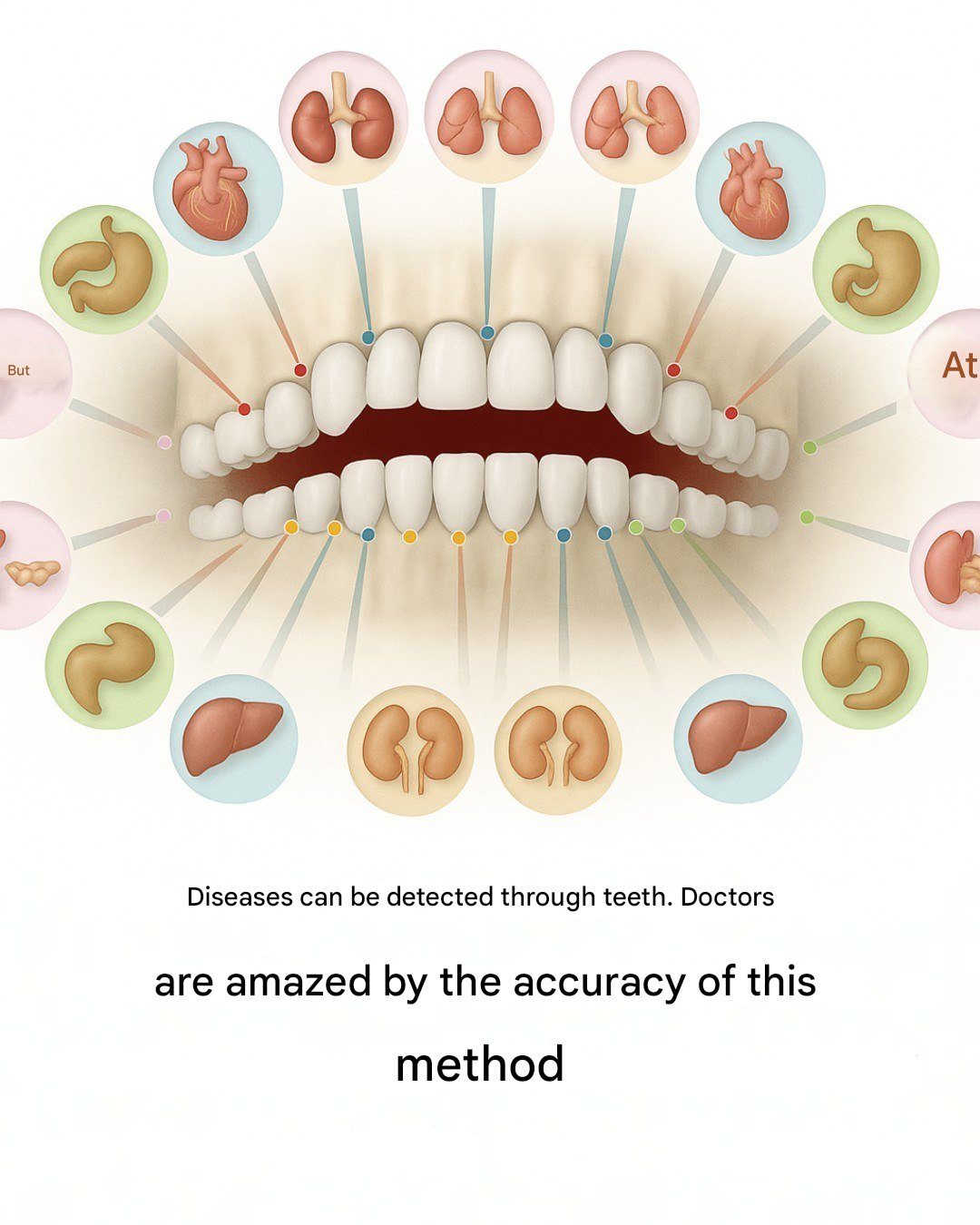
Each tooth is connected to an organ in the body dental pain can be an indicator of future problems

Many people are surprised to learn that oral health is deeply connected to overall wellness. While the idea that “each tooth is connected to a specific organ” is often associated with traditional healing systems, modern medicine strongly supports a broader truth: dental pain and gum disease can signal or even contribute to systemic health problems. Your mouth is not separate from your body — it is a gateway to it.

The Mouth–Body Connection

Your mouth contains millions of bacteria. Most are harmless, but poor oral hygiene allows harmful bacteria to multiply. When gums become inflamed (gingivitis) or infected (periodontitis), bacteria can enter the bloodstream and travel throughout the body. This can increase inflammation elsewhere and potentially worsen existing health conditions.

Dental pain is not just a localized issue. It may reflect infection, nerve damage, inflammation, or chronic gum disease — all of which can have effects beyond the teeth themselves.

Teeth and Organ Connections in Traditional Medicine

In systems like Traditional Chinese Medicine (TCM), teeth are believed to be energetically linked to different organs through meridians (energy pathways). For example:

  • Incisors are associated with kidneys and bladder

  • Canines are linked to the liver and gallbladder

  • Premolars relate to lungs and large intestine

  • Molars connect with stomach and spleen

While Western medicine does not confirm these direct one-to-one links, it does recognize strong associations between oral infections and systemic diseases. The concept may not be literal, but the mouth–body relationship is very real.

Dental Pain as a Warning Sign

Here are several ways dental problems may signal broader health concerns:

1. Gum Disease and Heart Health

Research has shown a connection between periodontal disease and cardiovascular conditions. Chronic gum inflammation may contribute to hardened arteries (atherosclerosis). People with severe gum disease may have a higher risk of heart attack or stroke.

If you experience bleeding gums, persistent bad breath, or loose teeth, it is important not to ignore these signs.

2. Diabetes and Oral Health

Diabetes and gum disease have a two-way relationship. High blood sugar can increase the risk of infections, including gum infections. At the same time, severe gum disease can make blood sugar levels harder to control.

Frequent gum infections, slow healing after dental procedures, or dry mouth may be early indicators that blood sugar control needs attention.

3. Tooth Infections and Systemic Inflammation

An untreated abscessed tooth can become serious. The infection can spread to surrounding tissues and, in rare cases, enter the bloodstream, leading to a life-threatening condition called sepsis.

Persistent tooth pain, swelling in the jaw, fever, or swollen lymph nodes require immediate medical attention.

4. Stress and Teeth Grinding

Chronic stress often leads to bruxism (teeth grinding), especially at night. This can cause jaw pain, headaches, cracked teeth, and gum recession. Stress itself also impacts immune function and increases inflammation in the body.

Jaw tension and unexplained dental wear may indicate emotional strain that needs addressing.

5. Acid Reflux and Tooth Enamel Damage

Frequent enamel erosion on the back of teeth may signal acid reflux (GERD). Stomach acid repeatedly entering the mouth can weaken enamel and increase tooth sensitivity.

If you notice tooth sensitivity along with heartburn or chronic throat irritation, it may be wise to discuss digestive health with a healthcare professional.

Why Inflammation Is the Key Factor

The common thread connecting oral disease and systemic illness is inflammation. Chronic inflammation is linked to:

  • Heart disease

  • Diabetes

  • Arthritis

  • Respiratory disease

  • Certain autoimmune conditions

Inflamed gums create a constant inflammatory burden on the body. Over time, this may contribute to broader health challenges.

Preventive Steps for Whole-Body Health

Protecting your teeth supports your overall wellness. Here are essential steps:

1. Maintain Excellent Oral Hygiene

  • Brush twice daily with fluoride toothpaste

  • Floss daily to remove plaque between teeth

  • Use an antibacterial mouthwash if recommended

2. Schedule Regular Dental Checkups

Professional cleanings remove tartar that brushing alone cannot. Dentists can also detect early warning signs of infection or disease.

3. Eat an Anti-Inflammatory Diet

A diet rich in vegetables, fruits, healthy fats, and lean proteins helps reduce inflammation. Limit sugar and processed foods, which feed harmful oral bacteria.

4. Stay Hydrated

Saliva protects teeth by washing away food particles and neutralizing acids. Drink plenty of water throughout the day.

5. Manage Chronic Conditions

If you have diabetes, heart disease, or autoimmune conditions, maintaining medical treatment and monitoring will also protect your oral health.

When to See a Professional

Seek dental evaluation if you experience:

  • Persistent tooth pain

  • Bleeding or swollen gums

  • Loose teeth

  • Chronic bad breath

  • Jaw pain

  • Mouth sores that do not heal

Early intervention prevents small issues from becoming serious health threats.

The Bottom Line

While the idea that each tooth is directly linked to a specific organ is not scientifically proven in a strict anatomical sense, the broader principle is true: your oral health reflects and influences your overall health. Dental pain should never be ignored. It can be a sign of infection, inflammation, or systemic imbalance.

Your mouth is a mirror of your body. Caring for your teeth and gums is not just about having a bright smile — it is a critical part of protecting your heart, blood sugar levels, immune system, and long-term well-being.

If you treat dental symptoms early and maintain strong oral hygiene habits, you reduce the risk of future

Homemade Teriyaki Chicken

Homemade Teriyaki Chicken Recipe

Teriyaki chicken is a classic Japanese dish loved worldwide for its sweet, savory, and umami-packed flavor. Making it at home is surprisingly simple and allows you to adjust sweetness, saltiness, and texture to your liking. This recipe is perfect for a weeknight dinner, meal prep, or a special occasion.

Ingredients

For the Teriyaki Sauce:

  • ½ cup soy sauce (preferably low-sodium)

  • ¼ cup mirin (Japanese sweet rice wine)

  • ¼ cup sake (or substitute with dry white wine if unavailable)

  • 3 tablespoons brown sugar

  • 1 teaspoon grated fresh ginger

  • 1 clove garlic, minced

  • 1 teaspoon cornstarch mixed with 2 teaspoons water (optional, for thickening)

For the Chicken:

  • 4 boneless, skinless chicken thighs (or breasts if preferred)

  • 1 tablespoon vegetable oil

  • Salt and pepper, to taste

  • Sesame seeds and chopped green onions, for garnish

Optional Sides:

  • Steamed white or brown rice

  • Stir-fried vegetables (broccoli, bell peppers, carrots)


Step 1: Prepare the Teriyaki Sauce

  1. In a small saucepan, combine soy sauce, mirin, sake, brown sugar, ginger, and garlic.

  2. Heat the mixture over medium heat, stirring occasionally until the sugar fully dissolves.

  3. Reduce the heat and let it simmer gently for 5–7 minutes. This allows the flavors to meld and the sauce to slightly thicken.

  4. If you prefer a thicker glaze, stir in the cornstarch-water mixture and cook for another 1–2 minutes until glossy.

  5. Remove from heat and set aside. The sauce should have a balanced sweet-salty taste with a hint of ginger and garlic aroma.

Tip: Taste your sauce and adjust sweetness or saltiness by adding more sugar or soy sauce.


Step 2: Prepare the Chicken

  1. Pat the chicken dry with paper towels to ensure it sears properly.

  2. Lightly season both sides with salt and pepper.

  3. Heat vegetable oil in a large non-stick skillet or cast-iron pan over medium-high heat.

  4. Once hot, place the chicken thighs skin-side down (if using skin-on) and cook for 5–6 minutes until golden brown.

  5. Flip the chicken and cook the other side for another 5–6 minutes. The internal temperature should reach 165°F (74°C) for safe consumption.

Tip: Using chicken thighs ensures juiciness and tenderness, but breasts work well too if you prefer lean meat.


Step 3: Glaze the Chicken

  1. Reduce the skillet heat to medium-low. Pour half of your prepared teriyaki sauce over the chicken.

  2. Spoon the sauce continuously over the chicken for 2–3 minutes, allowing it to caramelize slightly without burning.

  3. Turn the chicken occasionally to coat it evenly.

  4. Remove the chicken from the pan and let it rest for a few minutes.

Tip: Caramelizing the sauce over the chicken gives it that classic sticky teriyaki glaze. Avoid cooking on too high heat, which can make the sauce bitter.


Step 4: Serve

  1. Slice the chicken into bite-sized pieces or serve whole.

  2. Drizzle the remaining teriyaki sauce over the chicken.

  3. Garnish with sesame seeds and finely chopped green onions for a fresh, nutty, and colorful finish.

  4. Pair it with steamed rice and stir-fried vegetables to complete your meal.

Serving Tip: For a restaurant-style presentation, drizzle a bit of sauce in a criss-cross pattern over the chicken and sprinkle some toasted sesame seeds on top.


Tips for Perfect Homemade Teriyaki Chicken

  • Marinate for Extra Flavor: Marinate the chicken in a few tablespoons of teriyaki sauce for 30 minutes to 2 hours before cooking. This infuses flavor deeply.

  • Control Sweetness: If you like a sweeter glaze, increase the sugar or add honey. For a less sweet version, reduce sugar or mirin.

  • Make Ahead: Teriyaki sauce can be made a week in advance and stored in the refrigerator.

  • Air Fryer Version: Cook marinated chicken in an air fryer at 375°F (190°C) for 12–15 minutes, flipping halfway, then brush with sauce.

  • Add Veggies: For a balanced meal, toss in snap peas, bell peppers, or broccoli during the last 2–3 minutes of cooking for a quick stir-fry.


Variations

  1. Spicy Teriyaki Chicken: Add ½ teaspoon chili flakes or sriracha to the sauce.

  2. Honey Teriyaki Chicken: Replace brown sugar with honey for a floral sweetness.

  3. Grilled Teriyaki Chicken: Cook on a grill or grill pan, brushing with sauce while grilling for a smoky flavor.


Nutritional Info (Approximate per Serving)

  • Calories: 350–400 kcal

  • Protein: 28–32 g

  • Carbohydrates: 15–18 g

  • Fat: 18–20 g

This homemade teriyaki chicken recipe gives you juicy, flavorful chicken coated in a luscious, sticky glaze. With these steps, you can enjoy authentic Japanese flavors in your own kitchen. Adjust sweetness, saltiness, and thickness to match your taste, and don’t forget the garnishes—they elevate both flavor and presentation.

Eating Just One Bite is Already Harmful, But Many Still Eat It Without Worry

Eating Just One Bite Is Already Harmful, But Many Still Eat It Without Worry

Sometimes, what seems harmless can secretly be harmful. Certain foods or habits can have an outsized impact on health, even with minimal consumption. One such “culprit” that many people overlook is processed meats and ultra-processed snacks, which are often eaten casually but can carry serious risks. Let’s dive into why just a single bite can matter, and how to enjoy safer alternatives.

Why One Bite Can Be Harmful

Even small amounts of certain foods can trigger negative health effects due to their high content of harmful substances:

  1. Trans fats and hydrogenated oils – Even a tiny portion can raise “bad” LDL cholesterol levels and lower “good” HDL cholesterol. This increases the risk of heart disease over time.

  2. High sodium content – Processed snacks like chips, instant noodles, or cured meats can contain excessive salt. A single serving may surpass 20–25% of the recommended daily sodium intake, putting strain on the kidneys and heart.

  3. Artificial additives – Preservatives, artificial colorings, and flavor enhancers (like MSG) can provoke allergies, migraines, or digestive discomfort in sensitive individuals.

  4. Carcinogenic compounds – Certain processed meats, especially bacon, sausages, and hot dogs, contain nitrites and nitrates. Studies link even small regular exposure to an increased risk of colon cancer.

Common Examples of “One-Bite Risk Foods”

  1. Packaged Sausages and Hot Dogs – Often consumed casually in sandwiches or at parties, these contain nitrates, sodium, and preservatives.

  2. Instant Noodles – Quick and tempting, but loaded with sodium, MSG, and refined carbs.

  3. Deep-Fried Snacks – Chips, samosas, or fritters may be eaten in small amounts, yet they contain trans fats and oxidized oils that damage blood vessels.

  4. Candies and Sugary Treats – High sugar content can spike blood glucose, leading to insulin resistance if eaten repeatedly over time.

  5. Energy Drinks – Even a small sip can load your system with caffeine and sugar, straining the heart and nervous system.

How to Minimize the Risk

Even if you can’t completely eliminate these foods, there are ways to protect yourself:

  1. Read Labels Carefully – Look for sodium, sugar, trans fats, and preservatives. Avoid items with long lists of chemicals.

  2. Limit Frequency – Instead of making processed snacks a daily habit, reserve them for occasional treats.

  3. Opt for Whole Foods – Fresh fruits, vegetables, nuts, and whole grains provide nutrition without the hidden risks.

  4. Cook at Home – Preparing meats and snacks from scratch allows you to control ingredients and avoid harmful additives.

Healthy “Safe Bite” Alternatives

If you crave the taste of a snack or treat, there are healthier alternatives that don’t carry the same risks:

  1. Homemade Veggie Chips – Thinly slice carrots, beets, or zucchini, lightly drizzle with olive oil, and bake until crisp.

  2. Fruit-Based Sweets – Freeze grapes, make date energy balls, or enjoy fruit skewers with a yogurt dip.

  3. Lean Proteins – Grilled chicken, tofu, or beans can replace cured meats in sandwiches or salads.

  4. Natural Drinks – Green tea, coconut water, or fruit-infused water instead of sugary or energy drinks.

Step-by-Step Healthy Snack Recipe: Baked Carrot & Beet Chips

Ingredients:

  • 2 medium carrots, thinly sliced

  • 1 medium beet, thinly sliced

  • 1 tbsp olive oil

  • ½ tsp sea salt

  • ½ tsp paprika (optional)

Instructions:

  1. Preheat your oven to 180°C (350°F).

  2. Wash and peel carrots and beet. Use a mandoline slicer or sharp knife to cut them thinly.

  3. Toss the slices in olive oil, salt, and paprika. Ensure even coating.

  4. Place slices on a baking sheet lined with parchment paper, avoiding overlap.

  5. Bake for 15–20 minutes, flipping halfway through, until crisp but not burnt.

  6. Let them cool for 5 minutes and enjoy!

These chips are crunchy, satisfying, and much safer than packaged fried snacks. Even if you eat a handful, the health impact is minimal compared to one bite of processed fried food.

Long-Term Benefits of Avoiding Harmful Bites

By consciously avoiding even small amounts of harmful foods, you reduce your long-term risk of:

  • Heart disease

  • High blood pressure

  • Type 2 diabetes

  • Digestive issues

  • Certain types of cancer

Replacing these foods with whole, nutrient-dense alternatives improves energy, supports better digestion, and even boosts mental clarity.

Final Thoughts

The phrase “just one bite won’t hurt” can be misleading. For certain foods, even a small portion carries risks. Awareness is key: understand what you eat, and gradually shift toward healthier options. Your body will thank you over time, and you can still enjoy treats—just in smarter, safer ways.

Start today with small swaps, like baked veggie chips instead of fried snacks, and you’ll notice a big difference in health without feeling deprived. Remember, the best approach is moderation, mindfulness, and choosing nutrient-rich alternatives whenever possible.