These Popular Colors Might Be Dulling Your Glow After 50

These Popular Colors Might Be Dulling Your Glow After 50 — And Style-Smart Ways to Keep Looking Vibrant

As we embrace life after 50, our wardrobes often evolve — either intentionally or by habit. But one of the most surprising ways your outfits might be working against you isn’t about style or fit… it’s about color. Certain hues that looked flattering in your 30s and 40s can now wash you out, dull your complexion, or accentuate tiredness around the eyes. The good news? With a little color awareness, you can make your complexion look brighter, more youthful, and full of life.

Why Color Matters More After 50

As skin matures, undertones shift and contrast subtly softens. Colors that are too cool, too muted, or too flat can absorb the light rather than reflect it — and that makes your face look less vibrant, even if you feel great inside. When your clothing is near your face (tops, scarves, jewelry), the color effect is magnified.

Many women naturally gravitate toward classics like gray, black, beige, or stark white — but wardrobe safe choices can sometimes be color traps that drain your glow, especially when worn head-to-toe.

Common Colors That Can Dull Your Look After 50

Here are some widely loved colors that may not be doing you any favors — especially if paired without contrast or warmth:

1. Ashy or Cool Gray

Gray feels timeless and sophisticated. But ashy or smoky gray tones can be particularly unflattering. They lack warmth and absorb light, making skin appear flat and tired — especially around the eyes and mouth.

👉 Style tip: If you love gray, choose versions with warm undertones (think taupe, stone, greige) and pair them with a warmer accent nearer your face, like cream or peach.

2. Stark White

Classic white looks crisp and clean in photos and formal occasions, but when worn close to the face it can cast a faint shadow that highlights texture and lines — especially in natural lighting.

👉 Better alternative: Soft white, ivory, eggshell, or cream reflect light gently and brighten your skin without harsh contrast.

3. Solid Black Near the Face

Black is iconic and slimming — so much so that many women over 50 default to black tops and dresses. But pure black creates sharp shadows that emphasize fine lines and under-eye hollows.

👉 Try Instead: Richer neutrals like charcoal, navy, or chocolate brown offer depth without harshness. You’ll get the same chic effect with far more flattering results.

4. Muted Neons or Harsh Brights

Neon colors paired with black or other dark shades create an intense, almost jarring contrast that often reads harshly against mature skin.

Even seemingly cheerful shades like mustard yellow or soft yellow can appear muddled and faded, rather than fresh and glowing.

👉 Style tip: Look for richer or warmer versions of these hues — like marigold, golden yellow, or mustard with rust undertones — which harmonize better with skin tones.

5. Tan + Soft Yellow Together

When two similar low-contrast neutrals like tan and soft yellow are worn together without a contrasting accent, they can literally blend into one another and make your complexion look washed out.

👉 Fix: Break up the combination with color pops — cream, denim blue, or even burgundy accessories work beautifully.

6. Muted or Muddy Purples

Purple can be beautiful — but grayish, subdued purples tend to lack the vibrant pigment necessary to lift mature skin.

👉 Better Purples: Look for richer jewel tones like aubergine, plum, or cranberry hues instead.

The Colors That Boost Your Glow After 50

Now that you know what to avoid, let’s talk about colors that truly brighten your look and accentuate your natural undertone:

1. Warm, Vibrant Neutrals

Instead of dull neutrals, choose warm ivory, soft camel, and warm blush near your face. These reflect warmth and healthy pigment back into the skin.

2. Jewel Tones

Deep saturated colors like emerald green, sapphire blue, ruby red, and burgundy add depth and presence without overwhelming your features.

3. Coral and Peach

These colors mimic the natural warmth of sun-kissed skin and bring youthful glow, especially for warmer undertones.

4. Turquoise and Seafoam

These coastal tones sit between crisp and warm — cool enough to refresh, warm enough to enhance — and are especially striking near the face.

5. Navy & Charcoal (as alternatives to Black)

These are timeless, elegant, and far softer than black near the face. They still read as chic and powerful but are easier on mature skin tones.

How to Apply These Color Rules With Confidence

Here are practical ways to put this color wisdom into everyday outfits:

🔹 1. Start Near the Face

Always consider the color closest to your face — a top, scarf, jacket lapel, or even jewelry. A flattering color here does more for your look than the rest of the outfit combined.

🔹 2. Mix Warm and Cool Strategically

If you choose a cool base piece (like navy), balance it with a warm accent (like coral or cream) near your face.

🔹 3. Test in Daylight

Indoor lighting can be forgiving. Step outside — if a color makes your skin look dull or gray, try it further down your outfit (like pants or a skirt) instead of near your face.

Final Takeaway

What you wear after 50 should feel empowering — not age-defining. While fashion trends come and go, color psychology and contrast remain constant. By steering clear of overly cool, ashy, or flat colors near your face and embracing hues with warmth and vibrancy, you can keep your wardrobe working for your glow, not against it.


Better Than Takeout Slow Cooker Steak (5 Ingredients, Big Flavor)

If you love the bold, sticky-sweet flavors of your favorite Asian-inspired takeout dishes but don’t love the price or the wait, this slow cooker steak recipe is about to become your new go-to. With just five simple ingredients, you can transform sliced steak into a glossy, tender, sweet-and-savory masterpiece that tastes like it came straight from your favorite restaurant — only better.

The magic of this recipe is in the sauce. As the steak slowly cooks, it absorbs all the rich flavors, becoming melt-in-your-mouth tender while the sauce thickens into a beautiful, sticky glaze. No complicated steps. No fancy ingredients. Just toss it in the slow cooker and let time do the work.

Why This Recipe Works

This dish takes inspiration from classic Asian-style beef dishes like Mongolian beef, often popularized by restaurants such as P.F. Chang’s. Those dishes are known for their caramelized sauce, tender beef, and balance of sweet and salty flavors. Instead of stir-frying at high heat, this version uses low, slow cooking to create even deeper flavor and ultra-tender results.

Because the slow cooker gently breaks down the fibers in the steak, you don’t need expensive cuts. The sauce reduces naturally, coating every slice with a sticky glaze that clings perfectly to rice or noodles.

Ingredients (Serves 4–6)

You only need five ingredients:

  • 2 pounds flank steak or sirloin, thinly sliced

  • 1 cup low-sodium soy sauce

  • ¾ cup brown sugar

  • 4 cloves garlic, minced

  • 1 tablespoon cornstarch

That’s it. Simple pantry staples that come together in the most delicious way.

Step-by-Step Instructions

1. Slice the Steak

Slice the steak thinly against the grain. Cutting against the grain ensures the meat stays tender after cooking. If the steak is slightly frozen, it will be easier to slice thinly.

2. Add to Slow Cooker

Place the sliced steak directly into the slow cooker.

3. Make the Sauce

In a bowl, whisk together the soy sauce, brown sugar, minced garlic, and cornstarch until smooth. The cornstarch will help thicken the sauce as it cooks.

4. Pour and Cook

Pour the sauce over the steak. Stir gently to coat.

Cover and cook:

  • Low for 4–5 hours, or

  • High for 2–3 hours

The steak should be tender and the sauce thickened into a glossy glaze.

5. Serve

Give everything a final stir before serving. Spoon the sticky steak over steamed white rice, jasmine rice, or even noodles. Garnish with green onions or sesame seeds if desired (optional, not counted in the five ingredients).

What Makes It “Better Than Takeout”?

  1. No delivery fees

  2. No mystery ingredients

  3. You control the sweetness and salt

  4. It’s made fresh in your own kitchen

  5. Leftovers taste even better the next day

Unlike restaurant versions that are often deep-fried before being coated in sauce, this recipe skips the frying completely. That means fewer calories, less grease, and a cleaner, richer flavor.

Flavor Profile

  • Sweet from the brown sugar

  • Savory from the soy sauce

  • Garlicky depth from fresh garlic

  • Sticky glaze thanks to the cornstarch

The slow cooking process allows the sugar to caramelize gently, creating that irresistible takeout-style coating without standing over a hot stove.Tips for Success

  • Don’t overcook on high — the meat can become too soft.

  • Use low-sodium soy sauce to keep the dish balanced.

  • Want it thicker? Remove the lid during the last 30 minutes to let the sauce reduce further.

  • Want heat? Add red pepper flakes (optional).

Delicious Serving Ideas

  • Serve over steamed jasmine rice

  • Spoon into lettuce wraps

  • Use inside sandwich rolls for an Asian-style steak sandwich

  • Toss with stir-fried vegetables

  • Add to rice bowls with broccoli and carrots

This dish is incredibly versatile and perfect for busy weeknights.

Storage & Reheating

Store leftovers in an airtight container in the refrigerator for up to 4 days.

To reheat:

  • Microwave in 30-second intervals, stirring between each.

  • Or warm gently in a skillet over medium heat.

If the sauce thickens too much after refrigeration, add a splash of water to loosen it.

Make It a Complete Meal

Pair this sticky steak with:

  • Steamed broccoli

  • Garlic green beans

  • Fried rice

  • Egg rolls

You’ll have a full restaurant-style dinner right at home.

Final Thoughts

There’s something incredibly satisfying about putting a handful of simple ingredients into a slow cooker and coming back to a rich, glossy, deeply flavored meal. This five-ingredient slow cooker steak proves that comfort food doesn’t have to be complicated.

ALERT! Beetroot Juice K!lls C..ncer C.ells in 42 Days? Here’s the Truth + A Powerful Health-Boosting

You may have seen dramatic headlines claiming that beetroot juice can “kill cancer cells in 42 days.” Let’s pause right there. While beetroot is an incredibly nutritious vegetable with impressive health benefits, there is no scientific evidence proving that drinking beetroot juice alone can cure or eliminate cancer in a specific number of days.

However, what is true is that beetroot is packed with nutrients and plant compounds that support overall health, help reduce inflammation, and may assist the body’s natural defense systems. Including beetroot juice as part of a balanced diet can absolutely benefit your well-being — just not as a miracle cure.

Let’s explore what beetroot really does for your body and then I’ll share a powerful, delicious beetroot juice recipe you can safely enjoy.

Why Beetroot Is So Powerful

Beetroot (Beta vulgaris) contains:

  • Betalains – Potent antioxidants responsible for its deep red color

  • Nitrates – Natural compounds that support blood flow

  • Vitamin C – Supports immune function

  • Folate – Essential for cell repair and DNA production

  • Iron – Helps prevent anemia

  • Fiber – Supports digestion

1. Rich in Antioxidants

Beetroot contains betalains, which help combat oxidative stress in the body. Oxidative stress is linked to many chronic diseases, including cancer. While antioxidants help protect cells, they do not “kill” cancer cells in a guaranteed timeframe.

2. Supports Healthy Blood Flow

The natural nitrates in beetroot convert into nitric oxide in the body. Nitric oxide helps relax blood vessels, improve circulation, and lower blood pressure. Better circulation means better oxygen delivery throughout the body.

3. Supports Liver Detoxification

Beetroot is often praised for its liver-supporting properties. It helps the body’s natural detox pathways function more efficiently — but remember, your liver already detoxifies your body naturally.

4. May Support Immune Health

Because beetroot contains vitamin C and other phytonutrients, it helps strengthen immune defenses. A strong immune system is important in disease prevention and overall health maintenance.

Important Truth About Cancer Claims

Scientific research has shown that beetroot extracts can affect cancer cells in laboratory settings (in vitro studies). However:

  • Lab results do not equal real-life cures.

  • There is no clinical proof that beetroot juice alone cures cancer.

  • Cancer treatment requires medical supervision from professionals such as oncologists.

If you or someone you know is dealing with cancer, always seek guidance from qualified healthcare providers.

Now that we’ve clarified that, let’s move on to a powerful, nutrient-rich beetroot juice you can safely enjoy as part of a healthy lifestyle.

Powerful Beetroot Immunity Juice Recipe

Ingredients:

  • 1 medium fresh beetroot (peeled and chopped)

  • 1 carrot

  • 1 apple (green or red)

  • ½ inch fresh ginger

  • Juice of ½ lemon

  • 1 cup cold water (or coconut water)

Instructions:

  1. Wash and peel the beetroot and carrot.

  2. Chop all ingredients into small pieces.

  3. Add beetroot, carrot, apple, and ginger to a blender.

  4. Add water or coconut water.

  5. Blend until smooth.

  6. Strain if desired (optional).

  7. Stir in fresh lemon juice.

  8. Serve immediately.

Why This Combination Works

  • Beetroot – Antioxidants + nitrates

  • Carrot – Beta-carotene supports immune health

  • Apple – Adds fiber and natural sweetness

  • Ginger – Anti-inflammatory properties

  • Lemon – Boosts vitamin C

Together, these ingredients create a nutrient-dense juice that supports energy, circulation, and immune function.

How Often Should You Drink It?

You can drink this juice:

  • 3–4 times per week

  • In the morning on an empty stomach

  • Before workouts for natural energy

Avoid excessive consumption if you:

  • Have kidney stones (beets are high in oxalates)

  • Have low blood pressure

  • Are on blood pressure medication

What to Expect

After consistent consumption, many people report:

  • Improved stamina

  • Better digestion

  • Healthier skin glow

  • More stable energy levels

You may also notice red or pink urine after drinking beet juice. This is called beeturia and is harmless.

Final Thoughts

Beetroot juice is a powerful addition to a healthy lifestyle. It supports heart health, circulation, immune function, and detox pathways. However, it is not a magic cure for cancer, and any claims promising elimination of cancer cells in 42 days are not backed by scientific evidence.

True health comes from:

  • A balanced diet

  • Regular physical activity

  • Stress management

  • Proper sleep

  • Medical care when needed

Enjoy beetroot juice for what it truly is — a vibrant, nourishing drink that helps support your body naturally.

The Genius Trick for Making All Types of Floors Shine and Smell Amazing

Keeping your floors clean, shiny, and beautifully scented doesn’t require expensive commercial products filled with harsh chemicals. In fact, the secret to sparkling parquet, gleaming tiles, and fresh-smelling linoleum may already be sitting in your kitchen. This genius homemade floor-cleaning trick is affordable, effective, and safe for most surfaces when used correctly.

Let’s dive into the ultimate universal floor cleaner recipe that leaves your home glowing and pleasantly perfumed.

Why Homemade Floor Cleaners Work So Well

Store-bought cleaners often leave behind residue that dulls shine over time. Many contain strong synthetic fragrances that smell overwhelming instead of fresh. A natural cleaner, on the other hand:

  • Removes dirt and grease effectively

  • Leaves no sticky film

  • Restores natural shine

  • Gently perfumes the room

  • Is budget-friendly

  • Reduces chemical exposure

This recipe works wonderfully on parquet (sealed wood floors), ceramic or porcelain tiles, and linoleum. The key is using the right balance of ingredients.

The Genius All-Floor Shine & Perfume Recipe

Ingredients:

  • 2 liters warm water

  • 2 tablespoons white vinegar

  • 1 tablespoon baking soda

  • 1 tablespoon liquid dish soap (mild, grease-cutting)

  • 10–15 drops essential oil (lemon, lavender, eucalyptus, or orange)

Why These Ingredients Are So Powerful

White Vinegar
Vinegar is a natural disinfectant and degreaser. It dissolves mineral buildup and soap residue that make floors look dull. It also helps eliminate odors instead of masking them.

Baking Soda
Baking soda gently lifts grime and neutralizes bad smells. It enhances cleaning power without scratching most surfaces.

Dish Soap
Just a small amount breaks down grease, footprints, and everyday dirt.

Essential Oils
These provide a natural fragrance that lingers beautifully. Lemon brightens and refreshes, lavender relaxes, eucalyptus purifies, and orange adds warmth and sweetness.

Step-by-Step Instructions

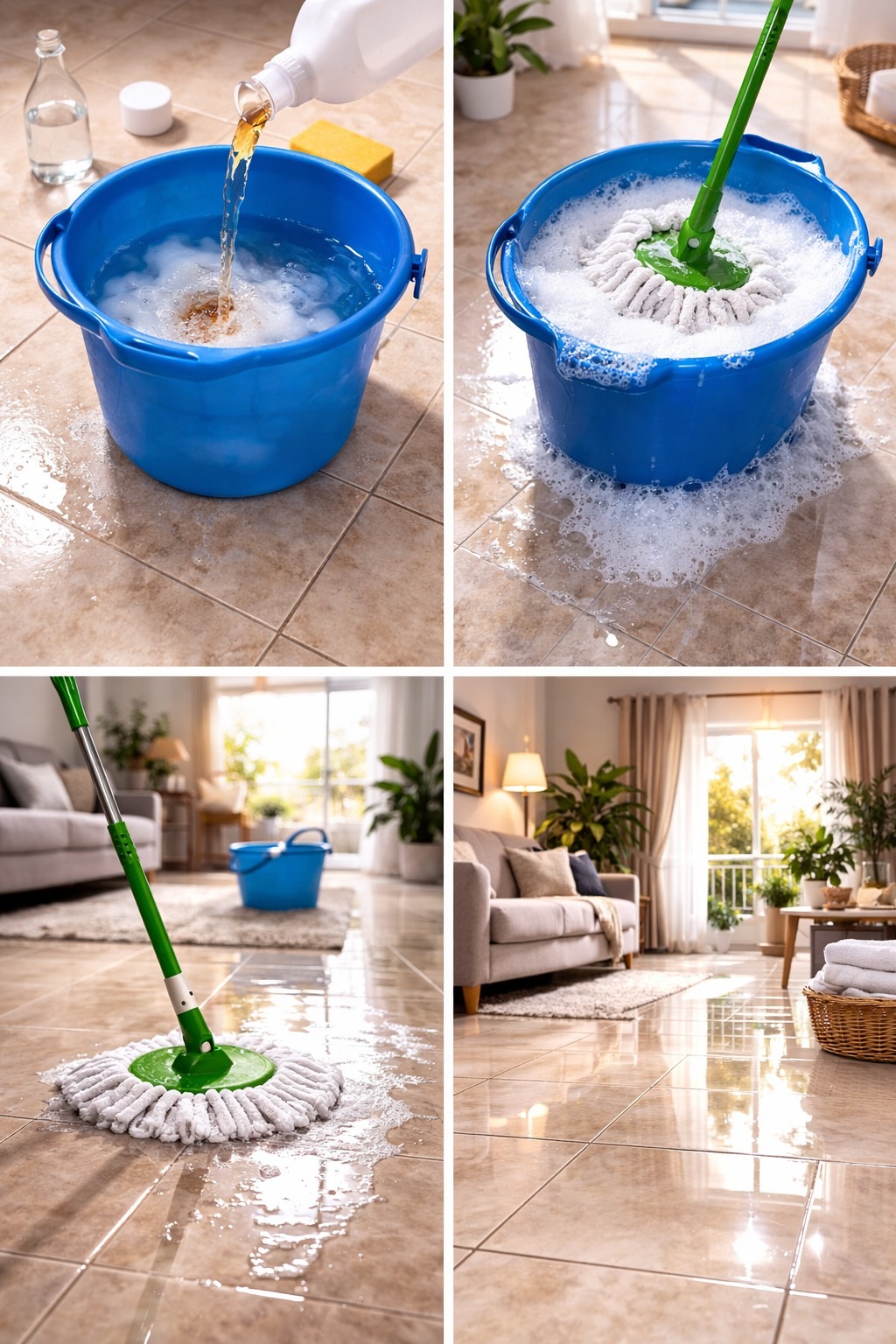
  1. Fill a bucket with 2 liters of warm (not hot) water.

  2. Add the white vinegar.

  3. Slowly stir in the baking soda (it will fizz slightly — that’s normal).

  4. Add the liquid dish soap.

  5. Finish with your chosen essential oil drops.

  6. Mix gently to combine.

Your powerful homemade floor cleaner is ready!

How to Use on Different Floor Types

1. Parquet (Sealed Wood Floors)

  • Always wring your mop thoroughly. Wood does not like excess water.

  • Mop gently following the wood grain.

  • Avoid soaking the floor.

  • Let air dry for a streak-free shine.

Important: Do not use this solution on unsealed or waxed wood floors. Vinegar can damage raw wood.

Result: Natural shine restored and a fresh, subtle scent throughout the room.

2. Tiles (Ceramic & Porcelain)

  • Mop normally.

  • For grout lines, use a soft brush dipped in the solution.

  • No rinsing needed unless you used too much soap.

Tiles will look brighter, and dull residue disappears instantly.

3. Linoleum

  • Mop lightly without over-wetting.

  • Avoid excessive vinegar concentration.

  • Dry with a microfiber mop for extra shine.

Linoleum regains its smooth glow without becoming slippery.

Extra Shine Booster Trick

If you want even more brilliance, especially on tiles:

After mopping, go over the floor with a dry microfiber cloth or mop. This simple step buffs the surface and enhances reflection instantly.

For wood floors, you can add 1 teaspoon of olive oil to the mixture once a month only — not weekly — to enhance glow. Use sparingly to avoid buildup.

Why Your House Will Smell Incredible

Unlike artificial fragrances that fade quickly, essential oils disperse gently through the air as the water evaporates. The scent lingers without being overpowering. Lemon and eucalyptus give a “just-cleaned” freshness, while lavender creates a calm, cozy atmosphere.

If you want a seasonal twist:

  • Winter: Add orange + clove essential oil

  • Summer: Use lemon + mint

  • Relaxing evenings: Lavender + vanilla

How Often Should You Use It?

  • High-traffic areas: 2–3 times per week

  • Bedrooms: Once weekly

  • Deep clean: Once weekly with slightly warmer water

Because it leaves no residue, your floors won’t develop the cloudy buildup common with commercial cleaners.

Safety Tips

  • Always test on a small hidden area first.

  • Do not mix vinegar with bleach.

  • Keep essential oils away from pets if they are sensitive.

  • Use minimal water on wooden surfaces.

The Secret to Long-Lasting Shine

The real genius trick isn’t just the ingredients — it’s consistency and proper wringing of the mop. Most dull floors are caused by:

  • Too much product

  • Too much water

  • Not drying properly

Less is more. A damp mop cleans better than a soaking one.

Final Thoughts

You don’t need expensive specialty products for parquet, tiles, and linoleum. This simple homemade solution cleans deeply, restores shine, and perfumes your entire home naturally.

With just vinegar, baking soda, dish soap, and essential oils, your floors can look professionally cleaned — without harsh chemicals or high costs.

Eliminate fat from arms, belly and backFull article

Many people struggle with stubborn fat in the arms, belly, and back. These areas often store fat due to hormones, stress, lack of movement, and poor eating habits. While there is no magical overnight cure, combining proper nutrition, natural drinks, and simple exercises can dramatically improve results within weeks. The key is consistency, not extreme dieting.

Below is a complete natural routine to help you slim your arms, flatten your belly, and tone your back safely and effectively.

Why Fat Accumulates in These Areas

Fat storage in the arms, belly, and back is often linked to:

  • Excess sugar and processed foods

  • High stress (which increases cortisol and belly fat)

  • Lack of strength training

  • Poor sleep

  • Sedentary lifestyle

When the body consumes more calories than it burns, it stores the extra energy as fat. The belly area especially holds visceral fat, which surrounds organs and can affect health. That’s why a balanced approach works best.

Morning Fat-Burning Drink Recipe

This natural drink supports metabolism and digestion.

Ingredients:

  • 1 cup warm water

  • Juice of ½ fresh lemon

  • 1 teaspoon raw honey

  • ½ teaspoon grated ginger

  • A pinch of cinnamon

Instructions:

  1. Warm the water (do not boil).

  2. Add lemon juice, honey, ginger, and cinnamon.

  3. Stir well and drink on an empty stomach.

Benefits:

  • Lemon supports digestion and reduces bloating.

  • Ginger boosts metabolism and reduces inflammation.

  • Cinnamon helps stabilize blood sugar levels.

  • Warm water improves digestion.

Drink this daily for best results.

Fat-Burning Salad Recipe (Lunch or Dinner)

Healthy eating is essential for reducing fat.

Ingredients:

  • 1 cup chopped cucumber

  • 1 cup lettuce or spinach

  • ½ cup cherry tomatoes

  • ½ avocado (optional)

  • 1 boiled egg or grilled chicken breast

  • 1 tablespoon olive oil

  • Juice of ½ lemon

  • Salt and black pepper

Instructions:

  1. Mix vegetables in a bowl.

  2. Add protein (egg or chicken).

  3. Drizzle olive oil and lemon juice.

  4. Season lightly.

Why It Works:

  • High protein keeps you full longer.

  • Fiber reduces cravings.

  • Healthy fats improve metabolism.

Avoid white bread, sugary drinks, and fried foods for faster fat loss.

Simple Exercises to Target Arms, Belly & Back

Spot reduction is a myth, but strengthening these areas helps tone them as overall fat decreases.

1. Arm Toning (10 Minutes Daily)

  • 15 push-ups (3 sets)

  • 20 tricep dips (3 sets)

  • Arm circles for 1 minute

These tighten loose arm skin and build lean muscle.

2. Belly Flattening Routine

  • 30-second plank (3 times)

  • 20 bicycle crunches

  • 15 leg raises

These exercises strengthen core muscles and improve posture.

3. Back Fat Reduction

  • Superman hold (30 seconds, 3 times)

  • Reverse fly (with water bottles)

  • Cat-cow stretch

Strong back muscles improve appearance and reduce bulges.

Evening Detox Drink

Before bed, drink:

Ingredients:

  • 1 cup warm water

  • 1 teaspoon apple cider vinegar

  • A pinch of cinnamon

Drink 30 minutes before sleep. It may help reduce late-night cravings and stabilize blood sugar.

Additional Tips for Faster Results

✔ Drink 2–3 liters of water daily
✔ Sleep 7–8 hours
✔ Avoid sugar and packaged snacks
✔ Walk at least 30 minutes daily
✔ Reduce stress with deep breathing

Weekly Fat-Reduction Smoothie

Use this 3–4 times per week.

Ingredients:

  • 1 cup spinach

  • ½ banana

  • ½ apple

  • 1 tablespoon chia seeds

  • 1 cup almond milk

Blend until smooth.

This smoothie provides fiber, antioxidants, and healthy fats that support fat metabolism.

Realistic Expectations

Healthy fat loss is about 0.5–1 kg per week. Rapid weight loss often leads to muscle loss and rebound weight gain. Consistency is more powerful than intensity.

Within 2–4 weeks of following this routine:

  • Arms may feel firmer

  • Belly bloating reduces

  • Back fat appears less visible

  • Energy levels increase

Important Reminder

There is no drink or single food that “melts” fat instantly. The body loses fat when in a calorie deficit combined with movement and strength training. Always consult a healthcare professional if you have medical conditions.

Final Thoughts

Eliminating fat from arms, belly, and back requires a balanced approach: clean eating, natural metabolism-boosting drinks, daily movement, and good sleep. Small daily improvements lead to big long-term changes.

Don’t Miss These 10 Early Signs You Might Have a Brain Tumor – It Could Save Your Life

Hearing the words “brain tumor” can be frightening. But knowledge is powerful. Recognizing early warning signs and seeking medical advice promptly can make a significant difference in treatment outcomes. A brain tumor is an abnormal growth of cells in or around the brain. Tumors can be benign (non-cancerous) or malignant (cancerous), and symptoms often depend on the tumor’s size, type, and location.

According to organizations like the American Brain Tumor Association and the National Cancer Institute, early detection and medical evaluation are critical. While many of the symptoms listed below can be caused by less serious conditions, persistent or worsening signs should never be ignored.

Here are 10 early signs you should pay attention to:

  1. Persistent Headaches

Frequent headaches that feel different from your usual pattern can be a warning sign. Brain tumor headaches are often worse in the morning, may wake you from sleep, or intensify with coughing, bending, or physical activity. They may gradually increase in severity over time.

  1. Seizures

Experiencing a seizure for the first time, especially as an adult, is a serious symptom that requires immediate medical attention. Seizures can involve full-body convulsions or subtle episodes such as staring spells, unusual sensations, or sudden confusion.

  1. Vision Problems

Blurred vision, double vision, or a loss of peripheral vision can occur if a tumor presses on areas of the brain that control sight. Some people describe “tunnel vision” or difficulty reading and focusing.

  1. Unexplained Nausea and Vomiting

Ongoing nausea or vomiting, particularly in the morning without another clear cause like a stomach illness, can be linked to increased pressure inside the skull.

  1. Balance and Coordination Issues

Difficulty walking, clumsiness, or trouble with fine motor skills such as buttoning a shirt may indicate a tumor affecting the cerebellum, the part of the brain responsible for coordination and balance.

  1. Changes in Speech

Slurred speech, trouble finding words, or difficulty understanding conversations can occur when tumors affect language-processing areas of the brain.

  1. Personality or Mood Changes

Subtle personality shifts can be one of the earliest signs. A normally calm person may become irritable, withdrawn, or unusually emotional. Family members often notice these changes before the individual does.

  1. Memory Problems

Increasing forgetfulness, confusion, or trouble concentrating may be linked to tumors affecting cognitive areas of the brain. These symptoms are sometimes mistaken for stress or aging.

  1. Weakness or Numbness

Sudden weakness in one arm, leg, or one side of the body may signal a neurological issue. Numbness or tingling that doesn’t go away should also be evaluated promptly.

  1. Hearing Changes

Hearing loss, ringing in the ears (tinnitus), or balance-related dizziness could indicate a tumor affecting nerves connected to hearing and balance.

Why Early Detection Matters

Not all brain tumors are cancerous, and many are treatable, especially when caught early. Treatments may include surgery, radiation therapy, chemotherapy, or targeted therapies. Advances in medical imaging and neurosurgery have significantly improved survival rates and quality of life for many patients.

It’s important to understand that these symptoms are common to many other conditions, including migraines, infections, anxiety, and hormonal changes. Having one or even several of these signs does not automatically mean you have a brain tumor. However, if symptoms are persistent, worsening, or unusual for you, consult a healthcare professional.

When to Seek Immediate Help

Seek urgent medical care if you experience:

  • A first-time seizure

  • Sudden severe headache unlike any you’ve had before

  • Rapid vision loss

  • Sudden weakness or difficulty speaking

Trust your instincts. If something feels wrong, it’s better to get checked.

A Final Word

Awareness can truly save lives. Paying attention to your body and acting early can make a crucial difference. Regular checkups, discussing unusual symptoms with your doctor, and advocating for your health are powerful steps toward early diagnosis and effective treatment.

Homemade floor cleaner, with this mixture it will be like new

A sparkling, fresh-smelling floor can instantly make your entire home feel cleaner and more inviting. The good news? You don’t need expensive commercial cleaners filled with harsh chemicals to achieve that “like new” shine. With a simple homemade floor cleaner made from affordable, natural ingredients, you can remove dirt, grease, and buildup while leaving your floors beautifully refreshed.

This powerful yet gentle mixture works on tile, sealed hardwood, laminate, vinyl, and even marble (with slight adjustments). Let’s dive into this easy, effective recipe and how to use it properly.

Why Make Your Own Floor Cleaner?

Store-bought floor cleaners often contain synthetic fragrances, ammonia, and other strong chemicals that can leave residue behind. Over time, this buildup can actually dull your floors instead of making them shine.

Homemade cleaners:

  • Save money

  • Reduce chemical exposure

  • Are eco-friendly

  • Leave no sticky residue

  • Smell naturally fresh

When used regularly, this simple blend helps restore shine and keeps floors looking almost brand new.

Homemade Floor Cleaner Recipe

Ingredients:

  • 1 gallon (4 liters) warm water

  • 1 cup white distilled vinegar

  • 1 tablespoon liquid dish soap (mild, grease-cutting)

  • 10–15 drops essential oil (optional – lemon, lavender, or eucalyptus work beautifully)

Why These Ingredients Work

White Vinegar

White vinegar is a natural disinfectant and deodorizer. It helps break down grime, remove streaks, and dissolve mineral buildup. Its mild acidity cuts through dirt without damaging most sealed surfaces.

Dish Soap

Just a small amount lifts grease, food spills, and everyday dirt. It helps the solution spread evenly across the floor.

Warm Water

Warm water enhances cleaning power and helps dissolve grime more effectively than cold water.

Essential Oils (Optional)

These add a pleasant scent and light antibacterial properties. Lemon oil is especially great for boosting shine.

Step-by-Step Instructions

  1. Fill a bucket with one gallon of warm water.

  2. Add 1 cup of white vinegar.

  3. Mix in 1 tablespoon of dish soap.

  4. Add essential oils if desired.

  5. Stir gently to combine without creating too many bubbles.

Your cleaner is ready to use immediately.

How to Use It Properly

  1. Sweep or vacuum the floor first to remove dust and debris.

  2. Dip a microfiber mop into the solution.

  3. Wring out excess liquid — the mop should be damp, not soaking wet.

  4. Mop in sections, working your way across the room.

  5. Allow to air dry. No rinsing is needed.

For extra shine, you can buff the floor lightly with a dry microfiber cloth once it dries.

For Extra Shine (Optional Boost)

If your floors look dull or have buildup, try this enhanced mixture:

  • 1 gallon warm water

  • 1 cup vinegar

  • 1 tablespoon dish soap

  • 2 tablespoons baking soda

Add baking soda slowly to avoid fizzing overflow. This combination is excellent for deep cleaning tile and grout.

Important Surface Notes

  • Sealed Hardwood: Safe when mop is well wrung out. Avoid soaking the floor.

  • Laminate: Use very little liquid to prevent swelling.

  • Tile & Vinyl: Perfect for regular cleaning.

  • Marble or Natural Stone: Skip the vinegar. Instead use warm water with a few drops of dish soap only.

Always test in a small hidden area first if unsure.

How Often Should You Use It?

For normal households, once or twice a week keeps floors fresh and shiny. High-traffic areas like kitchens and entryways may benefit from more frequent cleaning.

Extra Cleaning Tips for “Like New” Floors

  • Change mop water if it becomes dirty.

  • Use microfiber mops instead of sponge mops for better dirt pickup.

  • Open windows while cleaning for better air circulation.

  • Avoid overusing soap, as too much can leave residue.

The Result

After using this mixture, you’ll notice:

  • Floors look brighter

  • No sticky or cloudy residue

  • Fresh, natural scent

  • Smoother feel underfoot

  • Restored shine

Many people are surprised at how effective such a simple solution can be. Sometimes the best cleaning secrets aren’t expensive products — they’re classic household ingredients used the right way.

Final Thoughts

This homemade floor cleaner is simple, affordable, and incredibly effective. With just vinegar, dish soap, and warm water, you can restore your floors’ natural beauty and maintain them easily week after week.

Once you try this mixture, you may never go back to store-bought cleaners again. Clean, shiny floors truly transform a space — and now you have the easy secret to keeping them looking like new.

5 Reasons Seniors Should Add Oregano to Their Diet

Oregano is often seen as just a simple pizza topping or pasta seasoning, but this small, fragrant herb carries impressive health benefits—especially for seniors. Used for centuries in traditional Mediterranean cooking and natural remedies, oregano is packed with powerful compounds that can support overall wellness as we age. Adding it to your daily meals is easy, affordable, and flavorful.

Here are five important reasons seniors should consider including more oregano in their diet—plus a simple way to prepare it at home.

1. Supports a Strong Immune System

As we age, our immune system naturally becomes less efficient. Oregano contains antioxidants such as carvacrol and thymol, which help fight free radicals in the body. Free radicals contribute to inflammation and weaken the immune response.

The Mediterranean diet, popularized in regions like Mediterranean Sea countries, has long included oregano as a staple herb. Research has shown that diets rich in herbs and plant-based antioxidants are linked to better immune function and reduced risk of chronic disease.

Regularly using oregano in soups, stews, or teas can provide gentle immune support without relying solely on supplements.

2. Promotes Heart Health

Heart health becomes increasingly important in the senior years. Oregano contains compounds that may help support healthy cholesterol levels and reduce inflammation in blood vessels.

Carvacrol, one of oregano’s key active ingredients, has been studied for its potential role in supporting cardiovascular function. Inflammation is a major factor in heart disease, and oregano’s natural anti-inflammatory properties can help combat that.

Instead of adding extra salt to meals—which can raise blood pressure—try using oregano to boost flavor naturally. It enhances dishes like roasted vegetables, grilled chicken, and tomato-based sauces without increasing sodium intake.

3. Aids Digestion

Digestive issues such as bloating, gas, and indigestion are common in older adults. Oregano has traditionally been used to soothe digestive discomfort. It may help stimulate bile flow, which assists in breaking down fats more efficiently.

In herbal traditions across Greece and Italy, oregano tea has been consumed after meals to ease stomach discomfort. Its natural antimicrobial properties may also help balance gut bacteria.

Adding oregano to beans, lentils, and heavier meals may reduce digestive strain and make meals more comfortable to enjoy.

4. Supports Bone Health

Bone density decreases with age, increasing the risk of fractures and osteoporosis. Oregano contains small amounts of calcium, magnesium, and vitamin K—nutrients essential for maintaining bone strength.

While oregano alone won’t replace a calcium supplement, it can contribute to overall nutrient intake when used regularly as part of a balanced diet. Seniors who enjoy Mediterranean-style cooking often benefit from herb-rich meals that naturally include bone-supporting nutrients.

Sprinkle oregano over eggs, salads, or steamed vegetables to increase both flavor and micronutrient intake.

5. May Help Fight Inflammation and Joint Discomfort

Joint pain and stiffness are common concerns for seniors. Chronic inflammation plays a role in conditions such as arthritis. Oregano’s anti-inflammatory compounds may offer mild natural support.

In traditional herbal practices, oregano oil has been used externally for muscle and joint discomfort. While essential oils should be used carefully and diluted properly, culinary oregano used in food is a safe and flavorful way to incorporate its beneficial compounds.

Consistent use of anti-inflammatory herbs like oregano, combined with a balanced diet and regular movement, may contribute to better joint comfort over time.

Simple Oregano Tea Recipe for Seniors

Here’s an easy way to enjoy oregano daily:

Ingredients:

  • 1 teaspoon dried oregano (or 1 tablespoon fresh)

  • 1 cup hot water

  • Optional: honey and lemon

Instructions:

  1. Bring water to a gentle boil.

  2. Place oregano in a cup.

  3. Pour hot water over the herb.

  4. Cover and let steep for 8–10 minutes.

  5. Strain and add honey or lemon if desired.

  6. Drink once daily, preferably after meals.

This soothing tea can support digestion, immune function, and overall wellness.

How to Add More Oregano to Everyday Meals

  • Mix into scrambled eggs or omelets

  • Sprinkle over roasted potatoes

  • Add to homemade salad dressings

  • Stir into soups and lentil dishes

  • Blend into marinades for chicken or fish

You can also combine oregano with other Mediterranean herbs like basil and thyme for extra flavor and health benefits.

Important Considerations

While oregano is generally safe when used in food amounts, seniors taking blood-thinning medications or managing specific medical conditions should consult their healthcare provider before using oregano supplements or concentrated oregano oil.

Moderation is key. A small daily amount in food or tea is typically sufficient to enjoy its benefits.

Final Thoughts

Oregano is more than just a seasoning—it’s a powerful herb with a long history of supporting health. For seniors, adding oregano to the diet may support immunity, heart health, digestion, bone strength, and inflammation management.

Simple, affordable, and easy to use, oregano proves that sometimes the smallest ingredients can make the biggest difference. By incorporating this fragrant herb into daily meals, seniors can take a flavorful step toward better overall wellness.

The Surprising Power of Cloves and Cinnamon Tea on Your Body

Cloves and cinnamon are two of the most powerful spices found in kitchens around the world. Used for centuries in traditional remedies, these aromatic ingredients are known not only for their warm, comforting flavor but also for their impressive health benefits. When combined into a simple tea, cloves and cinnamon create a soothing drink that may support digestion, immunity, metabolism, and overall wellness.

Cloves come from the dried flower buds of the clove tree and are scientifically known as Syzygium aromaticum. These small, dark brown buds are packed with antioxidants and contain a powerful compound called eugenol, which gives cloves their distinctive aroma and many of their beneficial properties. Cinnamon, on the other hand, is derived from the inner bark of trees from the genus Cinnamomum. The most commonly used types are Ceylon cinnamon and Cassia cinnamon, both valued for their sweet, woody taste and potential health-supporting effects.

One of the most surprising benefits of cloves and cinnamon tea is its ability to support digestion. Both spices stimulate digestive enzymes, which help break down food more efficiently. Drinking this tea after meals may reduce bloating, gas, and indigestion. Cloves are traditionally used to ease stomach discomfort, while cinnamon helps regulate gut movement and may reduce irritation. A warm cup of this tea can feel especially comforting after a heavy meal.

For those looking to support weight management, cloves and cinnamon tea may offer gentle assistance. Cinnamon is sometimes associated with improved metabolism and reduced sugar cravings. Drinking this tea instead of sugary beverages can also help reduce calorie intake. While it is not a magic solution, it can be a helpful addition to a healthy diet and active lifestyle.

Oral health is another surprising benefit. Cloves have long been used in traditional practices for tooth discomfort due to their natural numbing effect. The antibacterial properties of both cloves and cinnamon may help reduce bacteria in the mouth, promoting fresher breath and healthier gums. While tea is not a substitute for brushing and flossing, it can complement good oral hygiene habits.

Additionally, this tea may promote relaxation. The warm aroma of cinnamon combined with the slightly spicy scent of cloves can create a calming effect. Enjoying a cup in the evening may help you unwind after a long day. The ritual of preparing and sipping the tea itself can also provide a mindful moment of comfort and stress relief.

Here is a simple and effective cloves and cinnamon tea recipe:

Ingredients:
1 teaspoon whole cloves
1 cinnamon stick (or 1 teaspoon ground cinnamon)
2 cups water
Optional: 1 teaspoon honey or a squeeze of fresh lemon

Instructions:

  1. Bring the water to a boil in a small saucepan.

  2. Add the cloves and cinnamon.

  3. Reduce heat and let the mixture simmer for 10–15 minutes.

  4. Remove from heat and strain into a cup.

  5. Add honey or lemon if desired.

  6. Enjoy warm.

For a stronger tea, you can allow it to steep a little longer. However, because cloves are quite potent, it is best not to overuse them. One cup per day is generally sufficient for most people.

It is important to remember that while cloves and cinnamon tea offers many potential benefits, it should be consumed in moderation. Cassia cinnamon contains coumarin, which in high amounts may affect the liver. Pregnant women, individuals with liver conditions, or those taking blood-thinning medications should consult a healthcare professional before consuming large quantities of these spices.

In conclusion, the surprising power of cloves and cinnamon tea lies in its simplicity. With just two natural ingredients, you can create a warm, flavorful drink that supports digestion, immunity, metabolism, and relaxation. While it is not a miracle cure, it can be a nourishing addition to your daily routine. Sometimes the most powerful remedies are already sitting in your kitchen cabinet, waiting to be brewed into a comforting cup of wellness.

I prefer this response
Response 2

The Surprising Power of Clove and Cinnamon Tea on Your Body

There’s something magical about a warm cup of spiced tea. The aroma alone can calm your mind, but when you combine cloves and cinnamon, you get more than just comfort — you get a powerful natural wellness drink that has been used for centuries in traditional remedies. This simple tea is rich in antioxidants, warming compounds, and natural antibacterial properties that may support digestion, immunity, and overall vitality.

Let’s explore why this tea is so special and how you can easily prepare it at home.

Why Cloves and Cinnamon Are So Powerful

Cloves are small but mighty. They contain a compound called eugenol, known for its strong antioxidant and anti-inflammatory properties. Cloves have traditionally been used to ease toothaches, improve digestion, and fight infections. They also help stimulate digestive enzymes, making them excellent after a heavy meal.

Cinnamon, on the other hand, is famous for its ability to help regulate blood sugar levels and improve circulation. It contains cinnamaldehyde, a compound responsible for its signature flavor and many of its health benefits. Cinnamon may help reduce inflammation, lower “bad” cholesterol levels, and support heart health.

When combined, these two spices create a warming tea that can:

  • Support immune function

  • Improve digestion

  • Help reduce bloating

  • Promote better circulation

  • Provide powerful antioxidants

  • Offer natural antibacterial support

Health Benefits of Clove and Cinnamon Tea

1. Boosts Immunity

Both spices are packed with antioxidants that help protect the body from oxidative stress. Their natural antimicrobial properties may help your body defend against seasonal illnesses. Drinking this tea during colder months can provide comforting warmth while supporting your immune system.

2. Supports Digestive Health

If you struggle with bloating, gas, or sluggish digestion, this tea may help. Cloves stimulate digestive enzymes, while cinnamon helps calm the stomach and reduce inflammation in the digestive tract. Many people find relief from discomfort after drinking a cup following a meal.

3. Helps Balance Blood Sugar

Cinnamon has been widely studied for its potential role in supporting healthy blood sugar levels. While it’s not a replacement for medical treatment, adding cinnamon tea to a balanced lifestyle may help support metabolic health.

4. Reduces Inflammation

Chronic inflammation can contribute to many health issues. The anti-inflammatory properties in both cloves and cinnamon may help soothe the body naturally.

5. Freshens Breath Naturally

Cloves are well-known for their ability to combat bad breath due to their antibacterial qualities. This tea can leave your mouth feeling clean and refreshed.

Clove and Cinnamon Tea Recipe

Ingredients

  • 2 cups water

  • 4–5 whole cloves

  • 1 small cinnamon stick (or ½ teaspoon ground cinnamon)

  • 1 teaspoon raw honey (optional)

  • A squeeze of fresh lemon juice (optional)

Instructions

  1. Pour 2 cups of water into a small saucepan and bring to a gentle boil.

  2. Add the cloves and cinnamon stick.

  3. Reduce heat and let simmer for 10–15 minutes.

  4. Remove from heat and strain into a cup.

  5. Add honey and lemon if desired.

  6. Sip warm and enjoy.

When to Drink It

  • In the morning to gently wake up your metabolism

  • After meals to aid digestion

  • In the evening for a calming, warming drink

Drinking 1 cup daily is generally sufficient. Moderation is key, as both cloves and cinnamon are potent spices.

Important Notes

While this tea is natural, it is still powerful. Pregnant women, people taking blood thinners, or individuals with medical conditions should consult a healthcare professional before consuming it regularly. Excessive cinnamon intake, particularly cassia cinnamon, may contain higher levels of coumarin, which should be consumed in moderation.

Final Thoughts

Sometimes the simplest ingredients hold the greatest power. Clove and cinnamon tea is a comforting, aromatic drink that not only warms the body but may also provide meaningful health benefits when enjoyed as part of a balanced lifestyle.

Whether you’re looking to soothe your stomach, support your immune system, or simply enjoy a cozy cup of something fragrant and natural, this tea is a wonderful addition to your daily routine.

5 clothing colors that age you the most and that you should stop wearing after 50

As we grow older, our style naturally evolves. After 50, clothing can either enhance your confidence and natural beauty—or unintentionally add years to your appearance. The right colors can brighten your complexion, soften fine lines, and make you look refreshed. The wrong ones? They can highlight wrinkles, dull your skin, and create a tired look.

Here are 5 clothing colors that can age you the most after 50, and what to wear instead to maintain a vibrant, modern look.


1. Harsh Black

Black is timeless and elegant—but as skin loses some of its natural pigment with age, pure black can become too harsh. It often emphasizes:

  • Under-eye shadows

  • Fine lines

  • Uneven skin tone

  • A pale or washed-out complexion

While black works beautifully in your 20s and 30s, after 50 it can create stark contrast against lighter or thinning skin.

What to wear instead:
Try softer alternatives like charcoal gray, navy blue, or deep espresso brown. These shades provide sophistication without draining warmth from your face.

Tip: If you love black, wear it away from your face—like black pants or skirts—paired with a softer-colored top or scarf.


2. Muddy Brown

Certain shades of brown—especially dull or muddy tones—can make mature skin appear lifeless. As we age, our natural glow softens, and flat browns can exaggerate that effect.

Brown can:

  • Blend too closely with aging skin tones

  • Highlight pigmentation

  • Make the face look tired

What to wear instead:
Choose warm camel, caramel, or creamy beige. These tones bring warmth and elegance while maintaining depth.

A camel coat or soft tan sweater can look luxurious and far more flattering than a flat chocolate brown top.


3. Mustard Yellow

Mustard yellow is trendy—but it’s one of the trickiest shades to wear after 50. The heavy, greenish undertone in mustard can emphasize sallowness and uneven skin tone.

It may:

  • Bring out yellow undertones in the skin

  • Highlight dark circles

  • Make teeth appear less white

What to wear instead:
Opt for softer yellows like butter, pastel lemon, or warm golden yellow. These lighter tones brighten your face instead of dulling it.

If you enjoy bold color, consider coral or soft peach for a youthful glow.


4. Ashy Gray

Gray hair is beautiful and empowering—but wearing ashy gray clothing near your face can create a washed-out effect.

Light gray without warmth can:

  • Blend too closely with silver hair

  • Remove definition from your features

  • Make skin appear dull

What to wear instead:
Choose warmer grays with a hint of beige (greige) or swap gray for soft lavender, dusty rose, or light teal.

These shades add dimension and make your skin appear more vibrant.


5. Neon and Overly Bright Colors

While bold colors can be fun, neon shades often overpower mature features. Extremely bright pinks, greens, or oranges can draw attention to texture rather than enhance natural beauty.

Neons can:

  • Create harsh contrast

  • Emphasize wrinkles

  • Look out of balance with mature elegance

What to wear instead:
Jewel tones like emerald, sapphire, raspberry, and deep teal are vibrant without being overpowering. These colors provide richness and sophistication while complementing mature skin beautifully.


Why Color Matters More After 50

As we age, several natural changes happen:

  • Skin loses collagen and elasticity

  • Complexion may become lighter or thinner

  • Hair color changes

  • Natural contrast between hair and skin softens

Because of these shifts, color becomes more important than ever. The goal isn’t to “dress younger”—it’s to dress in a way that enhances your current beauty.


General Color Tips After 50

✔ Wear color near your face that makes your eyes brighter
✔ Choose softer, warmer versions of your favorite shades
✔ Avoid extremely dull or extremely harsh tones
✔ Add contrast through accessories rather than overpowering color

Remember: Personal style has no age limit. The idea isn’t to restrict yourself—but to refine your choices so they highlight your confidence and vitality.


Final Thoughts

Turning 50 doesn’t mean giving up style—it means mastering it. By avoiding harsh black, muddy brown, mustard yellow, ashy gray, and neon brights, you can instantly look fresher and more polished.