Homemade Gluten-Free Flour Tortillas

🌮 Homemade Gluten-Free Flour Tortillas

🧾 Ingredients (makes 8–10 tortillas)

  • 2 cups gluten-free all-purpose flour blend (with xanthan gum if possible)
  • 1 tsp baking powder
  • ½ tsp salt
  • 1 tbsp olive oil (or melted butter)
  • 1 cup warm water (add gradually)
  • 1 tsp apple cider vinegar (helps softness and flexibility)

Optional (for better stretch):

  • 1 tbsp psyllium husk powder (makes tortillas more elastic)

👩‍🍳 Instructions

1. Mix dry ingredients

In a large bowl, whisk together:

  • gluten-free flour
  • baking powder
  • salt
  • (and psyllium husk if using)

This ensures even texture and no clumps.


2. Add wet ingredients

Pour in:

  • olive oil
  • apple cider vinegar

Slowly add warm water while mixing. Stir until a soft dough forms.

👉 The dough should feel slightly sticky but manageable—not dry or crumbly.


3. Knead briefly

Knead the dough for 1–2 minutes.
If it’s too sticky, sprinkle a little more flour. If too dry, add a teaspoon of water.

Cover and let it rest for 20–30 minutes.
(This step helps gluten-free flour absorb moisture and improves flexibility.)


4. Divide and roll

Divide dough into 8–10 equal balls.

Roll each ball between two sheets of parchment paper until thin and round.

💡 Gluten-free dough is delicate—parchment prevents tearing and sticking.


5. Cook the tortillas

Heat a dry skillet or non-stick pan over medium heat.

Cook each tortilla:

  • 1–2 minutes on the first side
  • 30–60 seconds on the second side

Look for light golden spots—don’t overcook or they’ll become stiff.


6. Keep them soft

Stack cooked tortillas in a clean towel and cover immediately.
This traps steam and keeps them soft and foldable.


🌯 Tips for Perfect GF Tortillas

  • Psyllium husk = better flexibility (highly recommended)
  • Don’t skip resting time—it improves texture a lot
  • Roll them thin for best softness
  • Keep cooked tortillas covered at all times
  • Reheat in a pan for 10–15 seconds per side before serving

🧡 How to use them

These tortillas are great for:

  • Tacos 🌮
  • Burritos 🌯
  • Quesadillas đź§€
  • Breakfast wraps 🥚
  • Flatbread-style pizzas 🍕

🥶 Storage

  • Room temp: 1–2 days (covered)
  • Fridge: up to 5 days
  • Freezer: up to 2 months (separate with parchment)

Reheat on a dry pan or microwave wrapped in a damp paper towel.

A cardiologist warns: these 5 medications increase the risk of heart attack and stroke in older people

Aging changes the way the heart and blood vessels respond to stress, medication, and inflammation. As people grow older, arteries often become stiffer, blood pressure may rise, and the heart may not recover as quickly from strain. Because of this, certain commonly used medications can carry higher cardiovascular risks in older adults—especially when taken in high doses, for long periods, or without medical supervision.

Many cardiologists emphasize that the problem is not always the medication itself, but how it interacts with age-related changes, existing conditions like hypertension or diabetes, and other prescriptions. Below are five categories of medications that are frequently discussed in this context because they may increase the risk of heart attack or stroke in vulnerable individuals.

1. Nonsteroidal Anti-Inflammatory Drugs (NSAIDs)

NSAIDs such as ibuprofen, naproxen, and diclofenac are widely used for pain, arthritis, and inflammation. While effective, they can raise blood pressure, cause fluid retention, and affect kidney function—all of which place extra strain on the heart.

In older adults, prolonged NSAID use has been linked with an increased risk of heart attack and stroke, particularly at higher doses. These medications may also reduce the effectiveness of some blood pressure drugs. Diclofenac, in particular, has been noted in several studies to carry a higher cardiovascular risk compared to some other NSAIDs.

Occasional short-term use is generally considered safer, but regular or long-term use should be carefully monitored by a healthcare provider.

2. Decongestants (Pseudoephedrine and Phenylephrine)

Cold and allergy medications often contain decongestants such as pseudoephedrine or phenylephrine. These drugs work by narrowing blood vessels in the nasal passages, which reduces congestion—but they can also narrow blood vessels throughout the body.

This vasoconstriction can increase blood pressure and heart rate. For older adults, especially those with hypertension, arrhythmias, or a history of cardiovascular disease, this added strain may increase the risk of heart-related events.

Even over-the-counter availability does not mean these medications are risk-free. Many cardiologists advise caution or avoidance in people with known heart conditions.

3. Certain Diabetes Medications (Thiazolidinediones)

A class of diabetes drugs known as thiazolidinediones—including pioglitazone and rosiglitazone—works by improving insulin sensitivity. However, they can also cause fluid retention and weight gain in some patients.

This fluid buildup may worsen or trigger heart failure in susceptible individuals. While rosiglitazone’s use has been restricted or heavily regulated in several countries due to cardiovascular concerns, pioglitazone is still used but with caution.

In older adults, especially those with existing heart disease or reduced heart function, these medications require close monitoring for swelling, shortness of breath, or sudden weight gain.

4. Stimulant Medications (for ADHD and Certain Fatigue Conditions)

Stimulants such as amphetamine-based medications and methylphenidate are commonly prescribed for attention deficit hyperactivity disorder (ADHD) and sometimes for narcolepsy. These drugs increase levels of certain brain chemicals, but they also stimulate the cardiovascular system.

They can raise heart rate and blood pressure, and in rare cases may increase the risk of arrhythmias or cardiac events, particularly in older adults or those with underlying heart disease.

While serious complications are uncommon when these medications are properly prescribed, cardiologists often recommend screening for heart conditions before starting treatment and ongoing monitoring during use.

5. Hormone Replacement Therapy (Estrogen-Based Treatments)

Hormone replacement therapy (HRT), especially estrogen-containing formulations, is sometimes used to manage menopausal symptoms. However, estrogen can increase the risk of blood clots, which may lead to stroke or, less commonly, heart attack.

The risk appears to be higher in older women, particularly those starting HRT many years after menopause or those with additional risk factors such as smoking, obesity, or a history of clotting disorders.

Modern guidelines suggest using the lowest effective dose for the shortest duration when HRT is necessary, and carefully weighing benefits against cardiovascular risks.

Final Thoughts

It is important to understand that these medications are not “dangerous” in every case. Many of them are widely used and can be safe when prescribed appropriately. The key concern is individual risk—especially age, existing heart conditions, dosage, and combination with other drugs.

Older adults are often more sensitive to side effects because the liver and kidneys process medications more slowly, and because cardiovascular systems are less flexible under stress. This is why regular medication reviews with a doctor or pharmacist are essential.

Never stop or change prescribed medication without medical advice. Instead, if there are concerns about heart health, blood pressure changes, swelling, dizziness, or unusual fatigue, it is best to consult a healthcare professional who can adjust treatment safely.

What Happened When a 59-Year-Old Man Ate 2-3 Bananas Every Evening for a Year? Doctors’ Shocking Disco very see..

What Happened When a 59-Year-Old Man Ate 2–3 Bananas Every Evening for a Year? Doctors Explain the Real Effects

Stories about simple daily habits that “transform health” often go viral online. One such claim involves a 59-year-old man who reportedly ate 2–3 bananas every evening for a full year. According to sensational versions of the story, doctors made “shocking discoveries” about his health. But what would actually happen in a real clinical setting if someone followed this habit consistently?

Nutrition experts say the truth is less dramatic—but still very interesting. Eating bananas daily can have both positive and negative effects depending on the person’s overall diet, activity level, and health conditions.


The Nutritional Power of Bananas

Bananas are one of the most widely consumed fruits in the world for good reason. A medium banana contains:

  • Potassium (about 400–450 mg)
  • Vitamin B6
  • Vitamin C
  • Dietary fiber
  • Natural sugars (glucose, fructose, and sucrose)
  • Small amounts of magnesium and antioxidants

For a 59-year-old man, especially one entering older adulthood, these nutrients can support heart health, digestion, and energy levels.


Positive Effects After Daily Banana Consumption

1. Improved Heart Health (Potassium Boost)

One of the most significant benefits observed in people who regularly eat bananas is improved potassium intake. Potassium helps regulate blood pressure by balancing sodium levels in the body.

Doctors would likely notice:

  • Slight reduction in blood pressure in some individuals
  • Improved cardiovascular stability
  • Lower risk of stroke when combined with a healthy diet

However, this benefit is most noticeable in people who previously had low potassium intake.


2. Better Digestion and Regular Bowel Movements

Bananas contain both soluble fiber and resistant starch (especially when slightly green). These help support gut health.

After a year, doctors might observe:

  • More regular bowel movements
  • Reduced constipation
  • Improved gut microbiome balance

This is especially beneficial for older adults, who often experience slower digestion.


3. Increased Energy and Reduced Sugar Cravings

Bananas provide natural carbohydrates that can serve as a healthier alternative to processed sweets.

The man might report:

  • Less evening sugar cravings
  • More stable energy levels
  • Fewer late-night snack binges

This effect is stronger when bananas replace unhealthy desserts rather than add to an already high-calorie diet.


4. Better Sleep Quality (Possible Effect)

Bananas contain small amounts of magnesium and tryptophan, compounds linked to relaxation and sleep regulation.

Some individuals may experience:

  • Easier time falling asleep
  • Slightly deeper rest
  • Reduced nighttime restlessness

However, this effect is mild and varies greatly between individuals.


Potential Downsides Doctors Would Watch For

While bananas are healthy, eating 2–3 every evening for a year is not without potential drawbacks.

1. Excess Calorie Intake

Three bananas contain roughly 300–360 calories. If added on top of a normal diet rather than replacing food, this could lead to:

  • Gradual weight gain over time
  • Increased blood sugar load in the evening

For a sedentary 59-year-old man, this could become significant over a year.


2. Blood Sugar Considerations

Bananas contain natural sugars and have a moderate glycemic index. In people with insulin resistance or diabetes, daily consumption of multiple bananas could:

  • Raise fasting blood glucose levels
  • Increase HbA1c over time if not balanced with diet and exercise

Doctors would likely monitor this carefully.


3. Potassium Overload (Rare but Important)

In healthy kidneys, excess potassium is usually excreted safely. However, in individuals with kidney disease:

  • Too much potassium can build up in the blood
  • This may lead to heart rhythm problems

While rare in healthy individuals, doctors always consider kidney function before recommending high-potassium diets.


4. Nutritional Imbalance

Eating bananas daily does not provide complete nutrition. If the man relied heavily on them in the evening, doctors might worry about:

  • Lack of protein diversity
  • Insufficient healthy fats
  • Overdependence on one fruit for micronutrients

A balanced diet is still essential.


What Doctors Would Actually Conclude After One Year

If a 59-year-old man ate 2–3 bananas every evening for a year, doctors would not describe it as “shocking.” Instead, they would likely conclude:

  • His potassium intake improved significantly
  • Digestive health may have improved
  • Energy patterns could be more stable
  • Weight and blood sugar changes depend entirely on total diet
  • No extreme transformation would occur from bananas alone

In other words, bananas are beneficial—but they are not a miracle food.


The Real Lesson

Nutrition experts emphasize that no single food creates dramatic health transformations on its own. The man’s experience would depend on context:

  • If bananas replaced unhealthy desserts → positive outcome
  • If they were added on top of excess calories → weight gain risk
  • If combined with a balanced diet → overall modest health improvement

The “shocking discovery” is usually much simpler than viral stories suggest: consistent, moderate dietary habits matter far more than any single food.


Final Thought

Eating 2–3 bananas every evening for a year is generally safe for most healthy adults and may offer mild benefits for heart health, digestion, and energy. But doctors would not see it as a miracle intervention—just one small part of a much larger nutritional picture.

Balance, variety, and overall lifestyle still remain the true foundation of long-term health.

How often should you really shower: what the experts want you to know.

How Often Should You Really Shower? What the Experts Want You to Know

Showering is something most people do without much thought. For some, it’s a twice-a-day routine; for others, it’s every few days. But when it comes to health, skin care, and hygiene, there is no single “perfect” shower schedule that fits everyone. Dermatologists and health experts emphasize that how often you should shower depends on your body, lifestyle, environment, and skin type.

There Is No Universal Rule

One of the biggest misconceptions about bathing is that daily showering is necessary for good hygiene. In reality, many experts say that most people do not need to shower every single day unless their lifestyle demands it.

Your skin naturally produces oils and hosts a healthy balance of bacteria that protect it. Over-showering can strip away these natural oils, leading to dryness, irritation, and even skin conditions like eczema flare-ups in sensitive individuals. That’s why dermatologists often say: shower as often as your body requires, not as often as habit dictates.

What Dermatologists Generally Recommend

For most healthy adults living in moderate climates, showering about 2 to 4 times per week is often enough to maintain cleanliness without damaging the skin barrier. However, this is a general guideline, not a strict rule.

Daily showering may be appropriate if:

  • You sweat heavily due to exercise or physical labor
  • You live in a hot or humid climate
  • You have a job that exposes you to dirt, grease, or chemicals
  • You are around allergens or irritants regularly

On the other hand, showering less frequently may be fine if:

  • You have a mostly sedentary lifestyle
  • You live in a cooler or dry environment
  • Your skin is sensitive or prone to dryness

The Role of Skin Type

Skin type plays a major role in determining how often you should shower. People with oily skin may feel the need to wash more frequently because of excess sebum production. However, even in these cases, over-washing can sometimes trigger the skin to produce even more oil as a compensation mechanism.

Those with dry or sensitive skin often benefit from shorter, less frequent showers using lukewarm water and gentle cleansers. Long, hot showers can strip the skin of moisture and worsen dryness.

For people with conditions like eczema or psoriasis, dermatologists usually recommend a more careful bathing routine, often involving moisturizing immediately after showering to lock in hydration.

Lifestyle Matters More Than Numbers

Experts stress that hygiene is less about a fixed schedule and more about your daily activities. For example, someone who exercises daily and sweats heavily may need to shower every day or even after workouts to prevent body odor and bacterial buildup.

Conversely, someone working in an office environment who does not sweat much may not need daily showers. In such cases, focusing on key areas like underarms, feet, and groin with a quick wash or sponge bath can be sufficient on non-shower days.

Water Temperature and Shower Duration

How you shower is just as important as how often you shower. Hot water may feel relaxing, but it can damage the skin barrier if used too frequently. Dermatologists often recommend lukewarm water instead.

Shower duration also matters. Long showers can strip the skin of natural oils, especially when combined with harsh soaps. Ideally, showers should last about 5 to 10 minutes for most people.

Soap: Use It Strategically

Another expert tip is that you do not necessarily need to use soap all over your body every time you shower. Overuse of antibacterial or heavily fragranced soaps can disrupt the skin’s natural microbiome.

Most dermatologists recommend focusing soap on:

  • Underarms
  • Groin area
  • Feet
  • Any visibly dirty areas

The rest of the body can often be rinsed with water alone, especially on days when you are not heavily soiled.

Cultural and Personal Habits

Showering habits are also shaped by culture, climate, and personal preference. In some countries, daily showering is a strong cultural norm, while in others, bathing less frequently is standard.

Neither approach is inherently wrong. The key is balancing cleanliness with skin health. Feeling clean and confident is important for mental well-being, so personal comfort should also be considered.

When You Might Be Showering Too Much

Signs that you may be over-showering include:

  • Dry, tight, or itchy skin
  • Increased skin sensitivity
  • Flaking or irritation
  • Hair becoming dry or brittle

If you notice these signs, reducing shower frequency or switching to gentler products may help restore balance.

Special Situations

Certain situations do require more frequent bathing. For example:

  • During illness, regular washing helps reduce germ spread
  • In summer heatwaves, daily showers may be more comfortable and hygienic
  • After swimming, especially in chlorinated pools
  • After exposure to pollution, smoke, or heavy sweating

In these cases, showering daily—or even more than once per day—can be appropriate.

The Bottom Line

There is no one-size-fits-all answer to how often you should shower. While many people assume daily showers are necessary, experts agree that your skin health, lifestyle, and environment are far more important factors than a fixed routine.

For most people, showering a few times per week is enough, with additional showers added based on activity level and comfort. The goal is not just cleanliness, but maintaining healthy skin that feels good and functions properly.

Ultimately, the best shower routine is the one that keeps you clean, comfortable, and supports your skin rather than stripping it.


Grated ginger, onion, garlic, lemon juice, and one teaspoon a day starting on day 7

Grated Ginger, Onion, Garlic, and Lemon Juice: A Powerful Natural Daily Wellness Blend (Day 7 Start Guide)

Many traditional wellness practices around the world rely on simple kitchen ingredients rather than complicated supplements. Among the most talked-about natural combinations is a mix of grated ginger, onion, garlic, and fresh lemon juice. When used properly and consistently—especially starting from day 7 in a routine—this blend is often included in natural wellness regimens focused on digestion, immunity, and overall vitality.

This article explains what this mixture is, how it is prepared, how it is typically used as “one teaspoon a day,” and what benefits people commonly associate with it.


Why These Four Ingredients?

Each ingredient in this natural blend has been used for centuries in traditional diets and home remedies. Their combination is believed to create a synergistic effect.

1. Ginger

Ginger is well known for its warming properties and natural compounds like gingerol. Traditionally, it is used to support digestion and reduce occasional stomach discomfort. It is also commonly consumed during seasonal changes.

2. Onion

Onions contain natural sulfur compounds and antioxidants. They are widely used in both cooked and raw forms. In traditional wellness systems, onion is often associated with supporting respiratory health and general immunity.

3. Garlic

Garlic is one of the most studied natural foods. It contains allicin, which is released when garlic is crushed or grated. Garlic is commonly used in daily diets to support heart health and immune function.

4. Lemon Juice

Fresh lemon juice provides vitamin C and citric acid. It is often included in cleansing-style drinks because of its refreshing taste and its role in supporting hydration and digestion.


How This Mixture Is Prepared

This blend is simple and does not require any special equipment.

Ingredients:

  • 1 medium piece of ginger (grated)
  • 1 small onion (grated or finely blended)
  • 3–4 cloves of garlic (grated or crushed)
  • Juice of 1 fresh lemon
  • Optional: 1–2 teaspoons of honey (for taste)

Preparation Method:

  1. Wash all ingredients thoroughly.
  2. Grate the ginger, onion, and garlic finely.
  3. Mix them in a clean glass bowl.
  4. Squeeze fresh lemon juice into the mixture.
  5. Stir well until it forms a slightly thick, pungent paste.
  6. Store in a glass container with a lid in the refrigerator.

This mixture is strong in taste and aroma, which is why it is usually consumed in very small amounts.


The “One Teaspoon a Day” Routine

A common method of use is taking one teaspoon daily, often in the morning or before meals.

Many people begin the routine gradually:

  • Days 1–3: Very small amount (half teaspoon) to allow the body to adjust
  • Days 4–6: One teaspoon every other day
  • From Day 7 onward: One teaspoon daily consistency phase begins

This is where the “starting on day 7” routine comes in. The idea is that the body adapts first, and then regular use begins.

It is usually taken:

  • On an empty stomach in the morning, or
  • Before the largest meal of the day

Some people mix it with warm water or honey to make it easier to consume.


Commonly Reported Benefits

While this blend is not a medical treatment, many people include it in their wellness routines. Reported benefits are based on traditional use and personal experiences:

1. Immune Support

The combination of garlic, ginger, and lemon is often used during seasonal changes to help the body stay resilient.

2. Digestive Comfort

Ginger and lemon are commonly associated with improved digestion and reduced bloating after meals.

3. Natural Energy Feel

Some people report feeling more refreshed and less sluggish when taking small daily amounts consistently.

4. Respiratory Wellness

Onion and garlic have been traditionally used in home remedies for supporting clear breathing, especially during cold seasons.

5. Antioxidant Intake

All four ingredients contain natural antioxidants that help the body manage everyday oxidative stress.


Important Precautions

Because this mixture is strong and concentrated, it is not suitable for everyone.

Be cautious if you:

  • Have a sensitive stomach or acid reflux
  • Are taking blood-thinning medications
  • Have allergies to garlic or onions
  • Experience irritation after use

It is always best to start with very small amounts and observe how your body responds. Drinking enough water throughout the day is also recommended.


Tips for Best Results

  • Use fresh ingredients only (not bottled lemon juice)
  • Store in a clean glass jar, not plastic
  • Keep refrigerated and use within 3–5 days
  • Do not exceed recommended small doses
  • Combine with a balanced diet for best overall wellness

Final Thoughts

The combination of grated ginger, onion, garlic, and lemon juice is a simple but powerful traditional wellness preparation. When taken in moderation—such as one teaspoon a day starting from day 7—it becomes part of a routine many people use to support general health, digestion, and immunity.

While it is not a cure or medical treatment, its value lies in consistency, natural nutrition, and centuries of traditional use. As with any home remedy, balance and moderation are key.

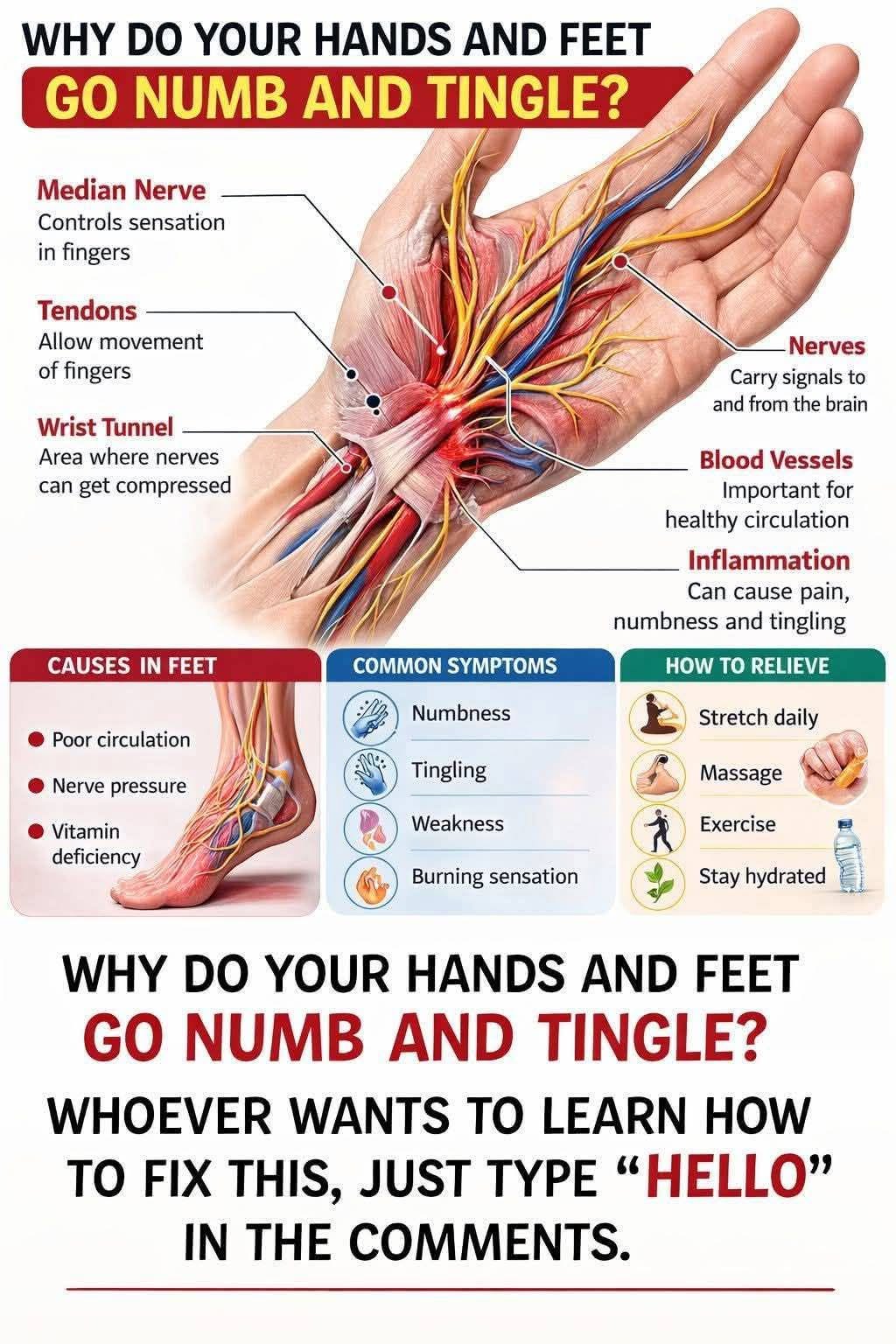
Why Do Your Hands Fall Asleep? Common Causes and Natural Remedies That Actually work

Why Do Your Hands “Fall Asleep”? Common Causes and Natural Remedies That Actually Work

If you’ve ever woken up with a tingling, numb, or “pins and needles” feeling in your hand, you’ve experienced what people commonly call your hand “falling asleep.” While it usually goes away quickly, it can still feel uncomfortable or even alarming—especially if it happens often.

In most cases, this sensation is linked to temporary nerve compression or reduced blood flow. However, frequent episodes can sometimes signal an underlying issue that shouldn’t be ignored. Let’s break down the real causes and what you can do naturally to prevent it.


What Does It Mean When Your Hands “Fall Asleep”?

The medical term for this sensation is paresthesia. It happens when nerves are compressed or irritated, disrupting normal communication between your hand and brain. This leads to numbness, tingling, or a “prickly” feeling.

Most of the time, it’s harmless and temporary. But when it keeps happening, it may point to posture issues, lifestyle habits, or nerve-related conditions.


Common Causes of Hand Numbness and Tingling

1. Poor Sleeping Position

One of the most common reasons is simply how you sleep. Lying on your arm or bending your wrist for too long can compress nerves and restrict blood flow. This is why you often wake up with a “dead” hand that quickly wakes up after movement.


2. Carpal Tunnel Pressure

Repetitive movements like typing, scrolling, or manual work can irritate the median nerve in the wrist. This condition, known as carpal tunnel syndrome, often causes tingling in the thumb, index, and middle fingers.

Early signs include:

  • Nighttime numbness
  • Weak grip
  • Tingling during repetitive tasks

3. Poor Blood Circulation

When blood flow is restricted, nerves don’t get enough oxygen, leading to numbness. Sitting in one position for too long or crossing your arms can trigger this.


4. Vitamin Deficiencies

Low levels of certain vitamins—especially B12, B6, and vitamin E—can affect nerve health. Deficiencies may lead to frequent tingling sensations in hands and feet.


5. Pinched Nerves in the Neck

Sometimes the issue isn’t in the hand at all. A compressed nerve in the cervical spine (neck) can send tingling sensations down the arm into the hand.

Poor posture, long hours on phones, and desk work can contribute to this.


6. Diabetes-Related Nerve Damage

High blood sugar over time can damage nerves, leading to a condition called diabetic neuropathy. This often causes tingling, burning, or numbness in hands and feet.


Natural Remedies That Actually Help

The good news is that many cases of hand numbness can be improved with simple lifestyle changes.


1. Adjust Your Sleeping Position

Try not to sleep on your arms or with your wrists bent. Keeping your arms relaxed and straight can prevent nerve compression overnight.


2. Stretch Your Hands and Wrists Daily

Simple stretches can improve circulation and reduce pressure on nerves:

  • Open and close your fists slowly
  • Rotate your wrists in circles
  • Stretch fingers backward gently

Doing this for 2–3 minutes several times a day can make a big difference.


3. Improve Posture

Keep your shoulders relaxed and your neck aligned, especially when using phones or computers. Poor posture is a major cause of nerve compression in the upper body.


4. Take Breaks from Repetitive Work

If you type or use a mouse for long periods, take a break every 30–60 minutes. Even a short stretch helps prevent pressure buildup in the wrists.


5. Boost Vitamin Intake Naturally

Support nerve health with foods rich in:

  • Vitamin B12 (eggs, dairy, fish)
  • Vitamin B6 (bananas, chicken, potatoes)
  • Vitamin E (nuts, seeds, spinach)

A balanced diet can significantly reduce nerve-related symptoms over time.


6. Stay Hydrated and Active

Good hydration and regular movement improve blood circulation, reducing the chance of numbness caused by poor flow.


7. Warm Compress for Quick Relief

If your hand feels numb, applying a warm compress can help relax muscles and improve blood flow quickly.


When to See a Doctor

Occasional tingling is normal, but you should seek medical advice if you notice:

  • Frequent or worsening numbness
  • Weakness in your hand or grip
  • Pain spreading to arm or shoulder
  • Symptoms lasting longer than a few minutes regularly

These may indicate nerve compression or other underlying conditions that need treatment.


Final Thoughts

Hands falling asleep is usually harmless and often caused by posture, pressure, or temporary nerve compression. However, your body may also be signaling lifestyle imbalances or nutrient deficiencies.

With better posture, simple daily stretches, and improved nutrition, most people can significantly reduce or even eliminate the problem naturally. If symptoms persist, it’s always best to get a professional checkup to rule out deeper issues.

Doctors reveal that eating sweet potatoes causes

Doctors Explain What Really Happens When You Eat Sweet Potatoes

Sweet potatoes are often labeled a “superfood” because of their rich nutritional profile. They are packed with vitamins, minerals, antioxidants, and fiber. However, like any carbohydrate-rich food, they can affect the body differently depending on portion size, preparation method, and individual health conditions.

Many misleading headlines suggest that sweet potatoes cause weight gain, blood sugar spikes, or even inflammation. In reality, the effects are far more nuanced.


1. Rich in Nutrients That Support Health

Doctors and dietitians often highlight sweet potatoes for their high levels of beta-carotene, which the body converts into vitamin A. This nutrient is essential for:

  • Eye health and vision support
  • Immune system function
  • Skin repair and cell growth

They also contain vitamin C, potassium, manganese, and dietary fiber. These nutrients contribute to heart health, digestion, and overall metabolic balance.


2. The Blood Sugar Question

One of the most common concerns is whether sweet potatoes “cause” blood sugar spikes. The truth is more complex.

Sweet potatoes do contain carbohydrates, which naturally raise blood glucose levels. However, they generally have a lower glycemic index than white potatoes, especially when boiled or baked rather than fried.

The fiber content slows digestion, which can help reduce rapid spikes in blood sugar. For most healthy individuals, moderate consumption is not problematic.

However, doctors may advise caution for people with diabetes or insulin resistance. Even then, sweet potatoes are not “forbidden”—they simply need portion control and balanced meals with protein and healthy fats.


3. Weight Gain Myths

Another exaggerated claim is that sweet potatoes automatically lead to weight gain. No single food directly causes weight gain in isolation. Weight changes depend on overall calorie intake and lifestyle.

Sweet potatoes can actually support weight management because they are:

  • High in fiber, which increases fullness
  • Relatively low in calories compared to processed carbs
  • Slow-digesting, helping reduce overeating

Problems usually arise when sweet potatoes are prepared with added sugar, butter, marshmallows, or deep-frying methods, which significantly increase calorie density.


4. Digestive Health Benefits

Doctors often recommend sweet potatoes for digestive support due to their fiber content. Fiber helps:

  • Improve bowel regularity
  • Support healthy gut bacteria
  • Reduce constipation

The type of fiber in sweet potatoes includes both soluble and insoluble forms, which work together to maintain digestive balance.

However, excessive intake may cause bloating or gas in some people, especially if they are not used to high-fiber diets.


5. Anti-Inflammatory and Antioxidant Properties

Sweet potatoes, especially orange and purple varieties, are rich in antioxidants. These compounds help protect cells from oxidative stress, which is linked to aging and chronic disease development.

Purple sweet potatoes contain anthocyanins, powerful plant compounds also found in blueberries. These may support brain health and reduce inflammation in the body.

Still, doctors emphasize that no single food can “cure” or “prevent” disease on its own. Overall dietary patterns matter more than individual ingredients.


6. Possible Downsides When Overconsumed

While sweet potatoes are healthy, overconsumption or poor preparation can lead to issues:

  • Excess calories if eaten in large portions
  • Blood sugar spikes in sensitive individuals
  • Nutrient imbalance if they replace other vegetables
  • Digestive discomfort in high quantities

Moderation is key, as with any carbohydrate source.


7. Best Ways to Eat Sweet Potatoes

Nutrition experts recommend healthier preparation methods such as:

  • Baking with minimal oil
  • Boiling to preserve nutrients
  • Steaming for digestion-friendly meals
  • Pairing with protein (chicken, eggs, beans)
  • Adding healthy fats like olive oil or avocado

Avoid heavily processed versions like sweet potato fries cooked in industrial oils, which reduce health benefits.


8. Final Medical Perspective

From a medical standpoint, sweet potatoes are not something that “causes” disease or harm when eaten in normal amounts. Instead, they are a nutrient-rich food that can support overall health when included in a balanced diet.

Doctors consistently emphasize one key message: it is not about eliminating foods like sweet potatoes, but about how often you eat them, how they are prepared, and what you eat them with.

In short, sweet potatoes are a healthy carbohydrate choice for most people. They provide steady energy, important vitamins, and digestive support. Like all foods, they work best as part of a varied and balanced diet rather than being treated as a miracle cure or a harmful ingredient.

Are Aching Hips and Legs a Sign You’re Missing This Key Vitamin

Many people ignore mild hip and leg pain, thinking it comes from aging, long work hours, or simple fatigue. But in some cases, persistent aching in the hips and legs can be your body’s quiet signal that something deeper is going on—especially a possible vitamin or mineral deficiency.

While not all pain is related to nutrition, certain deficiencies can strongly influence muscle function, nerve health, and bone strength. Understanding these links can help you support your body more effectively and reduce discomfort naturally.


Why Hip and Leg Pain Happens

Your hips and legs carry most of your body weight every day. They are made up of muscles, joints, bones, and nerves that all depend on proper nutrition to function smoothly.

Aching in these areas can come from:

  • Overuse or physical strain
  • Poor posture or long sitting hours
  • Joint inflammation
  • Nerve irritation
  • Vitamin and mineral deficiencies

When the pain is frequent or unexplained, nutrition becomes an important factor to consider.


The Key Vitamin Often Linked to Aching Hips and Legs

One of the most commonly connected nutrients to muscle and bone pain is Vitamin D.

Vitamin D plays a major role in:

  • Calcium absorption (for strong bones)
  • Muscle contraction and strength
  • Reducing inflammation
  • Supporting nerve communication

When Vitamin D levels drop too low, the body may start showing subtle warning signs—especially in weight-bearing areas like the hips, thighs, and legs.


Signs You Might Be Low in Vitamin D

If your hip and leg pain is linked to a deficiency, you may also notice:

  • General muscle weakness
  • Bone tenderness or deep aching
  • Fatigue even after rest
  • Cramping in legs
  • Slow recovery after physical activity
  • Mood changes or low energy

These symptoms often develop slowly, making them easy to ignore at first.


Why Vitamin D Deficiency Is So Common

Vitamin D deficiency is more common than many people realize, especially in areas where:

  • Sun exposure is limited
  • People spend most time indoors
  • Skin exposure to sunlight is reduced
  • Diet lacks fortified foods or fatty fish

Your body naturally produces Vitamin D when sunlight hits your skin, but modern indoor lifestyles can reduce this natural production significantly.


Other Nutrients That May Contribute to Pain

While Vitamin D is the most well-known, several other nutrients also play a role in muscle and joint comfort:

1. Magnesium

Magnesium helps muscles relax properly. Low levels can lead to cramps, tightness, and aching legs.

2. Calcium

Calcium supports bone strength. A deficiency can contribute to bone pain and weakness.

3. Vitamin B12

B12 is essential for nerve health. Low levels may cause tingling, numbness, or leg discomfort.

4. Potassium

Potassium balances fluid and muscle function. Deficiency may lead to cramping and fatigue.

Often, these nutrients work together, meaning a deficiency in one can affect overall muscle performance.


When Hip and Leg Pain Should Not Be Ignored

You should pay closer attention if pain:

  • Lasts for more than a few weeks
  • Gets worse at night or after rest
  • Comes with swelling or stiffness
  • Is paired with weakness or numbness
  • Limits your daily movement

In these cases, it’s important to look beyond simple fatigue and consider nutritional, muscular, or joint-related causes.


Natural Ways to Support Vitamin Levels

If you suspect your symptoms may be related to Vitamin D or other deficiencies, here are simple lifestyle steps that can help:

Get Safe Sun Exposure

Short daily exposure to sunlight can help your body produce Vitamin D naturally.

Eat Nutrient-Rich Foods

Include foods like:

  • Eggs
  • Fatty fish (if available)
  • Dairy products
  • Leafy greens
  • Nuts and seeds

Stay Hydrated

Proper hydration supports muscle function and reduces cramping.

Gentle Movement

Light walking, stretching, or yoga improves blood flow and reduces stiffness in hips and legs.


The Importance of Balance

It’s important to remember that hip and leg pain is not always caused by vitamin deficiency. Sometimes it may be related to posture, joint wear, or lifestyle habits.

However, nutrition is one of the easiest factors to improve, and correcting a deficiency can make a noticeable difference in how your body feels.


Final Thoughts

Aching hips and legs can be more than just a sign of tiredness—they can be your body’s way of signaling a nutritional imbalance, especially low Vitamin D levels. Supporting your body with proper sunlight, balanced nutrition, and healthy movement may help reduce discomfort and improve overall energy.

If symptoms persist or worsen, a medical check-up is always the safest step to identify the exact cause.

Your body often speaks in subtle ways—pain is just one of them.

Don’t just drink plain water, add this mineral for perfect blood circulation. To continue receiving my recipes, just say something

Most people think staying hydrated simply means drinking enough plain water. While that’s absolutely important, there’s something many overlook: your body also needs minerals to actually use that water properly. Without them, hydration is incomplete, and your circulation, energy, and overall well-being may not function at their best.

One of the most important minerals often missing in modern diets is magnesium, along with other key electrolytes like sodium and potassium. These minerals help your body move fluids efficiently, support healthy blood flow, and keep your muscles and heart working smoothly.

Let’s break down why adding minerals to your water can make a real difference—and how to do it safely and effectively.


Why Plain Water Isn’t Always Enough

Water hydrates your cells, but it doesn’t stay in the body or travel efficiently on its own. It needs electrolytes—charged minerals that help regulate fluid balance.

When you only drink plain water without enough minerals, you may experience:

  • Fatigue or low energy
  • Muscle cramps or weakness
  • Headaches
  • Poor circulation (cold hands and feet)
  • Brain fog or difficulty concentrating

This is especially common if you sweat a lot, drink coffee frequently, or eat a highly processed diet.


The Key Mineral for Circulation: Magnesium

Among all minerals, magnesium plays one of the biggest roles in blood circulation and muscle function. It helps relax blood vessels, allowing blood to flow more smoothly throughout the body.

When magnesium levels are low, blood vessels can tighten, which may contribute to:

  • Reduced circulation
  • Muscle tension
  • Higher stress levels
  • Poor sleep quality

Magnesium also supports over 300 biochemical reactions in the body, including energy production and nerve function.


Other Important Electrolytes You Shouldn’t Ignore

While magnesium is powerful, it works best alongside other minerals:

1. Potassium

Helps regulate heart rhythm and fluid balance. It works inside your cells to maintain proper hydration.

2. Sodium (in balanced amounts)

Supports nerve signaling and helps your body absorb and retain water effectively.

3. Calcium

Important for muscle contraction and overall vascular health.

Together, these electrolytes ensure that water doesn’t just pass through your system—but actually nourishes your body.


Signs You May Need More Minerals

Your body often gives subtle hints when mineral levels are low. Watch for:

  • Feeling tired even after drinking plenty of water
  • Frequent muscle cramps or twitching
  • Dizzy spells when standing up
  • Cold extremities
  • Irregular heartbeat sensations
  • Poor recovery after exercise

If you notice these signs regularly, it may be time to upgrade your hydration strategy.


How to Add Minerals to Your Water Naturally

You don’t need complicated supplements or expensive products. There are simple ways to mineralize your water:

1. Add a Pinch of Natural Salt

A small pinch of high-quality salt (like sea salt or Himalayan salt) can add trace minerals and improve hydration balance.

2. Use Electrolyte Powders (Low Sugar)

Choose clean electrolyte blends that contain magnesium, potassium, and sodium without added sugar or artificial ingredients.

3. Magnesium Drops or Powder

Magnesium chloride or citrate can be added in small amounts to water. Start low and adjust based on your body’s response.

4. Coconut Water (Natural Option)

Coconut water is naturally rich in potassium and electrolytes and can be mixed with regular water for hydration support.


Best Time to Drink Mineral Water

Timing can also make a difference:

  • Morning: Helps kickstart hydration and energy
  • Before exercise: Supports endurance and reduces cramps
  • After sweating or heat exposure: Replaces lost minerals
  • Evening (light dose): May support relaxation and muscle recovery

Benefits You May Notice Over Time

When you consistently drink mineral-rich water, many people report:

  • Better energy levels throughout the day
  • Improved focus and mental clarity
  • Reduced muscle cramps and stiffness
  • Healthier circulation and warmer extremities
  • Better sleep quality
  • Faster recovery after physical activity

These changes don’t happen overnight, but within days to weeks, the difference can become noticeable.


Important Balance Reminder

While minerals are essential, balance matters. Too much sodium or magnesium can cause unwanted effects. The goal is not overload—it’s gentle daily support.

If you have kidney issues, heart conditions, or are on medication, it’s always best to check with a healthcare professional before making major changes to your mineral intake.


Final Thoughts

Plain water hydrates you—but mineralized water helps your body actually use that hydration efficiently. Adding key electrolytes like magnesium, potassium, and sodium can support circulation, energy, and overall vitality in a simple, natural way.

Sometimes the smallest change in your daily routine—like upgrading your water—can have a surprisingly big impact on how you feel.

Flautas Ahogadas Mexican Drowned Tacos

Flautas Ahogadas, often called “drowned flautas,” are a bold and comforting Mexican dish where crispy rolled tacos (flautas) are completely smothered in a rich, warm sauce. The result is a perfect contrast of textures: crunchy tortillas softened slightly by the sauce, filled with seasoned meat, and topped with fresh garnishes like crema, lettuce, and cheese.

This dish is especially popular in Jalisco and surrounding regions of Mexico, where “ahogadas” style cooking means literally “drowned” in sauce—most famously seen in tortas ahogadas, but flautas get the same delicious treatment.

Flautas Ahogadas are perfect for dinner, gatherings, or when you want something deeply satisfying and full of flavor.


Ingredients

For the flautas:

  • 12 corn tortillas
  • 2 cups cooked shredded chicken (or beef/pork)
  • 1/2 teaspoon salt
  • 1/2 teaspoon black pepper
  • 1/2 teaspoon cumin
  • 1/2 teaspoon garlic powder
  • Oil for frying (vegetable or canola)

For the red sauce (salsa roja):

  • 5 ripe tomatoes
  • 3 dried guajillo chiles (seeded)
  • 2 dried ancho chiles (optional for deeper flavor)
  • 2 cloves garlic
  • 1/4 onion
  • 1 teaspoon salt
  • 1/2 teaspoon oregano
  • 1–2 cups chicken broth (as needed)

Toppings:

  • Shredded lettuce
  • Mexican crema or sour cream
  • Crumbled queso fresco
  • Diced onions
  • Fresh cilantro
  • Sliced radishes (optional)
  • Lime wedges

Step 1: Prepare the Filling

Start by seasoning your shredded meat. In a bowl, combine the chicken (or beef/pork) with salt, pepper, cumin, and garlic powder. Mix well so the flavor spreads evenly.

If your meat is dry, you can add a few tablespoons of broth or cooking juices to keep it moist. A juicy filling ensures the flautas stay flavorful even after frying and soaking in sauce.


Step 2: Make the Red Sauce

The signature of flautas ahogadas is the rich, slightly smoky red sauce.

  1. Remove stems and seeds from dried chiles.
  2. Toast them lightly in a dry pan for 10–15 seconds per side (do not burn).
  3. Soak chiles in hot water for 15–20 minutes until soft.
  4. In a blender, combine softened chiles, tomatoes, garlic, onion, oregano, and salt.
  5. Blend until smooth. Add chicken broth slowly until you reach a pourable sauce consistency.
  6. Pour mixture into a pan and simmer for 10–15 minutes to deepen flavor.

Taste and adjust salt. The sauce should be bold, slightly tangy, and rich.


Step 3: Roll and Fry the Flautas

Warm the corn tortillas slightly so they don’t crack when rolling.

  1. Place a spoonful of shredded meat on each tortilla.
  2. Roll tightly into a cigar shape and secure with a toothpick if needed.
  3. Heat oil in a pan over medium heat.
  4. Fry flautas until golden and crispy on all sides (about 2–3 minutes per side).
  5. Place on paper towels to remove excess oil.

The key is crispness—this gives the structure that holds up under the sauce.


Step 4: “Drown” the Flautas

Now comes the signature step.

Place 3–4 fried flautas on a plate. Ladle the warm red sauce generously over the top until they are partially or fully covered—this is the “ahogada” effect.

Let them sit for 1–2 minutes so the sauce slightly softens the outer layer while keeping the inside texture intact.


Step 5: Add Toppings

Finish your flautas ahogadas with layers of flavor and freshness:

  • Drizzle Mexican crema in a zigzag pattern
  • Sprinkle crumbled queso fresco generously
  • Add shredded lettuce for crunch
  • Top with diced onions and fresh cilantro
  • Add radish slices for sharpness
  • Serve with lime wedges for brightness

Serving Tips

Flautas ahogadas are best served immediately while the contrast between crispy and saucy is still noticeable. They are often paired with:

  • Mexican rice
  • Refried beans
  • Fresh agua fresca (hibiscus or tamarind drink)

For extra heat, serve with a side of spicy salsa or add chile de árbol to the sauce.


Variations

  • Beef version: Use shredded brisket or roast beef for deeper flavor.
  • Vegetarian version: Replace meat with sautĂ©ed mushrooms, potatoes, or refried beans.
  • Cheesy version: Add melted Oaxaca cheese inside the flautas before frying.
  • Extra spicy: Add arbol chiles to the salsa roja for heat lovers.

Final Thoughts

Flautas Ahogadas are the perfect mix of crunchy, juicy, spicy, and creamy. Every bite delivers contrast and comfort at the same time. The crispy tortillas soak up just enough sauce to become tender without losing structure, while the toppings bring freshness and balance.

Whether you’re cooking for family or exploring authentic Mexican flavors, this dish brings restaurant-level taste right into your kitchen.