The 10 Metoprolol Side Effects Your Doctor is PRAYING You Don’t Discover

Metoprolol is a commonly prescribed medication used to treat high blood pressure, chest pain (angina), and certain heart rhythm disorders. Known as a beta-blocker, Metoprolol works by slowing the heart rate and reducing the heart’s workload. While it can be highly effective and even life-saving, it’s important to understand that this medication, like all drugs, comes with potential side effects—some of which are often overlooked or underestimated.

Below are 10 side effects you should be aware of before or while taking metoprolol.

1. Extreme Fatigue

One of the most common complaints among users is persistent tiredness. Because metoprolol slows your heart rate, it can also reduce energy levels. Many people feel unusually sluggish, especially during the first few weeks of treatment.

2. Dizziness and Lightheadedness

Metoprolol lowers blood pressure, which can sometimes drop too low, causing dizziness or fainting. This is especially noticeable when standing up quickly, a condition known as orthostatic hypotension.

3. Slow Heart Rate (Bradycardia)

Since metoprolol directly affects heart rhythm, it can lead to an abnormally slow heartbeat. This condition, known as Bradycardia, may cause fatigue, confusion, or even fainting in severe cases.

4. Shortness of Breath

Although it primarily targets the heart, metoprolol can also affect the lungs. Some individuals may experience breathing difficulties, especially those with pre-existing respiratory conditions like Asthma or Chronic Obstructive Pulmonary Disease.

5. Depression and Mood Changes

Beta-blockers have been linked to mood changes in some individuals. You may notice feelings of sadness, low motivation, or even symptoms of depression over time. While not extremely common, this side effect should not be ignored.

6. Cold Hands and Feet

Metoprolol can reduce blood circulation to the extremities, leading to cold or numb hands and feet. This occurs because the medication narrows blood vessels slightly as part of its mechanism.

7. Weight Gain

Some users report gradual weight gain after starting metoprolol. This may be linked to a slower metabolism or reduced physical activity due to fatigue.

8. Sexual Dysfunction

A lesser-discussed but significant side effect is reduced libido or difficulty maintaining sexual performance. This can affect both men and women and may impact quality of life.

9. Sleep Disturbances

Metoprolol may interfere with sleep patterns, causing insomnia, vivid dreams, or restless nights. This can worsen fatigue and overall well-being if not addressed.

10. Masking of Low Blood Sugar Symptoms

For individuals with diabetes, metoprolol can mask warning signs of low blood sugar (hypoglycemia), such as rapid heartbeat. This makes it harder to recognize dangerous drops in glucose levels, especially in people with Diabetes Mellitus.

Important Considerations

While these side effects may sound alarming, it’s important to remember that not everyone will experience them. Many people take metoprolol safely for years without major issues. However, awareness is key. If you notice unusual symptoms, it’s essential to speak with your healthcare provider rather than stopping the medication abruptly, as this can lead to serious complications like increased heart rate or even heart attack.

Final Thoughts

Medications like Metoprolol play a crucial role in managing cardiovascular conditions, but they are not without risks. Understanding these potential side effects empowers you to take control of your health and have informed conversations with your doctor.
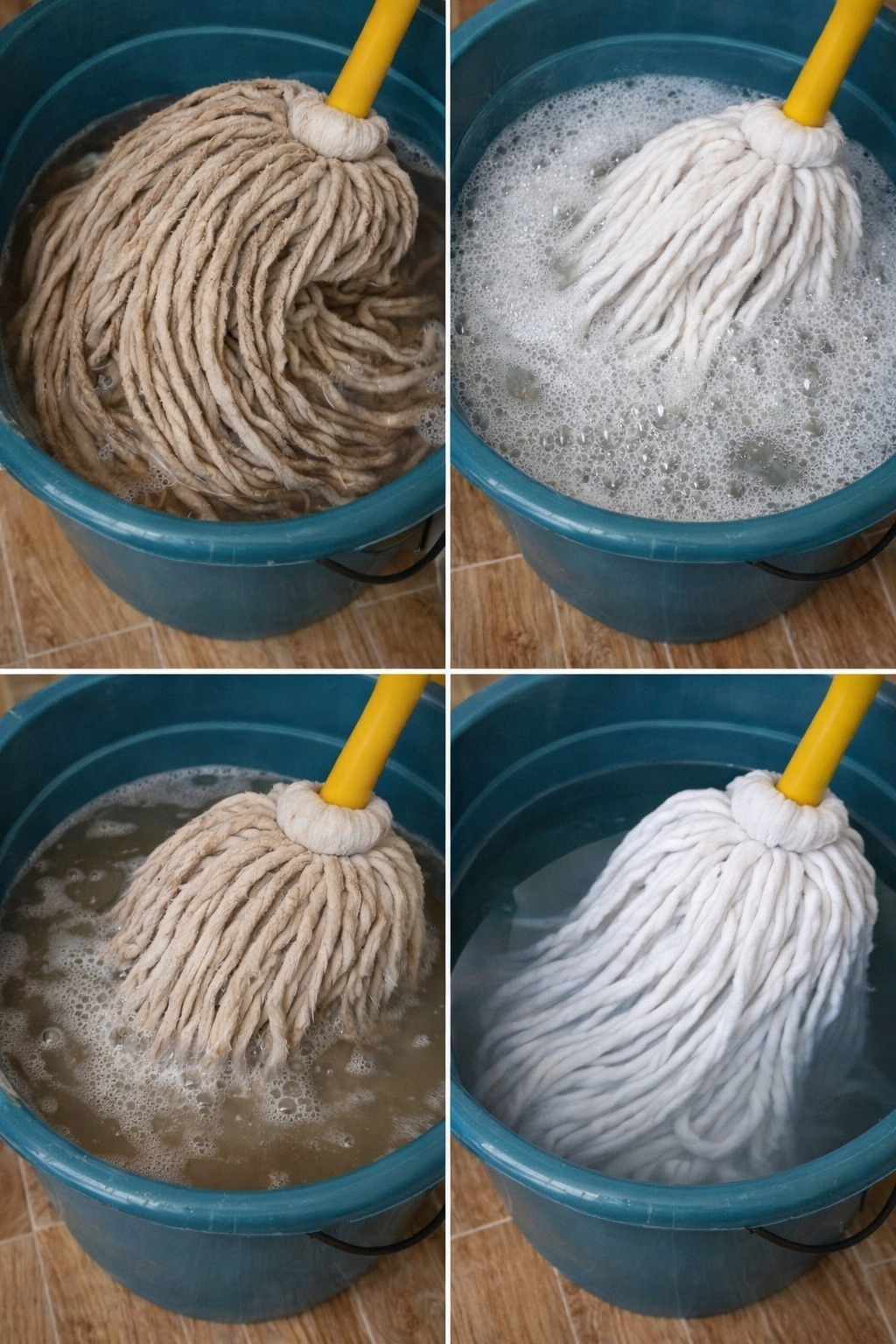

Very dirty mop, do not buy it again: a drop of this ingredient and it will be as good as new again

A dirty mop is one of the most overlooked cleaning tools in the home. Ironically, the very item we use to clean our floors can become a breeding ground for bacteria, foul odors, and grime buildup if not properly maintained. Many people reach a point where they think, “This mop is too dirty—time to throw it away.” But what if you could restore it to nearly new condition using just one simple ingredient?

The secret lies in a powerful, natural cleaner you probably already have in your kitchen: white vinegar. Combined with a few basic steps, this affordable ingredient can break down dirt, kill odor-causing bacteria, and revive your mop in no time.

Let’s dive into this easy, effective method that will save you money and keep your home cleaner.

 Why Mops Get So Dirty

Over time, mops accumulate layers of dirt, grease, detergent residue, and even bacteria. Each time you clean your floors, you’re transferring debris from one surface to another. If the mop isn’t thoroughly cleaned afterward, it becomes saturated with grime.

Common reasons your mop gets extremely dirty include:

  • Not rinsing it properly after use
  • Using it repeatedly without deep cleaning
  • Cleaning heavily soiled floors
  • Leaving it damp, which encourages bacterial growth

A neglected mop doesn’t just smell bad—it can actually spread germs instead of removing them.

 The Magic Ingredient: White Vinegar

White vinegar is a natural disinfectant and deodorizer. Its acidic properties help dissolve mineral deposits, grease, and bacteria. It’s also eco-friendly and safe to use around the home.

Benefits of using vinegar include:

  • Kills odor-causing bacteria
  • Breaks down stubborn dirt and grime
  • Removes detergent buildup
  • Restores freshness

 Step-by-Step Mop Cleaning Method

Here’s how to bring your dirty mop back to life:

Step 1: Shake Off Loose Dirt

Before soaking, take your mop outside and shake or tap it to remove loose debris like dust, hair, or crumbs.

Step 2: Prepare the Cleaning Solution

Fill a bucket with hot water and add:

  • 1 cup of white vinegar
  • (Optional) 1 tablespoon of baking soda for extra cleaning power

Mix gently. You may notice slight fizzing if baking soda is added—that’s normal.

Step 3: Soak the Mop

Place the mop head into the solution and let it soak for 30–60 minutes. This allows the vinegar to penetrate deep into the fibers and loosen dirt.

Step 4: Scrub (If Needed)

If the mop is extremely dirty, use a brush or your hands (with gloves) to gently scrub the fibers.

Step 5: Rinse Thoroughly

Rinse the mop under clean running water until all dirt and vinegar smell are gone.

Step 6: Dry Properly

Hang the mop in a well-ventilated area to air dry completely. Avoid leaving it damp, as moisture promotes bacteria growth.

 Extra Tips for Best Results

  • For washable mop heads: You can place them in the washing machine with hot water and a cup of vinegar.
  • Add lemon juice: This boosts freshness and leaves a pleasant scent.
  • Use regularly: Clean your mop after every few uses to prevent buildup.
  • Avoid harsh chemicals: They can damage mop fibers over time.

Common Mistakes to Avoid

Even with a simple method, some mistakes can reduce effectiveness:

  • Not soaking long enough
  • Using cold water instead of hot
  • Skipping the drying step
  • Overloading with detergent instead of using vinegar

Keeping things simple often yields the best results.

 Why This Method Works

The acidity of vinegar (acetic acid) breaks down alkaline substances like soap residue and grime. It also disrupts the cell structure of many bacteria, helping to eliminate odors at their source.

Unlike expensive cleaning products, vinegar offers a natural and affordable solution that’s been trusted for generations.

 When to Replace Your Mop

While this method is highly effective, there are times when replacement is necessary. Consider getting a new mop if:

  • The fibers are falling apart
  • There’s permanent staining that won’t come out
  • It still smells after deep cleaning

Otherwise, regular maintenance can extend the life of your mop significantly.

 Final Thoughts

A dirty mop doesn’t have to mean buying a new one. With just a drop (or cup!) of white vinegar, you can transform your old, smelly mop into a fresh, clean tool ready to tackle your floors again.

This simple, natural cleaning trick not only saves money but also helps maintain a healthier home environment. Once you try it, you might never look at your mop the same way again.

Doctors reveal that eating boiled eggs in the morning causes

Boiled eggs have long been considered a simple, affordable, and highly nutritious breakfast option. Recently, many health professionals have highlighted the powerful benefits of eating boiled eggs in the morning. Packed with protein, vitamins, and essential nutrients, this humble food can have a surprisingly positive impact on your overall health.

Let’s explore what doctors and nutrition experts say happens when you start your day with boiled eggs—and then I’ll share a simple, delicious recipe you can try at home.


1. Boosts Energy Levels Naturally

Starting your morning with boiled eggs provides your body with high-quality protein and healthy fats. These nutrients are digested slowly, giving you sustained energy throughout the day. Unlike sugary breakfasts that cause energy crashes, eggs help keep your blood sugar levels stable, allowing you to stay active and focused.


2. Supports Weight Loss

Boiled eggs are low in calories but very filling. Eating them in the morning can reduce hunger and prevent unnecessary snacking later in the day. Doctors often recommend eggs as part of a weight management plan because they increase satiety and reduce overall calorie intake.


3. Improves Brain Function

Eggs contain choline, an essential nutrient that supports brain health. Choline plays a key role in memory, mood, and cognitive function. Regular consumption of boiled eggs may help improve mental clarity and concentration, especially when eaten early in the day.


4. Strengthens Muscles

Protein is essential for muscle repair and growth, and eggs are one of the best sources of complete protein. Eating boiled eggs in the morning helps your body recover from physical activity and build lean muscle mass.


5. Promotes Healthy Skin and Hair

Eggs are rich in vitamins like B-complex, biotin, and antioxidants. These nutrients support healthy skin, shiny hair, and strong nails. Over time, regular egg consumption may enhance your natural glow and reduce signs of aging.


6. Supports Eye Health

Boiled eggs contain lutein and zeaxanthin, antioxidants that are essential for eye health. These compounds help protect your eyes from harmful blue light and may reduce the risk of age-related vision problems.


7. Helps Maintain Heart Health

Although eggs were once thought to raise cholesterol, recent research shows they can be part of a heart-healthy diet when eaten in moderation. They may even help increase “good” HDL cholesterol levels, supporting overall cardiovascular health.


Ingredients:

  • 2–3 large eggs
  • Water (enough to cover eggs)
  • A pinch of salt
  • Black pepper (optional)
  • Fresh herbs or lemon juice (optional)

Instructions:

  1. Place Eggs in a Pot
    Arrange the eggs in a single layer in a saucepan. Add enough water to cover them by about 1 inch.
  2. Bring to a Boil
    Heat the pot over medium-high heat until the water starts boiling.
  3. Turn Off Heat and Cover
    Once boiling, turn off the heat, cover the pot, and let the eggs sit:
    • 6–7 minutes for soft-boiled
    • 9–12 minutes for hard-boiled
  4. Cool the Eggs
    Transfer the eggs to a bowl of cold water or ice bath. Let them cool for 5 minutes to stop the cooking process.
  5. Peel and Serve
    Gently tap and peel the shells. Sprinkle with salt, pepper, or herbs for extra flavor.

Tips for Best Results

  • Use slightly older eggs—they peel more easily.
  • Avoid overcooking to prevent a greenish ring around the yolk.
  • Pair eggs with whole grains or fruits for a balanced breakfast.

Final Thoughts

Eating boiled eggs in the morning is one of the simplest ways to improve your daily nutrition. From boosting energy and supporting weight loss to enhancing brain and heart health, this small dietary habit can make a big difference over time.

Mastering Prime Rib: From Butcher’s Cut to Table Glory

Mastering Prime Rib: From Butcher’s Cut to Table Glory

Prime rib is more than just a meal—it’s an experience. Known for its rich marbling, tender texture, and bold flavor, this classic cut of beef has long been the centerpiece of celebratory dinners and special occasions. Mastering prime rib may seem intimidating at first, but with the right preparation, technique, and patience, you can transform a beautiful cut from the butcher into a show-stopping masterpiece on your table.

Choosing the Perfect Cut

The journey begins at the butcher counter. Prime rib, also known as a standing rib roast, comes from the rib section of the cow. Look for a cut with good marbling—thin streaks of fat running through the meat—which ensures flavor and juiciness. You can choose between bone-in or boneless cuts. Bone-in roasts tend to have more flavor and a dramatic presentation, while boneless options are easier to carve.

For best results, ask your butcher for a roast that is at least three ribs in size if you’re serving a group. A general rule of thumb is one pound per person.

Ingredients

  • 1 prime rib roast (3–6 pounds)
  • 2 tablespoons olive oil
  • 4 cloves garlic, minced
  • 1 tablespoon fresh rosemary, chopped
  • 1 tablespoon fresh thyme, chopped
  • 1 tablespoon kosher salt
  • 1 teaspoon freshly ground black pepper
  • Optional: horseradish sauce or au jus for serving

Preparing the Roast

Preparation is key to achieving a perfect prime rib. Start by removing the roast from the refrigerator at least 2 hours before cooking. Allowing it to come to room temperature ensures even cooking.

Pat the meat dry with paper towels—this helps create a beautiful crust. In a small bowl, mix the olive oil, garlic, rosemary, thyme, salt, and pepper into a paste. Rub this mixture generously over the entire roast, ensuring every inch is coated.

If time allows, you can season the roast and let it rest uncovered in the refrigerator overnight. This dry-brining method enhances flavor and improves the crust.

Cooking Method

Preheat your oven to 450°F (230°C). Place the roast bone-side down in a roasting pan fitted with a rack. This allows air to circulate and promotes even cooking.

Start by roasting the meat at high heat for 20 minutes. This initial blast helps develop a rich, golden-brown crust. After that, reduce the oven temperature to 325°F (165°C) and continue cooking.

Use a meat thermometer for accuracy. Insert it into the thickest part of the roast, avoiding the bone. Cook until the internal temperature reaches:

  • 120–125°F for rare
  • 130–135°F for medium-rare
  • 140–145°F for medium

For a 4–5 pound roast, this usually takes about 1.5 to 2 hours total, but always rely on temperature rather than time.

Resting the Meat

Once your roast reaches the desired temperature, remove it from the oven and tent it loosely with aluminum foil. Let it rest for at least 20–30 minutes.

Resting is crucial—it allows the juices to redistribute throughout the meat. Cutting too early will cause those flavorful juices to spill out, leaving the roast dry.

During this time, the internal temperature will continue to rise slightly, a process known as carryover cooking.

Carving and Serving

If you used a bone-in roast, begin by slicing along the bones to separate them from the meat. You can serve the ribs separately or save them for later.

Place the roast on a cutting board and slice into thick, even portions. Prime rib is traditionally served in generous slices to showcase its juicy interior and flavorful crust.

Serve with classic sides like roasted vegetables, mashed potatoes, or Yorkshire pudding. A drizzle of au jus or a dollop of horseradish sauce adds an extra layer of flavor.

Tips for Success

  • Use a thermometer: Guesswork leads to overcooking. A digital meat thermometer is your best friend.
  • Don’t skip resting: This step makes a noticeable difference in texture and juiciness.
  • Season generously: Prime rib is a large cut, so it needs plenty of seasoning to bring out its flavor.
  • Low and slow finish: After the initial high heat, cooking at a lower temperature ensures even doneness.

Elevating Your Prime Rib

For those looking to take things further, consider adding a crust of Dijon mustard before applying the herb rub, or experimenting with smoked paprika for a subtle twist. You can also make a red wine reduction sauce to serve alongside the roast for a gourmet touch.

Another advanced technique is reverse searing—slowly roasting the meat at a low temperature first, then finishing with a high-heat blast at the end. This method offers precise control and an evenly pink interior from edge to center.

Final Thoughts

Mastering prime rib is about respecting the quality of the meat and using simple techniques to highlight its natural flavor. With a little preparation and attention to detail, you can turn this premium cut into a memorable dining experience that rivals any restaurant.

Whether it’s a holiday feast or a weekend indulgence, prime rib delivers unmatched richness and satisfaction. Once you’ve mastered it, you’ll find yourself returning to this recipe time and time again—each roast a celebration of skill, patience, and great taste.

Did you know that if you eat chicken gizzards, you don’t need to take

Chicken gizzards are one of those underrated ingredients that quietly deliver powerful nutrition and rich flavor, yet many people overlook them. If you’ve ever wondered whether simple, traditional foods can replace expensive supplements or complicated diets, chicken gizzards might surprise you. Packed with protein, vitamins, and minerals, they are often called a “natural multivitamin” in food form. When prepared properly, they’re not only delicious but also incredibly beneficial for your body.

Why Chicken Gizzards Are So Good for You

Chicken gizzards are part of the digestive tract of the bird, meaning they are naturally strong, muscular, and nutrient-dense. They are loaded with high-quality protein, which supports muscle growth, tissue repair, and overall strength. Just a small serving can help you feel full longer, making them a great option for those trying to manage weight or reduce unnecessary snacking.

They’re also rich in iron, which is essential for healthy blood and preventing fatigue. If you often feel tired or weak, adding gizzards to your diet could help improve your energy levels naturally. In addition, they contain zinc, which boosts the immune system, and B vitamins like B12, which support brain function and nerve health.

Another hidden benefit is collagen. Chicken gizzards contain connective tissues that contribute to collagen intake, helping improve skin elasticity, joint health, and even hair strength.

So while the idea that eating gizzards means you “don’t need to take supplements” might be a bit exaggerated, they certainly provide many of the nutrients people usually seek in pills—naturally and affordably.


Simple and Delicious Chicken Gizzards Recipe

If you’ve never cooked chicken gizzards before, don’t worry. The key is proper cleaning and slow cooking to make them tender and flavorful.

Ingredients:

  • 500g chicken gizzards
  • 1 medium onion (finely chopped)
  • 3 cloves garlic (minced)
  • 1 teaspoon ginger paste
  • 2 tablespoons oil
  • 1 teaspoon turmeric powder
  • 1 teaspoon red chili powder (adjust to taste)
  • 1 teaspoon coriander powder
  • ½ teaspoon black pepper
  • Salt to taste
  • 2 cups water
  • Fresh coriander leaves for garnish

Step-by-Step Preparation

1. Clean the Gizzards

Start by washing the gizzards thoroughly under running water. Remove any tough yellow lining if present. This step is important to ensure a clean taste and proper texture.

2. Pre-Boil for Tenderness

Place the gizzards in a pot with water and a pinch of salt. Boil for about 20–25 minutes until they begin to soften. This helps reduce cooking time later and makes them easier to digest.

3. Sauté the Base

Heat oil in a pan and add chopped onions. Cook until they turn golden brown. Then add garlic and ginger paste, stirring until fragrant.

4. Add Spices

Mix in turmeric, chili powder, coriander powder, black pepper, and salt. Stir well so the spices release their aroma and flavor.

5. Cook the Gizzards

Add the pre-boiled gizzards to the pan. Stir to coat them evenly with the spice mixture. Pour in a little water and let them simmer on low heat for 20–30 minutes until fully tender.

6. Final Touch

Once the oil starts to separate and the gravy thickens, garnish with fresh coriander leaves. Your dish is now ready to serve.


How to Serve

Chicken gizzards can be enjoyed with:

  • Warm roti or naan
  • Steamed rice
  • A fresh salad on the side

They also make a great high-protein snack when cooked dry with spices.


Tips for Best Results

  • Cook slowly: Gizzards need time to become tender. Rushing the process can make them chewy.
  • Use a pressure cooker: If you’re short on time, this can significantly reduce cooking time.
  • Marinate for extra flavor: A short marinade with spices and yogurt can enhance taste.
  • Don’t overcook: Once tender, avoid excessive cooking to maintain texture.

Final Thoughts

Chicken gizzards are a perfect example of how simple, traditional foods can offer powerful health benefits. They’re affordable, widely available, and packed with nutrients that support energy, immunity, and overall well-being. While they may not completely replace all supplements, they can certainly reduce your reliance on them by naturally nourishing your body.

Adding chicken gizzards to your diet once or twice a week is an easy and delicious way to boost your nutrition without spending a lot of money. Sometimes, the best health solutions aren’t found in bottles—they’re right there in your kitchen.

Even just one spoonful a day is enough! It lowers bad cholesterol, cleans arteries, regulates blood sugar, and even suppresses hunger.

It sounds almost too simple to be true: just one spoonful a day of a natural mixture that can lower “bad” cholesterol, support clean arteries, stabilize blood sugar, and even reduce hunger. While no single food is a miracle cure, there are powerful, nutrient-dense ingredients that, when used consistently, can support these health goals in a realistic and natural way.

Let’s explore a simple, balanced daily spoonful blend, how it works, and how to use it safely.


The Powerful Spoonful Mix

A well-known natural combination includes:

  • 1 tablespoon raw honey
  • 1 tablespoon apple cider vinegar
  • 1 teaspoon ground cinnamon
  • Optional: 1 teaspoon chia seeds or ground flaxseeds

Mix these ingredients thoroughly and take one spoonful each morning, preferably before breakfast.


How This Supports Your Health

1. Helps Manage Cholesterol

Some ingredients in this mix may support heart health:

  • Apple cider vinegar has been studied for its potential to help reduce total cholesterol and triglyceride levels when used regularly.
  • Cinnamon may help lower LDL (bad cholesterol) while supporting HDL (good cholesterol).

However, it’s important to understand that this is supportive, not a replacement for medical treatment or a healthy diet.


2. Supports Artery Health

The phrase “cleans arteries” is often exaggerated. No food literally scrubs your arteries, but certain ingredients can help reduce risk factors:

  • Antioxidants in honey and cinnamon help fight oxidative stress, which contributes to plaque buildup.
  • Healthy fats (if you add flax or chia) support better blood vessel function.

Over time, consistent healthy habits—including this mix—can support better cardiovascular health.


3. Helps Regulate Blood Sugar

This is one of the most promising benefits:

  • Cinnamon has been shown to improve insulin sensitivity.
  • Apple cider vinegar may help reduce blood sugar spikes after meals.

Taking this mixture before eating may help your body process carbohydrates more efficiently, especially when combined with a balanced diet.


4. Supports Appetite Control

If you struggle with constant hunger or cravings, this blend may help:

  • Chia and flaxseeds expand in the stomach, promoting a feeling of fullness.
  • Apple cider vinegar may help delay stomach emptying, keeping you satisfied longer.
  • The natural sweetness of honey can also reduce cravings for refined sugar.

This makes it easier to control portion sizes and avoid unnecessary snacking.


How to Use It Properly

To get the best results:

  • Take 1 spoonful daily, preferably in the morning
  • You can also dilute it in a glass of warm water if the taste is too strong
  • Stay consistent—benefits come with regular use over time

Important Tips and Precautions

While natural, this mixture isn’t for everyone:

  • Do not overconsume apple cider vinegar—it can irritate the stomach and damage tooth enamel. Always consider diluting it.
  • People with diabetes should monitor blood sugar levels closely when using this regularly.
  • If you take medications for blood pressure, cholesterol, or blood sugar, consult a healthcare professional first.
  • Use raw, unprocessed ingredients for maximum benefit.

The Bigger Picture

It’s tempting to look for a quick fix, but real health improvements come from a combination of habits:

  • Balanced diet (rich in vegetables, fiber, and healthy fats)
  • Regular physical activity
  • Proper hydration
  • Good sleep

This “one spoonful a day” mixture can be a helpful addition—but it works best as part of a healthy lifestyle, not a replacement for one.


Final Thoughts

A simple daily spoonful of natural ingredients like honey, apple cider vinegar, and cinnamon can support cholesterol balance, blood sugar control, and appetite management. While it won’t magically “clean” your arteries overnight, it can contribute to better long-term health when used consistently and responsibly.

Think of it not as a miracle cure—but as a small, powerful daily habit that supports your body from the inside out.

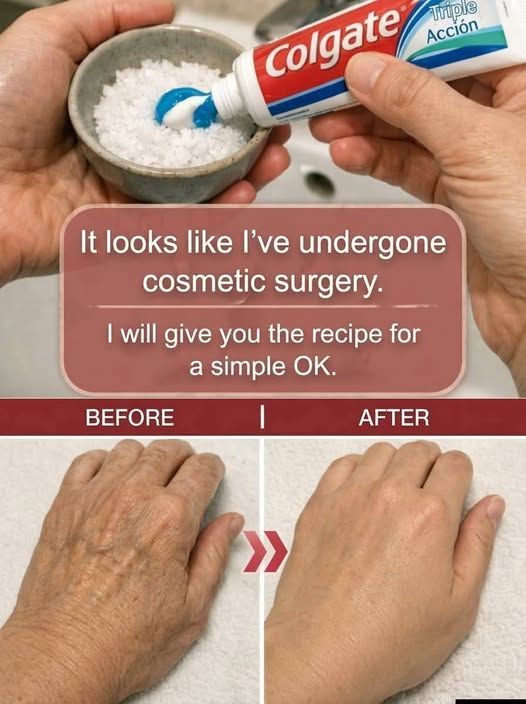
How Toothpaste Can Improve the Appearance of Age Spots and Wrinkles Naturally

Toothpaste is commonly known for keeping teeth clean and breath fresh, but many people also use it as a quick, affordable home remedy for minor skin concerns. While it is not a miracle cure, certain ingredients found in toothpaste—such as baking soda, hydrogen peroxide, and mild abrasives—may help improve the appearance of age spots and fine lines when used carefully. Below is a simple, to-the-point guide and “recipe” for trying this method at home.


Why Toothpaste May Help

Toothpaste contains ingredients that can have mild effects on the skin:

  • Baking soda acts as a gentle exfoliant, helping remove dead skin cells.
  • Hydrogen peroxide has mild bleaching properties that may help lighten dark spots.
  • Silica can smooth the skin’s surface, temporarily improving texture.
  • Menthol or mint extracts can create a tightening sensation, making skin feel firmer.

These effects are temporary and subtle, but with consistent use, some people notice a slight improvement in skin tone and smoothness.


Simple Toothpaste Spot Treatment Recipe

Ingredients:

  • 1 teaspoon plain white toothpaste (non-gel, no strong whitening chemicals)
  • ½ teaspoon baking soda (optional for extra exfoliation)
  • A few drops of water or rose water

Instructions:

  1. In a small bowl, mix the toothpaste with baking soda.
  2. Add a few drops of water or rose water to create a smooth paste.
  3. Cleanse your face thoroughly and pat dry.
  4. Apply the mixture directly to age spots or wrinkle-prone areas (like around the eyes or forehead).
  5. Leave it on for 5–10 minutes only.
  6. Rinse off gently with lukewarm water.
  7. Apply a moisturizer immediately after.

Frequency:
Use this treatment 2–3 times per week, not daily, to avoid skin irritation.


Toothpaste Wrinkle Smoothing Mask

Ingredients:

  • 1 teaspoon toothpaste
  • 1 teaspoon aloe vera gel
  • 2–3 drops vitamin E oil

Instructions:

  1. Mix all ingredients until smooth.
  2. Apply a thin layer over areas with fine lines.
  3. Let it sit for 10 minutes.
  4. Rinse gently and moisturize.

This version is gentler and adds hydration, which helps reduce the drying effect of toothpaste.


Tips for Best Results

  • Always use plain white toothpaste, not gel-based or colored formulas.
  • Perform a patch test on your wrist before applying to your face.
  • Avoid sensitive areas like under the eyes unless diluted well.
  • Follow up with a good moisturizer to prevent dryness.
  • Use sunscreen daily, as sun exposure is a major cause of age spots and wrinkles.

What to Expect

  • Temporary tightening of the skin
  • Slight brightening of dark spots over time
  • Smoother skin texture with regular use

Results vary depending on skin type and consistency. This is not a replacement for professional skincare treatments, but it can be a low-cost addition to your routine.


Important Precautions

While toothpaste can offer mild benefits, it is not designed for facial skin. Overuse may cause:

  • Dryness
  • Redness
  • Irritation

If you have sensitive or acne-prone skin, it’s best to use this method sparingly or skip it altogether. Stop immediately if you notice burning or discomfort.


Final Thoughts

Using toothpaste for age spots and wrinkles is a simple, budget-friendly home remedy that may provide minor improvements in skin appearance. The key is moderation and proper skincare balance—cleansing, moisturizing, and protecting your skin from the sun. For deeper wrinkles or stubborn pigmentation, more targeted skincare products or professional treatments will be more effective.

Why Cottage Cheese Deserves a Spot in Your Daily Diet

Cottage cheese is one of those humble, often overlooked foods that quietly delivers impressive health benefits. With its creamy texture, mild flavor, and versatility, it easily fits into a wide range of meals—from breakfast bowls to savory dinners. If you’re looking for a nutritious, affordable, and easy-to-use ingredient, cottage cheese truly deserves a permanent spot in your daily diet.

Why Cottage Cheese Is So Good for You

First and foremost, cottage cheese is an excellent source of high-quality protein. It contains casein protein, which digests slowly and helps keep you feeling full for longer. This makes it an ideal choice for those trying to manage their weight or reduce unnecessary snacking.

It’s also packed with essential nutrients such as calcium, phosphorus, vitamin B12, and selenium. Calcium supports strong bones and teeth, while vitamin B12 plays a crucial role in maintaining healthy nerve function and red blood cells. Additionally, cottage cheese is relatively low in calories compared to many other dairy products, making it a smart option for a balanced diet.

Another advantage is its versatility. You can enjoy it sweet or savory, blend it into smoothies, spread it on toast, or use it as a base for dips and sauces. It adapts to your taste preferences effortlessly.


Creamy Cottage Cheese Power Bowl Recipe

Here’s a simple, delicious recipe that highlights cottage cheese while turning it into a satisfying and nutritious meal.

Ingredients:

  • 1 cup cottage cheese
  • 1 tablespoon honey (optional for sweetness)
  • ½ cup fresh fruits (such as berries, banana slices, or apple chunks)
  • 1 tablespoon chopped nuts (almonds, walnuts, or peanuts)
  • 1 teaspoon chia seeds or flaxseeds
  • A pinch of cinnamon (optional)

Instructions:

  1. Start with the base
    Scoop the cottage cheese into a bowl. If you prefer a smoother texture, you can blend it for a few seconds until creamy.
  2. Add natural sweetness
    Drizzle honey over the cottage cheese. This step is optional, especially if your fruits are already sweet enough.
  3. Layer the fruits
    Add your choice of fresh fruits on top. Berries provide antioxidants, bananas add natural sweetness and potassium, and apples bring fiber and crunch.
  4. Add crunch and nutrition
    Sprinkle chopped nuts over the bowl. Nuts add healthy fats and extra protein, making your meal more filling.
  5. Boost with seeds
    Add chia seeds or flaxseeds for an extra dose of omega-3 fatty acids and fiber.
  6. Finish with flavor
    Sprinkle a pinch of cinnamon for a warm, comforting taste.
  7. Serve immediately
    Enjoy your cottage cheese power bowl fresh for the best texture and flavor.

Why This Recipe Works

This recipe is a perfect balance of macronutrients. You get protein from cottage cheese, healthy fats from nuts and seeds, and carbohydrates from fruits. This combination helps stabilize blood sugar levels and keeps your energy steady throughout the day.

It’s also incredibly quick to prepare—taking less than five minutes—making it ideal for busy mornings or a healthy snack.


Savory Variation Idea

If you prefer savory flavors, cottage cheese works just as well. Replace the fruits and honey with:

  • Cherry tomatoes
  • Cucumber slices
  • A pinch of salt and black pepper
  • Olive oil drizzle
  • Fresh herbs like parsley or mint

This version makes a refreshing, protein-rich snack or light meal.


Final Thoughts

Cottage cheese is more than just a diet food—it’s a nutrient-dense powerhouse that supports muscle health, weight management, and overall well-being. Its adaptability means you’ll never get bored, whether you’re craving something sweet or savory.

Adding cottage cheese to your daily routine doesn’t require complicated recipes or expensive ingredients. With simple combinations like the power bowl above, you can enjoy a delicious and nourishing meal anytime.

If you haven’t already made cottage cheese part of your diet, now is a great time to start. It’s simple, satisfying, and incredibly good for you.

Baking soda removes grease from all these areas the only way to do it is to prepare it this way

Baking Soda Removes Grease from All These Areas—The Only Way to Do It Is to Prepare It This Way

Grease is one of the most stubborn household problems. Whether it’s your kitchen stove, oven, cabinets, or even greasy stains on clothes, removing built-up oil can feel like an endless battle. Fortunately, there’s a simple, affordable, and highly effective solution sitting in your pantry: baking soda.

Baking soda (sodium bicarbonate) is a natural cleaner known for its mild abrasiveness and powerful grease-cutting ability. When prepared the right way, it can break down grease without harsh chemicals, making it safe for your home and family.

In this guide, you’ll learn how to prepare a powerful baking soda grease-removal recipe and how to use it on different surfaces.


Why Baking Soda Works on Grease

Baking soda works because it is slightly alkaline. Grease and oils are typically acidic, so baking soda reacts with them to neutralize and break them down. Its fine particles also help scrub surfaces gently without scratching.

When combined with a few simple ingredients like dish soap or vinegar, its effectiveness increases dramatically.


The Ultimate Baking Soda Grease-Cutting Recipe

Ingredients:

  • 3 tablespoons baking soda
  • 1 tablespoon dishwashing liquid
  • 2 tablespoons warm water
  • 1 tablespoon white vinegar (optional for tougher grease)

Instructions:

  1. In a small bowl, mix the baking soda and dishwashing liquid.
  2. Slowly add warm water while stirring to form a thick paste.
  3. Add vinegar if dealing with heavy grease buildup (it will fizz slightly).
  4. Mix until you get a smooth, spreadable consistency.

Your powerful grease-removing paste is now ready to use.


How to Use This Recipe on Different Areas

1. Kitchen Stove and Burners

Grease splatters often build up on stoves and burners.

  • Apply the paste directly to greasy spots.
  • Let it sit for 10–15 minutes.
  • Scrub gently with a sponge or brush.
  • Wipe clean with a damp cloth.

This method loosens hardened grease without damaging the surface.


2. Oven Interior

Ovens collect layers of baked-on grease over time.

  • Spread the paste inside the oven, avoiding heating elements.
  • Let it sit for at least 30 minutes (or overnight for heavy grease).
  • Scrub and wipe with a damp cloth.

For best results, finish with a vinegar spray to remove residue.


3. Kitchen Cabinets

Cabinets near the stove often develop sticky grease films.

  • Apply a small amount of paste to a cloth.
  • Gently rub the greasy areas.
  • Wipe clean with a damp cloth and dry immediately.

This restores the original shine without damaging wood or laminate.


4. Range Hood and Filters

Range hood filters trap grease and become clogged.

  • Remove the filters.
  • Coat them with the baking soda paste.
  • Let sit for 20 minutes.
  • Scrub and rinse with warm water.

For very greasy filters, soak them in hot water mixed with baking soda before scrubbing.


5. Pots and Pans

Burnt grease on cookware can be difficult to remove.

  • Spread the paste over greasy areas.
  • Let it sit for 15–20 minutes.
  • Scrub with a sponge or brush.

This method is especially effective for stainless steel and non-stick cookware.


6. Greasy Stains on Clothes

Oil stains on fabric can be frustrating.

  • Apply dry baking soda directly to the stain first.
  • Let it absorb oil for 10 minutes.
  • Brush it off, then apply the paste.
  • Gently scrub and wash as usual.

This helps lift grease before it sets permanently.


Extra Tips for Best Results

  • Always test on a small area first, especially on delicate surfaces.
  • Use a soft sponge or brush to avoid scratches.
  • For extremely tough grease, repeat the process instead of scrubbing too hard.
  • Store leftover paste in an airtight container for short-term use.

Why This Method Is Better Than Chemical Cleaners

Many commercial degreasers contain harsh chemicals that can irritate your skin, damage surfaces, and release strong fumes. Baking soda, on the other hand, is:

  • Non-toxic
  • Affordable
  • Environmentally friendly
  • Safe for most surfaces

It delivers powerful cleaning without the risks.


Final Thoughts

Grease doesn’t have to be a permanent problem in your home. With this simple baking soda recipe, you can tackle everything from stovetops to clothing stains effectively and naturally. The key is preparing it correctly and allowing enough time for it to break down the grease.

Once you try this method, you may never go back to expensive chemical cleaners again. Simple ingredients, when used the right way, can deliver powerful results—and baking soda proves that perfectly.

High Blood Pressure and High Cholesterol: 3 Things You Should Avoid Every Morning

High blood pressure and high cholesterol are two of the most common health concerns worldwide—and when they occur together, they significantly increase the risk of heart disease, stroke, and other serious complications. While medication and regular checkups are important, your daily habits—especially what you do in the morning—can make a powerful difference in managing these conditions.

Surprisingly, many people start their day with routines that unknowingly worsen both blood pressure and cholesterol levels. If you want to protect your heart and improve your overall health, here are three important things you should avoid every morning.


1. Skipping Breakfast or Choosing the Wrong Foods

Many people either skip breakfast entirely or grab something quick and unhealthy, like sugary cereals, white bread, or fried snacks. This can negatively impact both your blood pressure and cholesterol levels.

When you skip breakfast, your body may experience a drop in blood sugar, leading to overeating later in the day. This often results in consuming high-fat and high-sodium foods, which can raise cholesterol and blood pressure.

On the other hand, eating processed foods high in sugar and unhealthy fats can increase “bad” LDL cholesterol while lowering “good” HDL cholesterol. These foods also contribute to inflammation and weight gain.

What to do instead:
Start your day with a heart-healthy breakfast. Choose foods rich in fiber, healthy fats, and protein—such as oats, whole grains, fruits, nuts, and yogurt. These help stabilize blood sugar, lower cholesterol, and support healthy blood pressure.


2. Drinking Too Much Caffeine on an Empty Stomach

For many people, the day doesn’t begin without a strong cup of tea or coffee. While moderate caffeine intake can be safe, consuming too much—especially on an empty stomach—can temporarily raise blood pressure and stress levels.

Caffeine stimulates the nervous system, causing your heart rate to increase and your blood vessels to constrict. This can lead to a spike in blood pressure, which is particularly risky for people already dealing with hypertension.

Additionally, sugary coffee drinks or heavily sweetened tea can contribute to higher cholesterol and weight gain over time.

What to do instead:
Limit your caffeine intake, especially first thing in the morning. Try drinking water first to rehydrate your body after sleep. If you enjoy tea or coffee, opt for smaller amounts and avoid adding too much sugar or cream.


3. Starting the Day with Stress and No Movement

Rushing through your morning, checking stressful messages, or jumping straight into work without any physical activity can negatively affect your cardiovascular health.

Stress triggers the release of hormones like cortisol and adrenaline, which can raise blood pressure and contribute to long-term heart problems. A sedentary morning routine further worsens the situation, as lack of movement can slow metabolism and promote unhealthy cholesterol levels.

Over time, chronic stress and inactivity can make it harder for your body to regulate blood pressure and lipid levels.

What to do instead:
Create a calm and active start to your day. Even 10–15 minutes of light exercise—such as walking, stretching, or yoga—can improve circulation and lower blood pressure. Deep breathing or mindfulness practices can also help reduce stress and support heart health.


Final Thoughts

Managing high blood pressure and high cholesterol doesn’t require drastic changes overnight. Small, consistent improvements in your morning routine can have a lasting impact on your heart health.

Avoid skipping breakfast or choosing unhealthy foods, limit caffeine—especially on an empty stomach—and reduce stress while adding some movement to your mornings. These simple steps can help you take control of your health and lower your risk of serious complications.

Remember, your morning sets the tone for the entire day. By making smarter choices when you wake up, you give your body the best chance to stay balanced, energized, and heart-healthy.