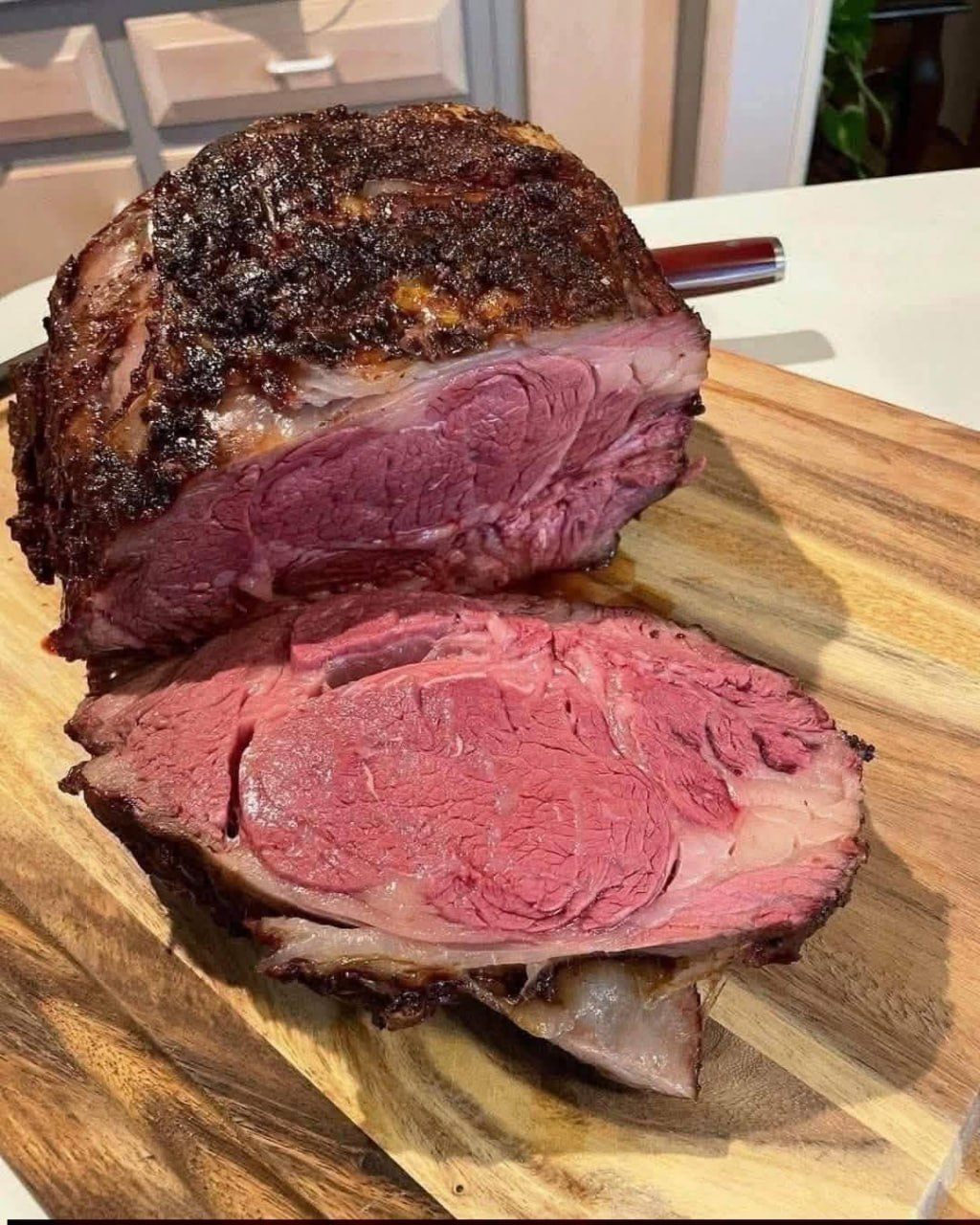
Mastering Prime Rib: From Butcher’s Cut to Table Glory
Prime rib is more than just a meal—it’s an experience. Known for its rich marbling, tender texture, and bold flavor, this classic cut of beef has long been the centerpiece of celebratory dinners and special occasions. Mastering prime rib may seem intimidating at first, but with the right preparation, technique, and patience, you can transform a beautiful cut from the butcher into a show-stopping masterpiece on your table.
🚀 Make Money Online – Up to $50 Per Day!
Choosing the Perfect Cut
The journey begins at the butcher counter. Prime rib, also known as a standing rib roast, comes from the rib section of the cow. Look for a cut with good marbling—thin streaks of fat running through the meat—which ensures flavor and juiciness. You can choose between bone-in or boneless cuts. Bone-in roasts tend to have more flavor and a dramatic presentation, while boneless options are easier to carve.
For best results, ask your butcher for a roast that is at least three ribs in size if you’re serving a group. A general rule of thumb is one pound per person.
Ingredients
- 1 prime rib roast (3–6 pounds)
- 2 tablespoons olive oil
- 4 cloves garlic, minced
- 1 tablespoon fresh rosemary, chopped
- 1 tablespoon fresh thyme, chopped
- 1 tablespoon kosher salt
- 1 teaspoon freshly ground black pepper
- Optional: horseradish sauce or au jus for serving
Preparing the Roast
Preparation is key to achieving a perfect prime rib. Start by removing the roast from the refrigerator at least 2 hours before cooking. Allowing it to come to room temperature ensures even cooking.
Pat the meat dry with paper towels—this helps create a beautiful crust. In a small bowl, mix the olive oil, garlic, rosemary, thyme, salt, and pepper into a paste. Rub this mixture generously over the entire roast, ensuring every inch is coated.
If time allows, you can season the roast and let it rest uncovered in the refrigerator overnight. This dry-brining method enhances flavor and improves the crust.
Cooking Method
Preheat your oven to 450°F (230°C). Place the roast bone-side down in a roasting pan fitted with a rack. This allows air to circulate and promotes even cooking.
Start by roasting the meat at high heat for 20 minutes. This initial blast helps develop a rich, golden-brown crust. After that, reduce the oven temperature to 325°F (165°C) and continue cooking.
Use a meat thermometer for accuracy. Insert it into the thickest part of the roast, avoiding the bone. Cook until the internal temperature reaches:
- 120–125°F for rare
- 130–135°F for medium-rare
- 140–145°F for medium
For a 4–5 pound roast, this usually takes about 1.5 to 2 hours total, but always rely on temperature rather than time.
Resting the Meat
Once your roast reaches the desired temperature, remove it from the oven and tent it loosely with aluminum foil. Let it rest for at least 20–30 minutes.
Resting is crucial—it allows the juices to redistribute throughout the meat. Cutting too early will cause those flavorful juices to spill out, leaving the roast dry.
During this time, the internal temperature will continue to rise slightly, a process known as carryover cooking.
Carving and Serving
If you used a bone-in roast, begin by slicing along the bones to separate them from the meat. You can serve the ribs separately or save them for later.
Place the roast on a cutting board and slice into thick, even portions. Prime rib is traditionally served in generous slices to showcase its juicy interior and flavorful crust.
Serve with classic sides like roasted vegetables, mashed potatoes, or Yorkshire pudding. A drizzle of au jus or a dollop of horseradish sauce adds an extra layer of flavor.
Tips for Success
- Use a thermometer: Guesswork leads to overcooking. A digital meat thermometer is your best friend.
- Don’t skip resting: This step makes a noticeable difference in texture and juiciness.
- Season generously: Prime rib is a large cut, so it needs plenty of seasoning to bring out its flavor.
- Low and slow finish: After the initial high heat, cooking at a lower temperature ensures even doneness.
Elevating Your Prime Rib
For those looking to take things further, consider adding a crust of Dijon mustard before applying the herb rub, or experimenting with smoked paprika for a subtle twist. You can also make a red wine reduction sauce to serve alongside the roast for a gourmet touch.
Another advanced technique is reverse searing—slowly roasting the meat at a low temperature first, then finishing with a high-heat blast at the end. This method offers precise control and an evenly pink interior from edge to center.
Final Thoughts
Mastering prime rib is about respecting the quality of the meat and using simple techniques to highlight its natural flavor. With a little preparation and attention to detail, you can turn this premium cut into a memorable dining experience that rivals any restaurant.
Whether it’s a holiday feast or a weekend indulgence, prime rib delivers unmatched richness and satisfaction. Once you’ve mastered it, you’ll find yourself returning to this recipe time and time again—each roast a celebration of skill, patience, and great taste.
