7 EARLY SIGNS of ALZHEIMER’S DISEASE that you SHOULD NEVER IGNORE

Alzheimer’s disease is a progressive neurological condition that affects memory, thinking, and behavior. While it most commonly appears later in life, the earliest warning signs often begin years before a formal diagnosis is made. Unfortunately, many people dismiss these early symptoms as normal aging, stress, or fatigue. Recognizing the early signs of Alzheimer’s disease is crucial because early intervention can slow progression, improve quality of life, and help families plan for the future.

Here are seven early signs of Alzheimer’s disease you should never ignore.

1. Memory Loss That Disrupts Daily Life

Occasional forgetfulness is normal, but consistent memory loss is not. One of the earliest and most common signs of Alzheimer’s is forgetting recently learned information. A person may repeatedly ask the same questions, rely heavily on notes or reminders, or forget important dates and events.

This type of memory loss goes beyond misplacing keys. It interferes with daily routines, work responsibilities, and social interactions. Forgetting conversations or appointments and not remembering them later is a red flag that should be evaluated.

2. Difficulty Planning or Solving Problems

Early Alzheimer’s can affect a person’s ability to concentrate and think logically. Tasks that once felt simple—such as following a recipe, managing finances, or tracking monthly bills—may suddenly become confusing or overwhelming.

Some individuals struggle with numbers or take much longer to complete familiar tasks. They may make frequent mistakes or abandon activities they once handled with ease. This change in problem-solving ability is often subtle at first but gradually worsens.

3. Trouble Completing Familiar Tasks

People in the early stages of Alzheimer’s may find it hard to complete everyday activities. This includes driving to familiar locations, remembering the rules of a favorite game, or using household appliances they’ve used for years.

At work, they may struggle to complete routine assignments. At home, they may forget how to prepare a common meal or operate a television remote. These difficulties often cause frustration, anxiety, or embarrassment.

4. Confusion with Time or Place

Losing track of dates, seasons, or the passage of time is another early warning sign. A person may forget where they are or how they got there. They might wake up confused about the time of day or believe events from the past are happening in the present.

This disorientation can be especially dangerous, as it may lead to wandering or getting lost in familiar environments. Confusion with time and place should never be ignored, especially if it occurs repeatedly.

5. Problems with Words and Communication

Early Alzheimer’s can affect language skills. A person may struggle to find the right words, stop mid-sentence, or repeat themselves frequently. Conversations may become difficult to follow, and they may withdraw from social interactions as a result.

They might also have trouble naming common objects or call things by the wrong name. These communication challenges often increase feelings of isolation and frustration.

6. Changes in Mood, Personality, or Behavior

Personality changes are a significant early sign of Alzheimer’s disease. Someone who was once calm and confident may become anxious, depressed, irritable, or suspicious. Mood swings may appear suddenly and without clear cause.

Some individuals develop fearfulness or paranoia, believing others are stealing from them or plotting against them. Others lose interest in hobbies, social activities, or spending time with loved ones. These emotional and behavioral shifts are often distressing for both the individual and their family.

7. Poor Judgment and Decision-Making

A noticeable decline in judgment is another early warning sign. This may include giving away large sums of money, falling for scams, neglecting personal hygiene, or making unsafe choices.

For example, a person may dress inappropriately for the weather, ignore basic safety rules, or make impulsive financial decisions. These behaviors indicate changes in the brain that affect reasoning and self-awareness.

Why Early Detection Matters

While there is currently no cure for Alzheimer’s disease, early diagnosis offers important benefits. Treatment options, lifestyle changes, and cognitive therapies can help slow progression and manage symptoms. Early awareness also allows individuals and families to plan, seek support, and make informed medical and legal decisions.

If you or someone you love is experiencing several of these symptoms consistently, it is important to consult a healthcare professional. Many conditions—such as vitamin deficiencies, depression, or medication side effects—can mimic Alzheimer’s symptoms and may be reversible.

Final Thoughts

Alzheimer’s disease does not begin overnight. Its early signs are often quiet, gradual, and easy to dismiss. Paying attention to changes in memory, thinking, behavior, and personality can make a meaningful difference.

Listening, observing, and acting early may help preserve independence, dignity, and quality of life for as long as possible.

This article is for informational purposes only and does not replace professional medical advice. Always consult a qualified healthcare provider for diagnosis and treatment.


Egg Salad Sandwich

The egg salad sandwich is one of those timeless comfort foods that never goes out of style. Simple, satisfying, and endlessly customizable, it’s a recipe that proves you don’t need fancy ingredients to create something truly delicious. Whether enjoyed as a quick lunch, a picnic favorite, or a light dinner, this creamy egg salad sandwich delivers rich flavor, soft textures, and nostalgic comfort in every bite.

What makes a truly great egg salad sandwich isn’t just boiling eggs and mixing them with mayonnaise—it’s about balance. Perfectly cooked eggs, the right amount of creaminess, a hint of acidity, gentle seasoning, and fresh bread all come together to transform a humble dish into something special. This recipe walks you through every step, ensuring flawless results every time.

Ingredients for the Best Egg Salad Sandwich

For the Egg Salad:

  • 6 large eggs

  • ⅓ cup mayonnaise (adjust to taste)

  • 1 teaspoon Dijon mustard

  • 1 tablespoon finely chopped onion or scallions

  • 1 tablespoon finely chopped celery

  • 1 teaspoon lemon juice or white vinegar

  • Salt, to taste

  • Black pepper, to taste

  • Optional: paprika, garlic powder, or fresh herbs (parsley or dill)

For the Sandwich:

  • 8 slices of soft sandwich bread (white, wheat, or sourdough)

  • Butter or mayonnaise for spreading

  • Lettuce leaves (optional)

  • Tomato slices (optional)

Step 1: Perfectly Boiled Eggs

The foundation of any egg salad is properly cooked eggs. Place the eggs in a saucepan and cover them with cold water by about an inch. Bring the water to a rolling boil over medium-high heat. Once boiling, turn off the heat, cover the pot, and let the eggs sit for 10–12 minutes.

After resting, transfer the eggs to an ice bath or cold running water. This stops the cooking process and makes peeling easier. Peel the eggs once they are cool to the touch.

Step 2: Chopping the Eggs

How you chop your eggs determines the texture of your salad. For a classic egg salad, chop the eggs into small, even pieces—not too fine, not too chunky. A fork or knife works well, but avoid mashing unless you prefer a smoother consistency.

Place the chopped eggs in a mixing bowl.

Step 3: Making the Creamy Dressing

Add mayonnaise and Dijon mustard to the eggs. The mayonnaise provides richness, while the mustard adds subtle tang and depth. Stir gently to coat the eggs without breaking them down too much.

Add lemon juice or vinegar to brighten the flavors. This small touch makes a big difference by cutting through the creaminess and enhancing the overall taste.

Step 4: Adding Crunch and Flavor

Mix in finely chopped onion or scallions and celery. These ingredients add texture and freshness, preventing the egg salad from tasting flat or heavy.

Season with salt and black pepper to taste. If desired, add a pinch of paprika for warmth, garlic powder for savory depth, or fresh herbs for a clean, aromatic finish.

Taste and adjust seasoning as needed. A great egg salad should be creamy, slightly tangy, lightly seasoned, and well-balanced.

Step 5: Preparing the Bread

Choose soft, fresh bread that complements the creamy filling. Lightly butter or spread mayonnaise on one side of each slice. This not only adds flavor but also creates a moisture barrier that prevents the bread from becoming soggy.

If you prefer a warm sandwich, lightly toast the bread for extra structure and a gentle crunch.

Step 6: Assembling the Sandwich

Spoon a generous amount of egg salad onto one slice of bread and spread evenly. Add lettuce or tomato slices if desired, then top with the second slice of bread.

Press gently, slice in half, and serve immediately for the best texture and flavor.

Tips for the Perfect Egg Salad Sandwich

  • Don’t overcook the eggs: Overcooked eggs develop a dry, chalky yolk. Proper timing keeps them creamy and tender.

  • Chill before serving: Letting the egg salad rest in the refrigerator for 20–30 minutes allows flavors to meld beautifully.

  • Adjust creaminess: Add more mayonnaise for richness or less for a lighter version.

  • Bread matters: Soft bread enhances comfort, while toasted bread adds contrast.

  • Customize wisely: Small additions like pickles, olives, or a dash of hot sauce can elevate the flavor without overpowering it.

Why This Egg Salad Sandwich Works

This recipe succeeds because it respects simplicity while enhancing it. Each ingredient has a purpose—creaminess from mayonnaise, tang from mustard and lemon, crunch from celery, and warmth from seasoning. The result is a sandwich that feels familiar yet refined, comforting yet fresh.

Whether you’re making lunch for yourself, feeding a family, or preparing sandwiches for a gathering, this egg salad sandwich is reliable, delicious, and endlessly adaptable. It’s proof that classic recipes endure for a reason—and when done right, they’re truly unbeatable.

how-to-cook-scrambled-eggs-perfectly-every-time

Scrambled eggs seem like the easiest breakfast in the world—until they turn out dry, rubbery, watery, or bland. The truth is, perfect scrambled eggs are less about complicated ingredients and more about technique, timing, and gentle heat. When done right, scrambled eggs should be soft, creamy, fluffy, and full of rich flavor. This guide will walk you step by step through a unique, reliable method that works every single time, whether you’re cooking for yourself or serving guests.

Why Scrambled Eggs Often Go Wrong

Most scrambled egg mistakes come from three common errors:

  1. Cooking over high heat

  2. Overcooking by just a few seconds

  3. Over-whisking or under-seasoning

Eggs are delicate. They continue cooking even after you remove them from the pan, so patience and attention are key. Once you understand this, scrambled eggs become one of the easiest and most satisfying dishes to master.

Ingredients (Serves 1–2)

  • 3–4 large eggs (fresh is best)

  • 1–2 tablespoons butter (unsalted preferred)

  • Salt, to taste

  • Freshly ground black pepper (optional)

  • Optional add-ins: cream, milk, chives, cheese, or olive oil

Pro tip: Great scrambled eggs don’t need milk. Butter and gentle heat are enough for natural creaminess.

Step 1: Crack and Gently Whisk

Crack your eggs into a bowl, not directly into the pan. This gives you control and prevents shell fragments.

Whisk the eggs gently with a fork or whisk until the yolks and whites are just combined. You want a uniform yellow color, but avoid whipping in too much air. Over-whisking creates dry eggs later.

Do not add salt yet if you want the softest texture—salting too early can break down egg proteins and make eggs watery.

Step 2: Choose the Right Pan and Heat

Use a non-stick or well-seasoned pan. Size matters: eggs should spread out, not pile up.

Set the heat to low or medium-low. This is critical. High heat causes eggs to seize and release water, resulting in rubbery curds.

Add butter to the pan and let it melt slowly. The butter should foam gently, not brown. If it sizzles loudly, the pan is too hot—remove it from heat for a few seconds.

Step 3: Add Eggs and Wait

Pour the eggs into the pan and do nothing for 10–15 seconds. This allows a soft base to form.

Now, using a silicone spatula or wooden spoon, gently push the eggs from the edges toward the center. This creates soft curds while keeping moisture in.

Avoid constant stirring. Think “slow folding,” not scrambling aggressively.

Step 4: Low and Slow Is the Secret

Continue gently moving the eggs every few seconds. The goal is creamy curds, not tiny dry bits.

If the eggs start to cook too fast, pull the pan off the heat briefly while stirring. This on-and-off heat control is one of the best professional tricks.

At this stage, you can add:

  • A small knob of butter for extra richness

  • A tablespoon of cream for ultra-creamy eggs

  • Finely chopped herbs for aroma

Step 5: Season at the Right Moment

When the eggs are about 90% set—still glossy and slightly loose—remove the pan from the heat.

Now add salt and pepper. The residual heat will finish cooking the eggs perfectly without drying them out.

This step is crucial: waiting until the end preserves both texture and flavor.

Step 6: Stop Cooking Before They Look Done

Perfect scrambled eggs should look slightly undercooked in the pan. By the time they reach the plate, they’ll be just right.

If you wait until they look fully cooked in the pan, they will be overcooked on the plate.

Serve immediately. Scrambled eggs don’t wait.

Common Variations (Without Ruining the Eggs)

  • Cheesy scrambled eggs: Add finely grated cheese at the very end and fold gently.

  • Creamy French-style eggs: Cook extra slowly, stirring constantly, and finish with butter.

  • Protein-rich version: Add cooked meat only after eggs are nearly done.

  • Dairy-free: Use olive oil instead of butter—still delicious.

Final Secrets for Perfect Scrambled Eggs

  • Fresh eggs matter more than fancy ingredients

  • Low heat beats high heat every time

  • Remove eggs early—they finish cooking on the plate

  • Butter adds flavor and prevents sticking

  • Gentle movement creates creamy texture

Conclusion

Scrambled eggs may be simple, but perfection lies in the details. With gentle heat, patience, and proper timing, you can make restaurant-quality scrambled eggs every single time—soft, fluffy, rich, and deeply satisfying. Once you master this method, breakfast will never be the same again.

If your HANDS fall asleep it’s a clear sign that you might have.

Most of us have experienced it: a strange tingling, numbness, or “pins and needles” sensation in the hands that makes them feel like they’ve fallen asleep. Usually, it fades within minutes after shaking your hands or changing position. But when this sensation happens frequently, lasts longer than expected, or appears without an obvious reason, it may be your body’s way of signaling that something deeper deserves attention.

While an occasional numb hand is rarely serious, repeated episodes should not be ignored. Let’s explore what this sensation can mean, why it happens, and when you should take it seriously.

What Does It Mean When Hands “Fall Asleep”?

That numb, prickly feeling is medically known as paresthesia. It occurs when nerves are compressed, irritated, or not receiving enough blood or oxygen. Nerves act like electrical wires, sending messages between your brain and body. When something disrupts those signals, sensation changes — often into tingling, numbness, or weakness.

Common Causes of Hands Falling Asleep

1. Poor Circulation

One of the most common reasons is reduced blood flow. Sleeping on your arm, keeping your wrist bent for long periods, or resting your elbow on a hard surface can temporarily restrict circulation. When blood flow returns, the tingling begins.

If this happens frequently even without pressure, it may point to circulation issues that should be evaluated.

2. Nerve Compression

Compressed nerves are a major culprit. Conditions such as carpal tunnel syndrome occur when the median nerve in the wrist is squeezed, often due to repetitive hand movements, typing, or gripping tools. Symptoms typically include:

  • Tingling in the thumb, index, and middle fingers

  • Numbness at night

  • Weak grip strength

Neck problems, such as a pinched nerve or poor posture, can also cause numbness that travels down into the hands.

3. Vitamin Deficiencies

A lack of certain nutrients, especially vitamin B12, can affect nerve health. Deficiency-related nerve damage often starts with tingling or numbness in the hands and feet. Over time, it may lead to balance issues, fatigue, and memory problems if left untreated.

4. Blood Sugar Imbalances

People with diabetes or prediabetes often experience nerve damage known as peripheral neuropathy. This condition can cause numbness, burning, or tingling sensations in the hands and feet, especially at night. Even people who are unaware they have blood sugar issues may first notice these subtle nerve symptoms.

5. Dehydration and Electrolyte Imbalance

Low levels of electrolytes such as potassium, calcium, or magnesium can interfere with nerve signaling. Dehydration can worsen these imbalances, leading to tingling or numb sensations in the extremities.

6. Anxiety and Stress

Surprisingly, anxiety can also cause hands to feel numb or tingly. Rapid breathing during stress reduces carbon dioxide levels in the blood, temporarily altering nerve sensitivity. This often comes with chest tightness, dizziness, or a racing heart.

When Should You Be Concerned?

Occasional hand numbness after sleeping awkwardly is normal. However, you should pay closer attention if:

  • The sensation happens frequently

  • It affects both hands regularly

  • Numbness lasts longer than a few minutes

  • You experience weakness, pain, or loss of coordination

  • Symptoms worsen over time

These could indicate nerve damage, circulation problems, or metabolic conditions that require medical evaluation.

Simple Habits That May Help Reduce Tingling

While persistent symptoms should be checked by a healthcare professional, these daily habits may help reduce mild or occasional hand numbness:

  • Improve posture, especially if you work at a desk

  • Stretch hands and wrists throughout the day

  • Avoid sleeping with bent wrists or arms under your body

  • Stay hydrated

  • Eat nutrient-rich foods, especially those high in B vitamins

  • Limit repetitive hand movements when possible

Don’t Ignore the Early Signs

Your body often whispers before it screams. Tingling hands may seem minor, but they can be an early sign of nerve stress, poor circulation, or nutritional imbalance. Catching these signals early allows you to make simple lifestyle changes or seek timely care before more serious symptoms develop.

Final Thoughts

If your hands fall asleep once in a while, it’s usually nothing to worry about. But if it becomes a pattern, your body may be asking for attention. Listening early can protect your nerves, circulation, and overall health in the long run.

1 Cup That Helps Clear Mucus from the Sinuses, Chest, and Lungs

Excess mucus in the sinuses, chest, and lungs can make breathing uncomfortable and leave you feeling heavy, congested, and tired. Whether it comes from seasonal allergies, colds, pollution, or lingering respiratory irritation, thick mucus often refuses to clear easily. For generations, natural remedies have been used to help loosen and thin mucus so the body can expel it more effectively. One warm cup made from simple kitchen ingredients is especially popular because it soothes the throat, supports the airways, and promotes gentle cleansing from within.

This remedy is not a medical cure, but many people find it helpful as part of their daily routine when congestion strikes. Let’s explore why this cup works, how to prepare it, and the best way to use it.

Why This Drink Helps with Mucus

Mucus becomes problematic when it thickens and sticks to the lining of the sinuses and lungs. Warm liquids help thin secretions, making them easier to cough out or drain naturally. Certain ingredients also support the body’s natural defense mechanisms and soothe inflamed tissues.

This recipe combines warmth, gentle spice, and natural compounds that have traditionally been used to support respiratory comfort. It works in three key ways:

  1. Thins mucus, making it less sticky

  2. Soothes irritated airways, reducing the urge to cough

  3. Encourages natural clearing, especially when taken warm

The 1-Cup Mucus-Clearing Recipe

Ingredients (for 1 cup)

  • 1 cup warm water (not boiling)

  • 1 tablespoon fresh lemon juice

  • 1 teaspoon raw honey

  • ¼ teaspoon ground ginger or ½ teaspoon fresh grated ginger

  • A pinch of turmeric (optional but beneficial)

  • A tiny pinch of black pepper (optional, enhances turmeric absorption)

How to Prepare

  1. Heat one cup of water until warm but comfortable to sip. Avoid boiling, as excessive heat can reduce the effectiveness of honey and irritate the throat.

  2. Pour the warm water into a mug.

  3. Add fresh lemon juice and stir well.

  4. Mix in the ginger and turmeric, stirring until evenly combined.

  5. Add raw honey last and stir gently until dissolved.

  6. Sip slowly while warm.

How Each Ingredient Supports Mucus Relief

Warm Water
Warm fluids help loosen thick mucus and encourage hydration, which is essential for thinning secretions in the lungs and sinuses.

Lemon Juice
Lemon provides vitamin C and natural acidity, which helps break down mucus while supporting immune function. Its fresh aroma can also help open nasal passages.

Raw Honey
Honey coats and soothes the throat, easing irritation caused by coughing. It has natural antimicrobial properties and is often used to calm nighttime congestion.

Ginger
Ginger is well known for its warming and anti-inflammatory properties. It helps relax airway muscles and may assist in loosening stubborn chest mucus.

Turmeric (Optional)
Turmeric contains curcumin, traditionally used to support respiratory and immune health. It may help calm inflammation in the airways.

Black Pepper (Optional)
A small pinch can help stimulate circulation and enhance the absorption of turmeric while gently encouraging mucus movement.

How and When to Drink It

For best results, drink one cup in the morning on an empty stomach. This allows the ingredients to work without interference from heavy foods. If congestion is severe, a second cup can be taken in the evening, preferably one to two hours before bed.

Sip slowly rather than drinking it quickly. Breathing in the steam as you drink can also help open nasal passages and sinuses.

Additional Tips to Enhance Results

  • Stay well hydrated throughout the day

  • Avoid cold drinks when congested

  • Limit dairy if it thickens your mucus

  • Use warm showers or steam inhalation

  • Sleep with your head slightly elevated

This drink works best as part of an overall routine that supports respiratory comfort rather than as a one-time solution.

Who Should Be Cautious

While this drink uses common household ingredients, some people should take care:

  • Those with acid reflux may reduce lemon quantity

  • Diabetics should adjust or omit honey

  • Pregnant individuals should consult a healthcare provider before regular turmeric use

Always stop if you experience irritation or discomfort.

Final Thoughts

This simple 1-cup remedy is a comforting, natural way to support your body when mucus builds up in the sinuses, chest, and lungs. Warm, soothing, and easy to prepare, it has stood the test of time in many cultures as a gentle respiratory support drink. When combined with rest, hydration, and healthy habits, it may help you breathe easier and feel lighter—one comforting cup at a time.

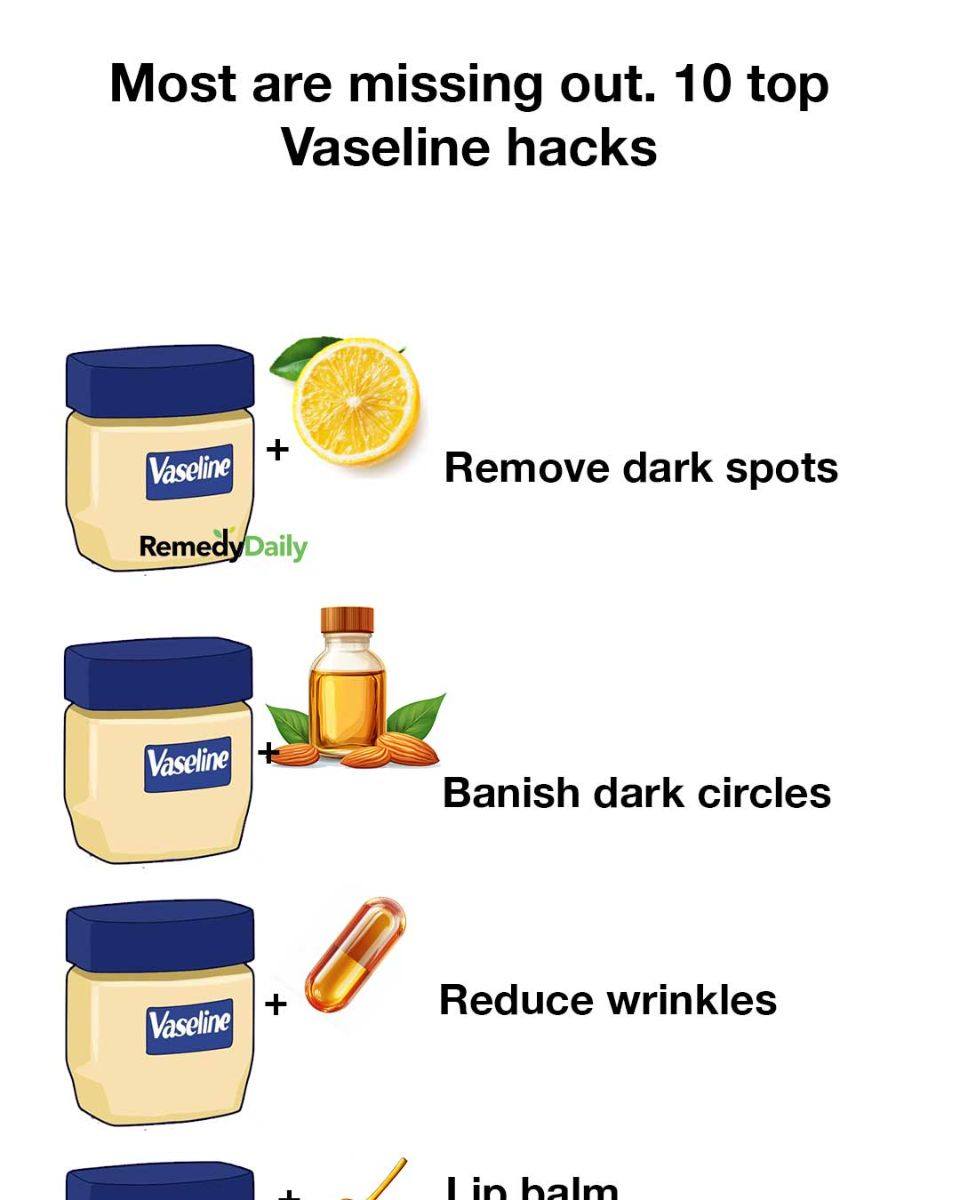
This Simple Vaseline Trick Will Change Your Life – People Are Furious It’s So Easy

Sometimes the most powerful life hacks aren’t hidden in expensive products or complicated routines—they’re sitting quietly in your cabinet, ignored for years. Vaseline, the classic petroleum jelly many people associate only with dry lips, is one of those underestimated heroes. What’s shocking isn’t just how effective it is, but how simple the trick is. Once people discover it, the reaction is often the same: “Why didn’t anyone tell me this sooner?”

This easy Vaseline trick has gone viral for a reason. It’s affordable, safe, multi-purpose, and requires almost no effort. Best of all, it solves everyday problems most people struggle with daily.

The Life-Changing Vaseline Trick

The trick is simple: use a thin layer of Vaseline as a protective moisture-sealing barrier—not just on lips, but on targeted areas where dryness, friction, or damage occurs.

That’s it. No mixing. No fancy tools. Just a pea-sized amount used intentionally.

People get furious when they realize how many expensive creams, serums, and fixes they bought when this one trick could have helped all along.

Why Vaseline Works So Well

Vaseline doesn’t technically “hydrate” like water-based products. Instead, it locks in existing moisture, creating a protective seal that prevents water loss. Dermatologists call this occlusive protection, and it’s one of the most effective ways to keep skin soft and resilient.

Unlike many products, Vaseline:

  • Has no fragrance

  • Contains no irritating additives

  • Is non-comedogenic (won’t clog pores when used properly)

  • Works for all ages and skin types

That’s why hospitals, skincare experts, and even tattoo artists rely on it.

Everyday Problems This Trick Solves Instantly

1. Cracked Heels and Rough Feet

Before bed, apply a thin layer of Vaseline to clean feet and wear cotton socks overnight. By morning, skin feels noticeably softer. Repeat for a few nights and the difference is dramatic.

2. Dry Hands That Never Heal

Hand creams often evaporate quickly. Applying Vaseline after washing hands seals moisture in and protects against harsh soaps and cold weather.

3. Damaged Cuticles

Massage a tiny amount into cuticles before sleep. Nails look healthier, and hangnails become far less common.

4. Perfume That Fades Too Fast

Dab Vaseline on pulse points before applying perfume. The scent clings longer because it sticks to the moisture barrier.

5. Eyebrow and Lash Conditioning

A light swipe on brows adds shine and helps them stay in place. Used sparingly on lashes, it gives a natural, glossy look (never apply inside the eye).

The Skincare Secret People Can’t Believe

Here’s where people really get upset: Vaseline can outperform expensive night creams when used correctly.

After washing your face at night:

  1. Apply your regular moisturizer

  2. Seal everything with a very thin layer of Vaseline

This method—often called slugging—helps prevent overnight moisture loss, especially in dry climates or during winter. You wake up with softer, calmer-looking skin without buying a $100 cream.

Household Uses That Feel Like Cheating

Vaseline isn’t just for skin. This trick works all over the house:

  • Stuck zippers: A tiny amount helps them glide smoothly

  • Squeaky hinges: Temporary lubrication fix

  • Makeup removal: Gently dissolves stubborn eye makeup

  • Prevent hair dye stains: Apply along hairline before coloring

  • Protect metal tools: Prevents rust when lightly coated

People are shocked when they realize one small jar replaces half their household products.

Common Mistakes to Avoid

While Vaseline is incredibly safe, misuse leads to disappointment. Avoid these mistakes:

  • Using too much (a thin layer is enough)

  • Applying on dirty skin (always clean first)

  • Using it as a moisturizer alone without water-based hydration

  • Applying inside the nose or deep wounds

Used correctly, it’s a game changer.

Why People Are Furious It’s This Easy

The frustration comes from one simple truth: we were conditioned to believe simple solutions don’t work. Marketing taught us that effective means expensive, complex, and new. Vaseline proves the opposite.

This humble jar has survived over a century for a reason—it works.

Once people try this trick, they realize how many problems could’ve been solved sooner. Dry skin, wasted money, cluttered cabinets—all avoidable with one basic product.

Final Thoughts

Sometimes, changing your life doesn’t require a miracle—just better use of what you already have. This simple Vaseline trick isn’t trendy, flashy, or complicated. It’s practical, proven, and shockingly effective.

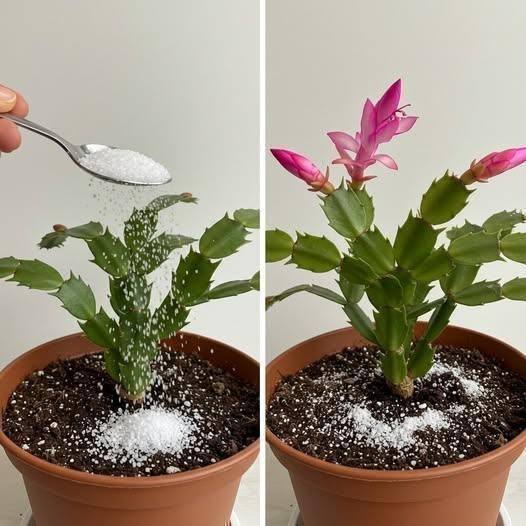
Fall Awakening: Breathing Life into House Flowers with a Little Secret

As summer fades and the crisp breath of fall fills the air, many people notice a subtle change inside their homes—house flowers that once looked vibrant begin to slow down. Leaves may droop, blooms fade faster, and growth seems to pause. Most assume this is normal and simply reduce watering or move plants closer to a window. But fall doesn’t have to mean decline. In fact, it can be a season of renewal for your indoor flowers if you know one little secret.That secret isn’t expensive fertilizer or complicated care routines.  It’s adjusting how your plants breathe and drink during fall, aligning their care with the season rather than fighting it.

Fall changes everything for indoor plants. Daylight hours shorten, indoor air becomes drier as heaters come on, and temperatures fluctuate between warm days and cool nights. Flowering houseplants—such as peace lilies, African violets, orchids, begonias, and geraniums—are especially sensitive to these shifts.

Many people continue summer care habits into fall, which is where problems begin. Overwatering, poor air circulation, and dry indoor air can stress roots and leaves. The result? Yellowing foliage, bud drop, and fewer flowers.

The key is not doing more, but doing smarter.

The Little Secret: Oxygen-Rich Watering

Here’s the simple but powerful secret that wakes up house flowers in fall:
Let your water breathe before it reaches your plants.

Tap water often contains chlorine and other chemicals that can stress sensitive flowering plants. In fall, when plants are already adjusting to lower light, this extra stress can slow them down even more.

The solution:
Fill a watering can or container and let the water sit uncovered for 8–12 hours (overnight is perfect). This allows chlorine to dissipate and oxygen to naturally enrich the water. When you water with this rested, oxygen-rich water, roots absorb nutrients more efficiently and stay healthier.

It sounds small—but this single habit can noticeably improve leaf color, bloom strength, and overall plant energy within weeks.

A Fall Revival Routine for House Flowers

Think of fall care as a gentle reset rather than aggressive growth forcing.

1. Water Less, but Better
Most flowering houseplants need less water in fall. Always check the top inch of soil—if it’s dry, water; if not, wait. When you do water, use your rested water and water deeply until excess drains out. Never let flowers sit in standing water.

2. Clean the Leaves
Dust builds up faster indoors during fall. Gently wipe leaves with a soft damp cloth every two weeks. Clean leaves breathe better and absorb more light, which is critical during shorter days.

3. Feed Lightly
Heavy feeding in fall can overwhelm plants. Use a diluted liquid fertilizer (half strength) once every 4–6 weeks, or pause feeding entirely if your plant is resting. Healthy roots matter more than fast growth now.

4. Improve Air Without Cold Drafts
Plants love fresh air, but hate cold shocks. Briefly opening a window during warmer daytime hours improves air circulation and reduces fungal issues—just keep plants away from direct drafts.

The Hidden Role of Humidity

One of fall’s biggest challenges is dry indoor air. Flowering plants often come from tropical environments, and dry air can cause buds to drop before opening.

Easy humidity boost (no humidifier needed):

  • Place a shallow tray filled with water and pebbles near your plants.

  • Group plants together to create a micro-humid environment.

  • Lightly mist flowers like orchids and peace lilies in the morning (not at night).

This simple step alone can extend bloom life dramatically.

Light: The Fall Game-Changer

Light is the fuel for flowers. In fall, even sunny windows provide less intensity.

  • Move flowering plants closer to windows—but avoid cold glass.

  • Rotate pots weekly so all sides receive light.

  • If blooms are important, consider a small LED grow light for 6–8 hours a day.

More consistent light often triggers a second wave of blooms in fall-blooming houseplants.

A Gentle Boost: Natural Root Tonic

Once a month, you can give your flowers a natural, mild boost:

Fall Root Tonic

  • 1 liter rested water

  • 1 teaspoon compost tea or a few drops of liquid seaweed

Water your plants as usual. This supports root health without pushing excessive leaf growth—perfect for fall.

Signs Your Fall Care Is Working

Within 2–3 weeks, you may notice:

  • Firmer, deeper green leaves

  • New buds forming (especially on peace lilies and African violets)

  • Longer-lasting blooms

  • Less leaf drop

These are signs your plants have adjusted and are thriving—not just surviving.

Final Thoughts

Fall doesn’t have to be a quiet season for house flowers. With one simple secret—letting water breathe before watering—and a few thoughtful adjustments, your indoor flowers can stay lush, colorful, and full of life.

Instead of fighting the season, work with it. When you slow down, soften your care, and focus on root health and air quality, your house flowers respond with gratitude—often in the form of unexpected, beautiful blooms right when the outside world is winding down.

The Famous Cake My Mom Baked

There are some recipes that go beyond ingredients and measurements—they carry memories, comfort, and love in every bite. This is one of those recipes. The famous cake my mom baked wasn’t written on fancy cards or clipped from magazines. It lived in her hands, her instincts, and the gentle rhythm of her kitchen. Even today, the aroma of this cake instantly takes me back to childhood afternoons, where patience was rewarded with the softest slice and the warmest smile.

This cake was her signature. She baked it for birthdays, family visits, school celebrations, and sometimes for no reason at all—just because she knew it made everyone happy. Simple, rich, and incredibly moist, it’s the kind of cake that never needed frosting to shine, though it welcomed it when available. Below is the exact recipe, written the way she taught it—warm, forgiving, and full of heart.

Why This Cake Is So Special

What made my mom’s cake famous wasn’t extravagance. It was balance. The crumb was tender but sturdy, sweet but not overpowering, buttery yet light. She believed a good cake should taste just as good the next day, and this one always did. It paired perfectly with tea, milk, or even plain on its own. Most importantly, it was made with love—and that’s the secret no measuring cup can capture.

Ingredients

(Serves 8–10)

  • 2 ½ cups all-purpose flour

  • 1 ½ cups granulated sugar

  • 1 cup whole milk (room temperature)

  • ¾ cup unsalted butter (softened)

  • 3 large eggs (room temperature)

  • 2 teaspoons baking powder

  • ½ teaspoon baking soda

  • ¼ teaspoon salt

  • 2 teaspoons vanilla extract

  • ½ cup plain yogurt or sour cream

Optional add-ins (Mom used these depending on mood):

  • Zest of 1 lemon or orange

  • A handful of raisins or chopped nuts

Step-by-Step Instructions

1. Prepare the Oven and Pan
Preheat your oven to 170°C (340°F). Grease a round or rectangular baking pan and lightly dust it with flour. My mom always tapped out the excess, saying, “Too much flour makes a sad crust.”

2. Cream Butter and Sugar
In a large bowl, cream the softened butter and sugar together until pale and fluffy. This step is crucial—it traps air and gives the cake its soft texture. She mixed slowly at first, then faster, always scraping the bowl with a spatula.

3. Add the Eggs
Add eggs one at a time, beating well after each addition. If the mixture looks slightly curdled, don’t worry—she used to smile and say, “It will fix itself.”

4. Flavor the Batter
Stir in the vanilla extract and yogurt (or sour cream). This is what gives the cake its signature moistness. If using citrus zest, add it here.

5. Mix Dry Ingredients Separately
In another bowl, whisk together flour, baking powder, baking soda, and salt. This ensures even distribution and a perfect rise.

6. Combine Wet and Dry
Add the dry ingredients to the wet mixture in three parts, alternating with the milk. Begin and end with the dry ingredients. Mix gently—overmixing is the enemy of soft cake.

7. Add Optional Extras
Fold in raisins or nuts if using. My mom often skipped them, saying the cake didn’t need “distractions.”

8. Bake with Patience
Pour the batter into the prepared pan and smooth the top. Bake for 40–45 minutes, or until a toothpick inserted in the center comes out clean.

9. Cool Properly
Let the cake rest in the pan for 10 minutes, then turn it out onto a wire rack to cool completely. She never rushed this step—cutting too early was forbidden.

How My Mom Served It

Most days, she served it plain, with a light dusting of powdered sugar. On special occasions, she added a simple chocolate glaze or a thin layer of whipped cream. But honestly, it never needed anything extra. The flavor spoke for itself.

Tips She Swore By

  • Always use room-temperature ingredients

  • Never open the oven door before 30 minutes

  • If the top browns too fast, cover loosely with foil

  • The cake tastes even better the next day

A Cake Full of Memories

This cake isn’t just dessert—it’s comfort, tradition, and home. Every time I bake it, the kitchen fills with the same warmth I remember from years ago. If you try this recipe, don’t rush it. Bake it slowly, share it generously, and let it become part of your own family story—just like it did in ours.

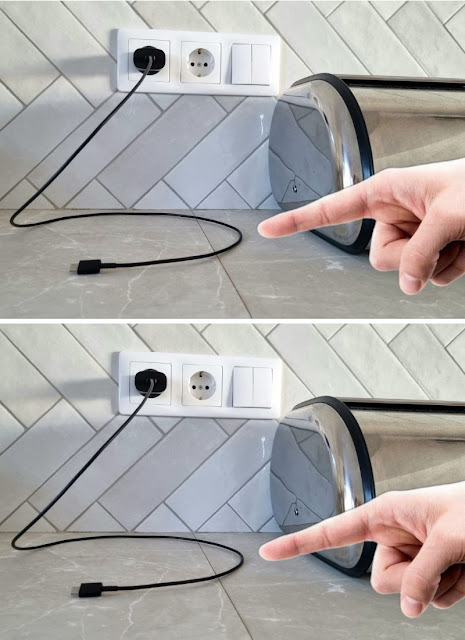
Never Leave a Charger Plugged In Without Your Phone: I’ll Reveal the 3 Main Reasons

In today’s always-connected world, phone chargers are everywhere—bedrooms, kitchens, offices, cars, and even plugged in permanently behind furniture. Many people leave chargers in the outlet all day and night, even when no phone is connected. It feels harmless, convenient, and routine. However, this small habit can quietly cost you money, reduce safety, and shorten the lifespan of your devices and electrical system.

Here’s a clear, practical breakdown of the three main reasons why you should never leave a charger plugged in without your phone, and how changing this one habit can make your home safer and smarter.

1. It Wastes Electricity (Even When Nothing Is Charging)

One of the biggest misconceptions is that a charger only uses power when a phone is connected. In reality, a charger continues to draw electricity as long as it’s plugged into the outlet. This is known as phantom load or vampire power.

How this happens

Inside every charger is a small transformer that converts high-voltage AC electricity from your wall into low-voltage DC power suitable for your phone. Even when no device is attached, the charger remains energized and consumes a small but constant amount of electricity.

Why this matters

  • One charger alone may use very little power, but multiple chargers left plugged in 24/7 add up

  • Over a year, this wasted energy can noticeably increase your electricity bill

  • On a larger scale, phantom power contributes to unnecessary energy consumption and environmental harm

While unplugging a single charger won’t instantly cut your bill in half, building the habit of unplugging unused electronics can save real money over time—especially in homes with many devices.

2. It Increases the Risk of Overheating and Fire

This is the most serious and often overlooked reason. Any device connected to electricity can overheat, and chargers are no exception—even when they aren’t charging a phone.

The hidden danger

When a charger remains plugged in:

  • It continues to generate heat

  • Dust, humidity, or poor airflow can worsen overheating

  • Cheap or damaged chargers are especially risky

If a charger is:

  • Bent or frayed

  • Warm to the touch

  • Plugged into an old or loose outlet

…the risk increases significantly.

Real-world risks

Many household electrical fires begin with small, ignored heat sources, including chargers left plugged in near curtains, bedding, or flammable materials. Low-quality or counterfeit chargers—commonly sold cheaply—are far more likely to lack proper safety protections.

Unplugging chargers when not in use is a simple step that reduces fire risk, protects your home, and gives you peace of mind—especially overnight or when leaving the house.

3. It Shortens the Life of the Charger (and Your Phone)

Chargers are not designed to stay energized forever. Leaving them plugged in continuously puts constant stress on internal components, even when idle.

What happens over time

  • Heat slowly degrades internal circuits

  • Electrical stress weakens insulation and solder joints

  • The charger becomes less efficient and more prone to failure

Eventually, this can lead to:

  • Slower charging speeds

  • Intermittent charging

  • Overheating during actual use

  • Complete charger failure

Impact on your phone

A degraded charger doesn’t just fail—it can deliver unstable voltage, which may:

  • Reduce battery health

  • Cause charging interruptions

  • Damage your phone’s charging port over time

Replacing chargers frequently costs money, and using a worn-out charger can shorten the life of your phone’s battery. Unplugging when not in use helps both last longer.

Bonus Reason: It’s Simply a Better Safety Habit

Unplugging unused chargers:

  • Reduces clutter

  • Makes outlets available when you need them

  • Encourages safer electrical habits for children

  • Helps you notice damaged cords sooner

This small habit also builds awareness of how electricity is used in your home, leading to smarter energy decisions overall.

Simple Tips to Make It Easy

If unplugging chargers feels inconvenient, try these practical solutions:

  • Use a power strip with a switch – Turn off multiple chargers at once

  • Designate one charging area – Makes unplugging part of your routine

  • Avoid overnight charging when possible

  • Replace damaged or cheap chargers immediately

  • Keep chargers away from beds, sofas, and curtains

The Bottom Line

Leaving a charger plugged in without your phone may seem harmless, but it comes with real downsides. It wastes electricity, increases the risk of overheating or fire, and shortens the life of both your charger and your phone.

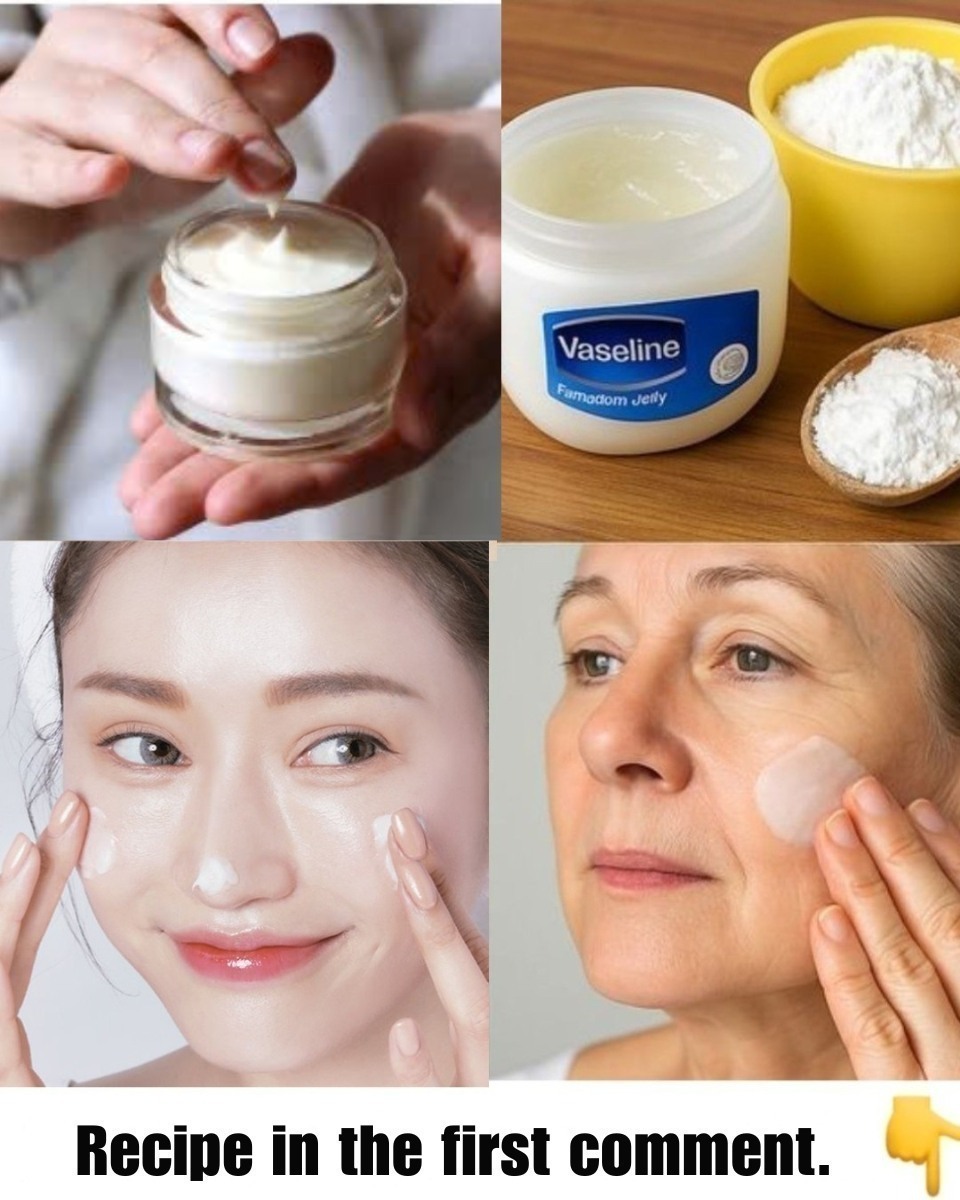
DIY Vaseline Cream That Leaves Your Skin Soft, Smooth, and Radiant

In a world overflowing with expensive skincare products and complicated routines, sometimes the most effective solutions are hiding in plain sight. One such humble hero is Vaseline, also known as petroleum jelly. Used for generations, Vaseline is prized for its ability to lock in moisture and protect the skin barrier. When combined with a few simple, nourishing ingredients, it transforms into a luxurious DIY cream that leaves your skin feeling soft, smooth, and visibly radiant.

This easy homemade Vaseline cream is affordable, customizable, and free from harsh chemicals—perfect for anyone seeking glowing skin the natural way.

Why Vaseline Works Wonders for Your Skin

Vaseline doesn’t technically moisturize by adding water to the skin; instead, it seals in existing moisture. It forms a protective barrier that prevents water loss, making it especially beneficial for dry, rough, or irritated skin. Dermatologists often recommend it for repairing damaged skin barriers, softening rough patches, and enhancing overnight skin recovery.

When paired with natural oils or soothing ingredients, Vaseline becomes even more powerful—creating a balanced cream that hydrates, protects, and enhances your skin’s natural glow.

Benefits of DIY Vaseline Cream

  • Deeply softens dry and flaky skin

  • Locks in moisture for long-lasting hydration

  • Improves skin texture and smoothness

  • Adds a healthy, natural glow

  • Helps protect skin from environmental dryness

  • Budget-friendly and customizable

This cream works well for hands, feet, elbows, knees, face (at night), and even lips.

DIY Vaseline Cream Recipe

Ingredients:

  • 2 tablespoons Vaseline (petroleum jelly)

  • 1 tablespoon coconut oil (or olive oil for sensitive skin)

  • 1 teaspoon aloe vera gel (fresh or pure store-bought)

  • ½ teaspoon vitamin E oil (optional but highly recommended)

  • 2–3 drops rose oil or lavender oil (optional for fragrance)

How to Make It

  1. Soften the Vaseline
    Place the Vaseline in a small heat-safe bowl. Set the bowl over a pot of warm water (double-boiler method) and gently heat until it softens. Do not overheat or boil.

  2. Add the Oils
    Once softened, add coconut oil and stir gently until fully blended. Remove from heat.

  3. Mix in Aloe Vera
    Let the mixture cool slightly, then stir in the aloe vera gel. This step adds soothing and hydrating properties to balance the richness of Vaseline.

  4. Enhance with Vitamin E
    Add vitamin E oil for antioxidant benefits that support smoother, healthier-looking skin.

  5. Optional Scent
    Add essential oil if desired. Rose oil boosts glow, while lavender promotes relaxation.

  6. Whip or Stir
    Stir well or lightly whip with a spoon or mini whisk until creamy.

  7. Store Properly
    Transfer to a clean glass jar with a lid. Store at room temperature away from direct sunlight.

How to Use for Best Results

  • Night Cream: Apply a thin layer to clean skin before bed to wake up with soft, glowing skin.

  • Hand & Foot Treatment: Massage generously and wear cotton gloves or socks overnight.

  • Dry Patches: Use on elbows, knees, heels, and cuticles.

  • Makeup Glow Hack: Dab a tiny amount on cheekbones for a natural, dewy look.

A little goes a long way—this cream is rich and effective even in small amounts.

Who Should Use This Cream?

This DIY Vaseline cream is ideal for:

  • Dry or combination skin

  • Mature skin needing extra nourishment

  • People living in dry or cold climates

  • Anyone looking for a simple, affordable skincare solution

If you have acne-prone skin, use sparingly and mainly at night, avoiding heavy application on active breakouts.

Why Homemade Is Better

Commercial creams often contain alcohols, artificial fragrances, and preservatives that can irritate the skin over time. Making your own cream gives you full control over what touches your skin. You know every ingredient, can adjust the formula, and enjoy a fresh, clean product without unnecessary additives.

Final Thoughts

This DIY Vaseline cream proves that radiant skin doesn’t require luxury prices or complex routines. With just a few natural ingredients and five minutes of preparation, you can create a deeply nourishing cream that restores softness, smoothness, and glow.

Consistency is key—use it regularly, especially at night, and your skin will thank you with a healthy, luminous appearance. Sometimes, the simplest remedies truly are the most powerful.