Doritos Taco Salad – The Crunchy, Bold Classic Everyone Loves

Doritos Taco Salad is one of those recipes that instantly brings people together. It’s crunchy, savory, fresh, and indulgent all at once—comfort food with a party vibe. Whether you’re serving it at a family gathering, potluck, game night, or just craving something bold and satisfying, this salad delivers maximum flavor with minimal effort. What makes it truly special is the irresistible contrast between crisp Doritos chips, seasoned meat, fresh vegetables, and creamy dressing. Every bite is layered, exciting, and impossible to forget.

Unlike traditional leafy salads that can feel light or boring, Doritos Taco Salad is hearty and filling. It eats like a meal, not a side dish. The best part? It’s endlessly customizable, making it perfect for picky eaters or creative cooks.

Why Doritos Taco Salad Is So Popular

The magic of this dish lies in texture and flavor balance. Crunchy chips meet juicy seasoned meat, cool vegetables, and a tangy dressing. Doritos add bold seasoning that tortilla chips simply can’t match, giving the salad a punch of flavor without extra spices.

It’s also incredibly quick to prepare. With just a few basic ingredients and about 20 minutes, you can have a dish that looks impressive and tastes even better. This is the kind of recipe people ask for after the first bite.

Ingredients You’ll Need

For the taco meat:

  • 1 pound ground beef (or ground turkey)

  • 1 packet taco seasoning

  • ¾ cup water

For the salad base:

  • 1 large head iceberg lettuce, finely chopped

  • 2 cups Doritos (Nacho Cheese or Cool Ranch), lightly crushed

  • 1 cup shredded cheddar cheese or Mexican blend

  • 1 cup cherry tomatoes, halved

  • ½ cup red onion, finely diced

  • 1 cup canned corn, drained

  • 1 cup canned black beans, rinsed and drained

For the dressing:

  • 1 cup sour cream

  • ½ cup mayonnaise

  • 2 tablespoons taco seasoning

  • 1 tablespoon lime juice

Optional toppings:

  • Sliced black olives

  • Diced avocado

  • Jalapeños

  • Fresh cilantro

Step-by-Step Instructions

1. Cook the Taco Meat

In a large skillet over medium heat, cook the ground beef until fully browned, breaking it apart as it cooks. Drain excess grease if needed. Add the taco seasoning and water, stir well, and let it simmer for 5–7 minutes until thickened. Remove from heat and allow it to cool slightly. Warm meat is fine, but piping hot meat can wilt the lettuce.

2. Prepare the Dressing

In a medium bowl, whisk together sour cream, mayonnaise, taco seasoning, and lime juice until smooth and creamy. Taste and adjust seasoning if needed. The dressing should be tangy, rich, and slightly zesty.

3. Assemble the Salad

In a large serving bowl, add chopped lettuce as the base. Layer on tomatoes, corn, black beans, red onion, and shredded cheese. Add the cooked taco meat evenly over the top.

4. Add the Crunch

Just before serving, sprinkle the crushed Doritos over the salad. This step is important—adding them too early will make them soggy.

5. Finish and Serve

Drizzle the dressing over the salad or serve it on the side so everyone can customize their portion. Toss gently to combine and top with optional garnishes like avocado, olives, or jalapeños.

Tips for the Best Doritos Taco Salad

  • Timing matters: Always add Doritos at the last moment to preserve crunch.

  • Chop finely: Smaller vegetable pieces ensure every bite has balanced flavor.

  • Cool the meat slightly: This keeps the lettuce crisp and fresh.

  • Use sturdy lettuce: Iceberg is ideal because it stays crunchy under dressing.

Easy Variations to Try

  • Chicken Taco Salad: Use shredded rotisserie chicken tossed with taco seasoning.

  • Vegetarian Version: Replace meat with seasoned lentils or extra beans.

  • Spicy Kick: Add hot taco seasoning and spicy Doritos.

  • Healthier Option: Use Greek yogurt instead of sour cream and baked chips.

How to Store Leftovers

Doritos Taco Salad is best enjoyed fresh. If you expect leftovers, store components separately:

  • Lettuce and vegetables in an airtight container

  • Taco meat refrigerated for up to 3 days

  • Dressing sealed tightly

  • Doritos stored at room temperature

Assemble only what you plan to eat to keep everything crisp.

Final Thoughts

Doritos Taco Salad is more than just a recipe—it’s an experience. It’s bold, crunchy, creamy, and bursting with flavor in every forkful. This is the dish you bring when you want compliments, empty bowls, and requests for the recipe. Simple ingredients come together to create something unforgettable, making it a timeless favorite for any occasion.
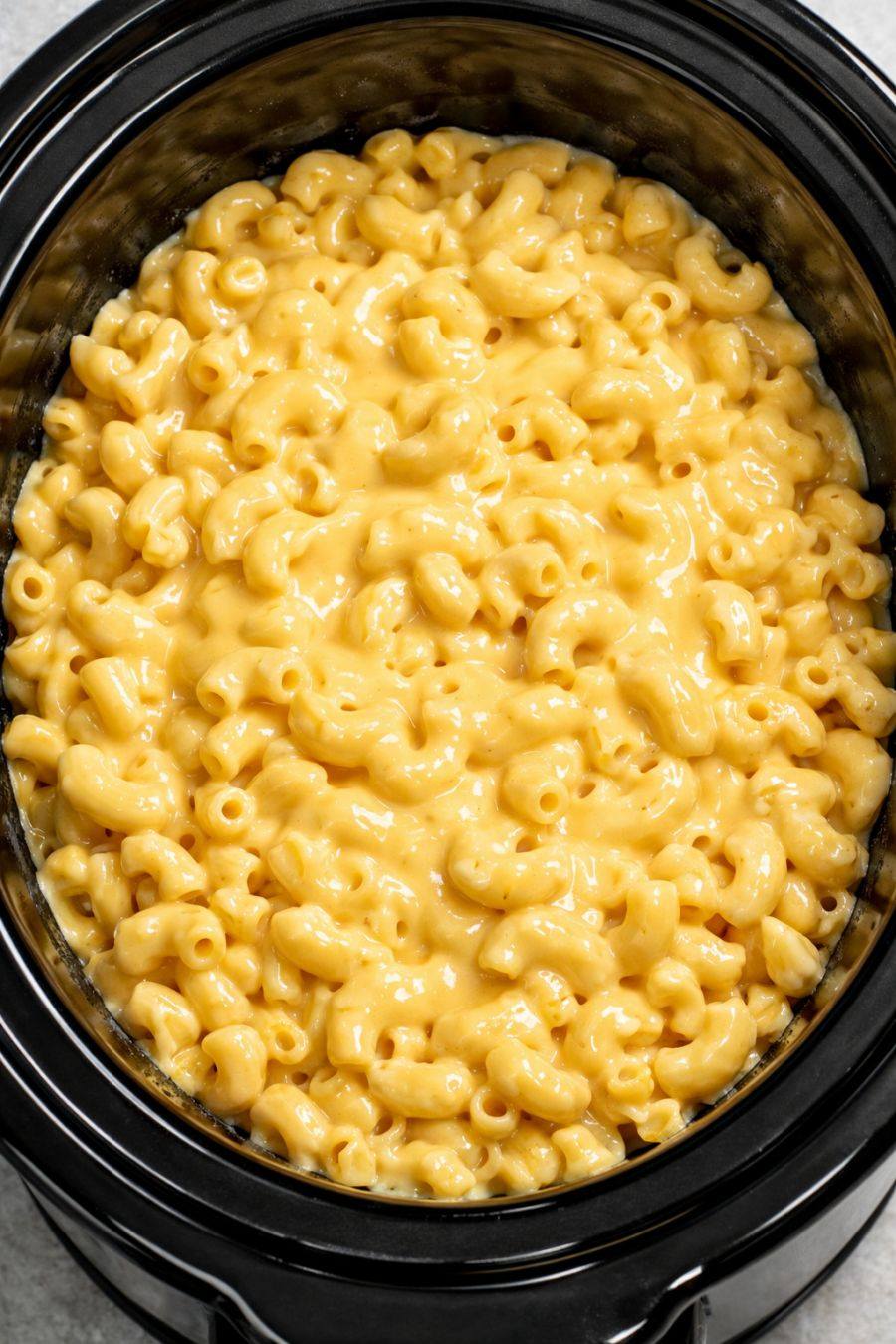
Dump Dry Macaroni in the Crock with Cheese and Don’t Stir

There’s something deeply satisfying about a recipe that feels almost too easy to work—especially when it delivers comfort food at its creamiest. This “dump and don’t stir” crockpot macaroni and cheese is exactly that kind of magic. No boiling pasta. No roux. No babysitting the pot. You simply layer dry macaroni with a handful of pantry staples, close the lid, and let the slow cooker do all the work. The secret isn’t a fancy ingredient—it’s restraint. By not stirring, the pasta cooks evenly, the sauce thickens naturally, and the cheese melts into a rich, velvety blanket without turning grainy.

This method is perfect for busy days, potlucks, holidays, or whenever you want a hands-off meal that tastes like you fussed over it for hours.

Why “Don’t Stir” Actually Works

At first, it feels wrong. Every instinct tells you to mix things up. But stirring too early in a slow cooker breaks down the starch released by the pasta and can cause the cheese to clump or separate. When left alone, the macaroni absorbs liquid gradually, swelling and softening while releasing just enough starch to thicken the sauce. The cheese melts gently from the heat and steam, creating a smooth, creamy texture instead of a greasy one.

Think of it as controlled chaos—everything finding its place without interference.

Ingredients (Simple but Strategic)

  • 2 cups dry elbow macaroni (uncooked)

  • 2 ½ cups whole milk

  • 1 cup evaporated milk

  • 2 cups shredded sharp cheddar cheese

  • 1 cup shredded mozzarella or Colby-Jack

  • 2 tablespoons butter, cut into small pieces

  • ½ teaspoon salt

  • ½ teaspoon paprika

  • ¼ teaspoon garlic powder

  • ¼ teaspoon black pepper

  • Optional: 2 tablespoons cream cheese for extra richness

Important note: Always shred your own cheese if possible. Pre-shredded cheese contains anti-caking agents that can affect how smoothly it melts.

Step-by-Step: Dump, Layer, Walk Away

  1. Grease the crock: Lightly butter or spray the inside of your slow cooker. This prevents sticking and makes cleanup easy.

  2. Add dry macaroni: Pour the uncooked macaroni directly into the crock. Spread it out evenly—this is the only “arranging” you’ll do.

  3. Layer the dairy: Pour in the whole milk and evaporated milk. Do not stir. The liquid should mostly cover the pasta.

  4. Season gently: Sprinkle salt, paprika, garlic powder, and black pepper evenly over the top.

  5. Add cheese and butter: Scatter the shredded cheeses over everything, then dot the top with butter pieces and cream cheese if using.

  6. Close the lid: Set the slow cooker to LOW for 2 to 2½ hours. Walk away. No peeking. No stirring.

What Happens While You’re Not Looking

During the first hour, the macaroni slowly absorbs the milk. By the second hour, the cheese melts and blends into the liquid, forming a thick, creamy sauce. Steam trapped under the lid ensures even cooking without scorching. When you finally lift the lid, you’ll see a golden, glossy surface and tender pasta underneath.

Only after cooking is complete should you gently fold everything together once—just enough to combine.

How to Know It’s Done

  • The pasta should be tender but not mushy

  • The sauce should coat a spoon thickly

  • No pools of milk should remain around the edges

If it looks slightly loose, don’t worry. The sauce thickens as it rests for 5–10 minutes with the lid off.

Flavor Variations (Still No Stir)

  • Smoky Bacon Mac: Add ½ cup cooked, crumbled bacon on top before cooking.

  • Spicy Kick: Sprinkle ¼ teaspoon cayenne or add chopped jalapeños.

  • Ultra Creamy: Replace ½ cup milk with heavy cream.

  • Baked Finish: Transfer to a baking dish, top with buttered breadcrumbs, and broil for 3–5 minutes.

Common Mistakes to Avoid

  • Cooking on HIGH: This can cause curdling and uneven pasta texture.

  • Stirring early: Breaks down starch and ruins creaminess.

  • Too little liquid: Pasta needs enough milk to fully hydrate.

  • Low-fat milk: Whole milk works best for texture and flavor.

Why This Recipe Becomes a Favorite

This crockpot macaroni and cheese isn’t just easy—it’s reliable. It frees you from the stove, feeds a crowd, and delivers that nostalgic, cheesy comfort everyone loves. The “don’t stir” rule feels like a secret passed down by someone who learned the hard way, and once you try it, you’ll never go back to boiling noodles again.

One Cup, 2–3 Hours Before Bed: The Simple Nighttime Drink That Supports Belly & Body Fat Loss

Late-night habits can make or break your weight-loss efforts. What you do in the final hours before sleep affects hormones, digestion, inflammation, and even how your body stores fat overnight. That’s why this simple, one-cup nighttime drink has quietly gained attention among people trying to slim down stubborn belly and body fat naturally.

This is not a miracle potion, and it doesn’t “melt fat” while you sleep like magic. Instead, it works by supporting digestion, stabilizing blood sugar, reducing bloating, calming cravings, and improving sleep quality—all of which are critical for fat loss, especially around the belly.

When consumed 2 to 3 hours before bed, this warm, soothing drink helps your body shift into recovery mode rather than fat-storage mode.

Let’s break it down.

Why Nighttime Matters for Fat Loss

Many people focus only on calories and exercise, but hormones do most of the work when it comes to belly fat. Poor sleep, high stress, and late-night sugar spikes increase cortisol and insulin—two hormones strongly linked to abdominal fat.

A proper nighttime routine can:

  • Reduce late-night cravings

  • Improve insulin sensitivity

  • Calm the nervous system

  • Improve sleep depth

  • Reduce water retention and bloating

This drink was designed with those goals in mind.

The One-Cup Nighttime Fat-Loss Support Drink

Ingredients (1 cup)

  • 1 cup warm water (not boiling)

  • 1 teaspoon raw apple cider vinegar (with the “mother”)

  • ½ teaspoon ground cinnamon

  • 1 teaspoon fresh lemon juice

  • ½ teaspoon raw honey (optional, but recommended)

  • A pinch of ground ginger or turmeric (optional boost)

How to Prepare It

  1. Warm the water until it’s comfortably hot but not boiling.

  2. Add the apple cider vinegar and stir well.

  3. Mix in the cinnamon and ginger or turmeric if using.

  4. Add lemon juice and honey last.

  5. Stir thoroughly and sip slowly.

Drink it 2 to 3 hours before bedtime, not right before sleep.

Why These Ingredients Work Together

Apple Cider Vinegar

ACV helps slow digestion and stabilize blood sugar, reducing nighttime insulin spikes that promote fat storage. It also supports gut health, which plays a major role in weight regulation.

Cinnamon

Cinnamon is known for improving insulin sensitivity and reducing sugar cravings. It helps prevent blood sugar crashes that often trigger late-night snacking.

Lemon Juice

Lemon supports liver function, which is essential for fat metabolism. It also helps reduce water retention and bloating, making the belly appear flatter over time.

Raw Honey (Small Amount)

A little honey before bed can help prevent nighttime cortisol spikes and support better sleep. Better sleep = better fat loss. The key is moderation.

Ginger or Turmeric

Both help reduce inflammation and improve digestion. Less inflammation means the body can release fat more efficiently.

What This Drink Actually Does (Realistic Results)

When used consistently, people often notice:

  • Reduced late-night cravings

  • Less bloating in the morning

  • Better digestion

  • Improved sleep quality

  • Gradual reduction in belly puffiness

  • Easier fat loss when paired with healthy eating

This drink supports fat loss, especially stubborn belly fat, but it works best alongside:

  • Balanced meals

  • Light evening movement

  • Adequate sleep

  • Reduced late-night snacking

When You’ll Start Noticing Changes

  • 3–5 days: Less bloating, calmer digestion

  • 1–2 weeks: Fewer cravings, better sleep

  • 3–4 weeks: Visible reduction in belly fullness and water retention

Consistency matters more than perfection.

Important Tips for Best Results

  • Do not drink this on a completely full stomach

  • Avoid if you have severe acid reflux or stomach ulcers

  • Use a straw if you’re concerned about tooth enamel

  • Do not exceed one cup per night

  • Pair with a protein-rich dinner for better blood sugar control

The Bottom Line

No single drink can replace healthy habits—but the right nighttime ritual can amplify your results. This one-cup evening drink helps your body relax, digest, and regulate hormones so fat loss becomes easier, especially around the belly.

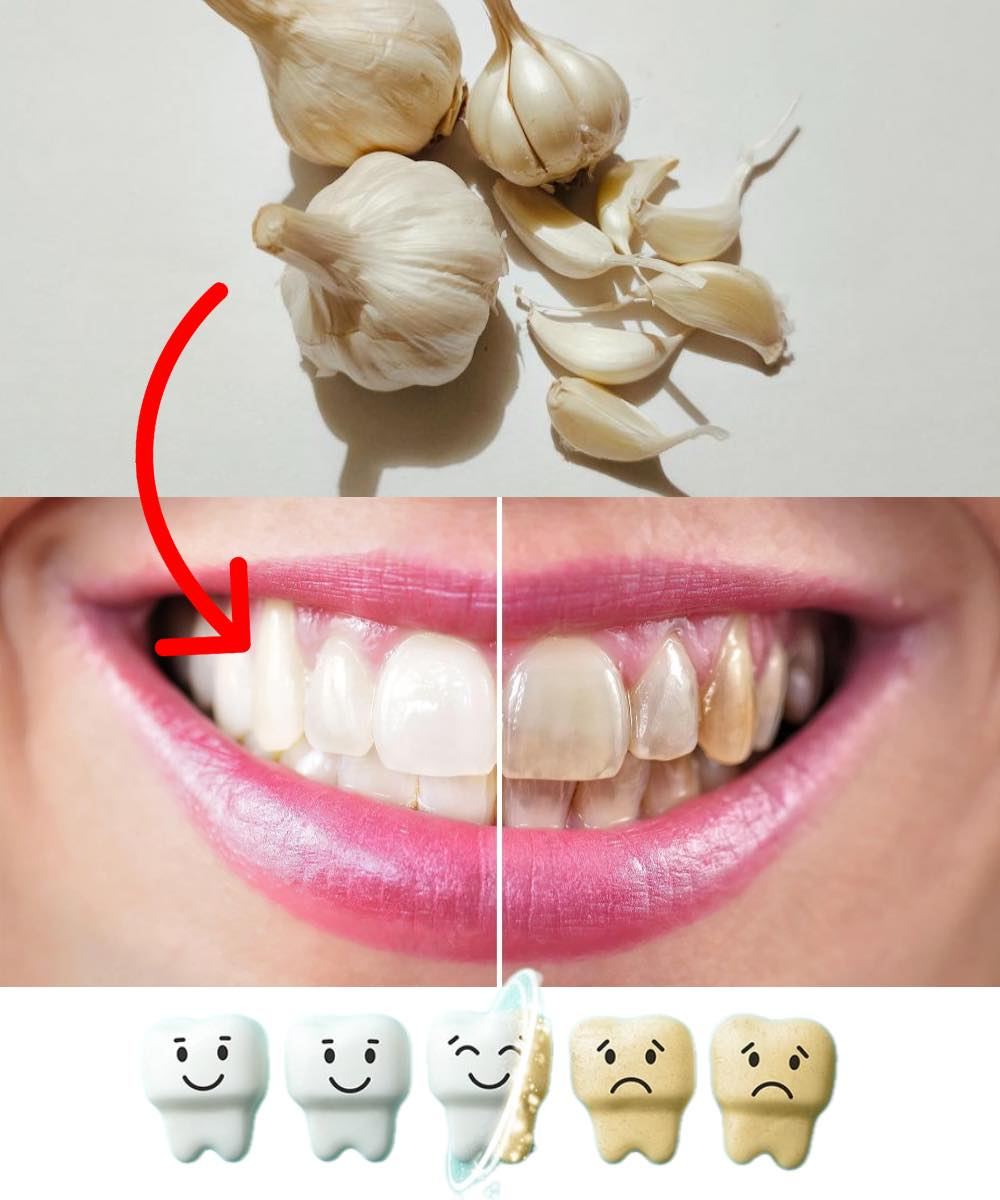
Dentists will hate that you know this trick Remove tartar & whiten teeth at home fast

Clickbait headlines love to promise secret tricks that “dentists don’t want you to know.” When it comes to tartar removal and teeth whitening, the truth is less dramatic—but far more useful. You can improve tooth color and slow tartar buildup at home, but you cannot safely remove hardened tartar without professional tools. This article clears up the myths, explains what actually works, and gives you a dentist-approved routine that protects your enamel while helping your smile look brighter—fast.

First, What Is Tartar (and Why It Matters)?

Tartar, also called calculus, is plaque that has hardened on your teeth. Plaque is a sticky film of bacteria that forms daily. If it isn’t removed within about 24–72 hours, minerals in saliva harden it into tartar. Once tartar forms, brushing alone won’t remove it. That’s why dentists use special instruments during cleanings.

Why care? Tartar traps bacteria, irritates gums, contributes to bad breath, stains teeth, and increases the risk of cavities and gum disease. So while home care can prevent tartar and reduce surface stains, removal of existing tartar requires a professional cleaning.

The Myth: “One Trick Removes Tartar at Home”

Let’s be honest: no vinegar, lemon, baking soda paste, or scraping hack can safely remove tartar. Acidic or abrasive DIY methods can damage enamel, increase sensitivity, and even make teeth look more yellow over time by thinning the enamel layer.

If someone claims instant tartar removal at home, it’s either:

  • Removing soft plaque, not tartar

  • Temporarily masking stains

  • Or causing enamel damage that looks white at first and worse later

The Truth: What You Can Do at Home (Fast & Safe)

While you can’t remove tartar, you can dramatically improve how your teeth look and slow new buildup. Here’s the routine that actually works.

1. Brush Smarter, Not Harder

Use a soft-bristled toothbrush and brush twice daily for two minutes. Hard brushing doesn’t clean better—it wears enamel.

Pro tip: Electric toothbrushes are more effective at plaque removal than manual ones for most people.

2. Use Fluoride Toothpaste (Yes, It Matters)

Fluoride strengthens enamel and helps reverse early decay. Stronger enamel looks whiter and smoother, reflecting light better.

Avoid DIY pastes with lemon or charcoal every day—they’re often too abrasive.

3. Floss Daily (This Is Non-Negotiable)

Most tartar forms between teeth and along the gumline. Flossing removes plaque where brushes miss, preventing it from hardening.

If floss is hard, try:

  • Floss picks

  • Water flossers

  • Interdental brushes

4. Baking Soda—The Right Way

Baking soda can help lift surface stains when used occasionally.

Safe method (1–2 times per week only):

  • Wet toothbrush

  • Dip lightly into baking soda

  • Brush gently for 30–60 seconds

  • Rinse and follow with fluoride toothpaste

This helps with brightness—not tartar removal.

5. Hydrogen Peroxide Rinse (Optional Whitening Boost)

A diluted hydrogen peroxide rinse can help with surface whitening and bacteria reduction.

How:

  • Mix equal parts 3% hydrogen peroxide and water

  • Swish for 30 seconds

  • Spit (do not swallow)

  • Rinse with water

  • Use no more than 1–2 times per week

Overuse can irritate gums, so moderation is key.

6. Eat for Cleaner Teeth

Certain foods help naturally clean teeth and reduce plaque:

  • Apples

  • Carrots

  • Celery

  • Cheese (helps neutralize acids)

Drink water after meals to wash away sugars and acids.


What About Oil Pulling?

Oil pulling with coconut oil won’t remove tartar, but some people find it helps reduce bacteria and improve breath. If you enjoy it, it’s generally safe—but consider it a supplement, not a solution.


How to Actually Remove Tartar

There’s only one reliable way: professional dental cleaning. The good news? If you follow the routine above, cleanings become quicker, easier, and less frequent buildup occurs.

Most dentists recommend a cleaning every 6 months, though some people need more frequent visits.

The Bottom Line (The Real “Secret”)

The real trick dentists agree on isn’t a hidden hack—it’s consistency.

  • You can’t safely remove tartar at home

  • You can prevent it from forming

  • You can whiten teeth safely by removing surface stains and protecting enamel

  • Quick results come from smart daily habits, not harsh shortcuts

Dentists don’t hate this knowledge—they rely on it. A cleaner mouth at home means healthier teeth, fewer problems, and better-looking smiles for life.

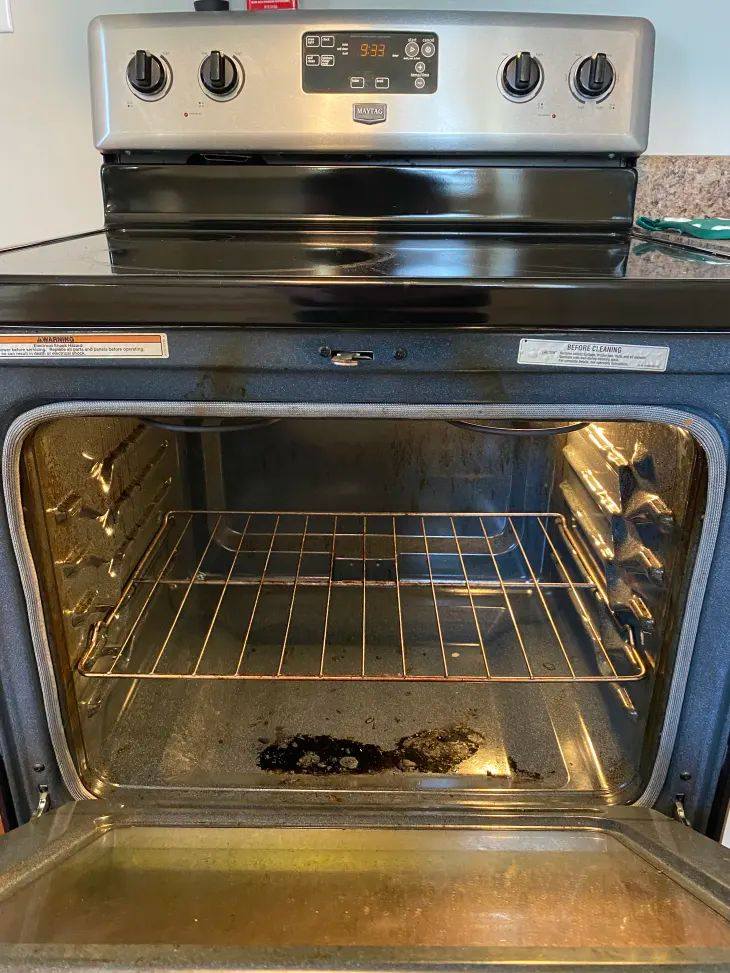
How to Clean Your Oven Naturally with Just Water & Vinegar Steam

Cleaning the oven is one of those household chores most people delay for as long as possible. The thought of harsh chemicals, heavy scrubbing, and lingering fumes can make anyone dread the task. Fortunately, there is a simple, natural, and highly effective method that requires only water and vinegar. This steam-based technique softens baked-on grease and grime, making your oven fresh and clean without toxic cleaners or endless effort.

This “recipe” for oven cleaning is safe, affordable, eco-friendly, and surprisingly powerful.

Why Water & Vinegar Work So Well

Vinegar is a natural acid, and when combined with heat and steam, it becomes an excellent grease cutter. Oven residue is often made up of hardened fats and food particles that cling stubbornly to surfaces. Steam penetrates these layers, while vinegar helps break down grease molecules.

Unlike commercial oven cleaners that rely on corrosive chemicals, this method:

  • Produces no toxic fumes

  • Is safe for children and pets

  • Won’t damage oven surfaces

  • Leaves no chemical residue

  • Costs just a few cents per use

Ingredients (Yes, That’s All You Need)

  • 1 cup white vinegar

  • 1 cup water

Optional but helpful:

  • A heat-safe oven dish or baking tray

  • A microfiber cloth or soft sponge

  • Rubber gloves (optional)

Step-by-Step “Recipe” for a Sparkling Oven

Step 1: Remove Loose Debris

Before starting, make sure the oven is completely cool. Remove oven racks and any loose crumbs or burnt food pieces using a dry cloth or paper towel. This allows the steam to work directly on stuck-on grime.

Step 2: Prepare the Steam Solution

In a heat-safe dish, combine 1 cup water and 1 cup white vinegar. Place the dish on the center rack of the oven. If your oven is very dirty, you can double the amounts.

Step 3: Heat the Oven

Set the oven temperature to 250°F (120°C). Allow the mixture to heat for 30–45 minutes. As the liquid warms, steam fills the oven, loosening grease and softening hardened residue on the walls, door, and corners.

You may notice a mild vinegar smell—this is completely normal and far gentler than chemical cleaners.

Step 4: Turn Off and Let It Rest

After steaming, turn off the oven and leave the door closed for 15 minutes. This resting period allows moisture to continue breaking down grime while the oven cools slightly.

Step 5: Wipe Away the Dirt

Open the oven carefully. Using a damp cloth or sponge, wipe down all interior surfaces. You’ll be amazed how easily grease and stains lift off. For stubborn spots, dip the cloth directly into leftover vinegar water and gently scrub.

No harsh scraping should be needed.

Cleaning the Oven Door Naturally

Oven doors often collect the most grease. The steam will loosen it, but here’s a quick tip:

  • Dip your cloth in warm vinegar water

  • Wipe in circular motions

  • For glass doors, finish with a dry microfiber cloth for a streak-free shine

Cleaning the Oven Racks

While the oven is steaming:

  1. Place racks in the sink or bathtub

  2. Pour hot water over them

  3. Add a cup of vinegar

  4. Let soak for 30 minutes

  5. Scrub lightly and rinse

This removes grease without steel wool or chemicals.

Why This Method Is Better Than Chemical Cleaners

Chemical oven sprays may work fast, but they come with serious downsides:

  • Strong fumes that irritate lungs and eyes

  • Risk of chemical burns

  • Residue that can contaminate food

  • Environmental harm

Water and vinegar are food-safe, biodegradable, and non-toxic. You can clean confidently knowing your oven is truly clean—not just covered in perfume and chemicals.

How Often Should You Steam Clean Your Oven?

  • Light use: once every 2–3 months

  • Frequent cooking or baking: once a month

  • After spills: immediately, once the oven cools

Regular steam cleaning prevents buildup, making future cleanings even easier.

Extra Tips for Best Results

  • Never use cold water in a hot oven dish—always start with room-temperature liquid

  • Avoid abrasive scrubbers that can scratch enamel

  • Leave the oven door slightly open after cleaning to air-dry

  • Wipe spills quickly after cooking to prevent hard buildup

Final Thoughts

Cleaning your oven doesn’t have to be a dreaded chore filled with harsh chemicals and sore arms. With just water, vinegar, and steam, you can restore your oven’s shine naturally and safely. This method proves that sometimes the simplest solutions are the most effective.

a chefs secret for the best egg salad

Egg salad is one of those deceptively simple dishes everyone thinks they’s mastered—until they taste a version that stops them mid-bite. The truth is, the best egg salad isn’t about piling on ingredients; it’s about technique, balance, and a few quiet chef-level secrets that transform humble eggs into something unforgettable. This recipe reveals those secrets step by step, giving you an egg salad that’s creamy but not heavy, flavorful without being loud, and elegant enough for brunch yet comforting enough for a late-night sandwich.

The First Secret: Perfectly Cooked Eggs

A great egg salad begins long before the mixing bowl. Overcooked eggs are the enemy—they turn chalky, sulfurous, and dry. Chefs aim for fully set whites and custardy, tender yolks, not gray-edged or crumbly.

How to do it right:
Place your eggs in a saucepan in a single layer and cover with cold water by about an inch. Bring to a gentle boil, then immediately turn off the heat, cover the pot, and let the eggs sit for 10–11 minutes. This gentle method avoids rubbery whites and preserves a rich yolk texture.

As soon as time is up, transfer the eggs to an ice bath. This isn’t just for peeling—it stops cooking instantly and keeps the yolks vibrant. Let them cool completely before peeling.

The Second Secret: How You Chop Matters

Most people mash their eggs too much, turning egg salad into paste. Chefs prefer intentional texture.

Peel the eggs and separate two yolks from the whites. Roughly chop the whites into bite-sized pieces. Push the remaining yolks through a fine sieve or mash them with a fork until smooth. This creates a creamy base without drowning the salad in mayonnaise.

This single step changes everything: creamy mouthfeel with defined egg pieces instead of mush.

The Third Secret: Mayonnaise Is Only the Beginning

Here’s where restaurant egg salad pulls ahead. Mayonnaise alone is flat. Chefs layer creaminess with contrast.

You’ll need:

  • 6 large eggs, cooked and cooled

  • 3 tablespoons high-quality mayonnaise

  • 1 teaspoon Dijon mustard

  • 1 tablespoon full-fat Greek yogurt or crème fraîche

  • 1 teaspoon lemon juice or white wine vinegar

The Dijon adds depth, not heat. The yogurt or crème fraîche lightens the texture and adds gentle tang. Lemon juice wakes everything up. The result is rich but balanced, never greasy.

The Fourth Secret: Season in Stages

Salt isn’t a final touch—it’s a process.

Season the yolk mixture first with fine sea salt and a pinch of white pepper. White pepper is a chef’s trick: it adds warmth without overpowering the eggs visually or flavor-wise. After folding in the whites, taste again and adjust. Eggs absorb seasoning more than you think.

The Fifth Secret: One Unexpected Crunch

Classic egg salad often includes celery, but chefs refine it. Instead of thick slices, use very finely minced celery heart or cornichons.

Add:

  • 1 tablespoon finely minced celery heart or cornichon pickles

This provides a clean, subtle crunch and acidity without screaming “pickle.” The goal is contrast, not dominance.

The Sixth Secret: Fresh Herbs—But Only One

Too many herbs confuse the flavor. Chefs choose one soft herb and use it sparingly.

Best options:

  • Chives (classic and elegant)

  • Dill (fresh and bright)

  • Tarragon (slightly sweet and anise-like, very French)

Add 1 tablespoon finely sliced herbs and fold gently. This final touch lifts the entire dish.

Bringing It All Together

In a bowl, mix the mashed yolks with mayonnaise, Dijon, yogurt, lemon juice, salt, and white pepper until silky smooth. Fold in chopped whites, minced celery or cornichon, and herbs. Use a spatula and stop as soon as it comes together—overmixing kills texture.

Cover and refrigerate for 20–30 minutes. This resting time allows flavors to meld and the salad to firm up slightly, another professional trick often skipped at home.

How Chefs Serve Egg Salad

This egg salad is versatile and refined. Serve it:

  • On toasted sourdough with buttered edges

  • In a soft brioche bun with lettuce

  • Scooped onto cucumber rounds for a light appetizer

  • Wrapped in warm flatbread with greens

For an extra chef touch, finish with a tiny drizzle of olive oil or a sprinkle of flaky salt just before serving.

Final Thought

The secret to the best egg salad isn’t a wild ingredient—it’s respect for the eggs, attention to texture, and thoughtful balance. When you slow down, season with care, and build flavor in layers, a simple egg salad becomes something extraordinary. Once you make it this way, there’s no going back.

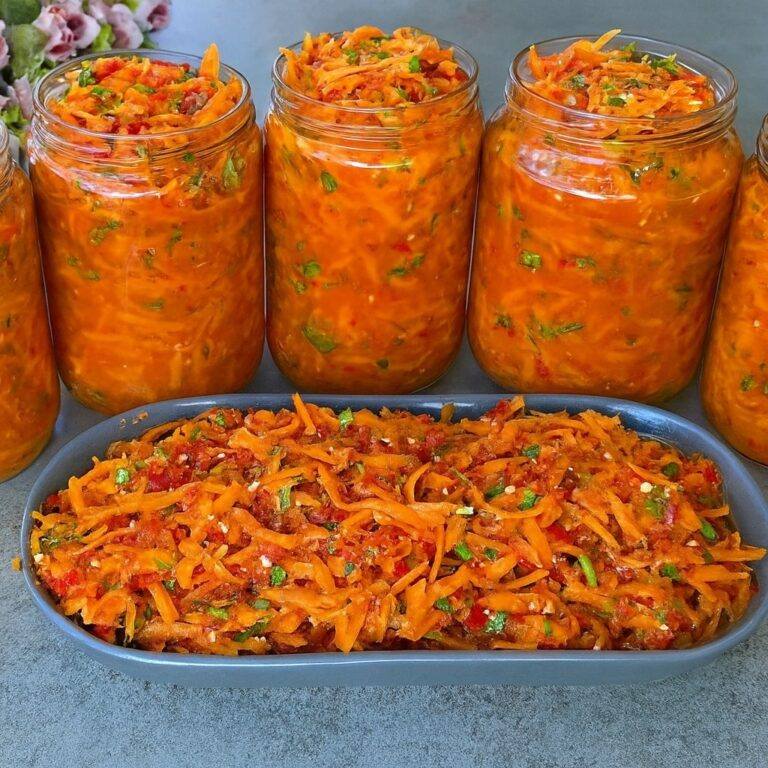
Crunch Carrot Salad

Carrot salad is one of those quietly powerful dishes that often gets overlooked. Simple, colorful, and endlessly adaptable, it can be a refreshing side dish, a light lunch, or even a cleansing reset meal when you want something nourishing but not heavy. This version of carrot salad is vibrant, crunchy, and layered with sweet, tangy, and savory notes that turn humble carrots into a dish you’ll crave again and again.

What makes this carrot salad special is balance. The natural sweetness of fresh carrots is lifted with citrus, grounded by olive oil, and given personality through herbs, texture, and a gentle spice. It’s not just a salad—it’s a bowl of freshness that feels both comforting and energizing.

Why Carrot Salad Deserves a Place on Your Table

Carrots are naturally rich in beta-carotene, fiber, and antioxidants, making them a powerhouse ingredient for everyday meals. When eaten raw, they retain their crunch and nutritional value while offering a subtle sweetness that pairs beautifully with acidic dressings. This salad is light enough for warm weather yet satisfying enough to enjoy year-round.

Unlike creamy or mayo-based salads, this carrot salad feels clean and refreshing. It doesn’t weigh you down, and it actually tastes better after resting, which makes it perfect for meal prep, picnics, or family dinners.

Zesty Crunch Carrot Salad Recipe

Ingredients

For the salad:

  • 4 large fresh carrots, peeled

  • 1 small apple (crisp variety like green or gala)

  • 2 tablespoons raisins or dried cranberries

  • 2 tablespoons chopped parsley or fresh cilantro

  • 1 tablespoon roasted sunflower seeds or chopped walnuts

For the dressing:

  • 3 tablespoons extra virgin olive oil

  • 2 tablespoons fresh lemon or orange juice

  • 1 teaspoon honey or maple syrup

  • ½ teaspoon ground cumin

  • ¼ teaspoon salt (adjust to taste)

  • ¼ teaspoon black pepper

  • A pinch of chili flakes (optional)

Step-by-Step Preparation

1. Prepare the carrots

Grate the carrots using the coarse side of a box grater or a food processor. You want long, thin strands rather than mushy shreds. This texture gives the salad its signature crunch and helps the dressing coat every piece evenly.

2. Add sweetness and contrast

Julienne or grate the apple directly into the carrots. Leaving the skin on adds extra color and fiber. The apple brings a juicy freshness that balances the earthiness of the carrots. Add the raisins or dried cranberries for small bursts of sweetness in every bite.

3. Build the dressing

In a small bowl, whisk together olive oil, citrus juice, honey, cumin, salt, and black pepper. The cumin adds warmth and depth, while the citrus brightens the entire dish. If you enjoy a little heat, add chili flakes for a subtle kick.

4. Toss and rest

Pour the dressing over the carrot mixture and toss gently until everything is well coated. Let the salad rest for 10–15 minutes. This short resting time allows the carrots to soften slightly and absorb the flavors without losing their crunch.

5. Finish with herbs and crunch

Just before serving, fold in the chopped herbs and sprinkle with sunflower seeds or walnuts. These final touches add freshness and texture that elevate the salad from simple to memorable.

Flavor Variations You’ll Love

One of the best things about carrot salad is how adaptable it is. You can easily customize it to suit your taste or what you have on hand.

  • Mediterranean twist: Add crumbled feta cheese and a handful of olives.

  • Asian-inspired: Replace cumin with grated ginger and use rice vinegar with a splash of soy sauce.

  • Creamy version: Stir in a spoon of yogurt or tahini for a richer texture.

  • Spicy crunch: Add sliced jalapeños or a dash of smoked paprika.

Each variation keeps the carrot salad exciting while preserving its fresh, healthy base.

When and How to Serve

This carrot salad pairs beautifully with grilled chicken, fish, or roasted vegetables. It also works as a topping for wraps, sandwiches, or grain bowls. Because it holds up well in the refrigerator, it’s ideal for make-ahead meals and packed lunches.

Stored in an airtight container, it stays fresh for up to three days, and the flavor often improves overnight.

A Simple Salad with Big Impact

This zesty crunch carrot salad proves that you don’t need complicated ingredients or long cooking times to create something delicious. With just a handful of fresh components and a thoughtful dressing, carrots transform into a dish that feels bright, satisfying, and nourishing.

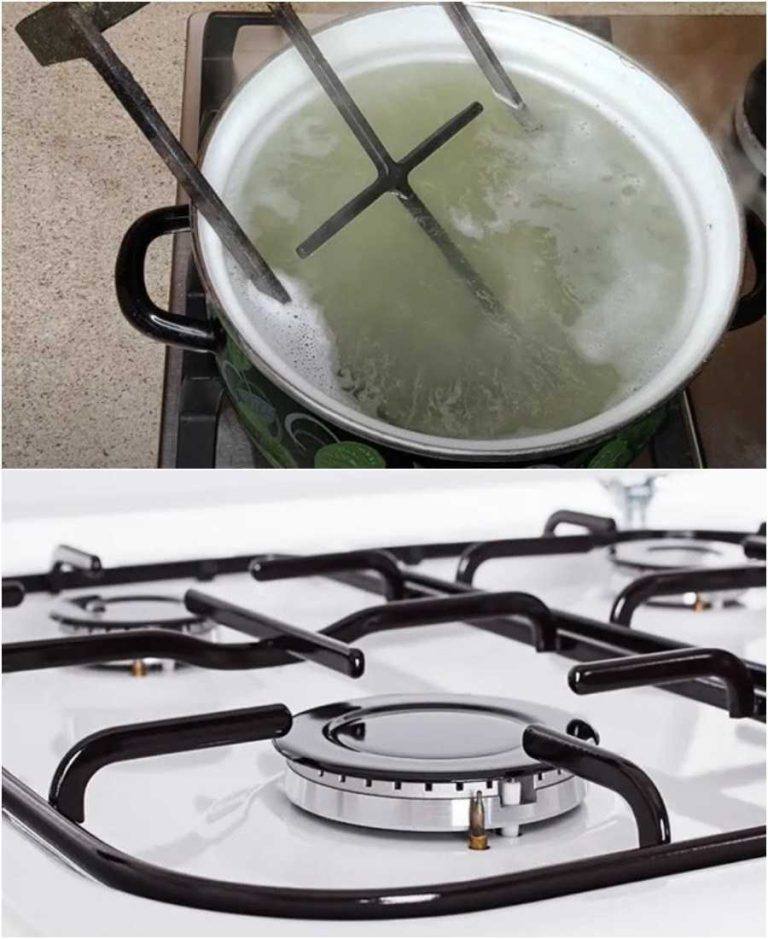
One magic tablet transforms the gas grill to shine: the carbon deposits fall off in pieces

There’s a special kind of frustration that comes with opening a gas grill that was once spotless and seeing thick, black carbon baked onto the grates, lid, and burners. Scraping barely makes a dent, harsh chemicals smell awful, and hours later your grill still looks tired. That’s when this “magic tablet” method comes in—a simple, surprisingly powerful cleaning trick that loosens stubborn grease and carbon so they fall off in chunks, not dust.

This isn’t store-bought wizardry or an expensive specialty cleaner. It’s a smart, kitchen-based solution that uses heat, steam, and gentle chemistry to do the hard work for you. The result? A grill that looks brighter, heats more evenly, and smells clean—without backbreaking scrubbing.

What Is the “Magic Tablet”?

The “tablet” is a compact cleaning puck you make at home using common household ingredients. When heated inside a closed grill, it releases active steam and mild cleaning vapors that penetrate hardened grease and carbon buildup. Instead of scraping layer by layer, the deposits loosen, crack, and fall away in pieces.

Think of it as a deep steam treatment for your grill.

Why This Works So Well

Carbon buildup is tough because it’s been baked repeatedly at high heat. Dry scraping just polishes the surface. This method works because it:

  • Softens carbon with steam, allowing it to detach from metal

  • Breaks grease bonds, so buildup loses its grip

  • Reaches hidden areas, like the lid and corners

  • Requires minimal scrubbing, saving time and effort

It’s especially effective on stainless steel and cast-iron grates.

The Magic Grill-Cleaning Tablet Recipe

Ingredients

  • 2 tablespoons baking soda

  • 1 tablespoon coarse salt

  • 1 tablespoon citric acid (or lemon juice powder)

  • Enough water to bind (about 1–2 teaspoons)

Optional Boosters

  • ½ teaspoon dish soap (for extra grease-cutting power)

  • A few drops of lemon or eucalyptus oil (for fresh scent)

How to Make the Tablet

  1. In a small bowl, mix baking soda, salt, and citric acid.

  2. Add water drop by drop until the mixture forms a thick paste.

  3. Shape the paste into a compact puck or tablet about the size of a large coin.

  4. Let it air-dry for 30–60 minutes until firm.
    (It doesn’t need to be rock-hard—just solid enough to handle.)

How to Use It on Your Gas Grill

Step 1: Preheat the Grill

Turn your grill on medium heat for 10 minutes. This warms the metal and prepares the carbon deposits to release.

Step 2: Turn Off the Flame

Once hot, turn the burners off completely.

Step 3: Place the Tablet

Put the tablet in a heat-safe metal dish or aluminum foil tray. Place it directly on the grill grates.

Step 4: Close the Lid

Close the grill lid tightly and let the tablet work for 15–20 minutes. Inside, it will gently fizz and release steam that coats every surface.

Step 5: Open and Brush

Open the lid carefully. While the grill is still warm (not hot), use a grill brush or damp cloth to wipe surfaces. You’ll see carbon flakes falling off in chunks—often with just one pass.

What You’ll Notice Immediately

  • Black buildup lifting instead of smearing

  • Grates returning to their natural color

  • Less greasy residue on the lid

  • No harsh chemical smell

For extremely dirty grills, repeat once more for near-professional results.

Safety Tips

  • Never use this method while flames are on

  • Always allow the grill to cool slightly before wiping

  • Wear gloves if you have sensitive skin

  • Do not inhale steam directly—open the lid slowly

Why This Beats Store-Bought Cleaners

Many commercial grill cleaners rely on strong caustic chemicals that can irritate skin, damage finishes, or leave residues where food cooks. This tablet uses mild, food-safe ingredients that clean through reaction and moisture—not brute force.

It’s:

  • Budget-friendly

  • Eco-conscious

  • Fast

  • Effective on old buildup

Maintenance Tip: Keep the Shine

To prevent heavy carbon from returning:

  • Brush grates lightly after each cook while warm

  • Use the tablet once a month

  • Wipe the lid interior every few weeks

Regular care turns deep cleaning into a five-minute job.

Final Thoughts

There’s something deeply satisfying about seeing years of baked-on grime surrender in pieces instead of dust. This “magic tablet” doesn’t just clean your grill—it restores it. Less effort, fewer chemicals, and a result you can see immediately.

The Drink I Drank a Glass a Day That Helped Me Lose 25 Kilos Before My Wedding

In the months leading up to my wedding, I knew I wanted to feel lighter, healthier, and more confident—not just for the photos, but for myself. I wasn’t looking for a crash diet or a miracle pill. I wanted something sustainable, simple, and realistic enough to fit into everyday life. Surprisingly, one small daily habit became a powerful turning point: a homemade drink I committed to drinking once a day. Over time, combined with mindful eating and movement, this drink supported me in losing 25 kilos before my wedding.

This isn’t a magic potion, and it didn’t work overnight. What it did was gently support my metabolism, reduce constant cravings, improve digestion, and help my body release excess water and stored fat more efficiently. Here’s the full story—and the recipe.

Why a Simple Drink Made Such a Big Difference

Before I changed anything, my biggest struggles were bloating, constant hunger, sugar cravings, and sluggish digestion. I often ate even when I wasn’t truly hungry. After some research and experimentation, I realized that hydration, blood sugar balance, and gut health were major missing pieces.

This drink became my daily reset. Drinking it consistently helped me:

  • Feel full longer

  • Reduce late-night snacking

  • Improve digestion and reduce bloating

  • Support fat metabolism naturally

  • Stay hydrated with purpose

Over time, these small benefits added up to big results.

The Weight-Loss Support Drink Recipe

This drink uses simple, affordable ingredients that work together gently but effectively.

Ingredients (1 glass):

  • 1 glass warm water (250 ml)

  • Juice of ½ fresh lemon

  • 1 teaspoon raw apple cider vinegar (with the “mother”)

  • ½ teaspoon grated fresh ginger (or a pinch of ginger powder)

  • ½ teaspoon ground cinnamon

  • 1 teaspoon raw honey (optional, for taste)

How to Prepare It

  1. Warm the water slightly—never boiling.

  2. Add lemon juice and apple cider vinegar.

  3. Stir in ginger and cinnamon.

  4. Add honey if needed.

  5. Mix well and drink slowly.

How and When I Drank It

I drank one glass every morning on an empty stomach, about 20–30 minutes before breakfast. This timing was key. It helped wake up my digestive system, stabilize blood sugar early in the day, and reduce cravings later.

On days when I felt heavy or bloated, I sometimes drank a second glass in the afternoon—but one daily glass was enough to see consistent results.

Why These Ingredients Work Together

Lemon
Supports digestion, encourages gentle detoxification, and helps balance the body’s pH. It also adds vitamin C, which supports fat oxidation during movement.

Apple Cider Vinegar
Helps control blood sugar spikes, improves insulin sensitivity, and reduces appetite. This was a game changer for my cravings.

Ginger
Boosts metabolism, reduces inflammation, and improves digestion. It also helps reduce water retention and bloating.

Cinnamon
Stabilizes blood sugar levels and reduces sugar cravings. It made sticking to healthier meals much easier.

Warm Water
Activates digestion and improves nutrient absorption while helping the body flush out toxins.

What I Changed Alongside the Drink

To be honest, the drink alone didn’t do everything—but it made everything else easier.

Along with it, I:

  • Ate smaller portions without feeling deprived

  • Reduced sugary drinks and processed snacks naturally

  • Walked daily, even if just 20–30 minutes

  • Ate more protein and vegetables

  • Slept better because my digestion improved

The drink helped control hunger, which made these changes feel natural instead of forced.

How Long It Took to See Results

  • First week: Less bloating, better digestion

  • 2–3 weeks: Reduced cravings, lighter feeling

  • 1–2 months: Visible fat loss, clothes fitting better

  • Several months: 25 kilos lost steadily and sustainably

The weight stayed off because nothing was extreme.

Important Notes

  • This is not a medical treatment.

  • If you have stomach ulcers, acid reflux, or are pregnant, consult a doctor before using apple cider vinegar.

  • Consistency matters more than perfection.

Final Thoughts

What made this drink powerful wasn’t that it was trendy or extreme—it was that it supported my body instead of fighting it. One glass a day became a ritual of self-care, discipline, and intention. Over time, that simple habit helped transform my health, my confidence, and how I felt walking down the aisle on my wedding day.

The Beetroot Boost: What Eating Beets Can Do for Your Body, According to Experts

Beetroot—often simply called beets—is one of those humble vegetables that quietly delivers powerful benefits. With its deep ruby color, earthy sweetness, and impressive nutrient profile, beetroot has earned its place among the most respected functional foods. Nutrition experts and food scientists consistently point to beets as a natural way to support energy, circulation, digestion, and overall vitality. Let’s explore what eating beets can do for your body, and then finish with a unique, nourishing beetroot recipe you can easily make at home.

Why Beetroot Deserves Superfood Status

1. Supports Healthy Blood Flow and Heart Function

Beetroot is rich in dietary nitrates, natural compounds that the body converts into nitric oxide. Nitric oxide helps relax and widen blood vessels, improving circulation. Experts often associate regular beet consumption with better blood flow, which supports heart health and balanced blood pressure when paired with a healthy lifestyle.

2. Boosts Natural Energy and Stamina

Athletes and fitness enthusiasts have long used beetroot as a natural performance enhancer. Improved oxygen delivery to muscles means your body uses energy more efficiently. Even if you’re not an athlete, beets may help reduce fatigue and support endurance during daily activities.

3. Supports Liver Detoxification

The vibrant color of beetroot comes from betalains, powerful antioxidants that help the liver neutralize toxins. Nutrition specialists often recommend beets as part of a detox-friendly diet because they support the body’s natural cleansing processes rather than forcing rapid detoxes.

4. Improves Digestion and Gut Health

Beetroot is high in dietary fiber, which supports regular digestion and feeds beneficial gut bacteria. A healthy gut contributes to better immunity, nutrient absorption, and even mood balance.

5. Supports Brain Health

Improved blood flow doesn’t just benefit the heart—it also supports the brain. Experts suggest that the nitric oxide boost from beets may help maintain cognitive function, focus, and mental clarity, especially as we age.

6. Anti-Inflammatory and Antioxidant Properties

Chronic inflammation is linked to many modern health concerns. Beetroot’s antioxidants help combat oxidative stress, supporting cellular health and recovery throughout the body.

How to Get the Most from Beetroot

Experts recommend consuming beets cooked or raw, depending on your digestion and taste preference:

  • Raw beets preserve more vitamin C but are firmer and earthier

  • Roasted or boiled beets are easier to digest and sweeter

  • Juiced or blended beets offer quick nutrient absorption

Pairing beetroot with healthy fats (like olive oil or yogurt) improves absorption of fat-soluble nutrients.

Unique Recipe: The Beetroot Boost Elixir Bowl

This recipe is designed to maximize beetroot’s benefits while being gentle on digestion, flavorful, and satisfying. It’s not a typical salad or juice—it’s a warming, nourishing bowl that can be enjoyed any time of day.

Ingredients:

  • 2 medium beetroots, peeled and diced

  • 1 small carrot, sliced

  • 1 small apple, peeled and chopped

  • 1 teaspoon fresh grated ginger

  • 1 tablespoon olive oil

  • 1 cup vegetable broth or water

  • ½ teaspoon ground cumin

  • ¼ teaspoon black pepper

  • A pinch of sea salt

  • 1 tablespoon lemon juice

  • Optional topping: plain yogurt, sesame seeds, or chopped herbs

Preparation Method:

  1. Roast for Natural Sweetness
    Preheat your oven to 200°C (400°F). Toss the diced beets and carrots with olive oil and a pinch of salt. Roast for 25–30 minutes until tender and lightly caramelized. This enhances flavor and improves digestibility.

  2. Simmer for Balance
    Transfer the roasted vegetables to a pot. Add apple pieces, ginger, cumin, black pepper, and vegetable broth. Simmer gently for 10 minutes, allowing the flavors to blend.

  3. Blend to Silky Smoothness
    Use a blender or immersion blender to purée the mixture until smooth and creamy. Adjust thickness with warm water if needed.

  4. Finish with Freshness
    Stir in lemon juice just before serving. This brightens flavor and supports nutrient absorption.

  5. Serve and Boost
    Pour into a bowl and top with a spoon of yogurt or a sprinkle of seeds for extra protein and healthy fats.

Why This Recipe Works

  • Roasting + simmering makes beetroot easier on sensitive stomachs

  • Ginger and cumin support digestion and reduce bloating

  • Apple and lemon balance earthiness with natural sweetness and acidity

  • Healthy fats improve antioxidant absorption

This bowl is warming, grounding, and energizing—perfect for mornings, recovery meals, or light dinners.

Final Thoughts

Experts agree that beetroot is far more than a colorful side dish. It supports circulation, energy, digestion, and detoxification in a gentle, food-based way. When prepared thoughtfully, beets can be both delicious and deeply nourishing.