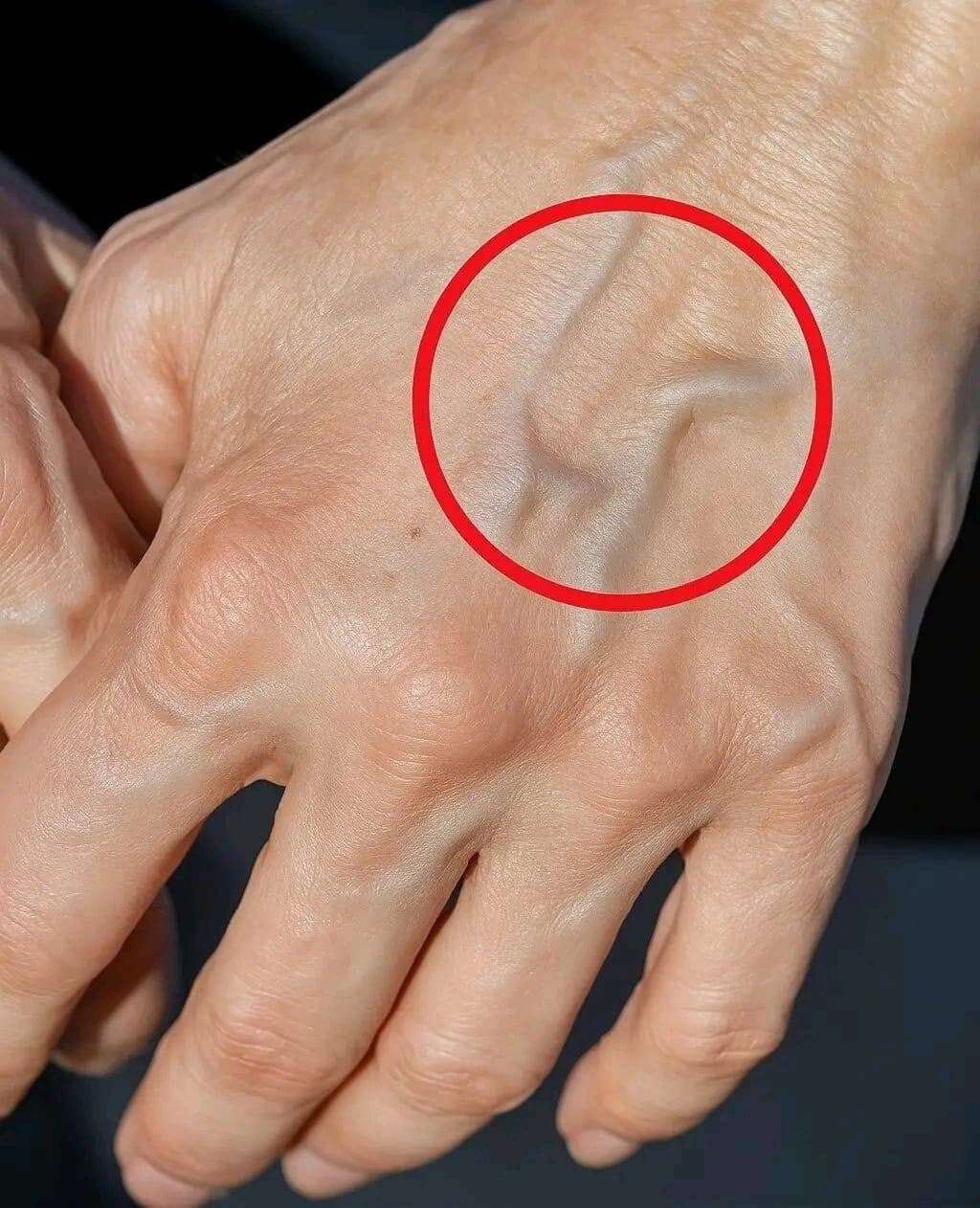
Visible veins are something many people notice at some point in their lives. For some, they appear as faint blue or green lines just beneath the skin, while for others they may look more prominent, raised, or even twisted. While visible veins are often completely normal, they can sometimes raise questions or concerns about health. Understanding why veins become more noticeable can help you determine whether what you’re seeing is harmless or something that may need attention.
🚀 Make Money Online – Up to $50 Per Day!
First, it’s important to understand what veins do. Veins are blood vessels responsible for carrying deoxygenated blood back to the heart. Unlike arteries, which carry oxygen-rich blood away from the heart, veins work against gravity—especially in the legs—using small valves that prevent blood from flowing backward. When these veins become more visible, it’s usually due to changes in the skin, blood flow, or the veins themselves.
One of the most common reasons for visible veins is simply having thin or light-colored skin. People with fair complexions or less body fat often have veins that show more clearly because there is less tissue covering them. As you age, your skin naturally becomes thinner and loses elasticity, making veins more noticeable. This is a normal part of aging and not usually a cause for concern.
Another common reason is physical activity. Exercise increases blood flow and causes veins to expand temporarily. This is why athletes or people who work out regularly often have more prominent veins, especially in the arms and legs. Over time, consistent exercise can make veins appear more visible even at rest due to improved circulation and muscle definition.
Hot weather can also make your veins more noticeable. When temperatures rise, your body works to cool itself by expanding blood vessels near the surface of the skin. This process, called vasodilation, allows heat to escape more easily but can also make veins stand out more than usual. This effect is typically temporary and goes away once your body cools down.
Hormonal changes are another factor that can influence vein visibility. During pregnancy, for example, the body produces more blood to support the developing baby. This increased blood volume can cause veins to enlarge and become more visible. Hormonal fluctuations from birth control or menopause can also affect how veins appear.
Sometimes, visible veins may be linked to medical conditions. One of the most well-known is varicose veins. These occur when the valves inside the veins weaken or become damaged, causing blood to pool and veins to bulge. Varicose veins are often seen in the legs and may be accompanied by symptoms such as aching, swelling, or a feeling of heaviness.
A milder form of this condition is spider veins. These are smaller, thin veins that appear close to the surface of the skin and often resemble a web-like pattern. While they are usually harmless, some people choose to treat them for cosmetic reasons.
In some cases, visible veins can be a sign of low body fat or sudden weight loss. When you lose fat, there is less cushioning between your skin and veins, making them more apparent. This is common among individuals who are very lean or who have recently lost a significant amount of weight.
Dehydration can also play a role. When your body lacks enough fluids, blood volume decreases, which can make veins appear more prominent. Staying well-hydrated helps maintain proper circulation and can reduce the appearance of overly visible veins.
Certain medical conditions may also contribute to changes in vein appearance. For example, chronic venous insufficiency occurs when veins have trouble sending blood from the limbs back to the heart. This condition can lead to swelling, skin changes, and more noticeable veins. If visible veins are accompanied by pain, swelling, or skin discoloration, it’s important to seek medical advice.
Lifestyle factors such as prolonged standing or sitting can also impact vein health. Jobs that require long hours on your feet or sitting in one position can increase pressure in the veins, particularly in the legs. Over time, this pressure can lead to vein enlargement and visibility.
So, when should you be concerned? Visible veins are usually harmless, especially if they are not causing discomfort. However, you should pay attention if you notice symptoms like pain, swelling, itching, or changes in skin color around the veins. These could indicate an underlying issue that may require medical evaluation.
In most cases, visible veins are simply a natural part of your body and reflect factors like genetics, lifestyle, and age. Maintaining a healthy lifestyle—staying active, drinking enough water, and avoiding prolonged periods of inactivity—can help support good vein health.
