Many households are constantly searching for simple, affordable ways to keep clothes bright, towels soft, and laundry fresh. While there are countless commercial laundry products promising spotless results, one of the most effective cleaning agents has been sitting quietly in kitchen cabinets for decades: vinegar. This humble ingredient is inexpensive, natural, and incredibly versatile. However, despite its popularity in cleaning routines, many people unknowingly use vinegar the wrong way in their laundry, which prevents them from enjoying its full benefits.
🚀 Make Money Online – Up to $50 Per Day!
Understanding how vinegar works and how to use it properly can completely transform the way your laundry looks and feels. When used correctly, vinegar can help restore whiteness to dull clothing, remove odors, soften towels, and even extend the life of fabrics.
Why Vinegar Works So Well in Laundry
White vinegar is a mild acid known as acetic acid. This natural compound has powerful cleaning abilities that help dissolve mineral deposits, detergent residue, and body oils that build up in fabrics over time.
Many people assume their laundry detergent is doing all the cleaning work, but detergent often leaves behind a thin film. Over time, that residue can trap odors, make fabrics feel stiff, and cause whites to look gray or yellow. Vinegar helps break down that buildup, allowing fabrics to return to their natural softness and brightness.
Another advantage of vinegar is its ability to neutralize odors. Unlike artificial fragrances that simply mask smells, vinegar eliminates odor-causing bacteria, leaving clothes smelling fresh and clean once they dry.
The Biggest Mistake People Make
One of the most common mistakes people make is pouring vinegar directly onto clothes in the washing machine. While vinegar itself is gentle, pouring it directly on fabric can weaken certain fibers over time and may cause uneven treatment.
Another mistake is mixing vinegar with bleach or adding it at the wrong time during the wash cycle. Combining vinegar with chlorine bleach can create harmful fumes, and adding vinegar too early in the wash may reduce the effectiveness of detergent.
The correct method is much simpler and safer.
The Right Way to Use Vinegar for Whiter Clothes
If your white clothes have started looking dull or slightly yellow, vinegar can help restore their brightness. Instead of adding it directly to the drum, pour ½ to 1 cup of white vinegar into the fabric softener dispenser of your washing machine.
This ensures the vinegar is released during the rinse cycle, when it can remove leftover detergent and mineral buildup from the fabric. As a result, clothes come out cleaner and brighter without any vinegar smell remaining.
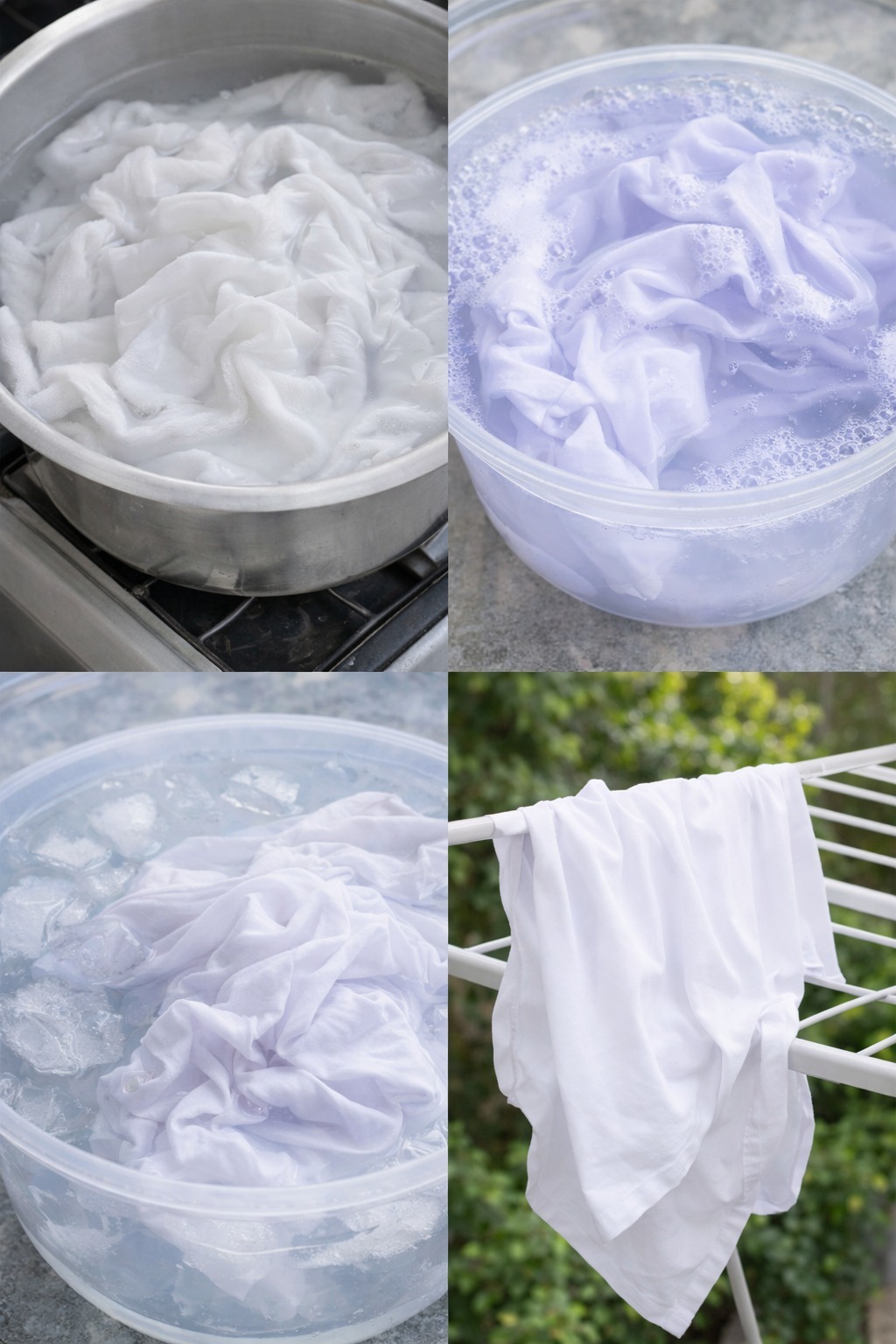
For heavily stained or yellowed white clothes, you can also soak them before washing. Fill a basin or bucket with warm water and add one cup of vinegar. Let the clothes soak for about one hour before running them through a normal wash cycle.
How Vinegar Makes Towels Softer
Towels often become stiff and rough because of detergent residue and mineral deposits from hard water. Fabric softeners may temporarily mask the problem, but they actually leave behind a coating that reduces the towel’s absorbency.
Vinegar works differently. It breaks down that residue, restoring the towel’s natural fibers.
To soften towels, wash them as usual with detergent. During the rinse cycle, add one cup of white vinegar to the fabric softener compartment. After drying, the towels will feel noticeably fluffier and more absorbent.
If towels are extremely stiff, try washing them once with vinegar and no detergent at all. This deep cleaning cycle helps remove old buildup completely.
Eliminating Odors from Clothes
Gym clothes, kitchen towels, and heavily used fabrics often hold onto unpleasant odors even after washing. This happens because bacteria and detergent residue become trapped within the fibers.
Adding half a cup of vinegar during the rinse cycle helps neutralize these smells naturally. The vinegar breaks down the odor-causing bacteria, leaving clothes fresh once they dry.
For persistent smells, such as mildew from damp towels, soaking the fabric in warm water with vinegar for 30 to 60 minutes before washing can make a significant difference.
Cleaning the Washing Machine with Vinegar
Another benefit of vinegar is that it can help clean the washing machine itself. Over time, soap scum, mold, and mineral deposits can build up inside the machine, which may transfer unpleasant odors to clothes.
Running an empty hot wash cycle with two cups of white vinegar helps dissolve these residues and refresh the machine. This simple maintenance step can improve washing performance and keep laundry smelling cleaner.
When Not to Use Vinegar
Although vinegar is extremely useful in laundry, there are a few situations where it should be avoided.
Do not use vinegar on delicate fabrics such as silk or certain elastic materials, as the acidity may weaken them over time. Additionally, never mix vinegar with bleach or products containing chlorine, since the combination can create dangerous gases.
A Simple Ingredient with Powerful Results
Vinegar proves that effective cleaning does not always require expensive products or complicated routines. By using it properly during the rinse cycle, you can brighten whites, soften towels, remove stubborn odors, and even keep your washing machine cleaner.
