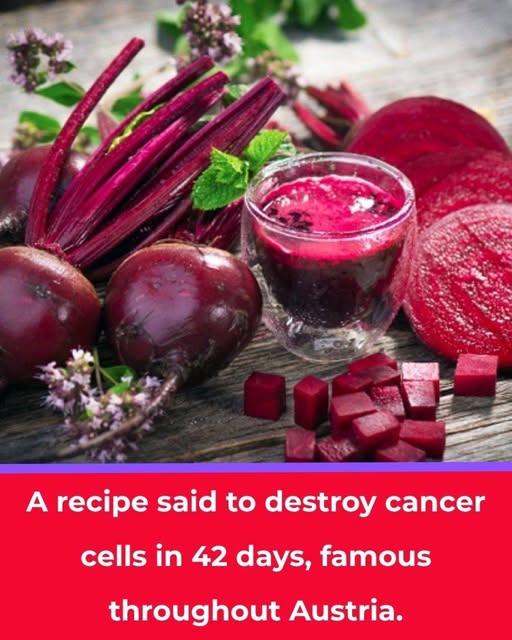
Here’s a comprehensive deep-dive into the Breuss Juice Diet and its famous 42-day Austrian juice “therapy”—what it is, how it’s done, where it came from, what supporters claim, and what science really says
What Is the Breuss Juice Diet?
The Breuss Juice Diet—often called the Breuss Cancer Cure or 42-Day Juice Therapy—is a strict fasting protocol developed by Austrian naturopath Rudolf Breuss in the mid-20th century. It involves consuming only a very specific vegetable juice blend and selected herbal teas for 42 consecutive days, with no solid food whatsoever. The goal, according to Breuss, was to “starve” cancer cells while nourishing healthy cells with easily digestible plant nutrients.
Breuss believed that cancer and other serious diseases require solid food, particularly protein, to thrive. By eliminating solid foods and providing only nutrient-dense juices and teas, he claimed the body would detoxify, healthy cells would flourish, and malignant cells would wither away.
Importantly, although tens of thousands of people have reportedly tried the diet since its introduction, there’s no credible scientific evidence that the Breuss Juice Diet cures cancer or other serious diseases. Medical communities worldwide regard it as unproven and potentially dangerous if used as a substitute for evidence-based treatments.
The Breuss Juice: Ingredients and Preparation
The Breuss juice blend isn’t just any veggie juice—it’s a precise recipe Breuss insisted was essential to the protocol:
-
Beetroot (≈55%) – the main ingredient, rich in antioxidants like betalains.
-
Carrots (≈20%) – high in beta-carotene and immune-supporting compounds.
-
Celery root (≈20%) – thought to help with hydration and cleansing.
-
Radish (≈2–3%) – believed to aid digestion and liver support.
-
Potato (≈2–3%) – sometimes included, especially for certain conditions or to balance nutrients.
🧃 How to Make It
-
Select fresh, organic vegetables (if possible) and wash them thoroughly.
-
Chop and juice them, maintaining the ratios Breuss specified.
-
Strain the juice through a fine cloth or sieve to remove solids.
-
Sip the juice slowly throughout the day—Breuss recommended small amounts taken often rather than large gulps.
Some sources specify a daily limit (often around 250 ml, or ~8 oz) to avoid feeding cancer cells with too much glucose and to keep intake minimal. Herbal teas (e.g., sage, nettle, kidney blend) are often added to support detox and hydration.
The 42-Day Protocol
The heart of the regimen is a complete abstention from solid food for 42 days—six weeks—with only:
-
Breuss juice
-
Herbal teas
-
Water or very light broths in some interpretations (though strict purists avoid anything else)
Breuss argued that cancer cells, which he claimed depend heavily on protein and solid food, would die off if deprived of such nourishment while healthy cells survived on the juice’s micronutrients and enzymes.
The diet is meant to be followed rigorously: no sugar, no processed food, no dairy, no animal products, and often no fruit juices or other calorie sources outside the protocol.
Claimed Benefits and Testimonials
Supporters and practitioners of the Breuss method often cite anecdotal success stories, claiming benefits such as:
-
Increased energy and perceived cleansing effects
-
Improved digestion
-
Reduction in pain and inflammation
-
Enhanced sense of wellbeing
-
In fringe circles, even regression of tumors or remission of disease symptoms
Breuss himself reportedly said that over 45,000 people were cured using his methods, though these figures are not documented or verified by clinical research.
Vegetables like beetroot do contain antioxidants, vitamins, and minerals that are healthy as part of a balanced diet. These compounds support general health and may contribute to detoxification and immune function when consumed normally. But that’s very different from proving a cure.
Risks and Medical Perspective
From a scientific and medical standpoint, the Breuss Juice Diet is controversial, and experts strongly caution against using it as a replacement for conventional therapy:
❌ Lack of Evidence
No peer-reviewed clinical trials show that a 42-day juice fast:
-
Shrinks tumors
-
Increases survival
-
Cures cancer
Leading cancer organizations and oncologists emphasize that cancer cells don’t die simply because someone stops eating solid food.
⚠️ Nutritional Risks
-
Severe malnutrition: Juice lacks adequate protein, essential fats, and many micronutrients.
-
Weight loss: Significant weight loss—especially in cancer patients—can weaken the immune system and reduce tolerance to treatment.
-
Electrolyte imbalance: Low nutrient intake can disrupt heart, nerve, and kidney function.
-
Delayed conventional treatment: Relying solely on this diet can postpone or replace effective medical care, which can be life-threatening.
Experts warn that people with chronic diseases, cancer, diabetes, pregnancy, low body weight, or organ dysfunction should not undertake extreme juice fasting without medical supervision.
Why It’s Still Popular
Despite the risks and lack of scientific support, the Breuss Juice Diet remains popular in some alternative health communities because:
-
People seeking “gentle” natural therapies often distrust mainstream medicine.
-
Personal success stories spread rapidly online.
-
The idea of cleansing and detoxing feels intuitive and empowering to many.
-
Juice fasting is generally easier to understand than complex medical treatments.
There’s a psychological element too: doing something proactive—especially a disciplined regimen like a long fast—can give participants a sense of control. But anecdotes aren’t evidence, and emotional comfort shouldn’t replace effective medical care.
Final Take
The Breuss Juice Diet is a historical alternative health protocol centered on a strict 42-day juice fast. While the juice blend itself provides nutrients typical of vegetables, the extreme nature of a prolonged juice-only diet poses real risks and lacks clinical proof as a cure for cancer or serious diseases. Vegetables and fresh juices can be part of a healthy diet, but medical decisions—especially for life-threatening conditions—should be guided by evidence and healthcare professionals.
