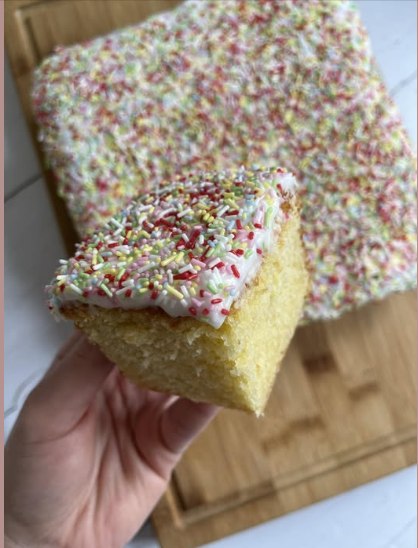
If you’ve ever dreamed of a dessert that melts in your mouth with the silky smoothness of pudding and the airy texture of sponge cake, this Pudding Sponge Cake will make your wish come true. It’s not just a cake—it’s a luscious fusion of two beloved classics. This recipe combines the light, cloud-like crumb of a sponge cake with the creamy decadence of pudding baked right into it, creating a dessert that’s moist from within and delightfully tender on the outside. Perfect for any celebration or just to spoil yourself, this unique recipe will become one of your favorites the moment you taste it.
What Makes This Pudding Sponge Cake Unique
Unlike traditional sponge cakes that rely on butter or oil for moisture, this one gets its soft, custard-like texture from an infused pudding layer baked directly in the batter. As the cake bakes, the pudding layer seeps through the sponge, creating natural pockets of creaminess without any frosting required. It’s a dessert that balances simplicity and indulgence beautifully—no fancy fillings or frostings, just pure comfort in every bite.
Ingredients
For the Sponge Cake Layer:
-
1 cup (120g) all-purpose flour, sifted
-
4 large eggs, separated
-
¾ cup (150g) granulated sugar
-
2 tablespoons warm water
-
1 teaspoon pure vanilla extract
-
½ teaspoon baking powder
-
¼ teaspoon salt
For the Pudding Layer:
-
2 cups (480ml) whole milk
-
3 tablespoons cornstarch
-
½ cup (100g) sugar
-
2 egg yolks
-
2 tablespoons unsalted butter
-
1 teaspoon vanilla extract
-
A pinch of salt
Optional Toppings:
-
Whipped cream
-
Fresh berries or fruit compote
-
Powdered sugar for dusting
Step-by-Step Preparation
1. Prepare the Pudding Base
Start by making the pudding so it has time to cool before mixing into the cake.
In a medium saucepan, whisk together sugar, cornstarch, and salt. Add the milk slowly, whisking constantly to avoid lumps. Place the saucepan over medium heat and cook until the mixture thickens, stirring continuously—this will take about 5–7 minutes. Once it begins to bubble gently, remove from the heat and quickly whisk in the egg yolks (temper them first by adding a small spoonful of hot mixture to the yolks before combining). Stir in butter and vanilla until smooth and glossy. Set aside to cool slightly while you prepare the sponge.
The pudding should be silky, not too thick—similar to pastry cream. This ensures it blends seamlessly with the cake layer later on.
2. Whip the Egg Whites
For the sponge cake, separate the eggs carefully. Place the egg whites in a clean bowl and whip with an electric mixer until foamy. Gradually add half of the sugar and beat until stiff, glossy peaks form. This is what gives the cake its airy rise without baking powder doing all the work.
3. Mix the Egg Yolks and Sugar
In another bowl, whisk together the egg yolks, remaining sugar, vanilla extract, and warm water until the mixture becomes pale and thick. The warm water helps dissolve the sugar and gives the yolks more volume.
4. Combine Dry Ingredients
In a separate bowl, sift the flour, baking powder, and salt together. Gradually fold the dry ingredients into the yolk mixture until just combined. Be gentle—you don’t want to lose the airy structure.
5. Fold in the Egg Whites
Now, carefully fold the beaten egg whites into the yolk-flour mixture using a spatula. Add them in three portions, mixing gently after each addition. This step ensures the cake remains fluffy and light. The batter should look smooth and airy—almost like a mousse.
6. Layer the Cake and Pudding
Preheat your oven to 325°F (160°C) and lightly grease a deep 8-inch square or round cake pan. Pour two-thirds of the sponge cake batter into the prepared pan, then spoon over the pudding layer gently, letting it settle naturally over the batter. Pour the remaining batter on top and use a knife or skewer to swirl the layers just once or twice—this creates a marbled pudding effect inside the cake.
7. Bake to Perfection
Bake the cake in the preheated oven for about 40–45 minutes, or until the top is golden brown and a toothpick inserted into the center comes out mostly clean (a little pudding residue is fine). The magic happens during baking—the pudding sinks slightly, creating a soft, creamy center while the sponge sets around it.
Once baked, remove the cake from the oven and let it cool in the pan for 10 minutes before transferring it to a wire rack. The cake will settle slightly as it cools, revealing its signature custardy texture.
8. Chill and Serve
You can serve the cake warm for a comforting pudding-like experience, or chill it for a few hours to enjoy it as a cool, creamy dessert. Dust the top with powdered sugar, or serve slices with a dollop of whipped cream and fresh berries.
Texture and Taste
Each bite of this pudding sponge cake is a delightful contrast—soft and spongy on top, velvety and custard-like in the middle, and tender underneath. The flavor is delicate, sweet without being overwhelming, with a hint of vanilla and butter that enhances the pudding’s creaminess. It’s the kind of dessert that doesn’t need any elaborate presentation; its texture and aroma speak for themselves.
Tips for the Perfect Pudding Sponge Cake
-
Room Temperature Eggs: Always use room-temperature eggs—they whip up to a greater volume, creating a fluffier sponge.
-
Don’t Overmix: Once the egg whites are added, fold gently to retain air bubbles.
-
Temperature Control: Bake at a lower temperature for even cooking—too hot, and the sponge will set before the pudding layer integrates.
-
Cooling Time: Let the cake rest before cutting to allow the pudding to firm slightly.
-
Flavor Variations: Try chocolate pudding for a decadent version, or butterscotch for a caramel twist. You can even infuse the milk with coffee or lemon zest for added aroma.
Creative Variations
-
Chocolate Lovers’ Dream: Replace 2 tablespoons of flour with cocoa powder and use chocolate pudding instead of vanilla. Top with a light chocolate ganache for pure indulgence.
-
Tropical Bliss: Add shredded coconut and use coconut milk in the pudding layer. Top with mango slices for a sunny, tropical finish.
-
Caramel Surprise: Swirl caramel sauce through the batter before baking for ribbons of sweet, golden goodness.
-
Lemon Pudding Sponge Cake: Infuse the pudding with lemon zest and juice, and serve with a dusting of powdered sugar for a refreshing, citrusy twist.
Storage
This cake keeps beautifully for 3–4 days when refrigerated in an airtight container. The pudding keeps it moist, so it never dries out. In fact, the flavor deepens after a day as the pudding fully settles into the sponge. You can also freeze slices individually for up to one month—just thaw in the fridge overnight before serving.
Final Thoughts
This Pudding Sponge Cake is a testament to how two simple desserts can unite to create something extraordinary. It’s elegant enough for guests yet simple enough for a cozy family treat. The balance of airy sponge and creamy pudding makes it stand out from ordinary cakes—it’s comforting, refined, and impossible to resist.
Once you make it, don’t be surprised if it becomes a family favorite. Whether served warm with a drizzle of cream or cold from the fridge on a summer afternoon, every slice delivers a tender reminder of why baking is truly a joy.
