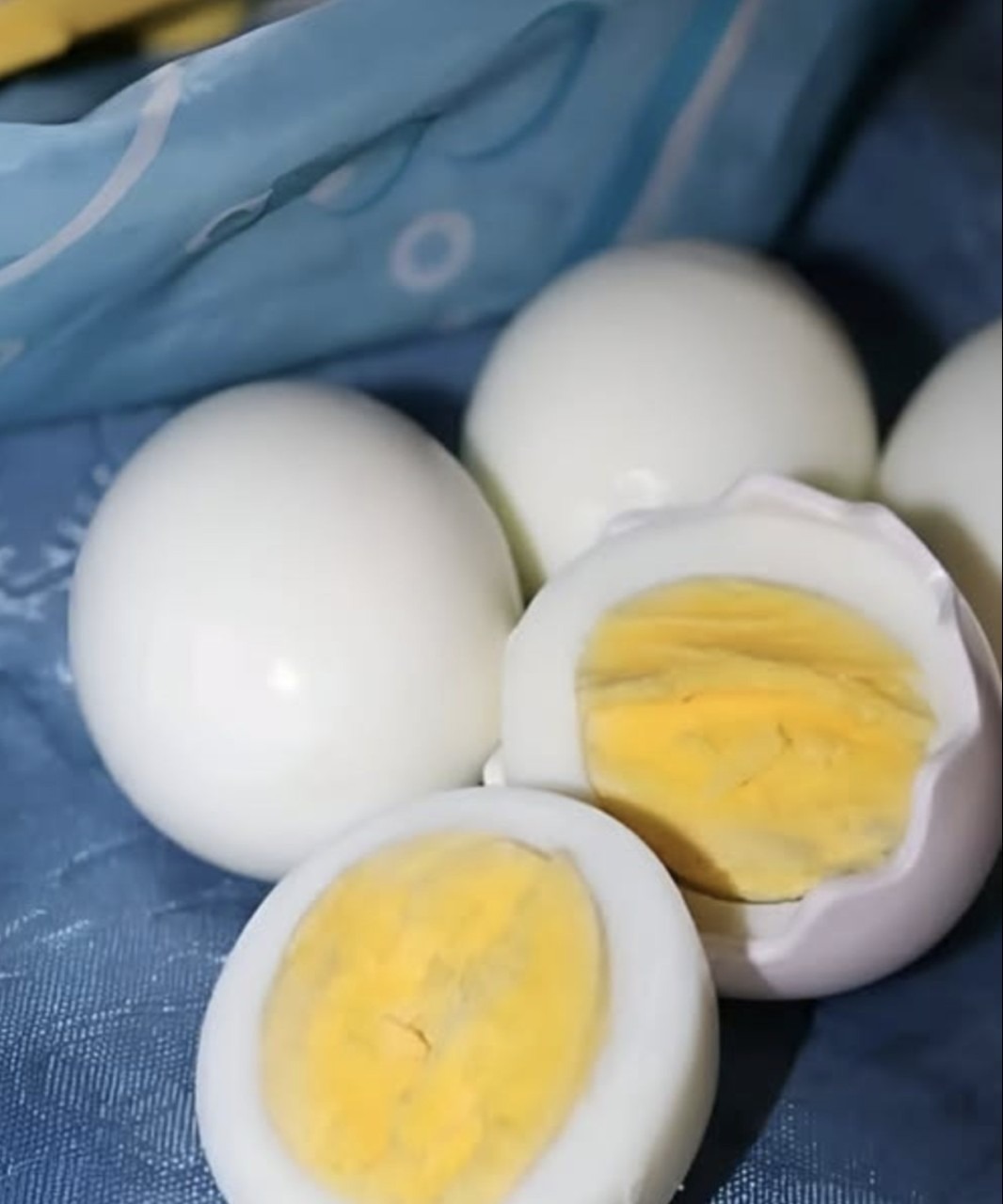
Boiled eggs might seem like the simplest thing in the kitchen—but getting them perfect every time is a quiet art. Too soft, and the whites feel slippery and unset. Too hard, and the yolk becomes chalky and dull. The secret lies in timing, temperature, and a gentle method that respects the egg’s delicate nature. This unique boiled egg recipe focuses on texture, technique, and flavor enhancement, transforming something humble into something noticeably better.
Why This Recipe Is Different
Most people toss eggs into boiling water and hope for the best—but eggs benefit from controlled heat. When placed in boiling water cold, the shell often cracks due to thermal shock. Instead, this recipe starts with cold water, allowing everything to heat up gradually. This reduces cracking and leads to consistently tender whites and creamy yolks—not rubbery, not runny, but beautifully set.
We also add a surprising ingredient: salt and a splash of vinegar. The salt helps season the egg slightly and makes peeling easier. The vinegar helps loosen the thin membrane inside the shell, preventing eggs from sticking when you peel them.
Ingredients
-
6 large eggs (room temperature if possible)
-
Water (enough to cover the eggs)
-
1 teaspoon salt
-
1 tablespoon white vinegar
Optional Flavor Enhancers
-
A knob of butter
-
Fresh cracked black pepper
-
Everything bagel seasoning
-
A pinch of smoked paprika
Step-by-Step Instructions
1. Prepare the Water
Place your eggs in a medium pot. Make sure they rest in a single layer—not stacked or touching too tightly. Cover with cold water, at least 1 inch above the eggs.
Add the salt and vinegar.
2. Heat Slowly
Turn the heat to medium-high and heat the pot uncovered.
Watch carefully—once the water reaches a gentle rolling boil, do not walk away.
3. Set Your Timer
The moment the water starts boiling, turn off the heat, cover the pot with a lid, and start your timer.
Here is your perfect timing guide:
| Desired Yolk | Time (after covering) | Result |
|---|---|---|
| Soft-Boiled | 6 minutes | Soft but set white, warm jammy yolk |
| Medium-Boiled | 8 minutes | Firm whites, creamy custard-like yolk |
| Hard-Boiled | 10-12 minutes | Fully set yolk, no grey ring |
For most everyday use, 8–9 minutes is spectacular.
4. Ice Bath
While the eggs sit, fill a bowl with ice water.
When your timer finishes, immediately scoop your eggs into the ice bath.
Let them rest 5 minutes. This stops the cooking and helps peeling.
5. Peel Like a Pro
Gently crack the wider end of the egg first—that’s where the air pocket is. Slide your thumb under the membrane and peel in smooth sheets. If you followed the vinegar and ice bath steps, it will be incredibly easy.
Serving Suggestions (Where This Recipe Truly Shines)
**1. Butter & Black Pepper Boiled Eggs
Slice a warm boiled egg in half, place on toast, drizzle melted butter, and finish with black pepper. This is simple luxury.
**2. Pickle-Style Snack Eggs
Sprinkle eggs with:
-
Apple cider vinegar
-
Sea salt
-
Chili flakes
Let sit for 3 minutes. Surprisingly addictive.
**3. Everything-Seasoned Eggs
Sprinkle Everything Bagel Seasoning on the peeled eggs, press lightly so it sticks. This adds crunch, garlic, and sesame flavor instantly.
**4. Smoky Breakfast Bowl
Slice eggs into:
-
Cooked rice or potatoes
-
A dab of butter
-
A pinch of smoked paprika
Stir and enjoy something warm, comforting, and deeply satisfying.
Why This Method Works
-
Cold Water Start: Gentle temperature increase prevents cracking.
-
Turning Off Heat: Uses residual heat for perfect doneness control.
-
Ice Bath: Locks in texture and prevents chalky yolks.
-
Vinegar + Salt: Makes peeling smooth and frustration-free.
This is precision cooking made easy.
Storage Tips
-
Whole boiled eggs (unpeeled): up to 7 days in the fridge.
-
Peeled eggs: store in a sealed container with a damp paper towel for 3–5 days.
Never store eggs at room temperature once cooked.
Conclusion
This unique boiled egg recipe elevates a kitchen basic into a small daily pleasure. With gentle heat, a bit of care, and tiny seasoning touches, boiled eggs become creamy, tender, and richly flavored—not bland fuel, but comforting, nourishing food. Once you try this technique, it becomes second nature, and you’ll never return to haphazard boiling again. Each egg will peel perfectly, look beautiful, and taste delicious.
