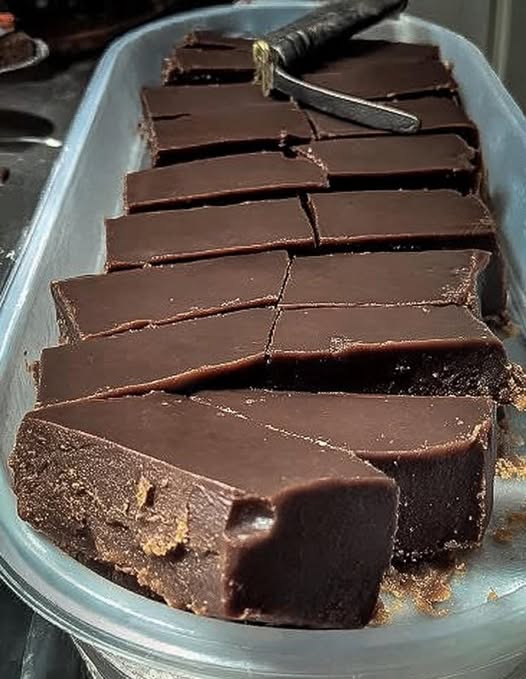
There’s something truly magical about old fashioned fudge. It’s not just candy — it’s a memory, a tradition, and a taste of pure comfort. The smooth, creamy texture, the deep chocolate flavor, and that melt-in-your-mouth sweetness make it one of the most beloved desserts of all time. Unlike modern shortcuts that rely on marshmallow fluff or condensed milk, this classic version uses simple pantry staples and the traditional boiling-and-beating method. The result is a fudge that tastes exactly like the kind your grandmother used to make for special occasions or holiday gatherings.
This recipe gives you that authentic old-world flavor and texture, with clear steps to ensure success even if you’ve never made fudge from scratch before.
Why This Recipe Is Special
Old fashioned fudge is all about technique. It’s made with real butter, sugar, cocoa, and milk — and it depends on careful cooking to the right temperature, followed by patient beating until it thickens and sets. The reward is a dense, silky fudge that feels luxurious and tastes far richer than store-bought candy. Once you master this recipe, you’ll never go back to packaged fudge again.
Ingredients
To make this classic treat, you’ll need:
• 2 cups granulated sugar
• ½ cup unsweetened cocoa powder
• 1 cup whole milk
• 4 tablespoons butter
• 1 teaspoon vanilla extract
• A pinch of salt
Optional additions:
• ½ cup chopped walnuts or pecans
• A sprinkle of sea salt for topping
Step-by-Step Instructions
1. Prepare Your Pan
Line an 8×8-inch square pan with parchment paper or lightly butter it. This will make it easy to lift out the fudge once it sets.
2. Mix the Dry Ingredients
In a medium saucepan, combine the sugar, cocoa powder, and salt. Stir well so the cocoa is evenly distributed — this prevents lumps later.
3. Add the Milk
Pour in the milk and stir gently over medium heat until the mixture is smooth and begins to warm. Keep stirring to avoid scorching the bottom.
4. Bring to a Boil
Once the mixture starts bubbling, add the butter. Let it melt, then stop stirring and allow the fudge to boil. Clip a candy thermometer to the side of the pan and cook until the temperature reaches 234°F (112°C) — this is the “soft-ball stage.”
Tip: If you don’t have a thermometer, drop a small spoonful into cold water. It should form a soft, flexible ball that flattens when pressed.
5. Let It Cool
Remove the pan from heat and allow the mixture to cool undisturbed until it reaches about 110°F (43°C). This step is essential — stirring too early can ruin the texture.
6. Add Vanilla
Stir in the vanilla extract. At this point, you can also add nuts if you like.
7. Beat the Fudge
Using a wooden spoon, beat the mixture vigorously. It will gradually thicken and lose its glossy shine. This takes about 8–10 minutes. Once it becomes creamy and starts to hold its shape, stop beating.
8. Pour and Set
Quickly pour the fudge into your prepared pan and smooth the top. Let it sit at room temperature for 2–3 hours, or refrigerate for 1 hour, until firm.
9. Cut and Enjoy
Lift the fudge out of the pan and cut into squares. Store in an airtight container for up to one week.
What Makes the Texture Perfect
The secret to old fashioned fudge is reaching the correct temperature and beating it at the right time. Cooking too little results in soft, sticky fudge, while cooking too long gives you crumbly candy. Beating transforms the sugar crystals into that iconic creamy texture — the more you beat, the smoother the fudge becomes.
Flavor Variations
You can easily personalize this fudge by adding:
• A teaspoon of espresso powder for deeper chocolate flavor
• A swirl of peanut butter for a rich twist
• A dash of cinnamon for warmth
• Crushed biscuits or toffee bits for crunch
Each variation keeps the classic base while giving it your own signature style.
Serving Ideas
Old fashioned fudge is perfect for:
• Holiday gift boxes
• Dessert trays
• Afternoon tea or coffee
• Celebrations and family gatherings
It pairs beautifully with a cup of strong coffee or warm milk, making it the ultimate comfort treat.
A Little History
Fudge has been around for over a century. The earliest known recipes date back to the late 1800s, when it was made by hand and sold at local fairs and candy shops. Its name likely comes from the word “fudged,” referring to a mistake while making caramel that turned into this deliciously creamy candy. Over time, fudge became a symbol of homemade love and craftsmanship.
Final Thoughts
Making old fashioned fudge isn’t just about creating candy — it’s about keeping a tradition alive. The process may seem detailed, but once you try it, you’ll see how rewarding it is. Each bite brings the deep, comforting taste of real chocolate and the pride of making something from scratch.
