When it comes to improving your health, we often focus on what we eat, how much we exercise, and the supplements we take. But what if something as simple as the way you sleep could make a noticeable difference? Left-side sleeping has gained attention in recent years, especially in wellness discussions and traditional healing systems like Ayurveda. While it may sound like just another health trend, there is real science behind why sleeping on your left side might support digestion, heart health, and overall well-being.
Let’s explore what really happens when you switch to your left side at night.
1. Better Digestion and Reduced Acid Reflux
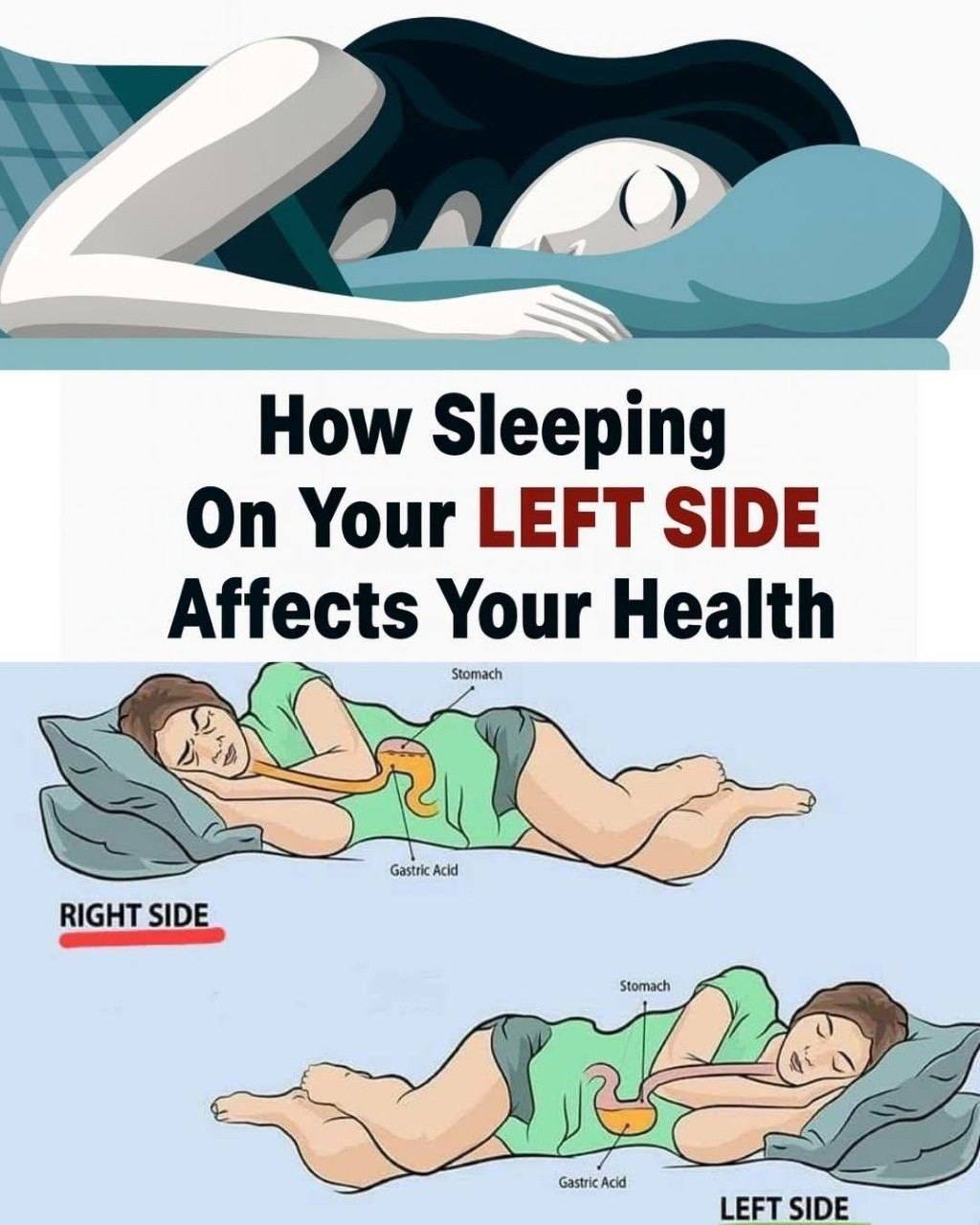
One of the most talked-about benefits of left-side sleeping is improved digestion. Your stomach naturally curves toward the left side of your body. When you lie on your left side, gravity helps keep stomach acid where it belongs, reducing the chance of it flowing back into the esophagus.
People who struggle with heartburn or gastroesophageal reflux disease (GERD) often notice fewer symptoms when they sleep on their left side. In contrast, sleeping on the right side can relax the lower esophageal sphincter in a way that may increase acid reflux episodes.
If you frequently wake up with a burning sensation in your chest or a sour taste in your mouth, simply turning onto your left side might offer natural relief.
2. Improved Heart Function
Your heart sits slightly toward the left side of your chest. When you sleep on your left side, gravity may help ease the heart’s workload by improving circulation and supporting blood flow from the body back to the heart.
For pregnant women, especially in the later stages, doctors often recommend left-side sleeping because it enhances circulation to both mother and baby. It reduces pressure on major blood vessels like the inferior vena cava, helping oxygen and nutrients flow more efficiently.
While more research is always ongoing, many experts agree that left-side sleeping can be beneficial for circulation.
3. Enhanced Lymphatic Drainage
The lymphatic system plays a crucial role in removing toxins and waste from the body. Interestingly, the left side of the body is considered the dominant lymphatic side. Sleeping on your left may help the body filter lymph fluid and process waste more effectively.
Over time, this could support immune function and reduce inflammation. While this doesn’t replace a healthy diet and hydration, it may complement your body’s natural detox processes.
4. Support for Brain Health
Recent research into the brain’s glymphatic system—the system responsible for clearing waste from the brain during sleep—suggests that side sleeping may improve its efficiency compared to sleeping on the back.
Some animal studies have shown that side sleeping may help clear metabolic waste linked to neurological conditions more effectively. Although more human research is needed, it adds another possible benefit to this simple sleep adjustment.
5. Reduced Snoring and Better Breathing
If you or your partner struggle with snoring, side sleeping in general can help keep the airways open. When you lie on your back, the tongue and soft tissues can fall backward, narrowing the airway and increasing snoring.
Sleeping on your left side can help maintain a more open airway, potentially reducing mild snoring and improving sleep quality.
6. Relief During Pregnancy
Pregnant women are often encouraged to sleep on their left side. This position improves blood flow to the placenta and reduces pressure on the liver, which sits on the right side of the abdomen. It can also reduce swelling in the legs and ankles by improving kidney function and circulation.
Because of these benefits, many healthcare providers recommend left-side sleeping during the second and third trimesters.
7. Possible Drawbacks
While left-side sleeping offers many potential benefits, it’s not perfect for everyone. Some people may experience shoulder or hip discomfort if they stay on one side too long. Using a supportive mattress and placing a pillow between the knees can help maintain proper spinal alignment and reduce pressure.
Additionally, individuals with certain heart conditions should consult a healthcare provider before making significant sleep changes, as comfort and individual medical needs vary.
How to Train Yourself to Sleep on Your Left Side
If you’re used to sleeping on your back or right side, changing positions may take time. Here are a few practical tips:
-
Place a firm pillow behind your back to prevent rolling.
-
Use a body pillow to hug and support your top leg.
-
Choose a mattress that supports side sleeping.
-
Start by lying on your left side as you fall asleep—even if you shift later, you’ll gradually adapt.
Consistency is key. Over a few weeks, your body may naturally begin to favor the new position.
The Bottom Line
Left-side sleeping isn’t a miracle cure, but it can be a simple, natural way to support your health. From reducing acid reflux and improving digestion to enhancing circulation and supporting lymphatic drainage, the benefits are promising and largely risk-free.
If you’re looking for a small change that could lead to better sleep and improved well-being, turning onto your left side tonight might be worth trying.
