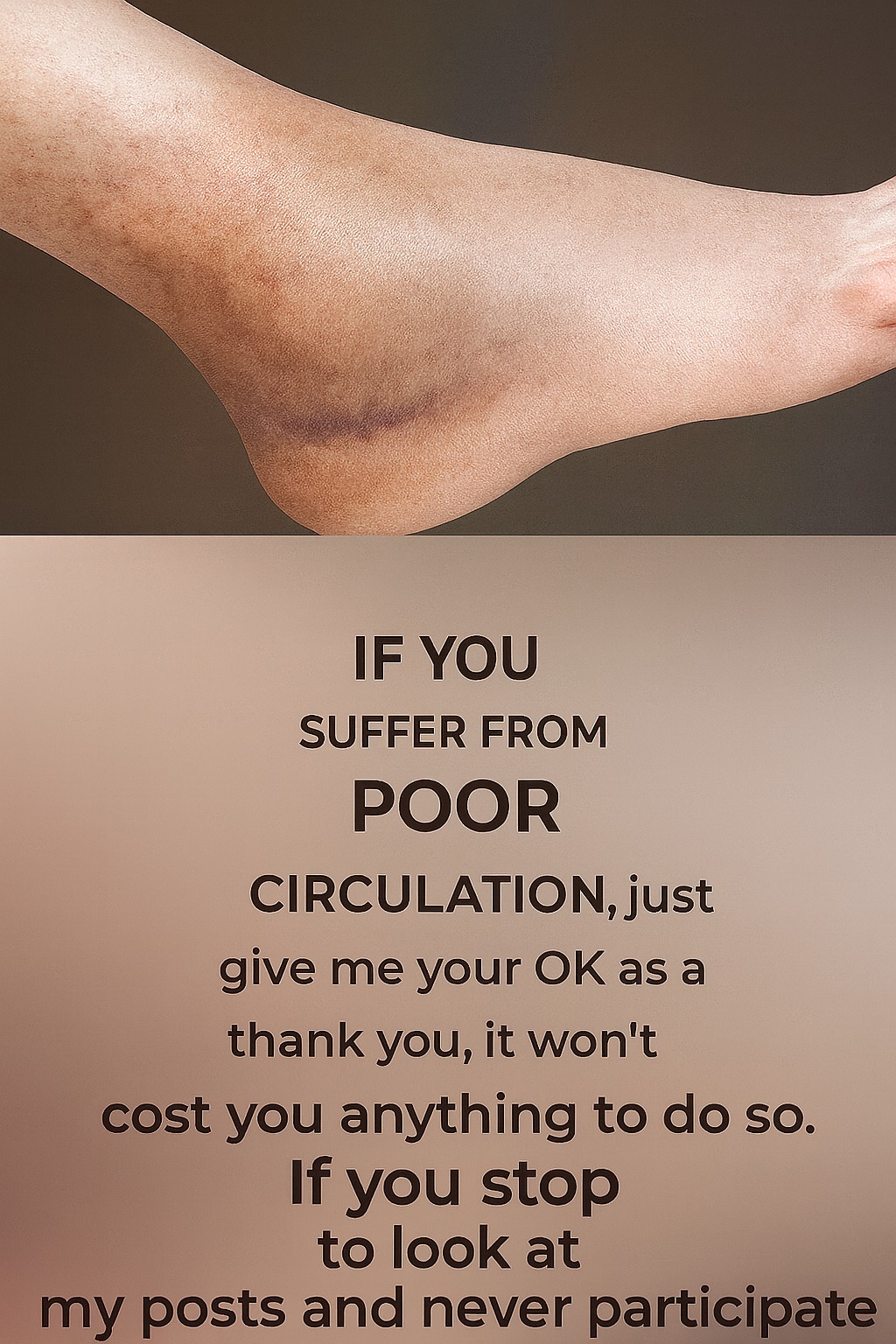
If You Suffer from Poor Circulation and Your Legs Feel Like This, Here Is the Solution
Poor circulation is a condition that affects millions of people worldwide, yet many fail to recognize its early signs. It occurs when blood flow to certain parts of the body, most commonly the legs and feet, is restricted or inefficient. This can leave your legs feeling heavy, swollen, cold, or even tingly, and in some cases, it can progress to more serious health problems. Understanding the causes, symptoms, and remedies for poor circulation is crucial, especially if you notice persistent discomfort in your legs.
Recognizing Poor Circulation in the Legs
The legs are particularly vulnerable to circulation issues because blood must travel upward against gravity to return to the heart. When circulation is impaired, you might notice one or more of the following symptoms:
-
Swelling or Edema: Fluid accumulation in the lower legs and ankles is a common sign. This swelling often worsens by the end of the day or after long periods of sitting or standing.
-
Cold or Numb Feet and Legs: Poor blood flow reduces the warmth in your extremities. You may frequently experience cold toes or legs, even in warm weather.
-
Pain or Cramping: Leg cramps, particularly at night, can indicate that muscles are not receiving enough oxygenated blood.
-
Discoloration of the Skin: Poor circulation may cause the skin to appear bluish or purplish due to insufficient oxygen delivery.
-
Slow-Healing Wounds: Cuts, sores, or bruises on your legs may take longer to heal, signaling impaired circulation.
-
Varicose Veins: Twisted, bulging veins can indicate that the veins are struggling to return blood to the heart efficiently.
If you notice these symptoms, it is important not to ignore them. Circulatory issues in the legs can lead to complications such as blood clots, peripheral artery disease, or even chronic venous insufficiency.
Common Causes of Poor Leg Circulation
Several factors can contribute to poor circulation in the legs, including:
-
Sedentary Lifestyle: Long periods of sitting or inactivity reduce the efficiency of blood flow, allowing blood to pool in the lower extremities.
-
Obesity: Excess weight puts additional pressure on veins, making it harder for blood to return to the heart.
-
Smoking: Nicotine and other chemicals in cigarettes damage blood vessels, narrowing them and restricting blood flow.
-
Diabetes: High blood sugar levels can damage small blood vessels, particularly in the legs and feet.
-
Varicose Veins and Vein Disease: Dysfunctional valves in veins prevent proper blood circulation.
-
High Blood Pressure and Heart Disease: Cardiovascular issues can reduce the heart’s efficiency in pumping blood throughout the body.
Practical Solutions for Improving Leg Circulation
Fortunately, there are several effective strategies to improve circulation, relieve discomfort, and prevent further complications.
1. Regular Exercise
Physical activity is one of the most effective ways to enhance circulation. Cardiovascular exercises, such as walking, swimming, or cycling, help strengthen the heart and promote blood flow. Even simple leg movements, like calf raises or ankle rotations, can stimulate circulation, especially for people who spend most of their day sitting.
2. Elevate Your Legs
Elevating your legs above heart level for 15-20 minutes a few times a day helps blood flow back to the heart and reduces swelling. Using a footrest while working or lying down with pillows under your legs can be beneficial.
3. Compression Stockings
Compression stockings or socks apply gentle pressure to your legs, helping veins return blood to the heart more efficiently. They are particularly helpful for individuals with varicose veins or prolonged periods of sitting or standing.
4. Stay Hydrated and Maintain a Healthy Diet
Dehydration can thicken the blood and reduce circulation. Drinking plenty of water and eating a balanced diet rich in fruits, vegetables, lean proteins, and whole grains supports vascular health. Foods high in omega-3 fatty acids, such as salmon, chia seeds, and walnuts, can improve blood flow.
5. Massage and Stretching
Regular massages improve blood flow by stimulating the muscles and veins. Stretching exercises, especially for the calves and hamstrings, also promote circulation and prevent stiffness.
6. Avoid Smoking and Limit Alcohol
Both smoking and excessive alcohol consumption can impair circulation. Quitting smoking and moderating alcohol intake are crucial for vascular health.
7. Medical Interventions When Needed
If lifestyle changes are not enough, consult a healthcare professional. Treatments may include medications to improve blood flow, procedures to remove blockages, or therapies for vein health. Regular checkups are essential to monitor and manage underlying conditions like diabetes, high blood pressure, or cholesterol issues.
When to Seek Immediate Medical Attention
Poor circulation can sometimes lead to dangerous conditions such as deep vein thrombosis (DVT) or peripheral artery disease (PAD). Seek medical attention immediately if you notice sudden swelling in one leg, severe pain, redness, or a warm sensation, as these may indicate a blood clot.
Conclusion
Leg discomfort caused by poor circulation is more than just an annoyance—it’s a signal from your body that it needs attention. By recognizing the symptoms early and implementing effective strategies such as exercise, leg elevation, compression therapy, and a healthy lifestyle, you can significantly improve circulation and overall leg health. Remember, consistent care and attention to your vascular health can prevent serious complications and help you feel lighter, warmer, and more energized every day.
Your legs are the foundation of your mobility. Treat them with care, and they will carry you comfortably through life.
