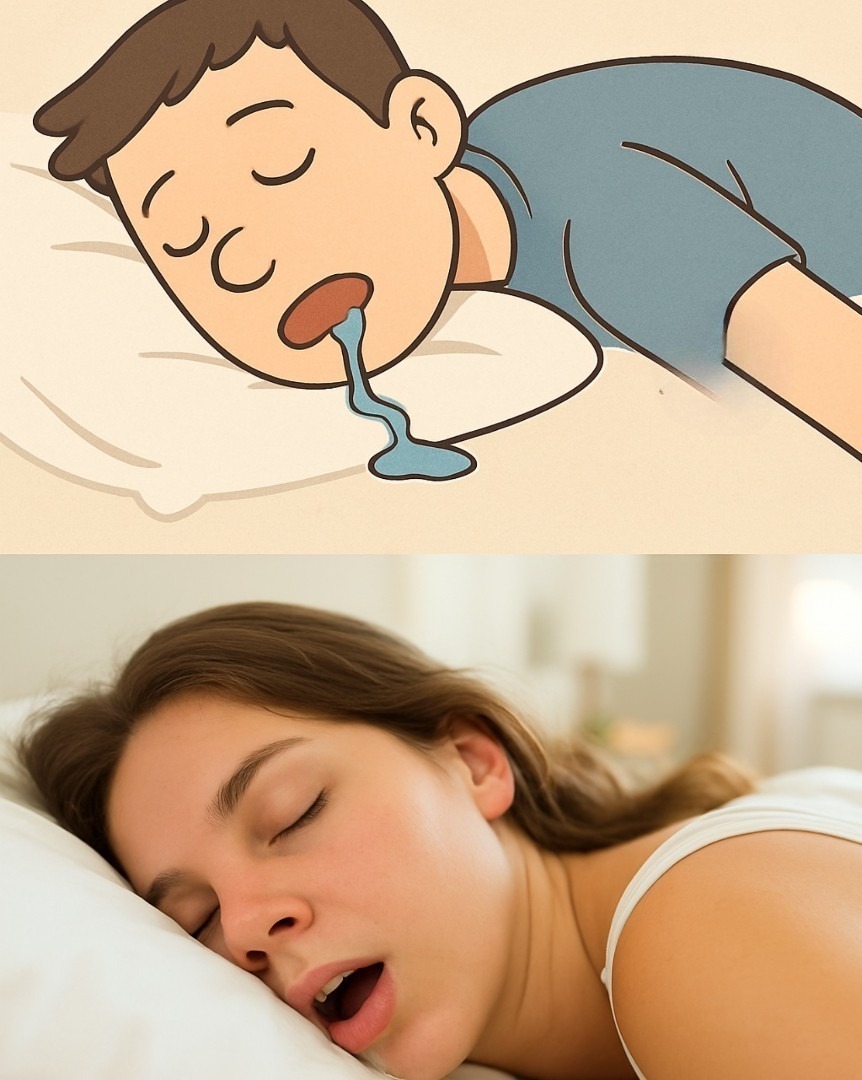
Drooling during sleep is something many people experience but rarely talk about. You may wake up and notice a damp spot on your pillow or feel embarrassed about it. However, sleep drooling is often a completely natural process and, in many cases, it can actually be a sign that your brain and body are entering a deeply restorative state. Understanding why drooling happens can help you see it not as something strange or unhealthy, but as part of the body’s normal sleep function.
The Connection Between Sleep and Brain Relaxation
When you fall asleep, your brain transitions through several sleep stages. These stages include light sleep, deep sleep, and REM (rapid eye movement) sleep. During deep sleep, your brain slows down its activity significantly. Your muscles relax, your breathing becomes steady, and your nervous system shifts into what is known as the parasympathetic state — also called the “rest and digest” mode.
In this deeply relaxed state, your voluntary muscle control decreases. This includes the muscles in your face and mouth. As a result, your mouth may open slightly, allowing saliva to escape. This is one of the main reasons why drooling occurs during sleep.
Sleep experts, including those at the American Academy of Sleep Medicine, explain that deep sleep is essential for brain restoration, memory processing, and physical healing. When your body reaches this stage successfully, it often means your nervous system feels safe and relaxed.
Why Your Body Produces Saliva
Saliva plays a critical role in maintaining your health. It helps:
-
Protect your teeth from bacteria
-
Aid digestion
-
Keep your mouth moist and comfortable
-
Prevent infections
Even during sleep, your salivary glands continue to produce saliva. Normally, when you are awake, you swallow automatically without thinking. But during deep sleep, your swallowing reflex slows down. Combined with relaxed facial muscles, saliva can accumulate and escape from your mouth.
This process is completely natural and does not usually indicate a health problem.
Drooling Can Be a Sign of Deep, Restorative Sleep
Many sleep specialists agree that drooling often happens when a person reaches deep sleep stages. According to sleep research organizations such as the National Sleep Foundation, deep sleep is the most restorative phase. During this time, the brain repairs itself, strengthens memory, and restores energy levels.
When your brain enters this phase:
-
Muscle tension decreases
-
Stress hormone levels drop
-
Breathing becomes slower and deeper
-
Your nervous system becomes calm
Drooling can simply be a side effect of this deeply relaxed condition.
In fact, people who rarely reach deep sleep due to stress, insomnia, or anxiety may drool less — not because drooling is bad, but because their body is not fully relaxing.
Sleep Position Also Plays a Role
Your sleeping position significantly affects whether you drool.
Side sleepers and stomach sleepers are more likely to drool because gravity allows saliva to flow out of the mouth more easily. Back sleepers are less likely to drool because saliva naturally stays in the mouth and is swallowed more easily.
This is why drooling is often more common when you sleep on your side, which is also considered one of the healthiest sleep positions.
Other Common Causes of Sleep Drooling
While drooling is usually harmless, there are other factors that can increase it:
-
Deep and heavy sleep
-
Nasal congestion or blocked nose
-
Sleeping with your mouth open
-
Fatigue or exhaustion
-
Certain medications that increase saliva production
Temporary drooling during illness, such as a cold or flu, is also common and usually resolves once breathing returns to normal.
When Drooling Is Completely Normal
Drooling is considered normal if:
-
It happens occasionally
-
You feel rested after sleep
-
You do not experience breathing problems
-
You have no pain or discomfort
In these cases, drooling simply reflects muscle relaxation and normal saliva production.
It can actually indicate that your brain successfully entered restorative sleep, which is essential for mental clarity, emotional balance, and physical health.
When Drooling Might Need Medical Attention
Although drooling is usually harmless, excessive drooling could sometimes indicate an underlying issue, especially if it happens suddenly or frequently alongside other symptoms.
You should consult a doctor if drooling is accompanied by:
-
Difficulty swallowing
-
Snoring or breathing interruptions
-
Choking sensations during sleep
-
Facial muscle weakness
-
Severe nasal blockage
In some cases, sleep apnea, sinus infections, or neurological conditions may contribute to excessive drooling.
However, these cases are less common, and most sleep drooling is completely normal.
How to Reduce Drooling If It Bothers You
If drooling makes you uncomfortable, there are simple steps you can take:
1. Improve your sleep position
Sleeping on your back may reduce drooling.
2. Keep your nose clear
Treat allergies or congestion to help you breathe through your nose.
3. Maintain good sleep habits
Regular sleep schedules improve overall sleep quality.
4. Stay hydrated
Balanced hydration helps regulate saliva production.
5. Reduce extreme fatigue
Excessive exhaustion can increase deep sleep intensity and drooling.
These steps can help reduce drooling while maintaining healthy sleep.
The Positive Side of Drooling During Sleep
Rather than viewing drooling as something negative, it can often be seen as a sign that your brain and nervous system are reaching a deeply relaxed state. This state is essential for healing, memory formation, and overall health.
Deep sleep allows your brain to:
-
Repair damaged cells
-
Strengthen learning and memory
-
Restore energy levels
-
Support emotional balance
Drooling can simply be a harmless side effect of this powerful restoration process.
Conclusion
If you drool while you sleep, it is usually a sign that your brain and body are deeply relaxed. During restorative sleep, your muscles loosen, your swallowing reflex slows, and saliva may naturally escape from your mouth. This process is normal and often reflects healthy sleep function.
In most cases, sleep drooling is nothing to worry about. It can even be a positive indicator that your brain is entering the deep stages of sleep necessary for healing and recovery. Only in rare situations, when drooling is excessive or accompanied by other symptoms, does it require medical attention.
