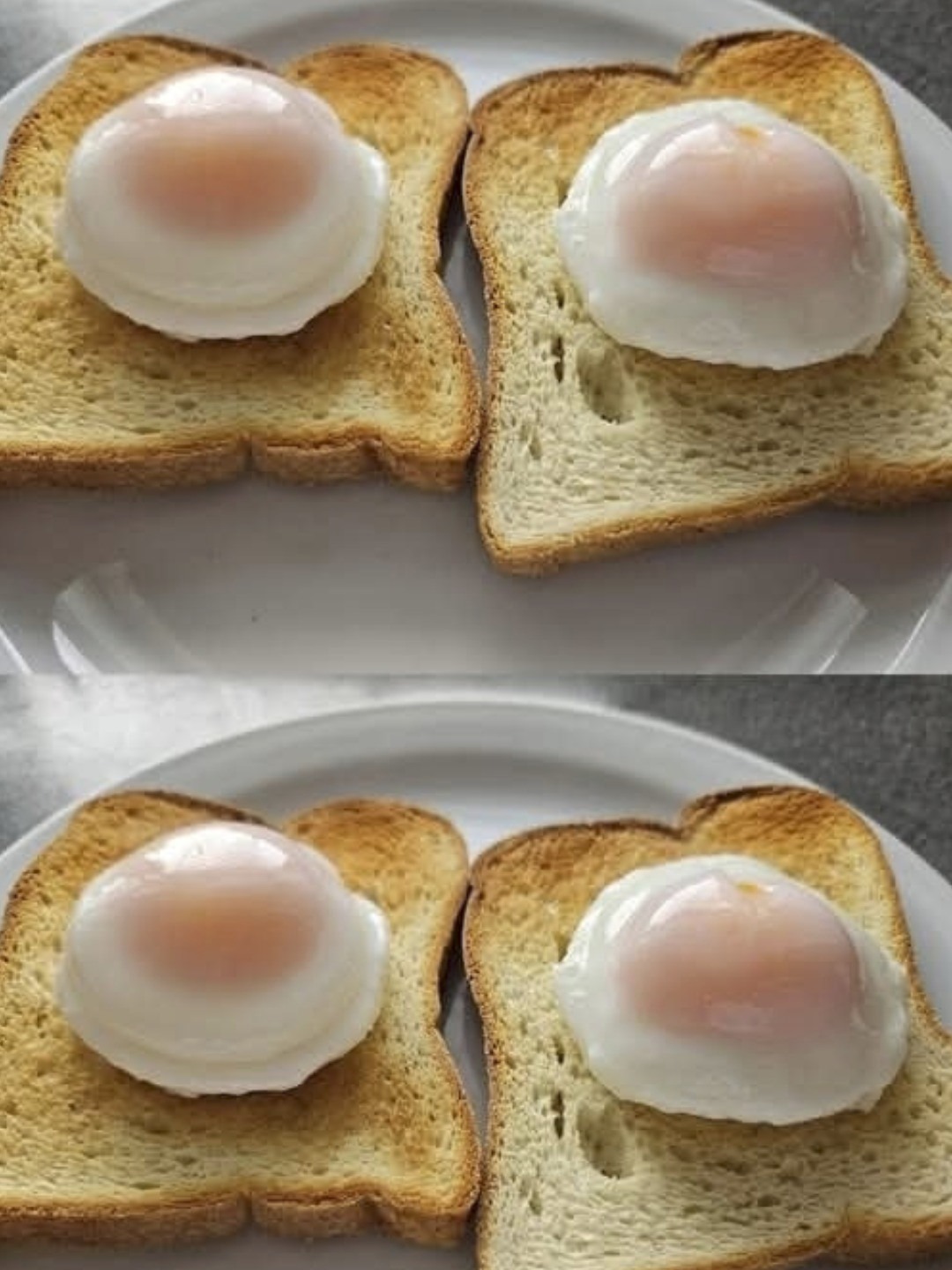
Poached eggs are often treated as a culinary test of patience and precision. When done poorly, they become wispy clouds of egg white floating sadly in water. When done well, they are silky, elegant, and dramatic—firm whites encasing a molten, golden yolk that spills luxuriously onto toast, greens, or grains. This recipe takes a slightly unconventional approach, combining temperature control, gentle salinity, and timing to create consistently perfect poached eggs with minimal stress.
Why This Method Works
Traditional poaching relies heavily on vinegar and vigorous swirling. While effective, vinegar can alter flavor and swirling can create uneven shapes. This recipe replaces vinegar with salted water and controlled heat, allowing the egg whites to naturally coagulate without harsh acidity. The result is a cleaner taste and a more naturally rounded egg.
Ingredients (Serves 2–4)
-
2–4 very fresh large eggs
-
1½ liters (6 cups) water
-
1 tablespoon fine sea salt
-
Ice water (optional, for holding eggs)
Optional flavor additions:
-
Fresh herbs (thyme, bay leaf, or dill stems)
-
A strip of lemon peel (not juice)
Equipment
-
Wide, shallow saucepan
-
Fine-mesh strainer
-
Small bowl or ramekin
-
Slotted spoon
-
Kitchen timer or clock
Step-by-Step Instructions
1. Start With the Freshest Eggs Possible
Freshness is the most overlooked secret of perfect poached eggs. Fresh egg whites are thicker and cling tightly to the yolk, preventing the stringy mess many people associate with poaching. If possible, use eggs that are less than a week old.
Crack each egg individually into a small bowl. This ensures you can gently slide the egg into the water and discard any broken yolks before they reach the pot.
2. Strain for Precision (The Unique Step)
Pour each cracked egg through a fine-mesh strainer for about 10 seconds. This removes the thin, watery portion of the egg white that causes feathering in the water. You’ll be left with a compact egg that holds its shape beautifully.
Transfer the strained egg back into a clean bowl or ramekin.
3. Prepare the Poaching Water
Fill a wide saucepan with 1½ liters of water and add the salt. Bring the water to a temperature just below a simmer—around 85–90°C (185–195°F). You should see tiny bubbles forming on the bottom of the pan, but no rolling boil.
If you like subtle aromatic notes, add a sprig of herbs or a strip of lemon peel. These gently perfume the egg without overwhelming its flavor.
4. Create a Gentle Landing Zone
Instead of stirring the water into a vortex, simply use a spoon to create a slow, shallow current in one direction. This soft movement helps the egg white wrap around the yolk naturally without tearing.
Lower the bowl close to the water’s surface and gently slide the egg in.
5. Poach With Patience
Set a timer for 2½ to 3½ minutes, depending on how runny you like your yolk.
-
2½ minutes: very soft, flowing yolk
-
3 minutes: classic runny yolk
-
3½ minutes: slightly jammy center
Avoid touching the egg for the first minute. After that, you may gently nudge it away from the pan if it sticks.
6. Lift and Drain
Use a slotted spoon to lift the egg from the water. Let excess water drain off for a few seconds. If serving immediately, place directly onto toast or a warm plate.
If making multiple eggs, transfer finished eggs to an ice-water bath for up to 10 minutes. To reheat, return them to hot (not boiling) water for 30–45 seconds.
How to Serve Your Perfect Poached Egg
This poached egg is versatile and elegant. Try it:
-
Over sourdough toast with cultured butter and flaky salt
-
On sautéed greens with garlic and olive oil
-
With roasted vegetables and yogurt sauce
-
On rice or grains with chili oil and herbs
-
As a refined topping for soups or salads
Finish with cracked black pepper, smoked salt, or a drizzle of infused oil for extra depth.
Common Mistakes (and How to Avoid Them)
-
Boiling water: Aggressive bubbling breaks the egg apart. Keep the heat gentle.
-
Old eggs: Thin whites will never fully behave. Freshness matters more than technique.
-
Too much vinegar: It firms whites but compromises flavor. Salt is enough.
-
Overcrowding: Poach one or two eggs at a time for best results.
Final Thoughts
Perfectly poached eggs are less about tricks and more about respect for the ingredient. By slowing down, controlling temperature, and using a simple straining step, you can achieve restaurant-quality results at home—consistently and confidently. Once mastered, this technique turns a humble egg into something truly special.
